
Michelin Plate · The Sunday Times Ireland’s 100 Best Restaurants
Our verdict
Under the railway arches at Grand Canal Quay, Osteria Lucio brings a distinctly Irish warmth to the Italian trattoria format. The all-Italian wine list and a room that hums without ever tipping into noise make it one of Dublin's more considered casual Italian restaurants.

Pearl is the En Primeur Club membership app, where members save venues, book tables and use the concierge.
The Railway Arch Setting and What It Tells You About the Room
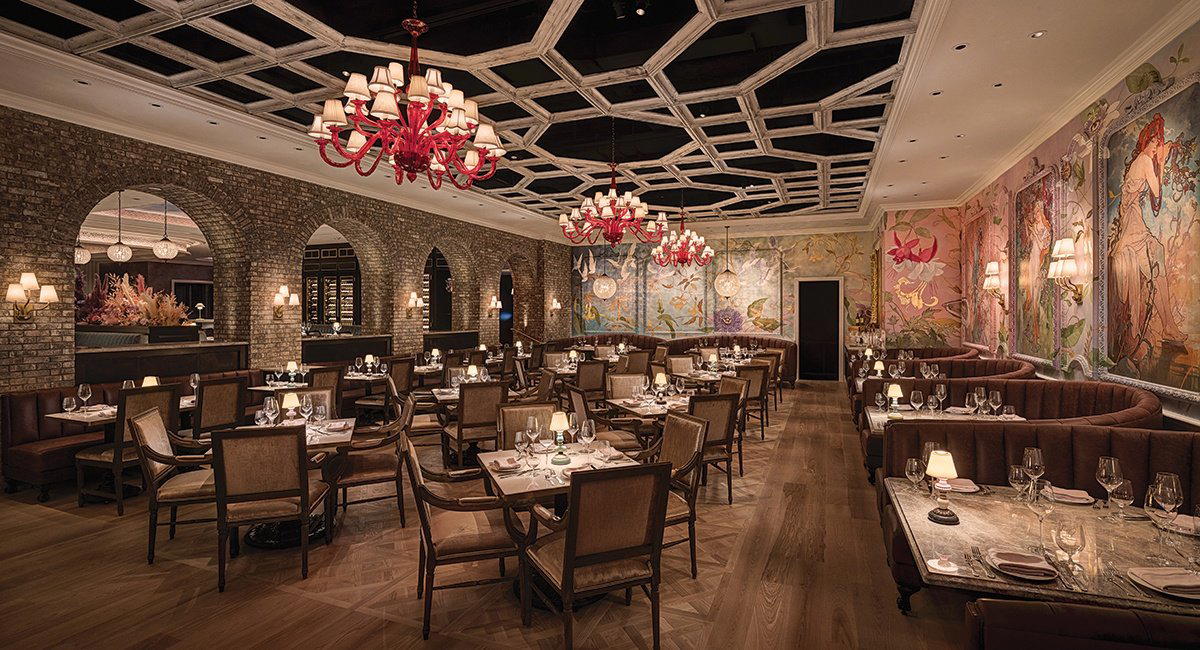
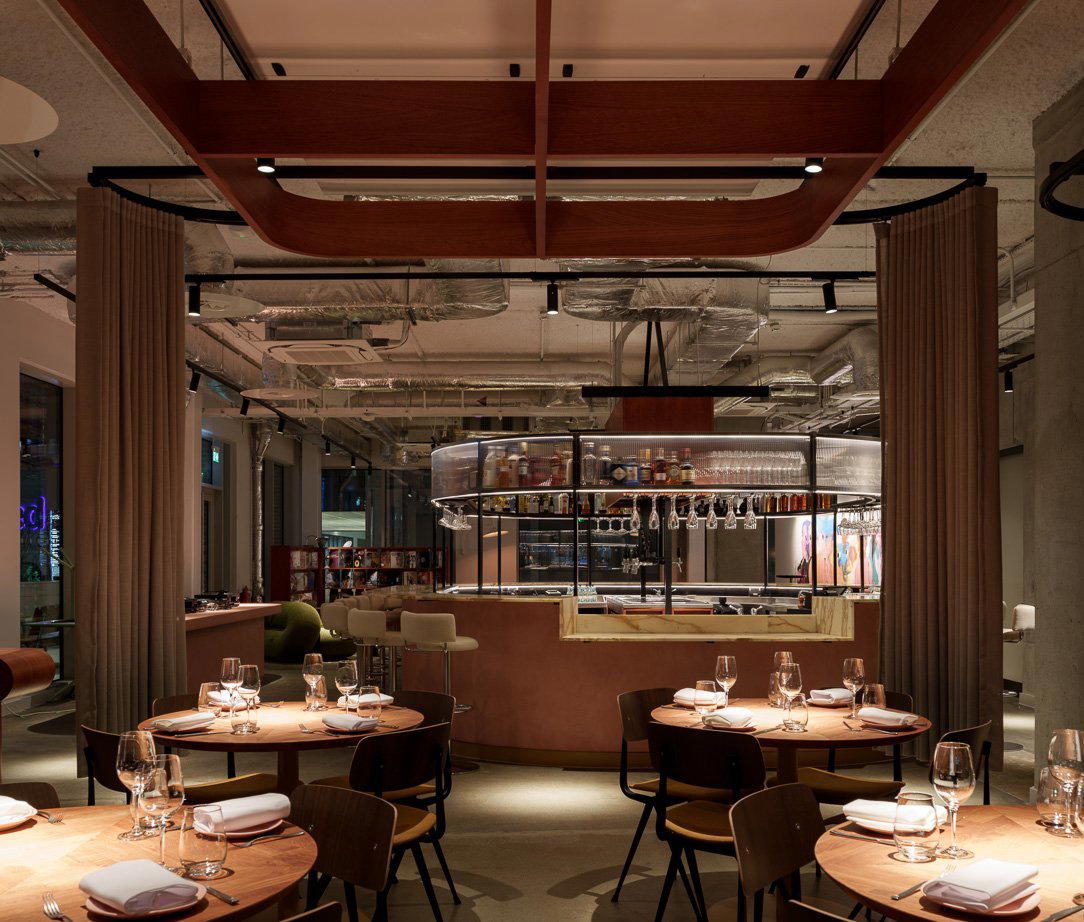
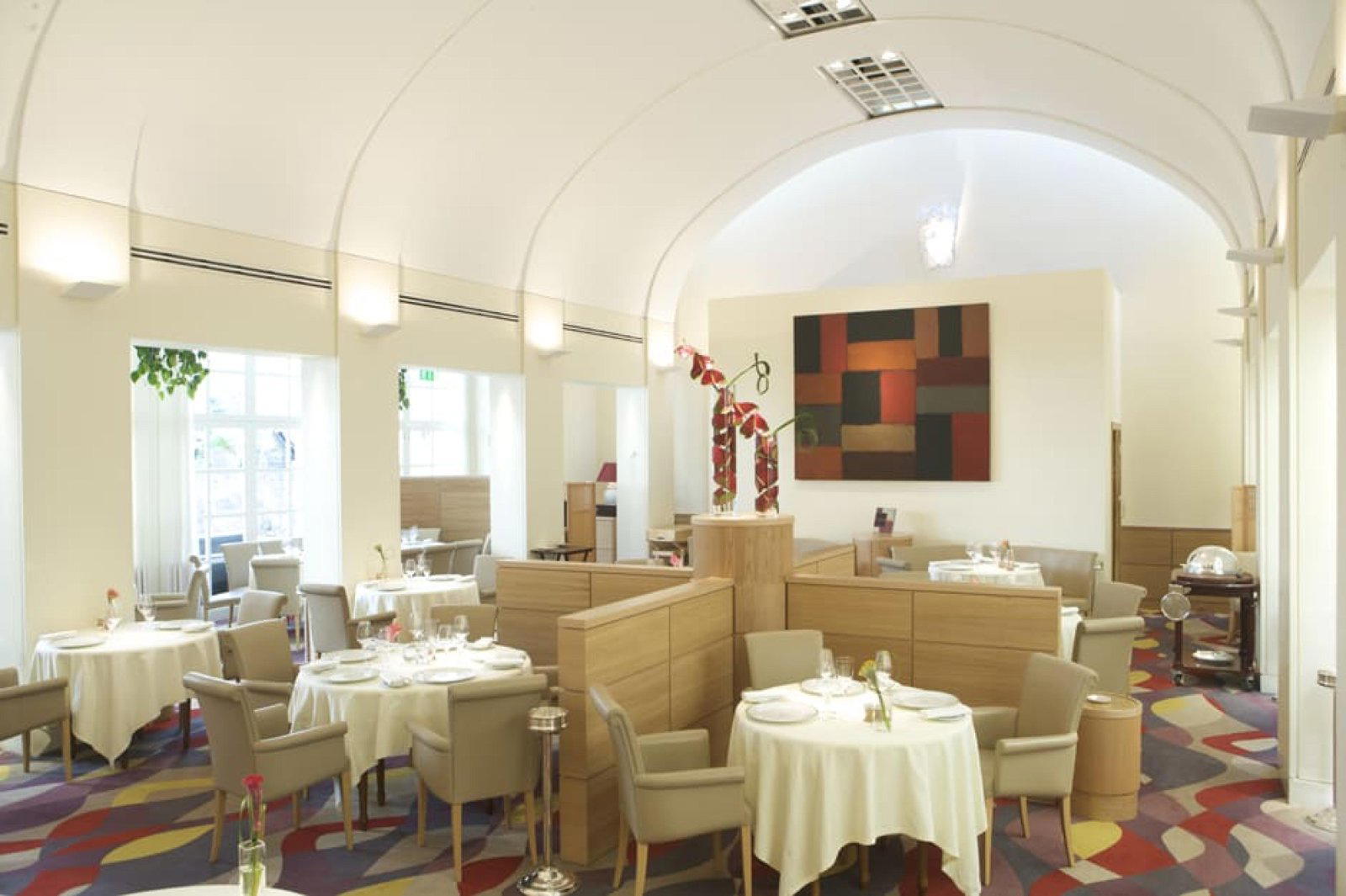
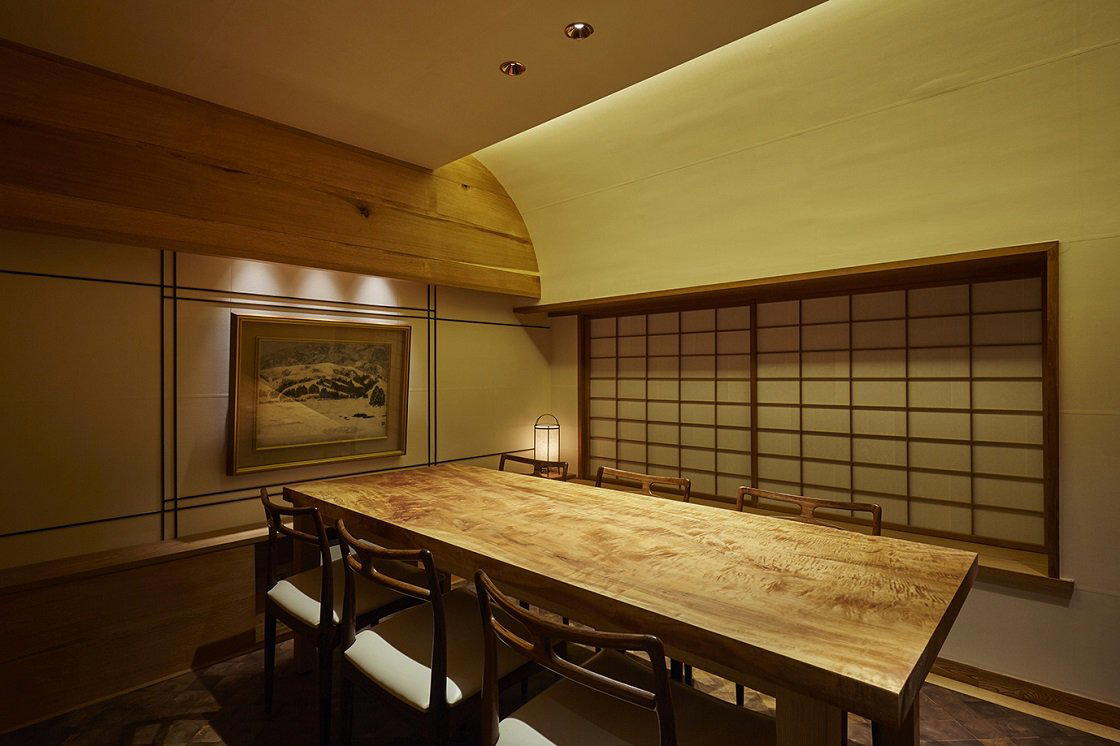
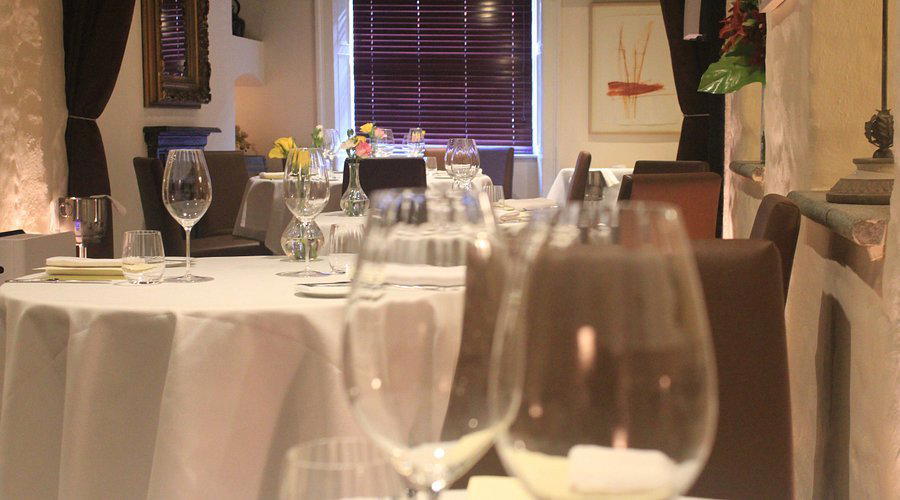
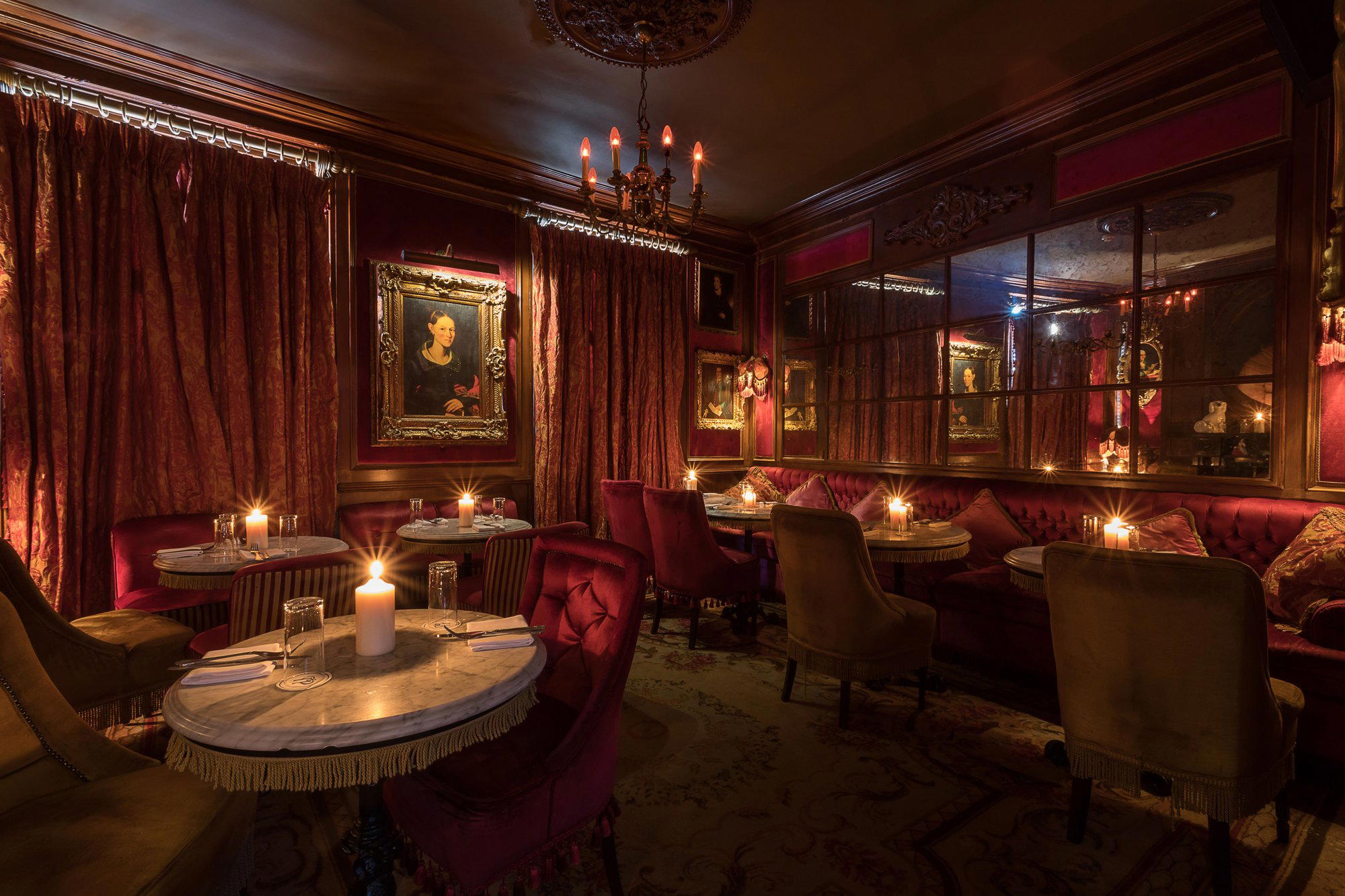
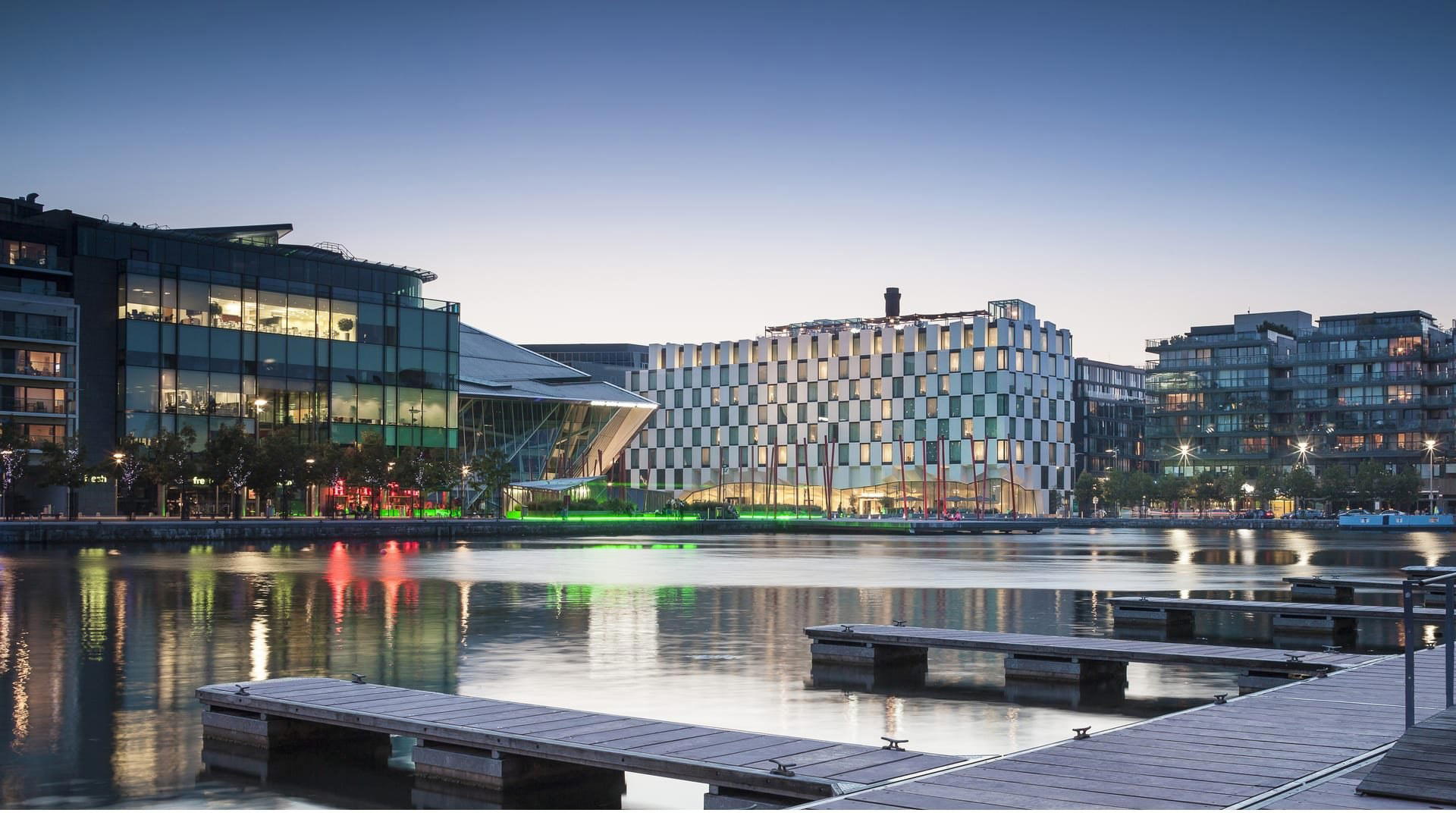
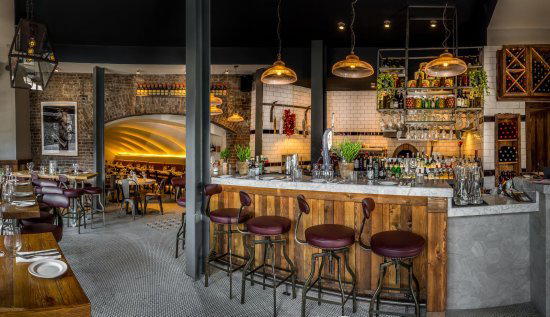
Grand Canal Quay has quietly become one of Dublin's more interesting stretches for eating and drinking, a canal-side strip that runs through the Docklands and attracts a mix of tech-sector regulars, after-work groups, and weekend diners who have moved beyond the city centre circuit. Osteria Lucio occupies The Malting Tower on Clanwilliam Terrace, positioned under the railway arches in a space where the architecture does real work. The vaulted structure gives the room height and weight, materials that arrived long before any restaurant fit-out, and an energy that sits somewhere between a classic Italian osteria and a contemporary urban dining room. You hear the warmth before you assess it analytically.
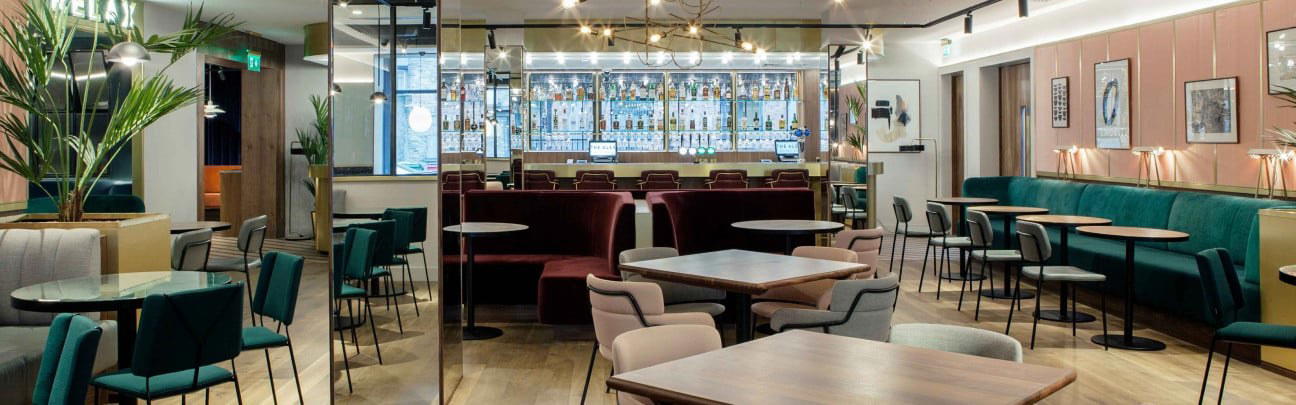
That atmosphere is not accidental. The trattoria tradition in Italy has always prized the room alongside the plate. Neighbourhood restaurants that last are not defined by a single exceptional dish but by a cumulative effect: the welcome at the door, the way the wine arrives without ceremony, the sense that the kitchen is cooking for regulars even when you are not one. Osteria Lucio operates in that spirit, and the setting under the arches at Grand Canal Quay reinforces it rather than contradicting it.
A Menu Built Around Tradition and Restraint
The Italian restaurant category in Dublin has broadened considerably over the past decade. At one end, fast-casual pizza and pasta operations dominate volume; at the other, a small number of kitchens treat Italian cooking as a serious craft proposition. Osteria Lucio sits in the latter group, at a €€€ price point that positions it above the casual end without crossing into the tasting-menu formality of places like Chapter One by Mickael Viljanen or Patrick Guilbaud.
The menu follows a familiar trattoria logic: antipasti, pasta, secondi. Bruschetta and arancini anchor the opening section, dishes that in lesser hands become afterthoughts but here serve as an early indicator of kitchen discipline. The pasta selection is where the Italian trattoria tradition most clearly asserts itself: spinach and ricotta ravioli is a well-worn format, but its execution depends entirely on the quality of the ricotta and the pasta sheet, details that separate competent kitchens from attentive ones. The pepper and fennel stew with burrata is a more contemporary construction, the kind of dish that signals a kitchen comfortable moving slightly beyond the canon without abandoning it.
Suckling pig cooked al forno has become the kitchen's calling card. Slow-roasted pork in Italian cooking has deep regional roots, from porchetta in Lazio to maialino in Sardinia, and the al forno method rewards patience and precise temperature control. That a dish of this type has achieved signature status at Osteria Lucio says something about both kitchen confidence and what the room's regulars keep returning for.
The Sprezzatura Argument and Why It Matters
Concept of sprezzatura, drawn from Castiglione's sixteenth-century writing on courtly behaviour, describes effort that appears effortless. In a kitchen context, it maps to something specific: food that arrives without the theatrical scaffolding of modern fine dining but that carries the technical depth to justify serious attention. Chef Ross Lewis, who trained at Chapter One and has shaped Dublin's fine dining conversation over decades, has framed Osteria Lucio explicitly around this idea. The late Paul Bertolli, one of the more thoughtful voices in Italian-American cooking, described this register as "food grounded in a tradition, yet enlivened by the act of greeting the process and the ingredients anew." That framing applies directly to what the kitchen at Lucio attempts: a menu that reads classically but cooks with spontaneity.
This is, incidentally, a harder thing to sustain than a tasting menu format where the dishes are fixed and the execution is repeated nightly. The trattoria model depends on a kitchen that remains genuinely engaged with its own cooking, which is why the leading neighbourhood Italian restaurants feel alive rather than mechanical. Osteria Lucio's Michelin Plate recognition in both 2024 and 2025 confirms that the kitchen is meeting a standard, not coasting on the room's goodwill.
Where Osteria Lucio Sits in Dublin's Italian and Neighbourhood Restaurant Scene
Dublin's broader restaurant scene has invested heavily in modern Irish cooking in recent years. Places like Bastible and Liath in Blackrock represent a strand of cooking that foregrounds Irish produce and contemporary technique. Osteria Lucio operates from a different premise: Italian tradition as the governing framework, with Irish hospitality and seasonal awareness layered in. The pairing is less common in Dublin than in London, where Italian neighbourhood restaurants have occupied a confident mid-market tier for years.
The all-Italian wine list is a deliberate editorial statement. In a city where wine lists tend toward safe international breadth, committing to a single country's output signals both a point of view and a kitchen confident enough not to hedge. Italy's wine canon is wide enough to cover every course, from Campanian whites through central Italian reds to dessert wines, and a focused Italian list at this price tier serves the food better than a generic global selection would. The cocktail offering provides an alternative entry point for those who want to open the evening differently.
For wider context on where Osteria Lucio fits within the city's options, our full Dublin restaurants guide maps the scene across price tiers and neighbourhoods. If you are planning a broader trip, our Dublin hotels guide, bars guide, and experiences guide cover the adjacent decisions. Those exploring Italian cooking at different scales internationally may find useful counterpoints in 8 1/2 Otto e Mezzo Bombana in Hong Kong and cenci in Kyoto, two kitchens that place Italian tradition in entirely different urban contexts. For Irish cooking across the country, Aniar in Galway, Bastion in Kinsale, Campagne in Kilkenny, dede in Baltimore, and Terre in Castlemartyr represent the range of serious restaurants operating outside the capital. In Dublin itself, Grano and D'Olier Street occupy adjacent parts of the city's mid-to-upper dining tier.
Planning a Visit
Osteria Lucio is located at The Malting Tower, Grand Canal Quay, Clanwilliam Terrace, Dublin 2 (D02 DW90), a short walk from the Grand Canal Dock DART station and accessible from the city centre on foot in under twenty minutes. Spring evenings, particularly from March onward when the canal-side atmosphere shifts with the light, suit the room well; the Docklands area gains foot traffic as the weather improves, and booking ahead for weekend sittings is advisable. The €€€ pricing places a full dinner with wine in the mid-range bracket for Dublin, above the casual Italian category but accessible relative to the city's fine dining tier.
Frequently asked questions
Does Osteria Lucio work for a family meal?
The menu structure at Osteria Lucio, recognisable Italian dishes built around pasta, arancini, bruschetta, and a signature suckling pig al forno, translates well across ages and appetite sizes. The railway arch setting at Grand Canal Quay gives the room a lively rather than hushed character, which helps. Families should be comfortable here, though the €€€ price range is worth factoring in at the planning stage.
Is Osteria Lucio formal or casual?
The room occupies the Malting Tower under the railway arches on Grand Canal Quay, and the ambience leans animated rather than stiff. Ross Lewis has spoken about pursuing sprezzatura in the cooking, a kind of studied ease, and that sensibility carries into the dining room. Michelin's 2025 Plate recognition points to a kitchen taken seriously, but this is not a tasting-menu counter requiring advance ceremony.
What awards or recognition does Osteria Lucio have?
Osteria Lucio has received recognition including: Located under the railway arches, this elegant restaurant comes with a lively ambience and a roll-call of recognisable Italian dishes. You could start proceedings with bruschetta or arancini before moving onto a choice of pastas, while suck….
What's the signature dish at Osteria Lucio?
Suckling pig cooked al forno has become the dish most associated with Osteria Lucio, and the Michelin guide singles it out specifically. The wider menu runs through pasta, bruschetta, and arancini as familiar reference points, but the al forno pig is what regulars and first-timers alike tend to order.
What cuisine category does Osteria Lucio fall under?
What's the pricing like at Osteria Lucio?
Pricing at Osteria Lucio is listed as €€€.
Reputation First
| Venue | Cuisine | Price | Awards | Notes |
|---|---|---|---|---|
| Osteria LucioThis venue (the venue you are viewing) | Italian Osteria | Not listed | Michelin Plate · The Sunday Times Ireland’s 100 Best Restaurants | Not listed |
| Patrick Guilbaud | Modern French Fine Dining | $150–200 | 2 Michelin Stars · La Liste Top Restaurants | Irish - French, Modern French |
| Bastible | Modern Irish | $100–150 | 1 Michelin Star · The Sunday Times Ireland’s 100 Best Restaurants | Modern Cuisine |
| Host | Modern Italian | $50–100 | Michelin Plate | Not listed |
| mae | Modern Irish Fine Dining | $50–100 | Michelin Plate · The Sunday Times Ireland’s 100 Best Restaurants | Not listed |
| Matsukawa | Authentic Edomae Omakase | $100–150 | Michelin Plate · La Liste Top Restaurants | Not listed |
Recognition history
Dated appearances from independent guides and award organizations, with the underlying list record or original source where available.
Michelin Plate
Michelin
The Sunday Times Ireland’s 100 Best Restaurants
The Sunday Times
Full recognition history (4 entries)
Michelin Plate
Michelin
Michelin Plate
Michelin