

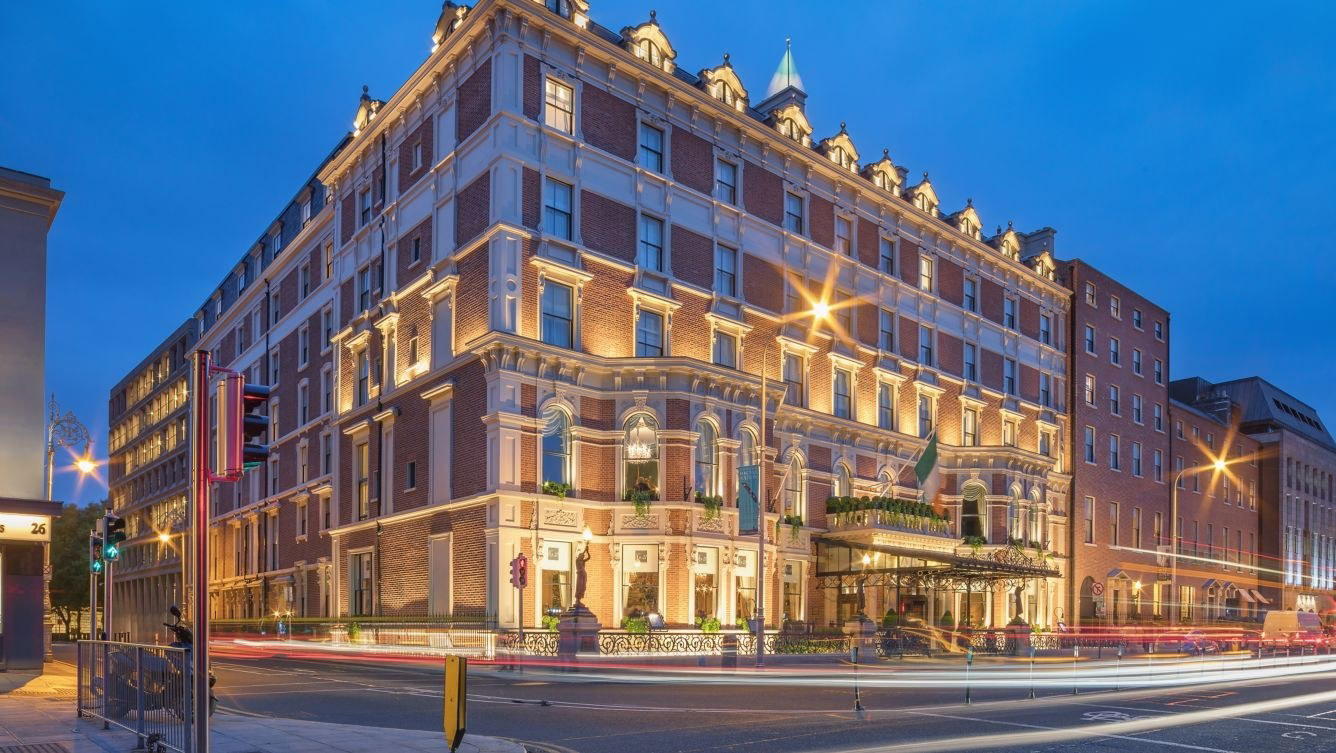
On the edge of Merrion Square in the heart of Georgian Dublin, The Leinster occupies a setting where art galleries, design studios, and museums define the immediate neighbourhood. The hotel positions itself around considered hospitality and the slower rhythms of a city that still values the art of lingering, placing it in a distinct tier among Dublin 2's character-led properties.
Pearl is the En Primeur Club membership app — saves, bookings, and concierge access live there. Same editors, same standards.
- Address
- 7 Mount Street Lower, Dublin 2, D02 WK33, Ireland
- Phone
- +353 1 233 6000
- Website
- theleinster.ie
- Directions
- Get directions
 Saves & bookings on Pearl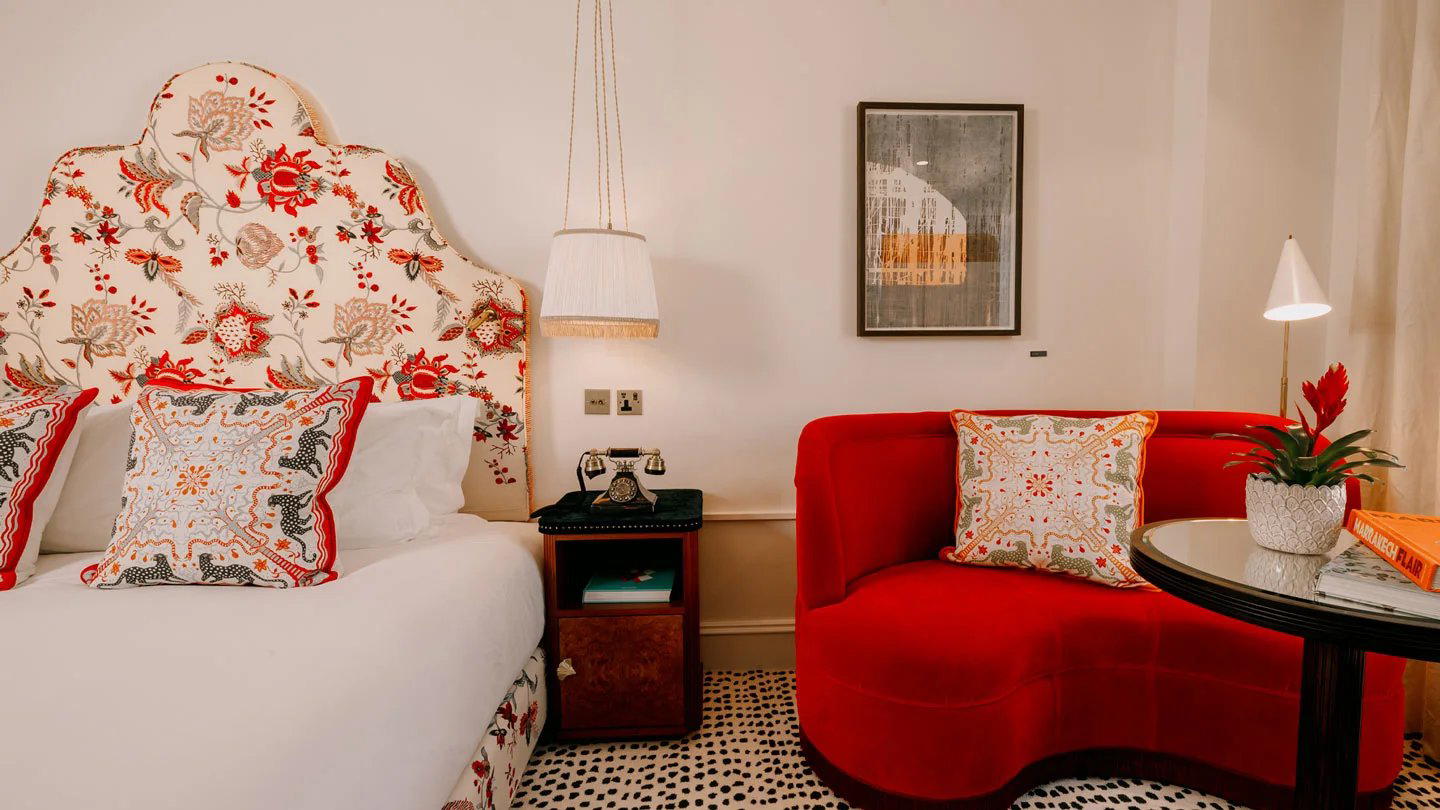
Merrion Square and the Georgian Grid That Frames It
Mount Street Lower sits at the southern edge of Merrion Square, among the stronger-preserved Georgian streetscapes in Europe. The square itself dates to the 1760s, and the brick terraces that line it have housed law firms, embassies, and cultural institutions for generations. What that address communicates, before a guest steps through any door, is a particular Dublin: measured, architecturally coherent, and historically layered in a way that the Docklands or Smithfield cannot replicate. Hotels that occupy this corridor, including Anantara The Marker Dublin Hotel a short walk east toward Grand Canal Dock, tend to position themselves against that inherited gravitas rather than against it. The Leinster is a 4-star hotel in Dublin, with 55 rooms and a nightly rate from about $191.
The neighbourhood also places a guest within walking distance of the National Gallery of Ireland, the Natural History Museum, and the Government Buildings complex. Art galleries and design studios occupy the ground-floor units along the surrounding streets, which gives the immediate area a daytime cultural density that is unusual even for Dublin 2. For a hotel that frames itself around curiosity and lingering, the address does substantive work.
What Kind of Hotel This Is
Dublin's premium hotel offer has split along a familiar axis. At one end sit the large international-flag properties, among them the Conrad Dublin and the InterContinental Dublin, which bring scale, loyalty programs, and polished corporate infrastructure. At the other end sits a smaller tier of character-led properties where the building, the sense of place, and the quality of hospitality matter more than brand recognition. The Leinster belongs to the second group. Its positioning language, centred on classic beauty, warmth, and a real sense of fun, signals intent: this is a property that wants to feel like a thoughtful Dublin address rather than a branded commodity.
That positioning places it in a comparable set that includes Number 31, the celebrated Georgian townhouse on Leeson Close that has long attracted guests who prioritise architectural atmosphere over amenity breadth, and the Dylan Hotel, which takes a different approach by leaning into design-forward interiors within a Victorian shell. The Leinster's language of lingering and curiosity aligns it more closely with the former than the latter, though it operates from a distinct address.
The Georgian Setting as an Active Ingredient
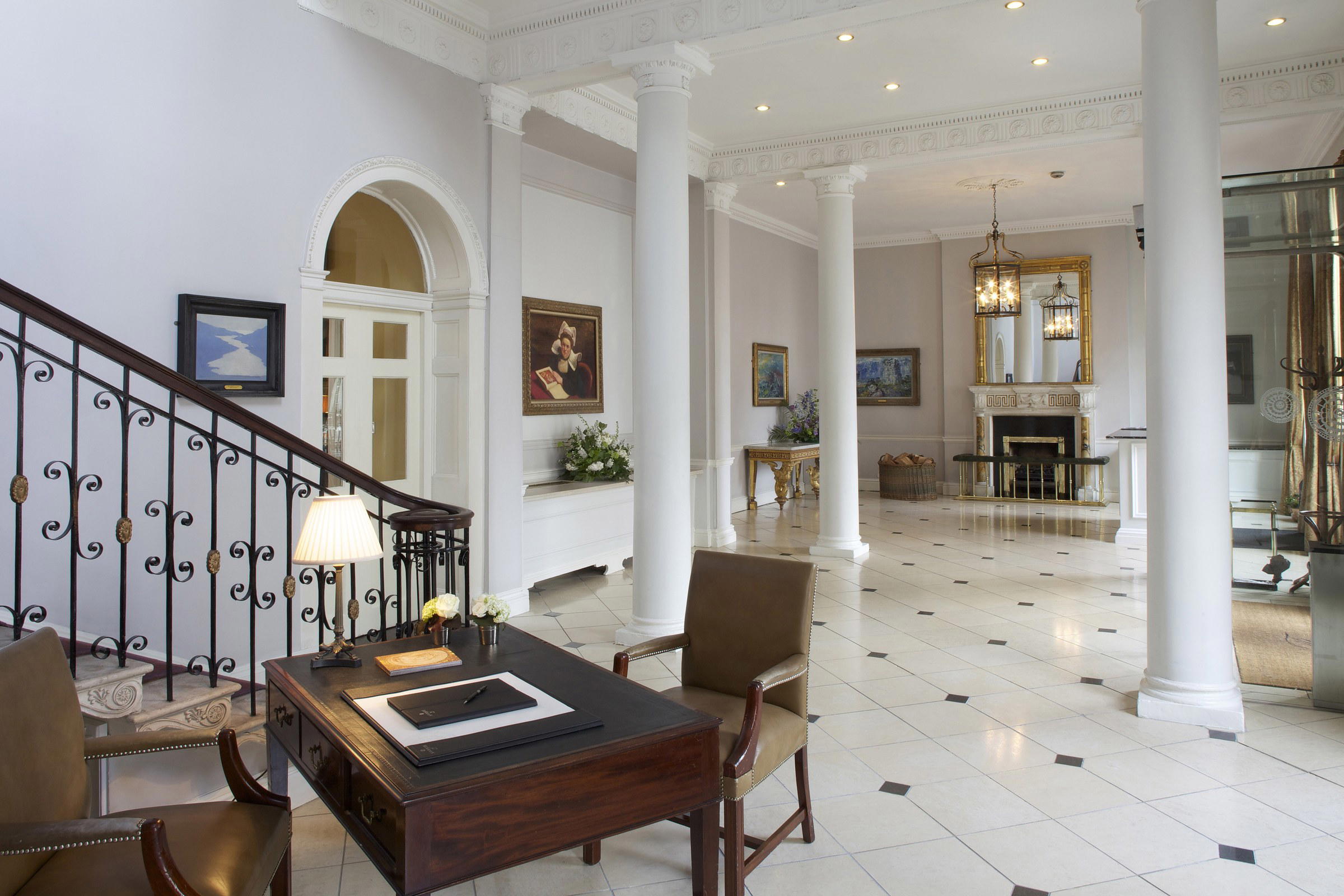
Georgian Dublin has a spatial logic that informs how properties within it are experienced. The proportioned sash windows, high ceilings, and fanlight doorways of the period create rooms with a particular quality of light, especially in the afternoon when the south-facing aspect of many Merrion Square buildings catches the low Irish sun. Guests who have stayed in comparable Georgian properties across Dublin or Edinburgh will recognise the way the architecture imposes a kind of pace: the staircases slow you down, the proportions encourage you to look up.
For a hotel that explicitly positions itself around the art of lingering, that is less a design choice than a structural advantage. The building does the work. The interiors and hospitality programme amplify what the architecture already provides. The language of classic beauty in the hotel's own framing suggests the interior approach aligns with the building's period rather than working against it, which is the more commercially cautious path but also, historically, the more enduring one in this neighbourhood.
Guests considering the wider Georgian Dublin offer should note that comparable character-led properties across Ireland vary considerably in how they use similar raw material. Ballyfin Demesne in County Laois and Cashel Palace in Tipperary work from equally strong period bones but at a country-house remove from any city grid. The hotel's urban Georgian position is a distinct proposition: period atmosphere with the National Gallery across the park.
Dublin 2 as a Base for the City
The D02 postcode covers a corridor that is genuinely walkable to most of what matters in central Dublin. Grafton Street and its surrounding retail and dining cluster is fifteen minutes on foot heading west. The Grand Canal Dock area, which has attracted most of the city's newer restaurant energy over the past decade, is accessible in the other direction. For guests whose itinerary involves cultural institutions, the Merrion Square location is close to optimal: the National Gallery and Natural History Museum are effectively adjacent, and the Chester Beatty Library at Dublin Castle is a manageable walk through Trinity's back streets.
The wider Irish property offer, for guests using Dublin as a gateway rather than a destination in itself, branches out in several directions. Kerry, with properties like Parknasilla Resort and Spa and Aghadoe Heights Hotel and Spa, is a four-hour drive or a short flight from Dublin. The west, with Ashford Castle in Cong and Ballynahinch Castle in Recess, is similarly accessible. For a first visit to Ireland that combines a city base with a country-house leg, Dublin 2 works well as a starting point, and Merrion Square is a credible address for the first night.
Guests planning a longer circuit of Ireland's finer properties might also consider Adare Manor in Limerick, Castle Leslie Estate in Monaghan, or the food-led Ballymaloe House Hotel in Cork. The Camden Court Hotel and Clayton Hotel Ballsbridge offer further Dublin options at different price and character points.
Planning a Stay
The hotel is at 7 Mount Street Lower, Dublin 2 (D02 WK33), positioned on the south-eastern approach to Merrion Square. Dublin city centre hotels in this quarter tend to be in demand during the late spring and summer months, when the square's gardens are open and the cultural calendar is most active; the autumn shoulder season, from September through October, offers similar light and fewer peak-season pressures. Those with a particular interest in the Georgian streetscape or the surrounding museum cluster will find that arriving outside July and August allows for more considered engagement with both the neighbourhood and the property itself.
Peers in This Market
Comparable venues nearby, for context on price, style, and recognition.
| Venue | Cuisine | Price | Notes |
|---|---|---|---|
| The LeinsterThis venue — the venue you are viewing | Contemporary luxury boutique hotel with art deco influences and Irish heritage references, positioned as a destination for informed travelers seeking design-forward accommodations and internationally prominent dining. | $$$ | Not listed |
| The Hoxton, Dublin | Design-led boutique in historic Victorian building | $$$ | Creative Quarter |
| Clayton Hotel Ballsbridge | Historic Victorian building with contemporary updates | $$$ | Pembroke East E |
| Maldron Hotel Croke Park | Contemporary 4-star city hotel with business- and event-friendly positioning. | $$$ | Drumcondra |
| Camden Court Hotel | Contemporary city centre hotel in restored Georgian-style houses | $$$ | Saint Kevin'S |
| The Mont Dublin | Classic contemporary Art-deco boutique hotel | $$$ | Mansion House A |
Recognition history
Dated appearances from independent guides and award organizations, with the underlying list record or original source where available.
Esquire Best New Hotels
Esquire
Michelin Selected
Michelin
Continue exploring
More in Dublin
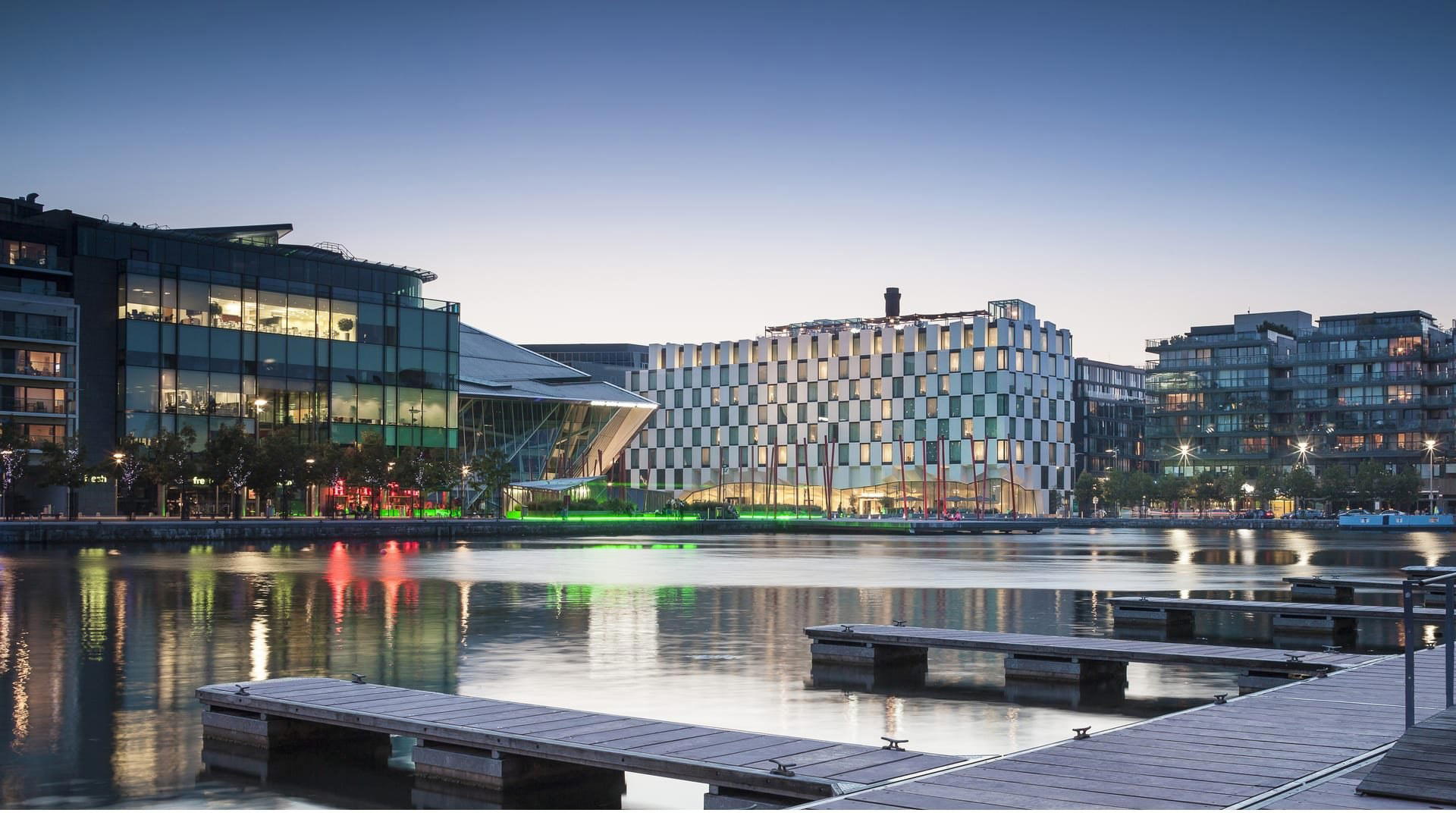
Hotels in Dublin
Browse all →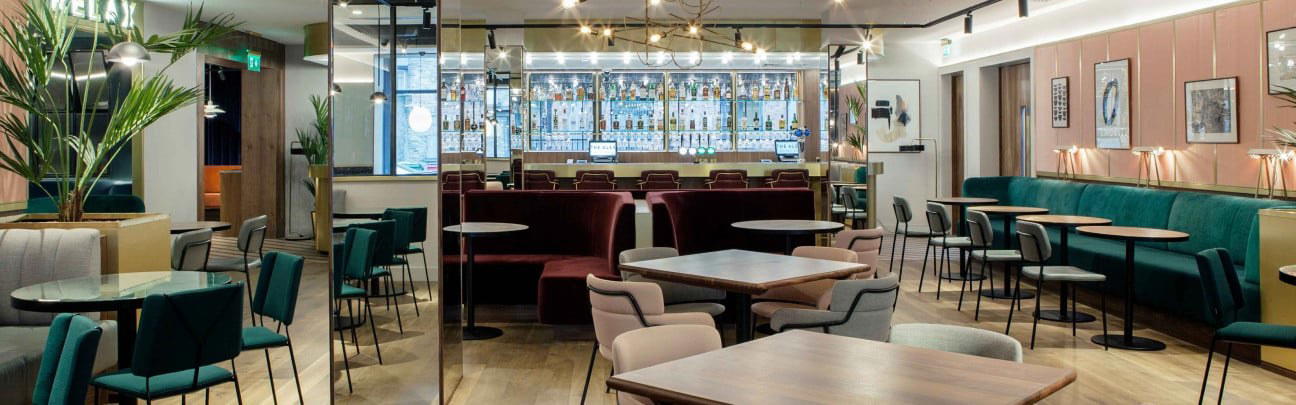
Bars in Dublin
Browse all →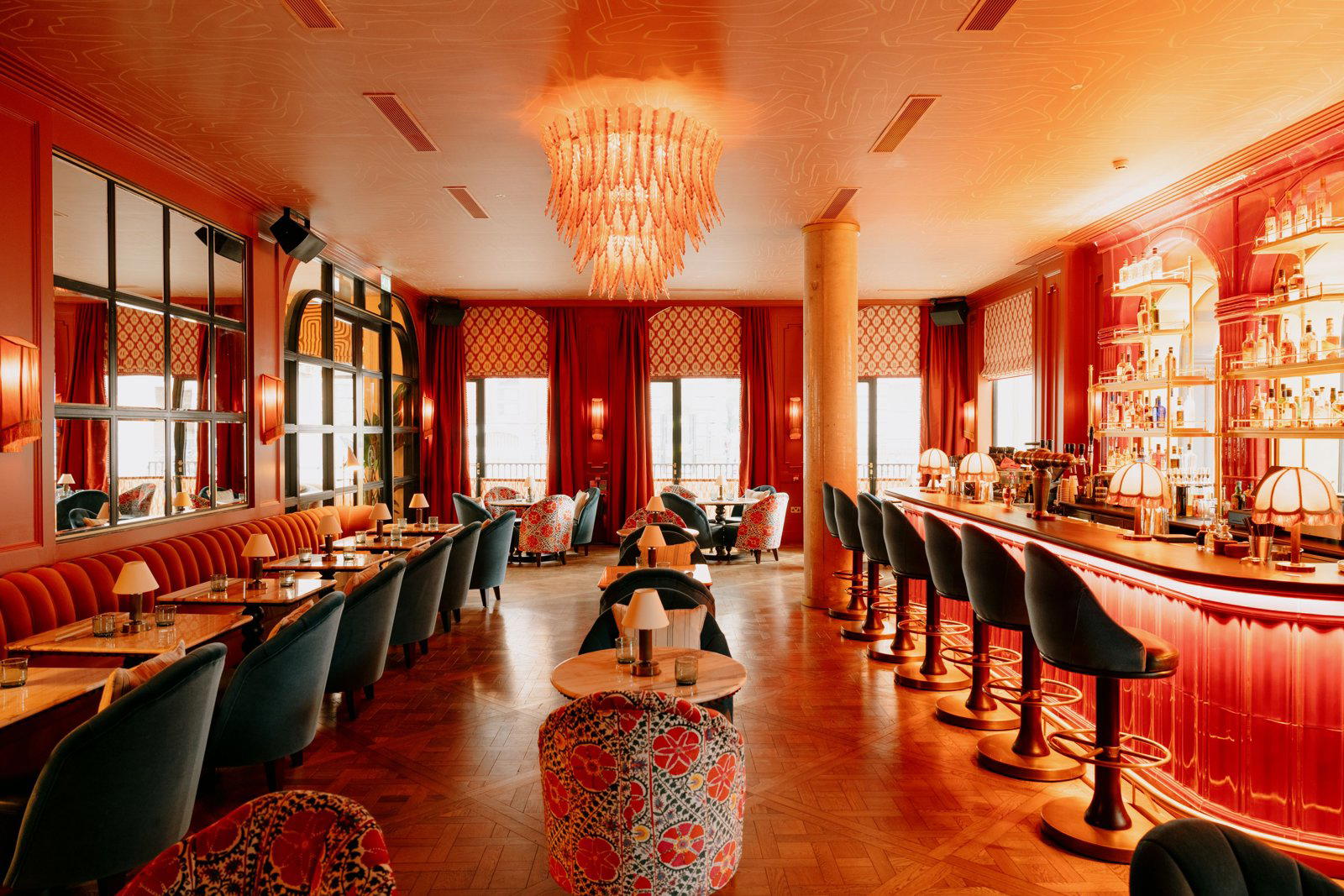
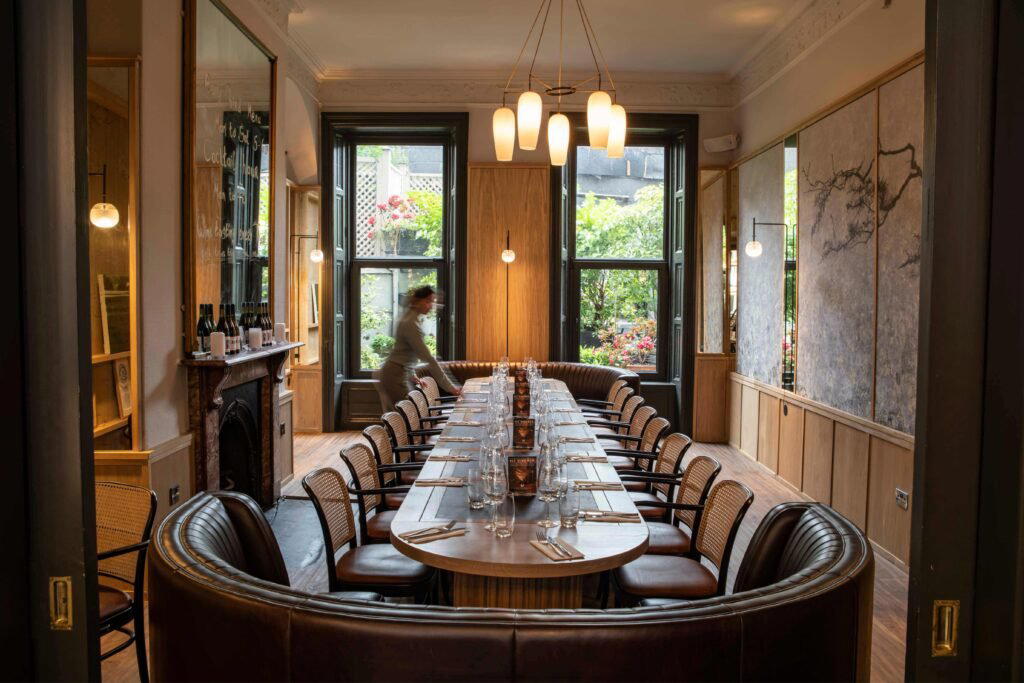
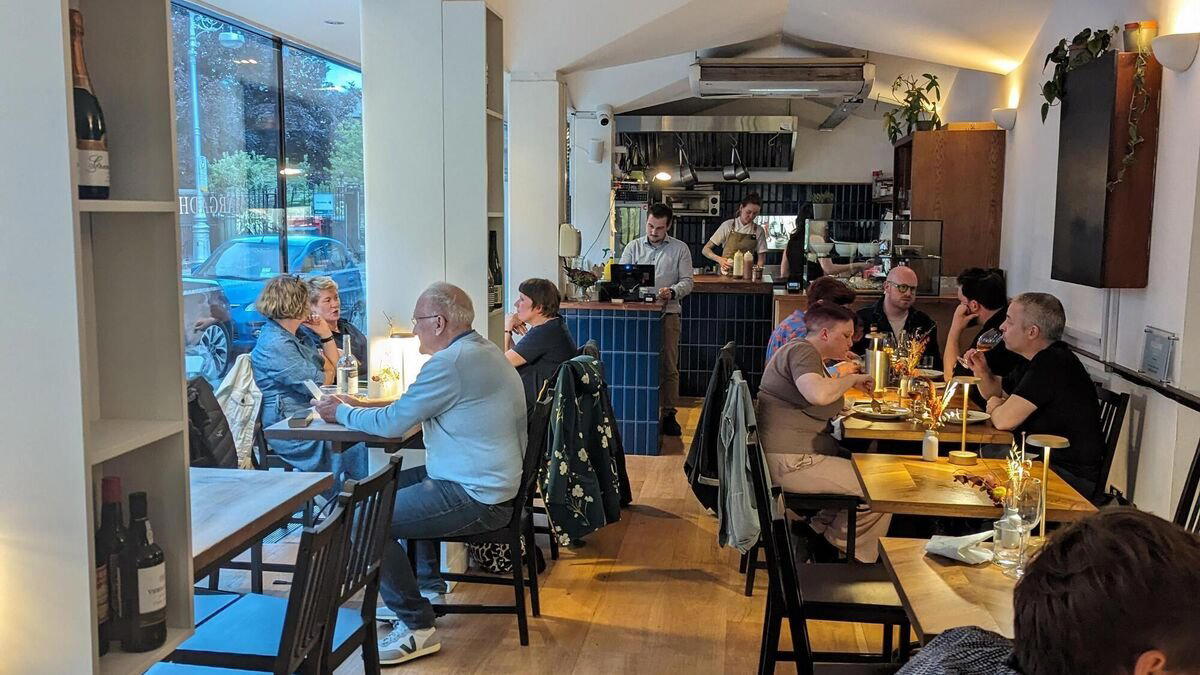
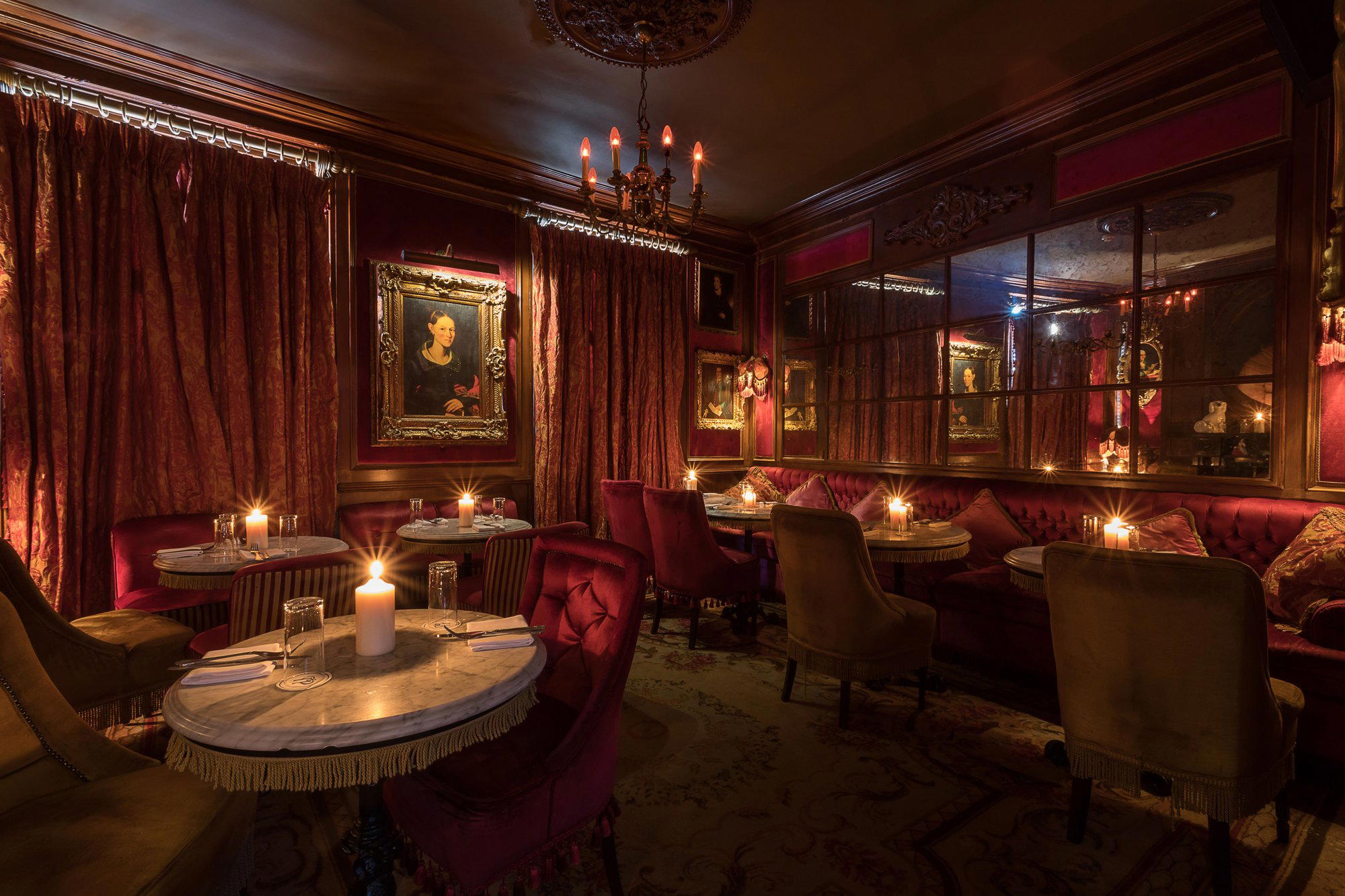
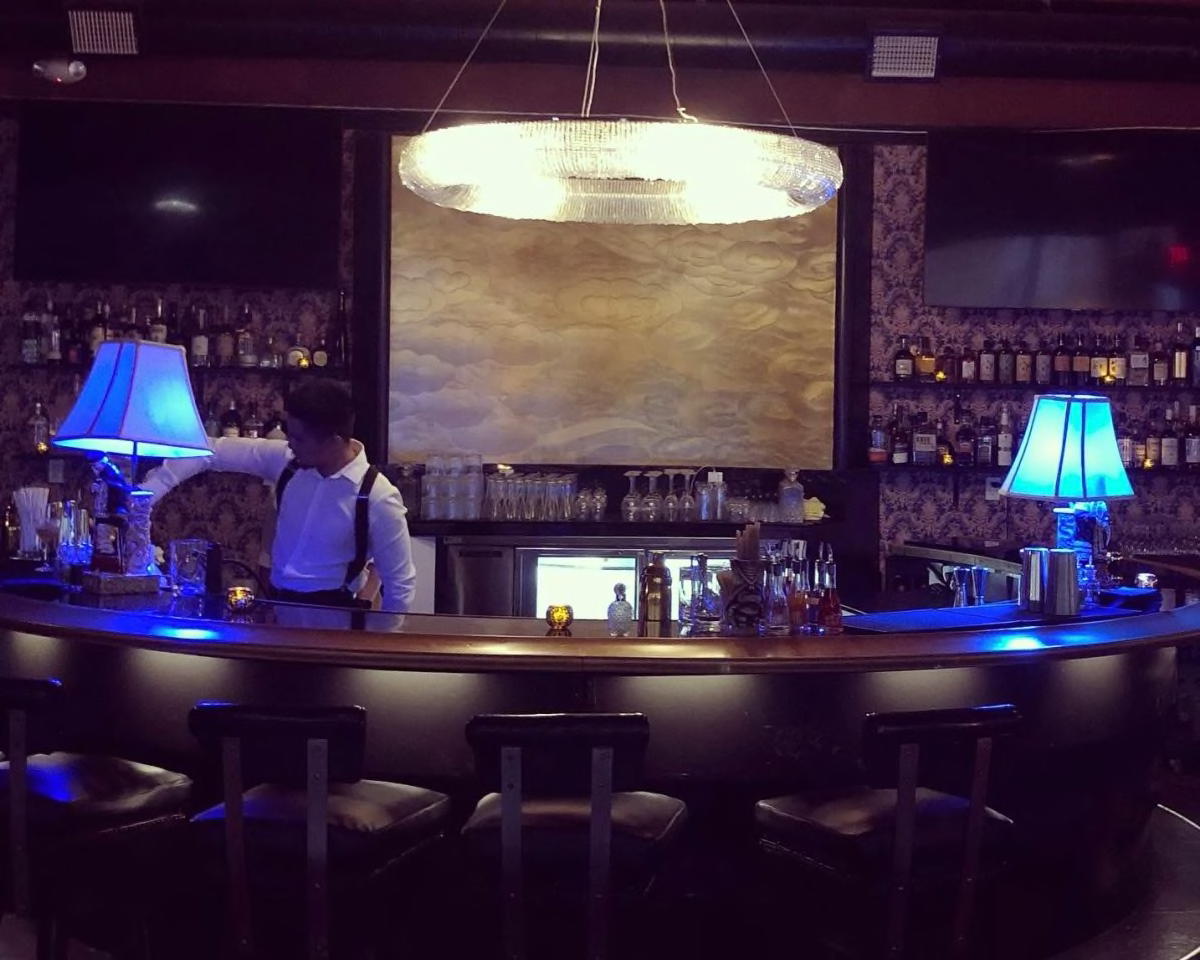
Restaurants in Dublin
Browse all →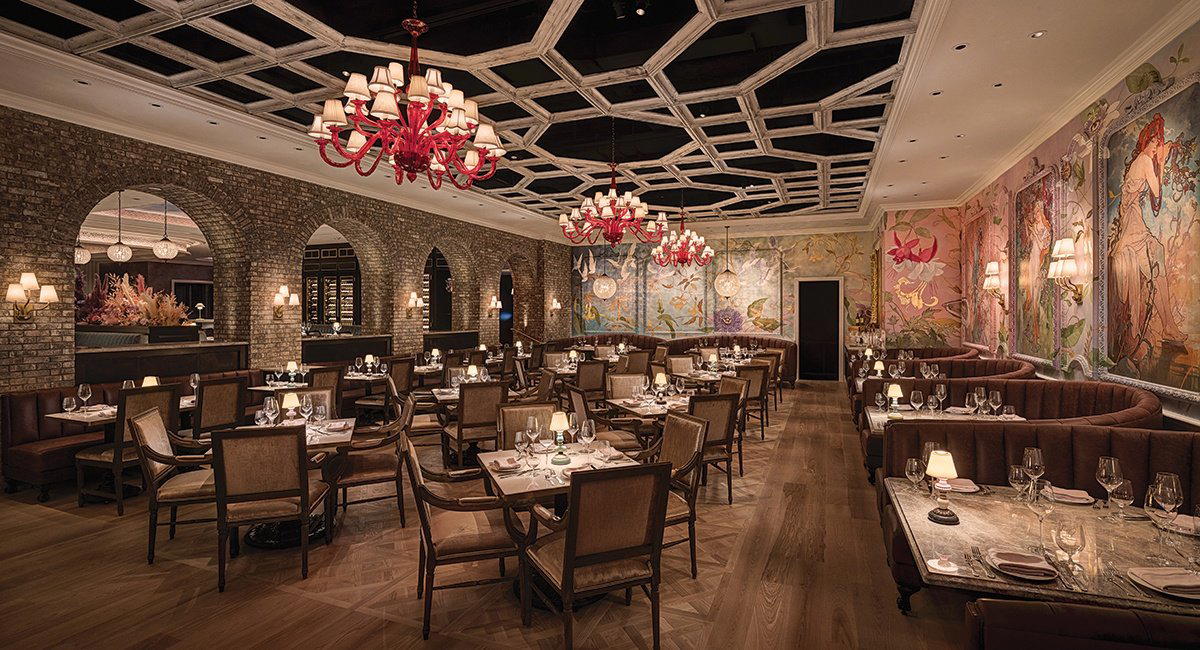
Wineries in Dublin
Browse all →
At a Glance
- Elegant
- Sophisticated
- Modern
- Romantic
- Romantic Getaway
- Celebration
- Anniversary
- Business Trip
- Weekend Escape
- Rooftop Pool
- Destination Spa
- Terrace
- Historic Building
- Design Destination
- Panoramic View
- Wi Fi
- Spa
- Fitness Center
- Room Service
- Concierge
- Restaurant
- Bar
- Sauna
- Skyline
- Street Scene
- Wi Fi
- Spa
- Fitness Center
- Room Service
- Concierge
- Restaurant
- Bar
- Sauna
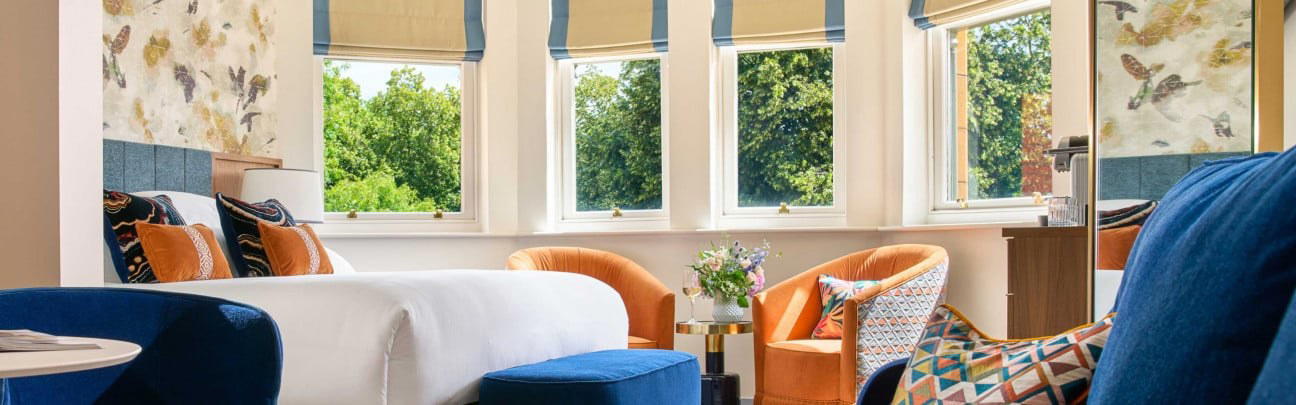
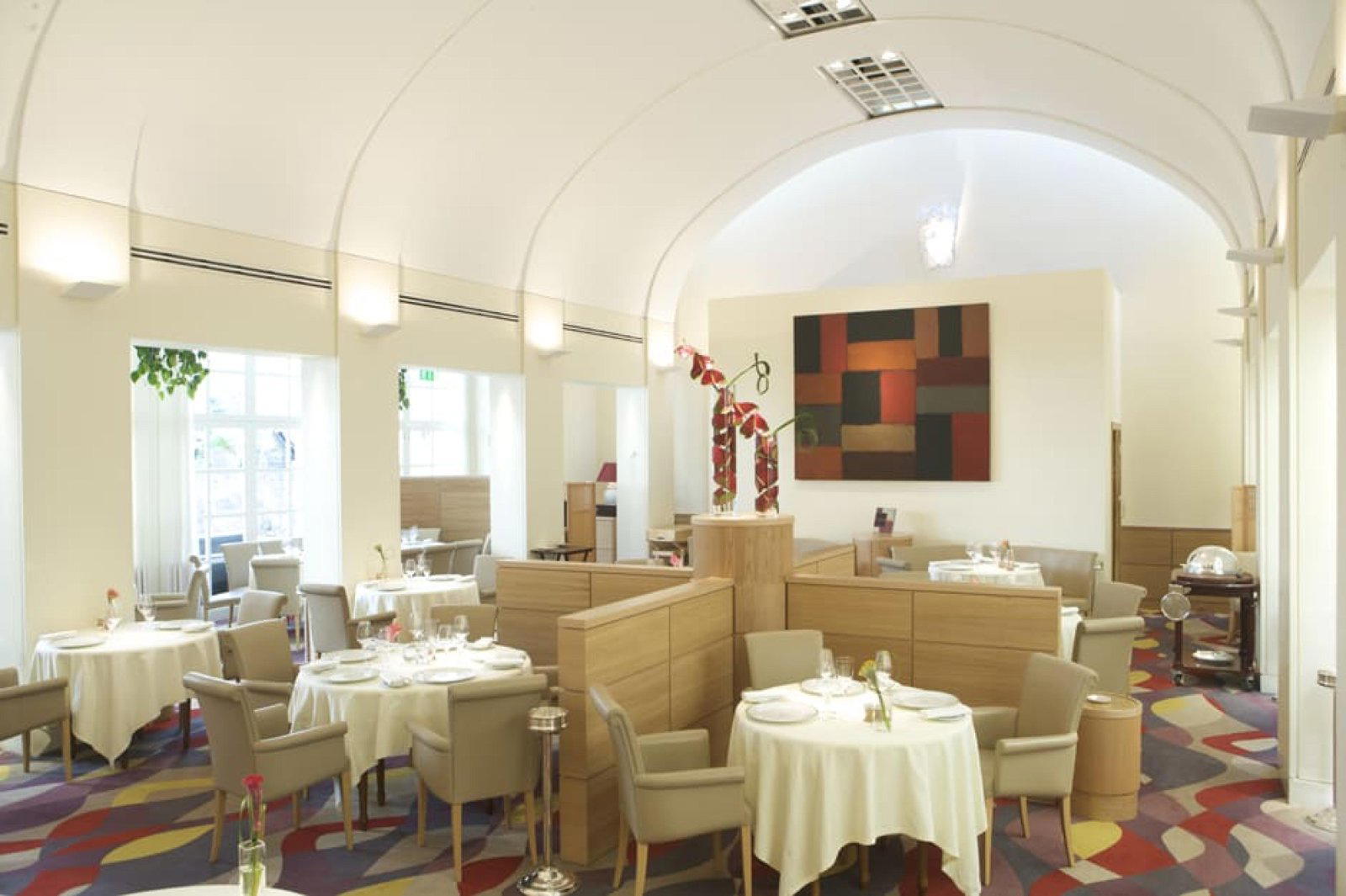
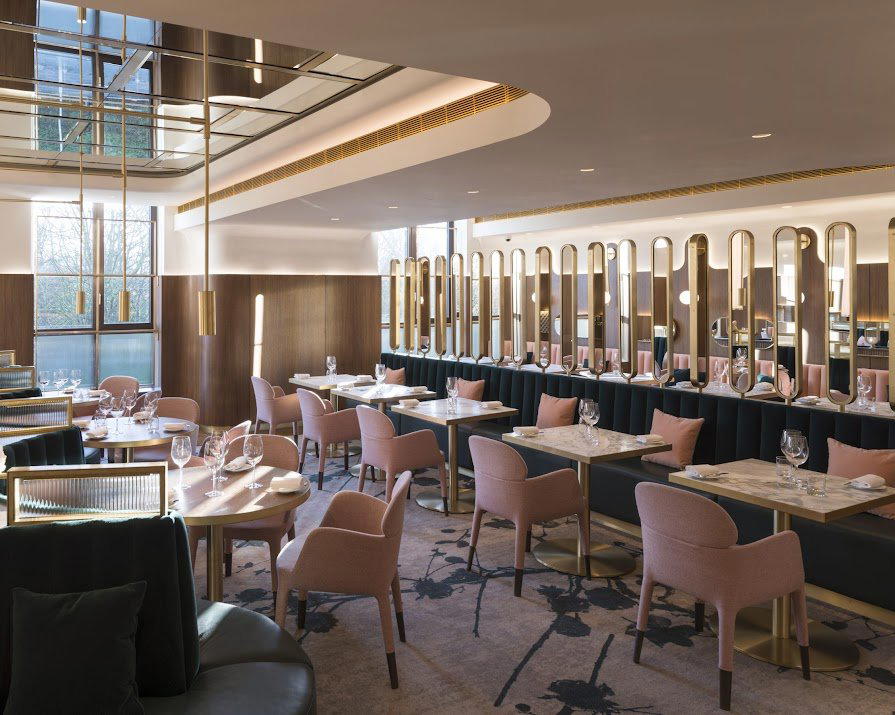
Stylish and airy with preserved original architectural details, sophisticated lighting, and an elegant aesthetic enhanced by lavish velvets, bold color accents, and graphic patterns throughout.