Powerscourt Distillery

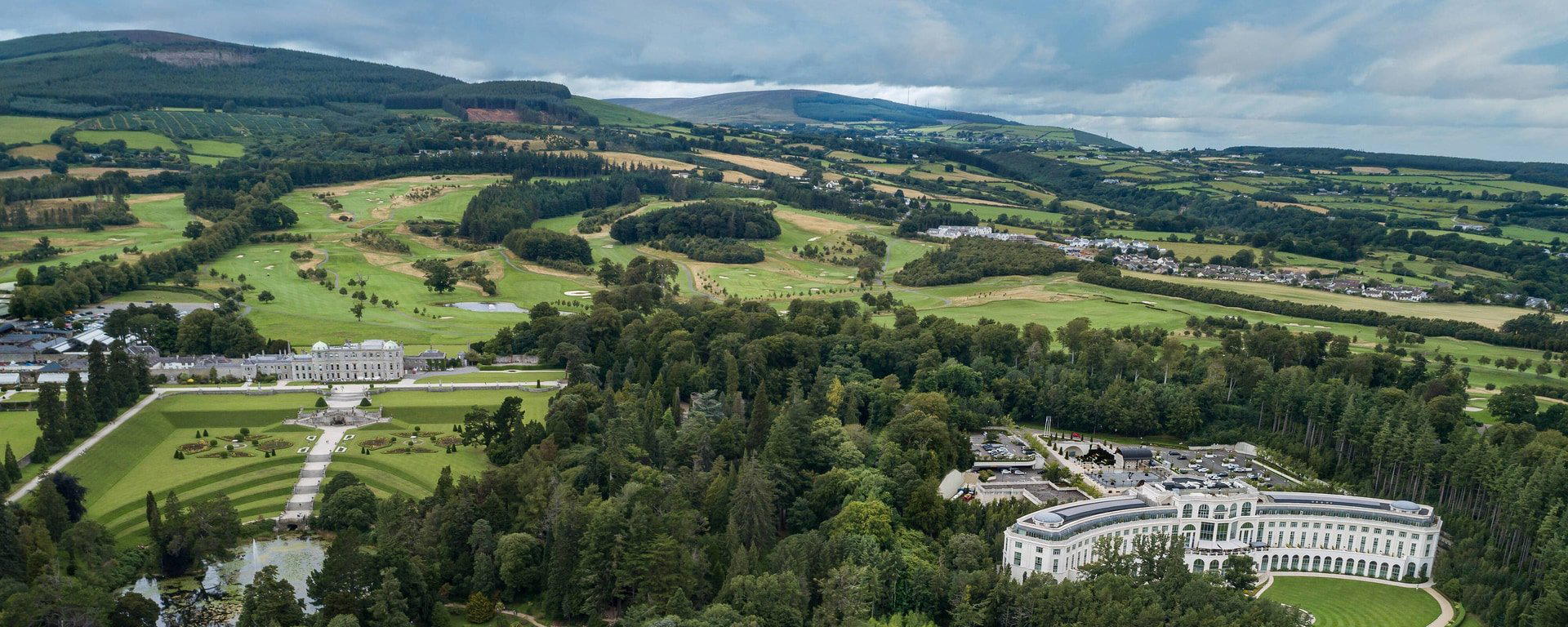
Set within the historic Powerscourt Estate in Enniskerry, Co. Wicklow, Powerscourt Distillery earned a Pearl 2 Star Prestige rating in 2025, placing it among Ireland's most recognised craft spirits producers. The estate's landscape, granite uplands, Atlantic-influenced air, and demesne woodland, shapes the character of the whiskey made here in ways that separate it from urban distilling operations elsewhere in the country.
Pearl is the En Primeur Club membership app — saves, bookings, and concierge access live there. Same editors, same standards.
- Address
- Powerscourt Estate, Powerscourt Demesne, Enniskerry, Co. Wicklow, A98 A9T7
- Phone
- +353 1 506 5656
- Website
- powerscourtdistillery.com
 Saves & bookings on Pearl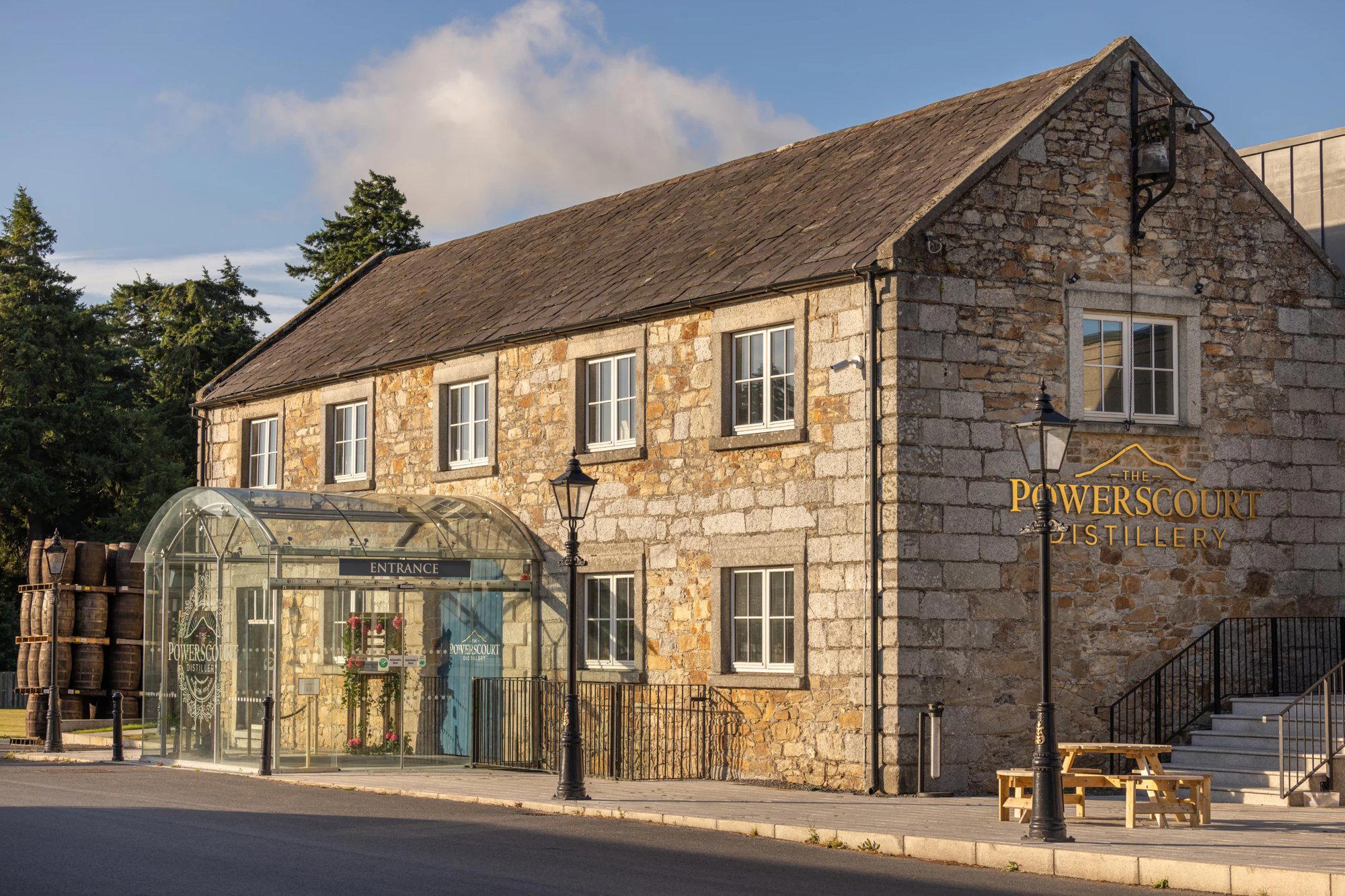
Wicklow Granite and Atlantic Air: How Place Shapes the Spirit
Irish whiskey has been undergoing a sustained geographic expansion over the past decade. Where once the category was dominated by a handful of large distilleries concentrated in Cork and Dublin, operations now reach from the Dingle Peninsula to the drumlin country of Leitrim. Within that spread, a smaller cohort has anchored itself to estate settings with identifiable terroir characteristics, a philosophy more familiar from Burgundy or the Barossa than from the traditional whiskey heartlands. Powerscourt Distillery, operating from the grounds of Powerscourt Estate in Enniskerry, Co. Wicklow, belongs to that cohort.
The logic of placing a distillery within a demesne rather than an industrial estate is not purely aesthetic. Wicklow's microclimate, wetter and cooler than the Midlands, with Atlantic moisture carried inland from the Irish Sea, creates maturation conditions distinct from those found at, say, Kilbeggan Distillery in Kilbeggan or Tullamore D.E.W. in Tullamore. Temperature oscillation between seasons, humidity drawn from the surrounding woodland, and the estate's elevation above the Dargle River valley all influence how spirit interacts with oak over time. These are the same variables that whisky producers in Speyside invoke when explaining why, for instance, Aberlour tastes different from a distillery thirty miles south.
The Estate as Context, Not Backdrop
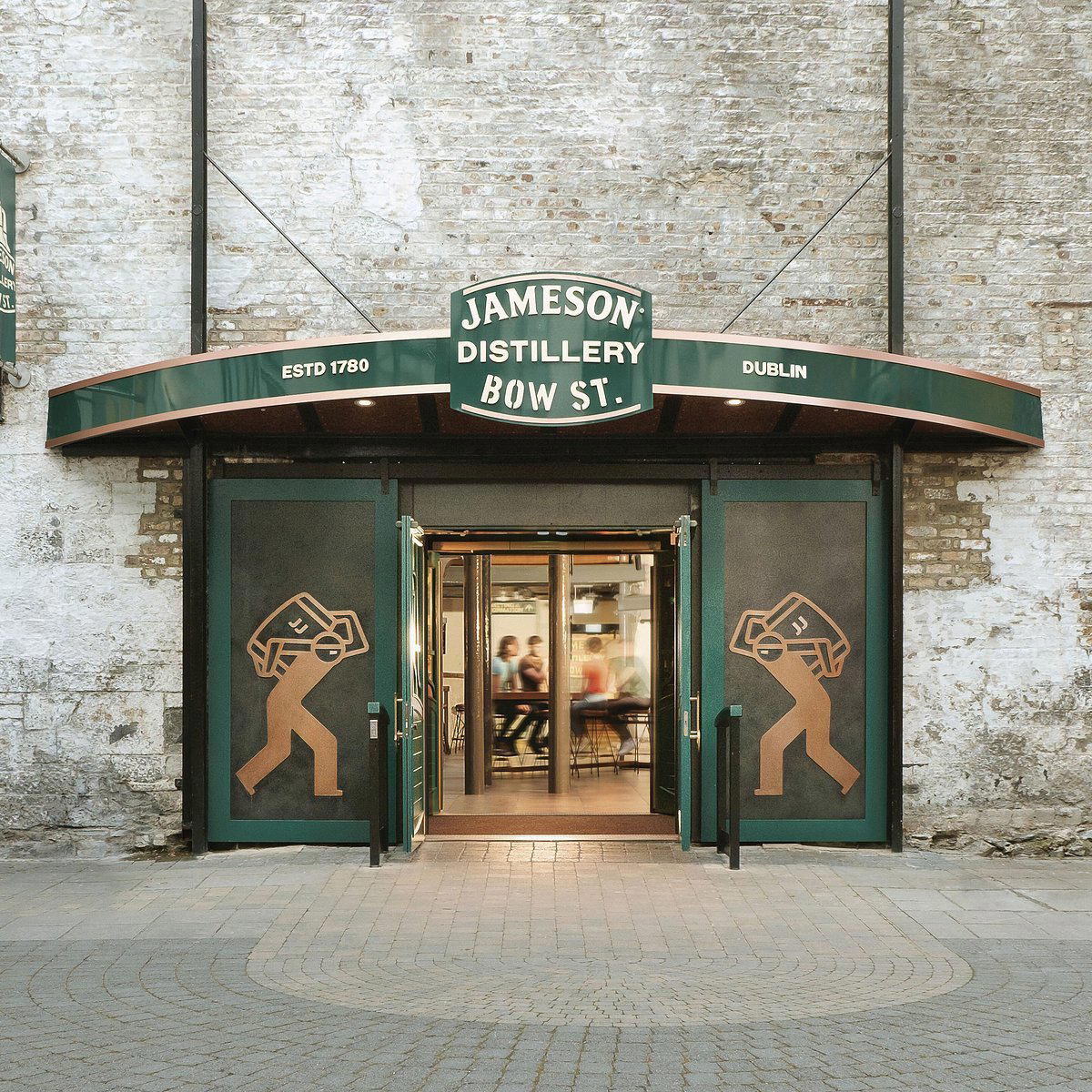
Arriving at Powerscourt Estate, the distillery sits within one of Ireland's most architecturally significant demesnes, a property with formal terraced gardens descending toward the Wicklow Mountains and a walled environment that separates the visitor from the noise of the N11 corridor. The physical approach matters here. Unlike urban distillery experiences, including the high-volume visitor operation at Jameson (Bow St.) in Dublin, which handles tens of thousands of visitors annually, the Powerscourt setting constrains scale in ways that concentrate the experience. The surrounding estate becomes a material argument for why this whiskey is made here and not somewhere else.
That argument extends to water sourcing, grain provenance, and the character of the air that enters the warehouses during barrel-breathing seasons. Irish distilleries at the craft end of the spectrum have increasingly positioned themselves around these factors as a way of differentiating from the volume producers. Waterford Distillery in Waterford has taken that philosophy to an extreme, building a barley-terroir mapping programme that cross-references individual farm plots against flavour profiles. Powerscourt's approach is less systematic in its public documentation, but the estate context supplies a coherent environmental argument that the distillery can draw from as its aged releases accumulate.
Where It Sits in the Irish Whiskey comparable set
Ireland's craft distilling revival has created a fragmented competitive field that is still sorting itself into tiers. At one end, operations like Jameson and Powers John's Lane in Midleton command global distribution and category-defining status. At the other, newer independent producers are building reputations release by release. Between those poles sits a cohort of estate and destination distilleries whose visitor experience and provenance narrative carry as much commercial weight as the liquid itself.
Powerscourt belongs in that middle tier alongside operations such as Dingle Distillery in Dingle, whose western coastal positioning has become central to its brand identity, and Slane Irish Whiskey in Slane, another estate-based producer that uses the heritage of its surroundings as a frame for the spirit. The Shed Distillery in Drumshanbo occupies a similar niche in Connacht, building a dedicated following through geographic specificity rather than mass-market positioning.
Within this peer group, the EP Club Pearl 2 Star Prestige rating awarded to Powerscourt in 2025 is a meaningful differentiator. It places the distillery in a tier where the visitor experience, the quality of the product, and the coherence of the provenance argument are all being held to a higher standard than the broader craft category.
Visiting: What the Experience Involves
The distillery is located within Powerscourt Demesne at Enniskerry, Co. Wicklow (A98 A9T7), approximately 25 kilometres south of Dublin city centre via the N11 or M50 routes. Enniskerry itself is accessible by bus from Dublin, though visitors planning to spend meaningful time on the estate, which includes the gardens, the waterfall walk, and the distillery, will find a car more practical for managing the full itinerary. The village of Enniskerry offers limited parking; the estate entrance provides better access for those arriving by road.
Given the Pearl 2 Star Prestige classification and the estate's profile as a premium visitor destination, demand for guided experiences and tasting sessions should be treated as a booking priority rather than a walk-in assumption. Specific tour formats, prices, and opening hours are not published here, so confirming details directly through the estate's own channels before travel is advisable.
What Distinguishes the Wicklow Terroir Argument
Terroir, when applied to whiskey rather than wine, is a contested term. Critics argue that distillation strips most of the place-specific grain character, leaving only the cask influence to do the work. The more compelling counter-argument, made most rigorously by producers like Waterford but applicable here, is that grain variety and source, fermentation conditions, still design, and maturation environment collectively constitute a place-based profile that is reproducible and distinct. For Powerscourt, the Wicklow environment supplies the maturation half of that equation in a form that is geographically specific and not easily replicated in a warehouse on an industrial estate.
Whether that argument fully resolves in the glass depends on releases that are still accumulating age. Estate distilleries at this stage of their development are often better evaluated on trajectory than on current output, the early releases set the baseline, but the first long-aged expressions, typically after eight to twelve years in barrel, are where terroir claims can be tested against the liquid rather than just the narrative. That is equally true for peers like Dingle and Slane, both of which are in or approaching the same developmental window.
For visitors making the trip from Dublin, or from further afield, with Powerscourt Estate functioning as a destination in its own right, the distillery offers something that urban operations structurally cannot: the ability to stand in the physical environment that is supposed to be tasted in the bottle. That is a rare alignment in the Irish context, and it is why the Pearl 2 Star Prestige rating carries weight here.
At-a-Glance Comparison
Comparable venues nearby, for context on price, style, and recognition.
| Venue | Cuisine | Price | Notes |
|---|---|---|---|
| Powerscourt DistilleryThis venue — the venue you are viewing | barley | $$$ | |
| Waterford Distillery | Irina barley, heritage barley | $$$ | Waterford |
| Slane Irish Whiskey | Boyne Valley | $$$ | |
| Jameson (Bow St.) | Winery | $$$ | North City Centre |
| Teeling | Dublin | $$ | The Liberties |
| Redbreast | Irish Whiskey | $$$ | Midleton |
Continue exploring
More in Enniskerry
Wineries in Enniskerry
Browse all →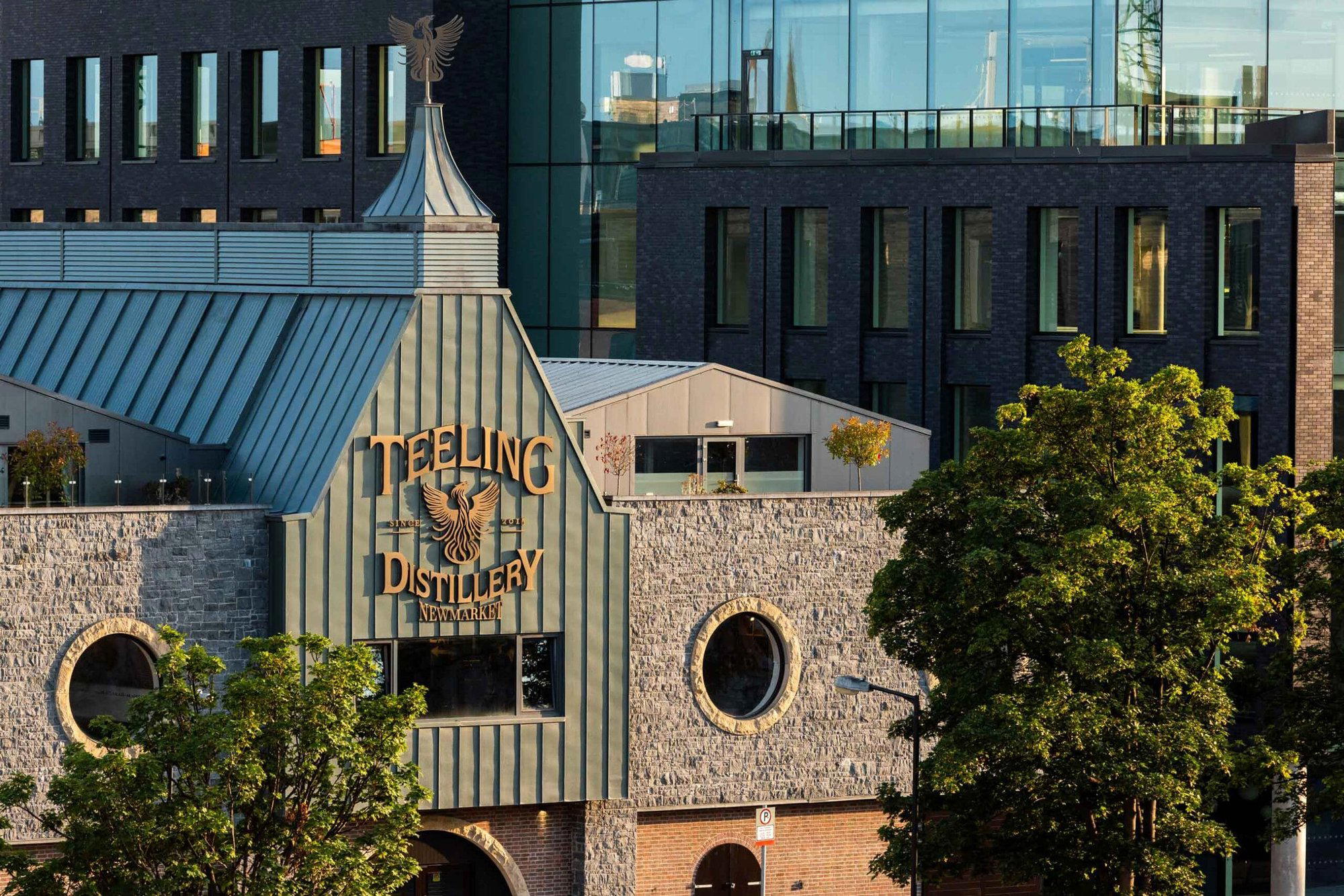
Bars in Enniskerry
Browse all →
Restaurants in Enniskerry
Browse all →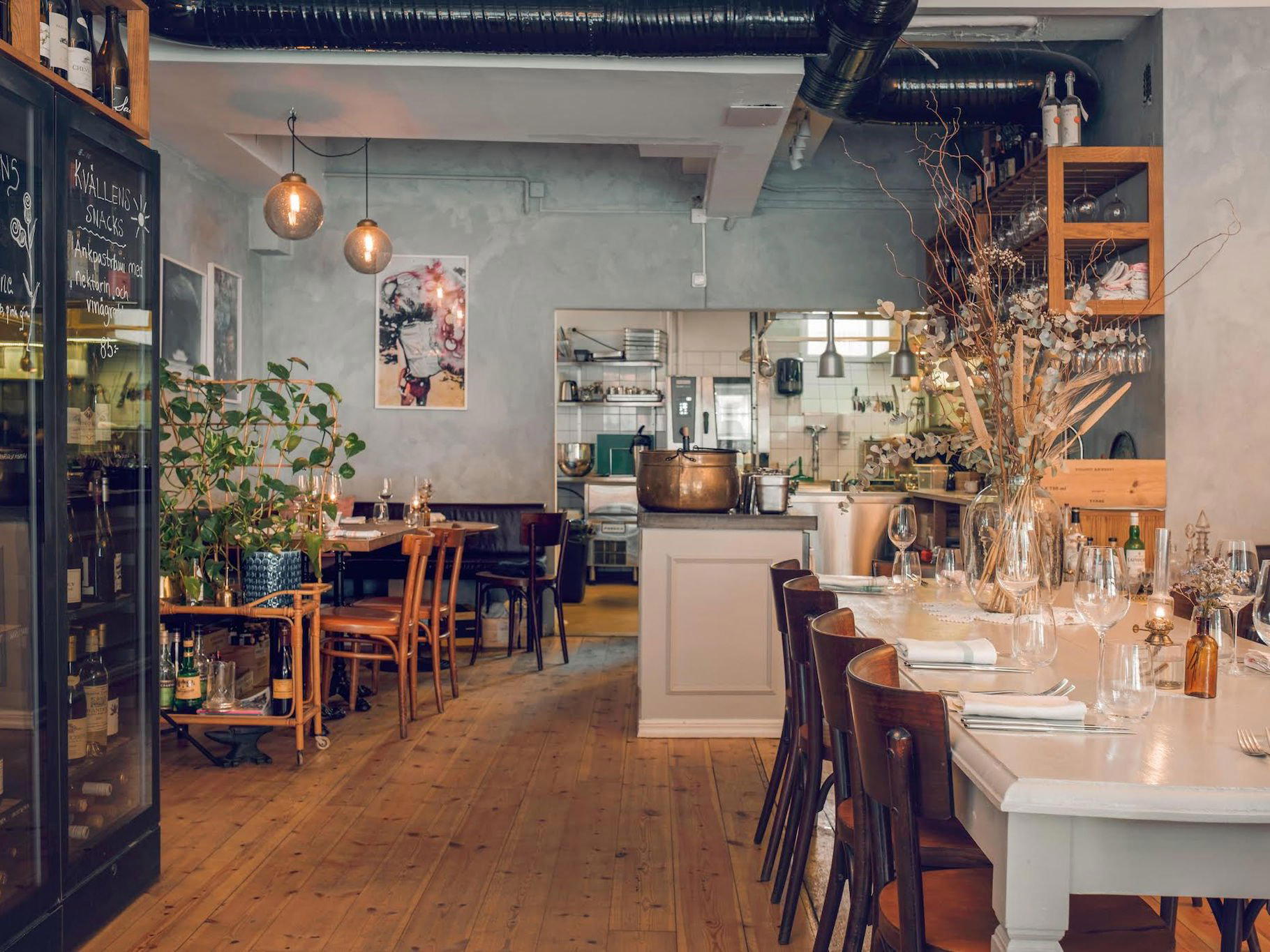
At a Glance
- Historic
- Scenic
- Elegant
- Rustic
- Sophisticated
- Group Outing
- Celebration
- Wine Education
- Historic Building
- Barrel Room
- Mountain
- Garden
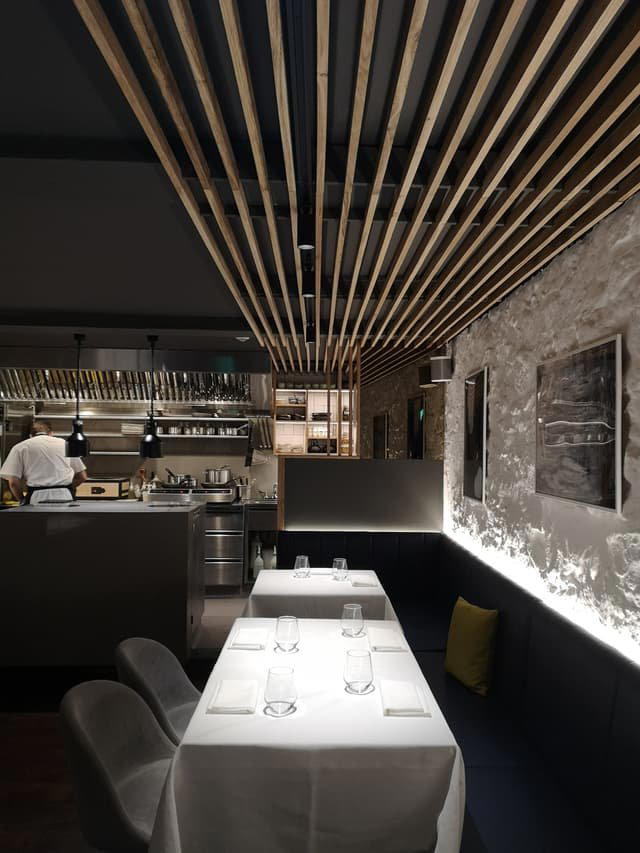
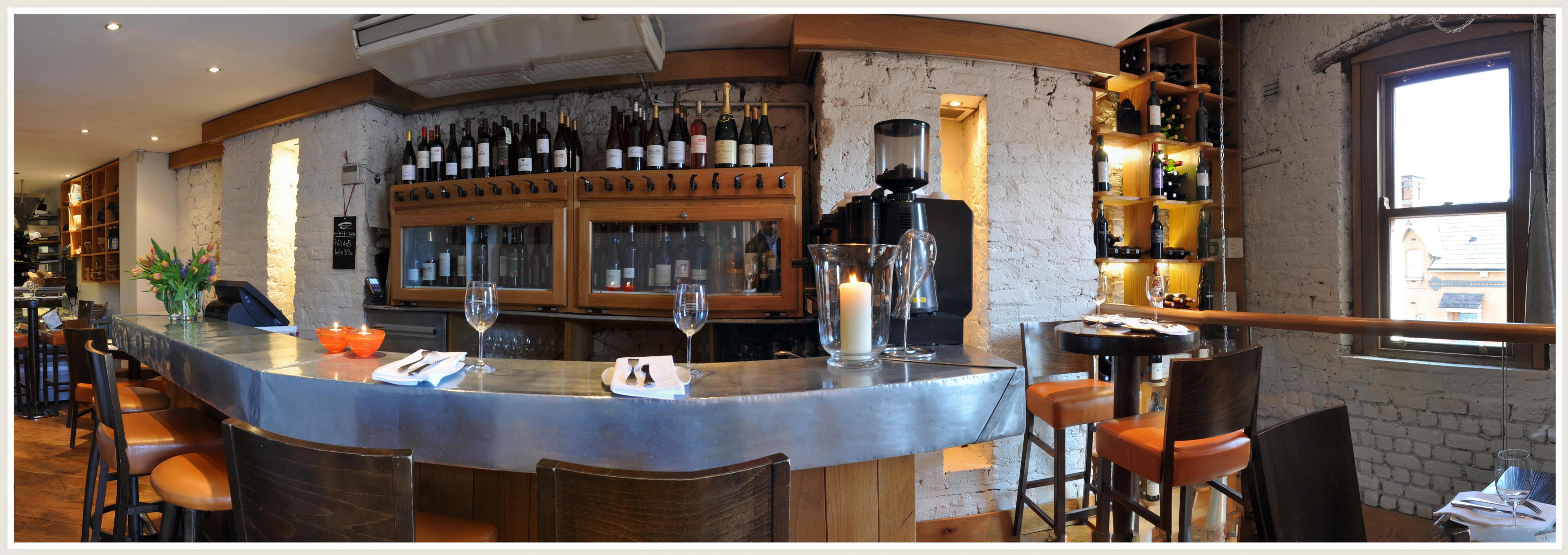
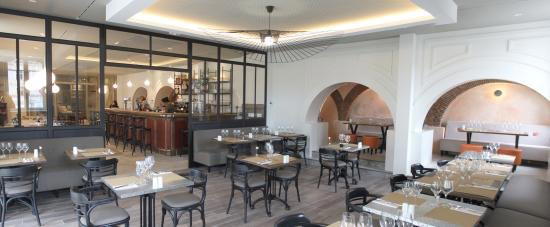
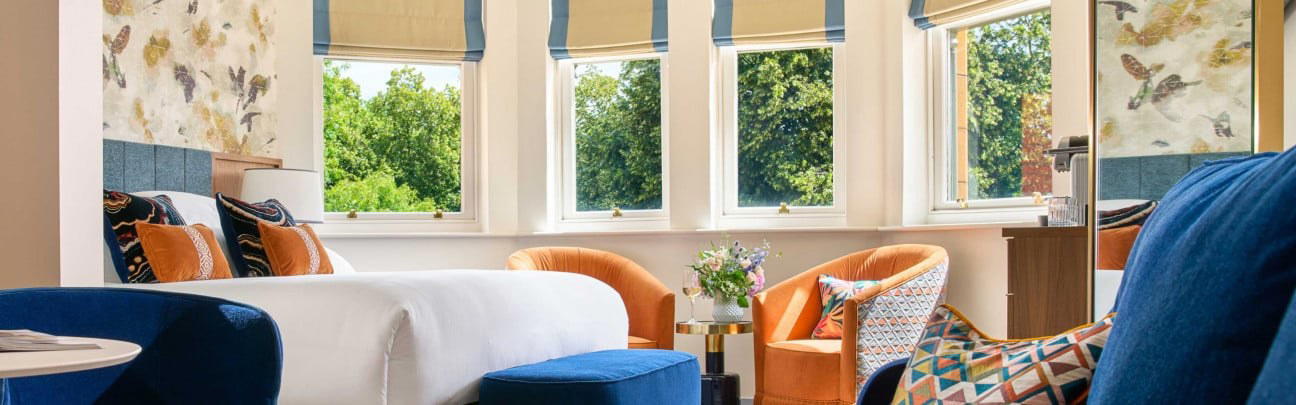
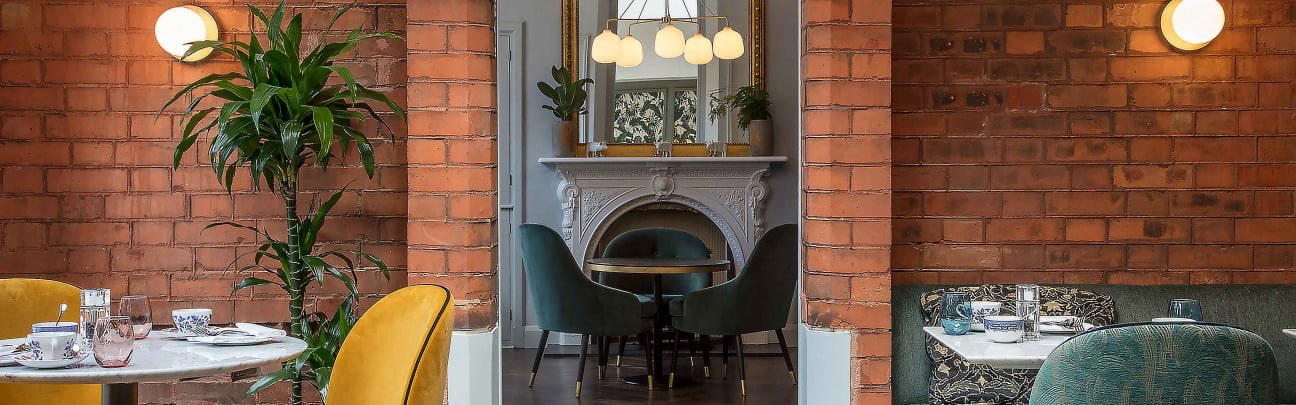
Luxurious Whiskey Lounge with atmospheric lighting, soft leather armchairs, and a heritage feel; warm, comfortable, and elegantly presented visitor center.