
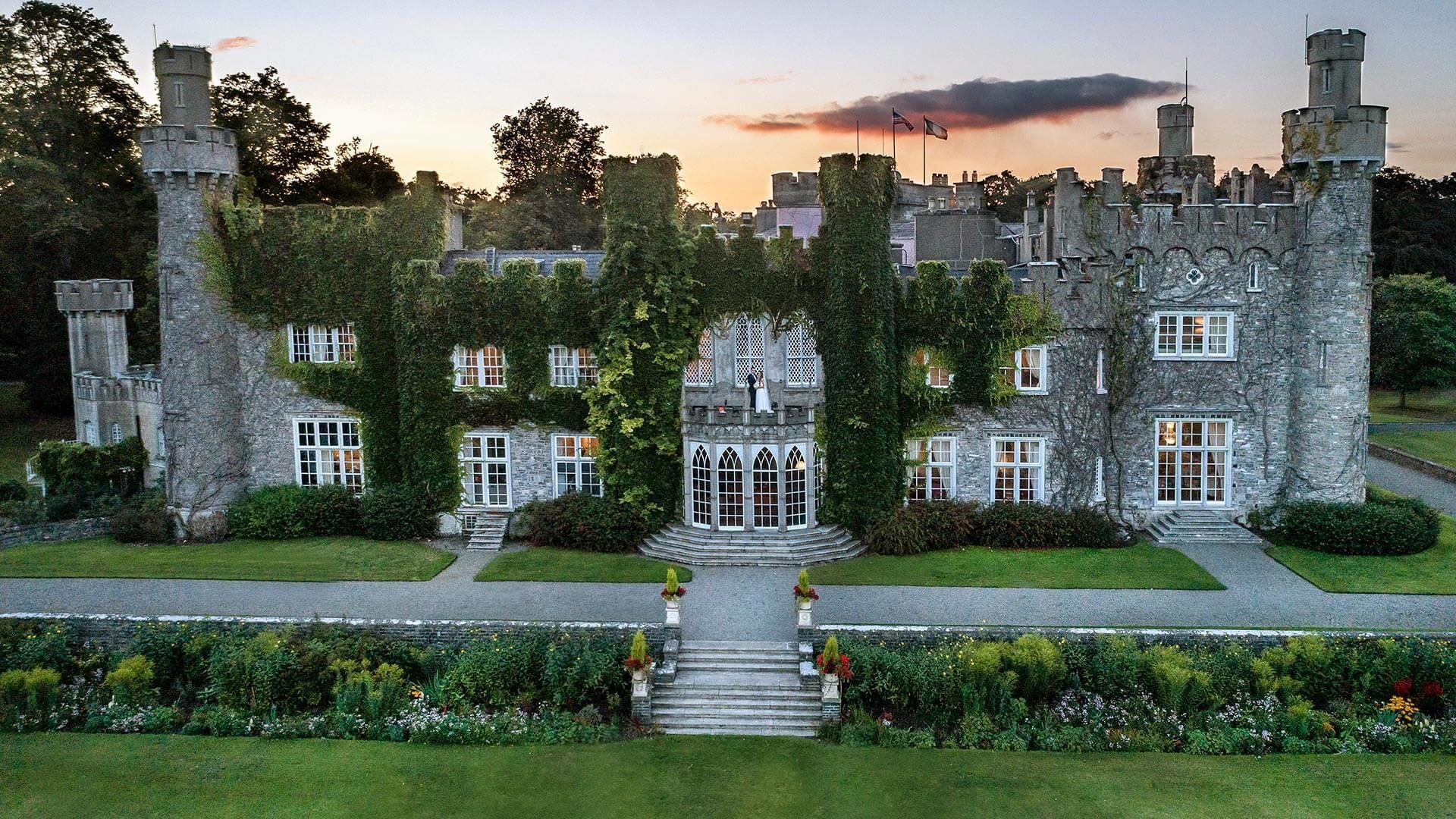
Set on the grounds of Slane Castle in County Meath, Slane Irish Whiskey operates at the intersection of landed Irish heritage and contemporary craft distilling. The distillery earned a Pearl 3 Star Prestige rating in 2025, placing it among Ireland's most recognised whiskey addresses. For visitors to the Boyne Valley, it represents a rare combination of architectural setting and serious production credentials.
Pearl is the En Primeur Club membership app — saves, bookings, and concierge access live there. Same editors, same standards.
- Address
- N51, Slanecastle Demesne, Slane, Co. Meath, C15 A361
- Phone
- +353 87 910 4847
- Website
- slaneirishwhiskey.com
 Saves & bookings on Pearl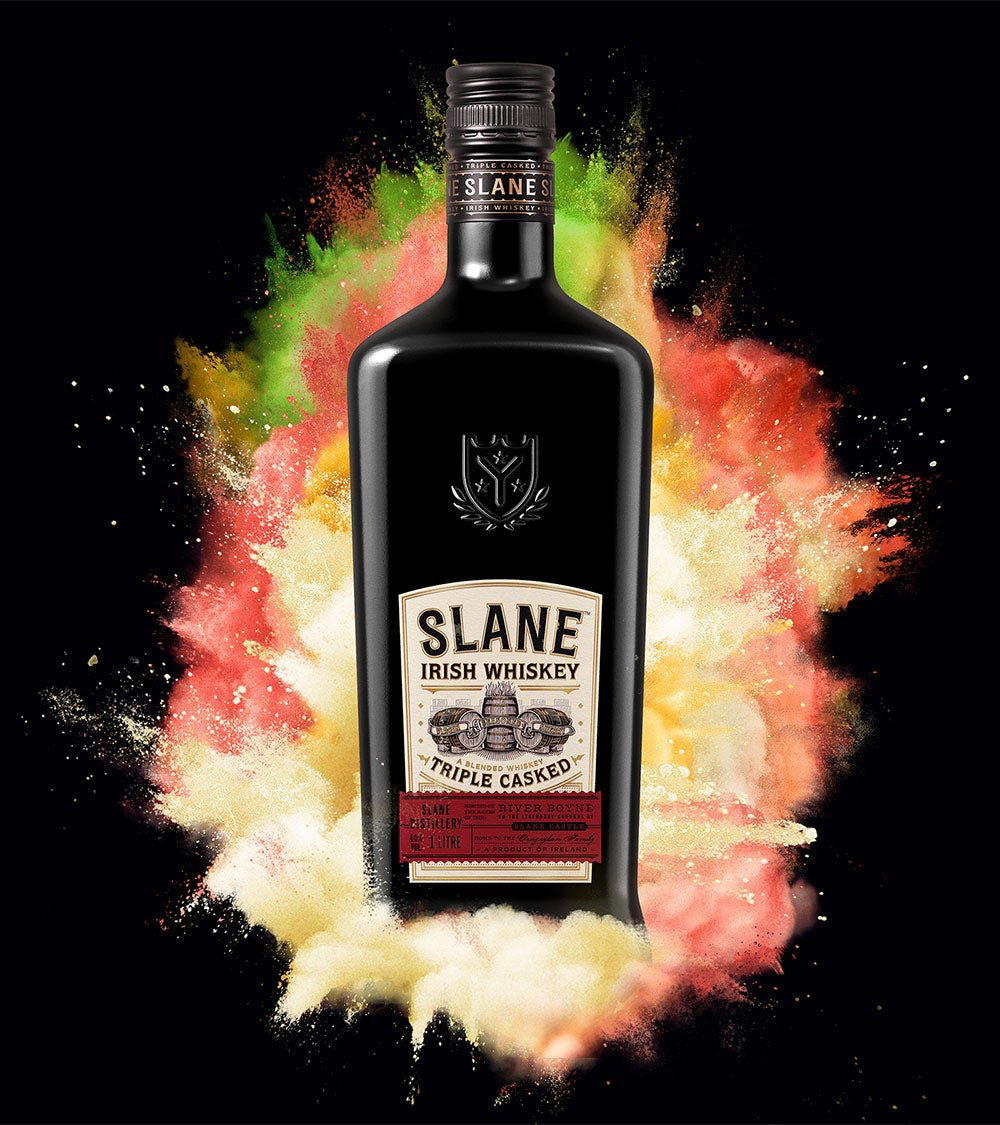
Boyne Valley Whiskey: Tradition, Terroir, and the Slane Distillery
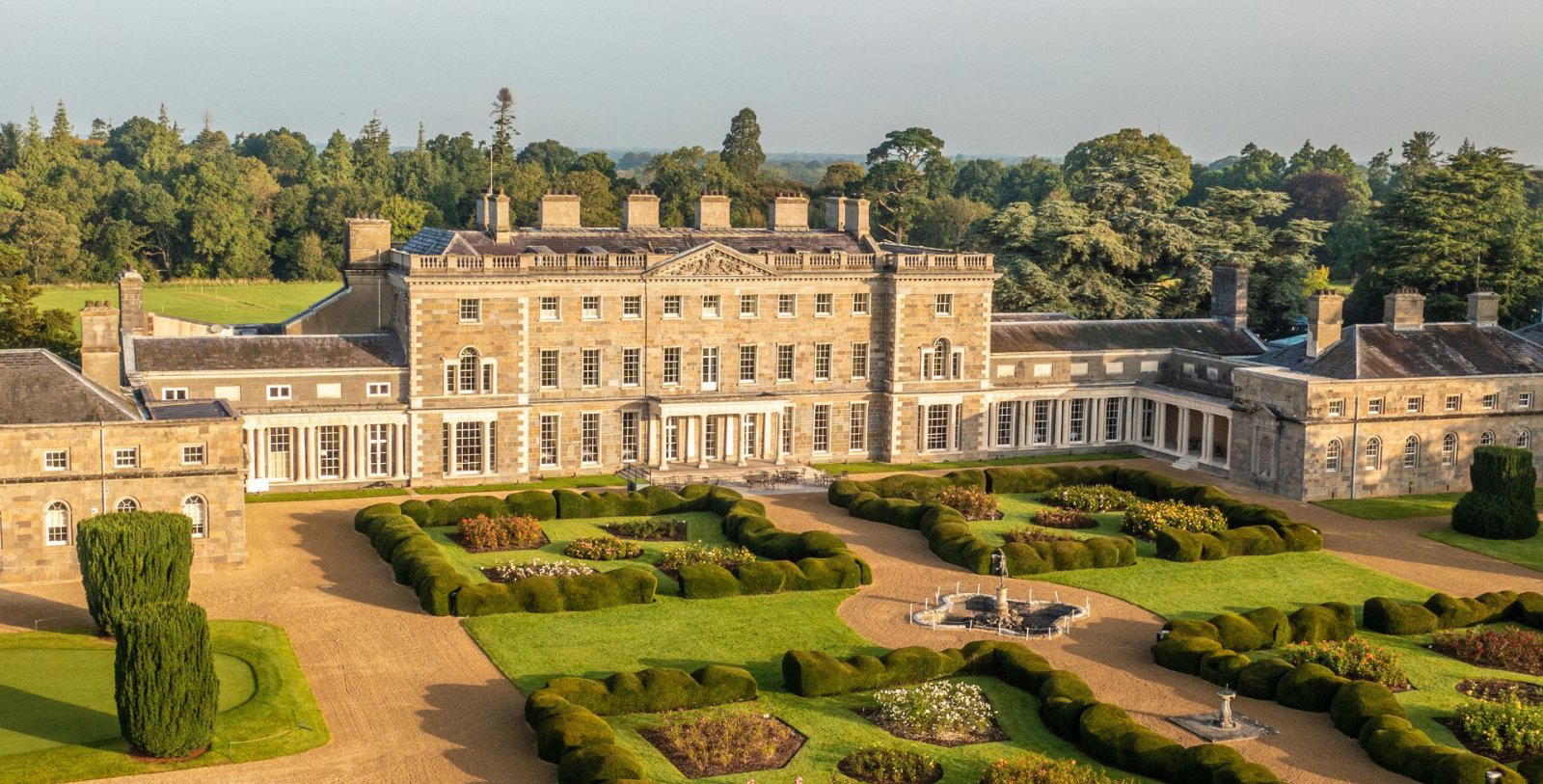
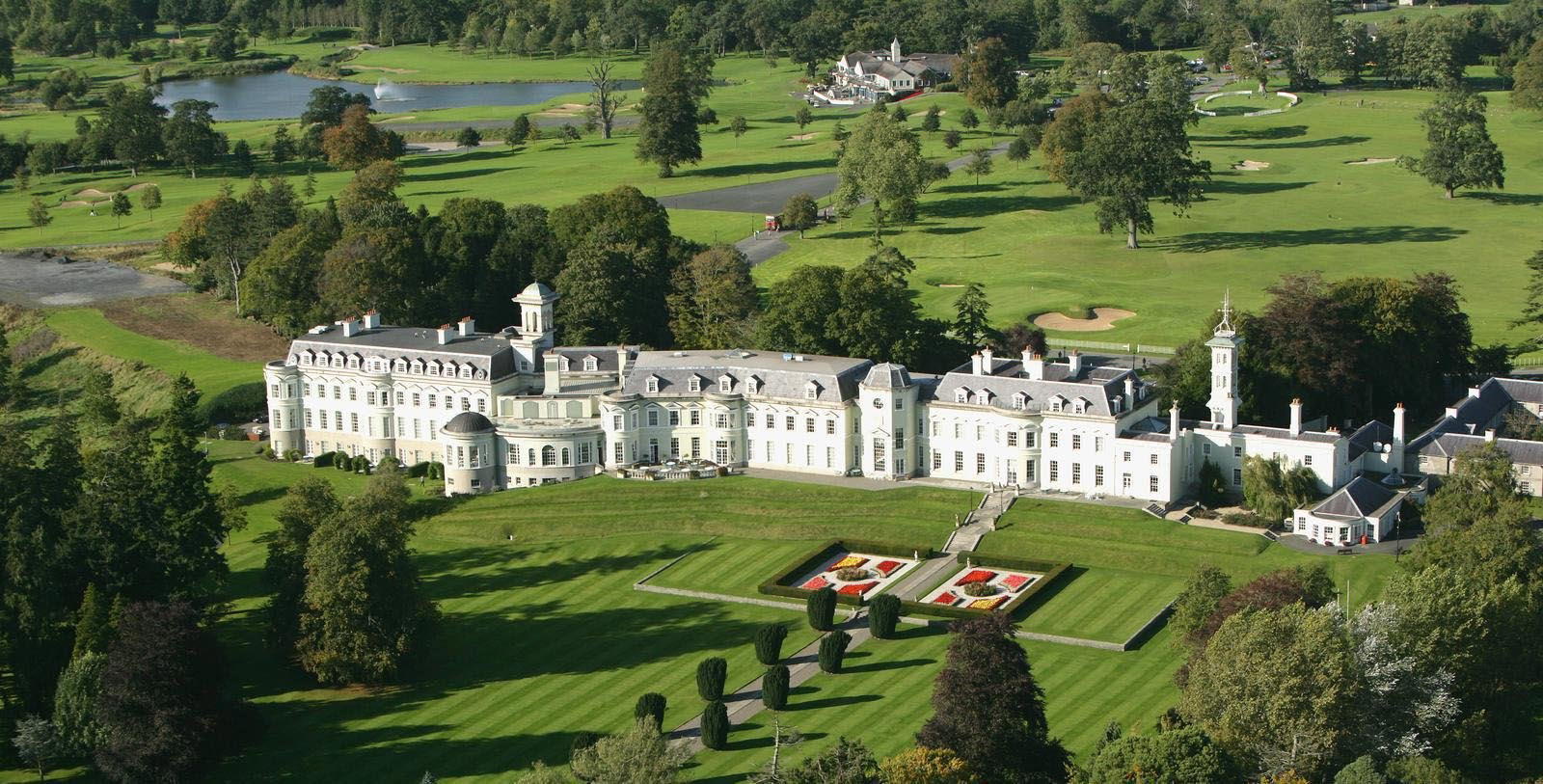
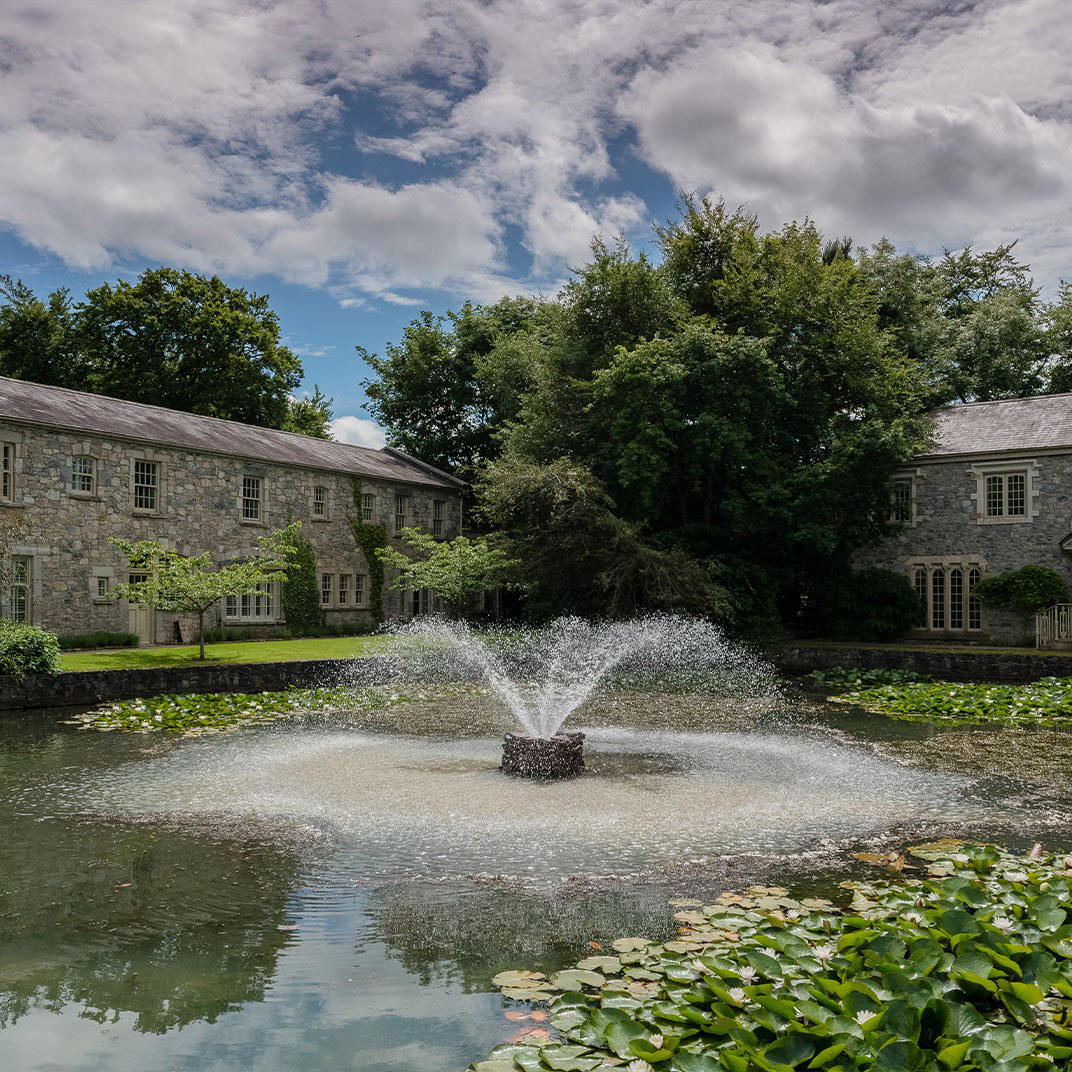
The Boyne Valley has shaped Irish culture for millennia, from the passage tombs of Newgrange to the Battle of the Boyne, and the landscape carries that weight visibly. Arriving at the Slane Castle demesne on the N51, the approach through wooded estate grounds sets the register before you encounter the distillery itself. This is not an industrial facility dressed up with visitor signage. The production site sits within a working estate, and that relationship between land, history, and craft is the defining context for understanding what Slane Irish Whiskey is doing within the contemporary Irish whiskey revival.
That revival is broad and accelerating. Ireland now counts more than forty active distilleries, up from a handful two decades ago. Among them, a meaningful subset has chosen to anchor itself to specific places, not just as marketing geography, but as a genuine argument about how origin shapes spirit. Waterford Distillery in Waterford has pursued the logic of barley terroir with near-obsessive rigour. Dingle Distillery has built its identity around Atlantic maritime conditions. Slane's argument is different: it is rooted in the specific conditions of a river valley estate, where the Boyne provides water, the castle provides context, and the blending program draws on triple-cask maturation that reflects the site's particular production philosophy.
What Terroir Means for Irish Whiskey
The concept of terroir travels less naturally from wine to whiskey than distillers sometimes suggest, but it is not entirely without foundation. Water source matters in distillation. Warehouse microclimate affects maturation. Barley provenance influences fermentation character. At a demesne distillery like Slane, the cumulative effect of these local variables is more than symbolic, the Boyne River water, the stone warehouses on the estate, and the ambient conditions of inland County Meath all contribute to what ends up in the bottle in ways that differ from production in a purpose-built industrial facility.
Triple-cask maturation is the production signature associated with Slane: virgin American oak, seasoned American oak, and Oloroso sherry casks each contribute distinct layers, and the house position is that the interplay between them produces a complexity that single-cask programs cannot replicate. Whether you find that argument persuasive depends on your priors about blending philosophy, but it places Slane in a different camp from the single-pot-still purists at Powers John's Lane in Midleton and from grain-forward blends. It is a position worth understanding before you visit.
The Irish Whiskey Revival and Slane's Place in It
The Irish whiskey category spent the better part of the twentieth century contracting, from dozens of distilleries to effectively three production facilities by the 1980s. The contemporary expansion is one of the more dramatic recoveries in spirits history. New entrants range from micro-distilleries to well-capitalised estate operations, and the quality spread is wide. Awards programs have begun to differentiate: Slane Irish Whiskey holds a Pearl 3 Star Prestige rating for 2025, a credential that places it in the upper tier of the current field and signals consistent production quality rather than a one-off bottling success.
For context, the Irish distilling comparable set now includes Kilbeggan Distillery, one of the world's oldest licensed distilleries with a heritage-focused program, Tullamore D.E.W. with its large-scale blending tradition, and newer design-forward operations like Powerscourt Distillery in Enniskerry and The Shed Distillery in Drumshanbo. Slane competes in the estate-anchored segment, where the combination of heritage setting, serious production infrastructure, and award recognition creates a distinct value proposition compared with both the legacy blenders and the artisan micro-distilleries. The Jameson Bow St. experience in Dublin remains the category's highest-volume visitor benchmark; Slane operates at smaller scale with more concentrated estate atmosphere.
The Distillery as Destination
Estate distilleries across the British Isles have increasingly positioned themselves as full visitor destinations rather than production facilities with a tasting room bolted on. The model, seen at Scottish operations like Aberlour in Speyside, integrates landscape, architecture, and production narrative into a coherent experience. Slane fits this template, with the castle grounds providing a setting that few Irish distilleries can match. The physical approach through the demesne, the proximity to the River Boyne, and the castle backdrop add a dimension to any tasting that a purpose-built visitor centre in a business park cannot replicate.
Practically, Slane is located on the N51 at Slane Castle Demesne, Slane, Co. Meath, with the address C15 A361. Slane village sits in the Boyne Valley roughly 48 kilometres north of Dublin, making it accessible as a day visit from the capital or as part of a wider Meath and Louth itinerary that might include the UNESCO World Heritage sites at Brú na Bóinne. Visitors combining the distillery with Newgrange and Knowth have a genuinely coherent day around the cultural geography of the Boyne Valley.
Comparing the Irish Whiskey Estate Experience
The estate distillery tier in Ireland is smaller and younger than its Scottish equivalent, which means comparisons across the category still involve some category-building as well as product differentiation. What separates the stronger estate operations from direct brand experiences is the degree to which the place genuinely shapes the product. Waterford's farm-by-farm barley sourcing represents one extreme of that argument. Slane's triple-cask program and Boyne Valley provenance represent a different but coherent version of the same instinct: that where and how a whiskey is made should be legible in the glass, not just on the label.
For visitors with serious interest in Irish whiskey production, the range of stops available across Leinster and Munster now supports a properly structured itinerary. Internationally, the terroir argument in spirits finds parallel expression at operations like Adelaida Vineyards in Paso Robles and Adelsheim Vineyard in Newberg, where place-specific production is the central editorial claim, the same logic, applied to different categories and climates.
In Context: Similar Options
Comparable venues nearby, for context on price, style, and recognition.
| Venue | Cuisine | Price | Notes |
|---|---|---|---|
| Slane Irish WhiskeyThis venue — the venue you are viewing | Boyne Valley | $$$ | |
| Powers John's Lane (Midleton) | malted barley, unmalted barley | $$$ | Midleton |
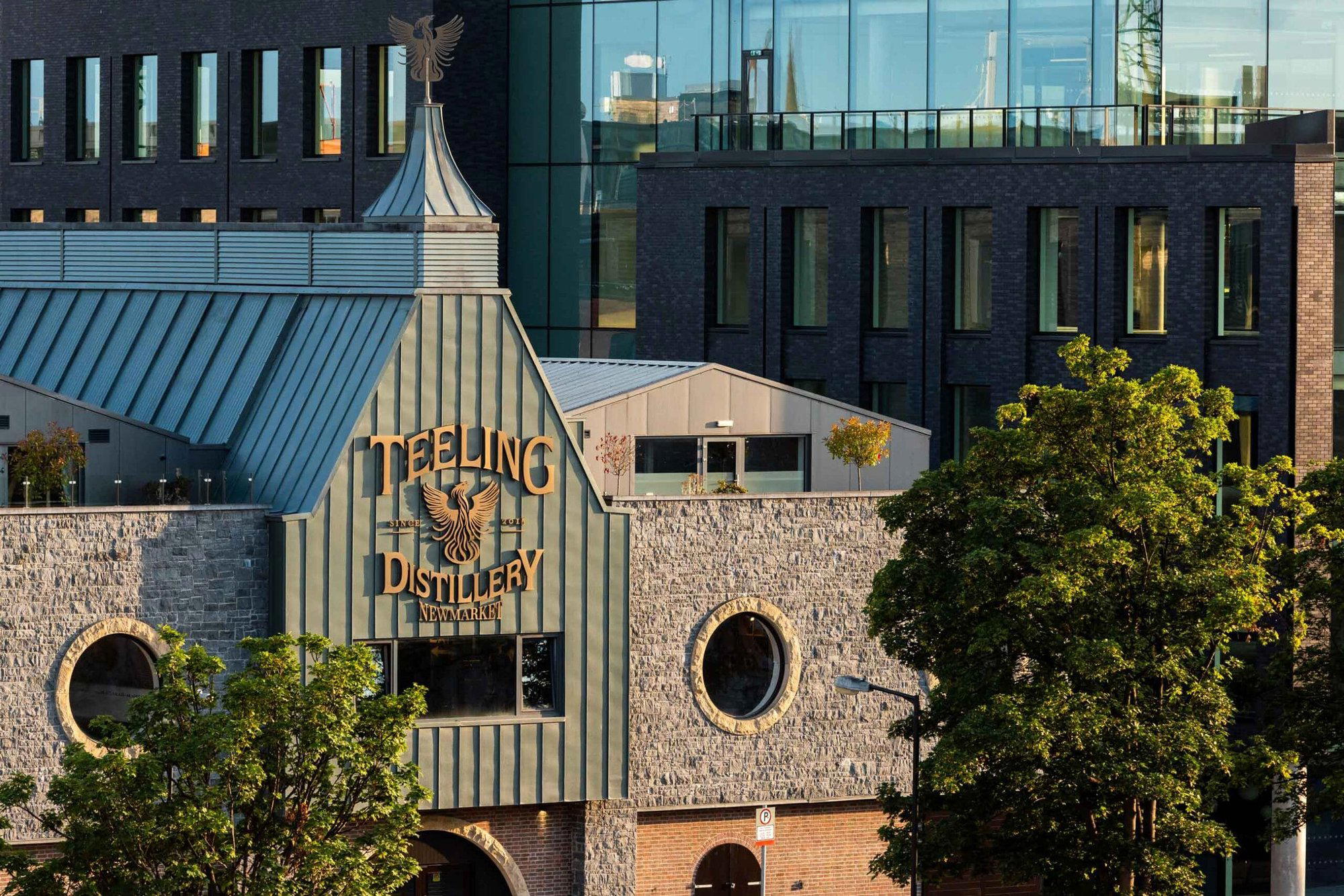
| Teeling | Dublin | $$ | The Liberties |
| Tullamore D.E.W. | County Offaly | $$ | Tullamore |
| Redbreast | Irish Whiskey | $$$ | Midleton |
| Jameson (Bow St.) | Winery | $$$ | North City Centre |
Continue exploring
More in Slane
Wineries in Slane
Browse all →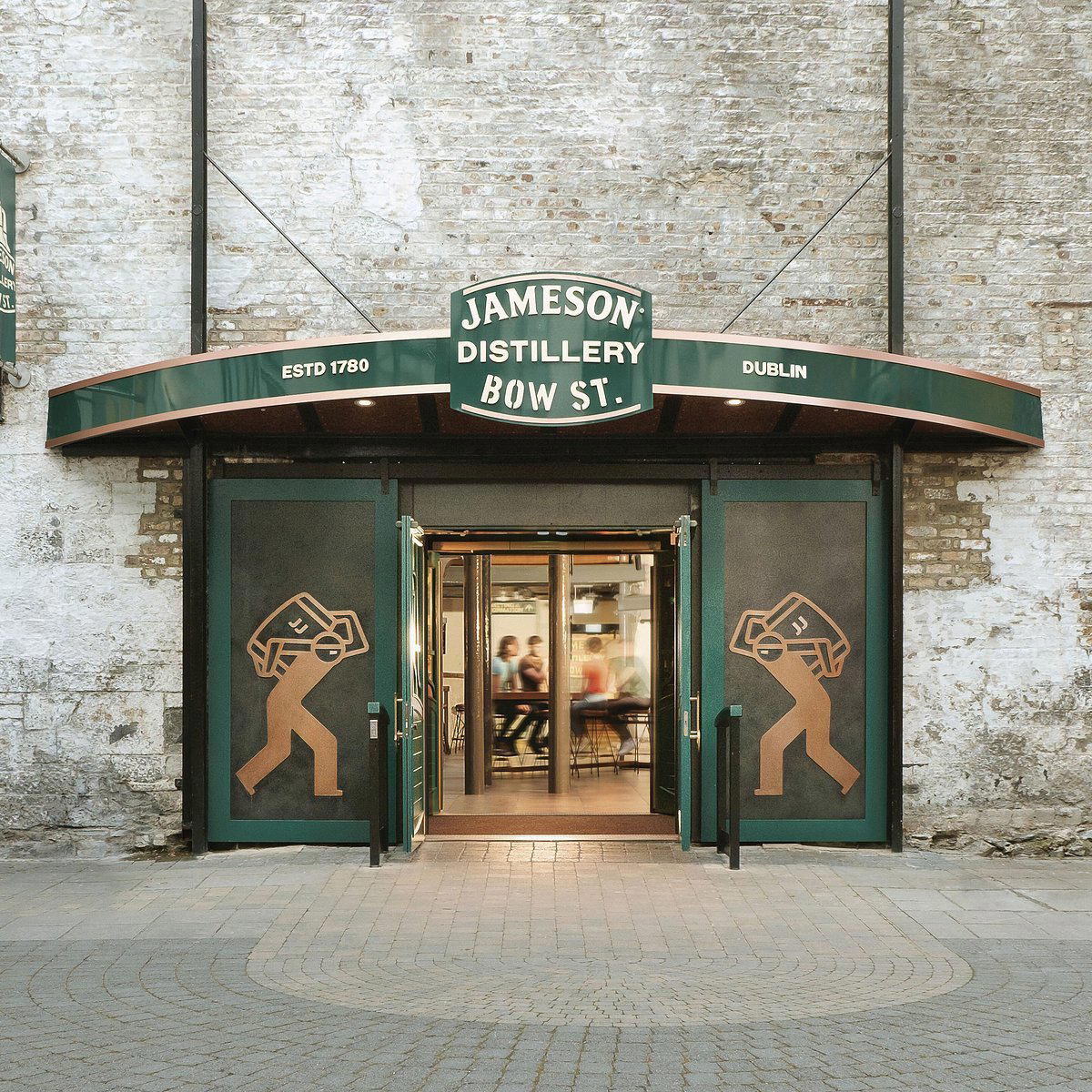
Bars in Slane
Browse all →

Restaurants in Slane
Browse all →
At a Glance
- Historic
- Rustic
- Scenic
- Iconic
- Group Outing
- Celebration
- Wine Education
- Historic Building
- Barrel Room
- Sustainable
Historic and atmospheric with preserved period details in the old stable buildings, combined with modern distilling facilities and a welcoming, hospitable vibe from knowledgeable guides.[2][9]