The Jameson Distillery on Bow Street in Dublin's Smithfield quarter is one of Ireland's most visited whiskey experiences, housed in the original 1780 distillery building that produced Jameson for over two centuries. Tours run throughout the day across multiple formats, from standard walkthroughs to blending masterclasses.

Pearl is the En Primeur Club membership app — saves, bookings, and concierge access live there. Same editors, same standards.
- Address
- Bow St, Smithfield, Dublin 7, D07 V57C
- Phone
- +353 1 807 2355
- Website
- jamesonwhiskey.com
- Directions
- Get directions
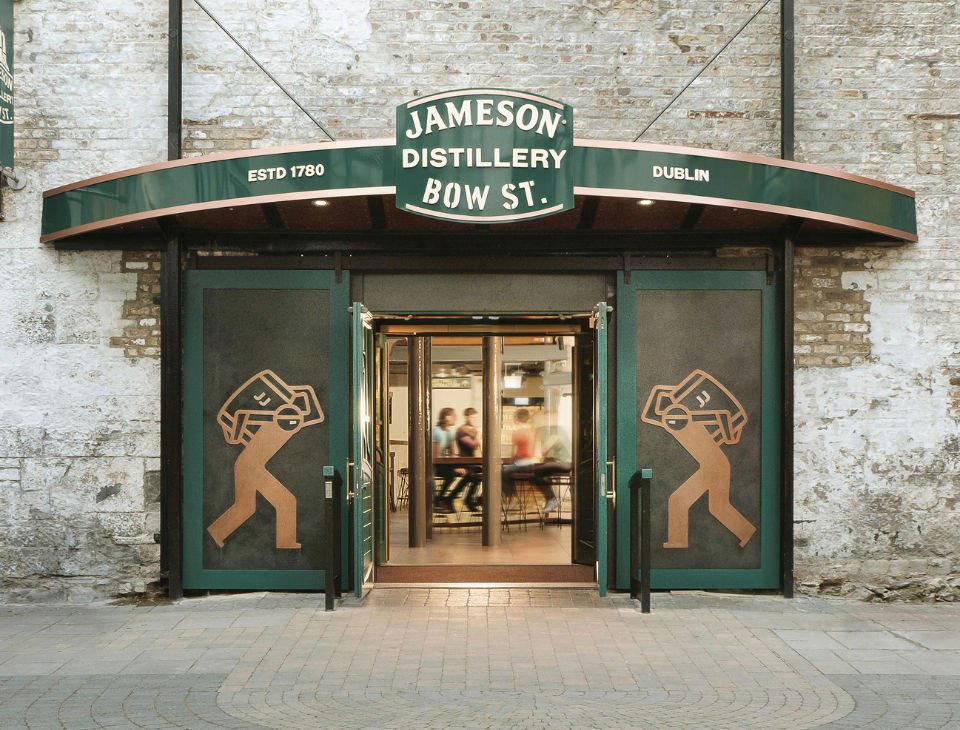
Smithfield and the Geography of Irish Whiskey
Dublin's Smithfield quarter has operated as the city's whiskey corridor for the better part of three centuries. The cobbled square and its surrounding streets were once lined with working distilleries, and while most of that industrial infrastructure disappeared during the long decline of Irish whiskey in the twentieth century, Bow Street survived. The original Jameson distillery building, constructed in 1780, now anchors the neighbourhood's contemporary identity as a destination for whiskey education and production heritage. Smithfield itself has shifted considerably in recent decades, from a live cattle market to a nightlife hub to something closer to a cultural quarter, and the distillery experience at Bow Street sits at the centre of that transition.
For those arriving by Luas, the red line stops directly at Smithfield, placing the distillery entrance a short walk from the platform. The approach along Bow Street gives you a sense of the building's industrial scale before you reach the courtyard, where the original stone warehouses form the backdrop for the visitor reception. This is a large-footprint operation, capable of handling substantial daily visitor numbers across multiple simultaneous tour formats, which distinguishes it from the smaller, more intimate experiences offered elsewhere in the Irish whiskey circuit.
The Distillery as Document: What the Building Records
Heritage distillery experiences split broadly into two categories: those that use historical architecture as backdrop for a largely theatrical narrative, and those where the fabric of the building itself carries genuine informational weight. Bow Street belongs to the second group. The original pot stills, the stone floors, the scale of the warehousing infrastructure, these elements communicate something about the economics and ambitions of nineteenth-century Irish whiskey production that no interpretive panel can replicate. At its peak, the Bow Street site was one of the largest distilleries in the world, and the physical evidence of that scale shapes how visitors understand the category's historical dominance before the industry's near-collapse in the mid-twentieth century.
That collapse, driven by a combination of American Prohibition, trade war with Britain, and the aggressive consolidation of Scotch whisky, reduced the number of operational Irish distilleries from dozens to a handful within a few decades. The revival that began in the late twentieth century and accelerated sharply after 2010 now sees Ireland supporting well over thirty active distilleries. Sites like Dingle Distillery in Dingle, Waterford Distillery in Waterford, and Powerscourt Distillery in Enniskerry represent the newer generation, each with a distinct regional character and production philosophy. Bow Street exists in a different register: it is the origin document rather than the new chapter, the place where the Jameson name was first attached to triple-distilled, predominantly grain-and-pot-still blended Irish whiskey.
Triple Distillation and the Irish Terroir Argument
Whiskey terroir is a contested concept, and Irish whiskey makes the argument in a particular way. Where Waterford Distillery has built an entire production philosophy around single-farm barley sourcing and detailed terroir mapping, the mainstream Irish whiskey tradition has historically emphasized process over provenance. Triple distillation, the practice that distinguishes most Irish whiskey from Scotch, produces a lighter, smoother spirit by removing more of the heavier congeners at each pass through the still. The result is a category character that privileges accessibility and integration over the peat-smoke intensity or grain-forward weight associated with other whiskey traditions.
This production approach has direct consequences for how the category expresses something like terroir. The lightness of triple-distilled spirit makes it exceptionally receptive to cask influence, which means wood selection and maturation conditions become primary flavour drivers. Ireland's relatively mild, damp Atlantic climate creates maturation conditions that differ meaningfully from those found in Kentucky or the Scottish Highlands, moderating the rate of extraction and producing spirits that tend toward fruit, vanilla, and light spice rather than the heavier oak and char profiles common in bourbon. Slane Irish Whiskey in Slane and Tullamore D.E.W. in Tullamore each demonstrate variations on this climate-inflected maturation character, as does Kilbeggan Distillery in Kilbeggan, one of the oldest licensed distillery sites in the world.
The Bow Street experience addresses these production distinctions directly, using the distillery's own pot stills and blending components as teaching tools. Comparative tasting formats, where visitors assess Irish whiskey against Scotch and bourbon side by side, are among the most instructive elements of the standard tour, precisely because they make the category differences legible through direct sensory contrast rather than description alone.
Format Tiers and How to Choose
The Bow Street visitor operation runs across several distinct format tiers, from a general access tour to more structured masterclass options that involve active blending or more extensive comparative tasting. The general tour suits first-time visitors or those primarily interested in the historical and architectural dimensions of the site. Masterclass formats are better suited to visitors with existing whiskey knowledge who want to engage with production variables and blending decisions at a practical level.
Booking in advance is advisable rather than optional for peak periods. Dublin's tourism calendar runs heavily from late spring through September, and the distillery draws from both the leisure travel market and the corporate experience sector simultaneously. Walk-in capacity exists but is variable.
Dublin's broader whiskey circuit offers useful contrast for visitors building a multi-stop itinerary. Teeling, located in the Liberties neighbourhood, represents the independent craft revival in an urban distillery setting, while Roe & Co on James's Street occupies a former Guinness power station and represents the premium blend positioning of a large spirits group. Each of the three Dublin distillery experiences operates at a different scale and with a different relationship to the city's whiskey history. For visitors interested in extending beyond Dublin, Powers John's Lane (Midleton) in Midleton and The Shed Distillery in Drumshanbo represent contrasting regional approaches to Irish whiskey production. For those curious about how Irish distillery experiences compare to international peers, Aberlour in Aberlour offers a useful Speyside reference point, and further afield, Adelaida Vineyards in Paso Robles and Accendo Cellars in St. Helena illustrate how terroir-focused producer experiences work in wine contexts where provenance is the central narrative rather than process.
Our full Dublin restaurants guide covers the wider food and drink scene across the city's neighbourhoods, including Smithfield and the surrounding areas. Achaia Clauss in Patras provides another interesting comparative frame for heritage producer sites where the architecture and history are as much the product as what's in the glass.
Planning Your Visit
The distillery sits at Bow St, Smithfield, Dublin 7 (D07 V57C), a ten-minute walk from the city centre and directly accessible via the Luas red line at Smithfield stop. Tours operate across multiple daily time slots; advance booking through the official Jameson website is the standard approach, particularly for masterclass formats. The Smithfield area has a reasonable density of bars and restaurants within walking distance, making it direct to combine a distillery visit with dinner or drinks in the neighbourhood.
Quick Comparison
Comparable venues nearby, for context on price, style, and recognition.
| Venue | Cuisine | Price | Notes |
|---|---|---|---|
| Jameson (Bow St.)This venue — the venue you are viewing | Winery | $50–100 | Not listed |
| Roe & Co | Winery | $50–100 | Liberties |
| Teeling | Dublin | $20–30 | The Liberties |
| Powerscourt Distillery | barley | Not listed | Enniskerry |
| Powers John's Lane (Midleton) | malted barley, unmalted barley | Not listed | Midleton |
| Kilbeggan Distillery | County Westmeath | Not listed | Kilbeggan |
Continue exploring
More in Dublin
Wineries in Dublin
Browse all →
Bars in Dublin
Browse all →
Restaurants in Dublin
Browse all →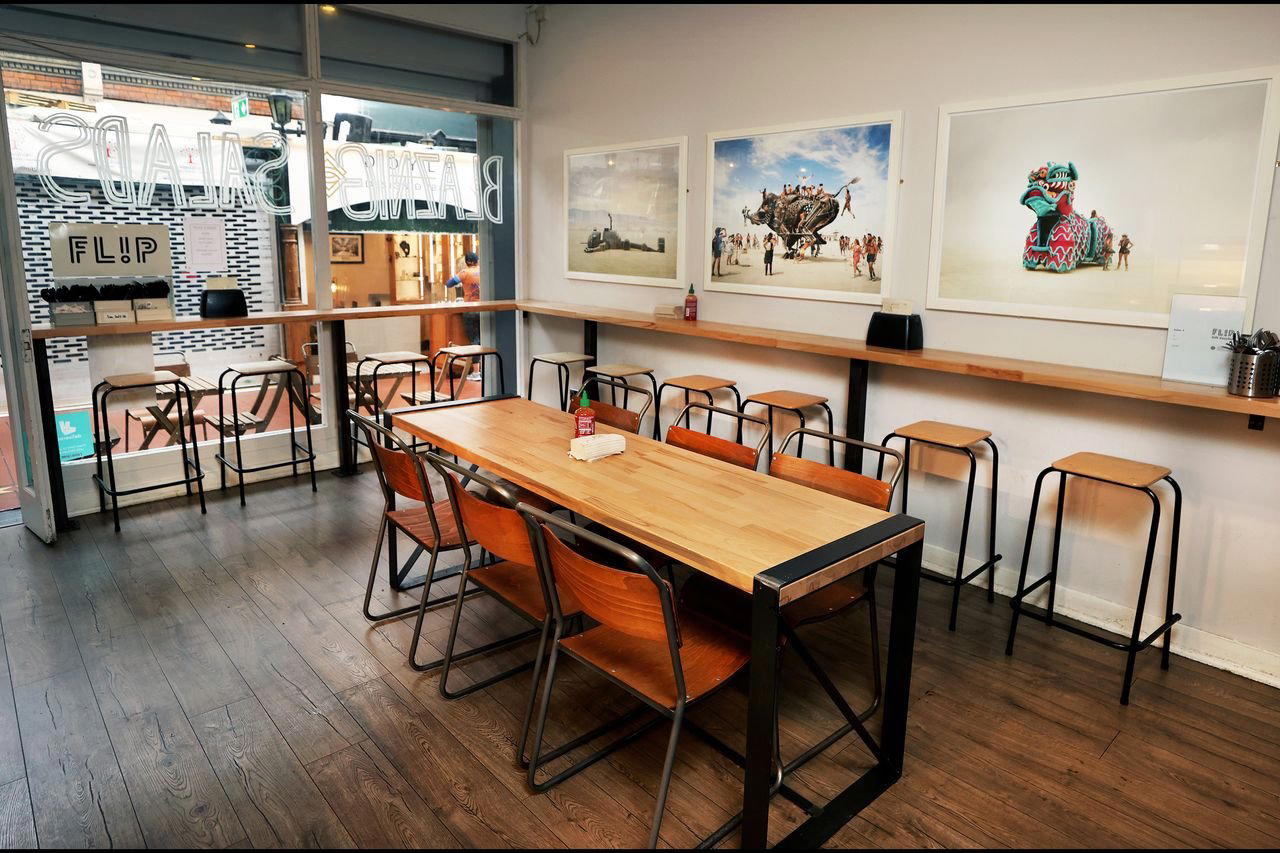
Details
- Well Known
- Historic
- Lively
- Elegant
- Group Outing
- Celebration
- Special Occasion
- Solo Exploration
- Barrel Room
- Historic Building
- Private Tasting
- Guided Tasting
- Blending Class
- Cocktail Making Class
- Cask Draw Experience
- English
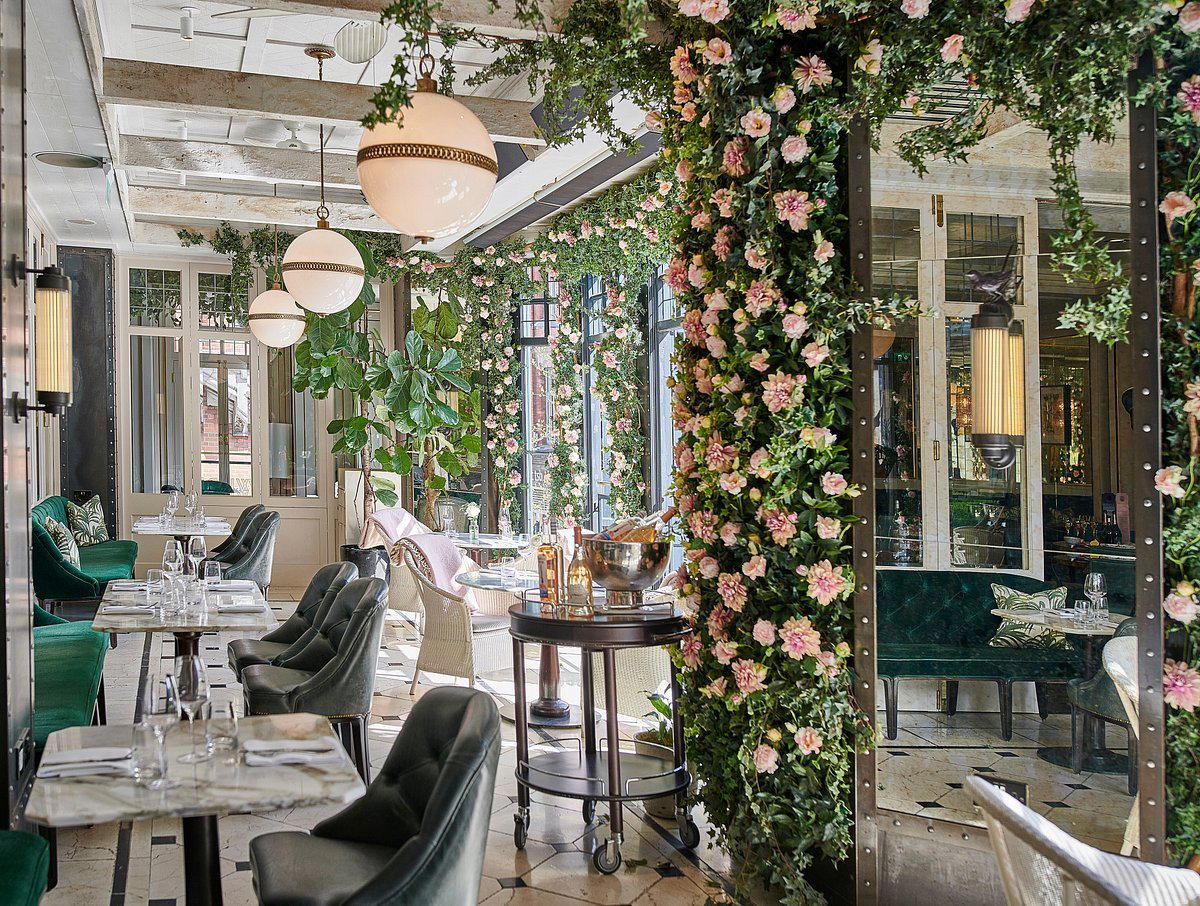
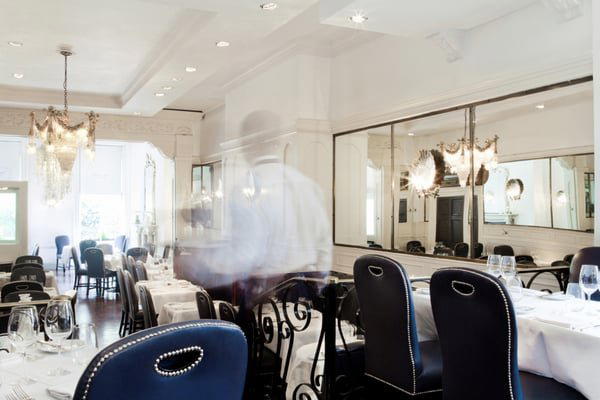
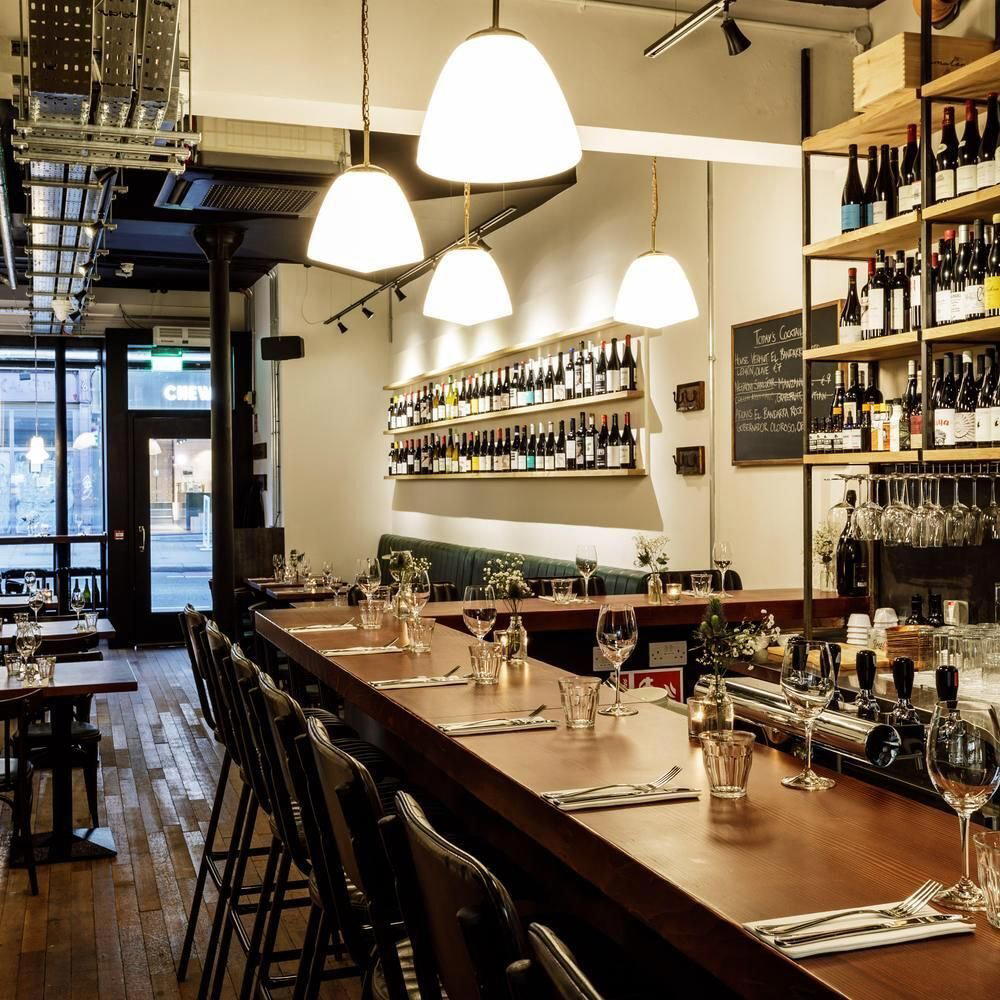
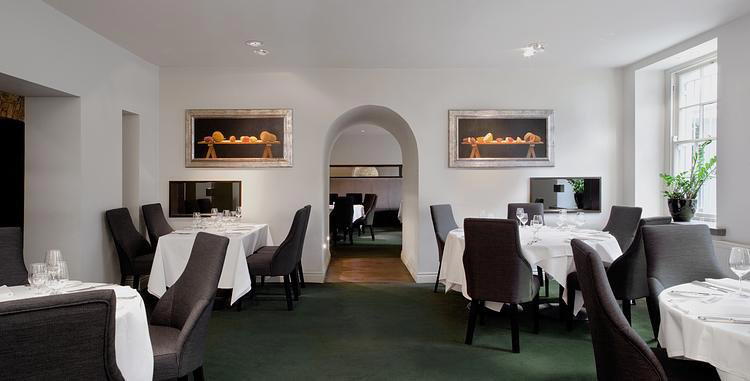
Lively and welcoming atmosphere with well-decorated historic buildings, cozy bar areas, and enthusiastic staff creating an energetic yet comfortable environment for whiskey education and enjoyment.