

Michelin Plate · The Sunday Times Ireland’s 100 Best Restaurants
Our verdict
Few Italian restaurants in Dublin earn critical recognition without leaning on occasion-dining theatre.

Pearl is the En Primeur Club membership app, where members save venues, book tables and use the concierge.
The menu
What to order
- Meatballs
- Tiramisu
- Stuffed tortellini
- Cacio e pepe spaghetti
Stoneybatter's Quiet Critical Heavyweight
The northwest of Dublin has not historically been the city's dining destination of record. That designation has belonged to the Georgian corridors around Merrion Street, where Patrick Guilbaud has anchored the city's fine-dining conversation for decades, or to the more recent wave of ambitious modern kitchens like Chapter One by Mickael Viljanen and Bastible. Stoneybatter operates differently. The neighbourhood is residential, village-scaled, and not arranged around restaurant tourism. That context matters for understanding what Grano is and why its reputation carries the weight it does.
A Michelin Plate in the 2024 guide is not a star, but it is a deliberate signal: this kitchen produces cooking worth a detour. At the €€ price range, that recognition places Grano in a small cohort of Dublin restaurants where critical endorsement and accessibility coexist. The city has plenty of Michelin-starred rooms charging €€€€, the comparison set for Grano is tighter than that, and the value equation is a significant part of the editorial case for the restaurant.
The Case for Calabrian Pasta in a City of Broad Italian Menus
Italian restaurants in Dublin tend toward a recognisable template: broad menus drawing from across the peninsula, wine lists that mix Italian and international bottles, and a format that prioritises coverage over specificity. Grano departs from that pattern at the source. The kitchen and ownership trace back to Calabria, Italy's toe, and produce is regularly imported from the team's home region. That supply chain is an unusual commitment at any price point, and at €€ it constitutes a genuine positioning statement.
The cooking itself leans on homemade pasta as its anchor. Dishes cited in critical recognition include spinach balanzoni and cavatelli with venison ragu, both formats that require daily production and reward quality ingredients in ways that dried pasta simply cannot replicate. The use of fresh greens in balanzoni and the slow-cooked weight of a venison ragu signal a kitchen that takes its reference points seriously rather than adapting southern Italian technique to local convenience. For context on how Italian specificity translates across very different dining cultures, see how 8½ Otto e Mezzo Bombana in Hong Kong and cenci in Kyoto approach Italian identity in contexts far removed from the source.
The all-Italian wine list, with organic and biodynamic options included, reinforces the regional focus rather than broadening it for commercial appeal. A list that excludes non-Italian bottles is a curatorial decision, and one that pairs logically with a kitchen anchored in a specific part of the peninsula. Calabria produces Gaglioppo-based reds and Greco Bianco whites that remain less familiar to most diners than Chianti or Barolo, which means the wine programme carries some of the same specificity as the food.
Critical Reception and What It Signals
Michelin recognition reflects the inspectors' assessment of kitchen quality and consistency; a near-five-star average across close to a thousand public reviews reflects a dining room that generates strong repeat loyalty and recommendation. A restaurant can have one without the other. Having both at a €€ price point in a residential neighbourhood is the fuller picture of what Grano has built.
Published critical commentary describes demand for tables as intense, and refers to Grano as a defining example of the neighbourhood restaurant format. That description is meaningful beyond the compliment: it positions the restaurant as a place that serves a community first and a wider audience second, which tends to produce a different kind of consistency than a restaurant primarily oriented toward destination diners. The companion wine bar, A Fianco, occupies the same block and functions as an extension of the same kitchen sensibility.
For a comparison of how Italian-focused neighbourhood restaurants operate within Dublin's broader dining scene, Osteria Lucio occupies a different tier and format but shares the Italian positioning. The city's most cited modern Irish rooms, including D'Olier Street, operate at different price points and with different culinary frameworks. For broader Irish restaurant context, Liath in Blackrock, dede in Baltimore, and Terre in Castlemartyr each illustrate how ambitious, place-rooted cooking operates outside the capital.
Planning a Visit
Grano sits at Unit 5, Norseman Court, Manor Street, Stoneybatter, D07 XD89. The address puts it roughly a fifteen-minute walk from the city centre, or a short bus ride from the quays. Given the reported intensity of demand for tables, booking ahead is advisable rather than optional, the restaurant's size and neighbourhood positioning mean walk-in availability is not a reliable strategy, particularly at weekends. No booking method is listed in current public records, so checking directly via search for the most current reservation channel is the appropriate step. The €€ price range means a full dinner with wine remains accessible relative to Dublin's starred and pre-theatre options. The wine bar A Fianco, run by the same team and adjacent to the main room, functions as a secondary option if the main dining room is full.
For a fuller view of where Grano sits within Dublin's dining, drinking, and hotel options, see our full Dublin restaurants guide, our full Dublin hotels guide, our full Dublin bars guide, our full Dublin wineries guide, and our full Dublin experiences guide.
Frequently asked questions
What price level is Grano?
Pricing at Grano is listed as €€.
The Essentials
| Venue | Cuisine | Price | Awards | Notes |
|---|---|---|---|---|
| GranoThis venue (the venue you are viewing) | Authentic Calabrian Italian with handmade pasta | $30–50 | Michelin Plate · The Sunday Times Ireland’s 100 Best Restaurants | Not listed |
| Patrick Guilbaud | Modern French Fine Dining | $150–200 | 2 Michelin Stars · La Liste Top Restaurants | Irish - French, Modern French |
| Bastible | Modern Irish | $100–150 | 1 Michelin Star · The Sunday Times Ireland’s 100 Best Restaurants | Modern Cuisine |
| Host | Modern Italian | $50–100 | Michelin Plate | Nordic, Modern Cuisine |
| mae | Modern Irish Fine Dining | $50–100 | Michelin Plate · The Sunday Times Ireland’s 100 Best Restaurants | Southern, Modern Cuisine |
| Matsukawa | Authentic Edomae Omakase | $100–150 | Michelin Plate · La Liste Top Restaurants | Kaiseki, Japanese |
Recognition history
Dated appearances from independent guides and award organizations, with the underlying list record or original source where available.
Michelin Plate
Michelin
The Sunday Times Ireland’s 100 Best Restaurants
The Sunday Times
Full recognition history (4 entries)
Michelin Plate
Michelin
Michelin Plate
Michelin
Continue exploring
More in Dublin
Restaurants in Dublin
All restaurants in Dublin →
Bars in Dublin
All bars in Dublin →


Details
- Cozy
- Intimate
- Trendy
- Romantic
- Date Night
- Special Occasion
- Group Dining
- Open Kitchen
- Extensive Wine List
- Local Sourcing
- A La Carte
- Small Plates
- Wine
- Vegetarian Friendly
Current opening hours
- Monday
- Closed
- Tuesday
- 5–10 PM
- Wednesday
- 5–10 PM
- Thursday
- 5–10 PM
- Friday
- 5–10 PM
- Saturday
- 12:30–10 PM
- Sunday
- 12:30–10 PM
Hours can change for holidays and private events. Hours as of .
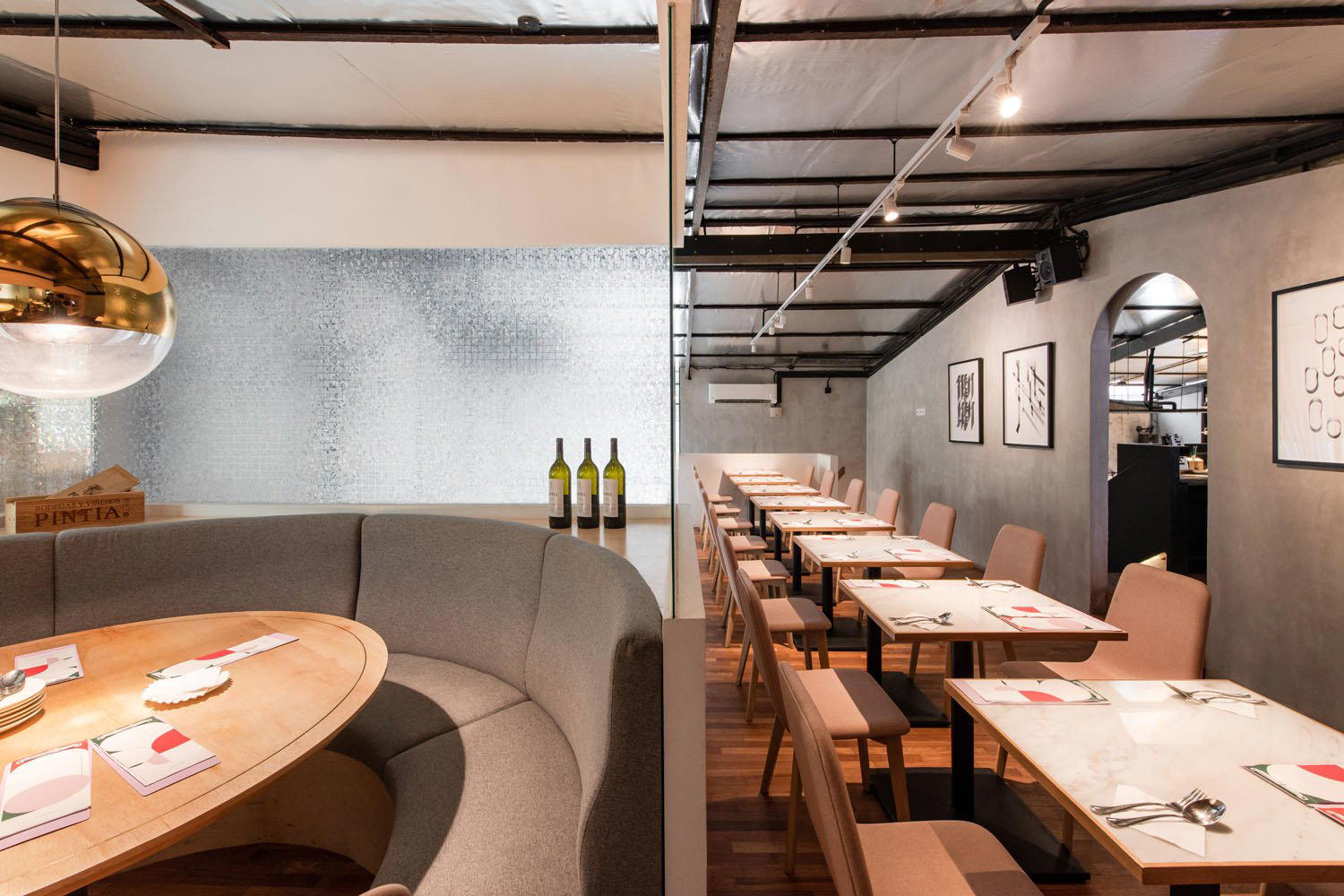
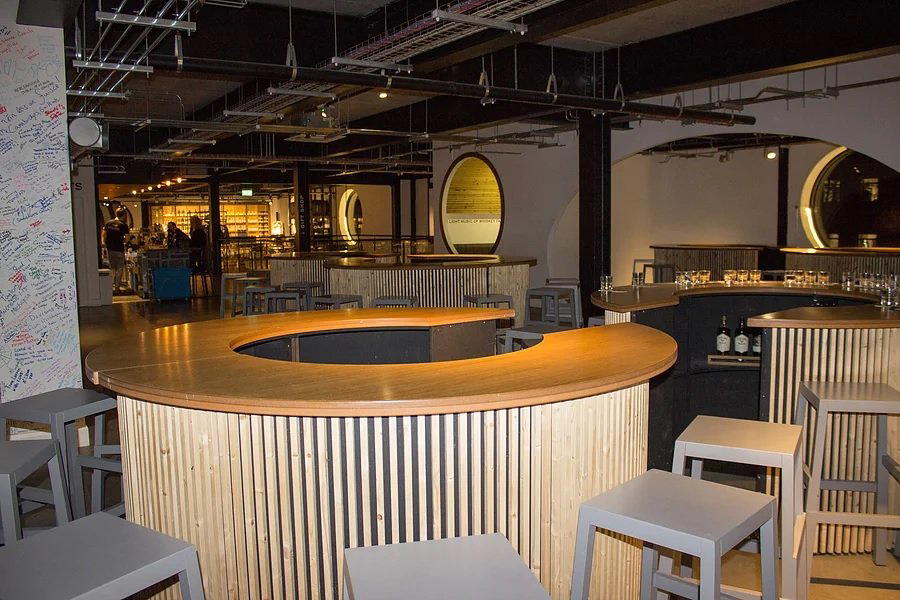
Cozy, homely Italian atmosphere with a laid-back neighborhood vibe and attentive, family-like service.