Osteria Bonomi
Our verdict
An Italian osteria operating in the small Swabian town of Wendlingen am Neckar, Osteria Bonomi sits at a telling intersection: the kind of neighbourhood trattoria tradition that prioritises producer relationships and regional sourcing over spectacle. Located at Behrstraße 90, it occupies a market gap between the casual and the formal that defines how Italian cooking has taken root in provincial southern Germany.

Pearl is the En Primeur Club membership app, where members save venues, book tables and use the concierge.
The menu
What to order
- Quattro Formaggi Pizza
- Tagliata
- Spaghetti allo Scoglio
- Tajarin al Cinghiale
Where Italian Sourcing Discipline Meets Swabian Pragmatism
Wendlingen am Neckar is not a city that appears in German fine dining conversations. Positioned in the Esslingen district southeast of Stuttgart, it draws none of the culinary attention directed at Baden-Württemberg's larger centres. Yet that relative obscurity is precisely the condition under which a certain kind of Italian restaurant can establish itself: away from the pressure of urban trend cycles, closer to the agricultural rhythms that Italian cooking at its most coherent has always depended on. Osteria Bonomi, at Behrstraße 90, belongs to this quieter register of the German-Italian dining relationship, a relationship with roots going back to the postwar Gastarbeiter era and now mature enough to sustain serious cooking in towns that most food editors would pass through without stopping.
The osteria format itself carries specific expectations. It sits below the ristorante in formality and above the simple trattoria in implied seriousness, a middle register where the kitchen's relationship with its suppliers tends to matter more than the room's ambitions. Across northern Italy, the leading examples of the format are anchored by sourcing fidelity: a specific cured meat producer in Emilia, a single estate olive oil, a vegetable grower whose seasons dictate what goes on the plate. When that discipline travels to Germany, it encounters a different agricultural system but not necessarily a worse one. Baden-Württemberg's proximity to Swabian Alb producers, Bavarian dairy, and the market gardens of the upper Rhine valley means that a kitchen committed to short supply chains has genuine options. For venues such as Osteria Bonomi, the sourcing question is less about whether German produce can hold its own and more about how a kitchen chooses to resolve the tension between Italian culinary identity and local ingredient reality.
The Broader Context: Italian Cooking in Provincial Germany
Germany's Italian restaurant scene has long operated at two distinct speeds. In major cities, Munich, Hamburg, Berlin, a tier of ambitious Italian cooking has developed that competes with European peers: see the contemporary ambition at JAN in Munich for a sense of how international influences press against Italian foundations in an urban context. At the other extreme, the pizzeria-trattoria format remains ubiquitous to the point of invisibility, serving a comfort-food function that rarely involves any serious conversation about provenance. The osteria tier sits between these poles and is arguably the most interesting to watch. It is where regional Italian cooking traditions, Ligurian, Tuscan, Emilian, tend to arrive with some fidelity, and where the sourcing question gets asked with genuine intent rather than marketing convenience.
Southern Germany has its own distinct relationship with this middle tier. Swabia's precise, thrifty culinary character shares more with northern Italian cooking than many diners realise: the emphasis on making full use of an animal, the pasta traditions that predate the unification of Italian cuisine into a national brand, the wine-with-food logic that defines how meals are structured. An osteria operating in a Swabian town is not importing an alien dining culture; it is, in some respects, working with a population whose own food values are not far removed from what the format assumes.
For those interested in how Germany's top-tier Italian-influenced kitchens operate at the other end of the ambition scale, the comparison set is instructive. Aqua in Wolfsburg demonstrates how Italian and Japanese influences can be synthesised at the highest formal level. Vendôme in Bergisch Gladbach shows what European creative cooking looks like when budget and ambition remove nearly all sourcing constraints. The osteria format operates under entirely different conditions, where the discipline is not abundance but selection: fewer ingredients, chosen with more care, cooked with less intervention.
Ingredient Sourcing as the Central Argument
The ingredient sourcing argument is not incidental to Italian cooking, it is the argument. Dishes that appear simple on paper (a plate of dressed vegetables, a hand-rolled pasta with a two-ingredient sauce, a grilled piece of fish) have nowhere to hide. The quality of the olive oil, the salt used in the pasta water, the age and provenance of the Parmigiano: these are not garnish decisions. They are structural ones. An osteria that gets sourcing right can produce cooking that outperforms far more technically complex kitchens. One that treats sourcing as an afterthought will produce exactly the generic Italian-in-Germany experience that has given the category its mixed reputation.
Baden-Württemberg's position makes certain sourcing choices direct. The Swabian Alb produces lamb and dairy of genuine quality. Lake Constance supplies freshwater fish. The Kraichgau and Heilbronn regions to the north have market garden traditions that supply serious vegetables. An osteria kitchen in Wendlingen has access to this geography without needing to reach far. Where Italian-specific ingredients are involved, dried pasta from a specific Abruzzese producer, DOP-certified San Marzano tomatoes, aged balsamico from Modena rather than its industrial simulacra, the sourcing decision becomes a statement of intent.
Planning a Visit
Wendlingen am Neckar sits approximately 25 kilometres southeast of Stuttgart, accessible from Stuttgart Hauptbahnhof via the S-Bahn S1 line to Wendlingen station, a journey of around 30 to 35 minutes. For those driving, the town is directly off the A8 motorway corridor. The address, Behrstraße 90, places the restaurant within the town proper rather than on its commercial periphery. Visitors from Stuttgart who are building a day around the Neckar valley or the Swabian Alb region will find the logistics manageable; Wendlingen is not an isolated destination but a workable stop within a broader itinerary. Contact details and current hours were not available at the time of writing, so confirming service times directly before visiting is advisable. Those exploring wider dining options in the region can consult our full Wendlingen am Neckar restaurants guide for additional context.
For readers whose interest in German regional dining extends to its formal upper tier, the range of ambition across the country is considerable. Schwarzwaldstube in Baiersbronn represents classic French discipline applied in a Black Forest context. ES:SENZ in Grassau and AUGUST in Augsburg each show how southern Germany's premium dining tier has developed its own character distinct from the Rhine-Ruhr axis. CODA Dessert Dining in Berlin, Restaurant Haerlin in Hamburg, and Schanz in Piesport illustrate the geographic spread of serious cooking across the country. At the international reference points, Le Bernardin in New York City and Atomix in New York City show how ingredient sourcing operates as a foundational argument in entirely different culinary traditions. Closer to Wendlingen, Bagatelle in Trier, ammolite in Rust, ATAMA by Martin Stopp in Sankt Ingbert, AURA in Wirsberg, Victor's Fine Dining in Perl, and Waldhotel Sonnora in Dreis map the range of what serious cooking looks like across Germany's southwestern and western regions.
Frequently asked questions
Is Osteria Bonomi okay with children?
The osteria format sits at the relaxed end of the Italian dining spectrum, and in a provincial town like Wendlingen am Neckar, family dining is a normal part of the local restaurant culture. Osteria Bonomi's address on Behrstraße places it in a residential neighbourhood context rather than a high-pressure urban setting. That said, specific family policies are not confirmed, so calling ahead is the sensible approach.
What's the vibe at Osteria Bonomi?
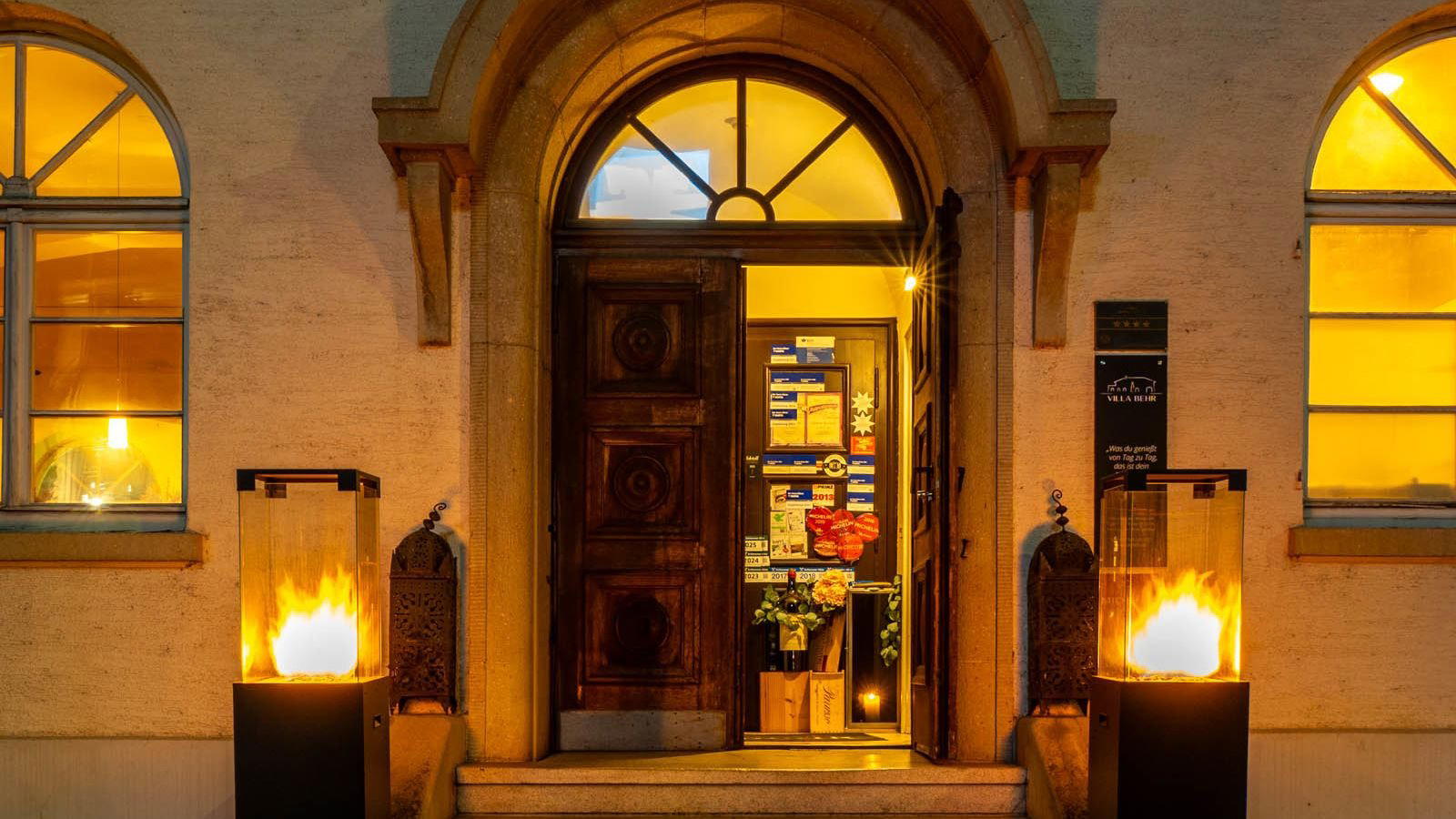
Wendlingen am Neckar is not a city that generates fine dining press, and Osteria Bonomi operates accordingly: a neighbourhood osteria register, functional and unpretentious rather than theatrical. Without a high-profile urban address or documented awards, the atmosphere is likely one of regulars and local familiarity. Think Behrstraße pragmatism rather than Stuttgart showmanship.
Is Osteria Bonomi worth the trip from Stuttgart for a solo dinner?
Wendlingen am Neckar sits on the S-Bahn S1 line, making it a 30 to 35 minute journey from Stuttgart Hauptbahnhof, manageable for a solo dinner without a car. For a diner specifically seeking a neighbourhood osteria experience outside Stuttgart's urban restaurant circuit, the distance is part of the point. Whether the cooking justifies the excursion on any given evening is best assessed through a direct reservation.
What's the signature dish at Osteria Bonomi?
What the osteria format typically foregrounds is ingredient quality over technical complexity, the argument is in the sourcing, not the plating. For current menu specifics, visiting in person or checking directly with the restaurant is the only reliable route.
Side-by-Side Snapshot
| Venue | Cuisine | Price | Awards | Notes |
|---|---|---|---|---|
| Osteria BonomiThis venue (the venue you are viewing) | Modern Italian Trattoria with Wood-Fired Pizza | $30–50 | Not listed | Not listed |
| Aqua | Contemporary German, Italian/Japanese, Creative | Not listed | Michelin 3 Star | Not listed |
| Schwarzwaldstube | Modern French Fine Dining | $150–200 | 3 Michelin Stars · World's 50 Best #47 | French, Classic French |
| CODA Dessert Dining | Dessert-Inspired Fine Dining | $200–300 | 2 Michelin Stars · World's 50 Best #79 | Creative |
| Vendôme | Modern German Haute Cuisine | $200–300 | 2 Michelin Stars · World's 50 Best #47 | Modern European, Creative |
| Tantris | Modern French Fine Dining | $300–500 | 2 Michelin Stars · World's 50 Best #73 | Modern French, French Contemporary |
Continue exploring
More in Wendlingen Am Neckar
Restaurants in Wendlingen Am Neckar
All restaurants in Wendlingen Am Neckar →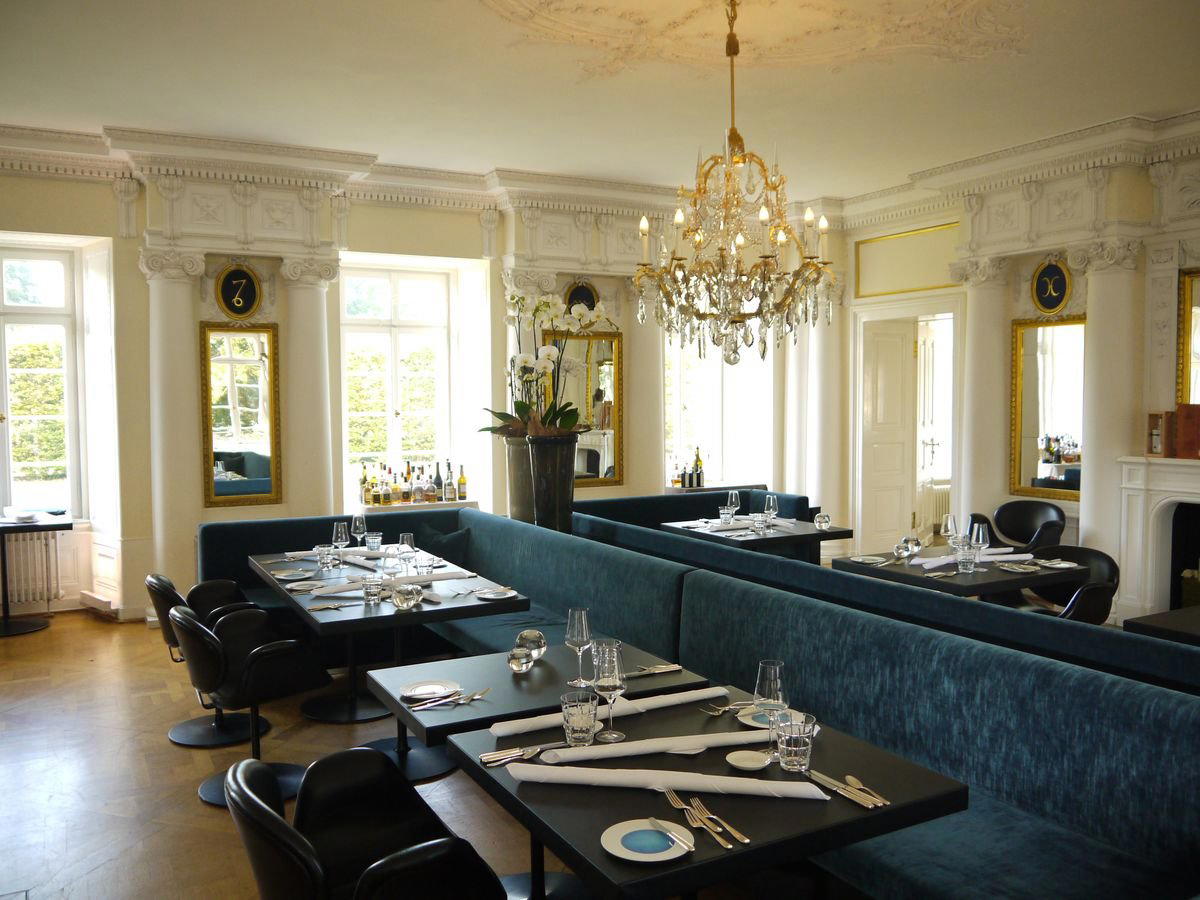
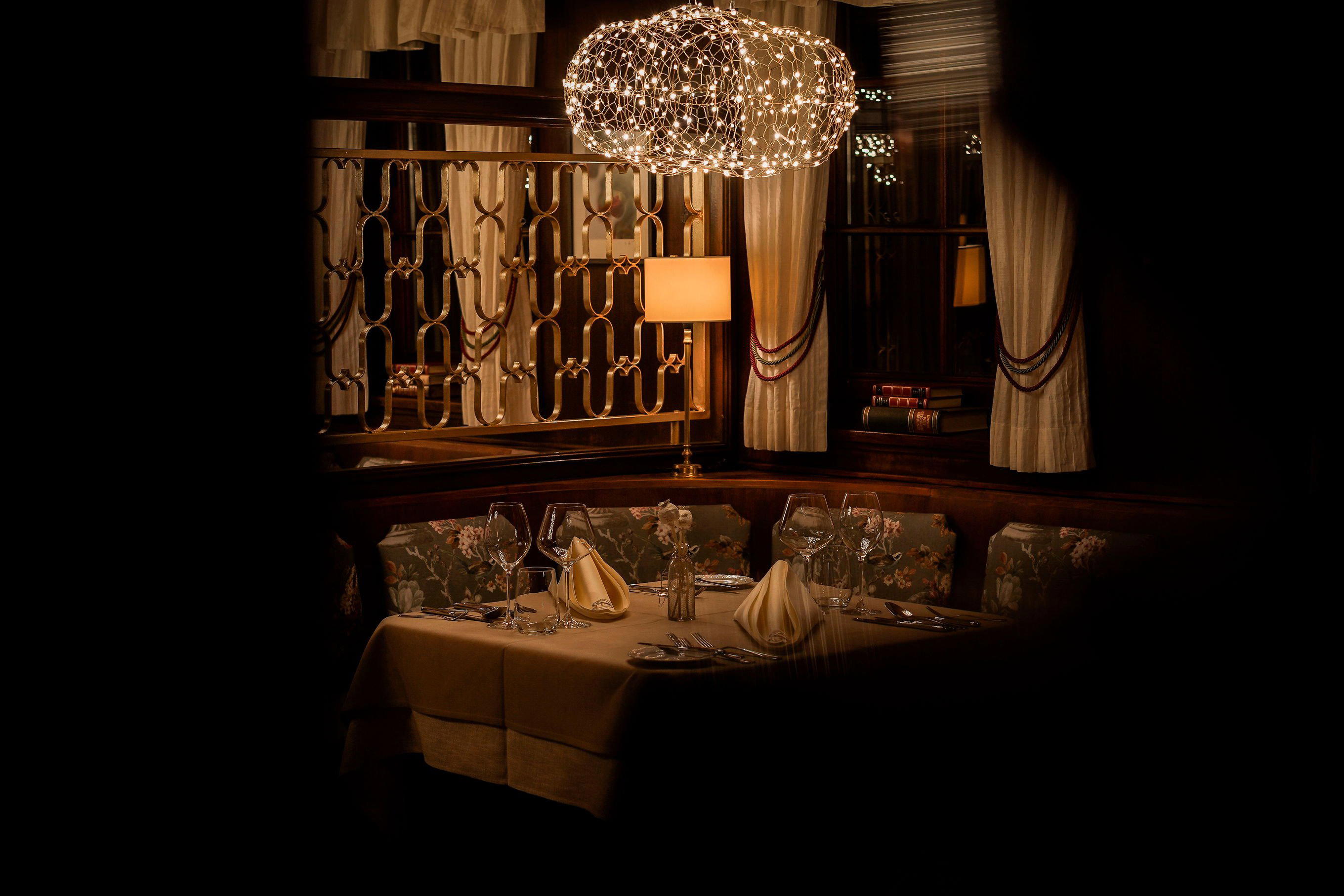
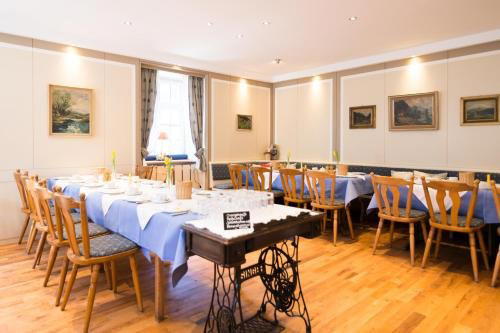
Bars in Wendlingen Am Neckar
Browse all →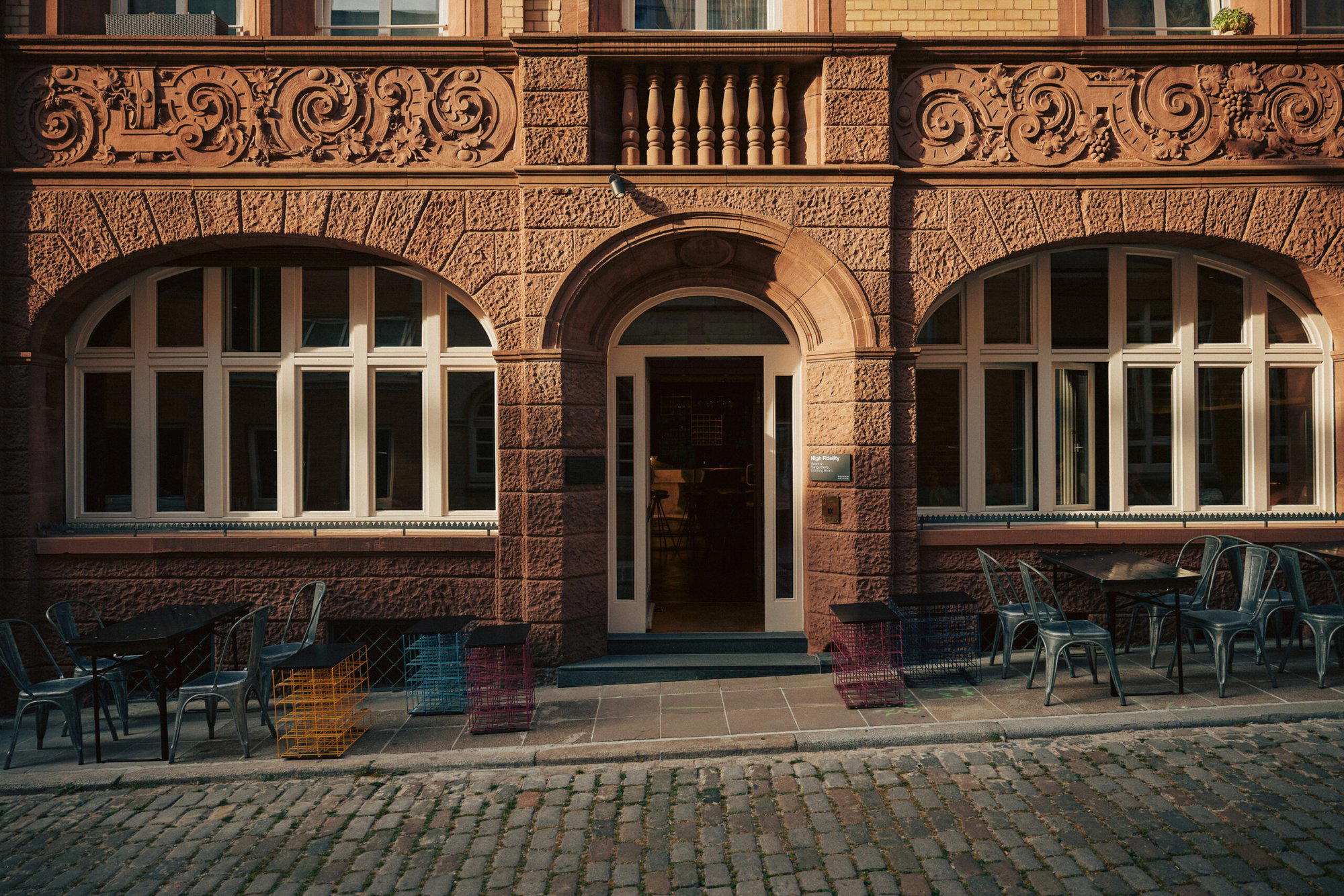
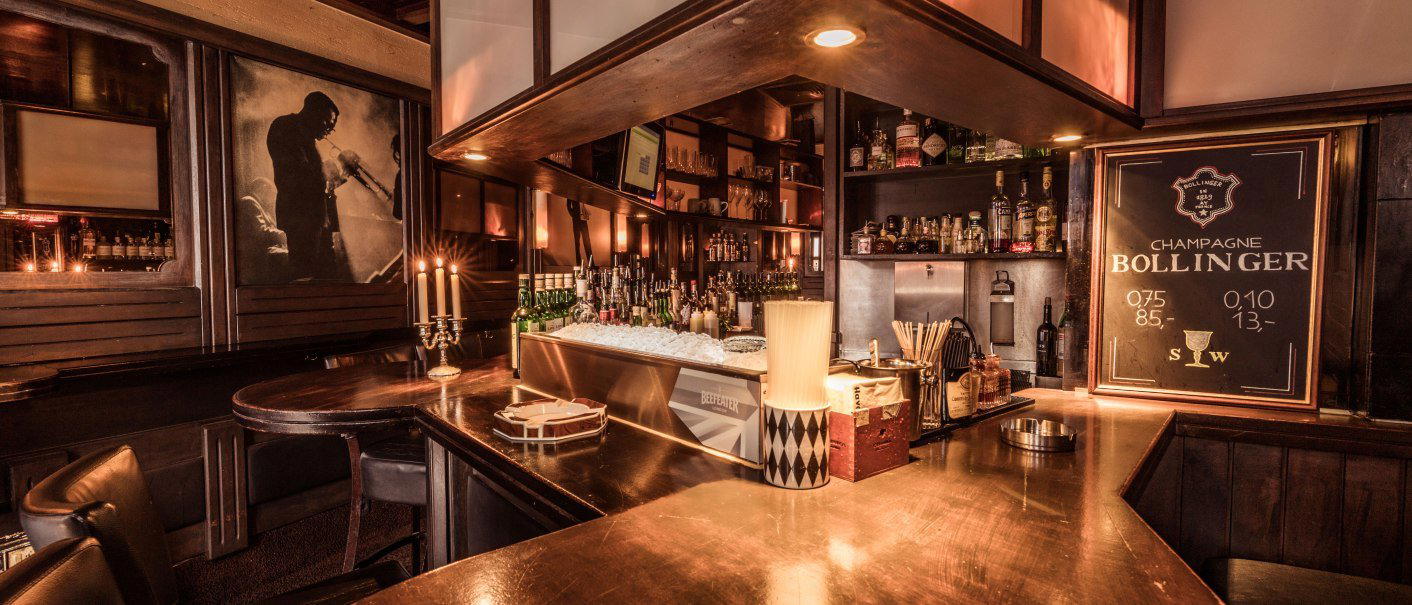
Hotels in Wendlingen Am Neckar
Browse all →

Osteria Bonomi
The wine
- Wine program
- Deep wine list
- Extensive wine list
- Sommelier-led
Details
- Romantic
- Elegant
- Sophisticated
- Cozy
- Date Night
- Business Dinner
- Group Dining
- Family
- Celebration
- Special Occasion
- Open Kitchen
- Private Dining
- Terrace
- Hotel Restaurant
- Extensive Wine List
- Sommelier Led
- Local Sourcing
- A La Carte
- Prix Fixe
- Italian Wine
- Craft Cocktails
- Vegetarian Friendly
Stylish and inviting with elegant music, modern design, and a chic atmosphere that appeals to both romantic diners and families.