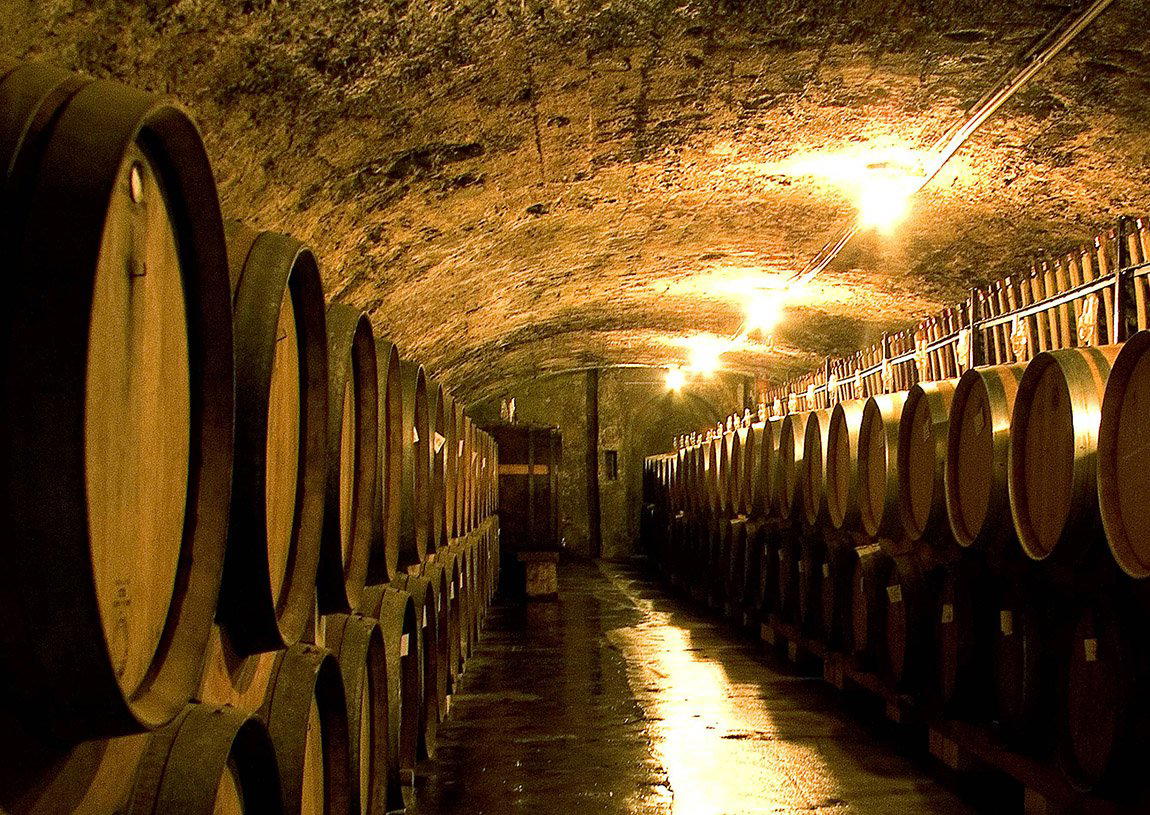
Vini… da Sabatini serves authentic Italian fine dining on Grüneburgweg in Frankfurt, with an extensive wine list, wine cellar, and Paccheri al Ragu.
Pearl is the En Primeur Club membership app — saves, bookings, and concierge access live there. Same editors, same standards.
- Address
- Grüneburgweg 81, 60323 Frankfurt am Main, Germany
- Phone
- +494969726665
- Website
- vinisabatini.com
- Directions
- Get directions
 Saves & bookings on Pearl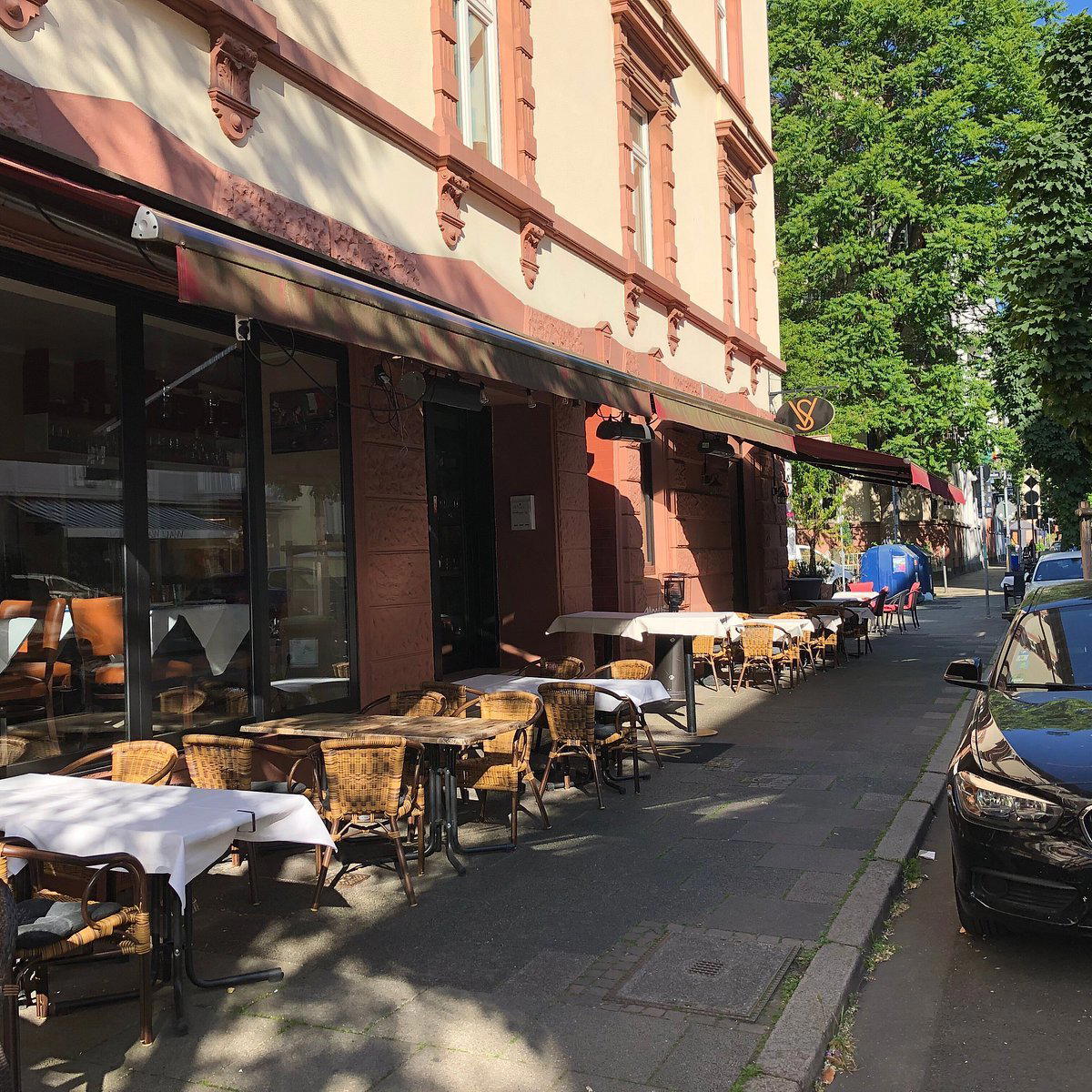
A Corner of Westend Worth Seeking Out
Grüneburgweg runs through one of Frankfurt's more composed residential stretches, where the city's financial-district energy gives way to tree-lined streets, independent boutiques, and the kind of neighbourhood restaurants that survive on local loyalty rather than tourist footfall. At number 81, Vini… da Sabatini occupies that particular register: a wine-anchored Italian address that reads as part of a broader European tradition in which the enoteca and the trattoria share a room, and neither is compromised by the other. The name alone signals the format, wine first, then the food that earns it.
Frankfurt's Italian dining scene has always been more layered than the city's financial reputation might suggest. The Westend and Sachsenhausen districts together carry a concentration of Italian addresses ranging from quick-service trattorias to full-service rooms with serious wine programmes. What separates the credible entries in that category is sourcing discipline: how carefully the kitchen connects to Italian regional producers, and whether the wine list reflects the same geographic curiosity. At Grüneburgweg 81, the name signals the format, with wine at the center and the food following that logic rather than the other way around.
The Enoteca Model in a German City
The enoteca format, a wine shop or wine bar that has evolved into a restaurant without abandoning its wine-forward identity, has a specific place in Italy's dining culture. It tends to produce leaner menus, tighter sourcing, and a higher ratio of attention paid to the glass than to kitchen theatrics. When that model travels to Germany, it occupies a niche distinct from both the full fine-dining room and the casual Italian trattoria. Frankfurt has a handful of Italian addresses that operate in this space, and they tend to draw a different crowd: one that arrives knowing what region of Italy they want to drink from, and expects the kitchen to follow with appropriate produce.
This sourcing-led approach matters in a city where Italian restaurants must compete on authenticity as much as execution. Frankfurt diners with genuine Italian literacy, and there are more of them than the city's financial identity implies, apply a different calibration to an enoteca than to a conventional restaurant. The question is less "is the pasta good?" and more "do the ingredients come from somewhere specific, and does the wine list extend that geographic logic?" That is the competitive set in which an address like Vini… da Sabatini positions itself, alongside peers such as Ariston and atm by Deli&Grape, both of which operate within Frankfurt's wine-and-table tradition.
Where Ingredient Sourcing Sets the Tone
The enoteca tradition in northern and central Italy has always placed ingredient provenance at the centre of the menu conversation. A Piedmontese enoteca will organise its antipasti around local salumi, aged cheeses, and seasonal vegetables tied to the agricultural rhythm of the Langhe or Monferrato. A Tuscan equivalent reaches for Chianina, Cinta Senese, or IGP-marked olive oils. When that philosophy is transplanted to a German address, the kitchen faces a more complex sourcing challenge: which Italian producers ship reliably to Frankfurt, which regional identities hold under transport, and where does German seasonal produce slot into an Italian framework without distorting it.
The better Italian addresses in Frankfurt that work in this register tend to organise their menus around a selective set of ingredients rather than attempting comprehensive regional coverage. Fewer items, better provenance, more transparent presentation. That approach aligns with how sourcing-led Italian restaurants operate across Germany's major cities, and it differs meaningfully from the volume-driven Italian format that saturates the mid-market. For comparison, Germany's most sourcing-rigorous fine-dining rooms, such as Aqua in Wolfsburg or Schwarzwaldstube in Baiersbronn, treat supply-chain integrity as a non-negotiable editorial position; the enoteca model does the same, at a more accessible price tier.
Frankfurt's Premium Italian Tier
Among Frankfurt's Italian restaurants, there is a meaningful gap between the volume-driven mid-market and the wine-serious upper tier. The latter group tends to share certain characteristics: smaller rooms, curated wine lists with genuine regional depth, and kitchens that resist menu sprawl. ALEJANDRO'S, Allgaiers Restaurant, and Ambassel each occupy adjacent positions in Frankfurt's more considered dining tier, though they approach it from different culinary traditions. The specifically Italian-wine-led niche is narrower, and Vini… da Sabatini holds a recognisable position within it.
Westend's residential character gives the address a natural clientele: professionals who live in the area and treat a wine-centred Italian room as a regular fixture rather than a destination occasion. That repeat-visit economy shapes how such a room operates, it rewards consistency over spectacle, and it sustains a wine programme that can be explored across multiple visits rather than exhausted in one. For readers planning a single evening, that context is useful: the address is suited to a relaxed dinner where the second bottle of wine is as considered as the first.
Internationally, the wine-led Italian format has produced particularly compelling dining experiences in cities like New York, where rooms such as Le Bernardin and Atomix demonstrate how sourcing and service precision intersect at the highest level, regardless of cuisine. The German equivalent of that discipline, represented at its fine-dining apex by places like JAN in Munich, Vendôme in Bergisch Gladbach, Victor's Fine Dining by Christian Bau in Perl, Waldhotel Sonnora in Dreis, Restaurant Haerlin in Hamburg, Schanz in Piesport, ES:SENZ in Grassau, and CODA Dessert Dining in Berlin, trickles down through sourcing philosophy into neighbourhood-level addresses operating at more everyday price points.
Planning a Visit
The restaurant is located at Grüneburgweg 81, 60323 Frankfurt am Main, in the Westend district. The address is accessible by U-Bahn, with the Grüneburgweg and Kirchplatz stops nearby depending on direction of approach. Reservations are recommended, especially on Friday and Saturday evenings.
In Context: Similar Options
Comparable venues nearby, for context on price, style, and recognition.
| Venue | Cuisine | Price | Notes |
|---|---|---|---|
| Vini… da SabatiniThis venue — the venue you are viewing | Authentic Italian Fine Dining | $$$ | Not listed |
| Tempaccio Ristorante | Modern Northern Italian | $$$ | Palmengarten |
| L'Unico | Authentic Italian | $$$ | Goethehaus |
| Settimo Cielo | Italian Seafood | $$$ | Palmengarten |
| Coffee bar at the Kunstverein | Italian Café Bistro | $$ | Roemerberg |
| Pizzeria Da Cimino | Authentic Italian Pizza | $$ | Messegelande |
Continue exploring
More in Frankfurt
Restaurants in Frankfurt
Browse all →
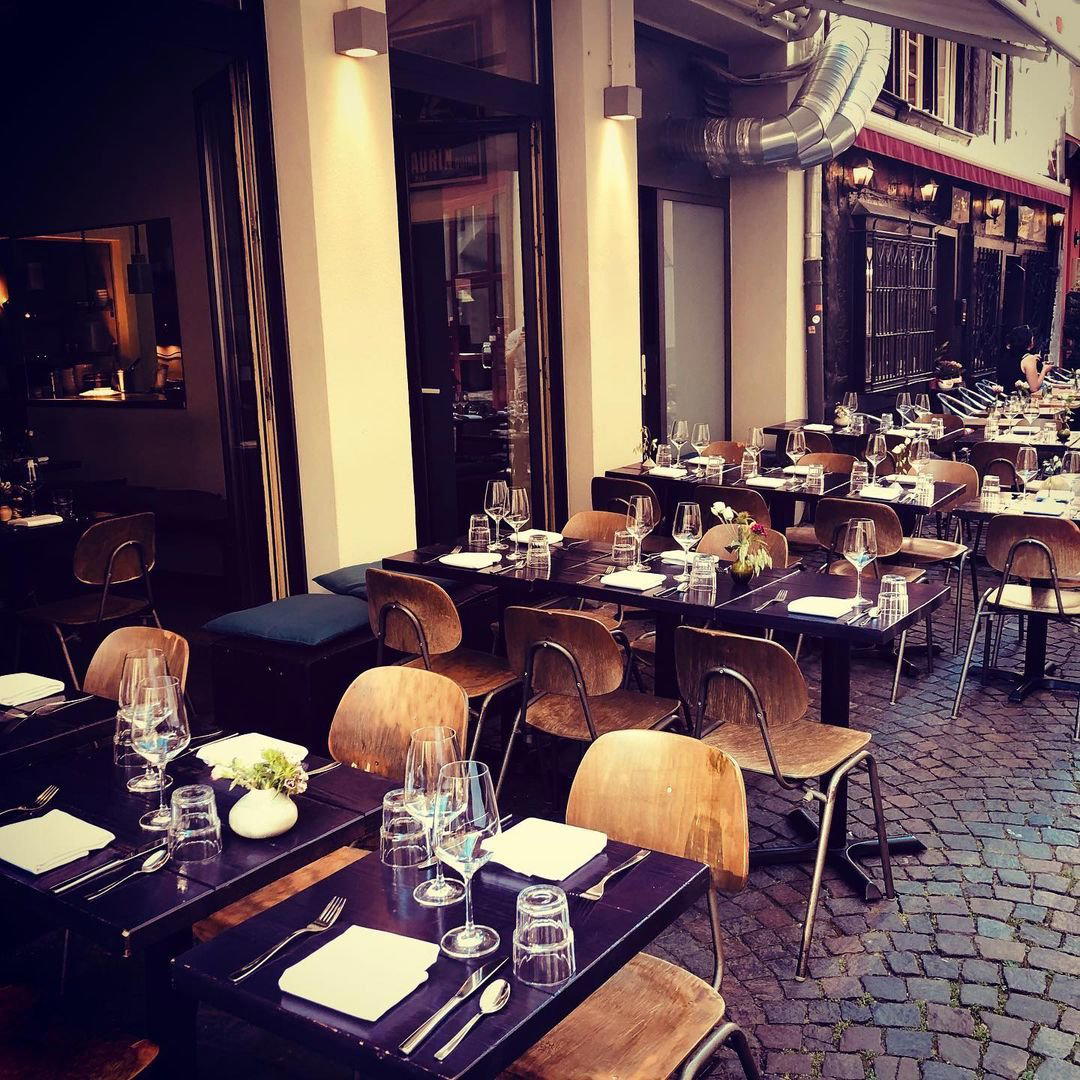
Bars in Frankfurt
Browse all →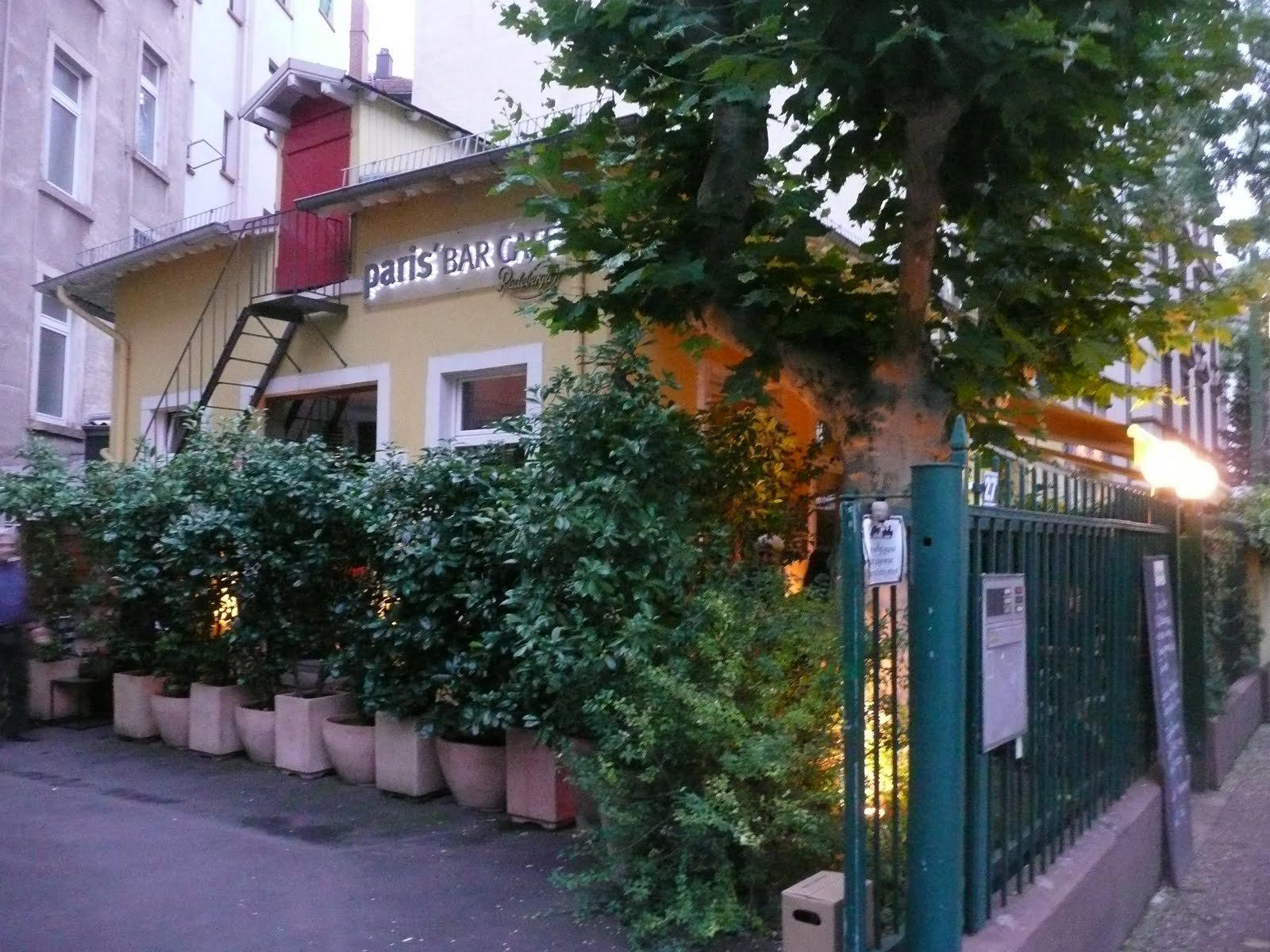
Hotels in Frankfurt
Browse all →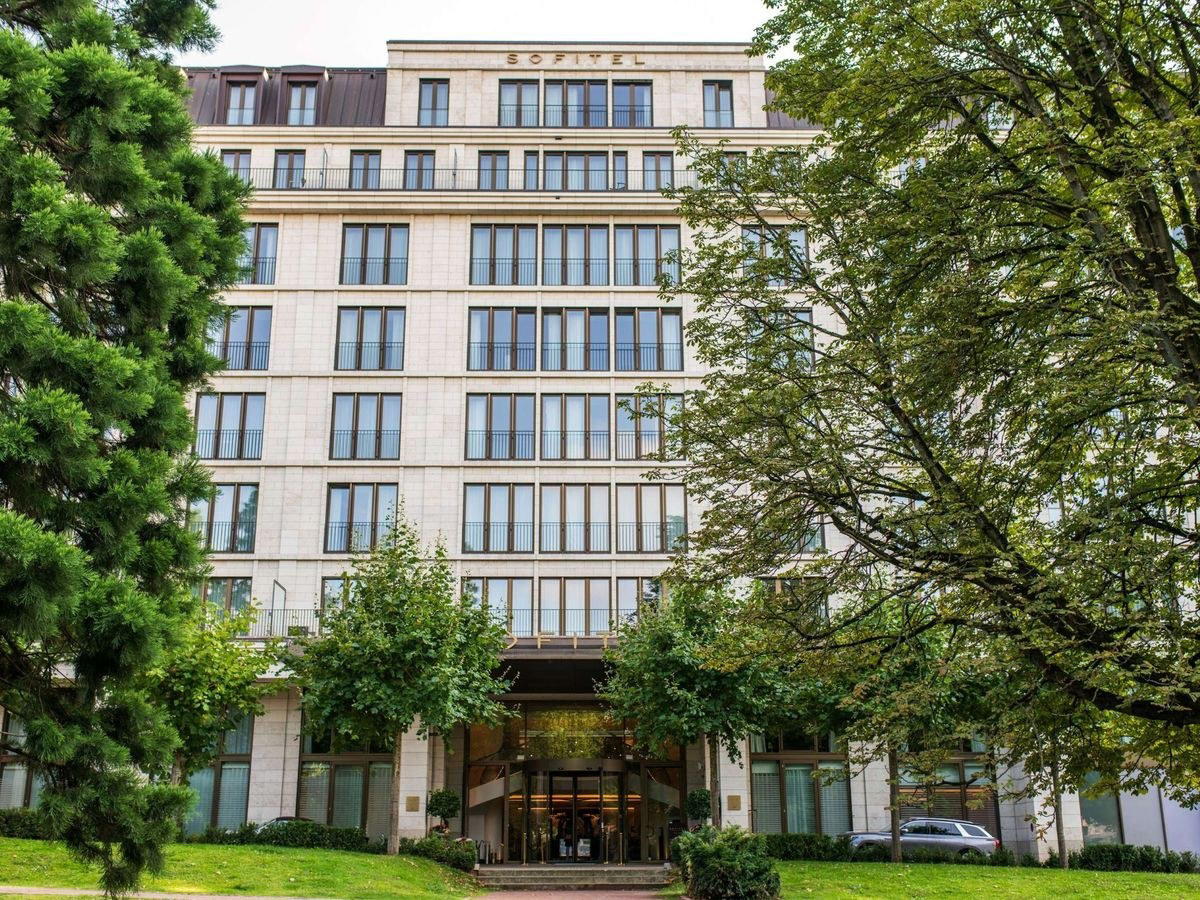
At a Glance
- Elegant
- Sophisticated
- Cozy
- Date Night
- Business Dinner
- Special Occasion
- Wine Cellar
- Extensive Wine List
Current opening hours
- Monday
- 12–3 PM, 6–11 PM
- Tuesday
- 12–3 PM, 6–11 PM
- Wednesday
- 12–3 PM, 6–11 PM
- Thursday
- 12–3 PM, 6–11 PM
- Friday
- 12–3 PM, 6 PM–12 AM
- Saturday
- 12–3 PM, 6 PM–12 AM
- Sunday
- 12–3 PM, 6–11 PM
Hours can change for holidays and private events. Last verified .
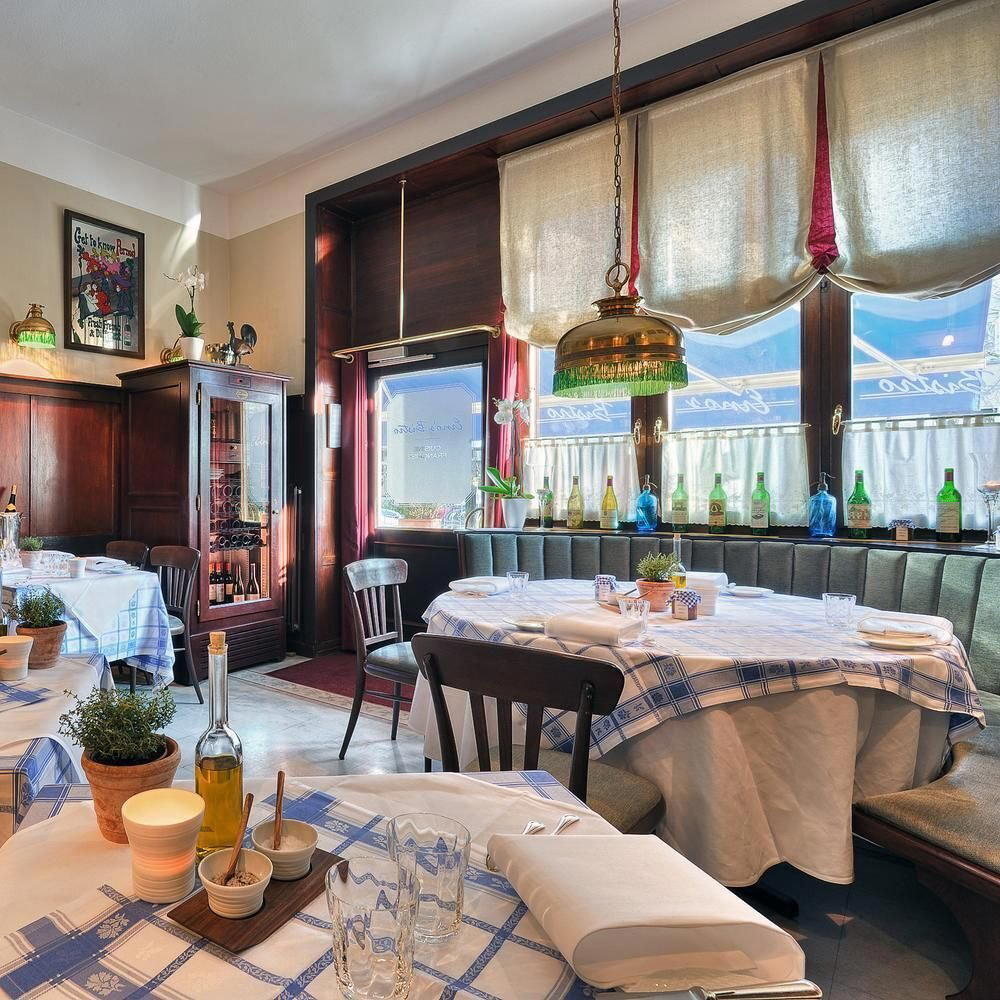
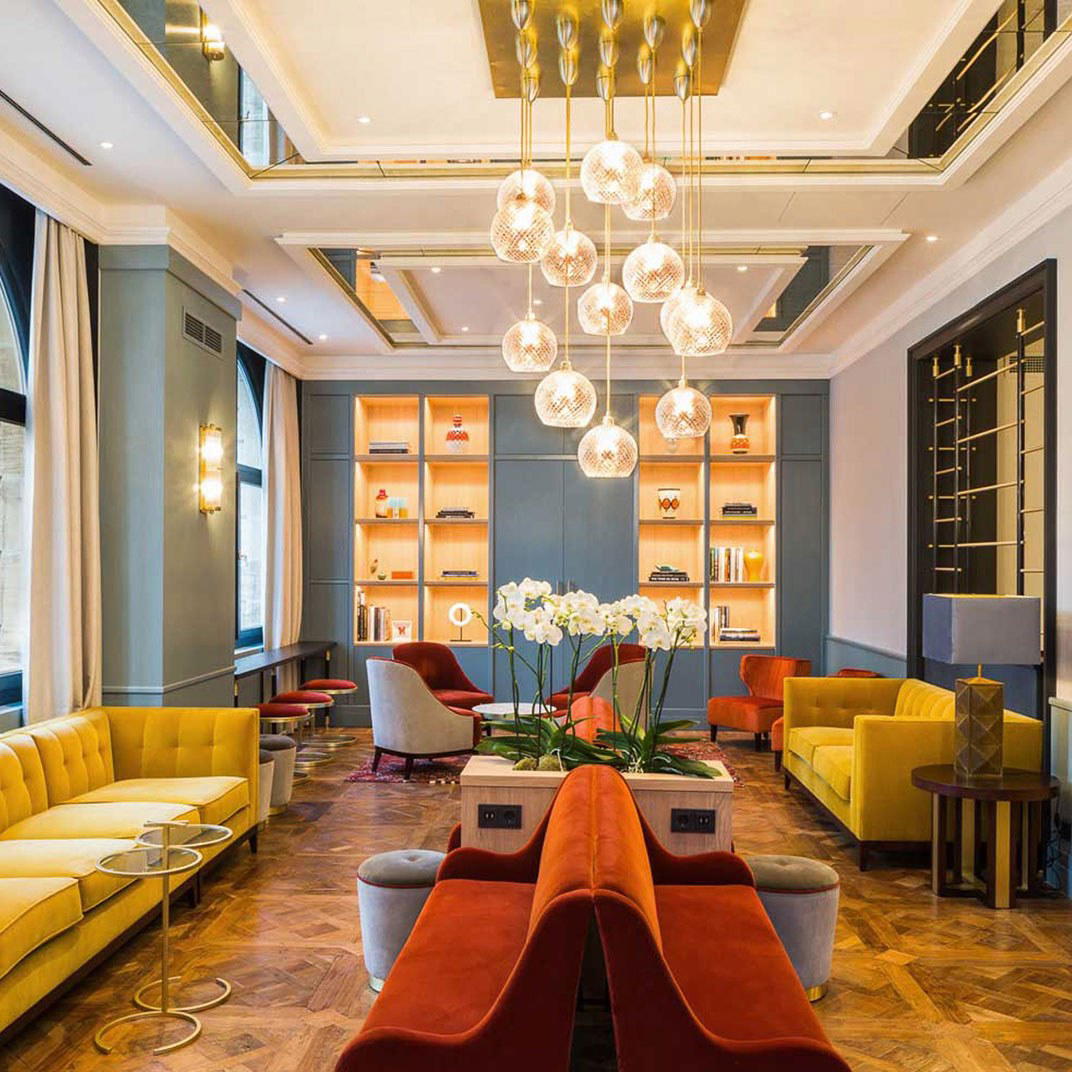
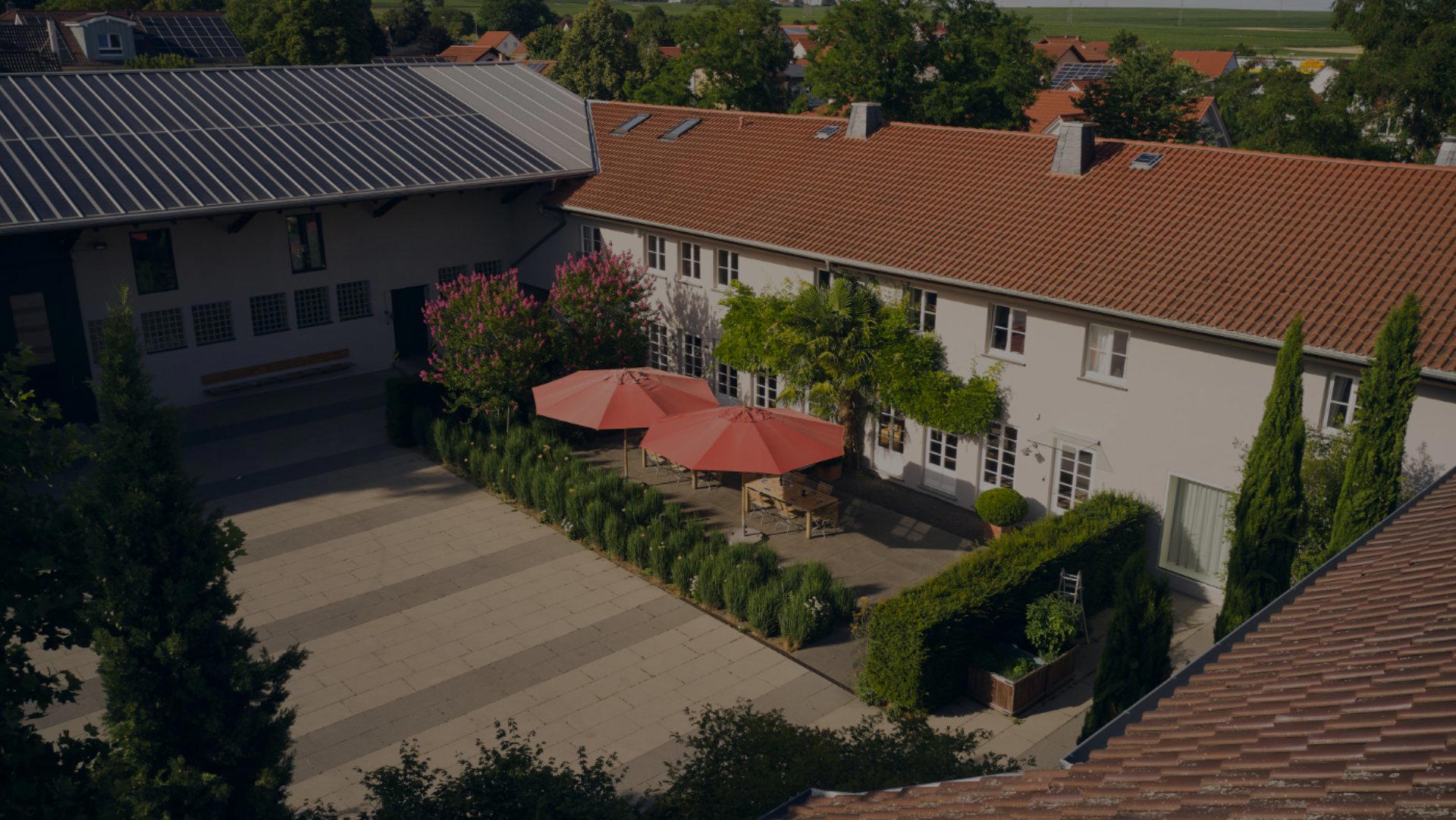
Warm Mediterranean colors contrast with black and white tiles, featuring Riedel glasses and elegant plating in a welcoming, stylish atmosphere.