Osteria 57
Osteria 57 sits on Sixth Avenue in Greenwich Village, placing it inside one of New York's most active Italian dining corridors. The address at 453 6th Ave puts it within walking distance of the West Village's broader trattoria tradition, where neighbourhood regulars and destination diners share the same room. For Italian-focused dining in Lower Manhattan, it operates in a category defined more by consistency and craft than by spectacle.
Pearl is the En Primeur Club membership app — saves, bookings, and concierge access live there. Same editors, same standards.
- Address
- 453 6th Ave, New York, NY 10011
- Phone
- +12127770057
- Website
- osteria57.com
- Directions
- Get directions
 Saves & bookings on Pearl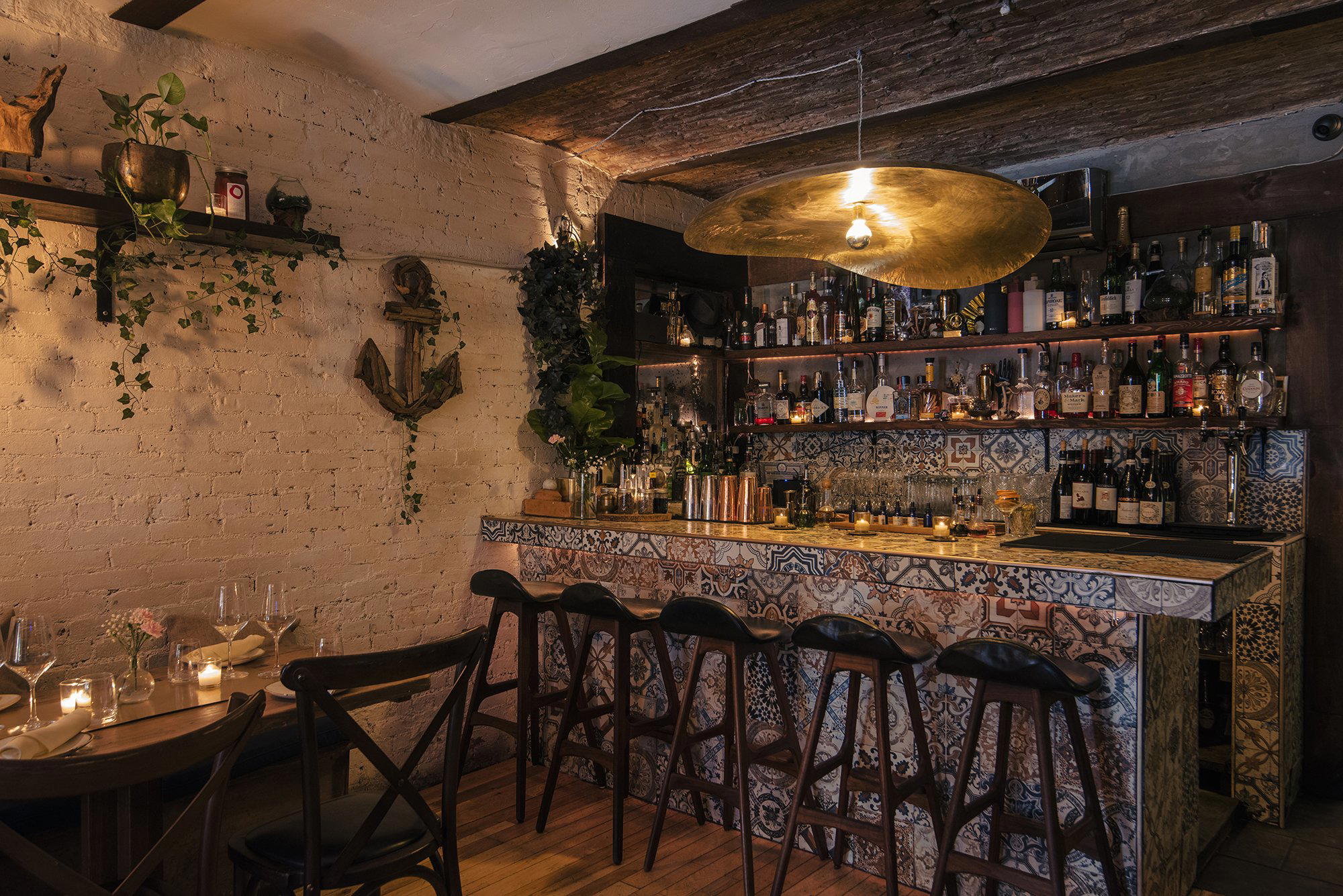
Italian Dining in Greenwich Village: The Tradition Behind the Address
Greenwich Village has hosted Italian restaurants longer than most New York neighbourhoods have hosted anything. The area's Italian-American identity was established through waves of immigration that shaped both its residential character and its dining culture, and that history gives 6th Avenue's osteria corridor a different kind of authority than, say, a Midtown hotel dining room. When a restaurant takes the word osteria in its name, it is making a claim about format and intent: the osteria tradition in Italy positions itself between the casual trattoria and the more composed ristorante, typically emphasising wine, shared tables, and a menu built around what the kitchen does well rather than around what it can technically produce. That positioning matters in a city where Italian dining spans everything from $15 pasta counters to tasting menus priced against Per Se and Le Bernardin.
Osteria 57 occupies 453 6th Ave, a Greenwich Village address that places it inside a neighbourhood where dining decisions are made on foot, often on the same evening. The Village's Italian corridor competes less on spectacle and more on return visits, which means the restaurants that endure in this zip code tend to do so through repetition of a reliable, focused offer rather than through the kind of seasonal reinvention that drives destination restaurants further uptown.
What the Osteria Format Signals
Across Italian culinary tradition, the osteria format carries specific expectations. The room is typically unpretentious; the wine list prioritises Italian regions; the menu is shorter than a ristorante's and changes more frequently than a trattoria's. In New York's broader Italian dining market, the format sits in a competitive middle tier that includes some of the city's most consistent neighbourhood anchors. The upper register of New York Italian dining has, over the past decade, pulled toward formal tasting-menu formats and ingredient-forward positioning, some of which echoes in the ambitions of places like 8 1/2 Otto e Mezzo Bombana internationally. The neighbourhood osteria operates on a different logic: it earns its place through nightly reliability rather than through critical event dining.
That distinction matters when comparing dining options across New York. The city's highest-profile restaurant investment has gone toward tasting-format Korean restaurants like Atomix and Jungsik New York, and toward Japanese counter experiences anchored by Masa. Italian dining in New York has largely moved in the opposite direction, toward informality, accessibility, and the neighbourhood-anchored model that Greenwich Village exemplifies. Osteria 57 sits within that broader shift.
The Greenwich Village Dining Context
The Village's 6th Avenue corridor runs between restaurants that serve the neighbourhood's residential population and those that draw from a wider Manhattan catchment. The blocks around West 10th and 11th streets have historically supported Italian formats precisely because the neighbourhood's street-level foot traffic rewards consistency over event dining. Diners in this area tend to return; the economics of a Greenwich Village osteria are built around regulars more than around one-time reservations driven by awards or press.
That neighbourhood character distinguishes this part of the city from the destination-dining clusters around the Flatiron or the Upper East Side, where single-occasion dining at restaurants like those in EP Club's broader American fine dining coverage, including Blue Hill at Stone Barns in nearby Tarrytown and The Inn at Little Washington further afield, involves advance planning and significant spend. The Village osteria operates in a different register, one where the dining decision is lower-friction but where the expectation of quality is no less present.
For reference across the broader American fine dining scene, the osteria format in this context sits well below the tasting-menu tier represented by Alinea in Chicago, The French Laundry in Napa, Single Thread Farm in Healdsburg, Lazy Bear in San Francisco, Providence in Los Angeles, Addison in San Diego, Bacchanalia in Atlanta, Emeril's in New Orleans, and Alain Ducasse at Louis XV in Monte Carlo. It is positioned, instead, as a neighbourhood proposition, where the value equation is proximity, consistency, and an uncomplicated Italian offer.
What Draws Diners to This Address
Italian restaurants succeed in Greenwich Village when they commit to a focused identity. The neighbourhood has limited appetite for sprawling menus or shifting concepts; what it rewards is a clear point of view executed with enough consistency to build a repeat clientele. The 6th Avenue address gives Osteria 57 natural foot traffic from one of the Village's more active pedestrian corridors, which means the restaurant competes in a high-visibility location where the first impression is the window and the room, not a reservation widget.
Within the osteria model, wine is typically a primary draw rather than an afterthought. Italian regional wine programs, when thoughtfully constructed, can anchor a room's identity as effectively as the food. The cultural logic of the osteria is that wine and food are co-equal, and the leading examples of the format in New York build their lists around producers and regions that reflect that parity rather than defaulting to the same commercial Italian labels available at any mid-range restaurant in the city.
Peers Worth Knowing
Comparable venues nearby, for context on price, style, and recognition.
| Venue | Cuisine | Price | Notes |
|---|---|---|---|
| Osteria 57This venue — the venue you are viewing | Italian Seafood & Vegetarian | $$$ | Not listed |
| Palma | Organic Italian with Housemade Pasta | $$$ | West Village |
| Hearth | Tuscan-American Farm-to-Table | $$$ | East Village |
| Brooklyn Barbuto | California-Italian | $$$ | Brooklyn Heights |
| La Bottiglia Italian Restaurant | Sicilian Italian | $$$ | Port Richmond |
| Sant Ambroeus Lafayette | Modern Milanese Italian | $$$ | SoHo-Little Italy-Hudson Square |
Continue exploring
More in New York City
Restaurants in New York City
Browse all →
Bars in New York City
Browse all →

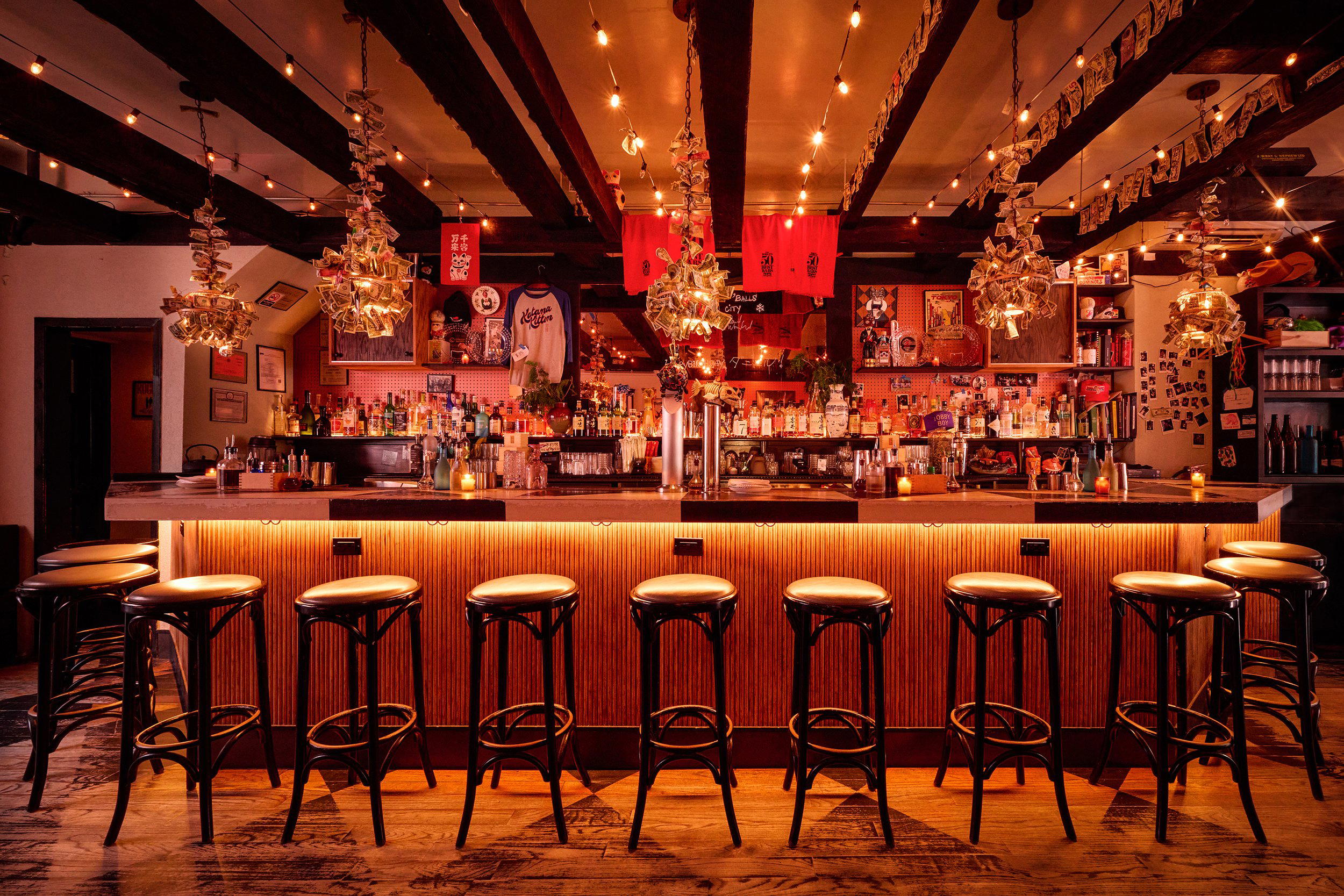
Hotels in New York City
Browse all →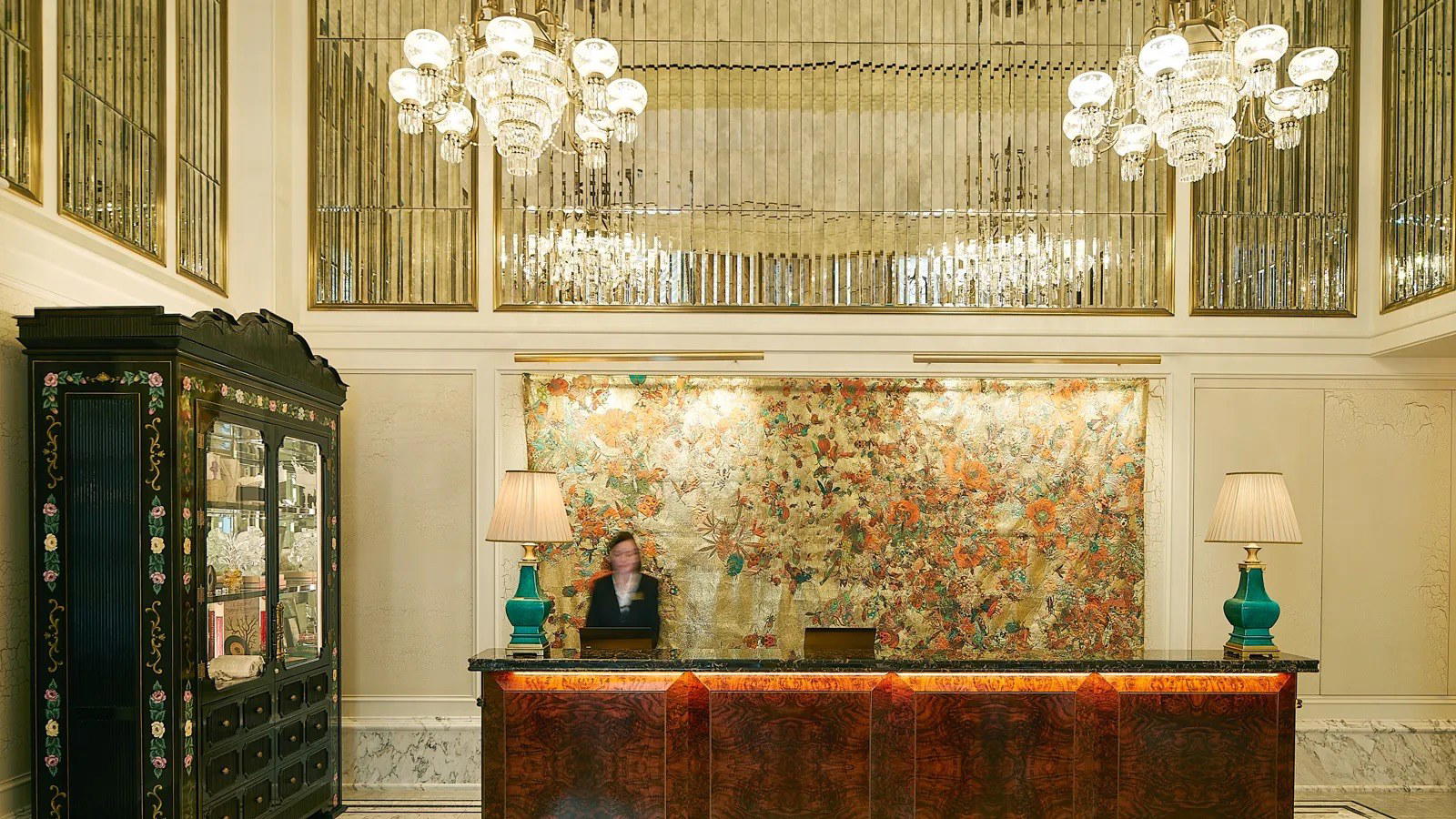

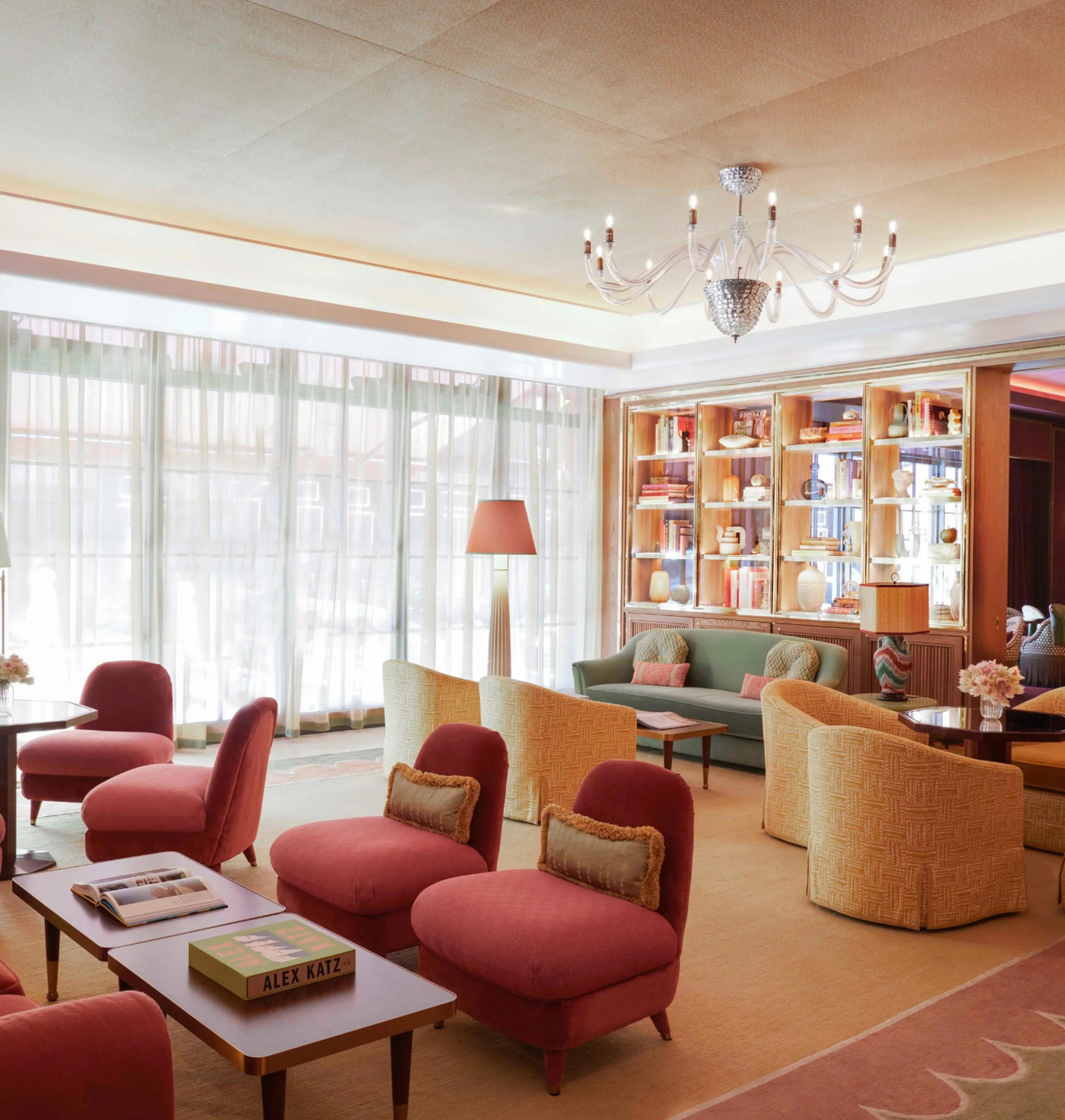
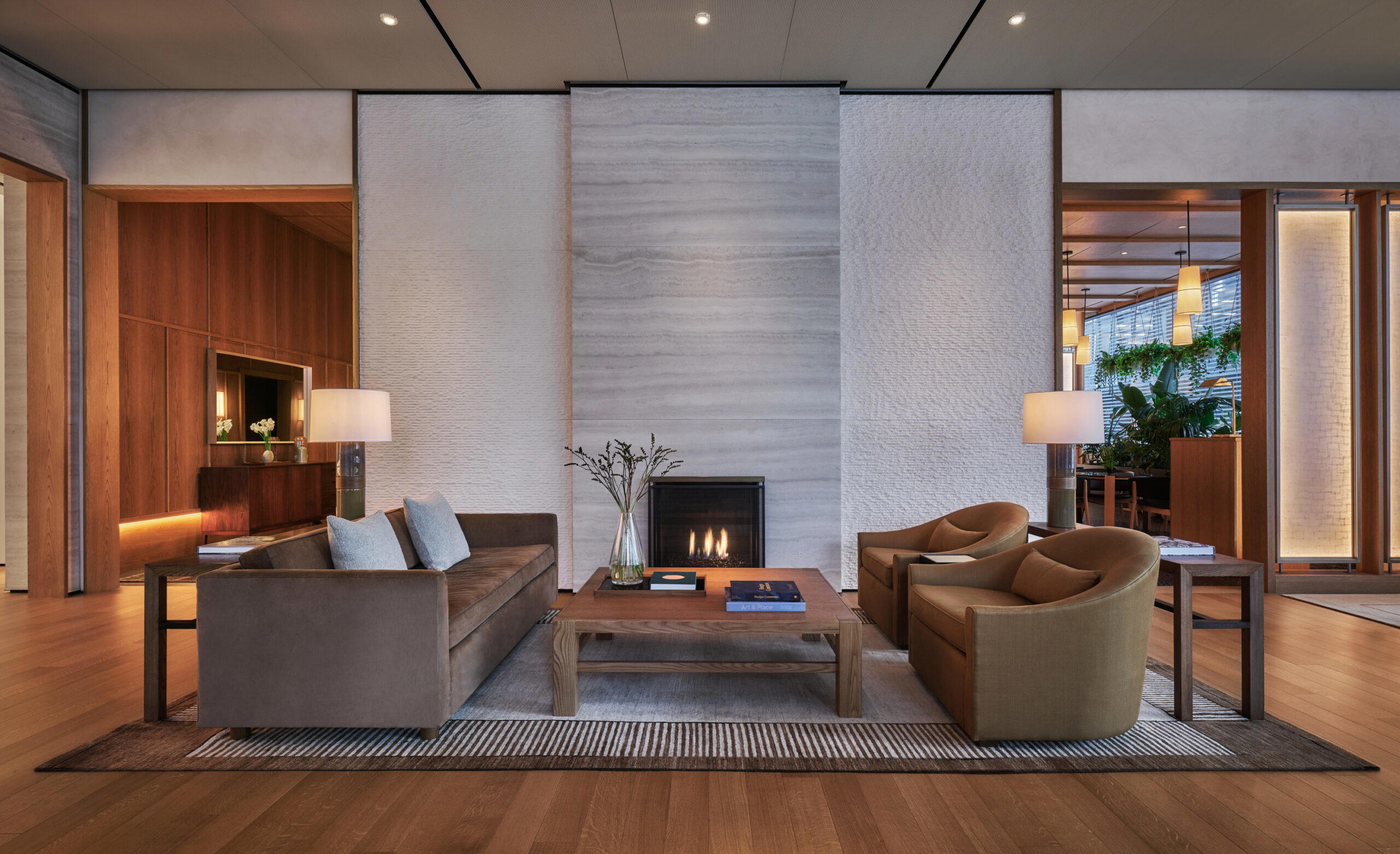






At a Glance
- Cozy
- Intimate
- Rustic
- Elegant
- Date Night
- Special Occasion
- Brunch
- Open Kitchen
- Extensive Wine List
- Local Sourcing
Current opening hours
- Monday
- 5–10 PM
- Tuesday
- 12–3 PM, 5–10 PM
- Wednesday
- 12–3 PM, 5–10 PM
- Thursday
- 12–3 PM, 5–10 PM
- Friday
- 12–3 PM, 5–10:30 PM
- Saturday
- 11 AM–3:30 PM, 5–10:30 PM
- Sunday
- 11 AM–3:30 PM, 5–10 PM
Hours can change for holidays and private events. Last verified .
Cozy with turtledove colors, soft lighting, three intimate rooms, two bars, and a private outdoor table creating a warm, homey atmosphere.