Hearth

Our verdict
Hearth has anchored the corner of East 12th Street and Avenue A in the East Village since the mid-2000s, when the neighbourhood was consolidating its identity as a serious dining destination outside Manhattan's more celebrated corridors. The restaurant occupies a position in the East Village's mid-tier serious dining scene, drawing a local crowd alongside destination diners who prefer the area's lower-key register.

Pearl is the En Primeur Club membership app, where members save venues, book tables and use the concierge.

The menu
What to order
- Warm Sourdough
- Grilled Calamari Salad
- Rigatoni with pork ragu
- Gnocchi
East Village on Its Own Terms
New York's dining map has always had a tension between the addresses that attract expense-account traffic and the ones that earn loyalty through consistency and neighbourhood fit. The East Village sits firmly in the second camp. East 12th Street, where Hearth has operated since the mid-2000s, runs through a stretch of the neighbourhood that consolidated its dining identity over roughly two decades, not by chasing Midtown formality, but by offering something more calibrated to the people who actually live nearby. That positioning, unglamorous by design, is exactly what gives the area its durability as a dining destination.
The East Village's dining character differs from the high-wire ambition of, say, the West 50s, where Le Bernardin operates in a category defined by Michelin stars and decades of institutional prestige, or Midtown's per-head benchmarks set by Masa and Per Se. The East Village trades in a different register: lower ceilings in every sense, more eclectic programming, and a dining public that tends to be sceptical of theatre for its own sake. Hearth has inhabited that register since it opened, making it a useful reference point for understanding what serious neighbourhood dining looks like in this part of the city.
What the Address Tells You
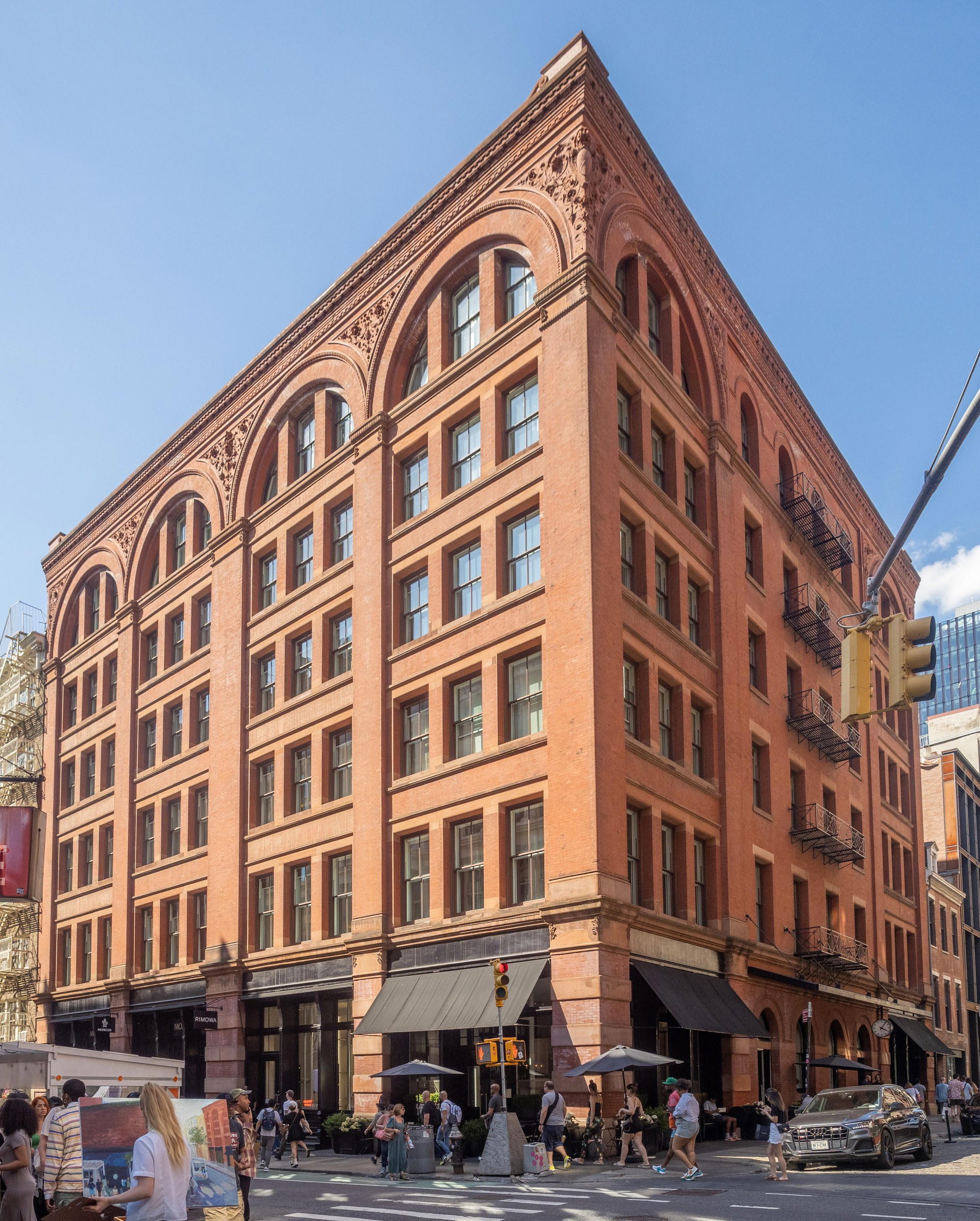
403 East 12th Street places Hearth at the edge of the East Village where the grid opens toward Tompkins Square Park. The immediate blocks have long hosted a mix of longstanding local institutions and newer arrivals, the combination that gives the neighbourhood its particular texture. Restaurants here do not benefit from tourist foot traffic in the way that SoHo or the Meatpacking District do; the clientele is overwhelmingly local or destination-driven, which creates a different dynamic in the dining room. Regulars matter more. Word-of-mouth matters more. The room has to hold up on a Tuesday in February, not just on a Saturday in October.
That geography shapes how a restaurant like Hearth competes. It is not in direct conversation with the Korean fine dining that has reshaped Midtown's upper tier, where Atomix and Jungsik New York have staked out ambitious, internationally recognised positions. For a fuller picture of where Hearth sits within New York's broader restaurant scene, our full New York City restaurants guide maps the city's dining tiers in more detail.
The East Village in a Wider American Context
The neighbourhood-anchor model that the East Village has refined appears in different forms across American cities. In New Orleans, Emeril's built a version of serious but approachable dining that anchored a district's culinary identity for decades. In Atlanta, Bacchanalia has played a comparable role as a reliable reference point for what the city's serious dining looks like at mid-range formality. In San Francisco, Lazy Bear occupies a different but related niche, where format innovation and community-driven programming substitute for traditional fine dining hierarchy.
At the farm-to-table end of the spectrum, Blue Hill at Stone Barns in Tarrytown and Single Thread Farm in Healdsburg both demonstrate what happens when ingredient sourcing becomes the organising principle of a restaurant's identity, a model that many East Village operators have drawn from, even if they lack the acreage to replicate it. The argument for sourcing-led cooking in an urban neighbourhood context is that it connects the restaurant to regional producers without requiring a rural setting to make the point.
Further along the formality spectrum, Alinea in Chicago, Providence in Los Angeles, Addison in San Diego, and The French Laundry in Napa each represent the American fine dining mode at its most structured and internationally recognised. The Inn at Little Washington extends that model into a full hospitality format. These are not Hearth's competitors; they are reference points that clarify what the East Village approach is deliberately not doing.
Internationally, the contrast is even sharper. 8½ Otto e Mezzo Bombana in Hong Kong and Alain Ducasse at Louis XV in Monte Carlo represent a category of dining where setting, legacy, and institutional prestige are inseparable from the food. The East Village explicitly rejects that framework, and Hearth's longevity on East 12th Street is partly a function of how completely it has committed to a different set of values.
What to Order
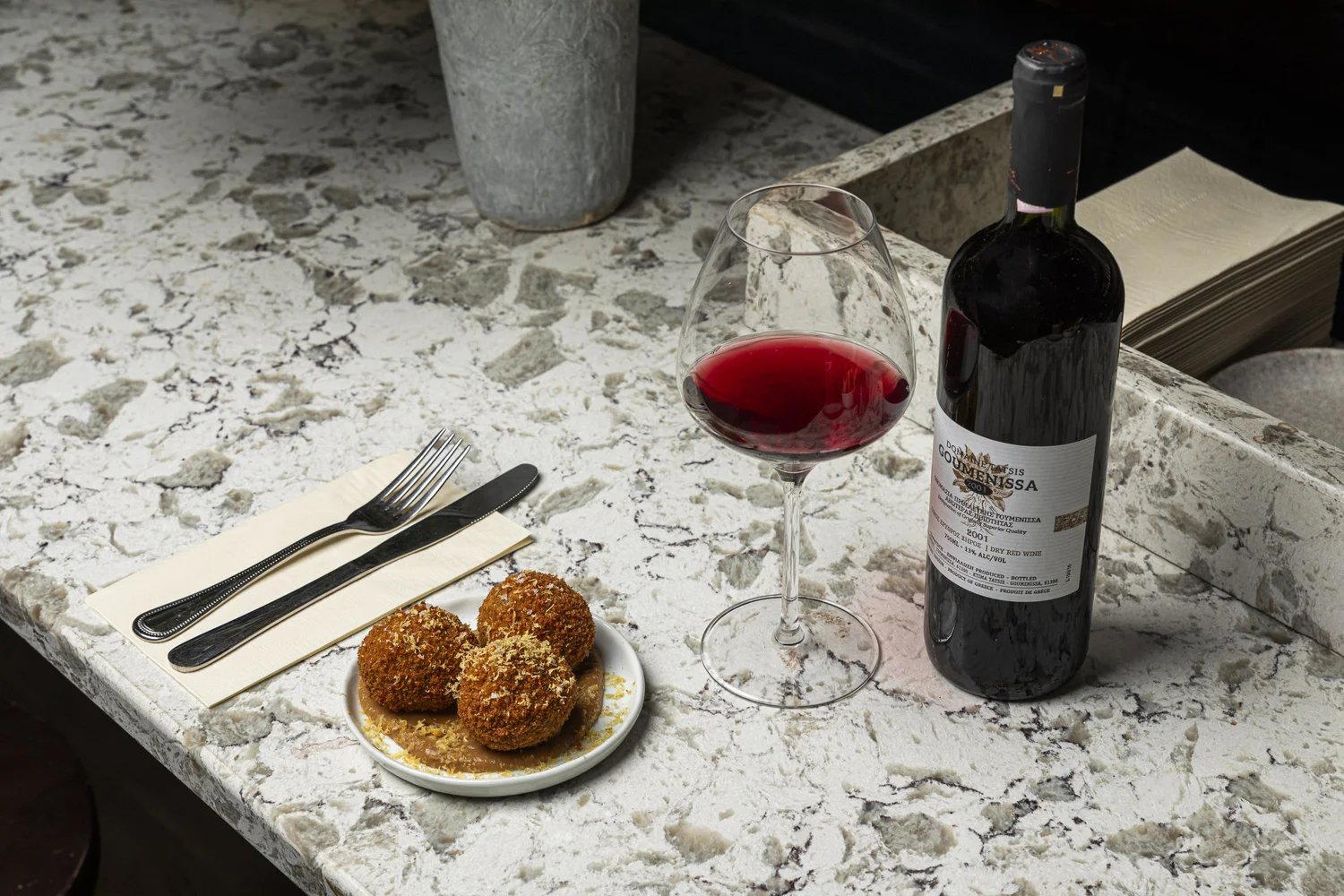
Because Hearth's menu data is not available in verifiable form at this time, specific dish recommendations would risk inaccuracy. What can be said with confidence is that the restaurant's positioning within the East Village's ingredient-conscious dining cluster, an area that has historically supported operators with sourcing commitments and seasonal programming, suggests a menu built around produce-led, European-inflected cooking. Diners who want to eat well here should ask the room for current strengths; a restaurant with this kind of neighbourhood tenure tends to have staff who can give a reliable answer to that question. For reference anchors from the broader New York scene, the cuisine approaches at Le Bernardin and Per Se represent the city's most formally recognised cooking, providing a useful contrast against which to calibrate expectations at a neighbourhood-tier operation.
Planning Your Visit
Hearth is located at 403 East 12th Street in the East Village, Manhattan. Getting there: The L train to First Avenue and the 4/5/6 to 14th Street-Union Square both place the restaurant within a short walk; Avenue A and the surrounding blocks are easily navigable on foot from either stop. Reservations: Dress code: Not formally stated; East Village dining rooms at this tier generally operate without strict dress requirements, though smart-casual is consistent with neighbourhood norms. Budget: Price range data is not confirmed; expect mid-range to upper-mid pricing in line with the East Village's serious-but-accessible positioning. Timing: Weekday evenings tend to offer more room for deliberate pacing in neighbourhood restaurants of this type; weekend seatings fill faster and often run closer to capacity.
Frequently asked questions
What should I order at Hearth?
What the restaurant's East Village context suggests is cooking built around seasonal produce and European technique, consistent with the neighbourhood's ingredient-conscious dining culture. The most reliable approach is to ask the floor staff directly, at a restaurant with this kind of tenure, the team generally knows what is performing well in the current season. For a sense of how New York's most recognised kitchens approach similar culinary traditions, Le Bernardin and Per Se offer formal reference points, while the full New York City restaurants guide covers the broader award landscape.
What is the ideal way to book Hearth?
In New York's mid-tier serious dining segment, most restaurants at this price and formality level accept reservations through a combination of direct contact and third-party platforms such as Resy or OpenTable. Given the East Village's neighbourhood-driven clientele, availability may be tighter on weekends than weekdays. Diners planning around a specific date should check current platform listings or call ahead. For context on how booking windows compare at New York's most decorated addresses, Atomix and Masa both operate with longer lead times and more structured reservation systems than neighbourhood-tier operators typically require.
How does Hearth fit into the East Village dining scene compared to other long-running New York restaurants?
Hearth's longevity on East 12th Street places it among a relatively small group of New York restaurants that have maintained a consistent neighbourhood identity across more than two decades of significant change in the city's dining culture. In an area that has cycled through multiple waves of openings and closures, that kind of tenure functions as a credential in itself, signalling operational stability and a loyal local base. For diners building a broader New York itinerary, the full New York City restaurants guide provides context on how the East Village fits within the city's wider dining geography, and how Hearth's positioning compares to celebrated long-tenured addresses like Le Bernardin.
Cost Snapshot
Comparable venues nearby, for context on price, style, and recognition.
| Venue | Cuisine | Price | Notes |
|---|---|---|---|
| HearthThis venue (the venue you are viewing) | Tuscan-American Farm-to-Table | $50–100 | Not listed |
| La Pizza & La Pasta | Neapolitan Pizza & Fresh Pasta | $30–50 | Midtown South-Flatiron-Union Square, Neapolitan Pizza & Fresh Pasta |
| Barano | Modern Wood-Fired Italian | $50–100 | Williamsburg, Modern Wood-Fired Italian |
| Serafina Meatpacking | Modern Italian Pizza and Pasta | $50–100 | West Village, Modern Italian Pizza and Pasta |
| Barolo East | Northern Italian | Not listed | East Midtown-Turtle Bay, Northern Italian |
| Sicily | Sicilian Osteria | $50–100 | Hell's Kitchen, Sicilian Osteria |
Recognition history
Dated appearances from independent guides and award organizations, with the underlying list record or original source where available.
Opinionated About Dining Casual in North America Recommended
Opinionated About Dining
Continue exploring
More in New York City
Restaurants in New York City
All restaurants in New York City →
Bars in New York City
All bars in New York City →


Details
- Cozy
- Rustic
- Lively
- Intimate
- Date Night
- Special Occasion
- Brunch
- Open Kitchen
- Extensive Wine List
- Farm To Table
- Local Sourcing
- A La Carte
- Tasting Menu
- Family Style
- Wine
- Vegetarian Friendly
- Vegan Options
- Gluten Free Options
Current opening hours
- Monday
- 11:30 AM–3 PM, 5–9:30 PM
- Tuesday
- 11:30 AM–3 PM, 5–9:30 PM
- Wednesday
- 11:30 AM–3 PM, 5–9:30 PM
- Thursday
- 11:30 AM–3 PM, 5–9:30 PM
- Friday
- 11:30 AM–3 PM, 5–10:30 PM
- Saturday
- 11 AM–3 PM, 5–10:30 PM
- Sunday
- 11 AM–3 PM, 5–9:30 PM
Hours can change for holidays and private events. Hours as of .
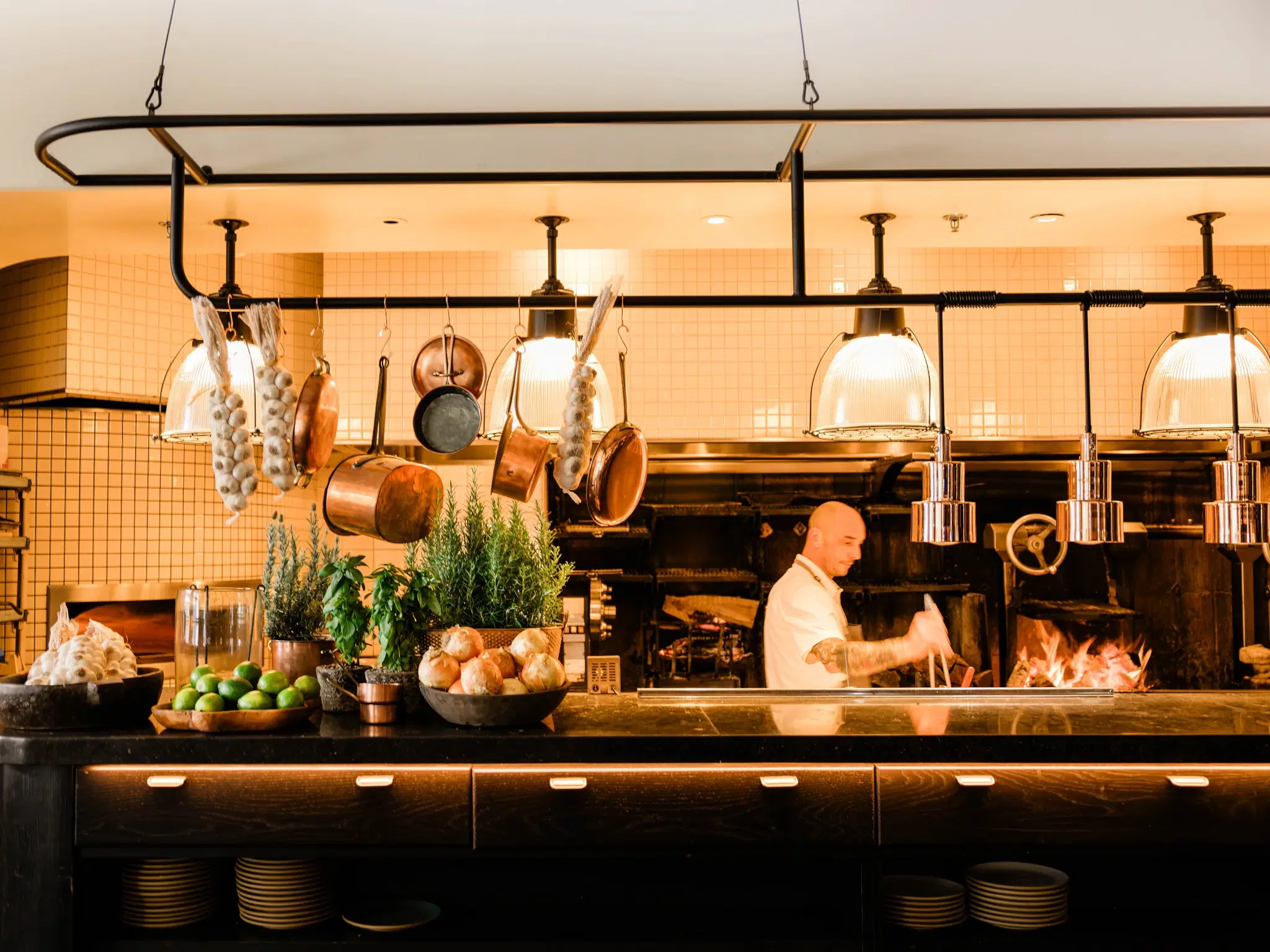
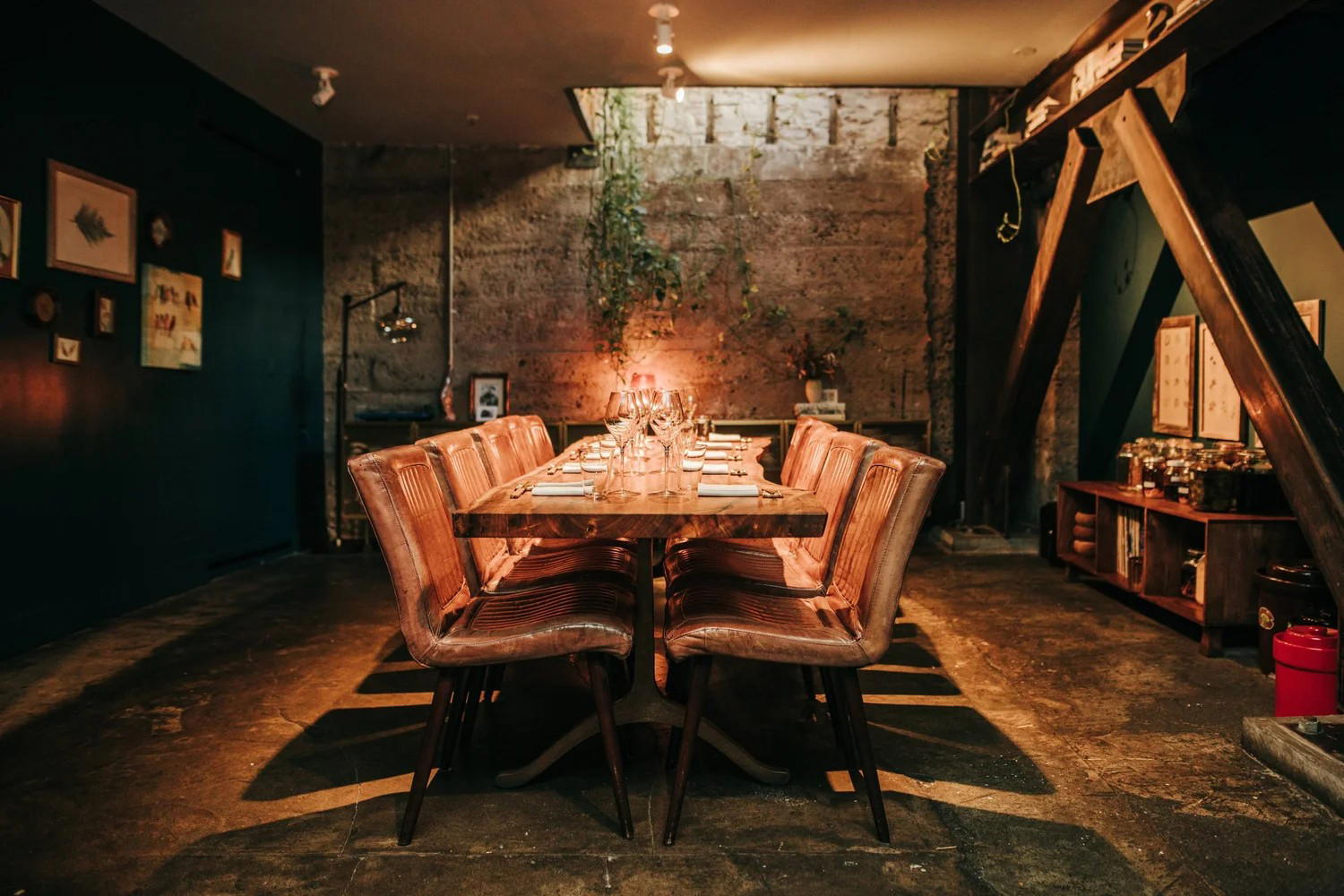
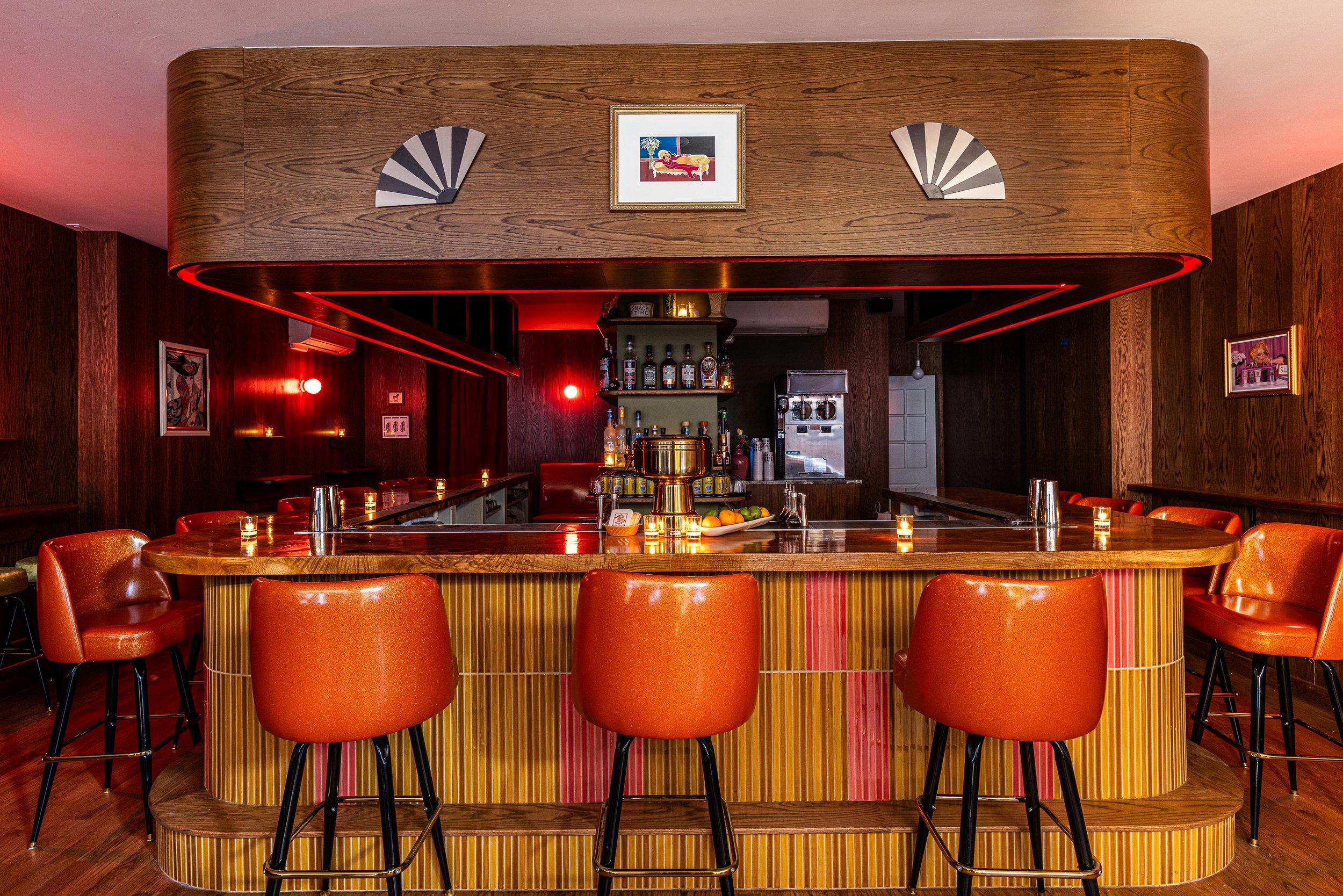
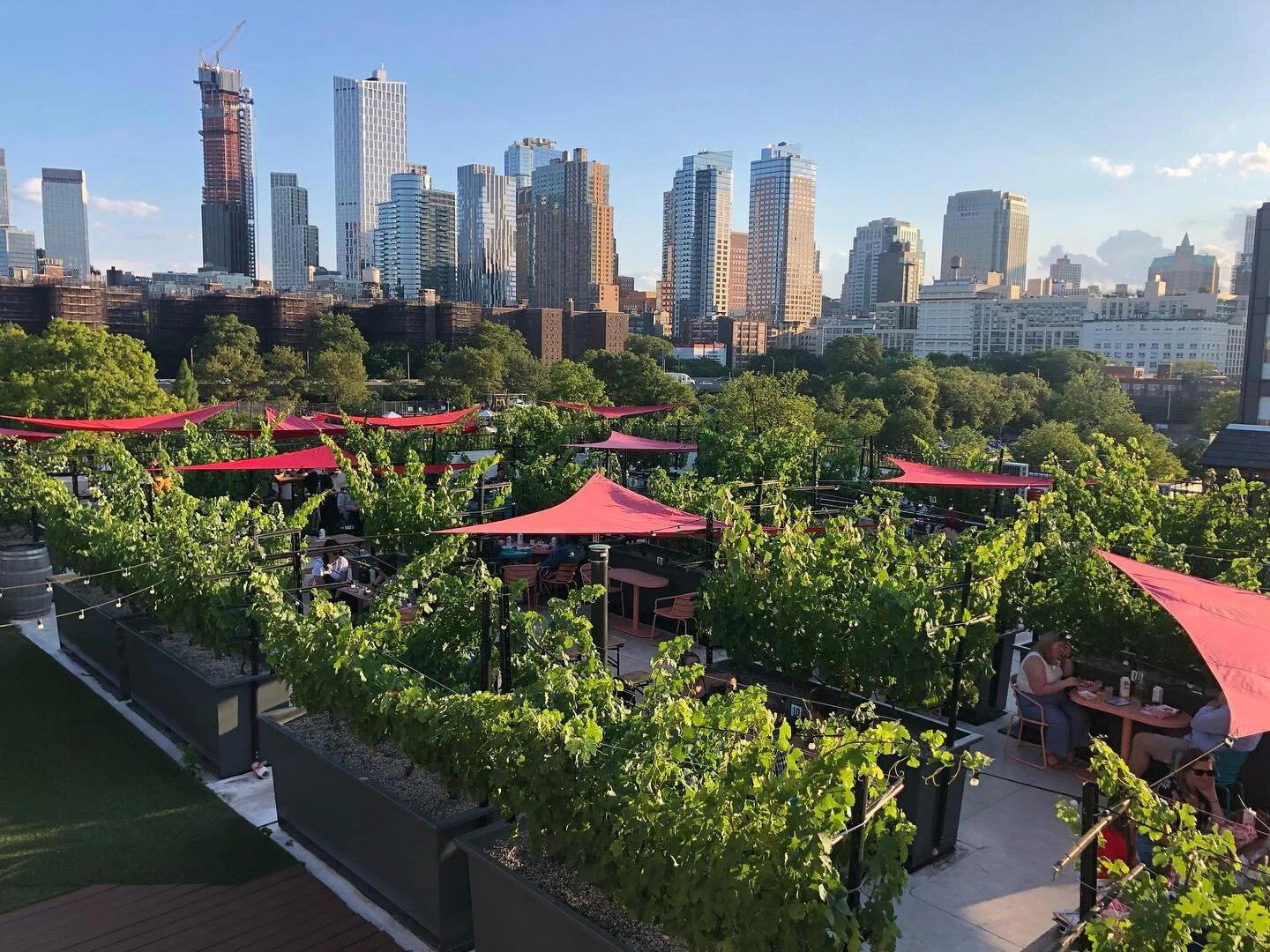
Warm, comfortable, and convivial with a rustic, homey atmosphere centered around the open kitchen and wood-fired hearth.