Barbuto
Brooklyn Barbuto sits in Dumbo’s Italian dining lane, where waterfront polish meets the inherited grammar of pasta, roast meats, olive oil, and family-style appetite. Its value is less about spectacle than about how New York keeps reworking Italian cooking across borough lines, from Manhattan dining rooms to Brooklyn rooms built for repeat locals and destination diners.
Pearl is the En Primeur Club membership app — saves, bookings, and concierge access live there. Same editors, same standards.
- Address
- 60 Furman St, Brooklyn, NY 11201
- Phone
- (347) 807-0239
- Website
- 1hotels.com
- Directions
- Get directions
 Saves & bookings on Pearl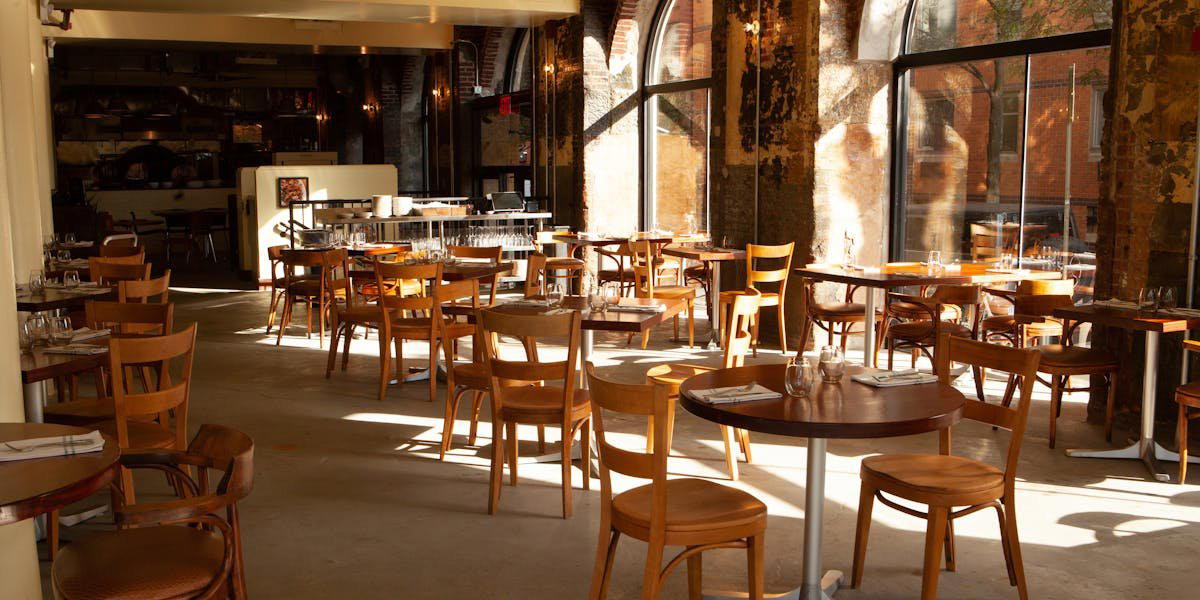
Approaching the Dumbo waterfront, the city changes texture: cobblestone blocks, bridge steel, hotel traffic, stroller traffic, and the hard edge of the East River all pressing into the same few streets. In that setting, Brooklyn Barbuto reads as part of a newer Brooklyn Italian pattern, less red-sauce nostalgia than urban utility: breakfast service, lunch, dinner, weekend brunch, and a room that has to work for neighborhood residents, hotel guests, and bridge-crossing Manhattan diners without turning Italian cooking into theater.
New York’s Italian restaurant culture has always been generational, but not in a single tidy line. Recipes move through families, restaurant groups, immigrant neighborhoods, downtown dining rooms, and hotel-adjacent addresses; the inheritance is as much format as flavor. A modern Italian room in Brooklyn has to decide which parts of that inheritance still matter: the comfort of familiar categories, the pacing of a long table, the usefulness of an all-day schedule, and the discipline to avoid treating pasta as a luxury prop. Brooklyn Barbuto belongs to that conversation.
Brooklyn Italian dining has moved beyond nostalgia
The old split between Manhattan polish and Brooklyn intimacy has weakened. Dumbo, in particular, is no longer a side trip for skyline photographs followed by dinner elsewhere; it supports restaurants that need to serve locals before and after office hours while also absorbing weekend visitors. That dual audience changes the Italian brief. A restaurant cannot rely only on occasion dining, nor can it behave like a casual neighborhood counter. It needs enough range to cover a weekday lunch, a family meal, and a later dinner without changing identity.
That is where the generational angle becomes useful. Italian cooking in New York is often discussed through lineage, but lineage is not only a chef’s biography. It is the way a menu keeps recognizable forms alive while adapting to the room in front of it. The city has room for grander Italian dining at Ai Fiori, downtown ease at Altro Paradiso, the long cultural memory attached to Babbo, and sharper neighborhood specificity at Ammazzacaffè. Brooklyn Barbuto occupies a different lane: Italian cooking positioned for a waterfront Brooklyn address where the meal may be planned, casual, multigenerational, or tied to a hotel stay.
Comparison matters because New York Italian is overcrowded with vague comfort claims. Popina brings Italian-American cooking into a Columbia Street frame; Ferdinando’s Focacceria carries older Sicilian-American memory; Peasant by Marc Forgione keeps downtown Italian tied to fire and rusticity; Locanda Verde represents the polished hotel-adjacent version of the genre. Against that field, the Dumbo address points to a pragmatic reading of Italian hospitality: accessible categories, flexible meal periods, and a setting that can absorb both destination traffic and regular use.
The family-table idea works when the format does the heavy lifting
The strongest Italian restaurants in New York do not need to announce heritage at high volume. They make inheritance visible through structure: dishes that encourage sharing, a room that can handle children without turning into a cafeteria, and service rhythms that recognize how people actually eat in the city. Brooklyn Barbuto’s all-day rhythm is part of that signal. Italian restaurants with broad daily coverage have to think less like special-occasion temples and more like civic dining rooms, places where the same address can mean coffee in the morning, pasta at lunch, and a longer dinner after sunset.
That flexibility is also why the restaurant fits Dumbo better than a narrow tasting-menu format would. The neighborhood has a steady tourist current, but it is not only a tourist district; its residential towers, offices, hotels, and waterfront parks create demand across the day. Italian cooking travels well across those uses because its categories are legible without being simplistic. Pasta, salads, roasted proteins, vegetables, wine, and brunch service can support different generations at one table, which is often the point of the cuisine in New York: not a museum of regional purity, but a social grammar people know how to use.
For readers mapping the city, Brooklyn Barbuto is better understood as part of a broader New York dining circuit than as an isolated Dumbo address. The fuller Italian spread runs from polished Manhattan rooms to smaller Brooklyn operations, and Allegretto adds another point of comparison for how the city keeps reformatting Italian food for different neighborhoods. For a wider scan, Our full New York City restaurants guide is the relevant starting point, while nearby trip planning often benefits from Our full New York City hotels guide, Our full New York City bars guide, Our full New York City wineries guide, and Our full New York City experiences guide.
EP Club readers who use restaurants to read cities will recognize the same question elsewhere: how does an inherited cuisine adapt when the address, audience, and service pattern change? Japanese drinking culture takes a different shape at Jōdo Saké Bar in Los Angeles; casual Japanese formats compress into a narrower daily ritual at Onigiri Time in Pasadena; Mexican and plant-based Hawaiian cooking follow separate local logics at ¿Por Qué No? in Portland, 'Ai Love Nalo in Waimanalo Beach, 'āina in San Francisco, and 'Ama 'Ama in Kapolei. Italian food outside New York has its own translation problems, from 112 Eatery, Italian in Minneapolis to 8 1/2 Otto e Mezzo Bombana (Hong Kong), Italian in Hong Kong.
The editorial read is simple: choose Brooklyn Barbuto when the occasion calls for Italian food that can carry a mixed table in Dumbo rather than a rarefied performance of Italian technique. Its strongest argument is contextual, not ornamental. In a borough where Italian dining can mean old neighborhood institutions, chef-led downtown imports, or family-friendly rooms near the water, this address speaks to the durable middle of the category: recognizable, flexible, and built around the kind of meal New York families and visitors can share without needing a script.
Recognition, Side-by-Side
Comparable options at the same price tier.
| Venue | Cuisine | Price | Notes |
|---|---|---|---|
| Brooklyn BarbutoThis venue — the venue you are viewing | California-Italian | $$$ | Not listed |
| Wayward Fare | Italian Trattoria with Mediterranean Influences | $$$ | Prospect Heights |
| Serafina Meatpacking | Modern Italian Pizza and Pasta | $$$ | West Village |
| Massara On Park | Modern Campania Italian | $$$ | Midtown South-Flatiron-Union Square |
| Rossini's | Northern Italian Trattoria | $$$ | Murray Hill-Kips Bay |
| AperiBar | Italianesque Mediterranean | $$$ | Midtown-Times Square |
Continue exploring
More in New York City
Restaurants in New York City
Browse all →


Bars in New York City
Browse all →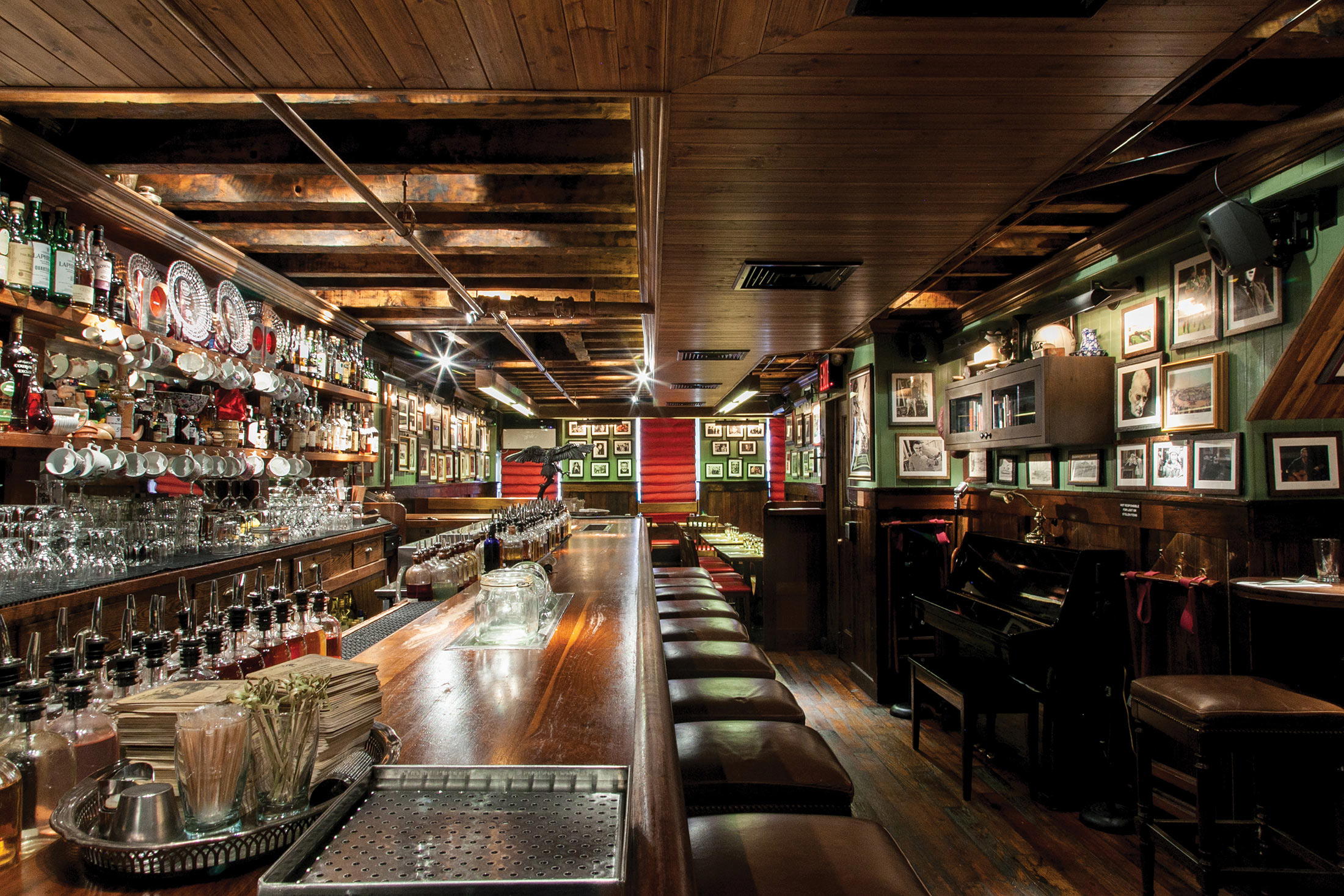
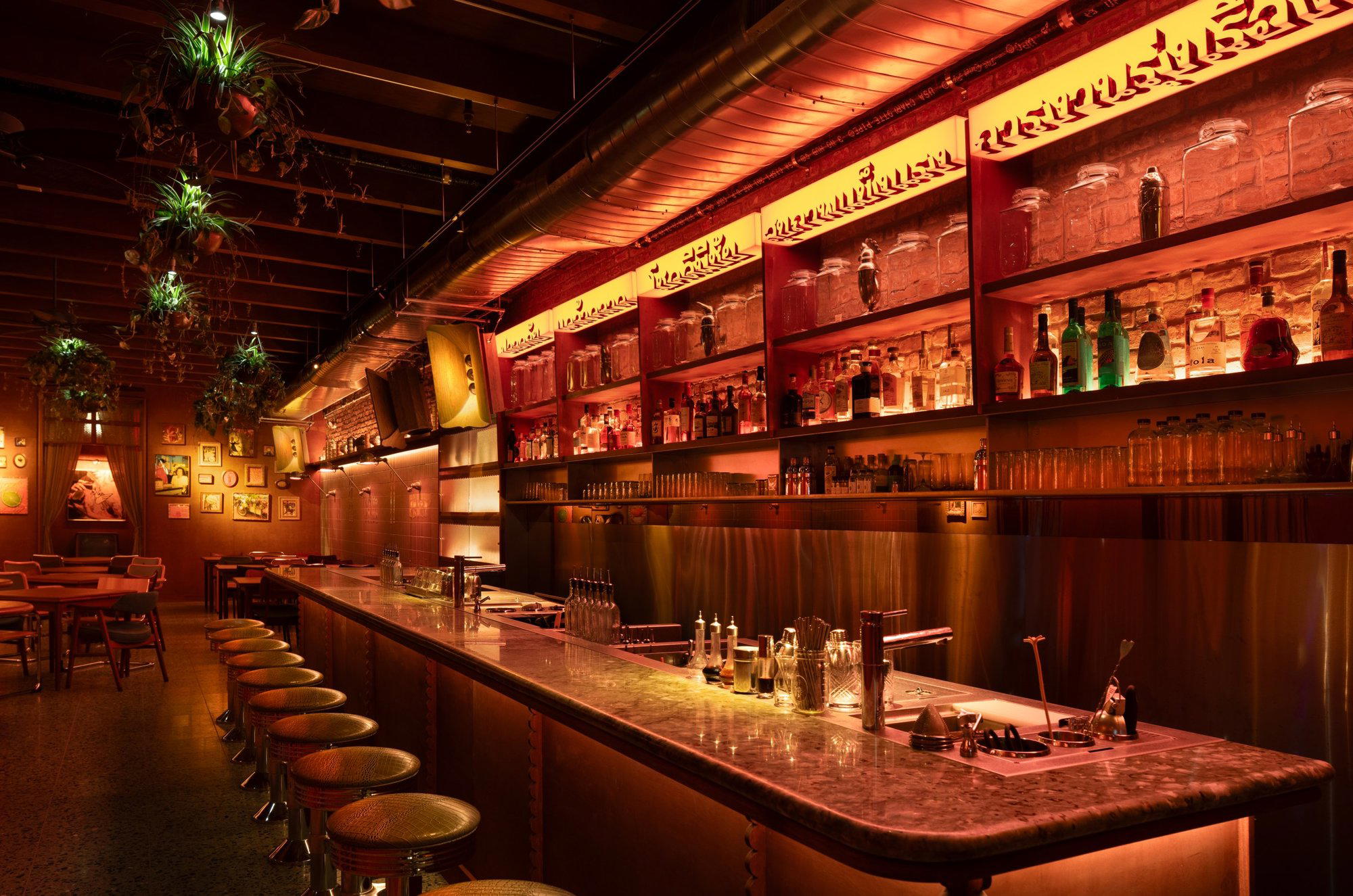
Hotels in New York City
Browse all →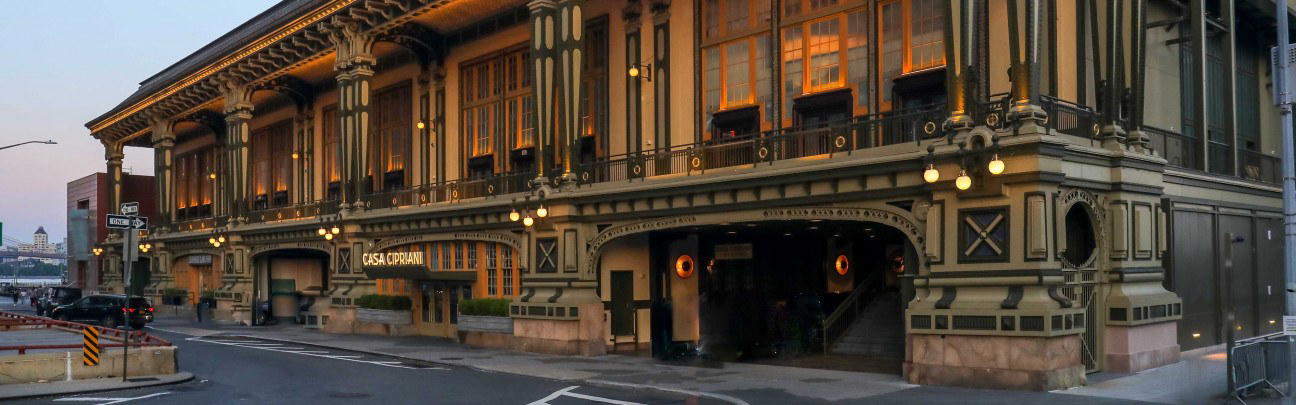









At a Glance
- Scenic
- Modern
- Cozy
- Sophisticated
- Well Known
- Intimate
- Date Night
- Group Dining
- Celebration
- Casual Hangout
- Private Event
- Brunch
- Waterfront
- Garden
- Panoramic View
- Design Destination
- Hotel Restaurant
- Standalone
- Craft Cocktails
- Beer Program
- Zero Proof
- Extensive Wine List
- Local Sourcing
- Waterfront
- Skyline
Current opening hours
- Monday
- 7–10 AM, 12–10 PM
- Tuesday
- 7–10 AM, 12–10 PM
- Wednesday
- 7–10 AM, 12–10 PM
- Thursday
- 7–10 AM, 12–10 PM
- Friday
- 7–10 AM, 12–10:30 PM
- Saturday
- 9 AM–3 PM, 4–10:30 PM
- Sunday
- 9 AM–3 PM, 4–9:30 PM
Hours can change for holidays and private events. Last verified .
Bright, airy, and view-driven, with expansive floor-to-ceiling windows, natural light, and a relaxed downtown energy that shifts from elegant dining room service to a more casual garden setting.