On Rue de Nimy in central Mons, Osmose occupies a position in the city's mid-to-upper dining tier, where the emphasis falls on considered cooking rather than spectacle. The restaurant sits within a Mons scene that has grown steadily in ambition over the past decade, drawing comparisons with Belgium's broader movement toward ingredient-focused, technically grounded cuisine. Planning ahead is advisable; tables at this level in Mons move faster than the city's profile might suggest.
Pearl is the En Primeur Club membership app — saves, bookings, and concierge access live there. Same editors, same standards.
- Address
- Rue de Nimy 116, 7000 Mons, Belgium
- Phone
- +3265875603
- Website
- restaurant-osmose.be
- Directions
- Get directions
 Saves & bookings on Pearl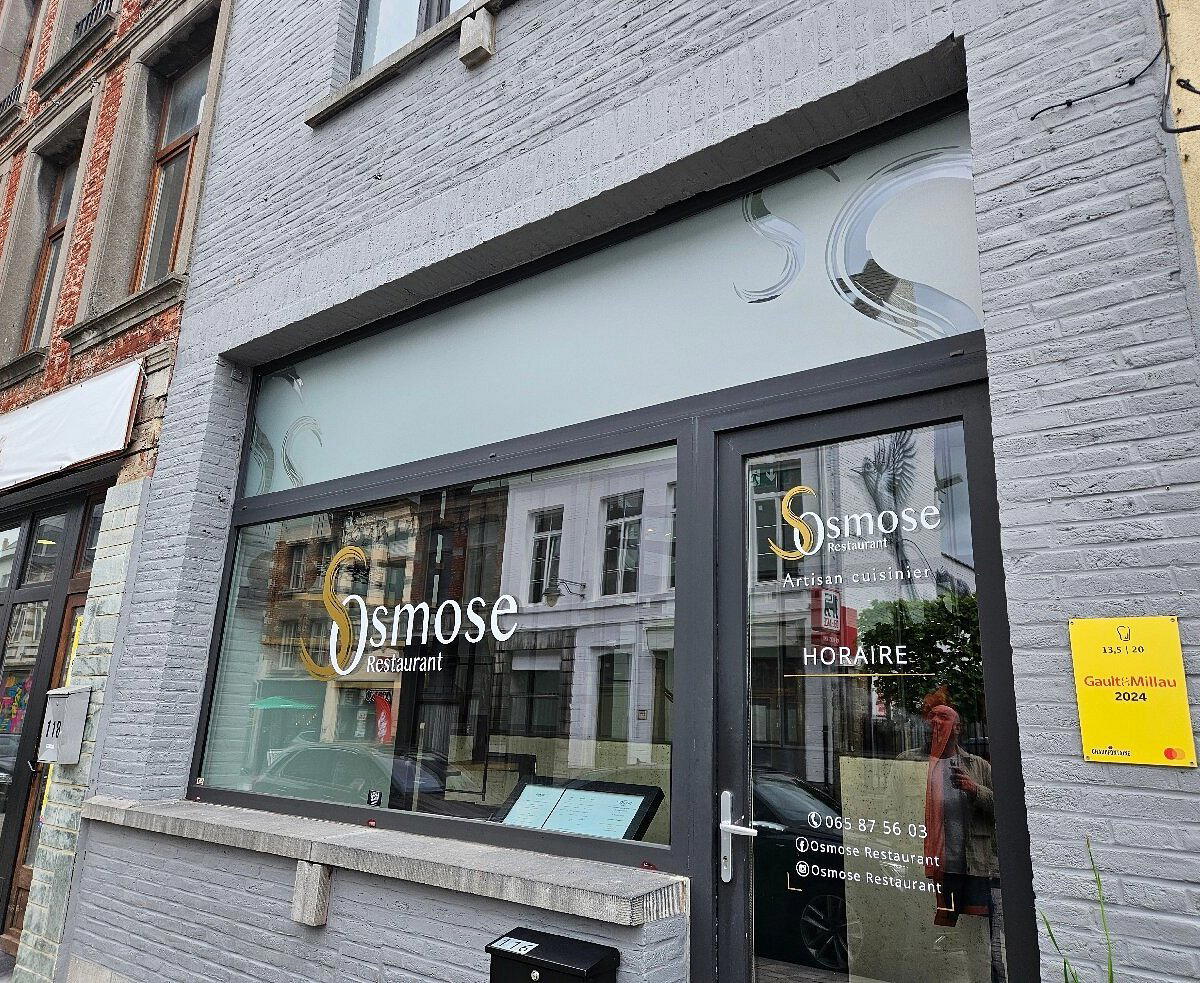
Arriving on Rue de Nimy
Osmose is a restaurant in Mons, Belgium, with. Mons does not announce itself the way Ghent or Liège does. The Hainaut capital is a city that rewards patience: its Grand-Place is genuine rather than performative, its restaurant scene has grown from a modest base into something with real editorial interest, and its better addresses sit quietly on streets that most Belgian food writers have only recently started covering. Rue de Nimy, where Osmose is located at number 116, runs through a part of the city centre that mixes civic architecture with everyday commerce. The physical approach is understated, which is characteristic of how serious dining rooms in mid-sized Belgian cities tend to present themselves. The room is the work; the exterior is merely the door.
That restraint is not accidental. In cities like Mons, where the dining public is smaller, restaurants that have built a following tend to do so through consistency and word of mouth rather than through awards cycles or chef-celebrity machinery. Osmose sits in that tradition.
Where Osmose Sits in the Mons Dining Picture
It is serious enough to have addresses worth travelling for, but compact enough that each good restaurant carries real weight in shaping the city's overall reputation. The comparison set within Mons includes L'Art des Mets, L'Envers, La Bergerie, La Cour des Dames, and La Maadeleine, each of which operates in a slightly different register. Osmose occupies the considered, ingredient-attentive tier: not a brasserie, not a fine-dining spectacle, but the kind of room where the cooking is taken seriously and the format reflects that seriousness.
Belgium's broader dining movement over the past fifteen years has run strongly toward product quality and technical discipline. Addresses like Hof van Cleve - Floris Van Der Veken in Kruishoutem, Boury in Roeselare, and Zilte in Antwerp have set the benchmark for what technically grounded Belgian cooking looks like at its upper tier. Further afield, Willem Hiele in Oudenburg and Bartholomeus in Heist have added a coastal, terroir-led dimension to that conversation. Closer to Mons, d'Eugénie à Emilie in Baudour represents the Hainaut province's own contribution to that trend. Osmose does not operate at the same scale or with the same critical infrastructure as those references, but it functions within the same broad current: cooking that takes its ingredients seriously and does not rely on theatrical format to justify the price point.
The Mons comparison set also illustrates a pattern common to mid-sized Belgian cities. Creative French-leaning addresses like Les Gribaumonts (operating in the €€€ tier) sit above a cluster of more accessible but still considered rooms: Masu with its seasonal focus, Origines with its farm-to-table orientation, and La Table du Boucher for those whose priorities run toward meat and fire. Osmose reads as part of the more considered tier without needing to escalate into full fine-dining pricing to make that argument.
The Booking Realities
In a city with a small but genuine dining scene and a limited number of tables at the considered end of the market, the restaurants that have earned a following book up faster than the city's relative obscurity would imply. Mons is not Brussels, and it does not have the visitor volume or international press coverage that keeps a constant stream of tables turning. What it does have is a local clientele that returns, a regional audience that drives in from across Hainaut, and an increasing number of visitors who treat the city as a day-trip or weekend destination from Brussels (roughly 65 kilometres to the east) or from Lille, just across the French border.
That geography matters for planning. Weekend tables in the better Mons addresses frequently fill one to three weeks in advance, sometimes longer for sought-after Saturday evenings. Visiting on a weekday evening, particularly earlier in the week, tends to offer more flexibility. Direct contact is the practical booking route, so early enquiry is advisable.
For visitors combining Osmose with a broader Mons or Wallonia itinerary, the restaurant's address on Rue de Nimy places it in central Mons, accessible on foot from the Grand-Place and the main train station. Mons is served by direct Intercity trains from Brussels-Midi, making it a practical half-day or full-day destination.
Hainaut's Position Within Belgian Dining
Wallonia's dining scene has long sat in the shadow of Flanders in terms of international critical attention, despite a tradition of serious French-influenced cooking that predates Belgium's current fine-dining wave. The province of Hainaut, of which Mons is the capital, has its own culinary character: richer, more classically French in its foundations, slower to embrace the Scandinavian-influenced minimalism that defined Flemish cooking through the 2010s. That distinction is still visible in the better Mons addresses, which tend to read as more classical in their reference points than their counterparts in Bruges or Ghent.
For comparison, Bozar Restaurant in Brussels represents the kind of urban, culturally embedded dining that Brussels does well, while Castor in Beveren and De Jonkman in Sint-Kruis illustrate the Flemish version of considered provincial dining. L'air du temps in Liernu sits in the Walloon tradition but has crossed over into international critical recognition. Osmose operates below that tier of recognition but within the same broad regional tradition.
It is worth noting, for the reader who moves between dining cultures, that the gap between a Mons address and a reference like Le Bernardin in New York City or Atomix in New York City is one of scale and critical infrastructure, not necessarily of seriousness. Particularly rigorous cooking in Europe happens in rooms that seat forty people in cities no one flies to directly.
Planning Your Visit
Osmose is at Rue de Nimy 116, 7000 Mons. Direct contact with the restaurant is the practical approach. Arrive with flexibility on day of the week, lean toward midweek if your schedule allows, and treat the booking as the first act of the visit rather than an afterthought.
Comparison Snapshot
Comparable venues nearby, for context on price, style, and recognition.
| Venue | Cuisine | Price | Awards | Notes |
|---|---|---|---|---|
| OsmoseThis venue — the venue you are viewing | Modern French Fine Dining | $$$ | Not listed | Not listed |
| L'Art des Mets | Refined Traditional French | $$$ | Not listed | City Centre |
| L'Envers | French-Belgian Brasserie | $$ | Not listed | city centre |
| La Maadeleine | Modern Seafood & Surf-and-Turf | $$$ | Not listed | Old Town Center (Mons) |
| Origines | Modern French Bistronomique | $$$ | Michelin Plate | Centre-Ville |
| Le Coq Wallon | Traditional French-Belgian with Moroccan influences | $$ | Not listed | Saint-Symphorien |
Continue exploring
More in Mons
Restaurants in Mons
Browse all →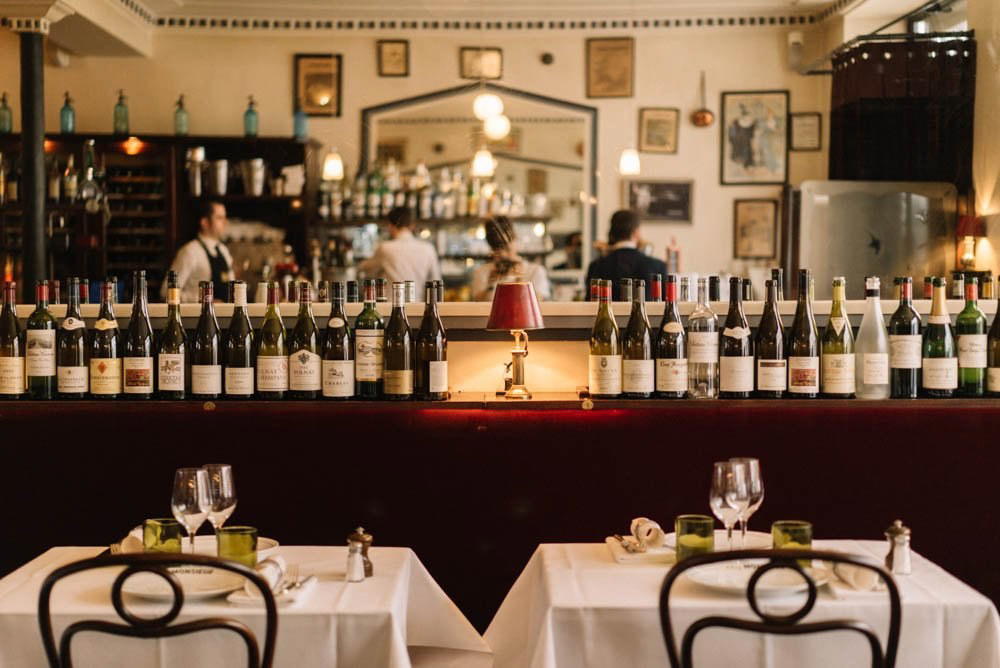
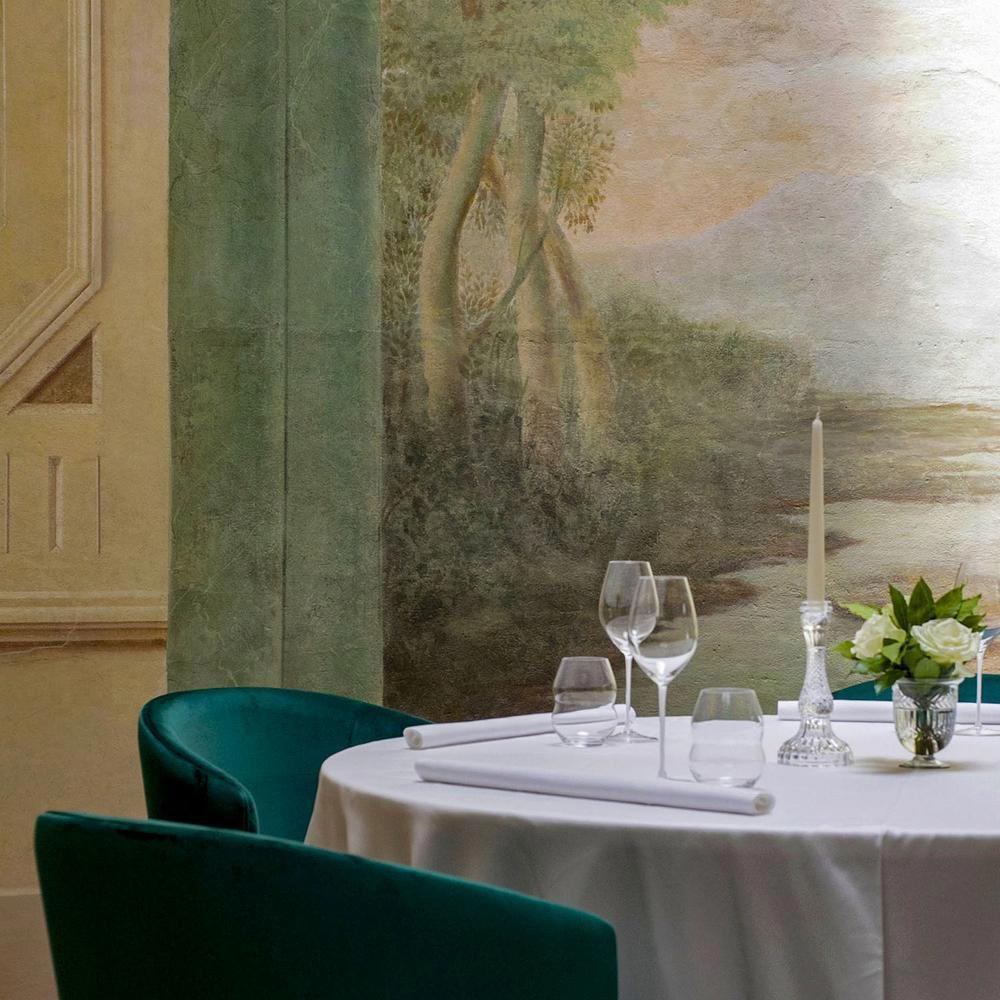
Bars in Mons
Browse all →
Hotels in Mons
Browse all →
Wineries in Mons
Browse all →
At a Glance
- Intimate
- Modern
- Elegant
- Date Night
- Special Occasion
- Open Kitchen
Current opening hours
- Monday
- Closed
- Tuesday
- 12–1:15 PM, 7–8:15 PM
- Wednesday
- 12–1:15 PM, 7–8:15 PM
- Thursday
- 12–1:15 PM, 7–8:15 PM
- Friday
- 12–1:15 PM, 7–8:15 PM
- Saturday
- 7–8:15 PM
- Sunday
- Closed
Hours can change for holidays and private events. Last verified .
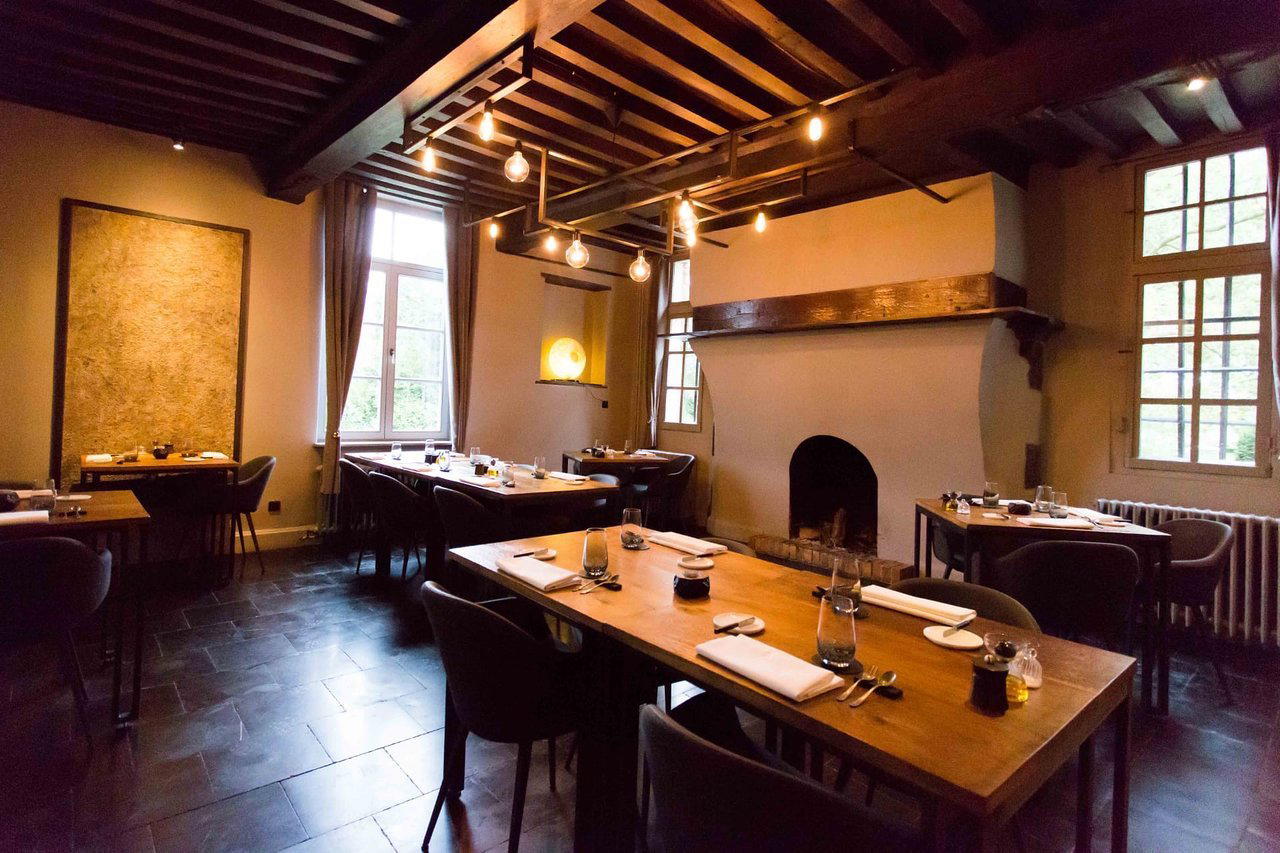
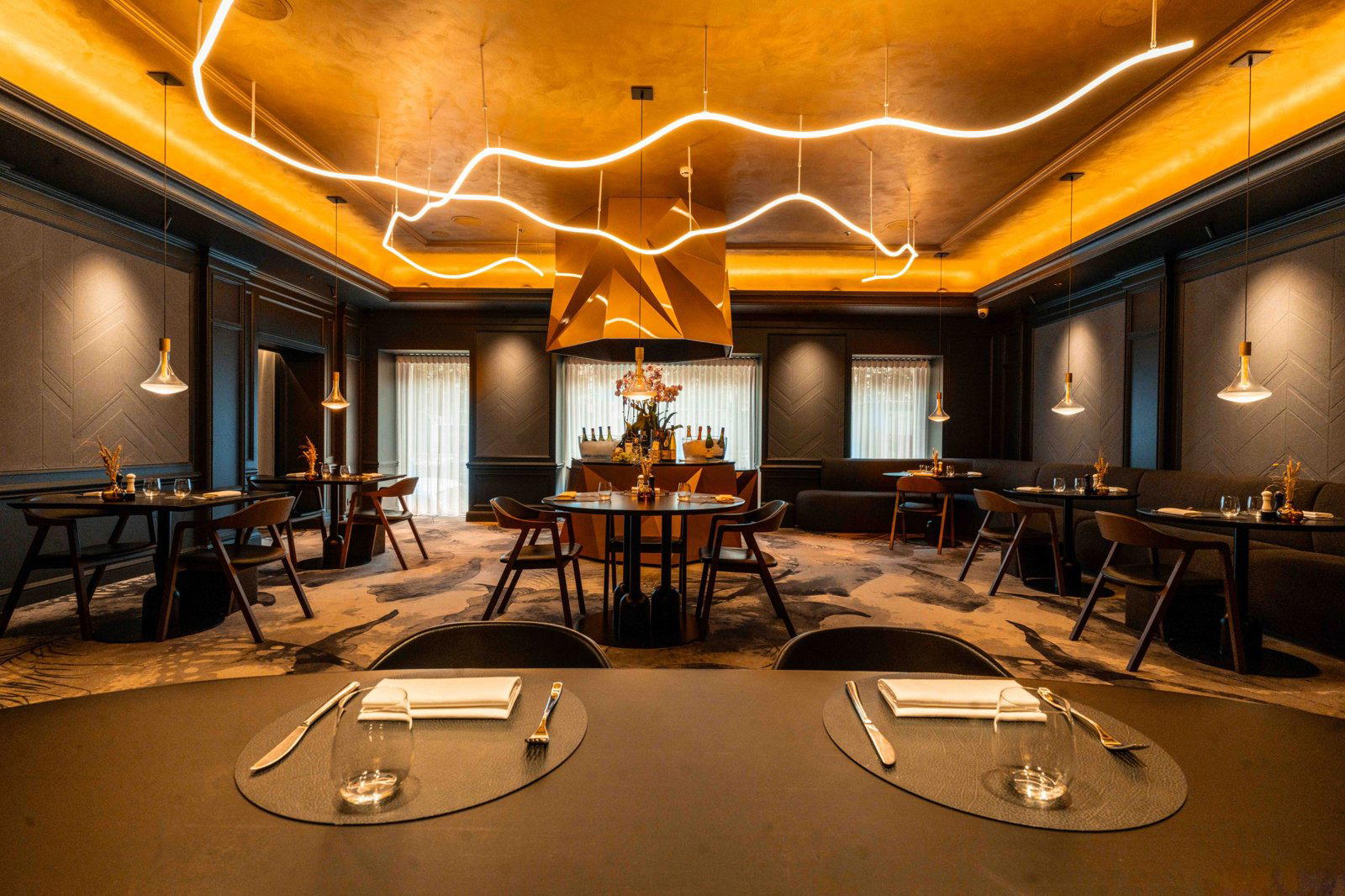
Discrete and intimate setting with modern decor and warm atmosphere.