
Michelin Plate
Our verdict
Origines holds a Michelin Plate (2025) and sits among Mons's most focused farm-to-table addresses, where Chef Frédéric Larquemin builds the menu around seasonal sourcing at a mid-range price point. The approach aligns with a broader Belgian move toward shorter supply chains and ingredient-led cooking, placing it in a different register from the city's more overtly creative French dining rooms.

Pearl is the En Primeur Club membership app, where members save venues, book tables and use the concierge.
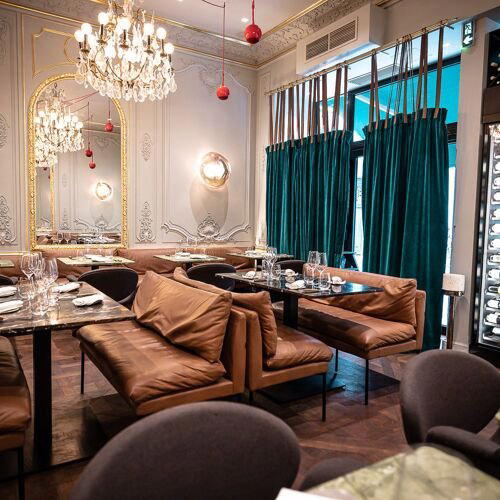
The Ritual Before the First Course
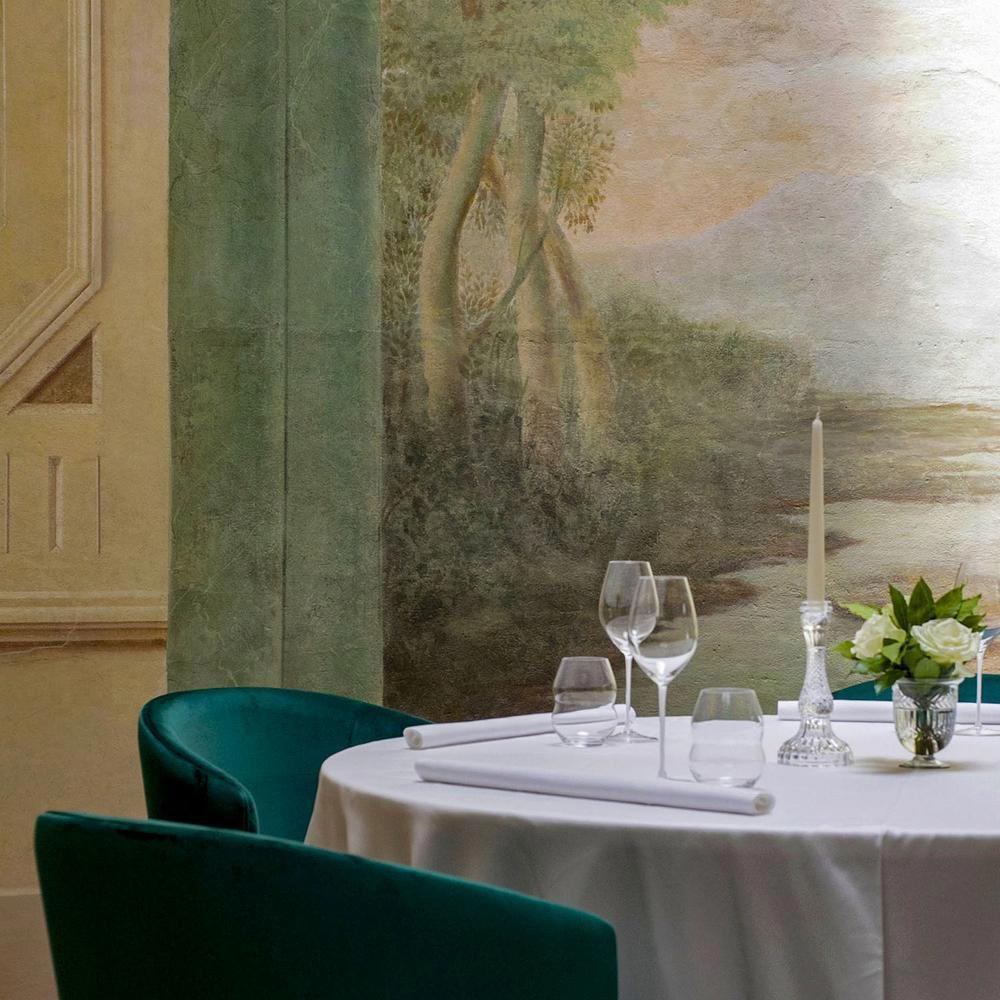
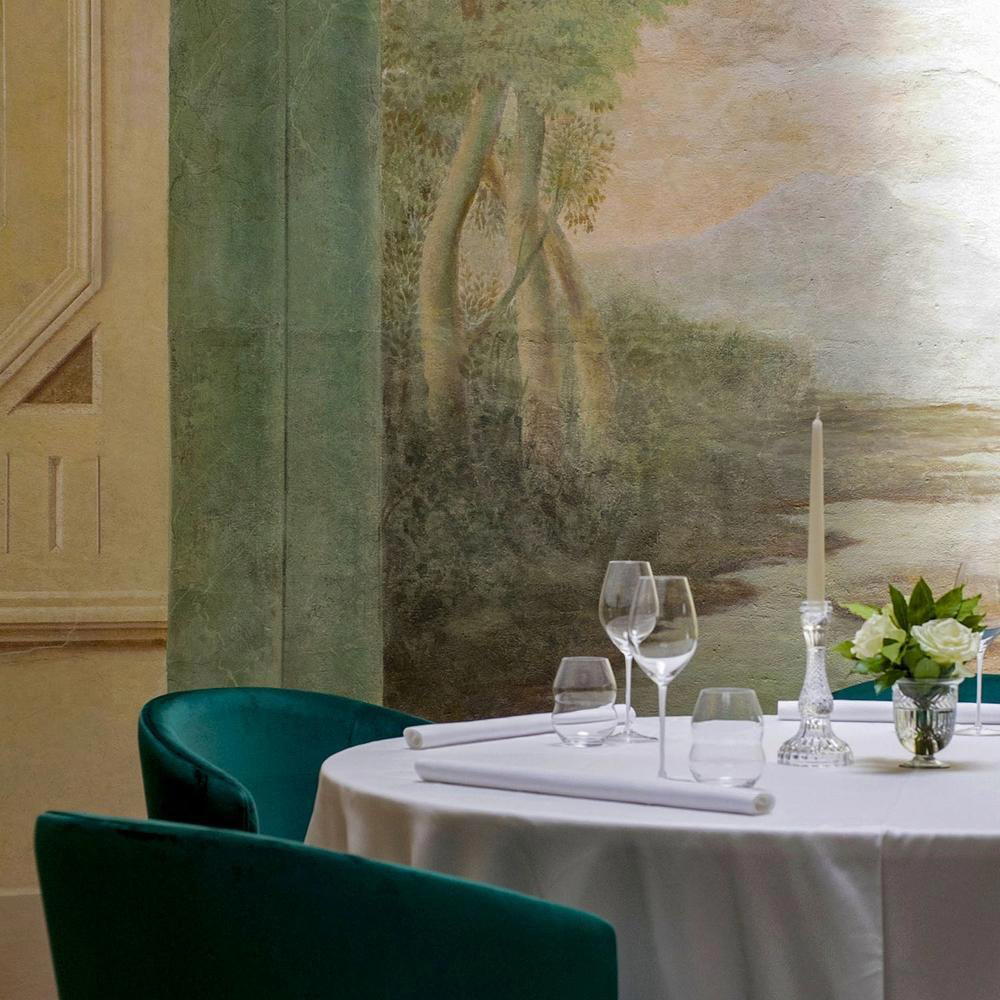
Rue de la Coupe, a quiet street in the old centre of Mons, sets a particular expectation before you even sit down. The neighbourhood is composed rather than showy: guild-era stonework, modest shop fronts, the kind of scale that encourages you to walk slowly. Arriving at number 25, the atmosphere is one of deliberate calm, a signal that the meal ahead will be paced on its own terms. That pacing is, in fact, the point at Origines. Farm-to-table cooking in Belgium has increasingly shed the rusticity that once defined it; what replaces it is a kind of attentiveness, a meal structured around what arrived that week, served in an order that reflects the logic of the larder rather than the conventions of the printed menu.
Where Origines Sits in the Mons Dining Picture
Mons is not a city with a single dominant dining register. At the €€€ level, Les Gribaumonts runs a creative French programme that leans into technique. At the same mid-range tier as Origines, Masu approaches seasonal cuisine from a different direction, and La Table du Boucher anchors the carnivore end of the €€ bracket with a meats-and-grills focus. Origines occupies a distinct position among these: farm-to-table cooking with a Michelin Plate recognition earned in 2025, which signals that inspectors consider the kitchen coherent and the execution reliable, even if the full star apparatus has not yet been applied. The Michelin Plate is not a consolation prize; it means the meal is worth your time. That matters in a city where dining options at this price point can be uneven.
For broader context on what's available across the city, the full Mons restaurants guide maps the range. Those planning a longer stay will also find the Mons hotels guide, bars guide, wineries guide, and experiences guide useful for building a full itinerary.
The Farm-to-Table Ritual in a Belgian Context
Belgian farm-to-table cooking operates differently from its French or Scandinavian counterparts. It does not typically reach for the austerity of the Nordic model, nor does it lean on the classical French architecture of sauce and reduction. The Belgian version tends to be warmer in temperament, rooted in a long tradition of smallholder agriculture in Hainaut province, where Mons sits. Seasonal vegetables, freshwater fish, heritage grains, and locally reared meat have fed this part of the country for centuries; the contemporary farm-to-table format at places like Origines is less a trendy concept than a return to a regional baseline.
What this means for the dining ritual is that the meal unfolds around ingredients rather than around a chef's personal statement. Chef Frédéric Larquemin operates within this framework, using sourcing decisions as the primary editorial lens. The pacing that results tends to be unhurried: courses arrive as the kitchen works through the season's logic, not as a countdown to a theatrical finale. That rhythm suits the room's atmosphere on Rue de la Coupe. It also suits the price bracket, where the €€ positioning signals that the kitchen is not charging for spectacle.
Reading the Menu as a Document of the Season
Farm-to-table menus are, in their honest form, a record of what was available to the supplier that week. At its most rigorous, the format demands that the kitchen accept constraints rather than override them with imported substitutes. A score that holds across triple-digit reviews reflects a repeatable approach, not a lucky run.
Diners coming from Brussels, roughly an hour by train, will find the register here distinct from the capital's more formally structured fine-dining rooms. Bozar Restaurant in Brussels operates at a different level of institutional formality; Origines is more intimate, less performance, more conversation. The comparison is instructive rather than competitive: both are legitimate expressions of contemporary Belgian cooking, simply aimed at different things.
Comparable farm-to-table programmes elsewhere in the country include addresses in the Flemish interior and the coast. Hof van Cleve in Kruishoutem, Boury in Roeselare, Zilte in Antwerp, Willem Hiele in Oudenburg, and Bartholomeus in Heist each represent a different inflection of the same underlying commitment to regional produce. Origines fits within this national current while being shaped by the specific agricultural character of Hainaut rather than the coast or the Flemish polders.
Closer to Mons, d'Eugénie à Emilie in Baudour and L'Eau Vive in Arbre offer further reference points in the Wallonian dining scene, each with its own relationship to local sourcing. The farm-to-table format also crosses national borders: BOK Restaurant in Münster and Clostermanns Le Gourmet in Niederkassel represent how the same sourcing logic translates into German regional cooking.
Planning Your Visit
Origines is located at Rue de la Coupe 25, 7000 Mons, in the historic centre. The €€ price bracket places it among the more accessible of Mons's Michelin-recognised addresses. No booking method is confirmed in available data, so direct contact with the restaurant is the advisable route. Mons is served by direct rail connections from Brussels-Midi, making it direct for day trips or overnight stays. Those spending the night should consult the Mons hotels guide for accommodation options near the centre.
Frequently asked questions
Is there a head chef associated with Origines?
The chef associated with Origines is Frédéric Larquemin.
What dish is Origines famous for?
Origines earned its 2025 Michelin Plate under chef Frédéric Larquemin for its farm-to-table approach rather than a single signature dish. The menu shifts with what regional suppliers make available each week, so the kitchen's reference point is the season, not a fixed house speciality.
What's the price range at Origines?
Pricing at Origines is listed as €€.
Where do I go for Origines?
Origines is located at Rue de la Coupe 25, 7000 Mons, Belgium, Mons.
Is Origines Michelin-listed?
Origines has received recognition including: Michelin Plate (2025).
Is Origines reservation-only?
Contacting the restaurant directly at Rue de la Coupe 25, Mons is the safest route to confirm availability.
A Minimal comparable set
Comparable venues nearby, for context on price, style, and recognition.
| Venue | Cuisine | Price | Awards | Notes |
|---|---|---|---|---|
| OriginesThis venue (the venue you are viewing) | Modern French Bistronomique | $50–100 | Michelin Plate | Not listed |
| La Cour des Dames | Belgian-French Bistronomic | $30–50 | Not listed | Mons, Belgian-French Bistronomic |
| L'Envers | French-Belgian Brasserie | $30–50 | Not listed | city centre, French-Belgian Brasserie |
| La Maadeleine | Modern Seafood & Surf-and-Turf | $50–100 | Michelin Plate | Old Town Center (Mons), Modern Seafood & Surf-and-Turf |
| Oscar | French-Belgian Brasserie with Thai Accents | $20–30 | Not listed | Grand-Place, French-Belgian Brasserie with Thai Accents |
| La Bergerie | French-Mediterranean | $30–50 | Not listed | Hyon, French-Mediterranean |
Recognition history
Dated appearances from independent guides and award organizations, with the underlying list record or original source where available.
Michelin Plate
Michelin
Full recognition history (2 entries)
Michelin Plate
Michelin
Continue exploring
More in Mons
Restaurants in Mons
All restaurants in Mons →
Bars in Mons
Browse all →
Hotels in Mons
Browse all →
Wineries in Mons
Browse all →
Details
- Elegant
- Cozy
- Intimate
- Sophisticated
- Date Night
- Special Occasion
- Business Dinner
- Open Kitchen
- Terrace
- Courtyard
- Extensive Wine List
- Local Sourcing
- A La Carte
- Set Menu
- Wine
- Vegetarian Friendly
Current opening hours
- Monday
- Closed
- Tuesday
- Closed
- Wednesday
- 12–2:30 PM, 7–9 PM
- Thursday
- 12–2:30 PM, 7–9 PM
- Friday
- 12–2:30 PM, 7–9 PM
- Saturday
- 7–9 PM
- Sunday
- 12–2:30 PM
Hours can change for holidays and private events. Hours as of .
Elegant and welcoming with stylish decor, warm lighting, and a sunny rear patio centered around an olive tree.