Our verdict
Le Coq Wallon occupies a quiet square in Mons, placing it within a city whose dining scene has grown considerably more considered in recent years. The address on Place de Saint-Symphorien positions it away from the tourist circuit around the Grand-Place, in a neighbourhood where locals rather than visitors set the pace. For travellers mapping Belgium's provincial restaurant culture, it warrants attention alongside the city's other serious tables.

The menu
What to order
- Scampi skewer
- Lamb chops
- Couscous
A Square, a Ritual, a Room
Mons has never traded on the same dining reputation as Brussels or Ghent, which is partly what makes the city's better restaurants worth tracking. The Belgian provincial dining scene operates on a different rhythm to its capital: smaller rooms, menus that shift with market availability rather than seasonal PR cycles, and a clientele that returns regularly enough to make the kitchen accountable. Le Coq Wallon, addressed on the calm Place de Saint-Symphorien rather than the busier centre around the Grand-Place, fits that pattern. The square itself sets a particular tempo before you even reach the door: quieter, more residential in feel, the kind of address where a meal is an occasion without being a performance.
That distinction matters when thinking about how dining rituals differ across Belgian cities. In Brussels, a table at a destination restaurant can feel transactional, the room full of people working through a fixed programme. In Mons, at the city's more serious addresses, the pace tends to be more deliberate, courses arriving without the sense that the kitchen is clearing seats for a second sitting. Whether Le Coq Wallon operates that way specifically is something to confirm at booking, but the address and neighbourhood context suggest a format oriented toward the unhurried end of the spectrum.
The Dining Tradition Behind the Name
The name itself carries regional weight. The Walloon cockerel is Wallonia's emblem, and a restaurant choosing to anchor itself in that identity is making a statement about allegiance to place. Belgian regional cooking in Wallonia draws on a tradition distinct from Flemish cuisine: heavier reliance on game, freshwater fish, beer-braised preparations, and a French culinary grammar that reflects the region's linguistic and cultural proximity to France. Where Flemish cooking has drawn more international attention in recent years, particularly through the Flemish avant-garde restaurants that have accumulated Belgium's highest-profile awards, Wallonian cooking operates with less fanfare and more continuity. Restaurants like Hof van Cleve - Floris Van Der Veken in Kruishoutem and Boury in Roeselare represent the Flemish end of Belgian fine dining's current international profile; the Wallonian tradition runs quieter but no less seriously.
Within Mons specifically, the restaurant scene has developed a small but coherent tier of addresses operating above the brasserie level. L'Art des Mets and Les Gribaumonts represent the creative French end of that tier, while L'Envers and La Bergerie occupy the mid-range with more casual formats. Le Coq Wallon's position on that spectrum is best confirmed directly with the restaurant, given the limited publicly available data on pricing and format, but its placement in a quieter residential square rather than a high-traffic tourist zone suggests it pitches toward a local, return-visitor audience.
How a Meal Here Is Likely to Unfold
Belgian dining at this level tends to follow a recognisable structure: an aperitif period with small preparations, a menu of three to five courses, and a cheese or pre-dessert stage before the sweet course. The pacing is unhurried by design. This is not the compressed omakase tempo of a Japanese counter or the theatrics of a tasting menu at a kitchen-led restaurant like Zilte in Antwerp or Willem Hiele in Oudenburg. Provincial Belgian restaurants at the serious mid-to-upper tier tend to respect the table as a space for conversation as much as eating, which means service intervals are generous and the room is arranged accordingly.
Wine lists at Mons restaurants of this type typically lean toward France, with particular depth in Burgundy and the Loire, reflecting Wallonia's cultural proximity to French wine culture rather than the more Flemish-influenced Belgian craft beer pairings you would find farther north.
Where This Sits in the Wider Belgian Picture
For visitors already familiar with Belgium's most-discussed restaurant names, Le Coq Wallon represents a different kind of decision. Places like Bartholomeus in Heist, De Jonkman in Sint-Kruis, and Castor in Beveren all operate within Belgium's premium dining tier with documented awards and critical profiles. Mons sits outside that circuit, and restaurants here tend not to pursue the same kind of institutional recognition. That is not a weakness; it reflects a different set of priorities. The city has produced serious cooking without requiring external validation, and the leading tables here are better understood as expressions of regional continuity than as aspirants to the Flemish fine dining model.
For those approaching from Brussels, Mons is accessible by direct train in under an hour, making it a viable day trip or an overnight stop. The restaurant's address on Place de Saint-Symphorien is walkable from the city centre and from the main train station at a reasonable pace. Booking ahead is advisable for weekend evenings at any Mons restaurant of this standing, though the specifics of Le Coq Wallon's reservation system should be confirmed with the venue. Similarly, La Cour des Dames and La Maadeleine nearby operate with comparable booking expectations during peak periods. A broader look at the city's options is available in our full Mons restaurants guide.
For context beyond Wallonia, the Belgian restaurant tradition shares lineage with the French-influenced cooking found at Bozar Restaurant in Brussels and, at a considerable distance, the rigour of European-trained kitchens like Le Bernardin in New York City or the more contemporary structure of Atomix in New York City and L'air du temps in Liernu. Le Coq Wallon occupies a more rooted, less internationally-oriented position than any of those, which is precisely the point. Also worth considering in the wider Hainaut region is d'Eugénie à Emilie in Baudour, which offers a comparable provincial seriousness a short drive from Mons.
Practical Notes
Le Coq Wallon is located at Place de Saint-Symphorien 6, 7030 Mons. Mons is reachable from Brussels-Midi station by direct train, with journey times typically under an hour, making it accessible for visitors based in the capital. Given the scale of serious restaurants in a city of Mons's size, reservations on Friday and Saturday evenings are worth securing well in advance of arrival.
Frequently asked questions
Where is Le Coq Wallon located?
Le Coq Wallon is located at Pl. de Saint-Symphorien 6, 7030 Mons, Belgium, Mons.
What makes Le Coq Wallon different from other restaurants in Mons city centre?
Its address on Place de Saint-Symphorien places it on one of Mons's more composed squares, away from the higher-traffic restaurant clusters nearer Grand-Place. The Walloon identity built into the restaurant's name also sets a deliberate regional focus that is less common among Mons dining options, which tend toward more generic Belgian or French bistro formats.
What dish is Le Coq Wallon famous for?
The restaurant's name references the Walloon cockerel, Wallonia's regional emblem, which suggests the kitchen likely draws on the cooking traditions of that part of Belgium. For the most current menu detail, contacting the restaurant directly at Place de Saint-Symphorien 6, Mons is the most reliable approach.
Do they take walk-ins at Le Coq Wallon?
Restaurants at this address and positioning in Mons typically operate with reservations, particularly on weekends.
What's the signature at Le Coq Wallon?
The defining identity here is regional: the Walloon cockerel is Wallonia's emblem, and anchoring a restaurant's name in that symbol is a deliberate statement about culinary allegiance.
Do they accommodate allergies at Le Coq Wallon?
Belgian restaurants operating at a considered dining level generally handle dietary requirements when notified in advance. Given that phone and website details are not yet confirmed, the safest approach is to visit the venue at Place de Saint-Symphorien 6, Mons, or inquire through any available booking channel before your meal.
Is Le Coq Wallon worth the price?
What can be said is that Mons lacks the volume of competition found in Brussels or Ghent, which tends to mean fewer mid-level options and a clearer case for choosing a restaurant with regional identity and a fixed address at Place de Saint-Symphorien 6. Value assessment is best made once pricing is confirmed directly with the venue.
Cuisine Lens
| Venue | Cuisine | Price | Awards |
|---|---|---|---|
| Le Coq WallonThis venue (the venue you are viewing) | Traditional French-Belgian with Moroccan influences | Not listed | Not listed |
| Masu | Innovative Global Fusion | Not listed | Michelin Bib Gourmand |
| Origines | Modern French Bistronomique | $50–100 | Michelin Plate |
| La Table du Boucher | French Brasserie Steakhouse | $30–50 | Michelin Bib Gourmand |
| Les Gribaumonts | Modern French Inventive | Not listed | Michelin Plate · We're Smart World 2 Radishes |
| L'Envers | French-Belgian Brasserie | $30–50 | Not listed |
Continue exploring
More in Mons
Restaurants in Mons
All restaurants in Mons →
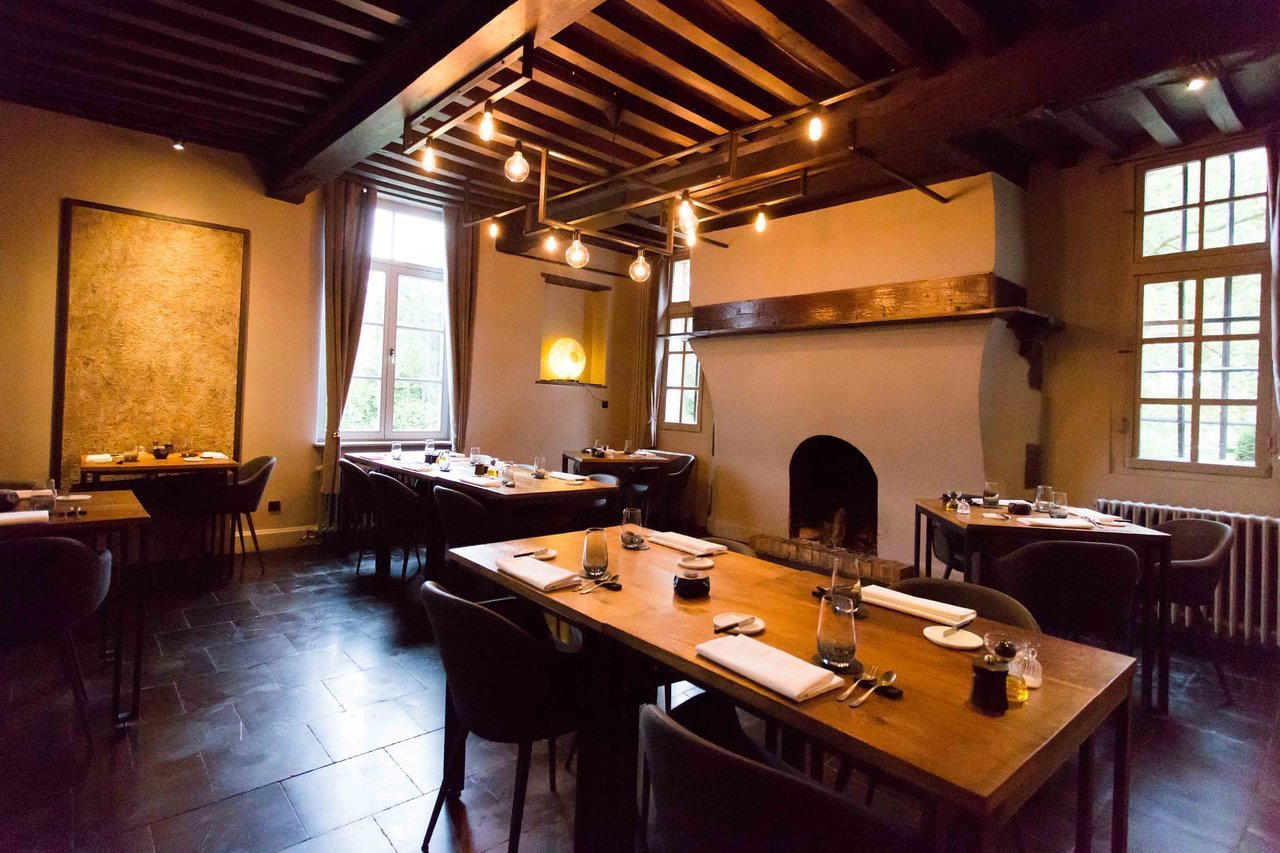
Bars in Mons
Browse all →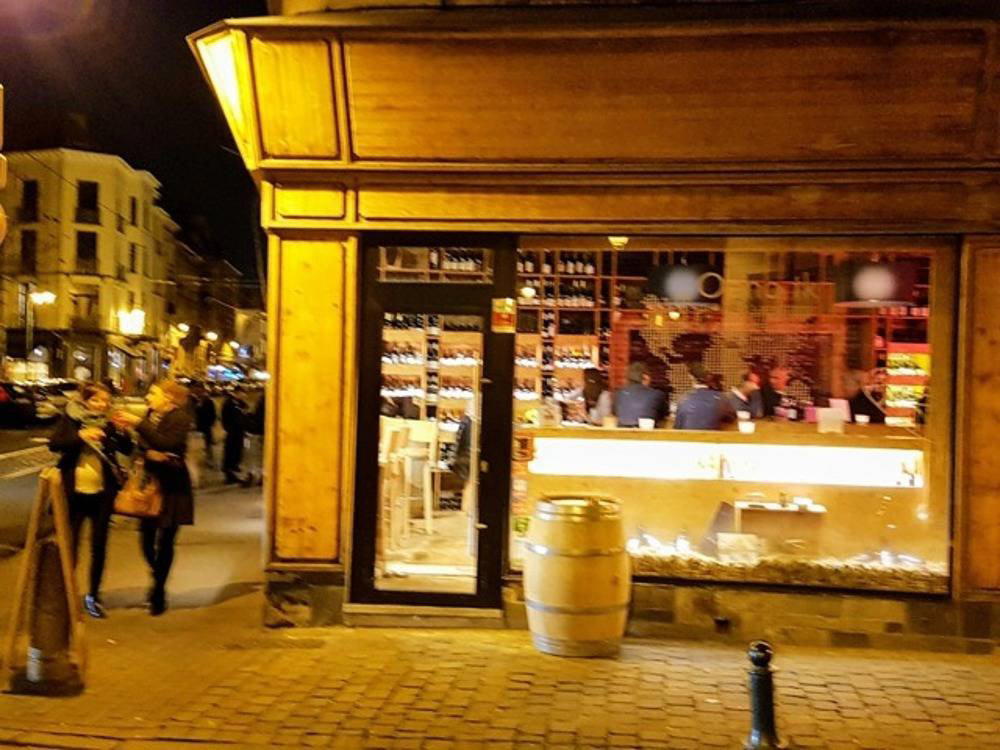
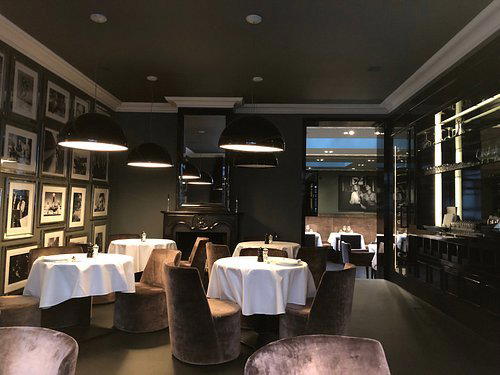
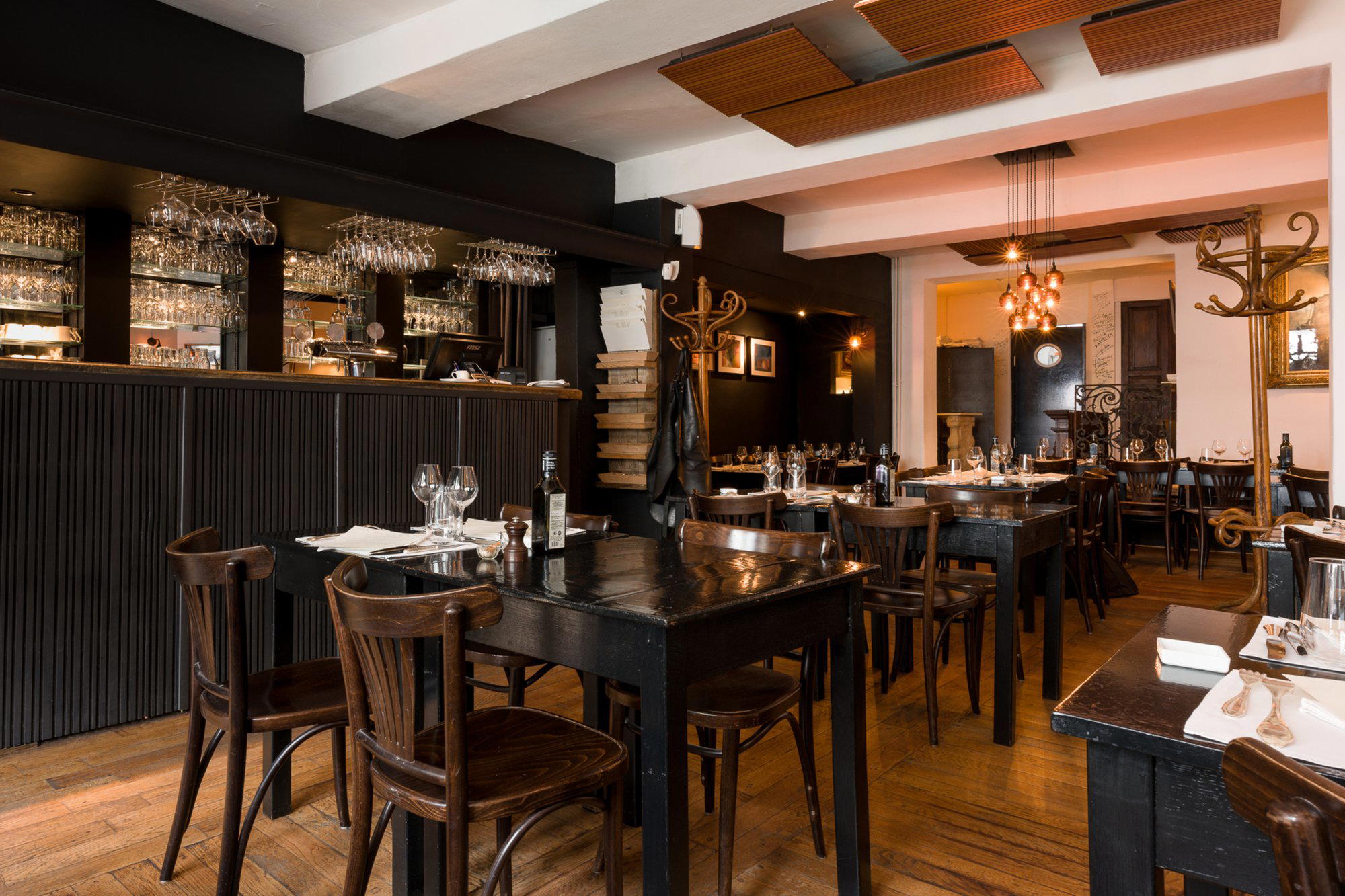
Hotels in Mons
Browse all →
Wineries in Mons
Browse all →
Details
- Classic
- Cozy
- Quiet
- Date Night
- Special Occasion
- Standalone
- Local Sourcing
- A La Carte
Superb quiet place with an atmosphere that invites relaxation.