
Michelin Plate
Our verdict
On Rue de la Halle in the heart of Mons, La Maadeleine occupies a position in the city's mid-to-upper dining tier where menu architecture does the talking. The address places it steps from the Grand-Place, in a neighbourhood where Belgian culinary ambition runs alongside civic history. For visitors tracing the Walloon dining scene, it sits alongside peers like L'Art des Mets and L'Envers as a reason to linger longer in Mons.

Pearl is the En Primeur Club membership app, where members save venues, book tables and use the concierge.
The menu
What to order
- Surf and Turf with Black Angus Beef and Breton Lobster
- Wild Prawns Tartare with Gochujang
- Crispy Prawns
Where the Grand-Place Ends and the Table Begins
Mons is not a city that announces its restaurants loudly. The Belgian provincial dining scene tends to operate on understatement: addresses accumulate reputations through word of mouth, through the quiet loyalty of regulars, and through the steady application of classical craft to locally sourced ingredients. Rue de la Halle, where La Maadeleine holds its address at number 42, sits within walking distance of the Grand-Place and the belfry that defines the city's skyline. The setting matters because it positions the restaurant inside a cluster of dining options that has made central Mons genuinely worth a dedicated meal stop for travellers moving between Brussels and the French border.
That cluster has diversified over the past decade. L'Art des Mets and L'Envers occupy the same neighbourhood conversation, while La Bergerie and La Cour des Dames extend the range of what serious dining in this city can mean. La Table du Boucher stakes its claim on quality meats and grills at the €€ tier. La Maadeleine enters that conversation on its own terms, defined less by a single speciality than by how its menu is composed and what that composition signals about its ambitions.
Reading the Menu as an Argument
In Belgian fine dining, menu architecture tends to fall into one of two camps: the tasting format that controls the pace entirely, or the à la carte structure that returns decision-making to the guest. Both are arguments about hospitality. The tasting format says the kitchen knows leading; the à la carte format respects that a guest might want to linger over one course or skip another. How a restaurant structures its menu tells you what relationship it wants with the people sitting at its tables.
The broader Mons dining scene reflects this tension clearly. Venues like Les Gribaumonts operate at the €€€ level with creative French frameworks, while addresses at the €€ tier, including La Maadeleine's immediate peers, tend to offer more flexible formats that keep the room accessible without abandoning craft. That mid-tier is where the most interesting decisions in Belgian provincial cooking tend to happen: kitchens that cannot rely on the insulation of a three-digit bill per head have to earn loyalty through consistency, portion intelligence, and the small signals that tell a returning diner the kitchen is paying attention.
For readers who want to benchmark Mons against Belgium's broader fine dining circuit, the reference points are clear. Hof van Cleve in Kruishoutem, Boury in Roeselare, and Zilte in Antwerp represent the Michelin-decorated upper tier of Belgian cooking. Willem Hiele in Oudenburg, Bartholomeus in Heist, and Castor in Beveren demonstrate the range of serious regional cooking outside the major cities. La Maadeleine occupies a different register: a city-centre address in Wallonia where the dining proposition is defined by its proximity to civic and cultural life rather than by destination-restaurant isolation.
The Walloon Context
Wallonia as a dining region is still less legible to international visitors than Flanders, partly because the Flemish coast and Antwerp generate more foreign press coverage, and partly because Walloon cooking tradition runs closer to French sensibility, which can make it feel less distinctively Belgian to outside observers. That French adjacency is, in fact, a strength. The region's kitchens have access to both French classical technique and Belgian ingredient culture: the game, the cheeses, the regional charcuterie, the farm networks that supply protein and produce without the distances that coastal or urban venues face.
Mons sits at a specific crossroads within that tradition. It is the capital of Hainaut, a province with its own agricultural identity, and it draws on a food culture shaped by both proximity to France and the industrial history that once defined the Borinage region to its west. Restaurants operating in this context, including d'Eugénie à Emilie in nearby Baudour, often reflect that dual inheritance in their sourcing and their cooking registers. The question for any Mons address is how deliberately it engages with that local identity versus defaulting to a generic European bistro mode.
For comparable Walloon ambition at the higher end, L'Air du Temps in Liernu and De Jonkman in Sint-Kruis demonstrate what the region can produce when technique and terroir thinking align at full intensity. Those are destination addresses with international profiles. La Maadeleine operates closer to the city's own rhythms, which is a different kind of ambition but not a lesser one.
Within Mons, the dining tier that La Maadeleine occupies sits between casual neighbourhood eating and the more deliberate fine dining reserved for special occasions. This is the tier that sustains a city's food culture week to week: the lunch that extends two hours, the dinner that feels considered without being ceremonial. Belgian dining culture at this level rewards regularity; the kitchens that operate here often know their returning guests and adjust accordingly.
Compared to the broader Belgian restaurant circuit covered in EP Club's features, including Bozar Restaurant in Brussels, and against international reference points like Le Bernardin in New York or Atomix, La Maadeleine operates in a register where the most relevant comparison is not technical ambition but civic function: what does a restaurant at this address and this price point do for its city's dining life? The answer, for addresses like this one, is that it holds a middle ground that the city would notice if it disappeared.
For a complete map of where La Maadeleine fits within the broader Mons dining scene, EP Club's full Mons restaurants guide covers the full range from casual to formal.
Planning Your Visit
La Maadeleine is located at Rue de la Halle 42, 7000 Mons, in the pedestrian centre of the city a short walk from the Grand-Place. Mons is served by direct rail from Brussels-Midi, with a journey time of roughly one hour, making it a viable day trip from the capital or a logical stop on a route toward France. The address is accessible on foot from Mons railway station in under fifteen minutes. For specific booking details, opening hours, and current menu information, contacting the venue directly or checking current listings is advisable, as online details for this address remain limited in public databases. The neighbourhood's concentration of dining options along and around the Rue de la Halle means that a visit to La Maadeleine can anchor a broader afternoon or evening in central Mons.
Frequently asked questions
How do I find La Maadeleine?
La Maadeleine is located at Rue de la Halle 42, 7000 Mons, Belgium, Mons.
Is La Maadeleine a good dinner option when visiting Mons for a day trip from Brussels?
Mons is approximately 65 kilometres southwest of Brussels by rail, with direct trains running in under an hour, making it a workable day-trip circuit. La Maadeleine at Rue de la Halle 42 sits within walking distance of both the Grand-Place and the main rail station approach, positioning it as a practical lunch or early dinner stop rather than a detour. In a city where the dining tier at this level is limited, it carries weight as the default address for a considered meal during a single-day visit.
What's the signature dish at La Maadeleine?
What the restaurant's position in the Mons dining tier suggests is a kitchen oriented toward Walloon culinary tradition, where produce-led preparation tends to define the offer. Visiting with an open brief rather than a fixed expectation of a single signature dish is advisable.
How hard is it to get a table at La Maadeleine?
La Maadeleine sits at Rue de la Halle 42, in the pedestrian centre of Mons close to the Grand-Place, which puts it in the path of both local regulars and visitors arriving by train from Brussels or Lille. Mons is not a city with a surplus of mid-to-upper dining addresses at this level, which tends to compress available covers on weekends. Booking ahead is the safer approach, particularly for Friday and Saturday evenings.
What makes La Maadeleine worth seeking out?
Wallonia remains less mapped by international visitors than Flanders, and Mons has fewer dining addresses operating at the deliberate tier than a city of comparable size in Antwerp or Ghent. For travellers passing through on the Brussels–Paris axis, it offers a reason to stop rather than transit.
Do they accommodate allergies at La Maadeleine?
Standard practice at Belgian restaurants at this level is to address dietary requirements at the point of booking or on arrival, so contacting the venue directly before your visit is the most reliable route.
Reputation First
Comparable venues nearby, for context on price, style, and recognition.
| Venue | Cuisine | Price | Awards | Notes |
|---|---|---|---|---|
| La MaadeleineThis venue (the venue you are viewing) | Modern Seafood & Surf-and-Turf | $50–100 | Michelin Plate | Not listed |
| Pane & Olio | Authentic Italian Fine Dining | $50–100 | Not listed | Mons |
| Osmose | Modern French Fine Dining | $50–100 | Not listed | Centre-ville |
| La Cour des Dames | Belgian-French Bistronomic | $30–50 | Not listed | Mons |
| La Bergerie | French-Mediterranean | $30–50 | Not listed | Hyon |
| Oscar | French-Belgian Brasserie with Thai Accents | $20–30 | Not listed | Grand-Place |
Recognition history
Dated appearances from independent guides and award organizations, with the underlying list record or original source where available.
Michelin Plate
Michelin
Continue exploring
More in Mons
Restaurants in Mons
All restaurants in Mons →
Bars in Mons
Browse all →
Hotels in Mons
Browse all →
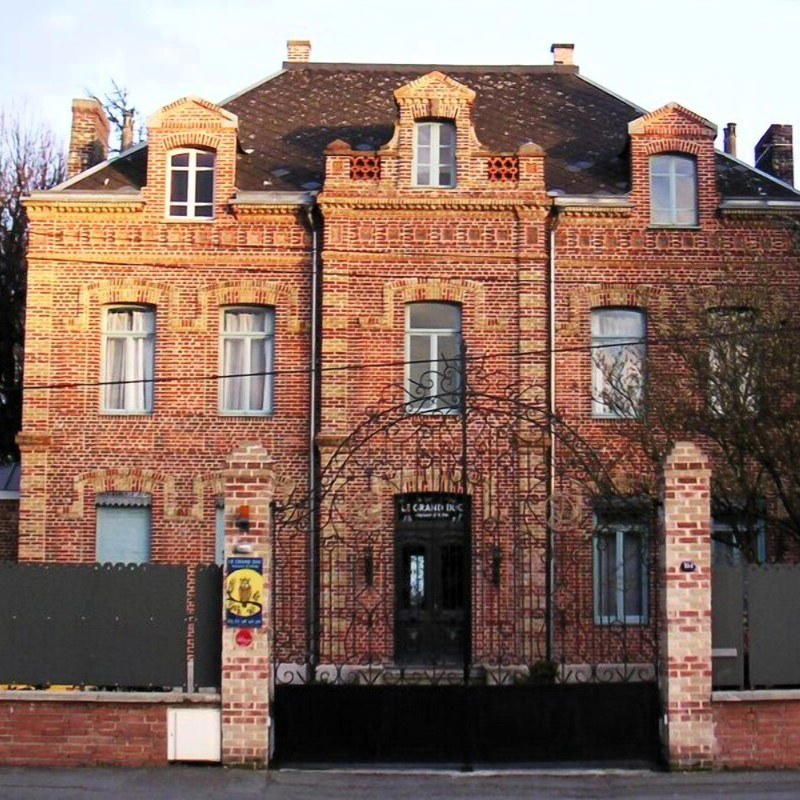
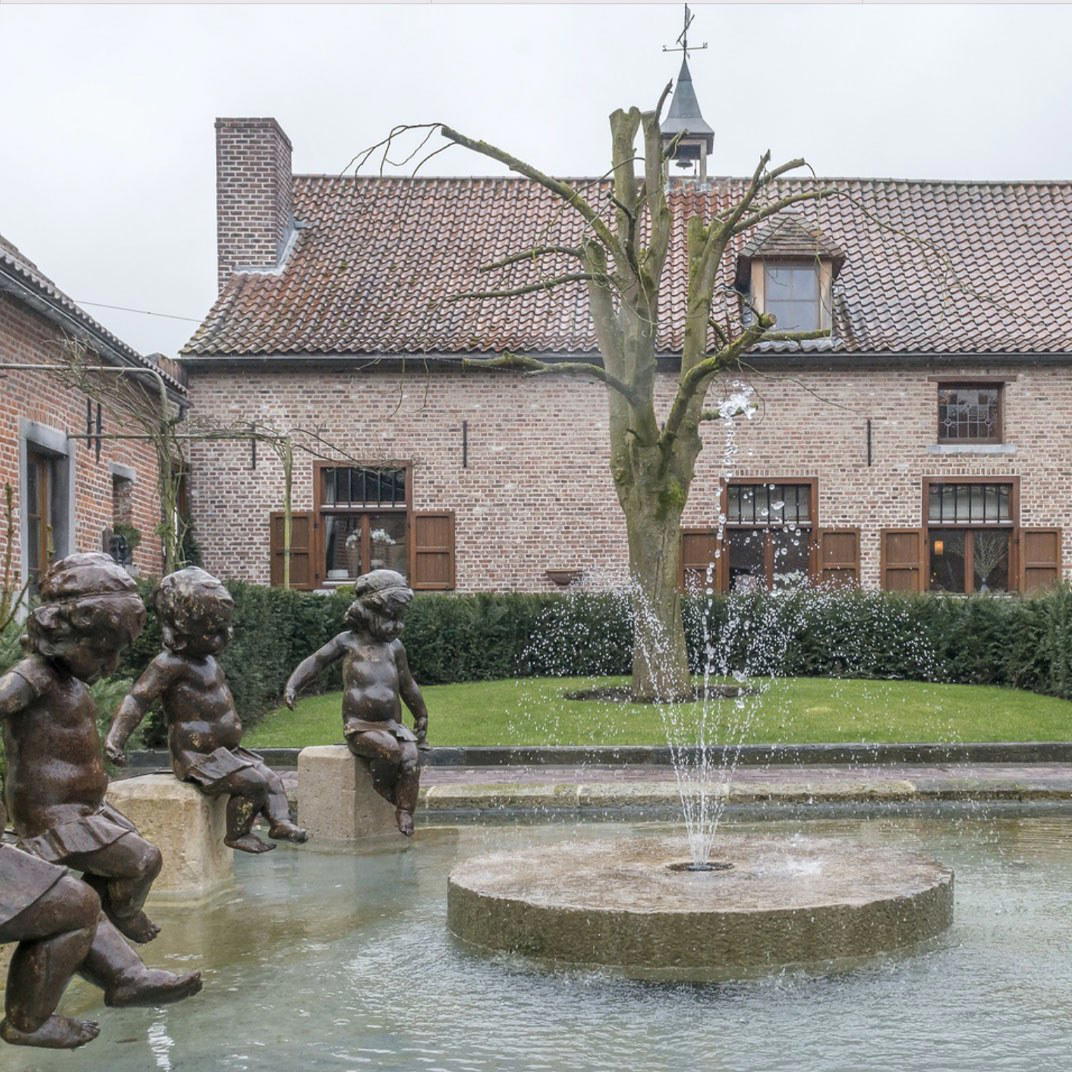
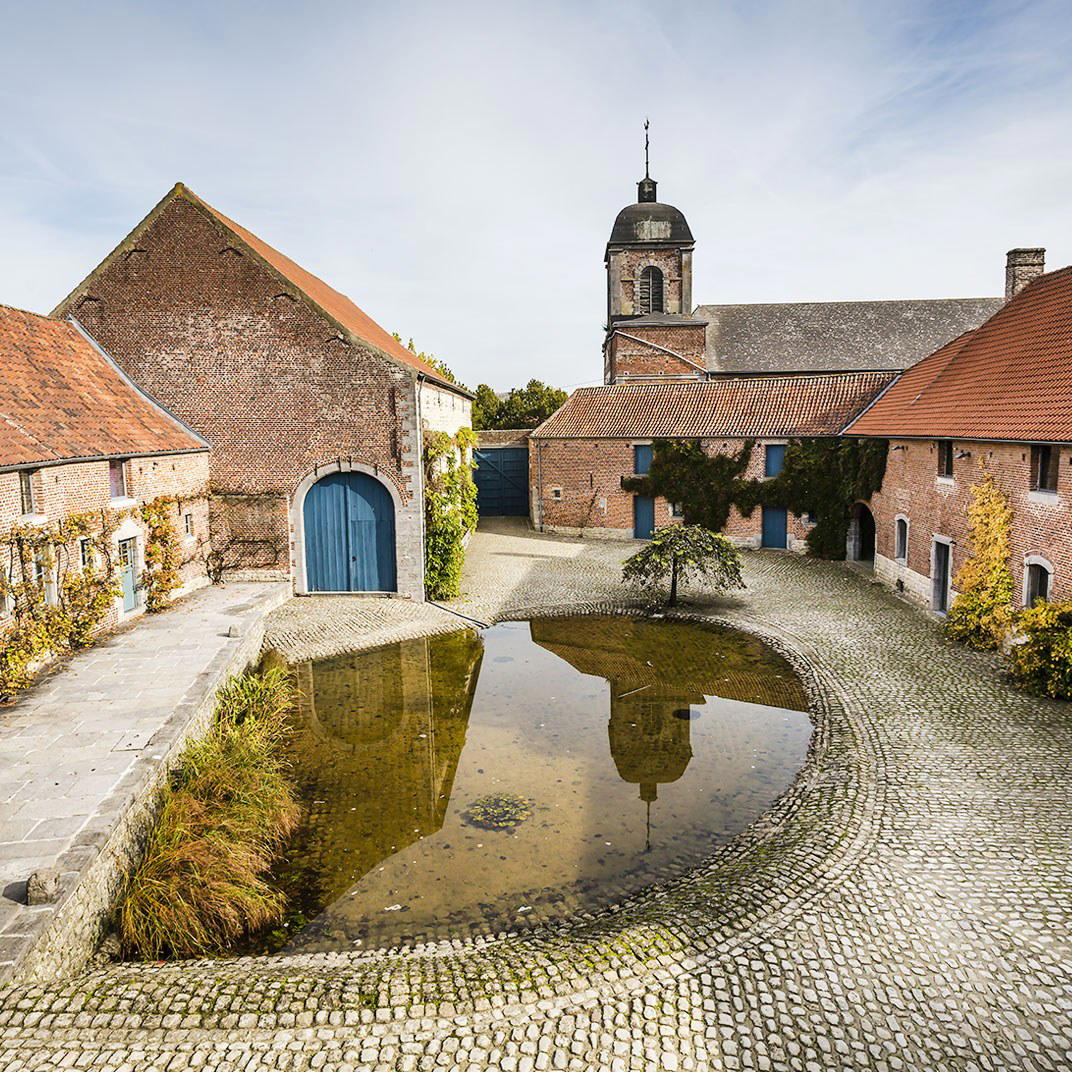
Wineries in Mons
Browse all →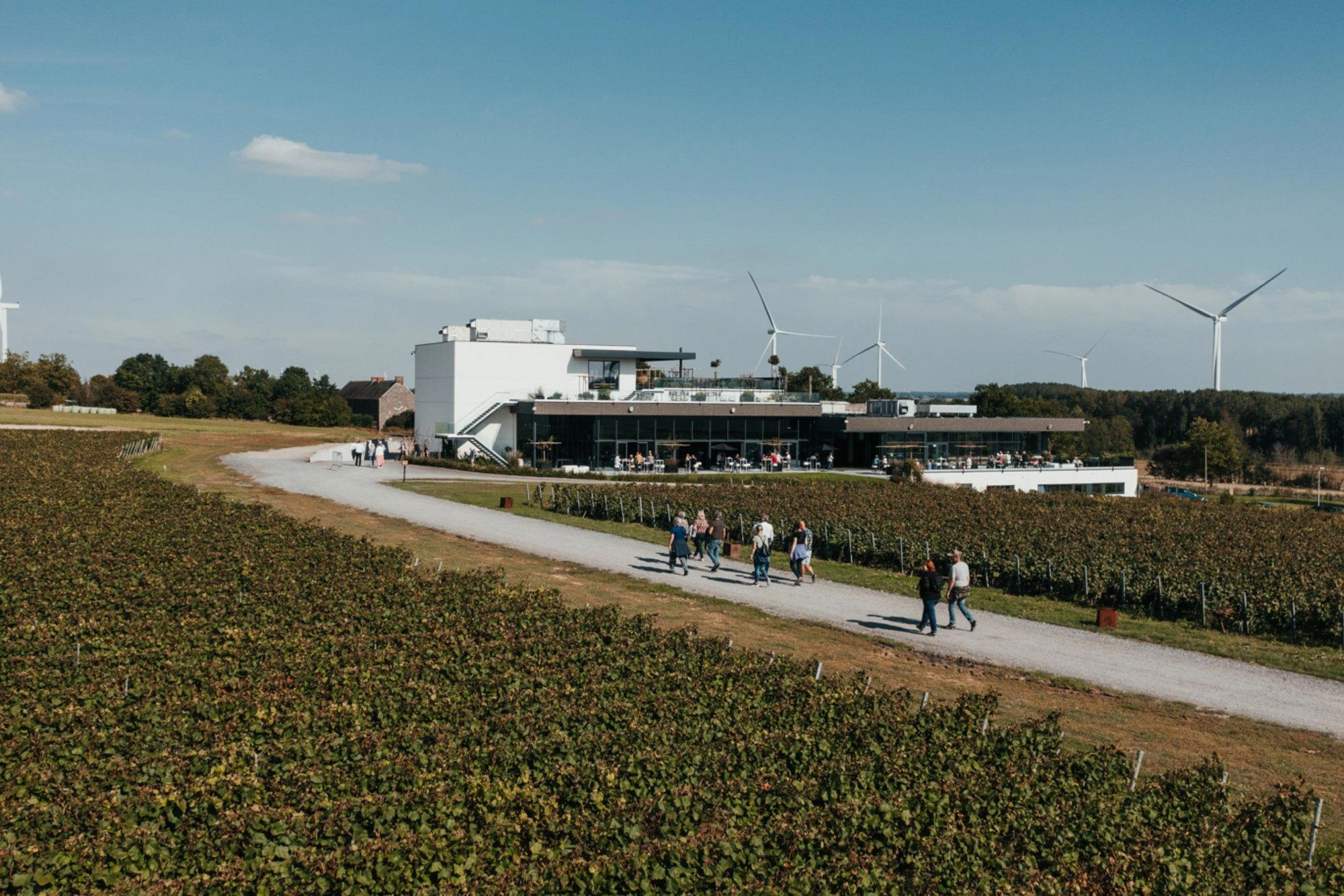
Details
- Elegant
- Sophisticated
- Modern
- Cozy
- Date Night
- Special Occasion
- Business Dinner
- Open Kitchen
- Standalone
- Local Sourcing
- Sustainable Seafood
- A La Carte
- Tasting Menu
- Wine
- Pescatarian Friendly
Current opening hours
- Monday
- 12–2:30 PM
- Tuesday
- 12–2:30 PM
- Wednesday
- 12–2:30 PM
- Thursday
- 12–2:30 PM, 6–10 PM
- Friday
- 12–2:30 PM, 6–10 PM
- Saturday
- 6–10 PM
- Sunday
- Closed
Hours can change for holidays and private events. Hours as of .
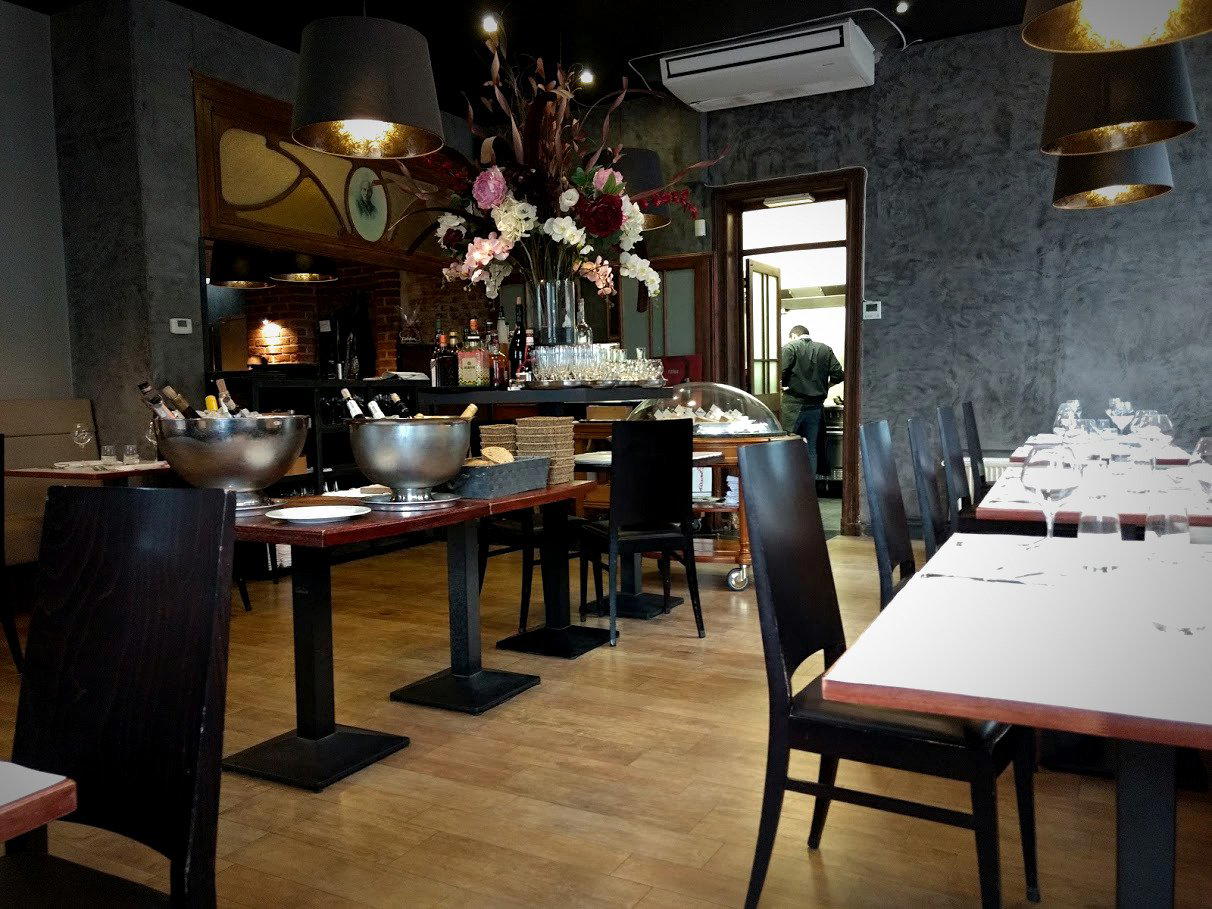
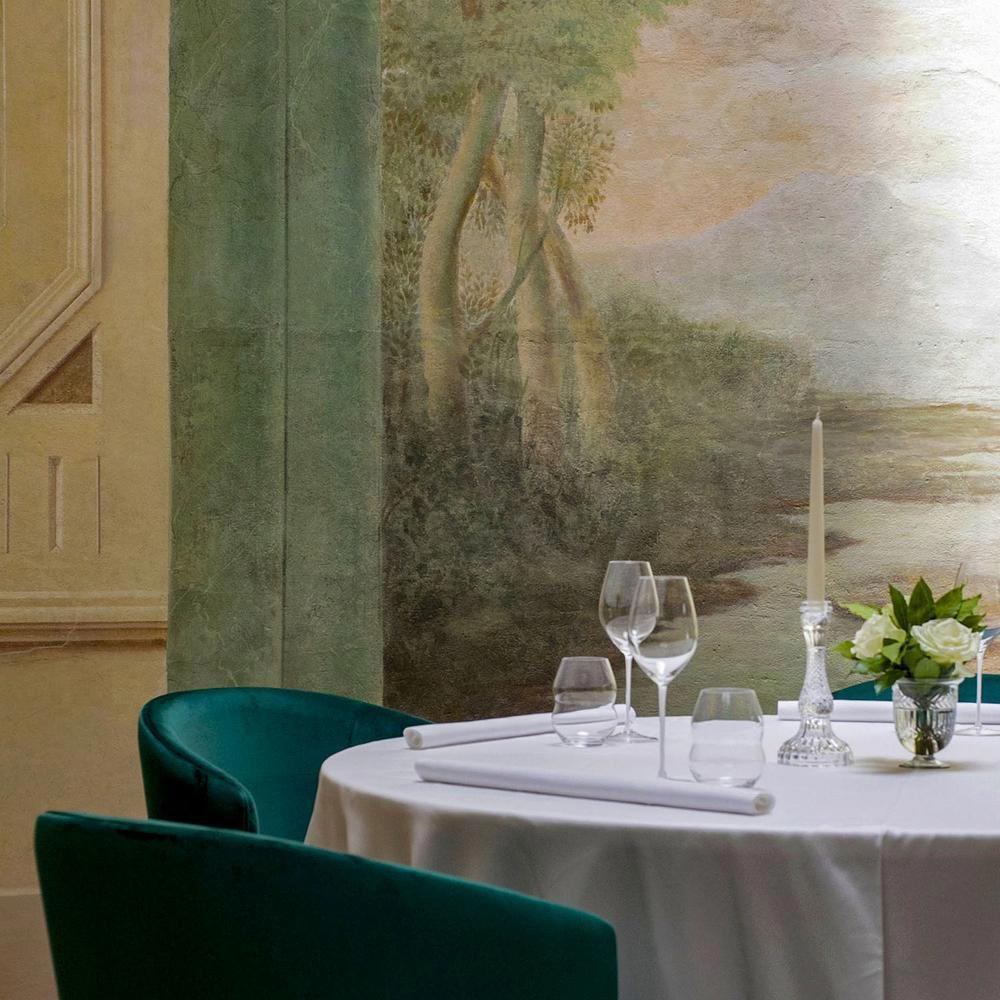
Elegant and cozy atmosphere with refined decor that complements creative, ingredient-driven dishes; intimate dining environment in a historic old town location.