Our verdict
La Cour des Dames occupies a quiet address on Rue de Saint-Denis in Mons, a city whose dining scene has grown steadily more confident over the past decade. The restaurant sits within a local tier that rewards those who look beyond the Grand-Place's more obvious options. For visitors tracing Belgium's broader restaurant culture southward from Brussels, it represents a point of genuine interest.

Pearl is the En Primeur Club membership app, where members save venues, book tables and use the concierge.
The menu
What to order
- Mushroom cannelloni with roasted hazelnuts and goat cheese
- Duck leg with white beans and rosemary sauce
- Egg on pumpkin puree
Rue de Saint-Denis in Winter and Spring: What the Street Tells You Before You Arrive
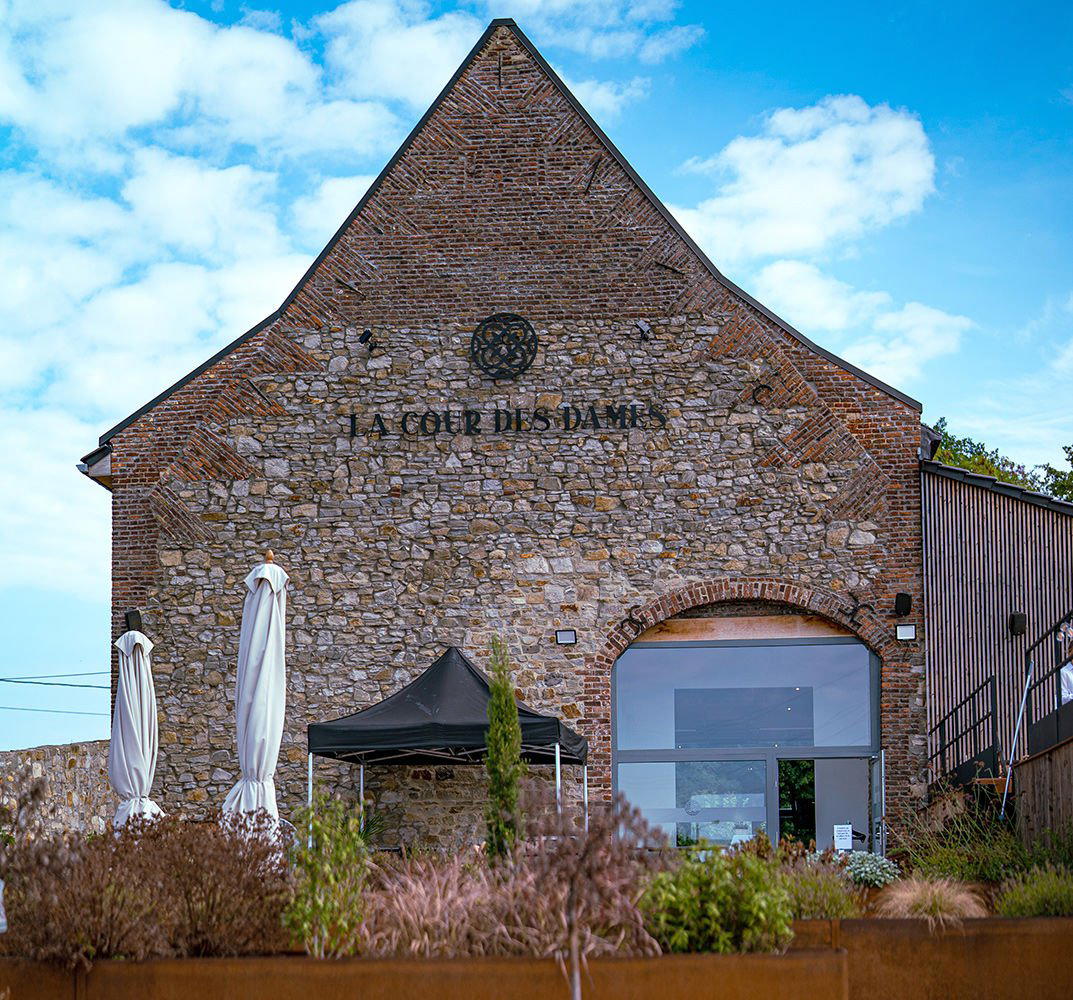
Mons has a particular quality in the colder months. The Grand-Place empties of its summer processions and the city contracts into something more navigable, more local. It is in this register that the streets around the historic core reveal their actual character: narrow, stone-fronted, quieter than their architecture suggests they should be. Rue de Saint-Denis, where La Cour des Dames sits at number 202, belongs to this inner fabric. The approach is not dramatic, but it communicates something useful: this is a neighbourhood address, not a tourist-facing room. That distinction matters in a city where the dining scene has been building slowly and without much fanfare.
Mons's restaurant culture occupies an interesting position within Belgian gastronomy. The country's serious dining has historically concentrated in Flanders, with addresses like Hof van Cleve in Kruishoutem, Boury in Roeselare, and Zilte in Antwerp drawing the majority of critical attention. Wallonia has a different relationship with its tables: longer meals, stronger wine culture, and a French-inflected formality that tends to travel less well across media. Mons sits at the western edge of that tradition, close enough to the French border that its kitchens carry traces of both registers. The question for any restaurant here is whether it plants itself clearly within one tradition or tries to straddle both.
The Room as a Signal
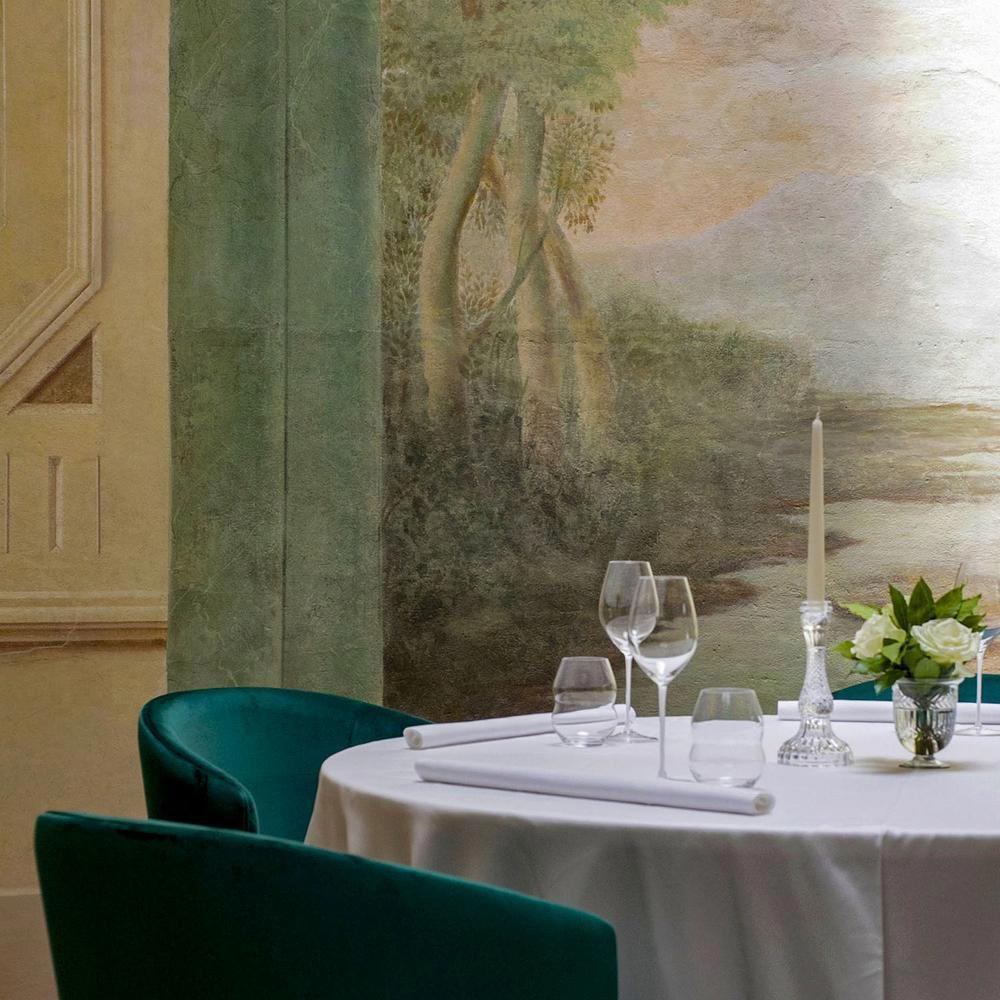
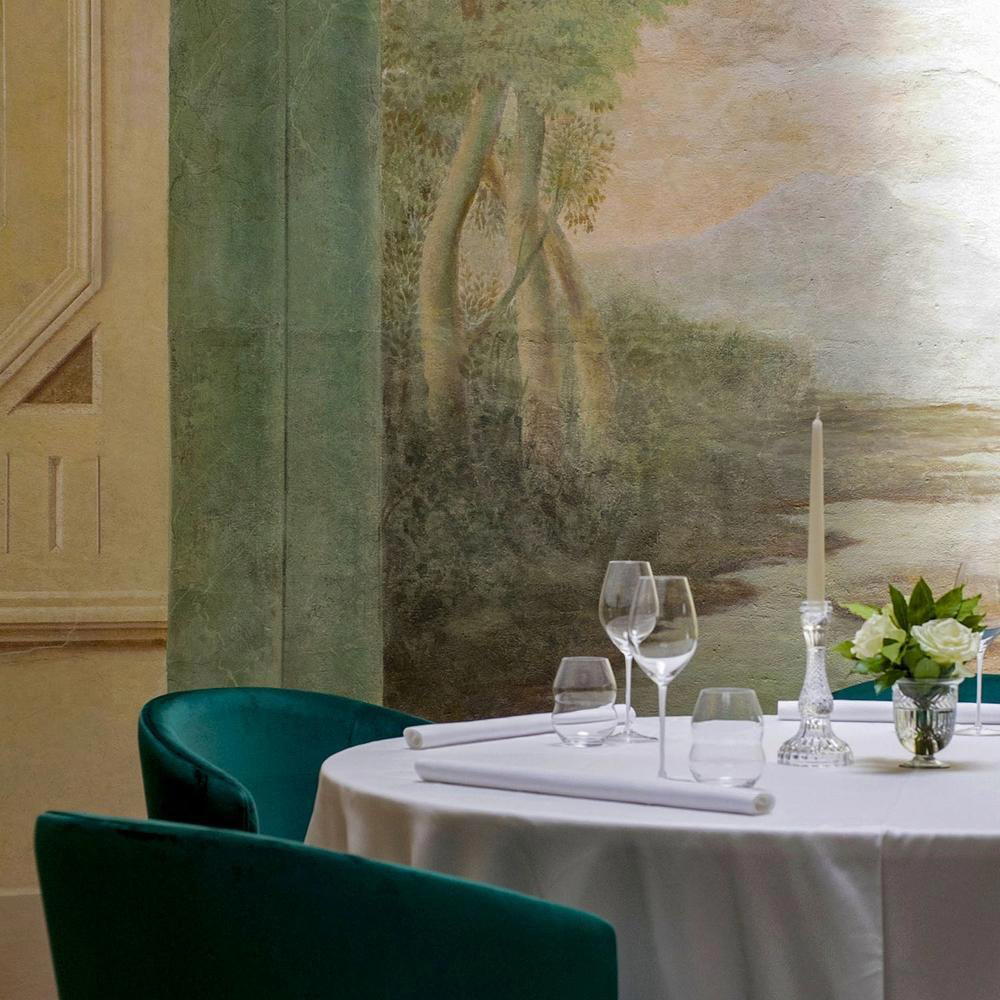
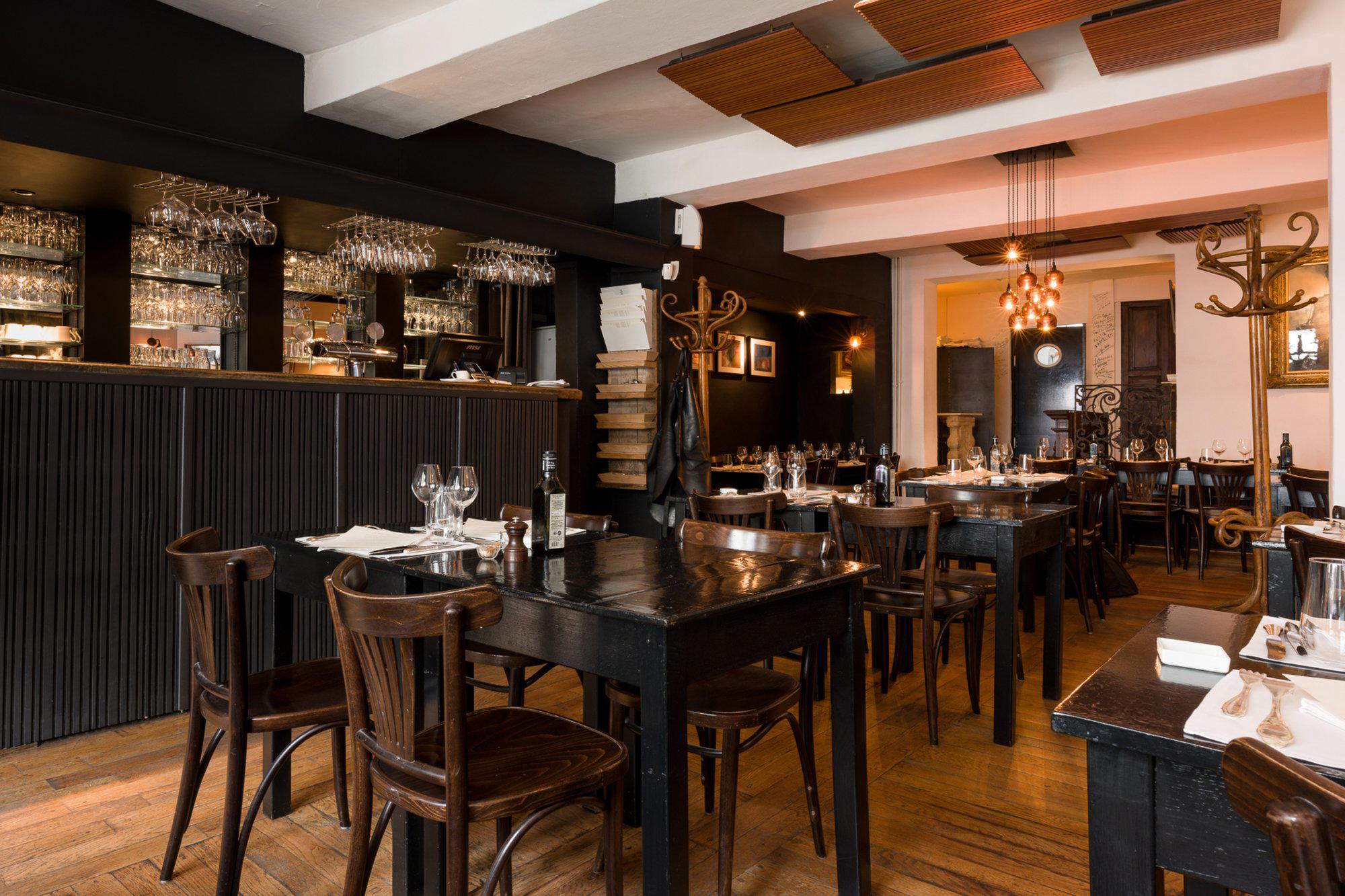
In Belgian dining of this tier, the physical space does a great deal of editorial work before the first dish arrives. Rooms that lean into period detail, exposed stone, or courtyard geometry are communicating something specific: a preference for setting over spectacle, for accumulated atmosphere over designed experience. The name La Cour des Dames, with its suggestion of an enclosed courtyard, positions the venue within this grammar. A cour in this context implies a kind of interiority, a sense that the dining experience is held apart from the street's noise rather than performing outward toward it.
This matters because it shapes what a diner brings to the table in terms of expectation. Rooms with that enclosed, courtyard quality tend to reward slower meals, longer wine selections, and conversation that deepens across courses rather than being interrupted by a room's visual demands. The sensory register is quieter, which puts more pressure on the kitchen and the service to carry the experience. Belgium's mid-tier has become increasingly confident in this format over the past several years, as a generation of cooks trained in French technique have returned to build rooms that feel local rather than aspirational in an imported sense.
For context on how Mons compares within its own city block, the restaurant sits alongside a small but distinct peer group. L'Art des Mets and L'Envers represent different points on the local spectrum, while La Table du Boucher takes a more direct approach to product-led cooking in the meats-and-grills format. Addresses like La Bergerie and La Maadeleine round out a scene that, while not the most densely starred in Belgium, is producing more consistent work than its profile might suggest. For a fuller map of where these addresses fit, the EP Club Mons restaurants guide covers the city's current tier structure in detail.
Where This Address Sits in the Belgian South
Belgium's fine dining conversation rarely pauses long in Wallonia. The critical apparatus, including most international coverage, follows the Flemish coast and the Antwerp axis, occasionally surfacing for Brussels landmarks like Bozar Restaurant. The restaurants that hold serious ground in the south, including L'Air du Temps in Liernu and d'Eugénie à Emilie in Baudour, tend to be known within the country's professional kitchen network without receiving the same international amplification as their northern counterparts.
This structural underrepresentation does not reflect quality so much as geography and language. The Wallonian restaurant that works seriously in a French culinary tradition is speaking a language that Belgian food media, weighted toward Dutch-language publishing, has historically been slower to carry. That is shifting, but slowly. Addresses in Mons thus operate within a local esteem system that functions somewhat independently of the national tier list, which is worth understanding before making a booking decision based on award counts alone.
For those tracing Belgium's broader creative dining scene, Willem Hiele in Oudenburg, Bartholomeus in Heist, Castor in Beveren, and De Jonkman in Sint-Kruis offer different expressions of what Belgian kitchens are doing at the serious end. The contrast between those rooms and a Mons address is instructive: different traditions, different product sourcing priorities, and a different relationship between the kitchen and its local market.
Planning a Visit
Mons is accessible from Brussels in under an hour by train, which places it within easy reach for a lunch excursion or an overnight stay that includes dinner. The city's hotel stock is compact, meaning that a restaurant booking often becomes the anchor of a visit rather than an addition to a broader programme. Rue de Saint-Denis sits within walking distance of the Grand-Place, making it practical to arrive on foot from most central accommodation. For those coming from further afield, the comparison with driving to, say, Atomix in New York City or booking months ahead at Le Bernardin is instructive in reverse: this is a European mid-city address where planning pressure is lower, but where arriving with some research behind you will materially improve the experience.
This is standard practice for Mons addresses at this tier, where online booking infrastructure lags behind the kitchen's actual quality.
Frequently asked questions
Is La Cour des Dames child-friendly?
The address at Rue de Saint-Denis 202 places this in the quieter residential-commercial fringe of Mons rather than a high-turnover brasserie strip, which tends to suit families with older children more than toddlers. Rooms operating at this register in Belgian dining prioritise a slower pace and lower noise levels. A call ahead to confirm seating arrangements is the practical step here, since no formal family policy is documented for this address.
How would you describe the vibe at La Cour des Dames?
The name itself signals an enclosed courtyard sensibility, interior warmth over open street-facing energy. Mons dining at this address tier tends toward the considered and unhurried rather than the convivial and loud. Think mid-evening conversation over multiple courses rather than a quick plate at the bar.
Is La Cour des Dames worth visiting as a standalone reason to travel to Mons from Brussels?
Mons sits under an hour from Brussels by direct train, which makes it a workable lunch or dinner destination rather than a purely incidental stop. It reads more convincingly as an anchor for an evening already planned around Mons's historic centre than as a sole reason to make the journey.
What should I eat at La Cour des Dames?
Check the venue's official channels for the latest details.
How do I find La Cour des Dames?
La Cour des Dames is located at Rue de Saint-Denis 202, 7034 Mons, Belgium, Mons.
Peers You’d Cross-Shop
Comparable venues nearby, for context on price, style, and recognition.
| Venue | Cuisine | Price | Awards | Notes |
|---|---|---|---|---|
| La Cour des DamesThis venue (the venue you are viewing) | Belgian-French Bistronomic | $30–50 | Not listed | Not listed |
| L'Art des Mets | Refined Traditional French | $50–100 | Not listed | City Centre |
| Le Coq Wallon | Traditional French-Belgian with Moroccan influences | Not listed | Not listed | Saint-Symphorien |
| Oscar | French-Belgian Brasserie with Thai Accents | $20–30 | Not listed | Grand-Place |
| Origines | Modern French Bistronomique | $50–100 | Michelin Plate | Centre-Ville |
| L'Envers | French-Belgian Brasserie | $30–50 | Not listed | city centre |
Continue exploring
More in Mons
Restaurants in Mons
All restaurants in Mons →
Bars in Mons
Browse all →
Hotels in Mons
Browse all →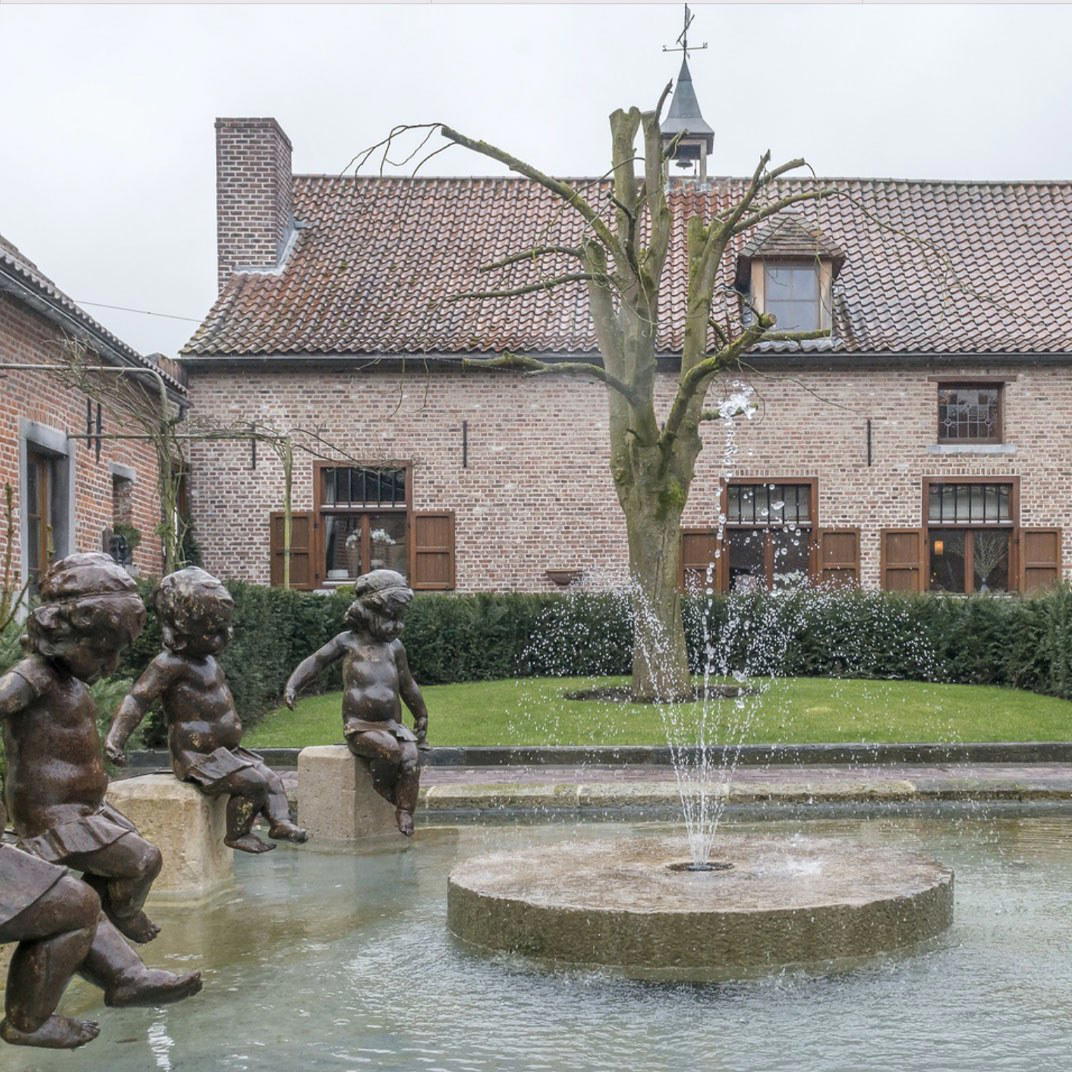
Wineries in Mons
Browse all →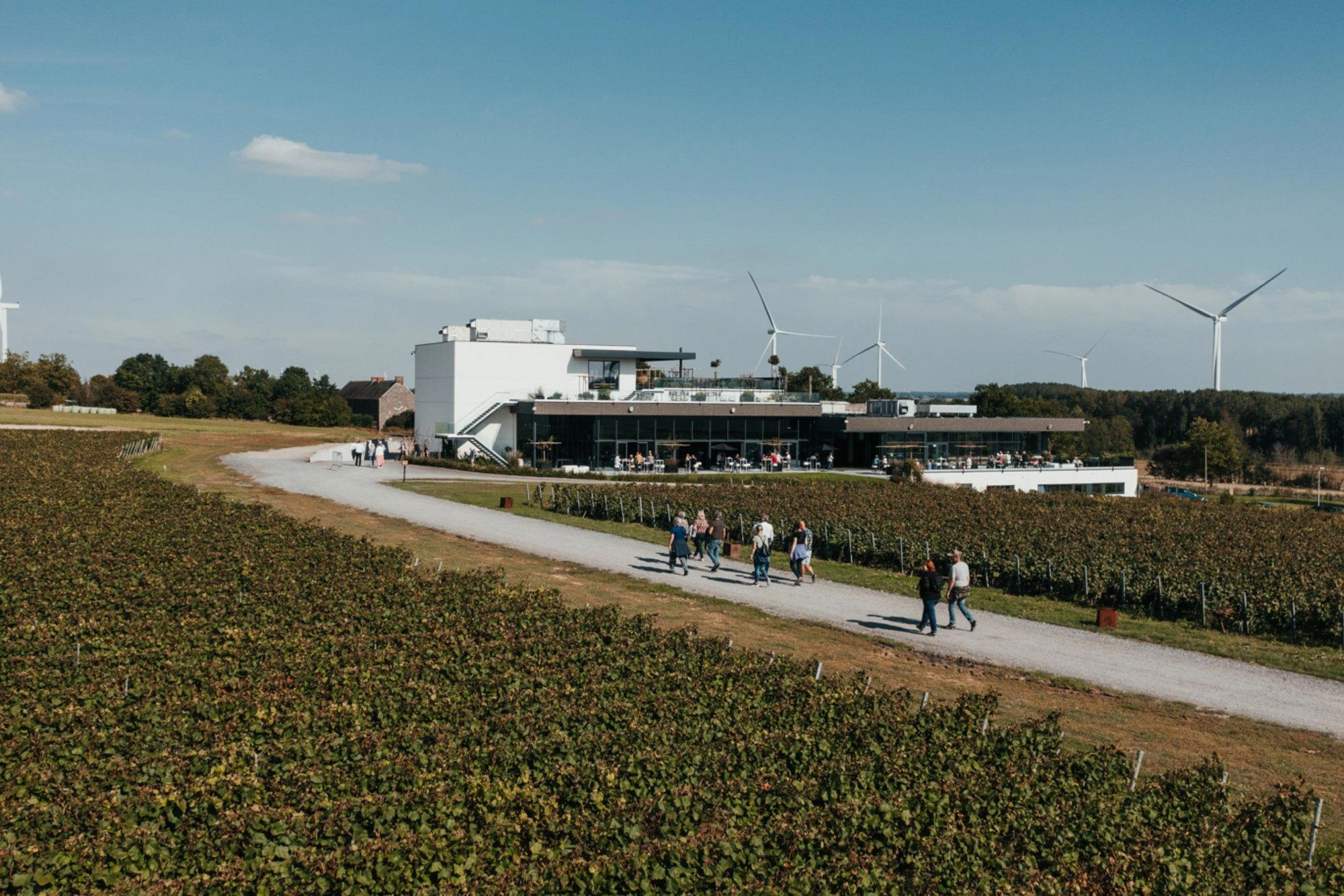
Details
- Elegant
- Rustic
- Cozy
- Sophisticated
- Brunch
- Group Dining
- Special Occasion
- Business Dinner
- Private Dining
- Terrace
- Historic Building
- Extensive Wine List
- Beer Program
- Farm To Table
- Local Sourcing
- A La Carte
- Prix Fixe
- Buffet
- Wine
- Beer
- Vegetarian Friendly
- Allergy Accommodating
Current opening hours
- Monday
- Closed
- Tuesday
- Closed
- Wednesday
- Closed
- Thursday
- 12–3 PM, 6:30–11 PM
- Friday
- 12–3 PM, 6:30–11 PM
- Saturday
- 6:30–11 PM
- Sunday
- 10 AM–3 PM
Hours can change for holidays and private events. Hours as of .
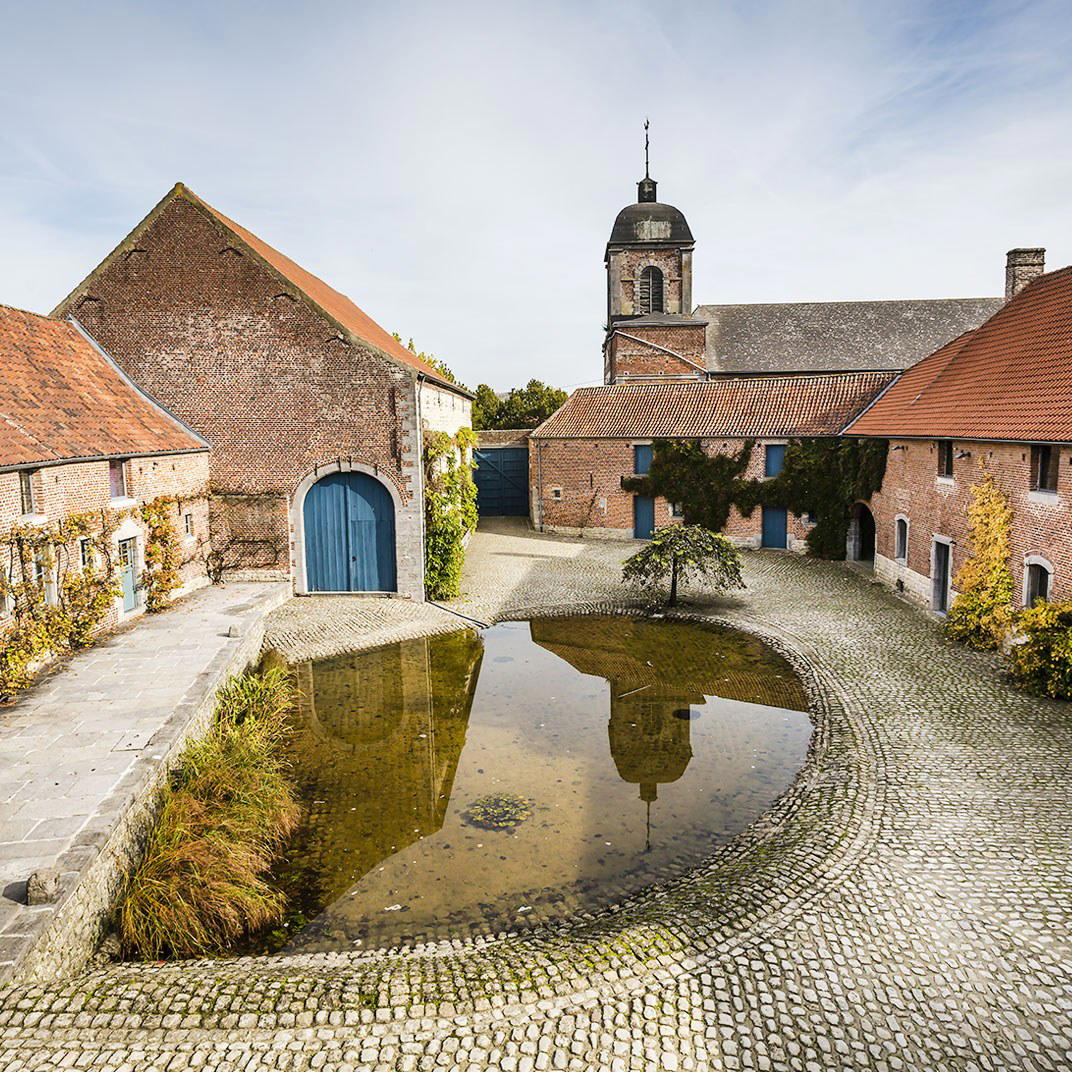
Warm and elegant setting with a converted barn integrated into the dining space, creating a countryside atmosphere that draws the outdoors in while maintaining refined sophistication.