Le Relais de Marambaia

Michelin Selected
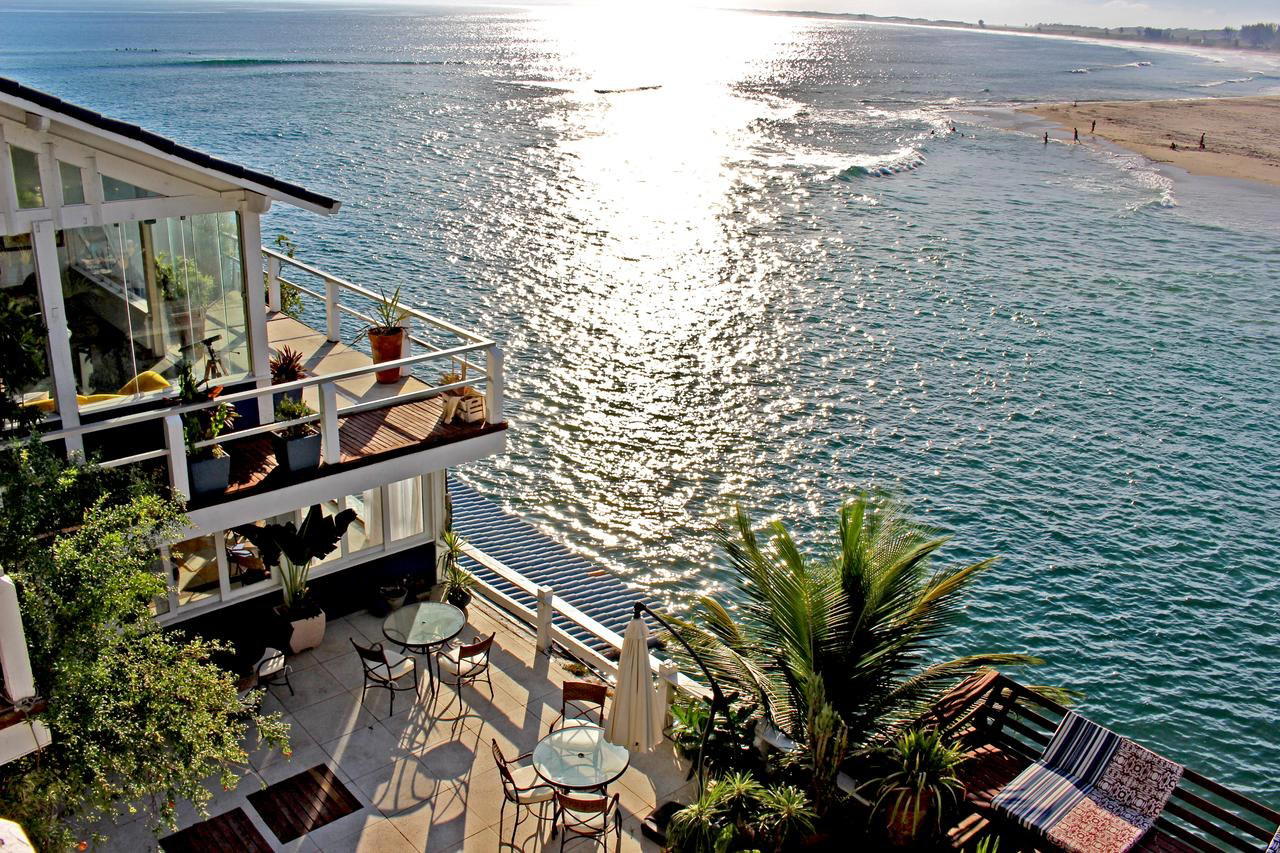
Le Relais de Marambaia occupies a rare position in Rio de Janeiro's accommodation scene: a Michelin Selected property set along the Estrada Roberto Burle Marx in Barra de Guaratiba, where the Restinga de Marambaia meets the Atlantic. It sits outside the city's beachfront hotel corridor entirely, placing natural seclusion and architectural character at the centre of the stay rather than urban convenience.

Pearl is the En Primeur Club membership app, where members save venues, book tables and use the concierge.
Where the Restinga Ends and the Building Begins
The road to Barra de Guaratiba tells you something before the property does. Estrada Roberto Burle Marx, named for Brazil's most consequential landscape architect, who lived and worked in this same coastal strip of western Rio, runs through a transitional zone where the city's sprawl gives way to restinga vegetation, lagoons, and the Atlantic horizon. Properties in this corridor don't compete with Copacabana or Ipanema on urban convenience. They compete on a different axis entirely: physical setting, architectural coherence, and the quality of removal from the city's noise. Le Relais de Marambaia sits on that axis, at address number 9346 along the Burle Marx road, in a neighbourhood that functions as something of an open-air museum of Brazilian modernist landscape sensibility.
That geographical framing matters because it defines the guest profile and the experience logic. This is not a property you stumble upon or choose for proximity to Corcovado or the Zona Sul's restaurant scene. You choose it because the destination itself, the edge of the Marambaia peninsula, the protected restinga ecosystem, the particular quality of light over the Sepetiba Bay, is the reason to go. Michelin's hotel selection process, which included Le Relais de Marambaia in its 2025 Selected list, responds to exactly that kind of deliberate positioning: properties that demonstrate coherence between their setting and their offer, rather than generic luxury applied to any location.
Design Logic in a Modernist Corridor
Brazilian architecture developed a distinct modernist vernacular through the mid-twentieth century, one that took European modernism's structural vocabulary and reoriented it toward tropical climate, local materials, and the relationship between interior and exterior. Burle Marx himself was central to that tradition, his gardens at the nearby Sítio Roberto Burle Marx, now a UNESCO World Heritage Site, demonstrated how designed landscape could hold its own as architecture. Properties along this road inherit that cultural weight whether they acknowledge it or not.
What separates accommodation that sits comfortably within this tradition from accommodation that merely occupies the postcode is how the built environment relates to the site. In the restinga zone, where vegetation is low, wind-shaped, and ecologically sensitive, the temptation to impose rather than respond is significant. The properties that read most authentically in this landscape tend to work with the horizontality of the terrain, use materials that weather into the palette of the coast, and treat indoor-outdoor transition as a design priority rather than an amenity add-on.
For travellers comparing design-led properties across Brazil, the reference points vary considerably by region. Casas Brancas Boutique Hotel & Spa in Búzios works a whitewashed Mediterranean register. Txai Resort in Itacaré uses Bahian organic construction traditions. Etnia Casa Hotel in Trancoso leans into the colour and craft vocabulary of the Quadrado. Each makes a specific regional architectural argument. Marambaia, operating in Burle Marx's literal neighbourhood, carries a different kind of design conversation, one grounded in Rio's modernist landscape legacy rather than regional folk traditions.
Rio's Western Edge and the Logic of Seclusion
Rio de Janeiro's hospitality geography divides roughly into three tiers by location. The Zona Sul properties, Copacabana, Ipanema, Leblon, offer maximum urban density and proximity to the city's most famous landmarks. The Barra da Tijuca corridor pushes toward a more suburban scale. And the far western municipalities, including Guaratiba, sit in a category where the city effectively stops and coastal ecology takes over. The Copacabana Palace occupies the first tier with its Avenida Atlântica address and century-long institutional standing. Le Relais de Marambaia operates at the opposite end of that spectrum, where the value proposition is distance rather than proximity.
This positioning puts it in a small peer group of Brazilian properties where the journey to reach the hotel is part of the experience design. Cristalino Lodge in Alta Floresta makes a similar argument in the Amazon context. Caiman in the Pantanal does it for wetland ecology. The western Rio version of that logic sits within a couple of hours of one of the world's most visited cities, which creates an unusual proposition: genuine seclusion with a major international hub as a return point.
For international travellers constructing a Brazil itinerary, Marambaia works as either a decompression stay at the end of a Rio visit or as a base for exploring the less-visited coastal zones south of the city toward Angra dos Reis. It pairs logically in sequence with more urban Rio options, and then potentially with properties further along the Brazilian coast. Ilha de Toque Toque Eco Hotel in São Sebastião, further south along the Green Coast, represents a similar ecological positioning for those continuing down toward São Paulo state.
Planning the Stay
Barra de Guaratiba sits in Rio de Janeiro's far western zone, approximately 50 kilometres from the international airport at Galeão and somewhat closer to Santos Dumont for domestic connections. The most practical approach is a hired car or taxi from either city airport, as public transport to this corridor is limited. Rio's traffic can extend journey times significantly during peak hours, so arrival planning benefits from mid-morning or early afternoon timing when the city's motorway corridors are clearest.
Direct booking enquiries for Le Relais de Marambaia are leading handled through the property itself; phone and website details are not reproduced here and should be confirmed through current sources before travel. Michelin's hotel selection, which placed Le Relais de Marambaia on its 2025 list, provides a reliable starting point for assessing the property's standing relative to Rio state's broader accommodation range. For those working through our full Rio de Janeiro State guide, this property represents the western coastal category, distinct from both city-centre and mountain options.
Brazil's coastal properties in the Michelin Selected tier tend to fill during Carnival (February or March), the July school holiday peak, and the December-January summer. The shoulder months of May, June, September, and October generally offer better availability and more stable weather in this part of Rio state, without the rainfall peaks of the wet season. The restinga ecosystem itself reads differently across seasons, drier months bring a more austere palette, while wetter periods shift the vegetation into denser green.
Context Within Brazil's Premium Hotel Scene
Michelin's expansion into hotel selection has created a useful sorting mechanism for Brazil's increasingly varied premium accommodation market. The 2025 list spans properties as different as Rosewood São Paulo, a major-city luxury flagship, and ecologically positioned coastal properties operating on an entirely different scale and logic. Le Relais de Marambaia sits within the latter category, where selection signals coherence and quality of experience rather than the scale of amenities. That distinction matters when comparing it to properties like Hotel das Cataratas at Iguassu Falls, which earns its standing through an entirely different argument: institutional heritage, a national park setting, and the sheer spectacle of proximity to one of the world's major natural formations.
What connects properties across Brazil's Michelin Selected tier is a commitment to place-specific experience design. Parador Casa da Montanha in Cambará do Sul makes that argument for the Serra Gaúcha canyon country. Botanique Hotel Experience in Campos do Jordão does it for the Atlantic Forest highlands. Le Relais de Marambaia's version is coastal Rio state at its least urbanised, a specific geography with its own design inheritance and ecological character, positioned for travellers who regard that specificity as the point rather than a compromise.
How It Stacks Up
Comparable venues nearby, for context on price, style, and recognition.
| Venue | Cuisine | Price | Awards | Notes |
|---|---|---|---|---|
| Le Relais de MarambaiaThis venue (the venue you are viewing) | Intimate beachfront boutique retreat with French-influenced design and Brazilian hospitality. | $1–100 | Michelin Selected | Not listed |
| Novotel Florianopolis | Modern beachfront hotel with residential-style rooms and event spaces. | Not listed | Michelin Selected | Not listed |
| Chez Georges | Private modernist villa with Brutalist architecture and tropical design elements. | $300–500 | Michelin Selected | Lapa |
| Nobu Hotel São Paulo | Luxury lifestyle hotel and residences with a restaurant-led mixed-use concept. | Not listed | Not listed | Wall Street district |
| Pousada Picinguaba | rustic-chic colonial house in well-suited harmony with nature | $200–300 | Michelin Selected | Picinguaba |
| Hotel das Cataratas, A Belmond Hotel, Iguassu Falls | Restored 1950s hacienda with Portuguese colonial elegance | $500–750 | 3 Michelin Keys · World's 50 Best #77 | Iguassu National Park |
Recognition history
Dated appearances from independent guides and award organizations, with the underlying list record or original source where available.
Michelin Selected
Michelin
Continue exploring
More in Rio De Janeiro State
Hotels in Rio De Janeiro State
All hotels in Rio De Janeiro State →
Details
- Romantic
- Scenic
- Elegant
- Intimate
- Romantic Getaway
- Honeymoon
- Anniversary
- Weekend Escape
- Beachfront
- Waterfront
- Terrace
- Panoramic View
- Destination Spa
- Wi Fi
- Outdoor Pool
- Spa
- Sauna
- Fitness Center
- Restaurant
- Room Service
- Beach Access
- Concierge
- Pool
- Waterfront
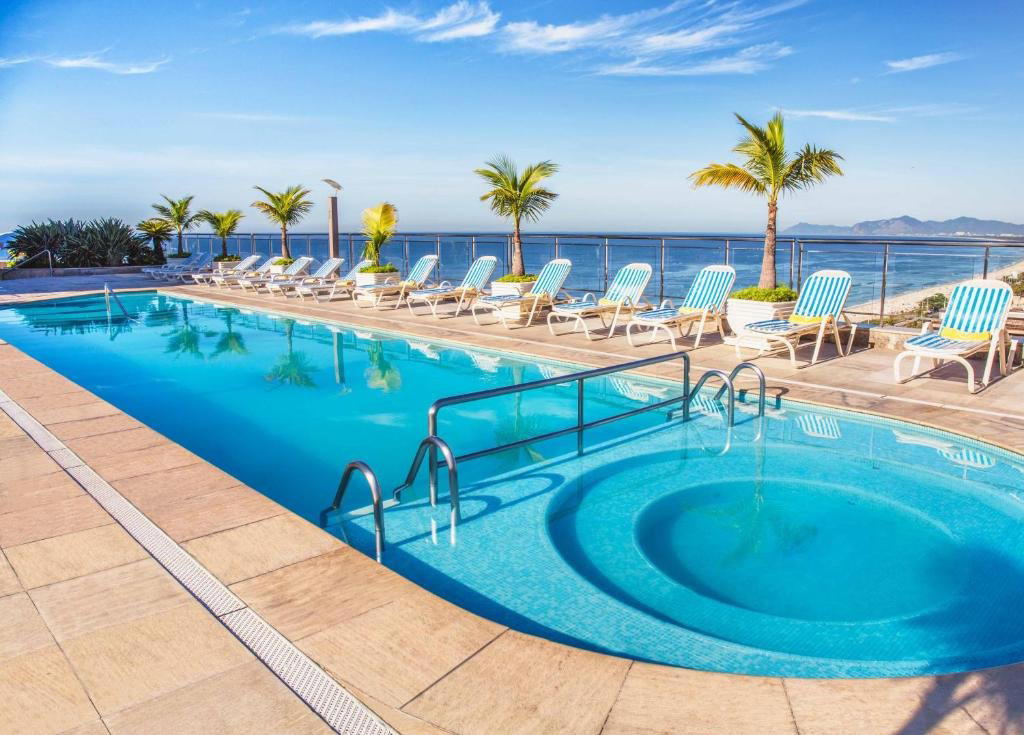
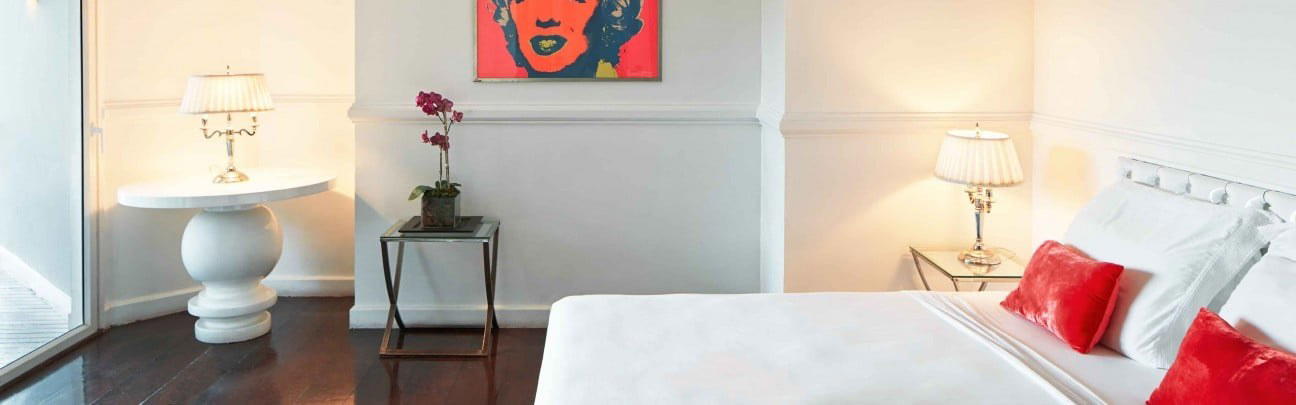
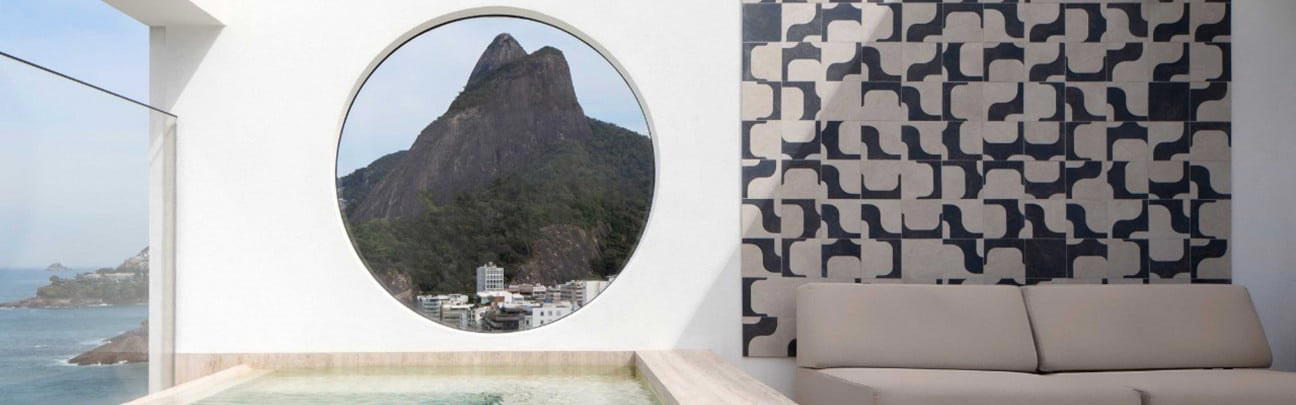
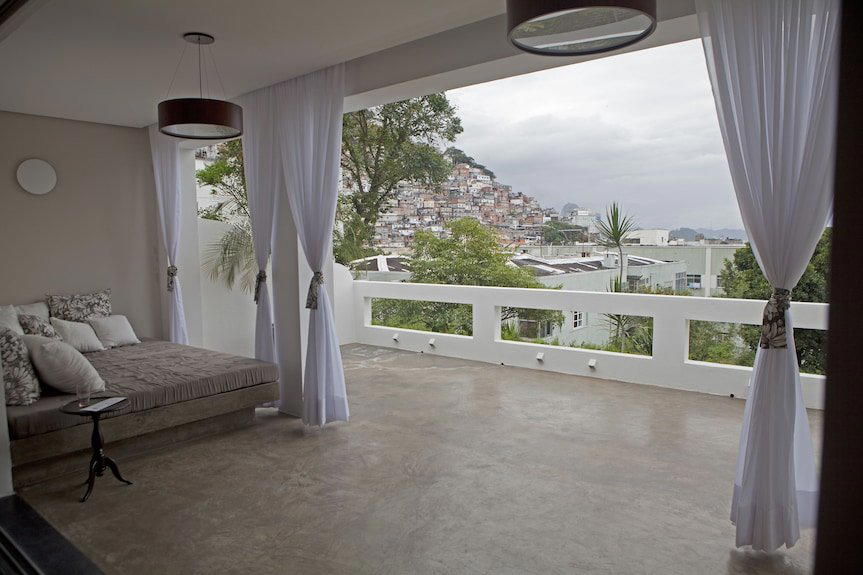
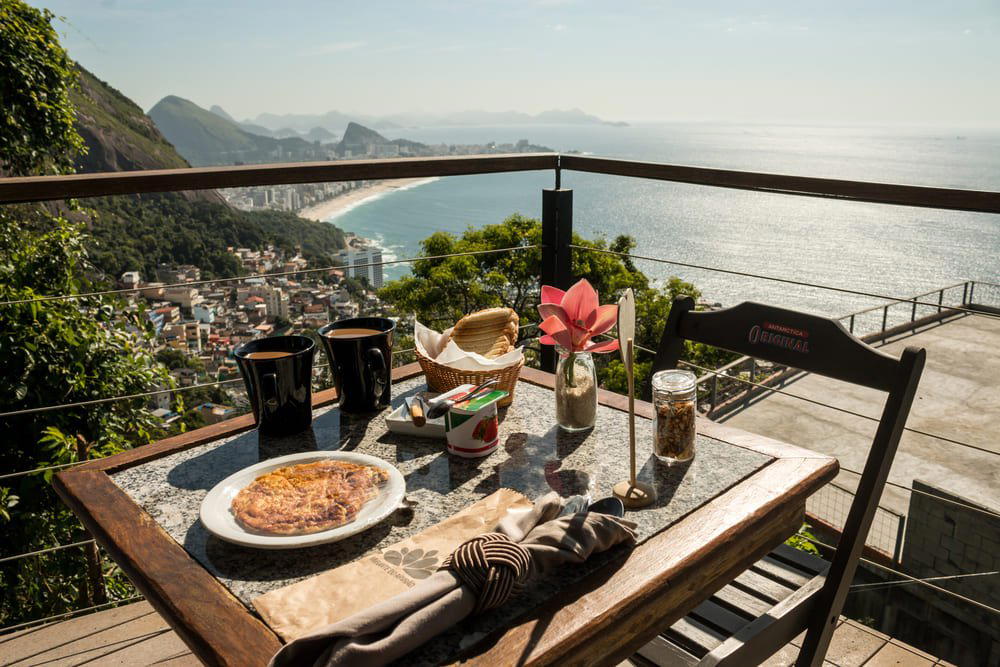
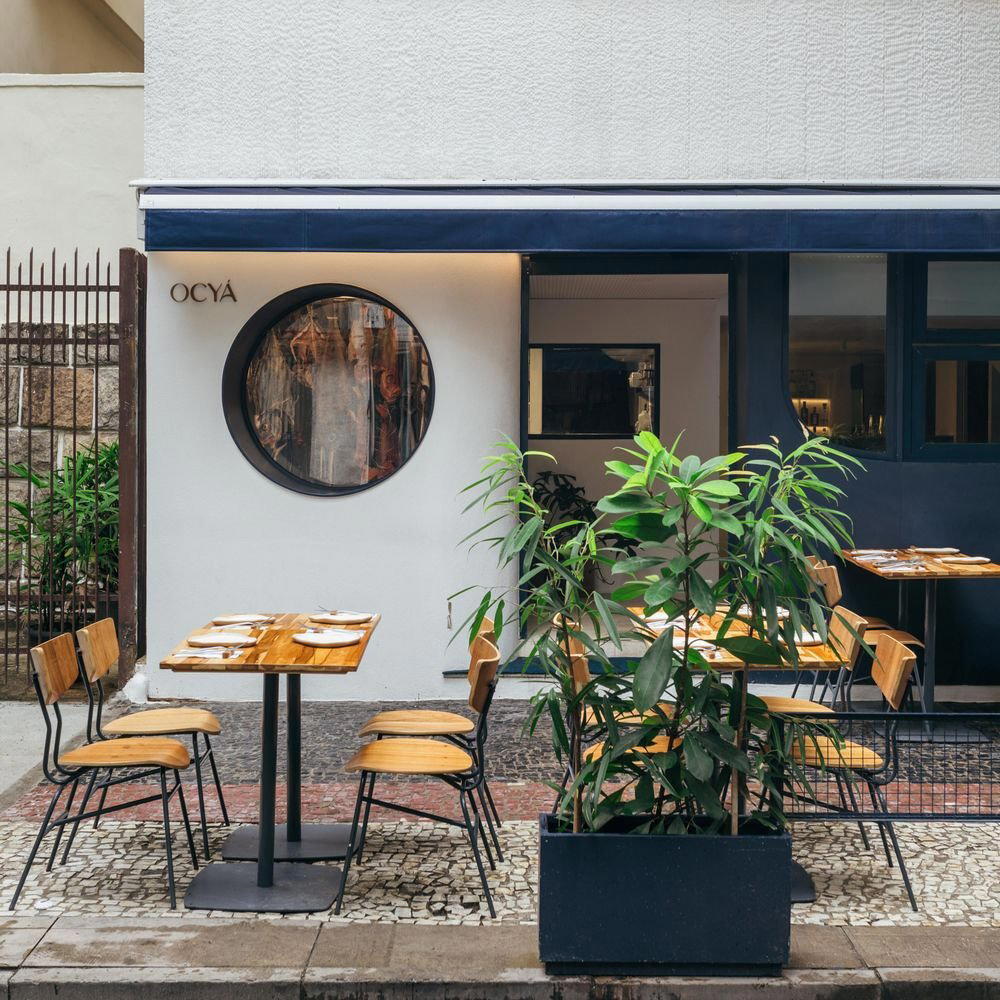
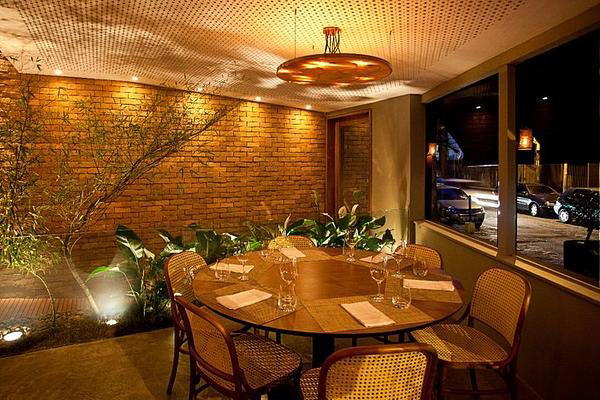
Serene and sophisticated with natural light from large windows overlooking the sea, featuring a pleasant pool deck with loungers and sea-view massage facilities.