
Tabelog 100 #96
Our verdict
Opus One places Chinese cooking inside Osaka’s serious mid-to-high dining tier, with Tabelog Chinese WEST “Tabelog 100” selections in 2021, 2023, 2024, and 2026. The appeal is menu structure rather than spectacle: a compact room, counter and table seating, and a format that suits diners comparing Osaka’s Chinese restaurants against the city’s better-known sushi, kushiage, and beef traditions.

Pearl is the En Primeur Club membership app, where members save venues, book tables and use the concierge.
The menu
What to order
- Kesennuma shark fin dishes
- Stone sea bream sashimi Chinese style
- Braised whole shark fin
- Seasonal omakase Chinese course menus
- Opus One course with abalone and ishidai sashimi
The approach to an Osaka dining room changes the expectations before the first order is placed. Osaka is loudest around its train hubs and food streets, but its stronger Chinese restaurants often work in a quieter register: focused meals, edited choices, and a clientele reading the meal as craft rather than fuel. Opus One belongs to that side of the city, where the point is not theatrical scale but how a Chinese menu is paced, edited, and priced for a serious dinner.
That matters in Osaka because the city’s culinary reputation can flatten into shorthand: takoyaki, okonomiyaki, kushiage, late-night ramen, and the department-store basement crawl. Chinese cooking has a different role. It often sits between neighborhood utility and occasion dining, borrowing from broad regional ideas and Japan’s long-established chuka tradition without needing to announce a single doctrinal school. A Tabelog Hyakumeiten selection for Chinese cuisine in 2026 puts the restaurant in a narrower band: not simply a Chinese option in Osaka, but one with a clear external recognition signal.
A Chinese menu built for sequence, not sprawl
Chinese restaurant menus in Japan can easily become catalogs, especially at the casual end: gyoza, noodles, fried rice, mapo tofu, stir-fries, set meals, and banquet dishes sharing one laminated universe. The more interesting Osaka rooms tend to work against that sprawl. They make the diner think in sequence, moving from appetite-setting plates into richer cooking, then toward rice or noodle closure. Opus One is strongest as a menu-architecture choice: it suits diners who want Chinese cooking treated as a composed evening rather than a rapid order of familiar dishes.
The value signal also matters. The listed budget places dinner at JPY 15,000 - JPY 19,999 and lunch at JPY 5,000 - JPY 5,999, which frames Opus One as a planned meal rather than a casual stop. That range gives the table several routes: a more substantial dinner, a lower-cost lunch, or a comparison point against other serious Osaka dining. The choice is less about novelty than focus, and focus is often where Japanese Chinese dining becomes more compelling than the category’s casual image suggests.
Within Osaka’s broader restaurant field, this pricing tier creates a useful comparison. Rokkakutei represents the city’s disciplined kushiage tradition, Singh’s Kitchen and Men no Youji sit in more casual spending brackets, Sakana Tetsu occupies a moderate dinner lane, and Hon Sekiguchi moves into a higher-cost Japanese beef register. Against that spread, Chinese cooking at this level competes on breadth: it can carry seafood, meat, vegetables, starch, sauce, heat, texture, and drinking rhythm inside one meal without becoming a tasting-menu performance.
The room favors an Osaka rhythm
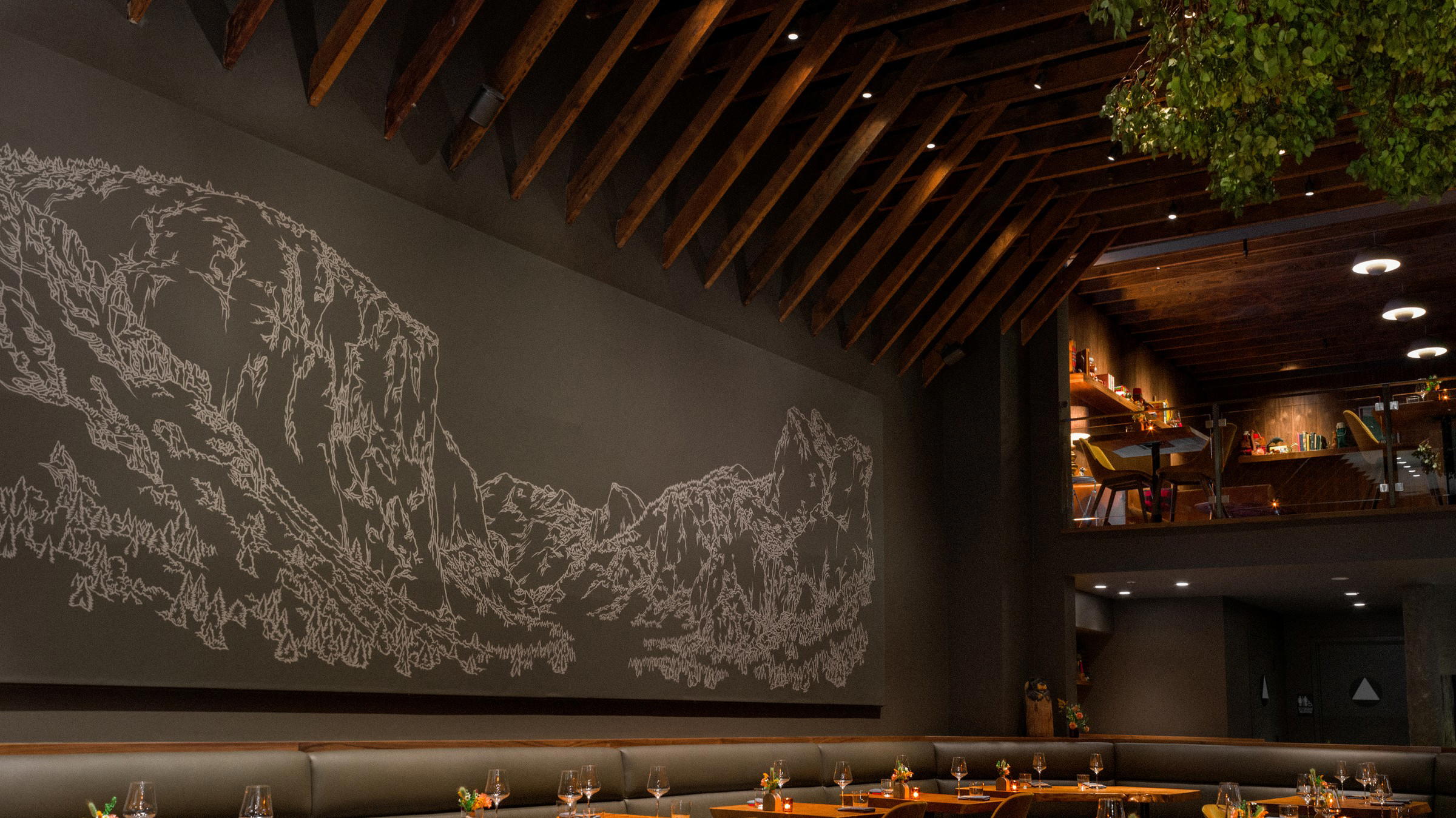
The dining room matters because it shapes how the menu is read. In Japan, a restaurant can make cooking feel immediate without turning the evening into theater. The meal can take on a social register, which fits the way many Chinese dinners work, through shared pacing rather than isolated plates. The experience is best understood less as a banquet-house spectacle and more as a focused Osaka restaurant built around the momentum of the meal.
This is also why the Osaka setting makes sense. Dining here does not have to carry the ceremonial feel of a hotel restaurant or the speed of a station-counter meal. It belongs to the city’s middle layer: destination enough for planned dining, local enough that the cooking has to justify repeat attention. For travelers, that layer is often more revealing than another famous-food crawl.
There is no need to force a chef biography onto the argument. In this case, the stronger signal is external recognition plus format: a 2026 Tabelog Hyakumeiten selection for Chinese cuisine, a Tabelog score of 3.71, and a budget that separates lunch from a more serious dinner tier. Those facts explain the restaurant’s place in Osaka more cleanly than personality-driven storytelling would.
How to place it in an Osaka itinerary
Opus One works as a counterweight to the city’s more famous food categories. A visitor could spend one day moving through casual Osaka food, coffee, sweets, bread, and street-level snacks, then reserve a more structured dinner for Chinese cooking. Another route is to compare international and imported forms across the city, from unnamed pizzerias and Italian dining rooms to Chinese restaurants, and then ask how Chinese technique has been localized through Japanese service culture.
For broader planning, use Our full Osaka restaurants guide alongside Our full Osaka hotels guide, Our full Osaka bars guide, Our full Osaka wineries guide, and Our full Osaka experiences guide. Readers building a wider Japan dining map can also compare Osaka’s Chinese dining scene with other regional formats across Japan and with other dining rooms abroad, keeping Opus One’s 2026 Tabelog Hyakumeiten recognition as the specific trust signal.
Frequently asked questions
Is Opus One expensive?
Pricing at Opus One is listed as Dinner: JPY 15,000 - JPY 19,999; Lunch: JPY 5,000 - JPY 5,999.
What are Opus One's hours?
Check directly with the restaurant before planning a visit.
What's the address for Opus One?
Osaka.
What makes Opus One worth seeking out?
Opus One is a Chinese restaurant in Osaka with a 2026 Tabelog Hyakumeiten recognition signal and a listed Tabelog score of 3.71. Its budget range also makes it useful for travelers deciding between a lower-cost lunch and a more substantial dinner.
Can Opus One accommodate dietary restrictions?
The provided listing does not spell out a formal dietary-policy structure. For restrictions, the practical step is to call +81-6-6649-6067 before booking and mention the specific issue, especially given the restaurant’s Chinese menu in Osaka.
Same-City Peers
Comparable venues by cuisine and category.
| Venue | Cuisine | Price | Awards | Notes |
|---|---|---|---|---|
| Opus OneThis venue (the venue you are viewing) | Seasonal Fine Chinese with Shark Fin & Seafood Courses | $50–100 | Tabelog 100 #96 | Not listed |
| Rokkakutei | Michelin-Starred Japanese Kushikatsu Omakase | $50–100 | Not listed | Kushiage |
| Singh's Kitchen | Authentic Indian curry house with Hyderabadi biryani | $10–20 | Tabelog 100 #69 | JPY 1,000 - JPY 1,999 JPY 1,000 - JPY 1,999 View spending breakdown |
| Men no Youji | Japanese Ramen | $1–10 | Tabelog 100 #95 | JPY 999 - JPY 999 |
| Hon Sekiguchi | Traditional Kansai-Style Sukiyaki & Shabu-Shabu | $100–150 | Tabelog 100 #29 | JPY 20,000 - JPY 29,999 View spending breakdown |
| Sakana Tetsu | Seasonal Oden & Sake Izakaya | $50–100 | Tabelog 100 #35 | JPY 6,000 - JPY 7,999 |
Recognition history
Dated appearances from independent guides and award organizations, with the underlying list record or original source where available.
Tabelog 100 #96 · No. 96
Tabelog · Tabelog 100 - Chinese cuisine - WEST - 2026



Continue exploring
More in Osaka
Restaurants in Osaka
All restaurants in Osaka →




Bars in Osaka
All bars in Osaka →

Hotels in Osaka
All hotels in Osaka →




Wineries in Osaka
Browse all →
Details
- Intimate
- Elegant
- Cozy
- Romantic
- Date Night
- Special Occasion
- Business Dinner
- Group Dining
- Solo
- Private Event
- Chefs Counter
- Open Kitchen
- Standalone
- Private Dining
- Local Sourcing
- Tasting Menu
- A La Carte
- Counter Dining
- Set Menu
- Pescatarian Friendly
Current opening hours
- Monday
- Closed
- Tuesday
- 12–2 PM, 5–10 PM
- Wednesday
- 12–2 PM, 5–10 PM
- Thursday
- 12–2 PM, 5–10 PM
- Friday
- 12–2 PM, 5–10 PM
- Saturday
- 12–2 PM, 5–10 PM
- Sunday
- 12–2 PM, 5–10 PM
Hours can change for holidays and private events. Hours as of .
Refined and quietly elegant, with an intimate counter where guests watch the chef prepare elaborate Chinese dishes, subdued lighting, and a calm, special-occasion atmosphere rather than a bustling dim sum hall.