← Guides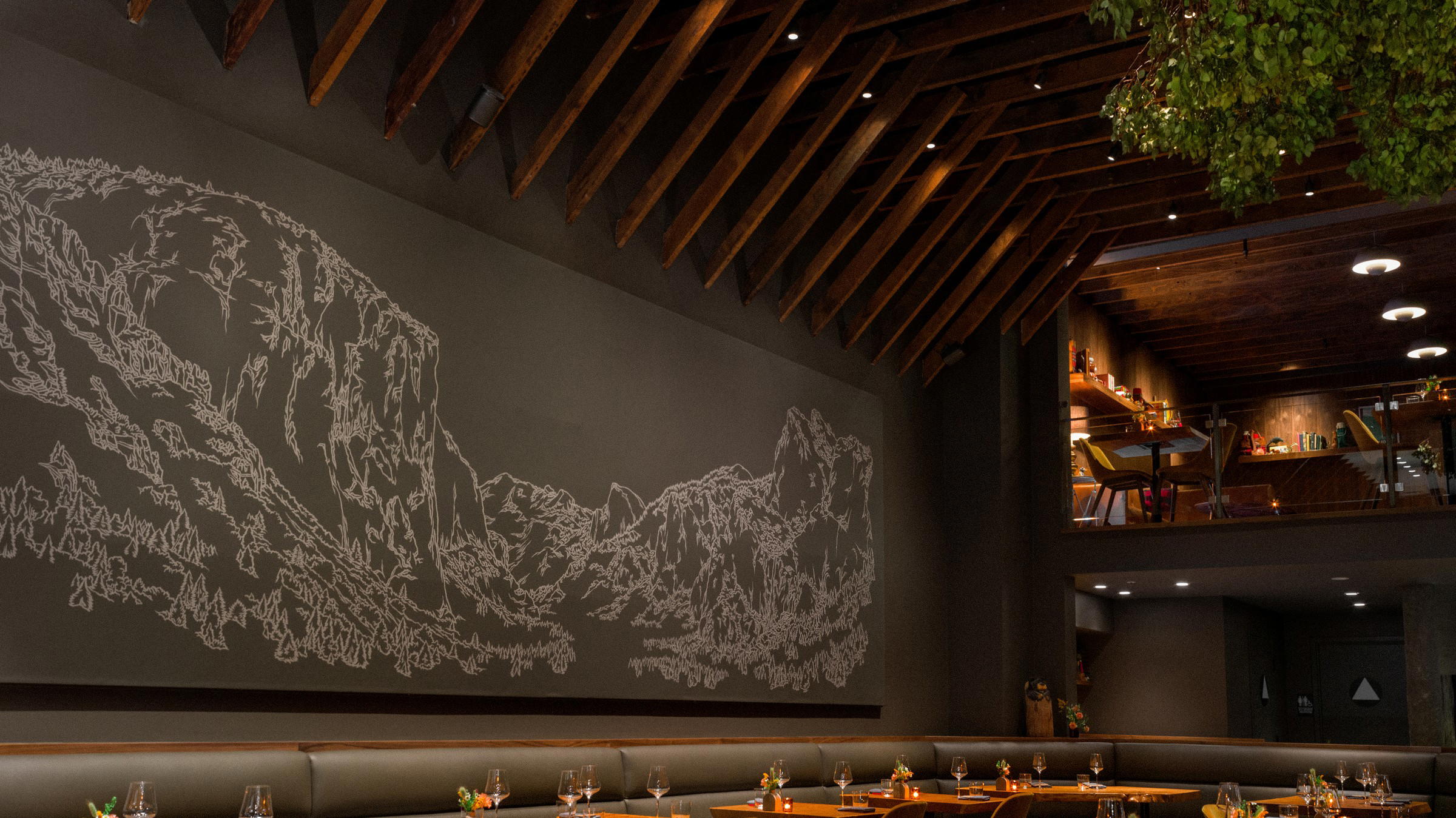
Lazy Bear opens its 2026 Summer Series with Opus One Director of Winemaking Meghan Zobeck for a career-retrospective wine dinner spanning Clos Apalta, Screaming Eagle, Bordeaux, Napa, and a summer ingredient menu.
Lazy Bear opens its 2026 Summer Series with Opus One Director of Winemaking Meghan Zobeck for a career-retrospective wine dinner spanning Clos Apalta, Screaming Eagle, Bordeaux, Napa, and a summer ingredient menu.
Lazy Bear's Meghan Zobeck wine dinner is one of those events where the headline undersells the point. The July 16, 2026 dinner launches Lazy Bear's 2026 Summer Series with Opus One's Director of Winemaking in the room and a career-retrospective wine pairing built around the places that shaped her palate: Clos Apalta in Chile, Bordeaux, Piedmont, the Barossa, Screaming Eagle, Burgess Cellars, Stag's Leap Wine Cellars, and the next chapter at Opus One.
Meghan Zobeck, often called Meg in the wine world, did not move into winemaking until 2012. That makes the arc more interesting, not less. Her first vintage was at Clos Apalta in Chile, followed by harvest work in Piedmont, Bordeaux, and the Barossa before she narrowed her focus on Napa. Since then, her path has run through Stag's Leap Wine Cellars, Screaming Eagle, Burgess, consulting work with Philippe Melka, and her own M. Zobeck wines. Lazy Bear is using that journey as the spine for the evening: a retrospective of wines from her career, paired with a summer ingredient menu, with the beverage pairing included in the ticket price.
The event is scheduled for Thursday, July 16, 2026 at 6:30 PM at Lazy Bear in San Francisco, with tickets listed from $1,205 per person. The official event copy frames it as the first evening of the Lazy Bear 2026 Summer Series, and that matters because Lazy Bear is at its best when the room feels like a hosted dinner party rather than a conventional fine-dining sequence.
The obvious draw is Opus One poured with the person helping guide its next chapter. The deeper appeal is that the dinner is structured around a winemaker's formation. Zobeck's path moves from Chile to Europe to Australia and then into Napa's most watched cellars, so the wines are not random prestige bottles. They are a map of influence.
That map gives the night real shape. Opus One brings Napa polish and Bordeaux ambition. Screaming Eagle brings the cult-estate side of Oakville. Clos Apalta brings Chilean altitude, architecture, and New World ambition. Bon Pasteur brings Pomerol and Bordeaux texture. Stag's Leap and Burgess add Napa history. Lazy Bear brings the fire, preservation, open kitchen, and communal rhythm that made it famous.
For En Primeur Club readers, this is exactly the kind of dinner that deserves a proper preview because it is not just a luxury reservation. It is a guided evening about how a modern winemaker gets made, hosted inside a restaurant with its own unusual origin story.
The first thing to understand about this dinner is that Meghan Zobeck is not being presented as a generic famous winemaker guest. Her own story is the structure of the event. She made the transition to winemaking in 2012, beginning with her first vintage at Clos Apalta in Chile before taking harvests in Piedmont, Bordeaux, and the Barossa. That international sequence matters because it gives the dinner a wider vocabulary than a standard Napa-only wine dinner.
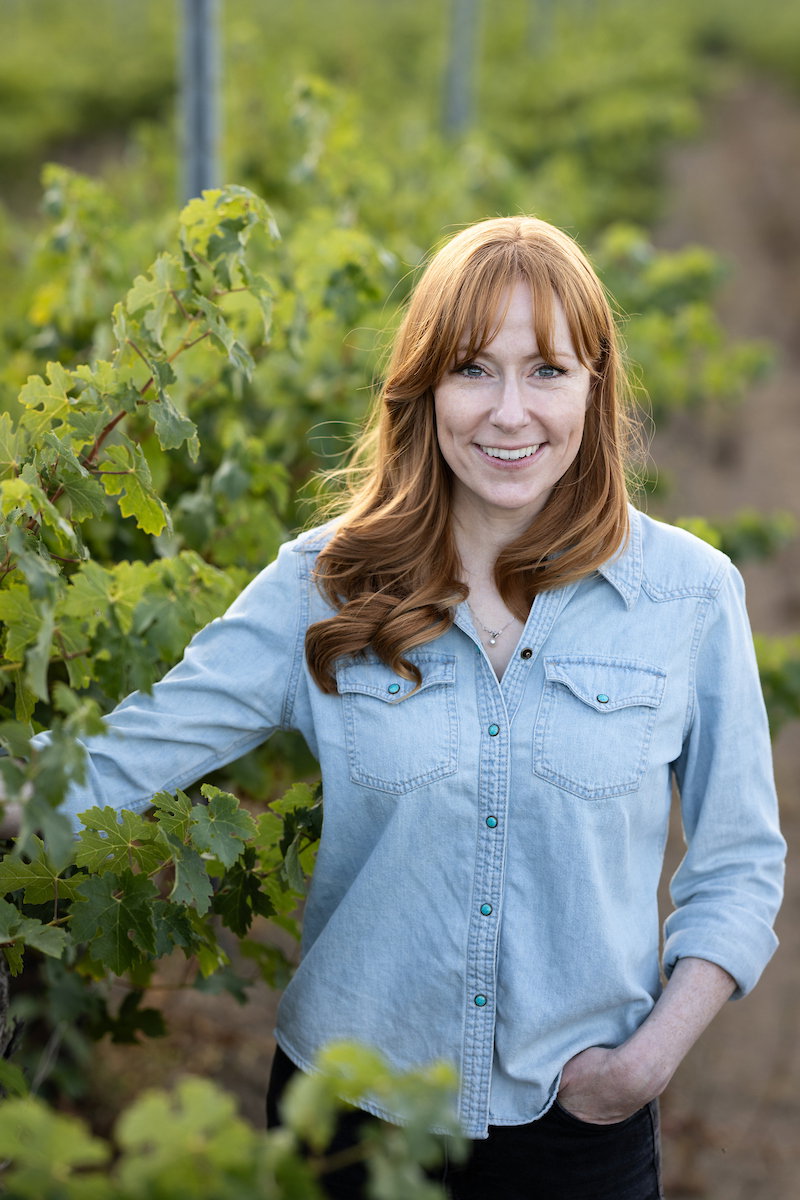
After those early global chapters, Zobeck's Napa path moved through some of the valley's most serious addresses. Stag's Leap Wine Cellars connects her to one of Napa's defining Cabernet stories. Screaming Eagle connects her to among the more watched and protected names in American wine. Burgess Cellars adds another Napa mountain-and-cellar reference point, while her consulting work with Philippe Melka places her near one of the region's most influential winemaking networks. Somehow, she still finds room for her own M. Zobeck wines.
Her current role at Opus One gives the dinner its present-tense importance. Opus One is not just another Napa label; it is one of the clearest expressions of the Bordeaux-meets-Napa idea, built around a single grand wine, an estate identity, and a level of global collector recognition few California wineries can match. Zobeck now has influence from vineyard through winery, which makes hearing her talk through this retrospective especially compelling.
That is why a dinner like this can be more interesting than a normal vertical or a normal winery dinner. It is not just about tasting famous bottles. It is about tasting the places, harvests, mentors, and cellar decisions that shaped the person now helping guide Opus One.
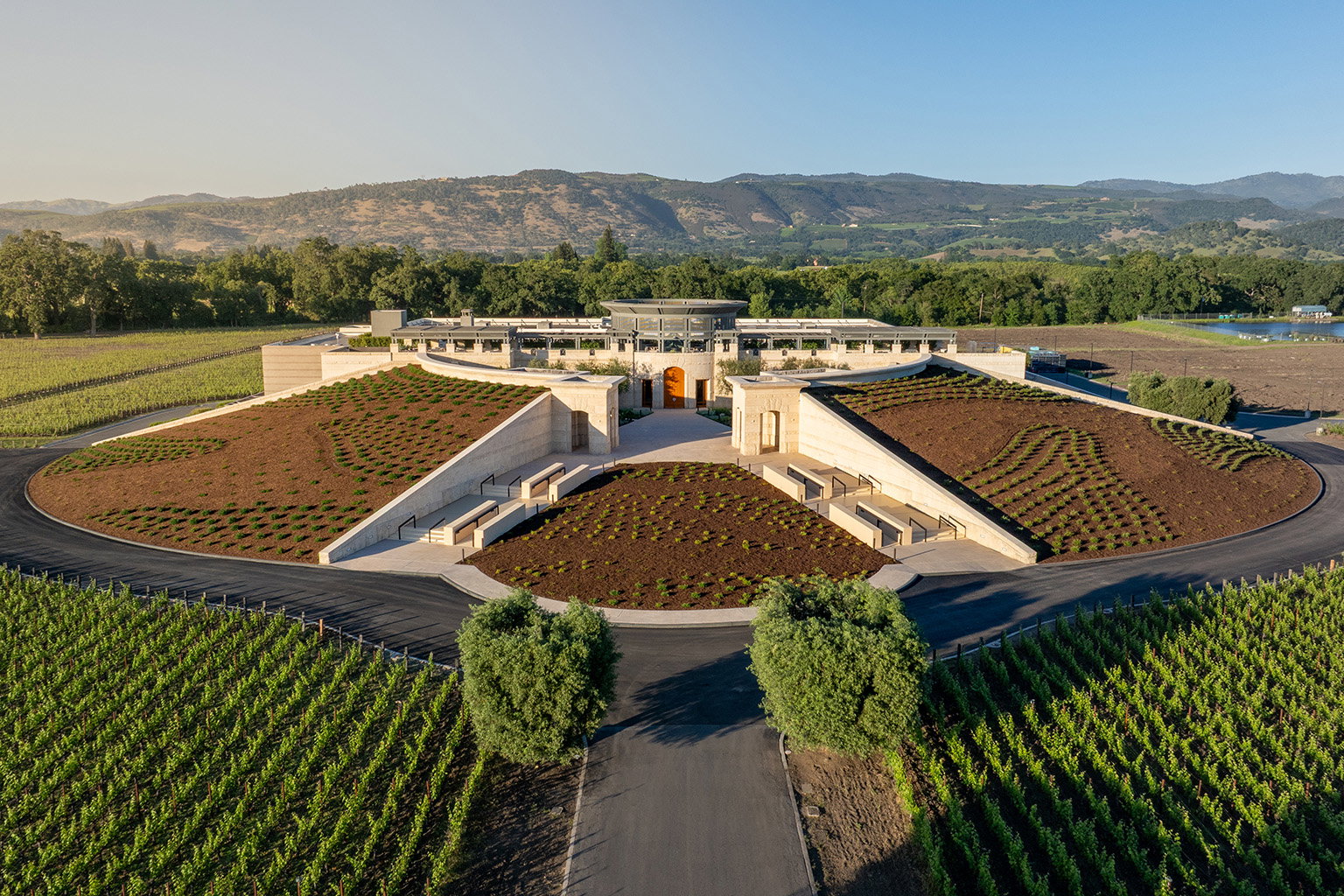
The release copy frames the evening as a retrospective of wines from Zobeck's career, and the event materials point to Opus One, Screaming Eagle, Bon Pasteur, Clos Apalta, and more. Exact final vintages should still be confirmed closer to the dinner, but the arc is already strong enough to understand why this night matters.
Opus One is the anchor. Expect the room to treat it as the present tense of the dinner: where Zobeck is now, what she is stewarding, and how Napa's most internationally recognizable partnership continues to evolve.
Screaming Eagle brings a different kind of Napa gravity. The event context references Screaming Eagle and The Flight, which should make the pairing especially interesting because it moves the conversation away from only Cabernet power and into texture, perfume, and the softer structural side of Oakville.
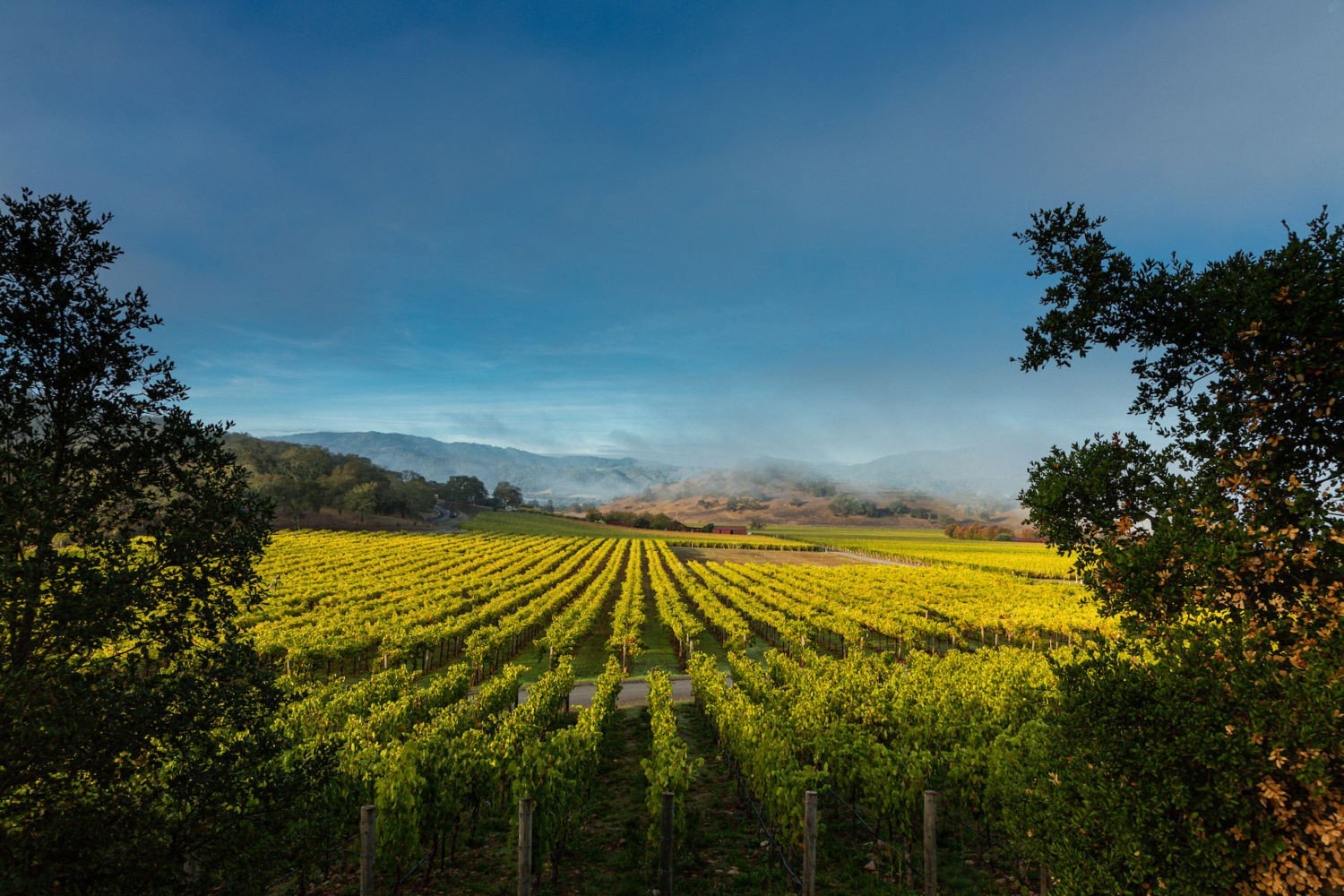
Bon Pasteur adds a Bordeaux point of reference. Pomerol gives the dinner a way to talk about Merlot without reducing it to softness. In the right context, that means depth, spice, flesh, and polish. It also gives Lazy Bear's kitchen room to pair around savory richness rather than only grilled beef or Cabernet-driven intensity.
Clos Apalta brings Chile into the conversation and gives the dinner a broader New World lens. Clos Apalta is one of those wines that makes sense in a career dinner because it is not just another label. It carries its own architecture, terroir, and ambition, and it helps explain why Zobeck's background is more international than a simple Napa resume.
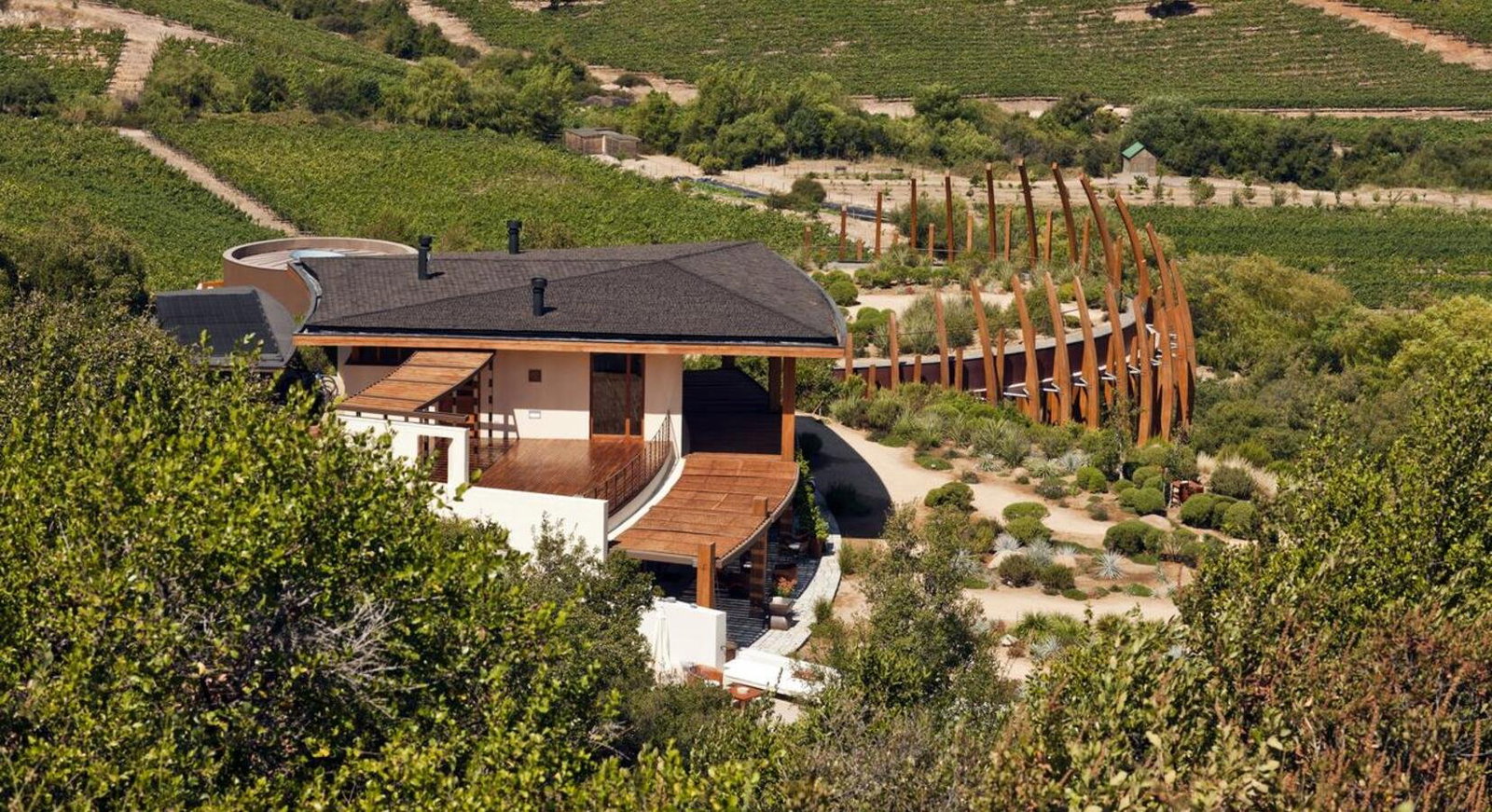
The especially good version of this dinner is not a trophy parade. It is a guided tasting of influence: Chile, Bordeaux, Piedmont, Barossa, Napa, cult wine, and Opus One's future. With beverage pairing included, guests should be able to follow the story without treating each pour as a separate luxury object.
Lazy Bear is the right room for this because the restaurant already thinks in stories. David Barzelay started Lazy Bear as an underground dinner party before it became a permanent Mission District restaurant in 2014, and that origin still matters. The restaurant earned a Michelin star in its first eligible year and rose to two stars the following year, but the more important detail for this event is that the room still understands how to make fine dining feel hosted. Even now, the experience is built around a sense of shared discovery: a kitchen you can see, a room that feels alive, and a meal designed to make strangers feel like they have entered the same evening together.
The restaurant holds two Michelin stars, and its style is often described as modern American, but that label is too flat for what Lazy Bear actually does. The better description is seasonal, fire-and-fermentation-driven, nostalgic without becoming sentimental, and intensely Californian. It can make something as simple as an egg or a piece of bread feel like part of a larger memory.
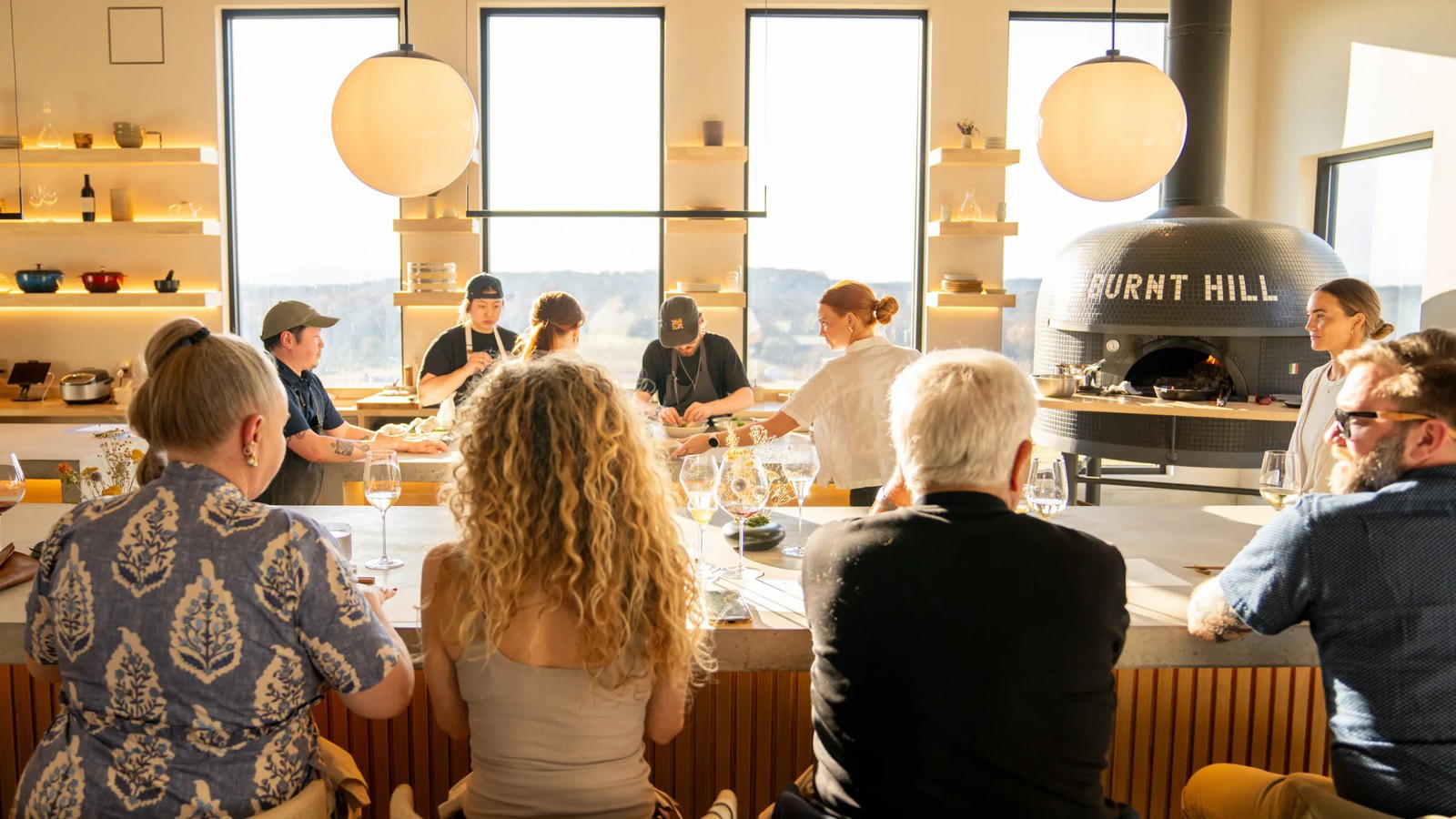
The dining room is also part of the appeal. Lazy Bear's long tables, open kitchen, and Mission District energy give wine dinners a different pulse from the more formal white-tablecloth version. For a winemaker dinner, that matters. It lets the guest of honor move between technical detail and dinner-party warmth.
Lazy Bear has a set of dishes and habits that have become part of its identity. The famous one is the whipped scrambled egg, often described with bacon, maple, and hot sauce, served in an eggshell and landing somewhere between childhood breakfast and fine-dining snack. Other Lazy Bear reference points include cultured butter and bread service, seafood framed with precise sauces, dry-aged Sonoma County duck, coal-roasted wagyu ribeye, seasonal produce, preservation, and desserts that pull from childhood memory without losing control. That matters for a wine dinner because the food can be playful without being unserious.
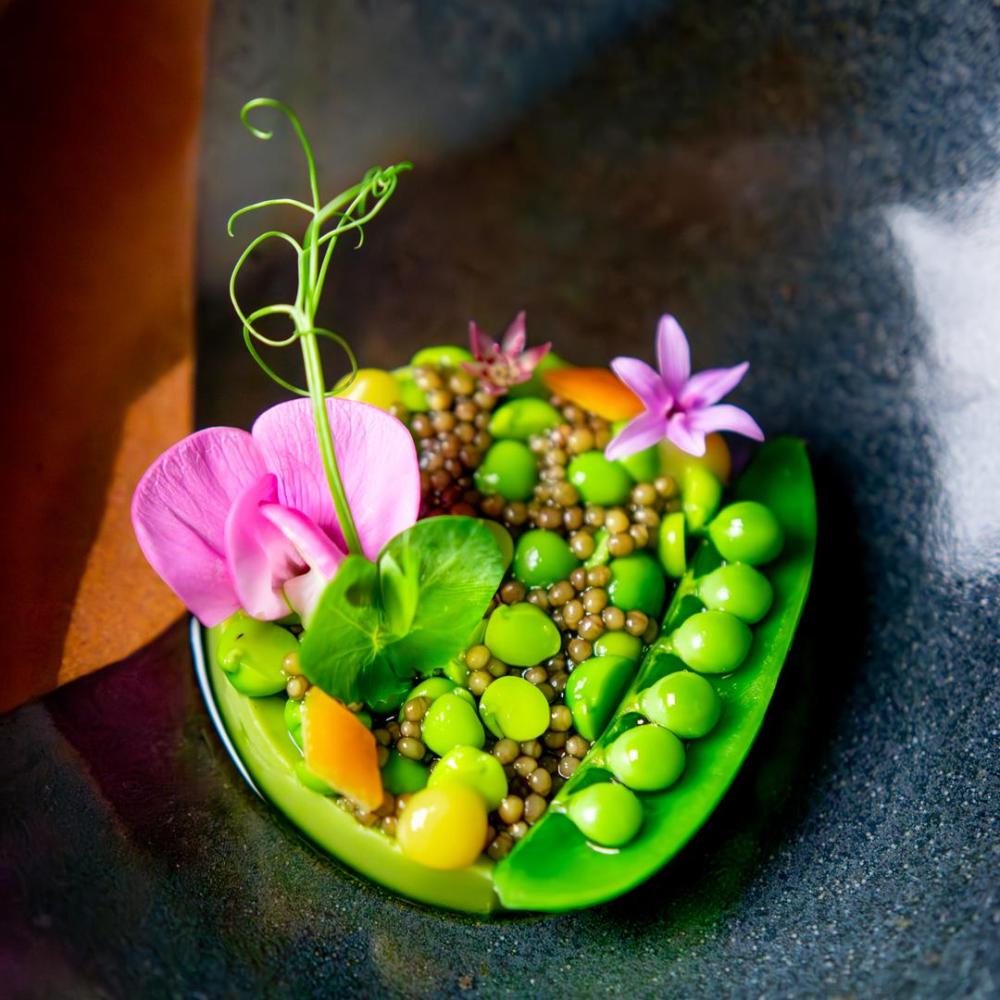
For the Meghan Zobeck Summer Series dinner, the promise is a summer ingredient menu built to move with a career-retrospective wine pairing. The right expectation is Lazy Bear cooking through peak-season California produce, smoke, preservation, texture, and richness while the wines move through Zobeck's career.
That could mean richer savory courses for Screaming Eagle and Opus One, something more aromatic or herbal for Clos Apalta, and a Bordeaux-friendly moment for Bon Pasteur. The reason that pairing challenge is exciting is that Lazy Bear does not cook like a generic steakhouse. The kitchen can meet collectible wine with smoke, preserved acidity, broth, seafood, mushrooms, aged meats, fruit, and texture. That is the kind of food that can make a serious wine dinner feel alive instead of heavy.
The communal format is not a cosmetic detail. Lazy Bear's early identity was built around the feeling of a dinner party, and the 2026 Summer Series intentionally leans back into that. For a dinner with Zobeck, that should help the room. Instead of a stiff lecture between pours, the format can let guests talk across the table, ask questions, and feel the throughline between bottles.
A great winemaker dinner depends on pacing. The first pours should establish why everyone is there. The middle should open up the career story. The final stretch should leave people with a clearer sense of the winemaker's point of view. Lazy Bear's shared-table setup gives the dinner a better chance at that kind of arc.
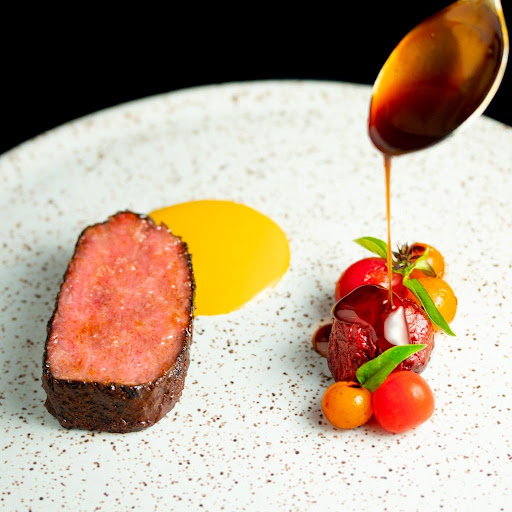
The Opus One section will likely be especially closely watched, but the Screaming Eagle and Bon Pasteur pieces may be where the conversation gets especially interesting. A dinner that includes both Napa cult wine and Pomerol can talk about power, restraint, Merlot, oak, farming, ripeness, and cellar decisions without turning into a lecture.
This is the kind of event that makes sense for collectors who already know the names, but it may be even better for people who want to understand why those names matter. If you have only tasted Opus One in a restaurant or cellar setting, hearing from Zobeck in a room like Lazy Bear gives the wine more context. If you know Screaming Eagle mostly as an allocation myth, tasting The Flight in this lineup makes it part of a broader story rather than just a status symbol.
The price is serious, so the event needs to be judged against the actual components: two-Michelin-star Lazy Bear, communal Summer Series format, beverage pairing included, and a wine list tied to one of the more interesting winemaking careers in Napa right now. On that basis, it is not a casual dinner. It is a collector-level evening with a hospitality format that should make it feel less rigid than a conventional luxury wine dinner.
Strong audience is clear. Book this if you care about Opus One, if you follow Napa winemaking, if you want to taste Screaming Eagle contextually rather than as a trophy, or if you like Lazy Bear most when the restaurant feels like a room full of people rather than a sequence of plates.
It is also a good fit for anyone who wants future content ideas from a single night. There are at least four stories in this event: Zobeck's career, Opus One's next phase, Lazy Bear's communal format, and how serious wine behaves with a creative San Francisco kitchen.
Yes, if you care about Opus One, Napa winemaking, and rare wine dinners that are built around a real career arc rather than only famous labels.
The event materials point to Opus One, Screaming Eagle, Bon Pasteur, Clos Apalta, and more as part of a retrospective of wines from Zobeck's career. Exact final bottles and vintages should be confirmed closer to the dinner.
Yes. The release copy states that the beverage pairing is included in the ticket price.
For this 2026 Summer Series, Lazy Bear says it is returning to the communal format, which is important because the restaurant's history began as an underground dinner party.
Lazy Bear is a two-Michelin-star San Francisco restaurant known for modern American cooking, open-kitchen energy, seasonal ingredients, preservation, fire, and a hosted dinner-party feel.
Meghan Zobeck is Director of Winemaking at Opus One. Her path includes a 2012 transition into winemaking, a first vintage at Clos Apalta in Chile, harvests in Piedmont, Bordeaux, and the Barossa, Napa roles connected to Stag's Leap Wine Cellars, Screaming Eagle, and Burgess, consulting with Philippe Melka, and her own M. Zobeck wines.
The Lazy Bear Summer Series Meghan Zobeck dinner is compelling because it is specific. It is not just Opus One at a famous restaurant. It is Opus One's current winemaking voice, a retrospective of the places and cellars that shaped her, Screaming Eagle context, Bordeaux and Chilean reference points, and Lazy Bear's communal San Francisco format in one room. If the execution matches the premise, this should be one of the more interesting wine dinners in San Francisco in 2026.
Get the App
Take the shortlist into the En Primeur Club app for concierge access, saved places, and the next step after discovery.
Get Exclusive AccessMore from the editors