← Guides
Michelin debuts Burgundy wine rankings, Opus One announces Michael Silacci's retirement after 25 years, and Decanter's Rioja Report 2026 charts a region at a crossroads.
Michelin debuts Burgundy wine rankings, Opus One announces Michael Silacci's retirement after 25 years, and Decanter's Rioja Report 2026 charts a region at a crossroads.
Michelin has crossed into wine ratings with its first Burgundy selection, awarding nine producers its highest three-grape distinction. Opus One's Michael Silacci will retire after the 2026 harvest, closing a 25-year chapter in Napa.
And Decanter's Rioja Report 2026, a tasting of more than 540 wines, frames the region as a place of creative tension, where small producers innovate and legacy estates consolidate.
The week also brought personnel moves in British Columbia and Tuscany, fine wine market data from WineCap, climate pressures tightening across Veneto and France, and new luxury experiences in Napa's To Kalon Vineyard and Tuscany's Chianti hills.
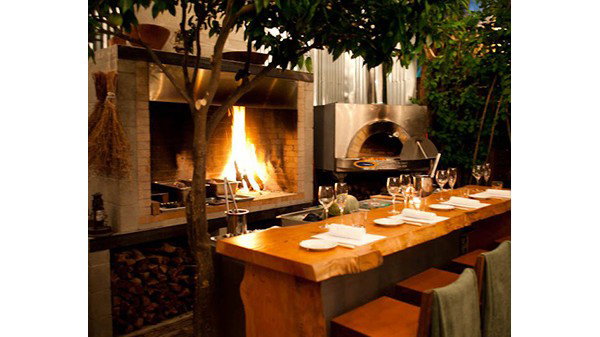

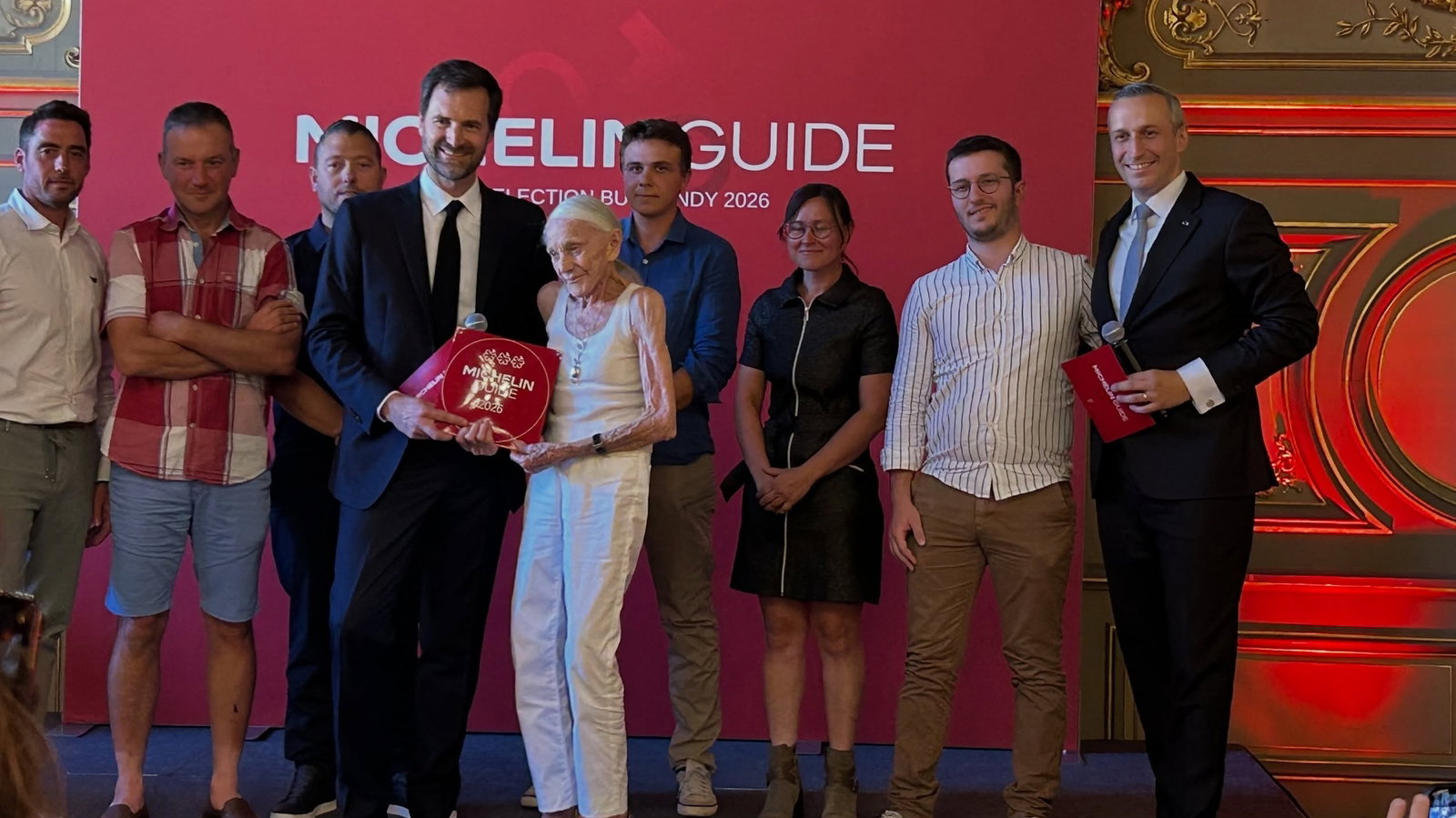


The Michelin Guide has unveiled its inaugural Burgundy wine selection, awarding its highest three-grape distinction to nine producers as the company expands beyond restaurants and hotels into wine ratings. The move brings Michelin's evaluative framework, familiar to diners for a century, into direct contact with Burgundy's grower community, a region already dense with critical attention from Parker, Burghound, and Decanter. The three-grape tier sits atop a system that mirrors Michelin's restaurant stars in structure if not in name.
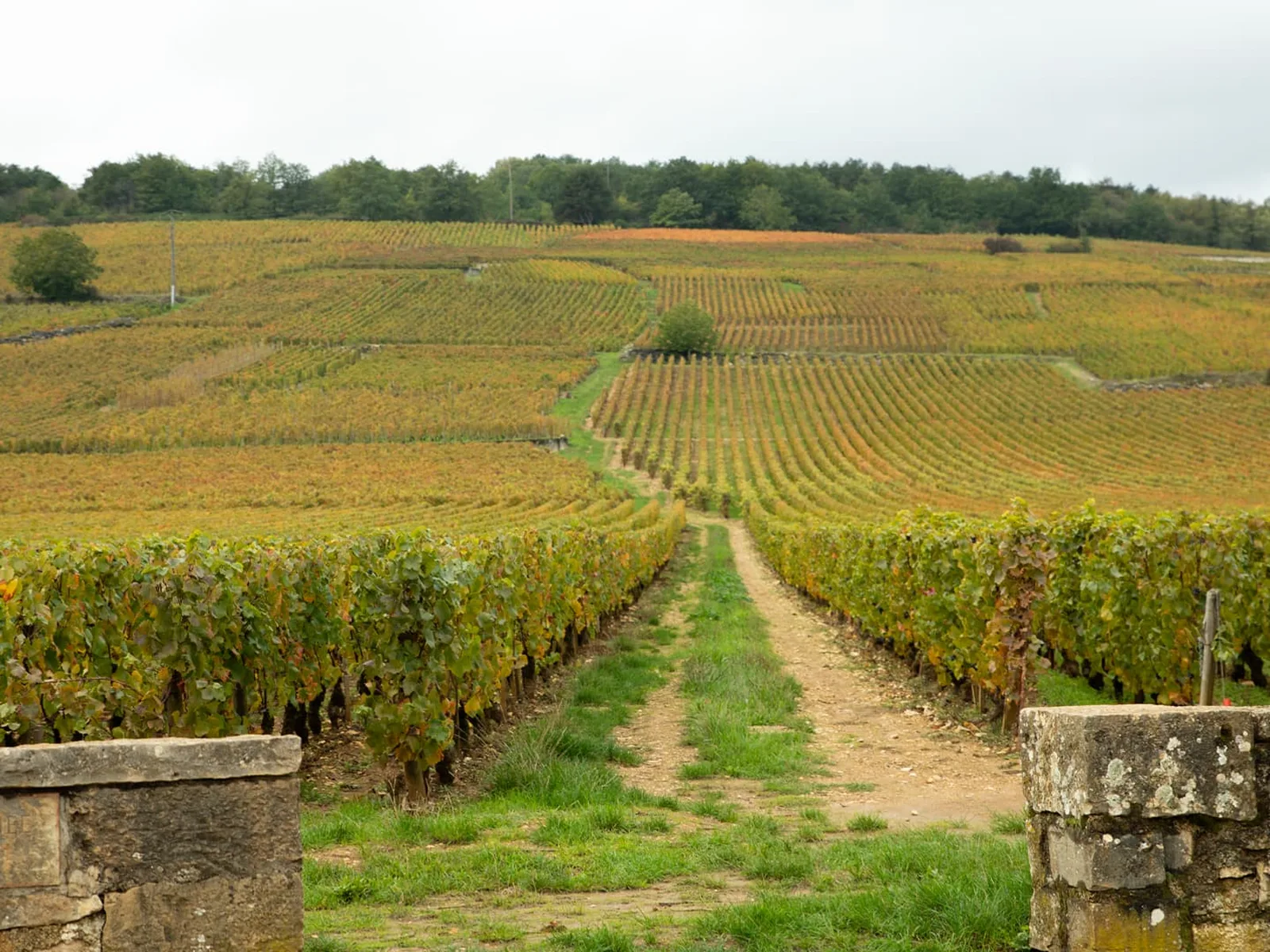
The guide did not disclose the full list of awarded producers or the criteria weighting terroir, winemaking, and consistency, but the selection marks Michelin's first sustained entry into wine evaluation.
For collectors, the question is whether Michelin's brand authority will move allocation queues or simply add another layer of credential to estates already trading at the summit of the Liv-ex Burgundy 150. Burgundy's allocation system has long operated through relationships, restaurant placements, and importer ties rather than published scores alone.
Michelin's entry adds a hospitality-world lens to a region where sommeliers and restaurateurs already hold significant buying power. The timing also matters: Burgundy's 2023 and 2024 vintages are entering the market now, and any Michelin-driven demand shift will show up first in allocation requests for those years.
Opus One Winery announced that winemaker Michael Silacci will retire following the completion of the 2026 harvest, closing a 25-year tenure that shaped the estate's style and market position. Silacci's run began in 2001, a period that saw Opus One refine its Bordeaux-varietal blend and maintain its place as one of Napa's most allocated labels. The estate has not named a successor, and the timing, mid-growing season, suggests the search is underway.
For collectors tracking Opus One's secondary market, the transition merits attention: winemaker changes at blue-chip estates often create vintage-specific demand spikes as buyers hedge against stylistic drift. The 2026 vintage will be Silacci's final statement, and the 2027 will be the first test of continuity under new hands.
Opus One's production model, a single wine released annually, with no second label or reserve tier, means every vintage carries the full weight of the estate's reputation. Silacci's 25 vintages established a house style built around precision, balance, and ageability rather than power or extraction.
The question for the next winemaker is whether to preserve that continuity or introduce a new signature. Either path carries risk: too much change alienates the mailing list, too little invites comparisons that may not favor the successor.
Decanter's Rioja Report 2026 surveyed more than 540 wines and framed the region as a place of creative tension, where small producers innovate and legacy estates consolidate. The report, judged by Beth Willard and the author, identified a new canon of producers whose wines topped scoring charts across categories, questioning where Rioja is heading by reminding everyone where it came from. The year after Rioja's centenary celebration, the report sees the region at a tipping point: leveraging its explosion of potential relies on supporting small producers as innovators and big producers as consolidators, while balancing legacy and progress.
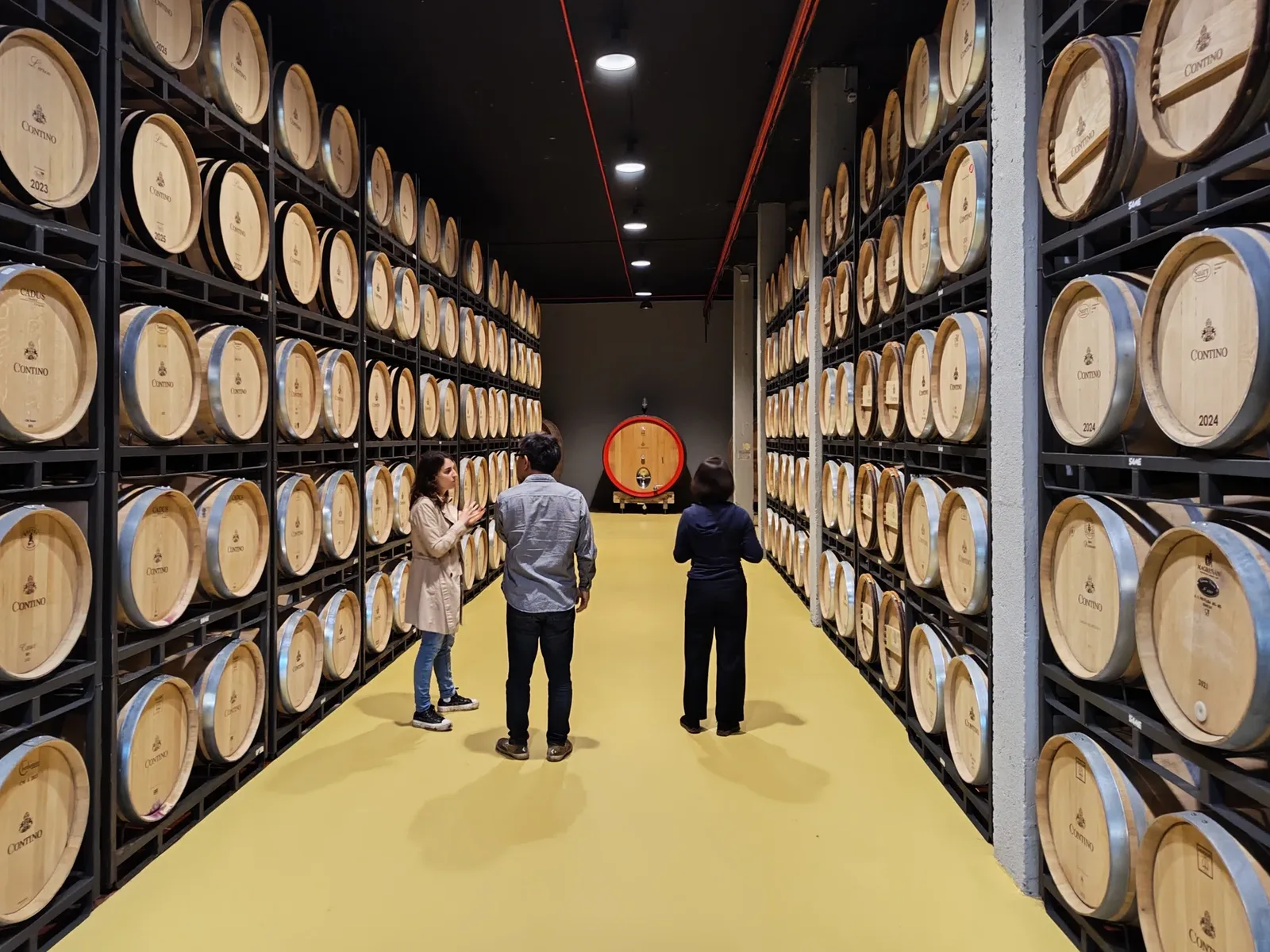
Pablo Franco, technical director at DOCa Rioja, identified this as a key goal. The report's sections covered white Rioja, Crianza and Reserva, rosado and clarete, Vino de Municipio and Viñedo Singular, and the genérico category, each charting stylistic expressiveness and terroir-driven character.
White Rioja showed an outstanding performance, described as a category on track to produce a steady stream of wines that compete internationally. The Crianza and Reserva sections highlighted rock-steady quality, while the rosado and clarete category was framed as a sleeping giant.
The Vino de Municipio and Viñedo Singular section explored single-site excellence and a sense of terroir unfolding, while the genérico category, despite its name, showcased untamed expressions of Rioja rather than generic wines.
For collectors, the report's message is that Rioja is producing wines of never-before-seen quality, and the region's maverick independent growers are now establishing themselves as the classics of the future. The challenge ahead is whether Rioja can evolve beyond its traditional age-based categories while preserving and fine-tuning those same categories.
Stylistic freedom based on a vineyard-first purity principle is necessary, but so is the continuation of the Crianza-Reserva-Gran Reserva framework that has defined Rioja for decades.
The report suggests that both paths are not incompatible, but navigating the tension between them will determine whether Rioja's current momentum consolidates into lasting relevance or fragments into competing visions of what the region should be.
Alessia Antinori has been appointed president of Primum Familiae Vini for the 2026 to 2027 term, representing the twenty-sixth generation of the Antinori family in Tuscany. PFV is an association of twelve of the world's leading wine families, and under Antinori's presidency, the group will explore art, architecture, and wine as expressions of enduring legacy. The appointment continues a pattern of generational succession within PFV's membership, where family continuity is both credential and organizing principle.
For travelers and collectors, PFV estates, including Antinori's Tignanello and Solaia, often offer access through member events and private tastings that sit outside standard allocation channels.
The association's focus on art and architecture under Antinori's presidency suggests programming that connects wine to broader cultural heritage, a natural fit for estates where cellars, estates, and landscapes are designed as integrated experiences.
Antinori's own properties in Tuscany, including the Bargino winery with its subterranean architecture and the Tignanello estate in the Chianti Classico hills, already function as destinations where wine, design, and place converge.
The PFV presidency gives Antinori a platform to extend that vision across the association's twelve families, which span Bordeaux, Champagne, the Mosel, and beyond.
The first half of 2026 marked "a turning point" for fine wine investors, according to WineCap's Q2 report, with Bordeaux back vintages dominating trade and the market rewarding disciplined buying. Prices held broadly stable across the Liv-ex 100, and demand concentrated on estates with proven secondary-market liquidity rather than speculative new releases. The report frames H1 as a period of selectivity, buyers favoring wines with track records over unproven appellations or experimental cuvées.
For collectors, the takeaway is that the fine wine market is tightening around a smaller set of blue-chip names, and allocation access to those estates is becoming the primary gatekeeper rather than capital alone.
The shift toward disciplined buying reflects a broader recalibration in the fine wine market, where the speculative fervor of earlier years has given way to a focus on wines that hold value through economic cycles.
Bordeaux back vintages, particularly the 2015, 2016, and 2019 releases, have shown resilience in secondary trading, and buyers are using those vintages as benchmarks for future purchases. Bordeaux en primeur sales rose modestly in the 2026 campaign, according to Decanter's investment coverage, though the report did not specify volume or value figures.
The uptick follows several years of cautious buying, as collectors weighed climate volatility, pricing strategy, and the secondary market's preference for mature vintages over futures.
The phrase "up a little" suggests incremental rather than structural change, a sign that en primeur remains a niche channel for Bordeaux rather than the dominant sales model it once was.
Emily Faulconer has joined Well-known Wineries of British Columbia as technical director, moving from Chile's Viña Carmen and Viñedos Chadwick, where she crafted upper-end expressions. The BC-based group includes Mission Hill and other estates working with Okanagan Valley's diverse mesoclimates. Faulconer's track record in Chile, a region that shares latitude and diurnal range with parts of BC, positions her to work with the province's cooler-climate Pinot Noir and Chardonnay as well as its warmer-site Syrah and Merlot.
The hire signals Well-known Wineries' intent to deepen its technical bench as BC wine gains traction with collectors looking beyond California and Oregon. British Columbia's wine industry has grown rapidly over the past two decades, with the Okanagan Valley emerging as a region capable of producing age-worthy wines that compete with established appellations.
Faulconer's experience at Viñedos Chadwick, a Chilean estate known for its single-vineyard Cabernet Sauvignon, brings a focus on site-specific winemaking that aligns with BC's own shift toward vineyard-designated bottlings and terroir-driven expressions.
For travelers, the Okanagan Valley offers a wine country experience that combines lake views, mountain backdrops, and a growing roster of estates with serious cellar programs and hospitality infrastructure.
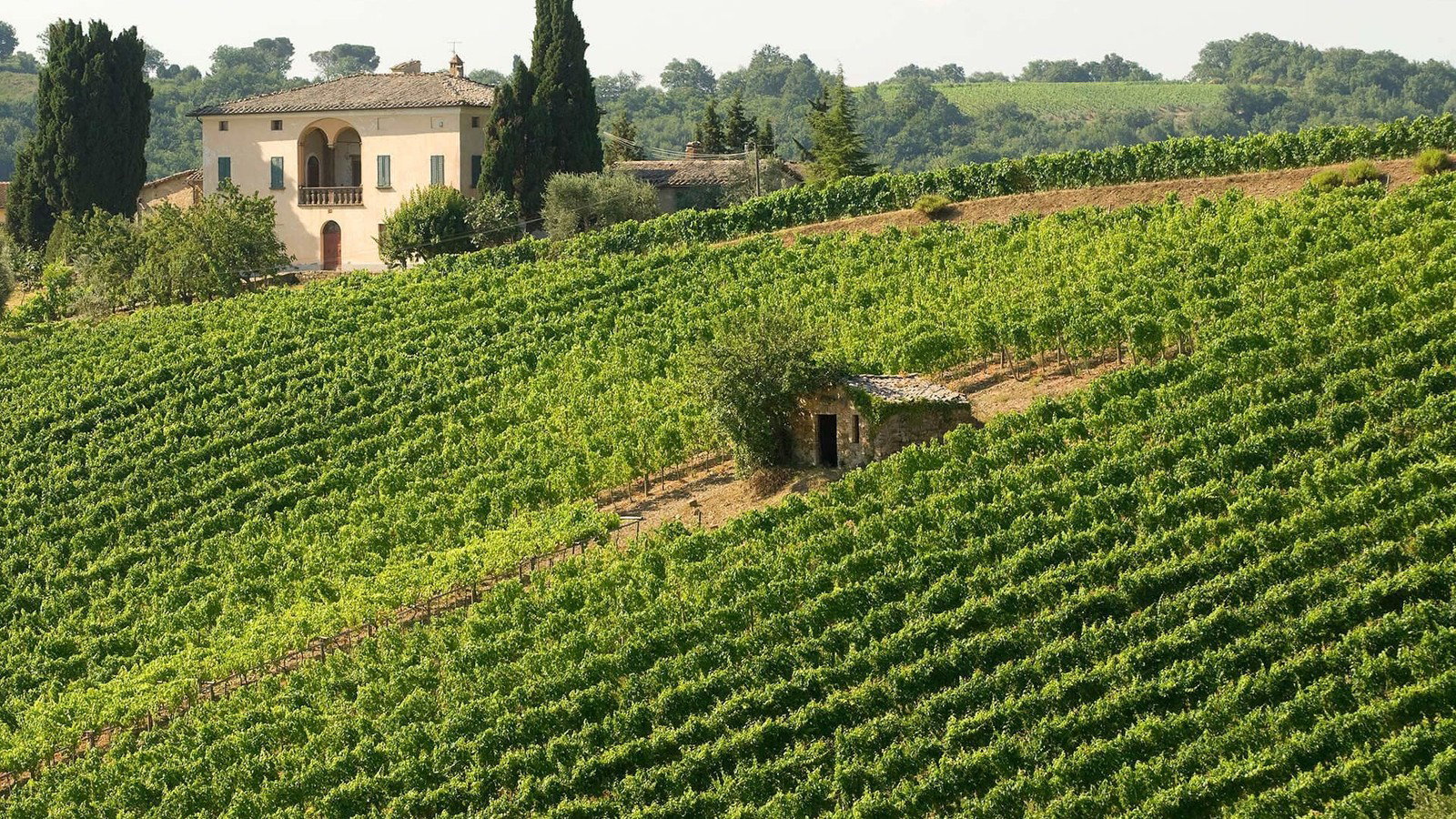
Chapter Chianti has opened in Tuscany's Chianti region, set within a restored 17th-century borgo spanning more than 50 hectares of vineyards, olive groves, and landscaped gardens. The property marks the second opening in the Chapter Italia portfolio and offers a base for travelers exploring Chianti Classico's producer community. The estate's scale, 50 hectares, positions it as a working vineyard rather than a boutique hotel with token vines, and the 17th-century architecture gives the property a sense of place that newer builds often lack.
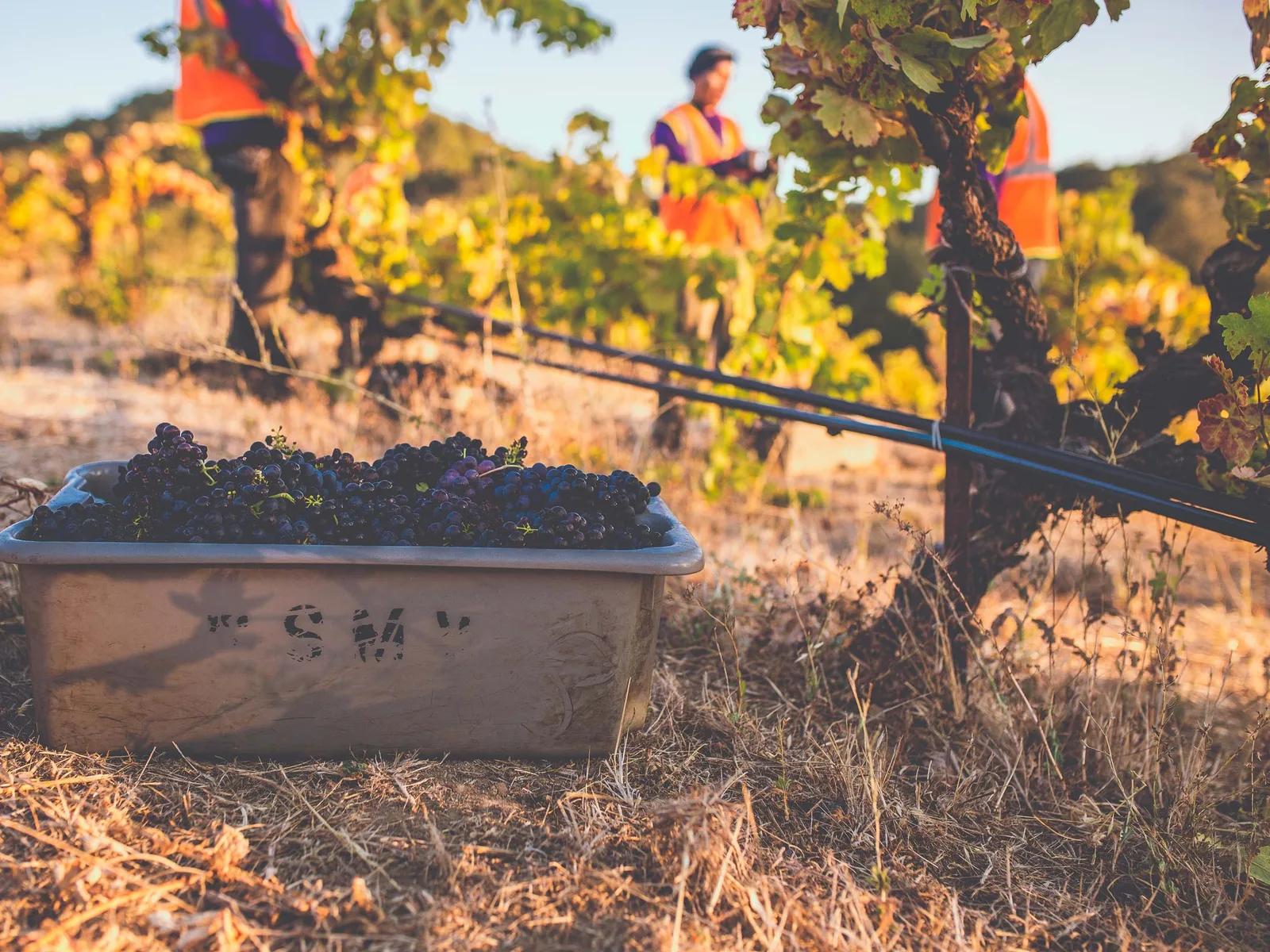
For wine-focused travelers, Chapter Chianti sits within reach of Gaiole, Radda, and Castellina, three of Chianti Classico's most densely planted communes.
The property's opening adds to a growing roster of wine-country accommodations in Tuscany that combine hospitality with working vineyards, allowing guests to experience harvest, cellar work, and tasting-room access as part of their stay.
The 17th-century borgo restoration also signals a broader trend in Italian wine tourism: properties that preserve historical architecture while integrating modern hospitality infrastructure.
For collectors planning a Tuscany trip, Chapter Chianti offers proximity to estates producing Chianti Classico Gran Selezione, the region's upper-tier designation, as well as access to smaller producers whose wines rarely leave the local market.
Veneto has declared a water emergency as drought conditions tighten across the region's wine country, according to Wine Industry Advisor. The declaration follows similar climate pressures in France, where vineyards are battling extreme heat. Veneto's emergency measures were not detailed in the source, but the timing, early July, ahead of veraison, suggests the region is managing irrigation access and water allocation to protect the 2026 vintage.
For collectors, drought declarations in major wine regions carry implications for vintage character and availability: water stress can concentrate flavors and reduce yields, but it can also push vines past their physiological limits, leading to uneven ripening or crop loss.
Veneto produces Valpolicella, Amarone, and Soave, and the region's drought will shape the character and availability of the 2026 vintage. Amarone in particular, a wine made from dried grapes that already concentrates sugars and flavors through appassimento, may see further concentration if drought conditions persist through harvest.
The water emergency also raises questions about long-term viticultural adaptation in Veneto, a region where irrigation has historically been limited and dry-farming practices have shaped the character of its wines.
If drought becomes a recurring pattern, producers may need to rethink rootstock selection, canopy management, and harvest timing to preserve both quality and yield.
For travelers planning a Napa trip, the Collective offers a way to compare To Kalon expressions side by side, a format that deepens understanding of how site and cellar interact.
To Kalon Vineyard has long been recognized as one of Napa's premier sites, with its Oakville location, alluvial soils, and proximity to the Mayacamas Mountains creating conditions that favor Cabernet Sauvignon.
The vineyard's division among multiple producers, including Robert Mondavi, Opus One, and others, means that To Kalon wines vary widely in style, from the restrained elegance of Mondavi's Reserve Cabernet to the structured power of other estate bottlings.
The Collective's guided format gives participants a structured way to explore those differences, with context on vineyard history, soil composition, and winemaking choices that shape each wine's character.
As climate and consumer tastes change, Cabernet Sauvignon's future still looks bright, according to winemakers at Casa Real and Château Lascombes. The article frames Cabernet as "a warrior variety," resilient in the face of shifting conditions.
The perspective from two estates, one in Chile's Maipo Valley, the other in Bordeaux's Margaux appellation, suggests that Cabernet's adaptability across climates and winemaking styles continues to secure its place in the global fine wine market.
For collectors, the message is that Cabernet remains a safe bet for long-term cellaring, with producers in both the Old World and New World committed to the variety despite pressures to diversify plantings or shift toward earlier-ripening grapes.
Château Brane-Cantenac celebrated a hundred years of ownership by the Lurton family last year with a commemorative label for the 2025 vintage, conceived as a bridge between past and present and accompanying a vintage of customary brilliance and depth.
Get the App
Take the shortlist into the En Primeur Club app for concierge access, saved places, and the next step after discovery.
Get Exclusive AccessMore from the editors