
A compact Jimbocho-area curry counter with wine in its DNA, Curry & Wine Bistro Beppinsha Ochanomizu ten belongs to Tokyo’s serious lunch-curry circuit rather than the city’s formal dining tier. Its Tabelog Curry TOKYO 100 selection in 2024 gives it a clear credibility marker, while the small-room format keeps the experience closer to a focused neighbourhood specialist than a polished destination restaurant.
Pearl is the En Primeur Club membership app — saves, bookings, and concierge access live there. Same editors, same standards.
- Address
- 2階, 3 Chome-10-1 Kanda Ogawamachi, Chiyoda City, Tokyo 101-0052, Japan
- Phone
- +81 80-7896-5596
- Website
- beppinsya.com
 Saves & bookings on Pearl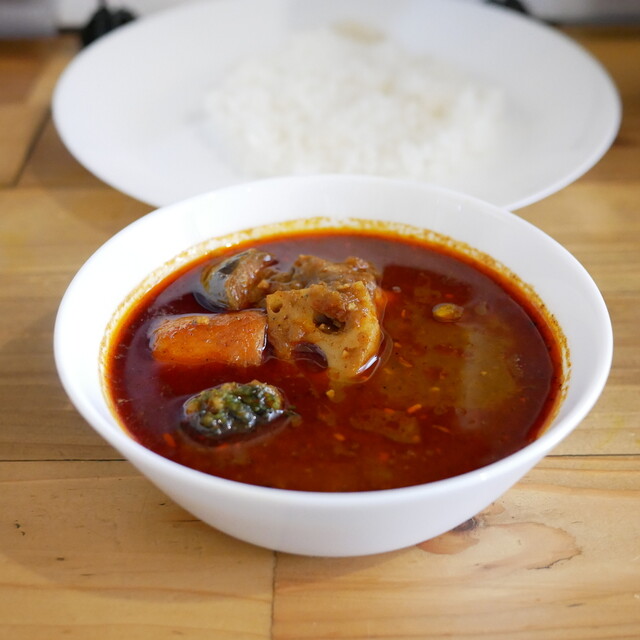
Climb to the second floor in Kanda Ogawamachi and the mood shifts from office-district Tokyo to the tighter rhythm of the city’s curry specialists: small room, counter culture, quick decisions, and a lunch crowd that knows why it is there. This part of Chiyoda sits between Jimbocho’s bookshops, Ochanomizu’s student traffic, and Kanda’s workday appetite, helping explain the area’s unusual curry depth. The category rewards precision and repeatability: a bowl must work for a short break, while the better addresses have enough personality to pull diners across town.
Curry & Wine Bistro Beppinsha Ochanomizu ten fits that Tokyo pattern. The name suggests a bistro inflection, but the operating logic is closer to the city’s compact curry rooms than a wine-bar dinner address. Tabelog selected it for Curry TOKYO 100 in 2024, and its history of earlier selections places it inside a documented group of Tokyo curry specialists rather than a broad casual-dining field. That matters because curry in Tokyo is not one genre: it splits between old-school rice-and-roux counters, spice-curry shops, soup-curry formats, café-adjacent plates, and more health-conscious variations. The Ochanomizu branch sits mid-spectrum: accessible, tightly focused, and built around a meal that needs no ceremony to justify attention.
Jimbocho curry culture, viewed through a small second-floor room
Jimbocho and its surrounding blocks have long treated curry as working-city food with specialist ambition. Students, publishers, outdoor-equipment shops, offices, and secondhand bookstores create steady demand for meals that are fast without feeling anonymous. Nearby curry addresses compete at similar prices while serving different habits: Soup Curry Ya Oodori Chiyoda kandasurugadai ten belongs to the soup-curry lane, Curry Ya Banbi works in an everyday Tokyo curry grammar, and Curry Rice Senmon Ten Ethiopia Honten carries a longer local curry tradition. Koseto Coffee Ten and HINATA-YA show how casual formats nearby blur café, lunch, and curry-adjacent use cases.
Against that backdrop, the bistro-and-wine cue is a positioning signal, not decoration. Tokyo has many curry shops where the room is purely functional; here, the category sits closer to an adult lunch room, compact and practical but not interchangeable with a chain counter. The Tabelog score of 3.77 gives a useful public-temperature reading in a market where curry obsessives compare closely. The award recognition is stronger, because Tabelog’s Curry 100 lists are category-specific and city-specific, separating this address from general casual restaurants that happen to serve curry.
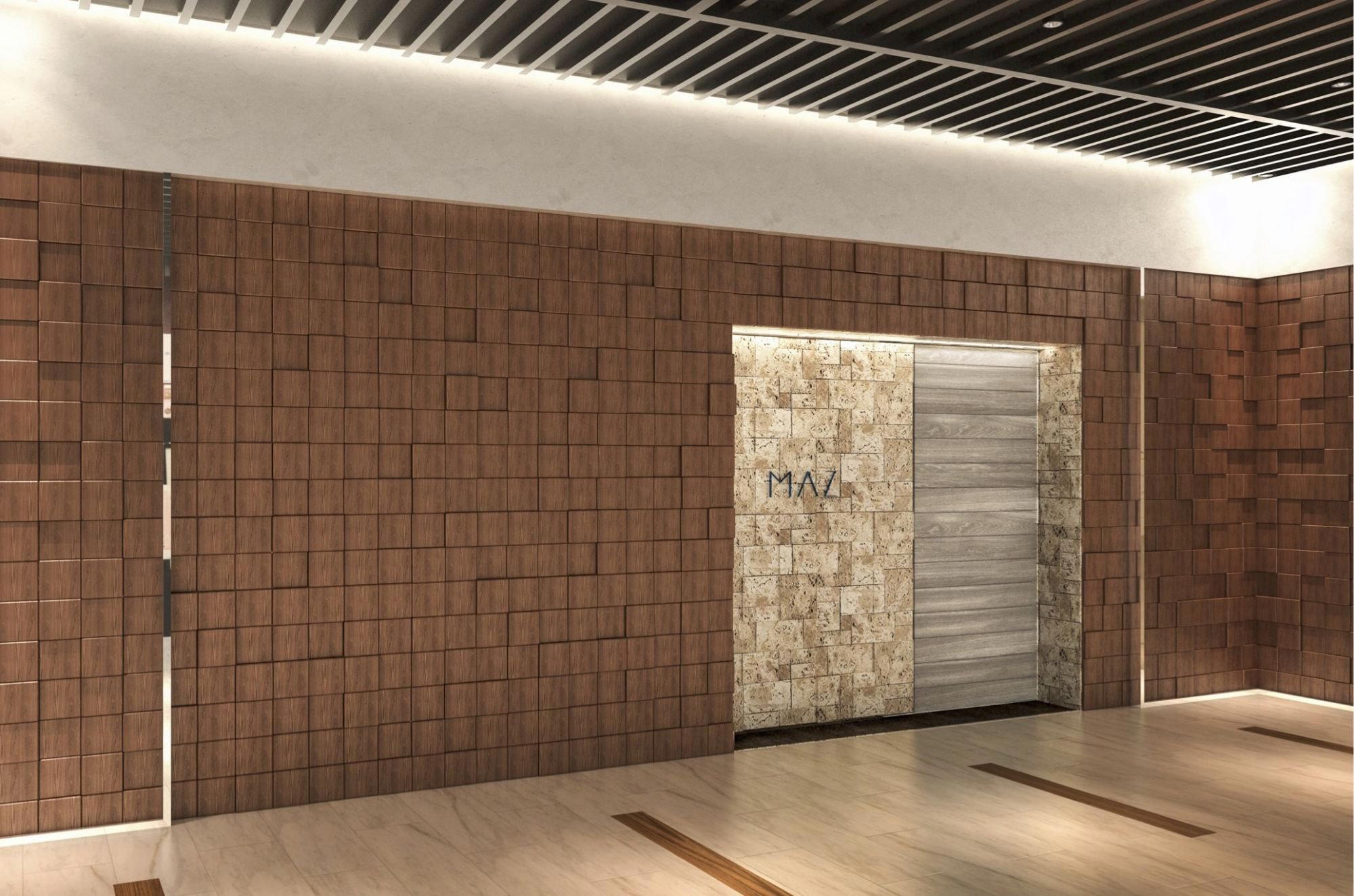
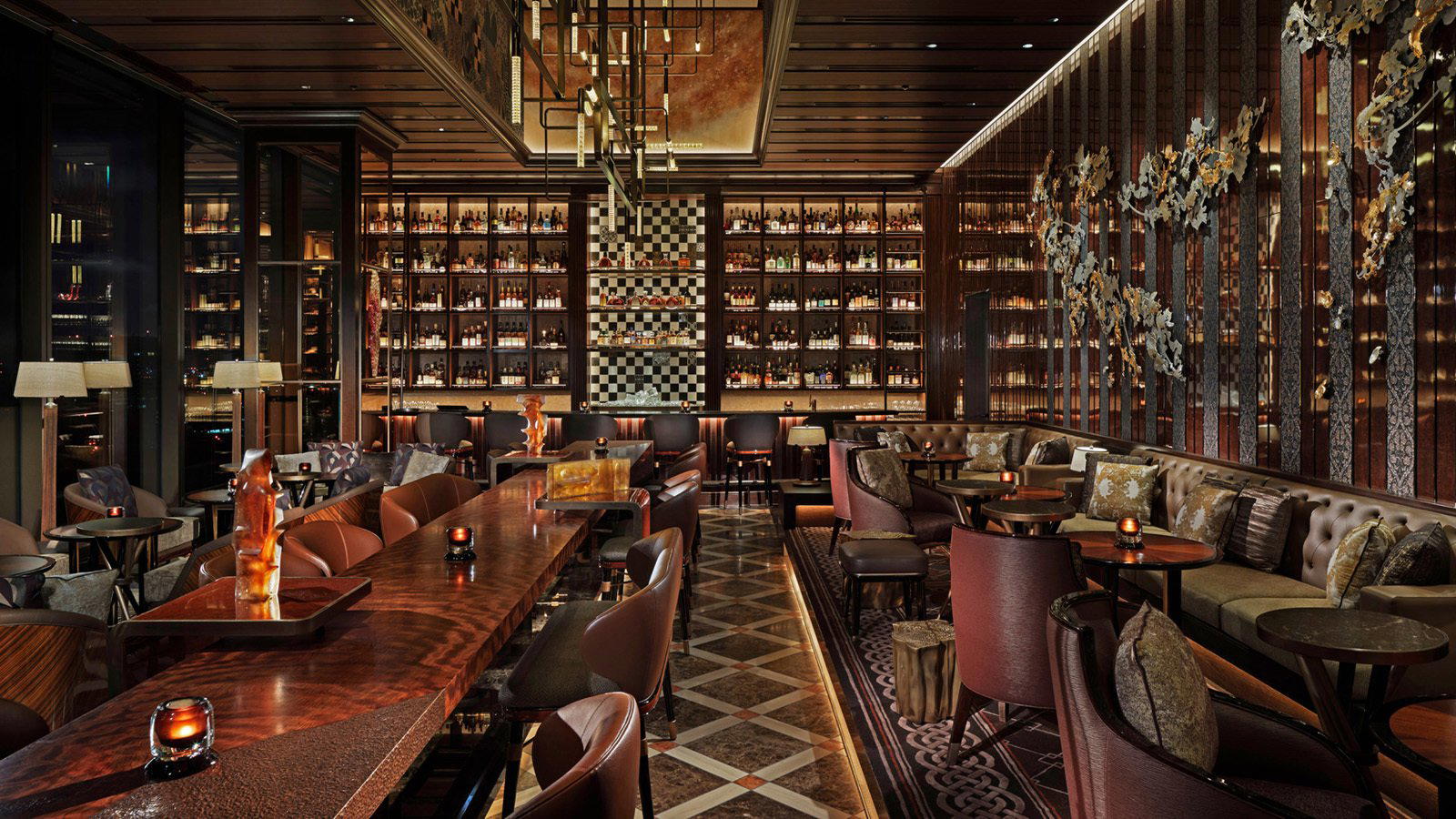
The better read is restraint of format. A 14-seat room, split between counter and table seating, sets the tempo. It encourages solo diners and pairs, makes turnover visible, and leaves little space for the soft distractions of a larger restaurant. Tokyo’s serious curry culture often benefits from that compression. The food category is democratic; the specialist room makes it sharper.
The booking question is a timing question
In Tokyo, difficulty is not always expressed through reservation books. Some of the city’s most useful meals are governed by opening windows, queue tolerance, and whether the format suits the group. Curry & Wine Bistro Beppinsha Ochanomizu ten belongs to that practical tier. Reservations are unavailable, so planning is less about securing a table weeks ahead than choosing the right day, arriving with realistic expectations, and accepting that a small room has a hard limit on flow.
That constraint is not a flaw. Curry shops in this bracket are often strongest when they keep the transaction clean: arrive, order, eat, leave. The trade-off is that diners seeking a lingering meal, large-party setup, or guaranteed seated time will find the format less forgiving. For a solo lunch near Jimbocho, a compact curry stop before or after Ochanomizu, or a casual Chiyoda meal with a specific purpose, it makes sense. For a celebratory dinner, Tokyo has better-matched categories.
The price tier also matters. Tokyo’s prestige dining conversation is often dominated by sushi counters, kappo rooms, French-Japanese tasting menus, and hotel dining, but the curry circuit delivers another value: specialist repetition at everyday lunch pricing. That is why a Curry TOKYO 100 selection carries weight. It says the venue is judged against a crowded field of curry peers, not inflated into a luxury experience it is not trying to be.
Where it sits in a Tokyo itinerary
This is a focused Chiyoda stop, not the anchor for a whole night out. Pair it with Jimbocho’s bookshop streets, the Ochanomizu music-store stretch, or Kanda’s denser restaurant grid, and it becomes a clean example of Tokyo’s neighbourhood-level eating. The city’s dining depth is not only in long tastings and counter omakase. It is also in small rooms where one category is taken seriously enough to earn repeat attention.
For broader planning, place it inside the curry-and-casual-lunch side of Our full Tokyo restaurants guide, then build the rest of the day around another register: hotels from Our full Tokyo hotels guide, drinking rooms from Our full Tokyo bars guide, or cultural pacing through Our full Tokyo experiences guide. Tokyo’s wine culture is better mapped through restaurants and bars than vineyards, though Our full Tokyo wineries guide can frame the wider drinking scene.
Nearby and category-adjacent choices can shift the day’s tone. 3 Chome no Curry Ya San keeps the curry thread in Tokyo, while 12/10 Shinjuku ten, 124. KAGURAZAKA (Yakitori). 鮪と炭火焼き うお炭 秋葉原店, and 2D Cafe show how quickly Tokyo changes register by neighbourhood and format. Outside the city, the comparison broadens: -Grilled beef Sukiyaki- KAMAKURA TANUKIAN 鎌倉 たぬき庵 in Kamakura.cafe in Osaka.know in Kumamoto, (Shoku) Vietnam in Kawasaki, [Curry Senmon Ten] Maruyama Kyoju. in Sapporo, and [ki:] in Kyoto underline how regional casual dining can be as specific as fine dining. For a trans-Pacific Japanese-food lens, Jōdo Saké Bar in Los Angeles and Onigiri Time in Pasadena sit in a different diaspora context.
The editorial case is simple: come for Tokyo curry as a serious lunch genre, not spectacle. The room is small, the recognition category-specific, and the neighbourhood gives the meal its logic. In a city where diners often over-plan the grand table, this specialist address rewards a lighter touch.
A Credentials Check
Comparable venues to calibrate price, style, and recognition.
| Venue | Cuisine | Price | Notes |
|---|---|---|---|
| Curry & Wine Bistro Beppinsha Ochanomizu tenThis venue — the venue you are viewing | Japanese Curry | $ | Not listed |
| Uogashi Nihon-ichi (魚がし日本一) | Standing Sushi Bar | $ | Shibuya |
| Kitchen Nankai Chiyoda kanda jinbou ten | Japanese Yoshoku | $ | Chiyoda |
| Tsukesoba Kanda Katsumoto | Tsukemen & ramen-style dipping noodles | $ | Chiyoda |
| Cuit Bonne | Japanese European-style curry & dining bar | $ | Chūō |
| Jikasei Sanuki Udon to Niku Jinza Daimon ten | Sanuki udon & meat (Jinza Daimon) | $ | Minato |
Recognition history
Dated appearances from independent guides and award organizations, with the underlying list record or original source where available.
Tabelog 100 #45 · No. 45
Tabelog · Tabelog 100 - Curry - TOKYO - 2024







At a Glance
- Cozy
- Classic
- Solo
- Casual Hangout
- Standalone
- Beer Program
- Street Scene
Current opening hours
- Monday
- Closed
- Tuesday
- 11 AM–3:30 PM
- Wednesday
- Closed
- Thursday
- 11 AM–3:30 PM
- Friday
- 11 AM–3:30 PM
- Saturday
- 11 AM–3:30 PM
- Sunday
- 11 AM–3:30 PM
Hours can change for holidays and private events. Last verified .
Compact, casual, and specialty-driven, with a hidden-gem feel rather than a full-service dinner bistro experience.