Omakase

Michelin Plate
Our verdict
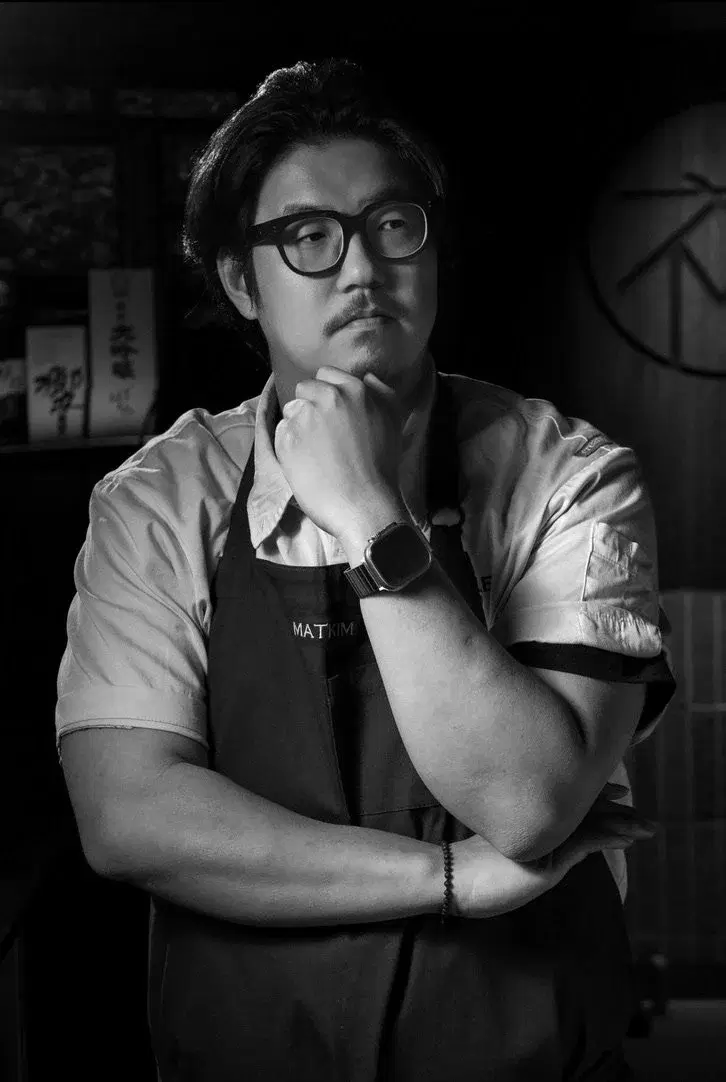
On Townsend Street in SoMa, Omakase holds consecutive Michelin Plate recognition for 2024 and 2025, placing it among San Francisco's more credentialed Japanese counters at the top price tier. Chef Jackson Yu leads a format built around precision and repetition, the kind of room where regulars return often enough to know the rhythm before the first course arrives.

Pearl is the En Primeur Club membership app, where members save venues, book tables and use the concierge.
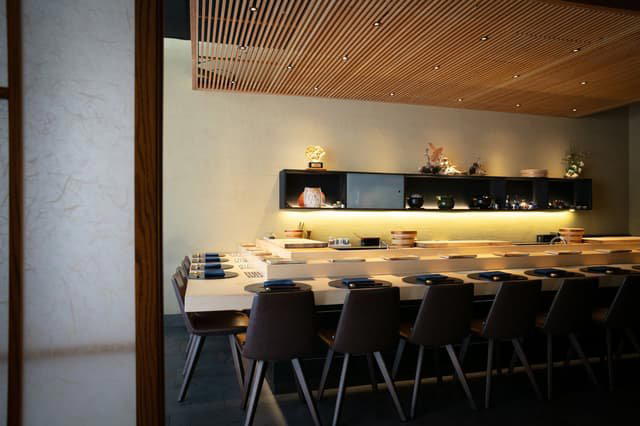
The menu
What to order
- Uni chawanmushi
- Monkfish liver nigiri
- A5 wagyu beef
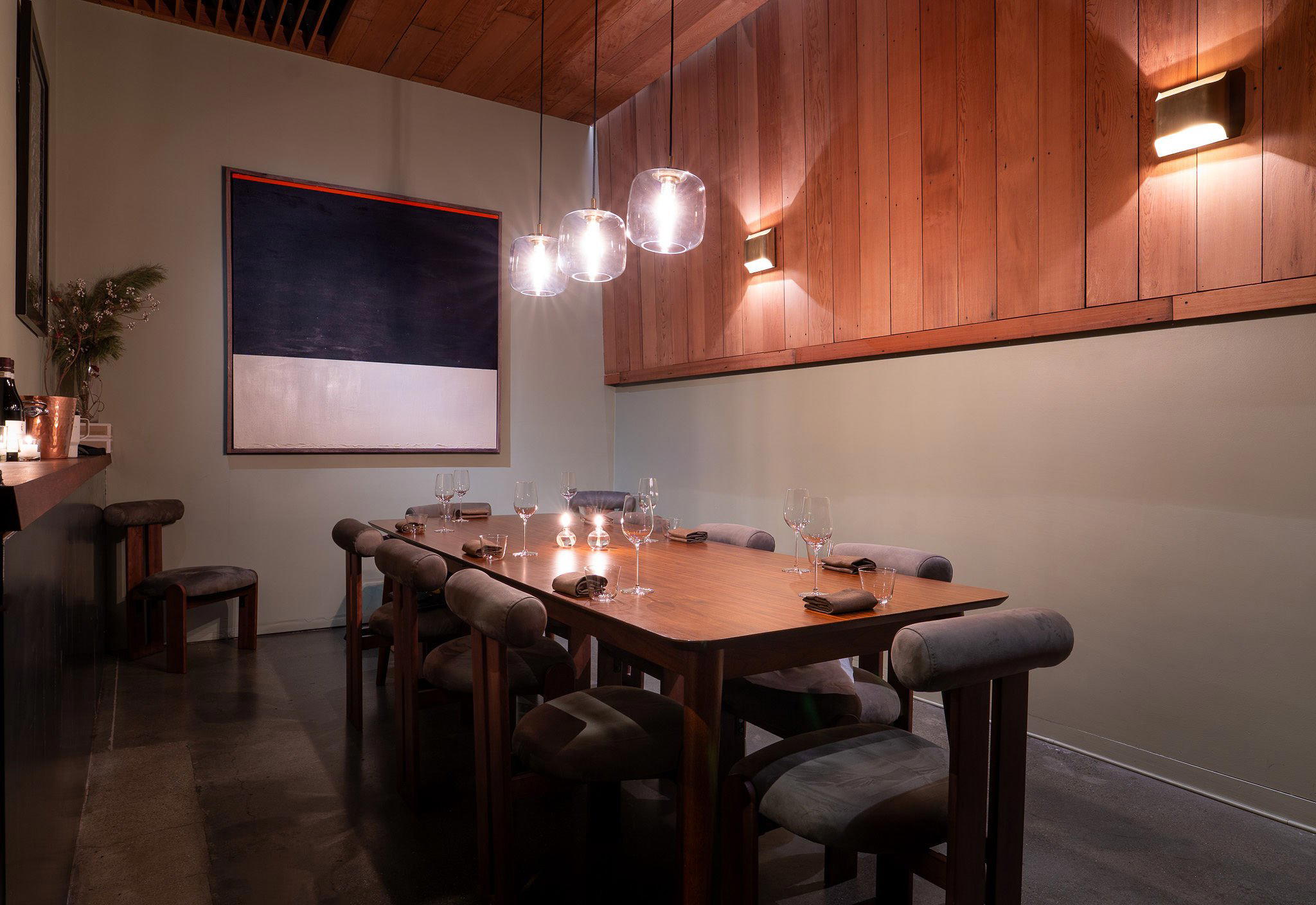
SoMa's dining character has always been shaped by proximity to industry rather than tourism, and Townsend Street reflects that. The neighbourhood draws professionals from the surrounding tech and design offices who eat out frequently enough to develop habits, and it is exactly that kind of clientele that a counter-format Japanese restaurant at the leading price tier tends to attract. At Omakase, 665 Townsend St, that pattern is visible in how the room operates: this is not a restaurant that performs for first-timers. The atmosphere is calibrated for people who already understand what they have walked into.
A Counter Format Built on Repetition
Across San Francisco's serious Japanese dining scene, the omakase format occupies a specific register. Unlike the broad interpretive freedom of progressive American kitchens, where a restaurant like Nisei synthesises Japanese technique into something closer to Californian contemporary, or the sushi-adjacent territory covered by counters like Delage, a dedicated omakase commitment means the kitchen and the diner enter a fixed contract. You eat what is prepared, in the order it is prepared, and your return visits become a study in variation within a consistent structure.
That structure is what loyal regulars at a place like this come back for. San Francisco's omakase dining at the $$$$ tier demands a certain kind of trust from the diner, and Chef Jackson Yu's tenure at Omakase has built enough consistency to sustain it. Michelin Plate recognition in both 2024 and 2025 signals that external reviewers have found the kitchen performing at a level worth noting, even if it sits below the starred tier occupied by venues like Gozu or the multi-starred counters elsewhere in the city.
Where Omakase Sits in the San Francisco Japanese Scene
The San Francisco Japanese dining market is dense and internally differentiated. At the more casual, izakaya-influenced end, restaurants like Izakaya Rintaro and Iyasare operate on a different frequency entirely, ingredient-driven but informal, designed for groups and extended evenings. Omakase sits at the opposite pole: structured, sequential, and priced to reflect the craft involved in counter-format Japanese dining at this level.
That positioning matters when comparing across the broader California fine dining circuit. The city's top-tier Western kitchens, The French Laundry in Napa and Single Thread Farm in Healdsburg, command starred recognition and price accordingly. Omakase operates in a different competitive tier, but its consecutive Michelin Plate acknowledgments place it ahead of the general field and alongside counters where technique rather than spectacle does the work.
Globally, the omakase format's credibility is anchored in Tokyo, where counters like Myojaku and Azabu Kadowaki set the reference standard. San Francisco's geography and ingredient access, the Pacific coastline, the bay's seasonal seafood cycles, give its Japanese kitchens a distinct sourcing position that serious counters here draw on heavily. The leading work done in rooms like this one reflects both the Japanese structural tradition and the particularities of what arrives from California waters and farms in a given season.
The Regulars' Perspective
Viral restaurants tend to spike and settle; Omakase's score reflects diners who come back and vote again. That pattern is consistent with what a counter-format Japanese restaurant at this price point produces when it operates well: a room where the value proposition is understood, the expectations are met, and the repeat visit is part of the intended experience.
What brings regulars back to an omakase counter is rarely a single dish. It is the accumulated knowledge of how the kitchen moves, when the pace shifts, where in the sequence the most technically demanding preparations appear, which seasonal ingredient signals a transition in the menu's logic. This is the kind of literacy that takes multiple visits to develop, and it is why the omakase format rewards loyalty in a way that à la carte dining does not.
For context on what this looks like at its most ambitious in the American market, counters like Le Bernardin in New York City or Providence in Los Angeles demonstrate how a committed tasting-format kitchen builds audience over years rather than seasons. The mechanics differ across cuisines, but the underlying dynamic is the same: diners who return regularly develop a relationship with the kitchen's point of view that a single visit cannot replicate.
Planning a Visit
SoMa is direct to reach by public transit from most of San Francisco, and Townsend Street in particular sits within walking distance of Caltrain at Fourth and King for visitors arriving from the Peninsula. The neighbourhood is less destination-driven than Hayes Valley or the Embarcadero waterfront, which means the experience at the table is not competing with a surrounding food scene for attention.
For readers building a broader San Francisco itinerary, our full San Francisco restaurants guide maps the city's dining across neighbourhoods and cuisine types. Supplementary planning resources include our full San Francisco hotels guide, our full San Francisco bars guide, our full San Francisco wineries guide, and our full San Francisco experiences guide. For US-wide reference points at a comparable investment level, Alinea in Chicago and Emeril's in New Orleans illustrate the range of what the leading domestic fine dining tier looks like across different culinary traditions.
Know Before You Go
- Address: 665 Townsend St, San Francisco, CA 94103
- Chef: Jackson Yu
- Cuisine: Japanese (omakase format)
- Price tier: $$$$ (top tier; budget accordingly for the full counter experience)
- Awards: Michelin Plate 2024 and 2025
- Booking: Contact the restaurant directly; counter-format seatings at this price tier typically book several weeks ahead
- Getting there: SoMa location is accessible by Caltrain (Fourth and King) and Muni; street parking availability varies by day and time
Frequently asked questions
Does Omakase work for a family meal?
How would you describe the vibe at Omakase?
What's the must-try dish at Omakase?
At a Glance
A quick peer list to put this venue’s basics in context.
| Venue | Cuisine | Price | Awards | Notes |
|---|---|---|---|---|
| OmakaseThis venue (the venue you are viewing) | Traditional Edomae Omakase | $200–300 | Michelin Plate | Not listed |
| Lazy Bear | Modern American Tasting Menu | Not listed | 2 Michelin Stars · World's 50 Best #25 | Progressive American, Contemporary |
| Benu | Modern Asian Fusion Fine Dining | $150–200 | 3 Michelin Stars · World's 50 Best #33 | French - Chinese, Asian |
| Atelier Crenn | Contemporary French Fine Dining | $300–500 | 3 Michelin Stars · World's 50 Best #44 | Modern French, Contemporary |
| Quince | Modern French Fine Dining | $300–500 | 3 Michelin Stars · World's 50 Best #48 | Italian, Contemporary |
| Saison | Modern French-Italian | Not listed | Michelin Plate | Progressive American, Californian |
Recognition history
Dated appearances from independent guides and award organizations, with the underlying list record or original source where available.
Michelin Plate
Michelin · 2026 Michelin Plate
Full recognition history (3 entries)
Michelin Plate
Michelin
Michelin Plate
Michelin
Continue exploring
More in San Francisco
Restaurants in San Francisco
All restaurants in San Francisco →
Bars in San Francisco
All bars in San Francisco →
Details
- Intimate
- Elegant
- Sophisticated
- Date Night
- Special Occasion
- Chefs Counter
- Sake Program
- Sustainable Seafood
- Omakase
- Counter Dining
- Sake
Current opening hours
- Monday
- 5–9:30 PM
- Tuesday
- 5–9:30 PM
- Wednesday
- Closed
- Thursday
- 5–9:30 PM
- Friday
- 5–9:30 PM
- Saturday
- 5–9:30 PM
- Sunday
- 5–9:30 PM
Hours can change for holidays and private events. Hours as of .
Intimate sushi bar with attentive counter service, clean and beautifully decorated space focused on the chef's craft.