
Gozu occupies a precise position in San Francisco's Japanese dining scene: a wagyu-focused counter at 201 Spear Street that has earned consecutive Opinionated About Dining recognition in 2023 and 2024, ranking #543 among North America's top restaurants. Under chef Marc Zimmerman, the kitchen treats premium Japanese beef with the same sourcing rigour applied at Tokyo's most disciplined meat-focused counters.
Pearl is the En Primeur Club membership app — saves, bookings, and concierge access live there. Same editors, same standards.
- Address
- 201 Spear St #120, San Francisco, CA 94105
- Phone
- (415) 523-9745
- Website
- thewildsf.com
- Directions
- Get directions
 Saves & bookings on Pearl
Where the Beef Begins
San Francisco's financial district is not where you expect to find a restaurant making a serious argument about Japanese wagyu. The neighbourhood runs on power lunches and corporate expense accounts, and most of its dining reflects that, competent, forgettable, calibrated to volume. Gozu is a restaurant in San Francisco serving Modern Japanese Wagyu Fine Dining, with a $225 per person price point. The room reads as counter-forward and spare, the kind of setting that signals the kitchen intends the product to do the talking. That product is wagyu, and the sourcing philosophy behind it connects Gozu to a wider shift in how American chefs are engaging with Japanese cattle breeds.
The broader context matters here. Over the past decade, a small number of American kitchens have moved beyond treating wagyu as a luxury garnish, a few seared slices on an otherwise European plate, and started building menus where the breed, the feed, and the cut are the actual architecture of the experience. Gozu's recognition by Opinionated About Dining in 2023 and 2024 signals that the approach has registered with critics who track the serious end of the American restaurant scene.
The Sourcing Logic Behind Wagyu in an American Context
Japanese wagyu carries a classification system rooted in yield grade and meat quality grade, with the A5 designation, the ceiling of the Japanese grading scale, requiring notable marbling, colour, and texture. Getting that product to a San Francisco counter involves a supply chain that has become more accessible to American restaurants over the past fifteen years, but the discipline to use it well remains scarce. The temptation at this price point is to over-elaborate: truffle shavings, gold leaf, reductive French sauces that flatten rather than frame. The kitchens that use wagyu most effectively tend to do the opposite, minimal intervention, high heat or precise low-temperature technique, and an understanding that the fat in heavily marbled beef behaves differently from commodity meat. It melts at lower temperatures, which means portion size, temperature of service, and the sequence of courses all require genuine consideration.
Marc Zimmerman's kitchen at Gozu operates within this logic. The menu is Japanese in its discipline and its sourcing instincts, even as it operates within a San Francisco context. That combination, Japanese sourcing rigour applied through an American chef's training, puts Gozu in an interesting comparative position relative to peers in the city. Restaurants like Nisei and Delage occupy adjacent territory in San Francisco's Japanese-influenced dining tier, while more traditional Japanese formats, Iyasare, Izakaya Rintaro, and Kiraku, anchor a different part of the scene. Gozu is not an izakaya and not an omakase sushi counter; it occupies a narrower, more specialised niche.
San Francisco's High-End Japanese Tier and Where Gozu Sits
At the summit of San Francisco's fine dining, the conversation tends to run through the Michelin-starred houses: Benu's three-star French-Chinese synthesis, Atelier Crenn's three-star conceptual modern French, Quince's three-star Italian, and the two-star progressive American of Lazy Bear and Saison. These are the rooms that define the city's international fine dining reputation. Gozu operates outside that specific tier in terms of formal recognition but inside it in terms of the seriousness of its sourcing and the audience it attracts. OAD rankings, which draw on the votes of experienced restaurant-goers rather than anonymous inspectors, often surface restaurants that Michelin's format-dependent criteria overlook, precisely the kind of tightly focused, product-first counter that scores highly among people who travel specifically to eat.
For context on how this Japanese beef-forward format plays in a global frame, the closest reference points are Tokyo counters built around premium domestic beef, a category tracked by OAD alongside the broader Japanese fine dining scene that includes restaurants like Myojaku and Azabu Kadowaki. Those Tokyo addresses operate within a domestic supply chain that American kitchens are still working to replicate in terms of consistency. The fact that Gozu has sustained OAD recognition across two consecutive years suggests it has found a workable answer to that sourcing challenge.
Nationally, the restaurants that have built lasting reputations around ingredient provenance, Le Bernardin in New York on seafood sourcing, Single Thread Farm in Healdsburg on farm-to-counter produce, operate on a similar principle: that knowing where the primary ingredient comes from, and building the menu around its specific qualities, produces more coherent food than any amount of technique applied to anonymous product. The French Laundry in Napa, Alinea in Chicago, Providence in Los Angeles, and Emeril's in New Orleans each built their identities around a specific set of sourcing commitments. Gozu's argument is a version of the same, applied to a single, specific protein category.
The FiDi Location as Context
The Spear Street address places Gozu in the Transbay area, close to the Embarcadero and the Ferry Building, which functions as one of the city's primary anchors for premium food sourcing, farmers' markets, specialty producers, and the kind of supply relationships that serious kitchens depend on. The financial district setting means Gozu competes for attention against high-volume expense-account restaurants, which tends to sharpen a kitchen's identity: you either lean into the corporate dining format or you plant a flag in the opposite direction. Gozu's OAD profile suggests the latter.
Planning Your Visit
- Address: 201 Spear St #120, San Francisco, CA 94105
- Cuisine: Japanese, wagyu-focused
- Chef: Marc Zimmerman
- Recognition: Opinionated About Dining recognition in 2023 and 2024 4 from 198 reviews
- Booking: Reservations are essential
- Neighbourhood: Financial District / Transbay, close to the Embarcadero
What It’s Closest To
Comparable venues nearby, for context on price, style, and recognition.
| Venue | Cuisine | Price | Notes |
|---|---|---|---|
| GozuThis venue — the venue you are viewing | Modern Japanese Wagyu Fine Dining | $$$$ | Not listed |
| Hashiri | Modern Japanese Omakase-Kaiseki | $$$$ | South of Market |
| Nobu Palo Alto | Japanese-Peruvian Fusion | $$$$ | Downtown Palo Alto |
| Akikos | Modern Japanese Omakase | $$$$ | Financial District/South Beach |
| Roka Akor | Modern Japanese Robata Grill & Steakhouse | $$$$ | North Beach |
| Soba Dining Sora | Traditional Japanese Soba Noodles | $$$ | Japantown |
Recognition history
Dated appearances from independent guides and award organizations, with the underlying list record or original source where available.
Opinionated About Dining Top Restaurants in North America Ranked #543
Opinionated About Dining
Opinionated About Dining Top Restaurants in North America Recommended
Opinionated About Dining
Continue exploring
More in San Francisco
Restaurants in San Francisco
Browse all →
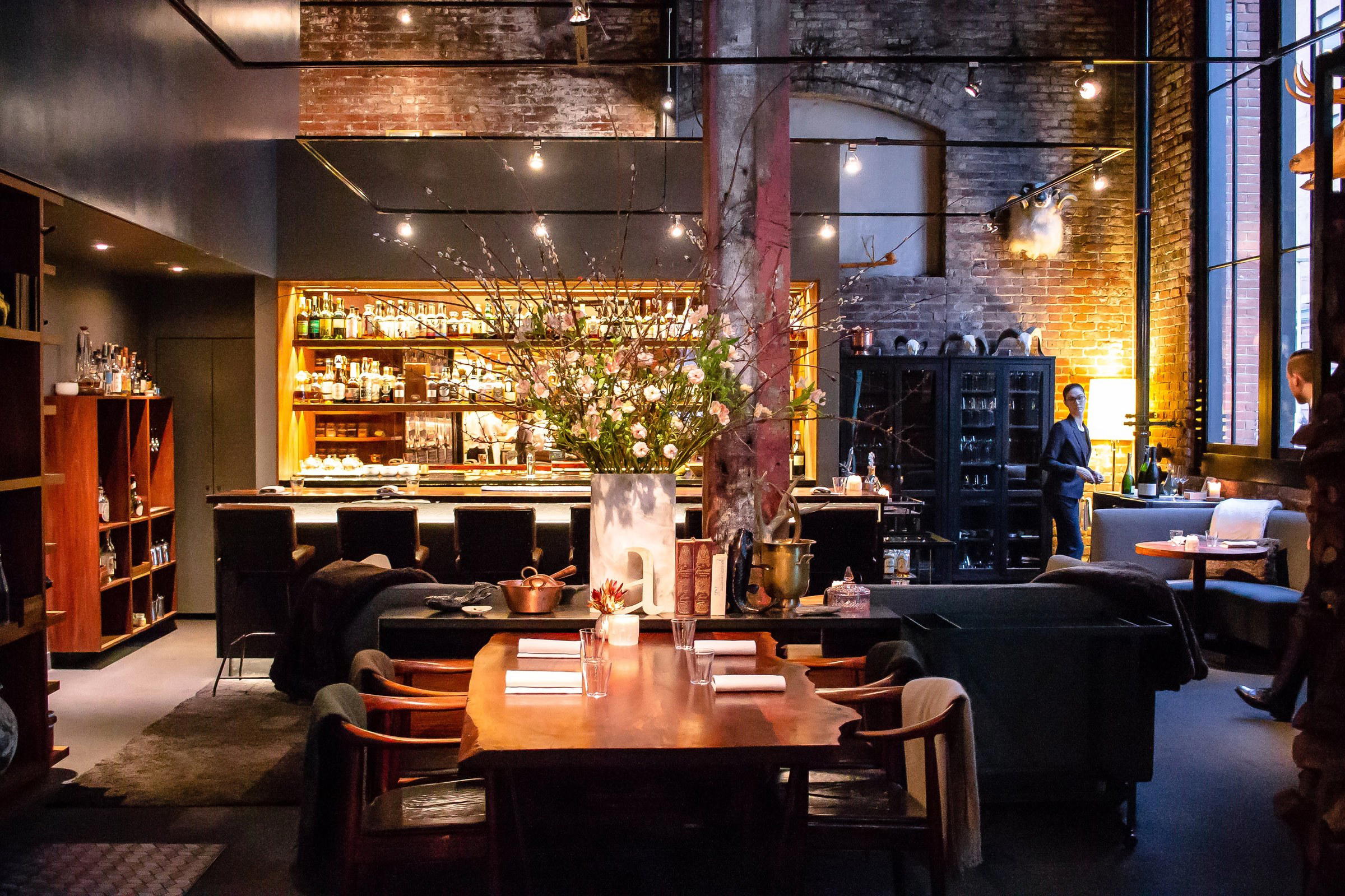
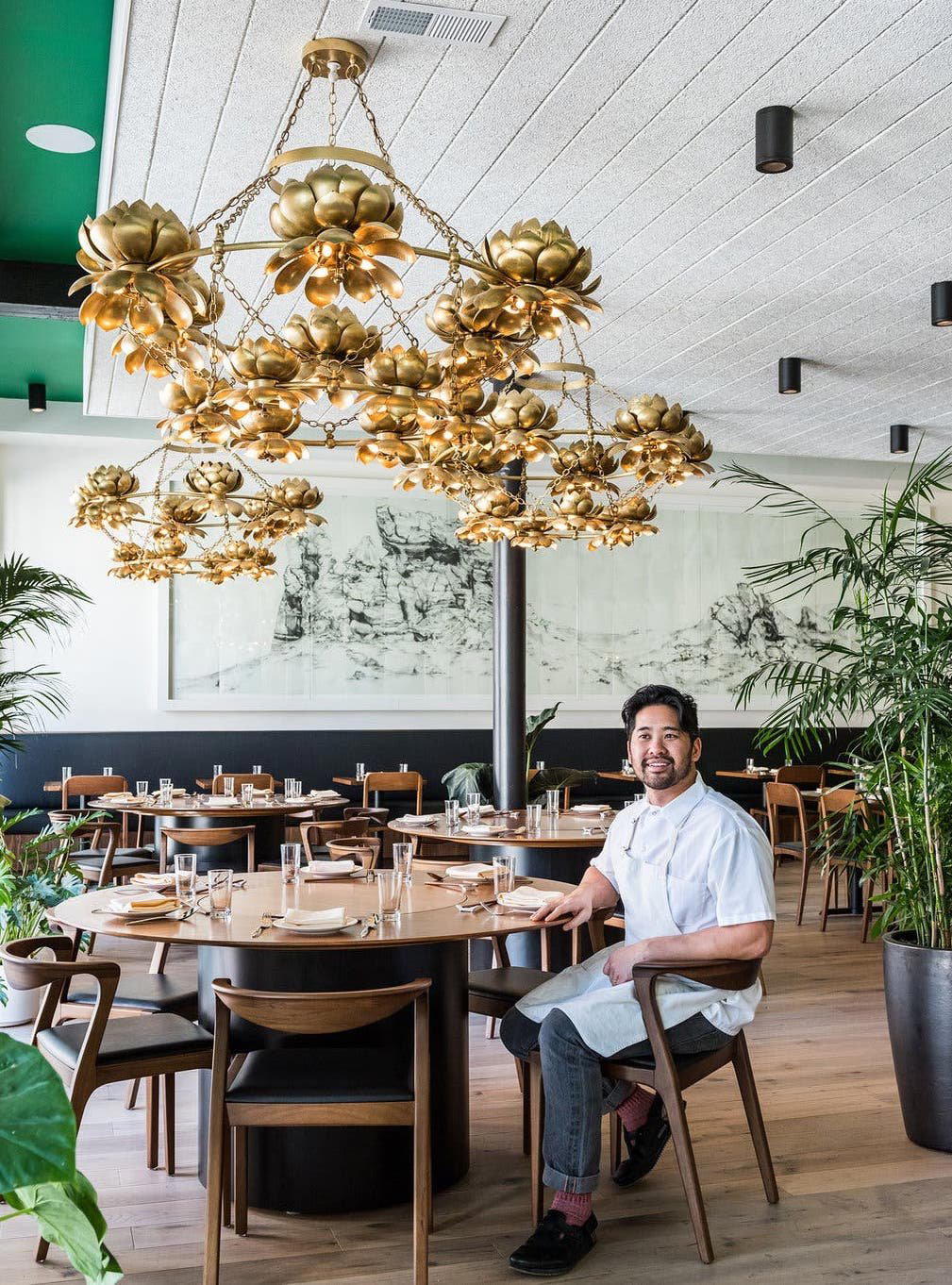
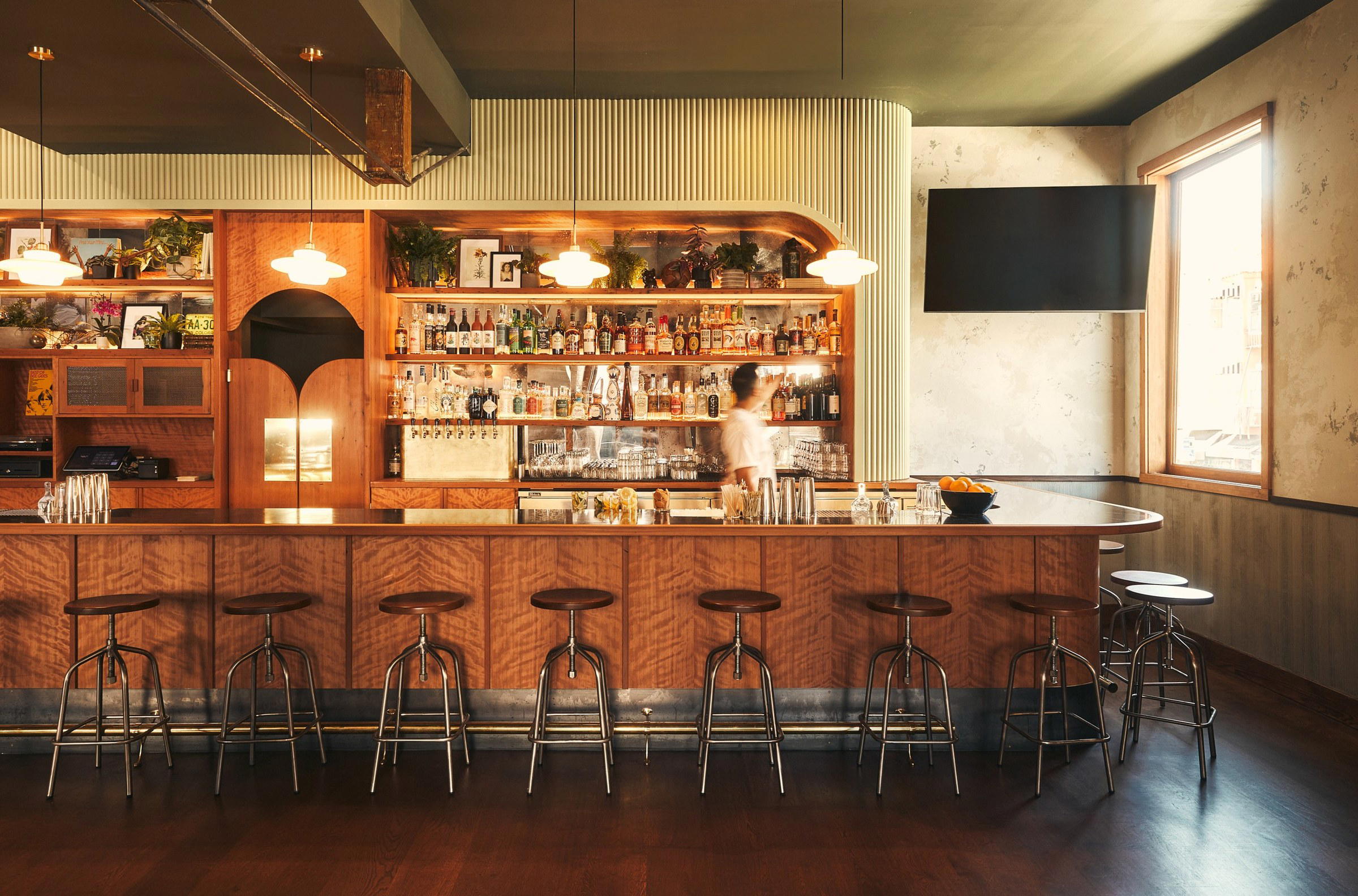
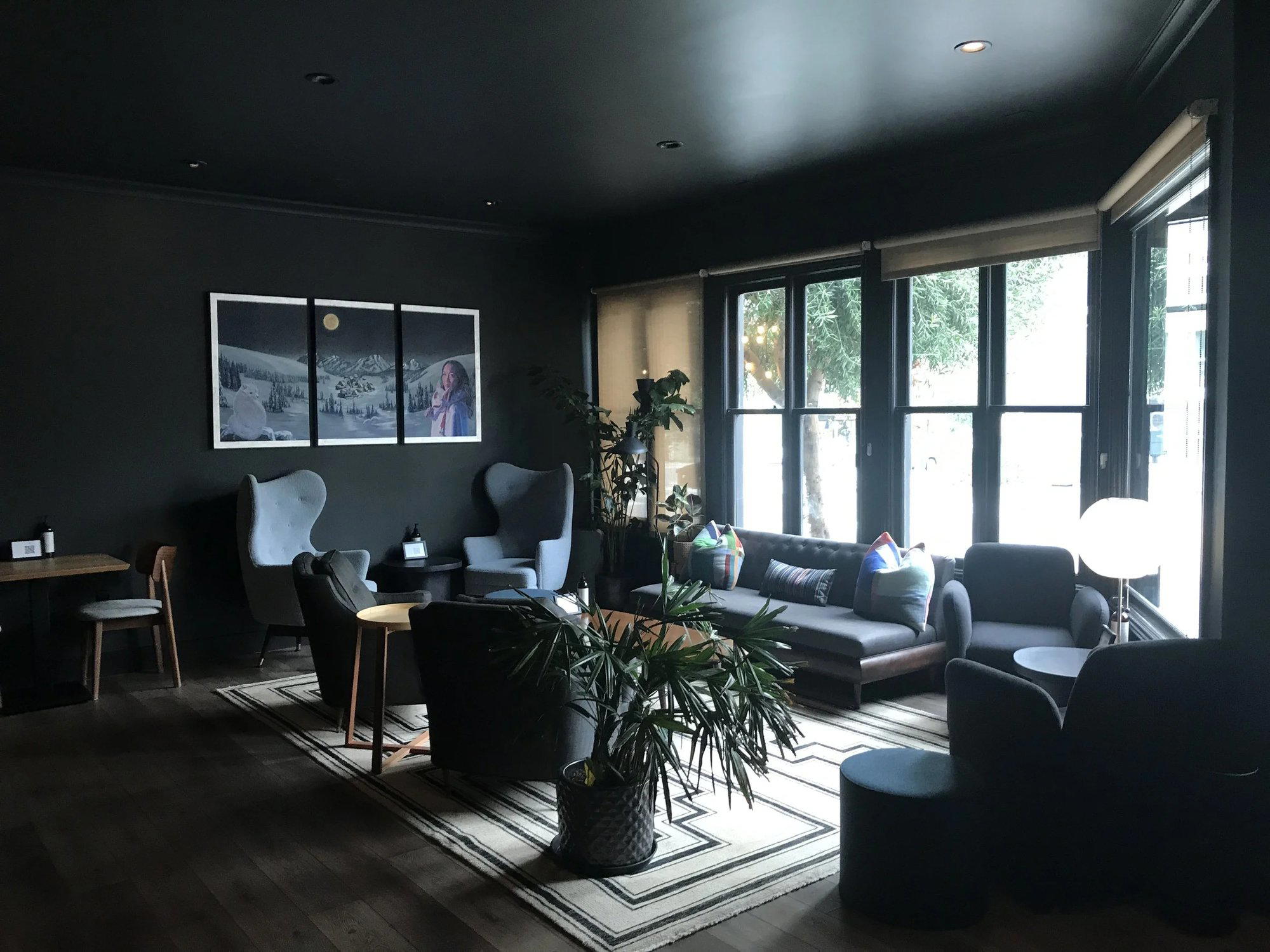
Bars in San Francisco
Browse all →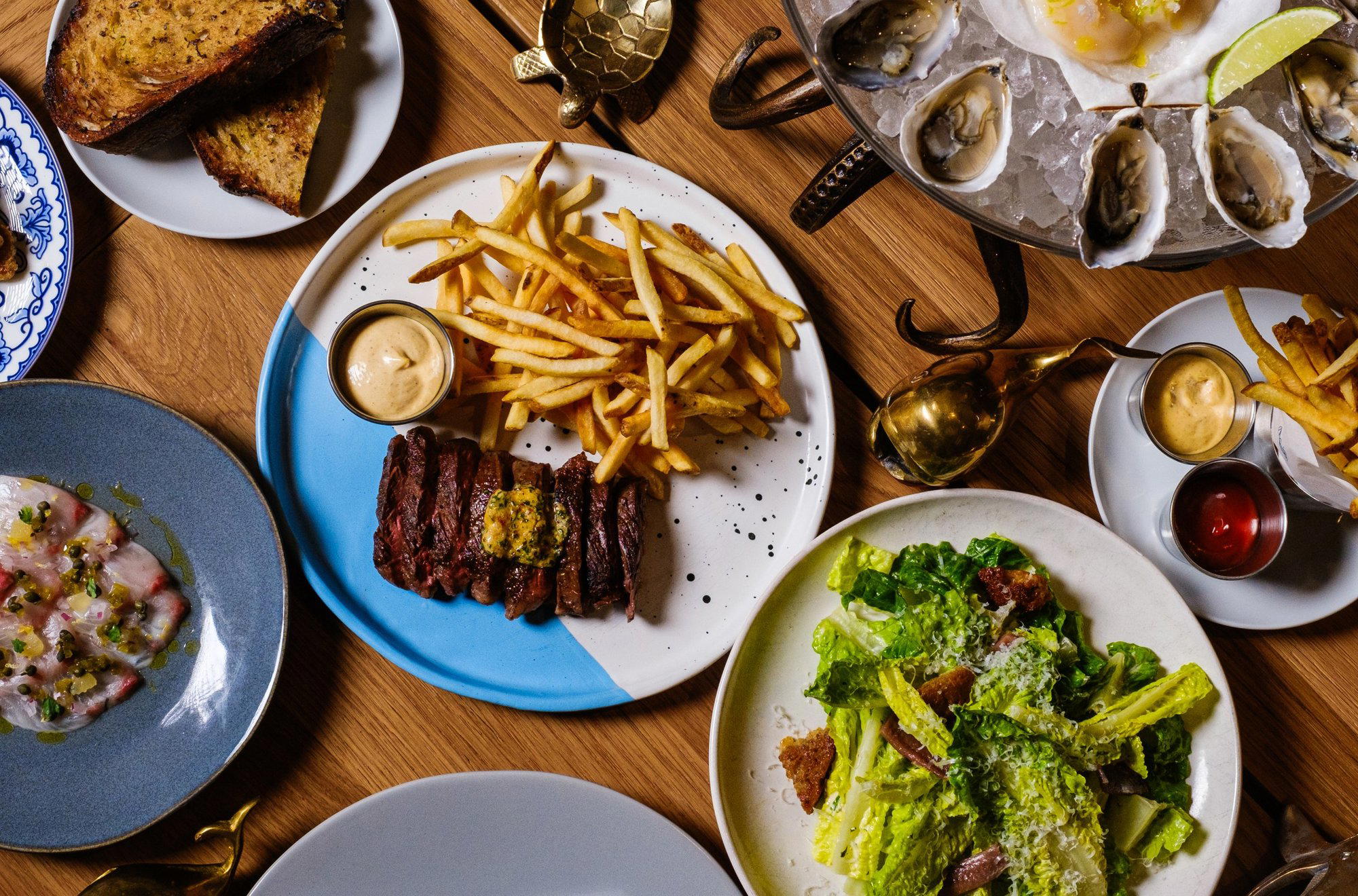
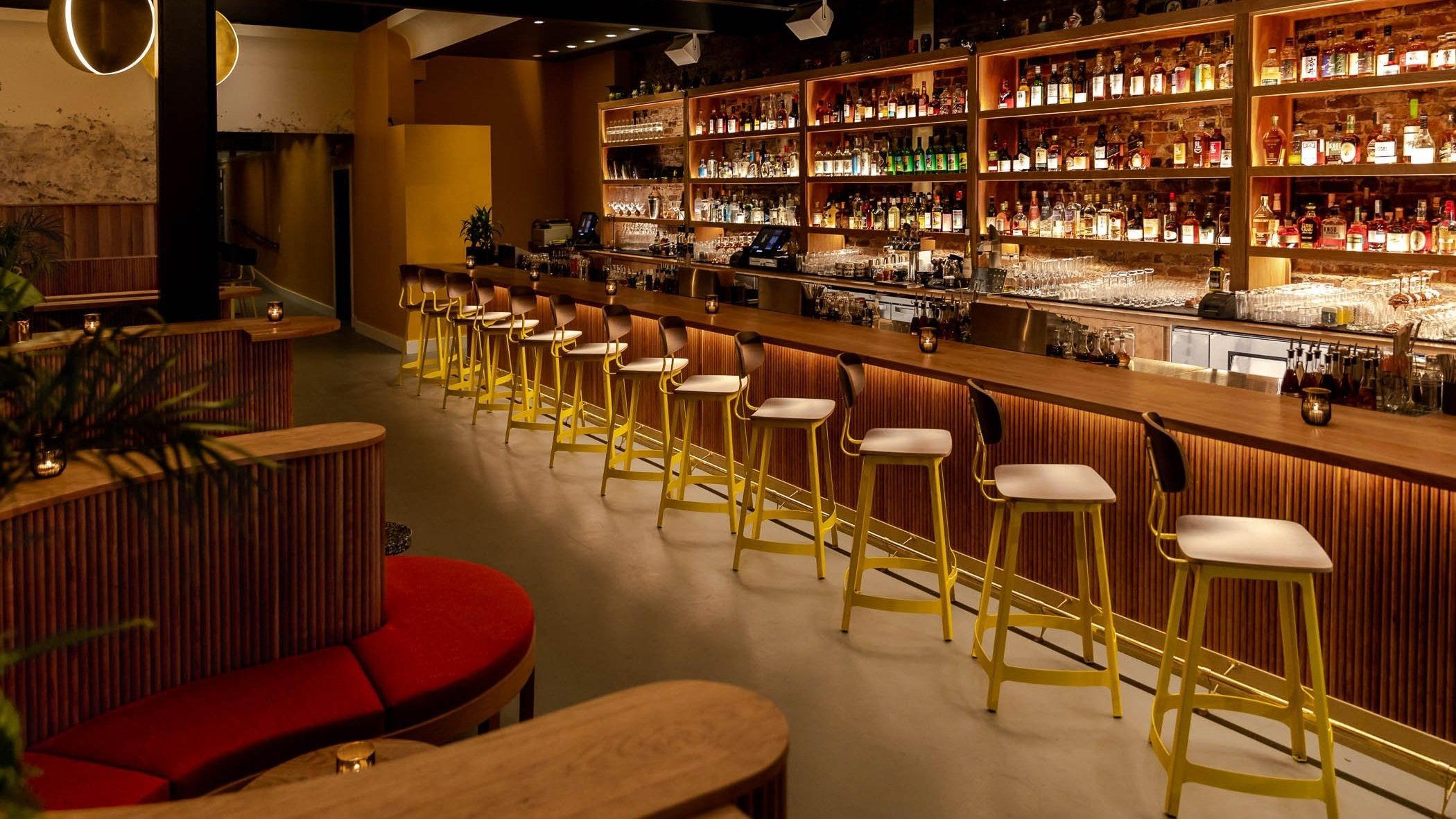
Hotels in San Francisco
Browse all →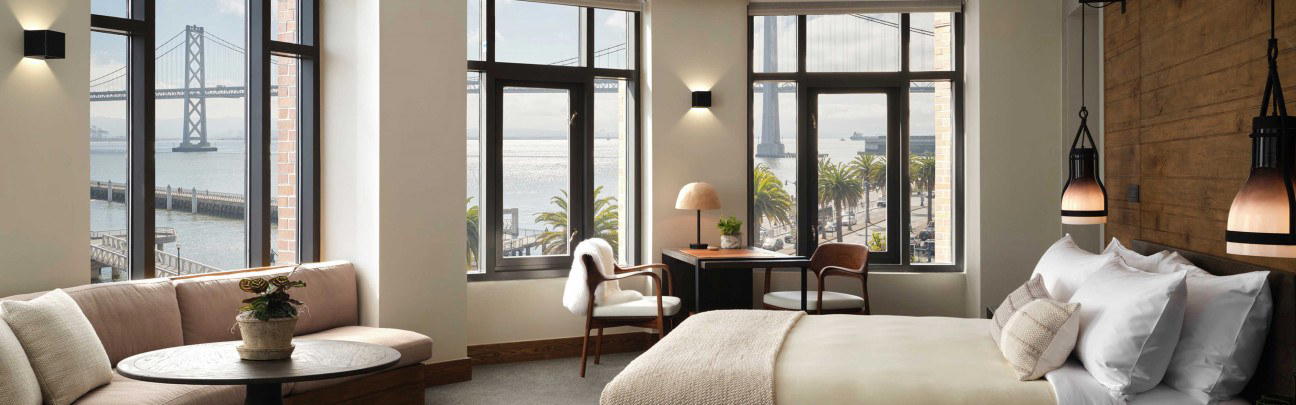
At a Glance
- Minimalist
- Intimate
- Sophisticated
- Elegant
- Special Occasion
- Date Night
- Celebration
- Chefs Counter
- Open Kitchen
- Extensive Wine List
- Sake Program
- Sommelier Led
- Local Sourcing
- Sustainable Seafood
Current opening hours
- Monday
- Closed
- Tuesday
- 5–9 PM
- Wednesday
- 5–9 PM
- Thursday
- 5–9 PM
- Friday
- 5–9 PM
- Saturday
- 5–9 PM
- Sunday
- Closed
Hours can change for holidays and private events. Last verified .
Minimalist charcoal-shaded dining room with warm, subtle lighting and an open kitchen featuring a large binchotan grill; the understated decor allows the cuisine to take center stage, fostering an environment of culinary artistry in its purest form.