Nisei





A Michelin-starred Japanese restaurant on Polk Street, Nisei sits within San Francisco's $$$$ fine-dining tier while reading distinctly apart from the city's more theatrical tasting-menu circuit. Chef David Yoshimura's cooking draws on Japanese technique applied to California ingredients, earning consistent recognition from both Michelin and Opinionated About Dining across multiple years. The wine program runs to 1,455 selections with particular depth in France and California.
Pearl is the En Primeur Club membership app — saves, bookings, and concierge access live there. Same editors, same standards.
- Address
- 2316 Polk St, San Francisco, CA 94109
- Phone
- (415) 827-6898
- Website
- restaurantnisei.com
- Directions
- Get directions
 Saves & bookings on Pearl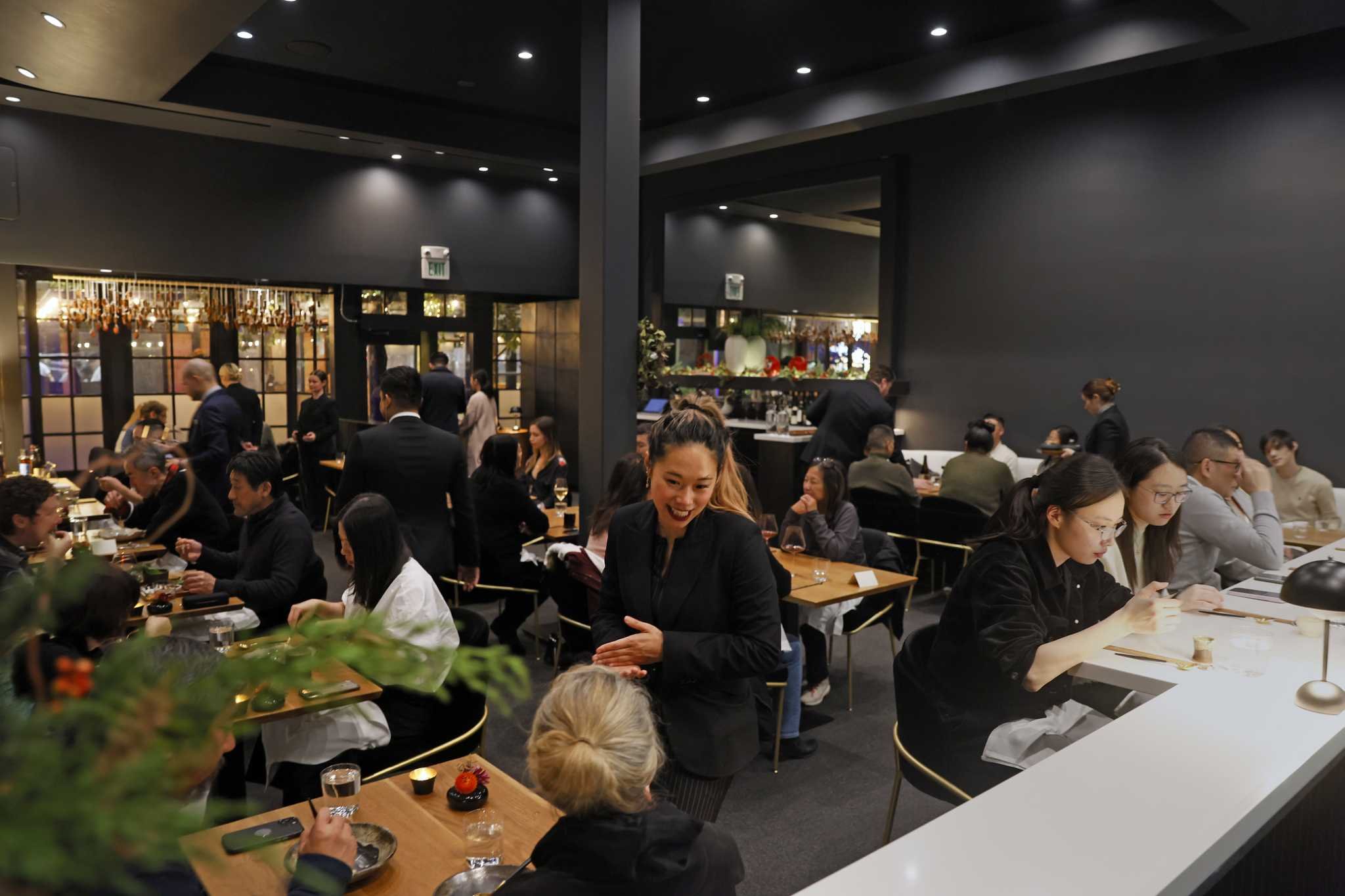
Polk Street After Dark
Russian Hill's Polk Street corridor has spent the better part of a decade sorting itself out. The stretch between Broadway and Union was long defined by neighbourhood bars and casual spots that catered to residents rather than destination diners. That has shifted. A handful of restaurants have settled into the blocks between the Hill's lower reaches and the Cow Hollow edge, drawing guests from across the city without abandoning the block's residential rhythm. Nisei, at 2316 Polk, is the clearest example of that shift: a one-Michelin-star restaurant operating at the $$$$ price point on a street that still has its corner bottle shop and its dry cleaner. The contrast is not incidental. It is part of what the restaurant is.
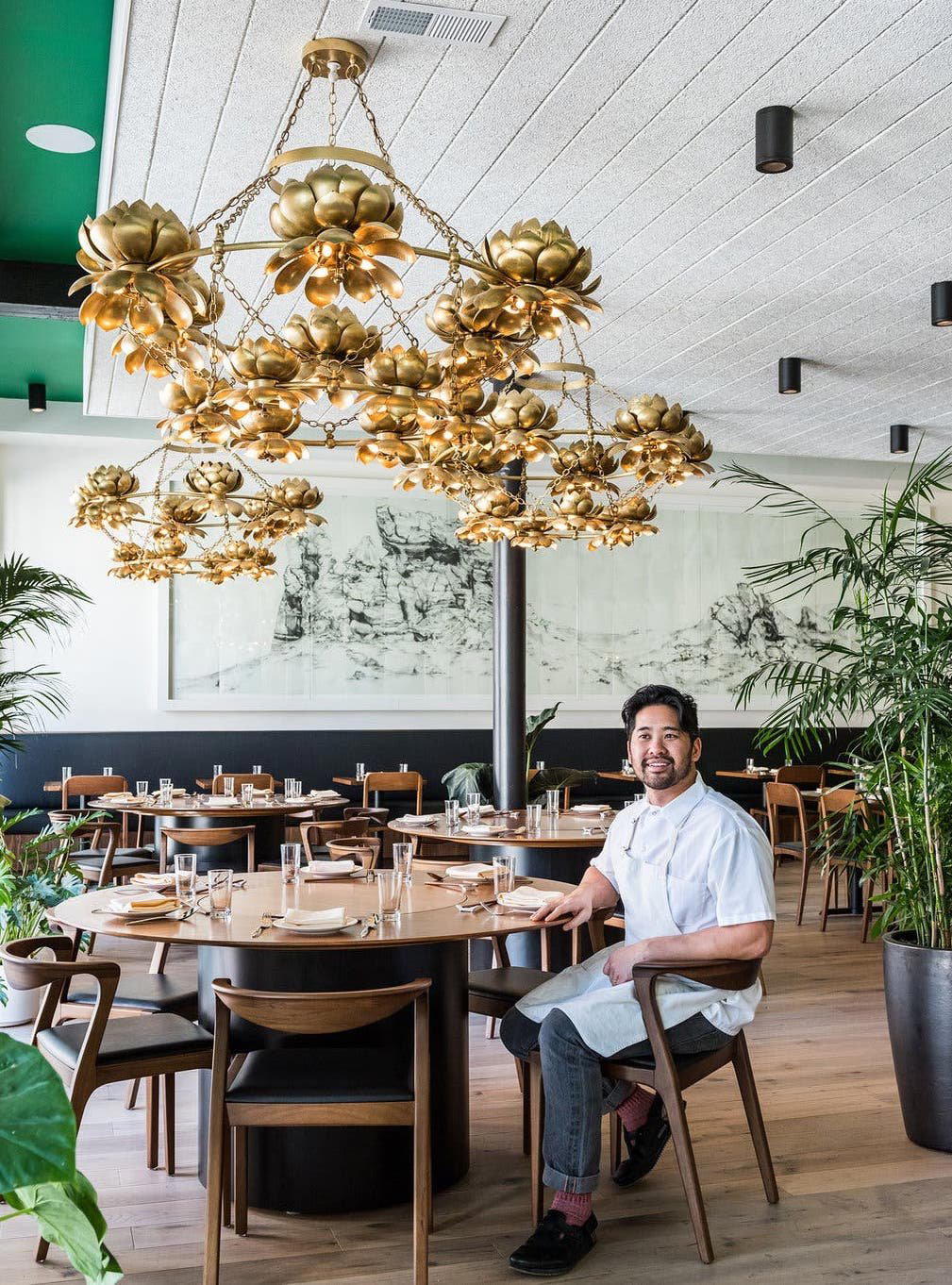
Walking into Nisei from Polk, the register changes immediately. This is not the converted warehouse scale of SoMa fine dining or the theatrical entrance of the Ferry Building adjacents. The room reads human-sized, the kind of space where the acoustics allow actual conversation and where the distance between tables does not require a performance. San Francisco's most decorated rooms, The French Laundry in Napa, Alinea in Chicago, or even Benu a few miles south, make a point of ceremony on arrival. Nisei lets the neighbourhood do that work instead.
Where Nisei Sits in San Francisco's Japanese Scene
San Francisco's Japanese dining tier is more varied than its Michelin count suggests. At one end, counter-focused omakase operations have multiplied over the last five years, most of them in the Financial District or Japantown adjacents. At the other, neighbourhood izakayas like Izakaya Rintaro and the more casual formats around Kiraku, see our notes on Kiraku, hold a different kind of loyalty. Nisei occupies a distinct middle position: Japanese technique applied through a California-ingredient lens, running at fine-dining prices but without the rigidity of a traditional kaiseki sequence.
That positioning sets it apart from comparisons like Gozu, which runs a Japanese-influenced wagyu format in a more overtly theatrical register, or Iyasare, which leans into Berkeley-adjacent Japanese-Californian territory. Nisei's Michelin recognition, alongside its repeated placement in Opinionated About Dining's North America rankings (Recommended in 2023, #328 in 2024, #318 in 2025) signals a restaurant that has held its position while the scene around it has kept moving. That kind of sustained dual recognition across Michelin and OAD, which weights heavily toward regular diner feedback rather than institutional judgment, is not common in this price bracket.
The comparable set for that combination is narrow. In San Francisco proper, you are talking about Benu, Atelier Crenn, Quince, and Saison at the summit of the $$$$ tier, all of them carrying more stars and longer institutional histories. Nisei reads closer to Lazy Bear in terms of its combination of critical recognition and a dining experience that does not feel like a formal ceremony, though the cuisines sit in different traditions entirely. For a broader national frame, the Michelin-plus-OAD combination at this price point puts it in company with rooms like Providence in Los Angeles and, further afield, Le Bernardin in New York City.
The Kitchen's Angle
Chef David Yoshimura runs the kitchen and holds the ownership stake. The cooking draws on Japanese culinary logic, precision in temperature, restraint in seasoning, a preference for letting primary ingredients declare themselves, applied to what Northern California's produce cycle offers. This is a well-established mode in the Bay Area, but the execution here reads at a higher register than most. The OAD ranking movement, from Recommended to #328 to #318 across three consecutive cycles, suggests a restaurant gaining recognition incrementally rather than spiking on novelty.
Yoshimura also holds the sommelier credential alongside the chef role, which is unusual. The wine program, directed by Andrey Ivanov, runs to 1,455 inventory selections across 450 listed options. The list leans on France and California, with pricing assessed at $$ relative to the list's range, meaning a spread of accessible and premium options rather than a cellar that exists only to impress. The $60 corkage fee signals a room that accommodates guests who bring their own bottles. For context, California wine depth on a list of this scale is the natural anchor in this part of the state; the French strength is what distinguishes a serious program from a competent one. Comparable Japanese fine-dining programs in Tokyo, see Myojaku and Azabu Kadowaki, typically operate with much tighter wine selections, making Nisei's list depth a specific advantage for wine-focused guests.
The Neighbourhood Logic
The editorial angle on Nisei is not about what arrives at the table. It is about what it means for a restaurant operating at this award level to exist in a block-level residential pocket rather than a destination dining district. San Francisco's fine-dining geography has historically concentrated around specific corridors: the Financial District, Hayes Valley, the Mission's upper end, and the Ferry Building radius. Polk Street is none of those. It is a working neighbourhood strip with continuity of residents, not a row assembled for destination traffic.
That geography produces a specific kind of dinner. The guests who book Nisei are not navigating a dining district with three alternatives on the same block. They come specifically, or they live close enough to walk. The result is a room where the ambient noise comes from people who chose to be there rather than people who ended up there between stops. This is a less common atmosphere in San Francisco's $$$$ tier than it should be, and it has something to do with why the OAD rankings, which weight repeat-visitor sentiment, have tracked upward.
For comparison within San Francisco's Japanese register, Delage operates in a similarly residential-adjacant mode, though with a French-Japanese intersection that puts it in a different competitive conversation. The broader point holds: restaurants that embed themselves in neighbourhood fabric rather than destination corridors tend to generate different guest loyalty curves, and Nisei's trajectory across three OAD cycles suggests that dynamic is operating here.
For a broader California fine-dining frame, Single Thread Farm in Healdsburg and Emeril's in New Orleans offer useful points of comparison for what happens when a chef-owner program sustains itself across multiple award cycles in a specific regional context.
Know Before You Go
Address: 2316 Polk St, San Francisco, CA 94109
Hours: Wednesday through Sunday, 5 to 9 pm. Closed Monday and Tuesday.
Price: $$$$ (cuisine pricing at $$$, two-course equivalent $66+)
Wine list: 450 selections, 1,455 inventory; France and California strengths; $$ pricing tier; $60 corkage fee
Awards: Michelin One Star; Opinionated About Dining North America #318 (2025), #328 (2024), Recommended (2023); Star Wine List White Star (published April 2024)
6 from 221 reviews
Booking: Advance reservations required.
The Short List
Comparable venues nearby, for context on price, style, and recognition.
| Venue | Cuisine | Price | Notes |
|---|---|---|---|
| NiseiThis venue — the venue you are viewing | Japanese | $$$$ | Not listed |
| O' by Claude Le Tohic | Not listed | $$$$ | Financial District/South Beach, Contemporary French Fine Dining |
| Sun Moon Studio | Not listed | $$$$ | West Oakland, Asian-influenced Seasonal Californian |
| Nari | Japantown, Modern Thai | $$$$ | Not listed |
| Kin Khao | Tenderloin, Modern Thai | $$$ | Not listed |
| The Progress | Western Addition, Modern California | $$$ | Not listed |
Recognition history
Dated appearances from independent guides and award organizations, with the underlying list record or original source where available.
Michelin 1 Star
Michelin
Opinionated About Dining Top Restaurants in North America Recommended
Opinionated About Dining
Star Wine List
Star Wine List
Wine Spectator Best of Award of Excellence
Wine Spectator
Michelin 1 Star
Michelin
Opinionated About Dining Top Restaurants in North America Ranked #318
Opinionated About Dining
The Best Chef One Knife
The Best Chef
Wine Spectator Best of Award of Excellence
Wine Spectator
Michelin 1 Star
Michelin
Opinionated About Dining Top Restaurants in North America Ranked #328
Opinionated About Dining
Opinionated About Dining Top Restaurants in North America Recommended
Opinionated About Dining
Continue exploring
More in San Francisco
Restaurants in San Francisco
Browse all →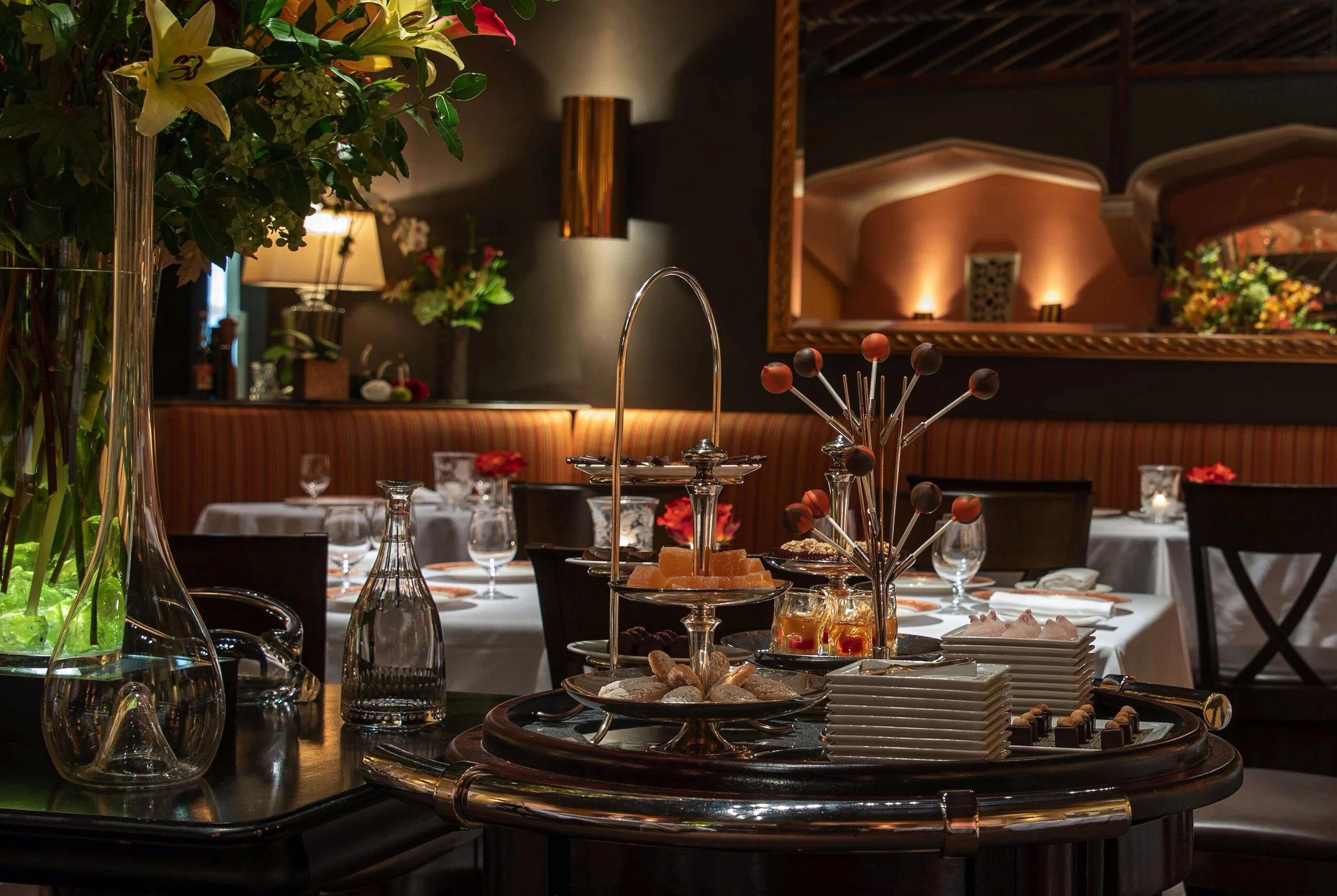
Bars in San Francisco
Browse all →
Hotels in San Francisco
Browse all →
At a Glance
- Elegant
- Sophisticated
- Modern
- Intimate
- Date Night
- Special Occasion
- Open Kitchen
- Sake Program
- Sommelier Led
- Local Sourcing
- Sustainable Seafood
Current opening hours
- Monday
- Closed
- Tuesday
- Closed
- Wednesday
- 5–9 PM
- Thursday
- 5–9 PM
- Friday
- 5–9 PM
- Saturday
- 5–9 PM
- Sunday
- 5–9 PM
Hours can change for holidays and private events. Last verified .
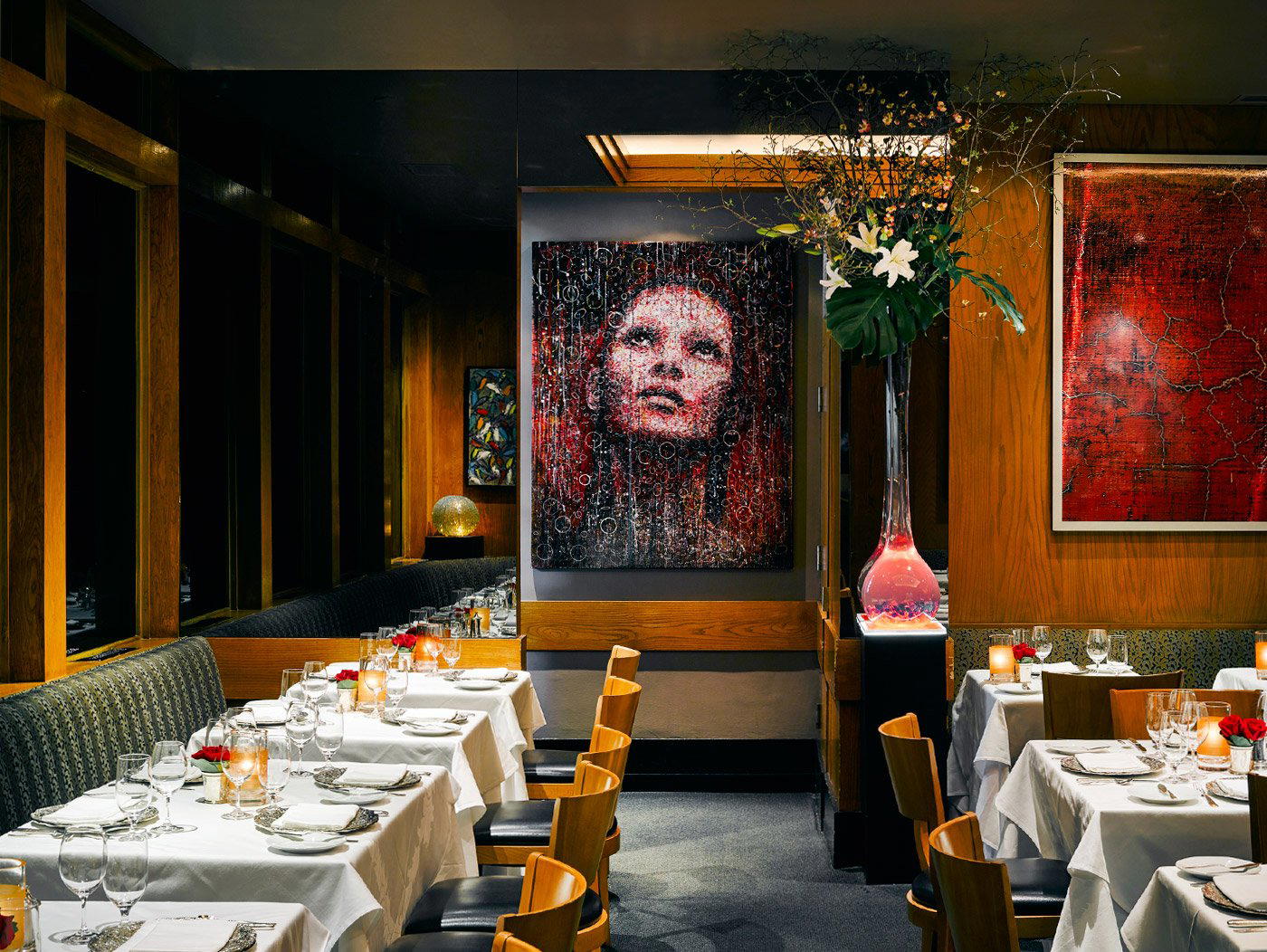
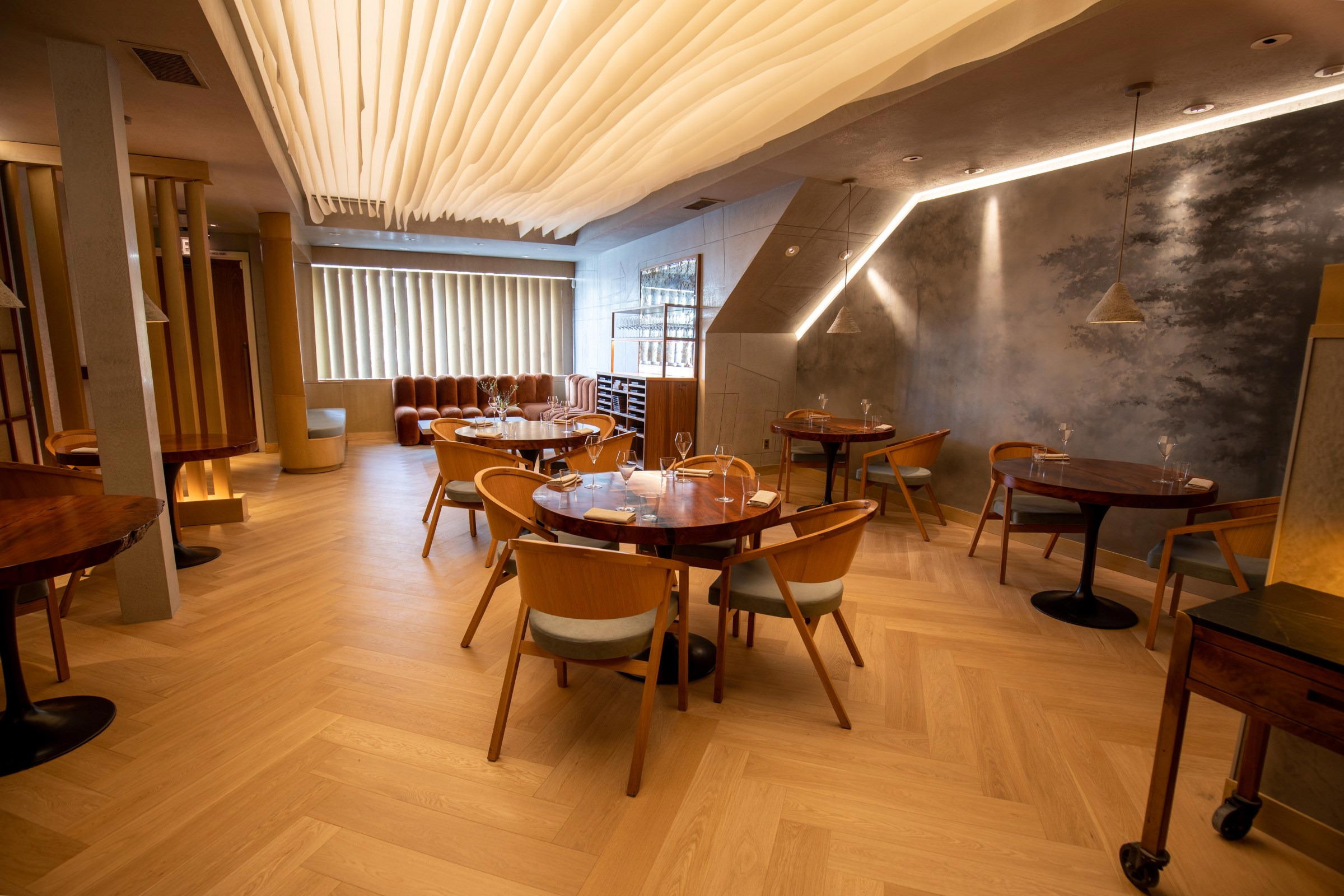
Refined and engaging atmosphere with personable service, thoughtful presentation featuring greenery and floral accents, and a focus on culinary storytelling.