Sons & Daughters










Sons & Daughters holds two Michelin stars and draws from new Nordic principles to frame the abundant produce of Northern California inside a focused tasting menu format. Chef Harrison Cheney leads a kitchen where Scandinavian restraint and seasonal sourcing meet California's ingredient depth. The Mission District address and a 630-selection wine list anchored in Burgundy, France, California, and Italy complete the picture.
Pearl is the En Primeur Club membership app — saves, bookings, and concierge access live there. Same editors, same standards.
- Address
- 2875 18th St, San Francisco, CA 94110
- Phone
- (415) 994-7933
- Website
- sonsanddaughterssf.com
- Directions
- Get directions
 Saves & bookings on Pearl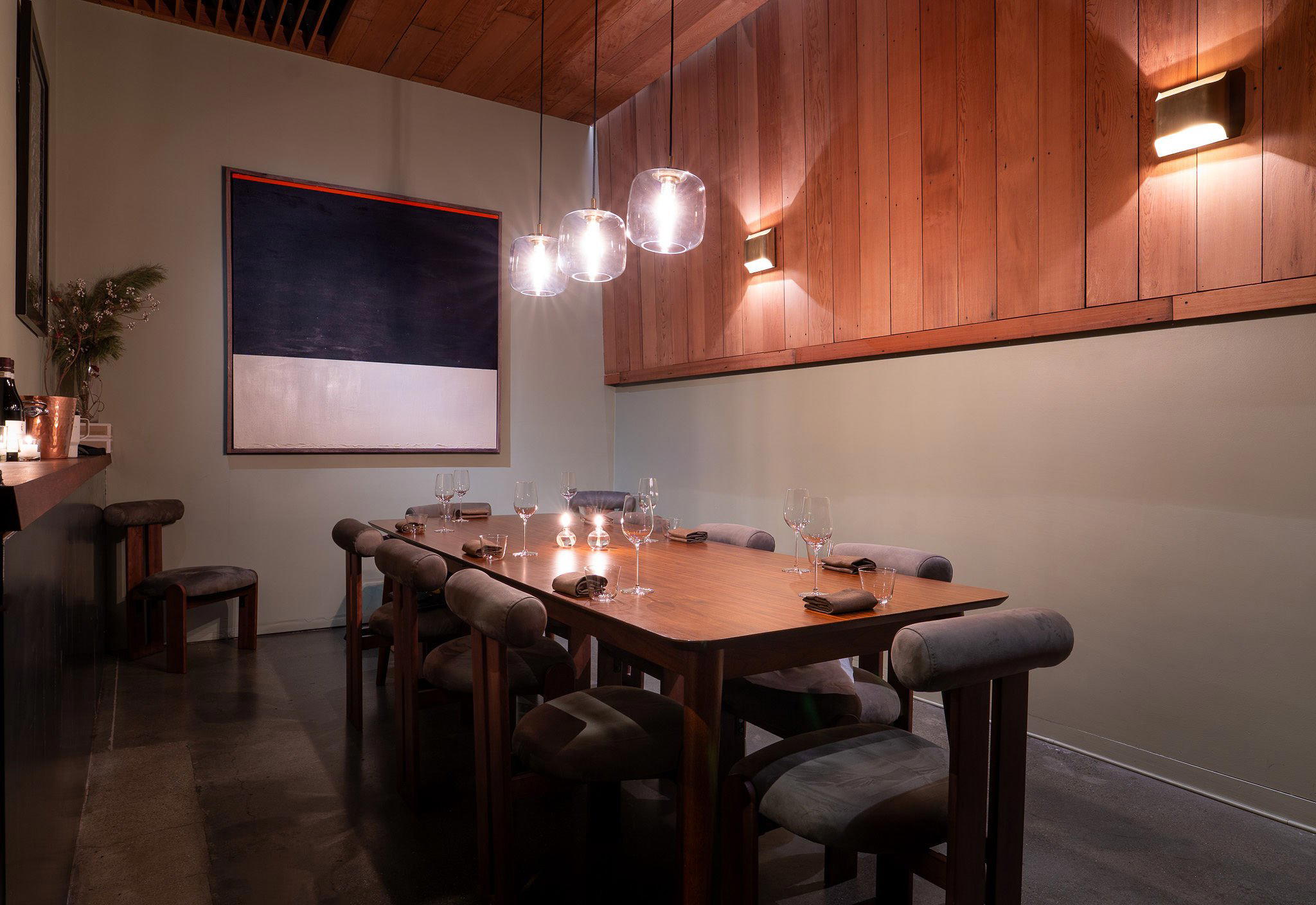
A Nordic Lens on California's Larder
San Francisco's tasting menu tier has consolidated around a clear hierarchy over the past decade. At the upper end sit restaurants that hold sustained Michelin recognition and operate within a defined culinary logic — not just seasonal menus, but a specific philosophical frame that gives the cooking coherence across seasons. Sons & Daughters, at 2875 18th Street in the Mission District, belongs to that tier. It has carried two Michelin stars through both 2024 and 2025, ranked 291st in Opinionated About Dining's North America list in 2024 before moving to 377th in 2025, and sits at 82.5 points on La Liste 2025, edging down marginally to 79 points for 2026. The trajectory is stable rather than ascending, which in the current San Francisco market signals a well-established rather than emergent position.
What distinguishes the kitchen's approach is the application of new Nordic principles to Northern California ingredients. This pairing sounds counterintuitive until you examine what new Nordic cooking actually demanded: radical seasonal fidelity, minimal intervention with quality raw material, fermentation and preservation as culinary tools rather than novelty, and a refusal to let imported luxury ingredients upstage local produce. California's agricultural output — particularly from the Bay Area's farming network, is suited to exactly this kind of treatment. The format at Sons & Daughters is a tasting menu built on this premise, with classical technique providing the structural discipline underneath the Nordic-Californian framing.
Where This Fits in San Francisco's Fine Dining Map
Lazy Bear (Progressive American, Contemporary) approaches the tasting menu as a communal, narrative-driven experience; Atelier Crenn filters modern French cooking through a poetic, ingredient-led lens; Quince anchors its format in Italian seasonal tradition. Sons & Daughters occupies a different position: Scandinavian influence applied to California produce, with a kitchen whose ethos foregrounds sustainability as a structural commitment rather than a marketing point.
This positions it differently from the Italian-Californian hybrids or French-coded formats that have long dominated San Francisco's upper tier. Protégé and Sorrel occupy adjacent price and ambition brackets, while veterans like Gary Danko represent an older model of San Francisco fine dining built on French classical foundations. Sons & Daughters fits the newer cohort: ingredient-obsessed, format-disciplined, and drawing on a non-French European tradition to reframe what Californian cooking can look like.
The tasting menu movement in American fine dining has spent the last fifteen years absorbing influences from Copenhagen, Tokyo, and Lima in roughly equal measure. Sons & Daughters draws primarily from the Nordic strand of that movement, the same strand that informed early Noma-era thinking about foraging, fermentation, and hyperlocal sourcing. Applied to a California context, this means the produce from the Bay Area's farming network replaces Nordic foraged ingredients, but the underlying logic, let the ingredient lead, use technique to reveal rather than transform, remains intact. For comparable expressions of this philosophy at different scales across the country, Alinea in Chicago represents the more theatrical American tasting menu tradition, while The French Laundry in Napa anchors the California fine dining canon in a French-classical frame that Sons & Daughters explicitly departs from.
The Kitchen and the Room
Chef Harrison Cheney leads the kitchen, with Teague Moriarty as owner and Frida Blomdahl Hay as general manager. The Scandinavian surname of the general manager is not incidental: the restaurant's Nordic orientation runs through the operational culture as well as the menu. Wine Director David Kolvek oversees a list that has earned Star Wine List recognition (published December 2024), with 630 selections across an inventory of 2,800 bottles. The wine program's stated strengths are Burgundy, France, California, and Italy, a configuration that aligns with the kitchen's preference for European classical reference points alongside California producers.
Wine pricing sits at the $$$ tier on Star Wine List's scale, meaning the list carries a substantial number of bottles above $100, and the corkage fee is $95 for those bringing their own bottle. This is a meaningful data point: a $95 corkage signals that the house wants diners to engage with the list rather than bring from outside, and the 630-selection depth gives that position legitimacy. For context within California's premium tasting menu tier, the wine program at Single Thread Farm in Healdsburg operates at comparable depth with a stronger focus on Japanese-Californian wine pairings, while The Morris in San Francisco approaches wine with a more curated, natural-leaning sensibility at a lower price point.
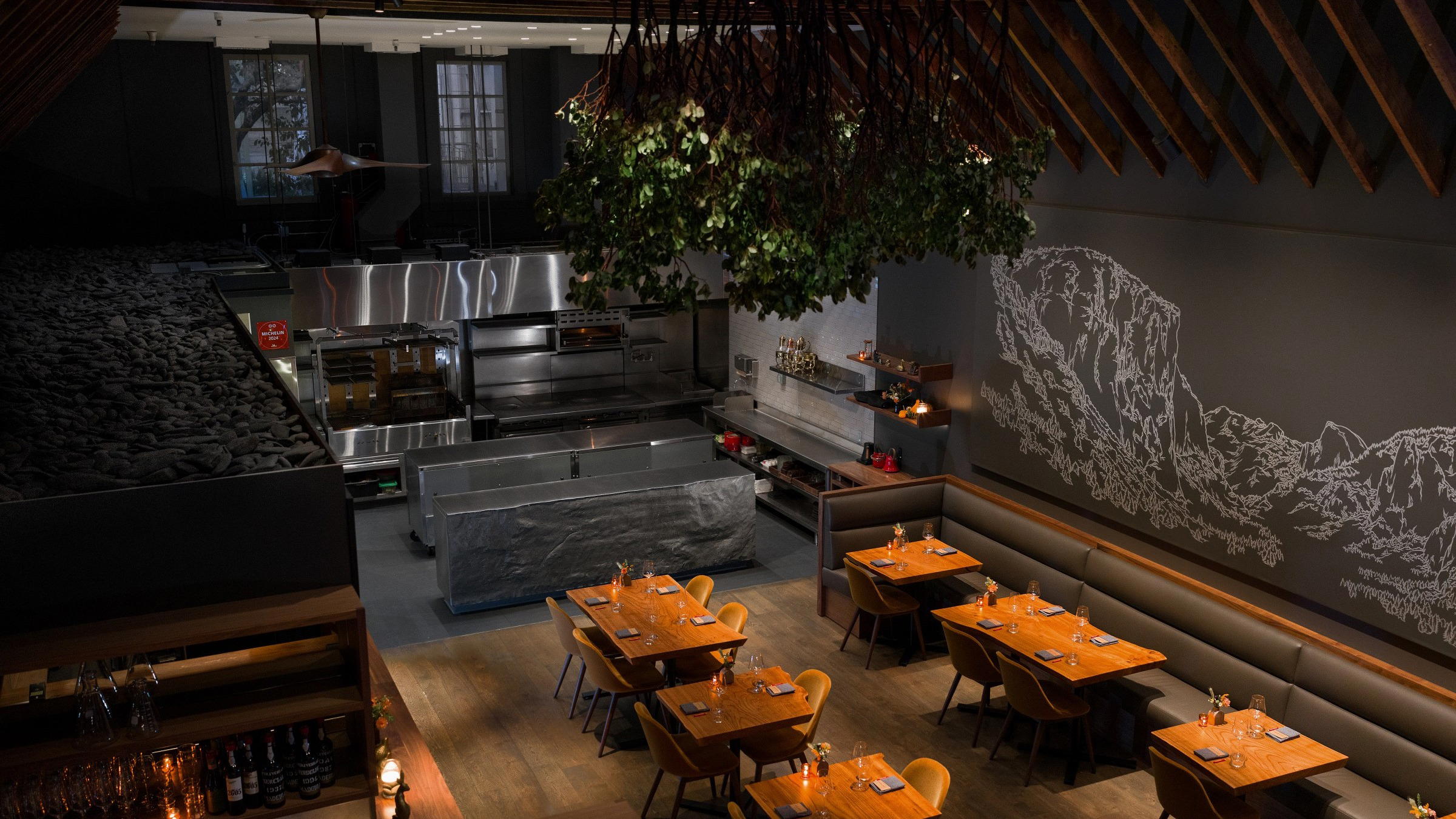
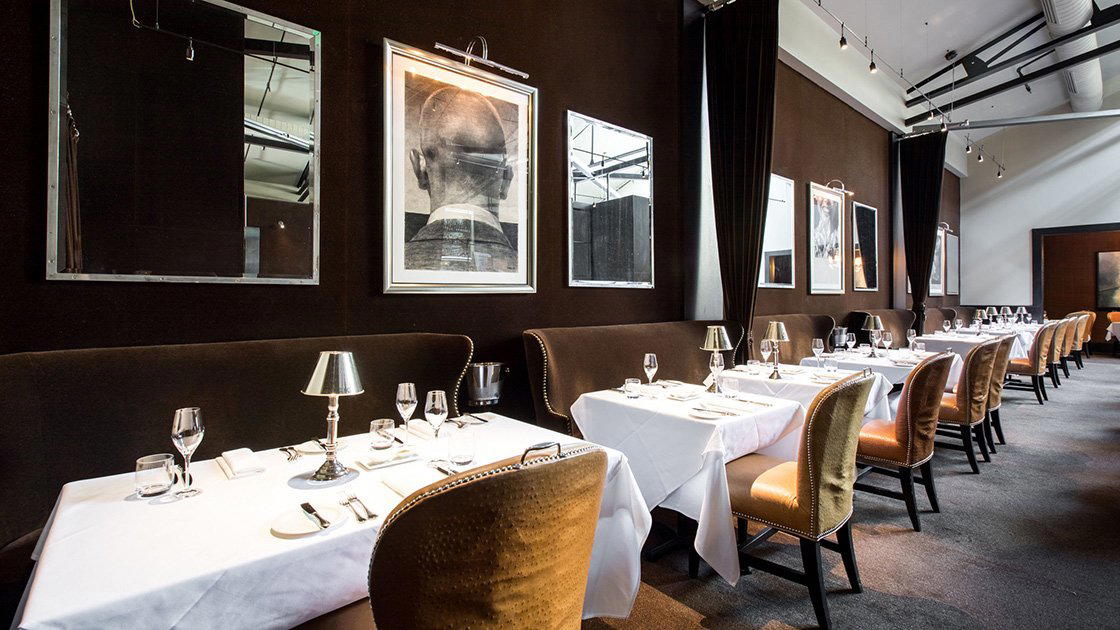
The Mission District address places Sons & Daughters in a neighbourhood better known for taquerias and casual dining than for two-Michelin-star tasting menus. This is not unusual for San Francisco's current fine dining geography: the city has seen premium restaurants migrate away from the historic concentration around Union Square and the Financial District, with the Mission and adjacent neighbourhoods absorbing some of that shift. The result is a physical setting that arrives without the architectural formality of the city's older fine dining rooms, allowing the cooking to carry the weight of the experience rather than the room.
The American Tasting Menu in 2025
The tasting menu format in American fine dining has come under pressure from multiple directions over the past few years. Rising food costs, post-pandemic shifts in dining behaviour, and a growing audience resistance to three-hour commitments have pushed some operators toward shorter formats, prix-fixe structures, or hybrid models. Sons & Daughters has maintained the full tasting menu format through this period, which the sustained two-star recognition suggests Michelin's inspectors continue to regard as a complete, coherent expression of the kitchen's intent.
Restaurants that have navigated this format pressure most successfully tend to share a specific quality: the tasting menu serves the ingredient and the season rather than the chef's ego. The Nordic influence at Sons & Daughters is useful here because Scandinavian fine dining developed its modern identity partly in reaction to the French tradition of chef-as-auteur, redirecting attention toward what the land produces and when. This is a different ambition from the maximalist American tasting menu tradition represented by something like Alinea, and it sits closer to the ethos found at The Wolf's Tailor in Denver or The Modern in New York City, where the format serves a specific culinary logic rather than theatrical ambition.
For West Coast context, Providence in Los Angeles represents the tasting menu applied to California seafood with French classical architecture, while Sons & Daughters takes the same commitment to Northern California produce and runs it through a Nordic lens. Both approaches reflect the broader American fine dining movement's shift away from European mimicry toward regional specificity, even when that specificity is expressed through a non-American culinary framework.
Planning Your Visit
Sons & Daughters serves dinner only at its Mission District address. The cuisine pricing tier ($$$ on the Star Wine List scale, equivalent to a typical two-course meal over $66) and the $$$$ food price range position it at the upper end of San Francisco's tasting menu market.
| Venue | Cuisine Frame | Michelin Stars | Price Tier | Wine Program |
|---|---|---|---|---|
| Sons & Daughters | New Nordic / Californian | $$$$ | 630 selections, Burgundy-led | |
| Lazy Bear | Progressive American | 2 | $$$$ | Curated, American-focused |
| Atelier Crenn | Modern French | 3 | $$$$ | French-dominant |
| Quince | Italian Contemporary | 3 | $$$$ | Italian-Californian |
| Sorrel | Seasonal American | 1 | $$$ | European-focused |
For broader planning across San Francisco's dining, drinking, and hospitality options, see our full San Francisco restaurants guide, our full San Francisco hotels guide, our full San Francisco bars guide, our full San Francisco wineries guide, and our full San Francisco experiences guide.
What People Recommend at Sons & Daughters
Given the restaurant's two Michelin stars, its sustained recognition on the Opinionated About Dining North America list, and its stated commitment to seasonal Northern California produce framed through new Nordic technique, the tasting menu as a whole is the primary reference point guests and critics cite. The kitchen's approach, using classical technique to underpin a Nordic-Californian seasonal framework, means specific dishes change with the season and year. The wine program, with its Burgundy and California strengths across 630 selections, is consistently noted as a serious accompaniment to the tasting format, and the $95 corkage fee signals the house's preference for guests to engage with the list. For comparable tasting menu experiences in the region, Le Bernardin in New York City and Emeril's in New Orleans offer reference points for how different American fine dining traditions have developed the format across the country.
The Quick Read
| Venue | Cuisine | Price |
|---|---|---|
| Sons & DaughtersThis venue — the venue you are viewing | New American, Contemporary | $$$$ |
| Lazy Bear | Progressive American, Contemporary | $$$$ |
| Benu | French - Chinese, Asian | $$$$ |
| Atelier Crenn | Modern French, Contemporary | $$$$ |
| Quince | Italian, Contemporary | $$$$ |
| Saison | Progressive American, Californian | $$$$ |
Recognition history
Dated appearances from independent guides and award organizations, with the underlying list record or original source where available.
James Beard Award Semi Finalist
James Beard Award
James Beard Award Nominee
James Beard Award
La Liste Top Restaurants
La Liste
Michelin 2 Stars
Michelin
Opinionated About Dining Top Restaurants in North America Recommended
Opinionated About Dining
San Francisco Chronicle Top 100 Bay Area Restaurants #21
San Francisco Chronicle
Star Wine List
Star Wine List
Wine Spectator Best of Award of Excellence
Wine Spectator
World's 50 Best North America's Best Restaurants #45
World's 50 Best
Forbes 10 Coolest Restaurants
Forbes
La Liste Top Restaurants
La Liste
Michelin 2 Stars
Michelin
Opinionated About Dining Top Restaurants in North America Ranked #377
Opinionated About Dining
Wine Spectator Best of Award of Excellence
Wine Spectator
World's Best Wine Lists Awards WBWL 2-Star
World's Best Wine Lists Awards
Michelin 2 Stars
Michelin
Opinionated About Dining Top Restaurants in North America Ranked #291
Opinionated About Dining
Opinionated About Dining Top Restaurants in North America Recommended
Opinionated About Dining
Continue exploring
More in San Francisco
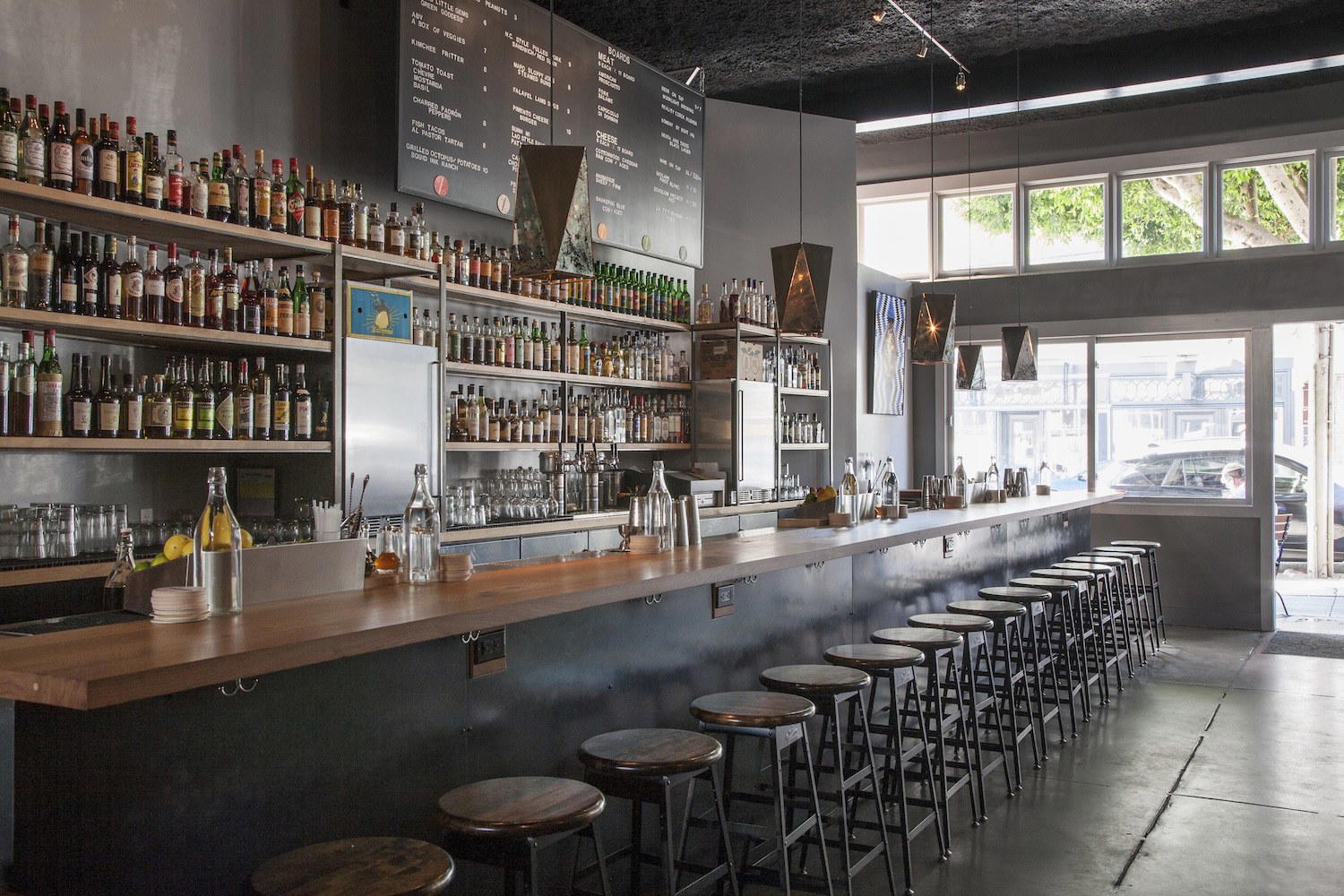
Restaurants in San Francisco
Browse all →
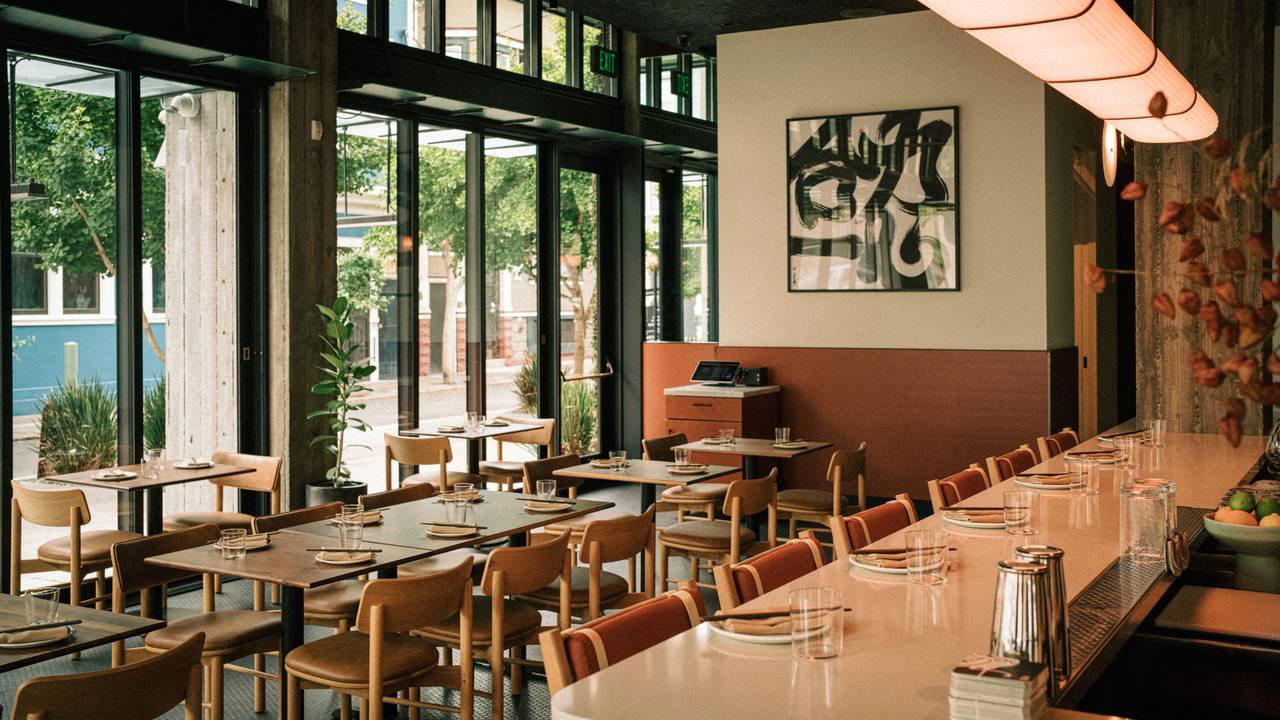
Bars in San Francisco
Browse all →
Hotels in San Francisco
Browse all →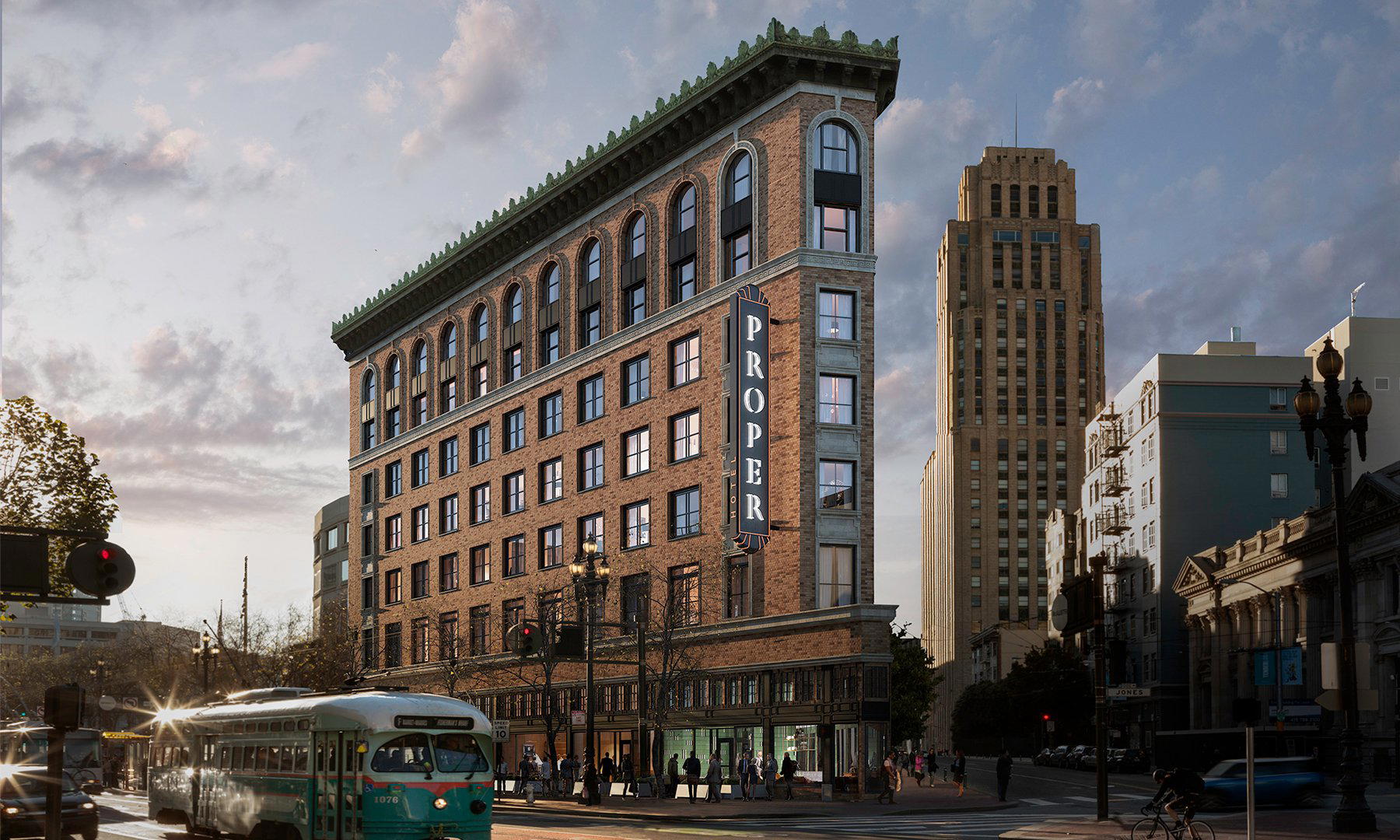
At a Glance
- Elegant
- Sophisticated
- Intimate
- Quiet
- Date Night
- Special Occasion
- Celebration
- Open Kitchen
- Standalone
- Historic Building
- Extensive Wine List
- Sommelier Led
- Corkage Allowed
- Local Sourcing
Current opening hours
- Monday
- Closed
- Tuesday
- 6–8 PM
- Wednesday
- 6–8 PM
- Thursday
- 6–8 PM
- Friday
- 5–8:30 PM
- Saturday
- 5–8:30 PM
- Sunday
- Closed
Hours can change for holidays and private events. Last verified .
Elegant and quiet atmosphere in a mysterious Nob Hill building, allowing for intimate conversation while enjoying meticulously presented dishes.
Know Before You Go
- Getting there
- 2875 18th St, San Francisco, CA 94110