

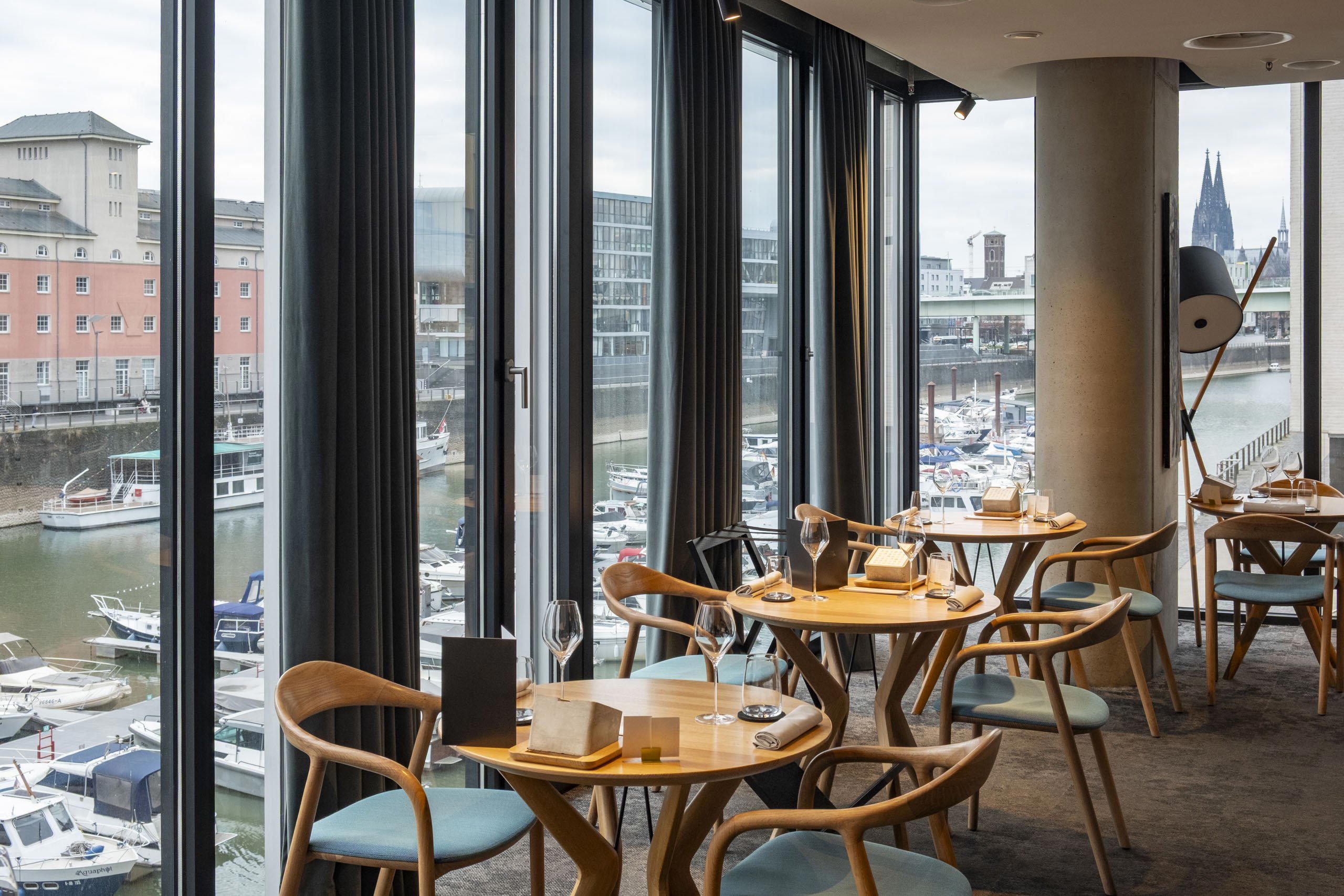
Occupying the ground floor of the Ameron Bonn Hotel Königshof on Adenauerallee, Oliveto serves fresh Italian and Mediterranean cooking in a setting where window tables look directly onto the Rhine. For Italian food in Bonn at the mid-range price point, it is among the more consistent options on the riverside stretch.
Pearl is the En Primeur Club membership app — saves, bookings, and concierge access live there. Same editors, same standards.
- Address
- Adenauerallee 9, 53113 Bonn, Germany
- Phone
- +49 228 26010
- Website
- ameronhotels.com
- Directions
- Get directions
 Saves & bookings on Pearl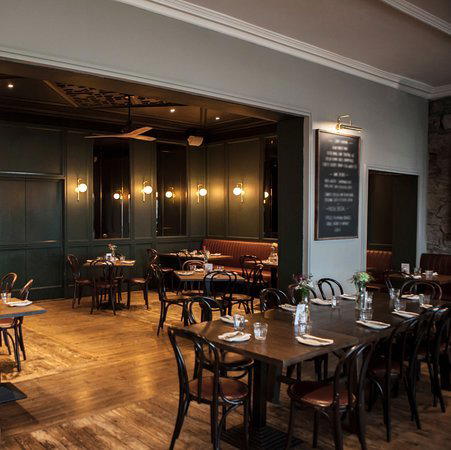
A Rhine-Facing Room and the Italian Table
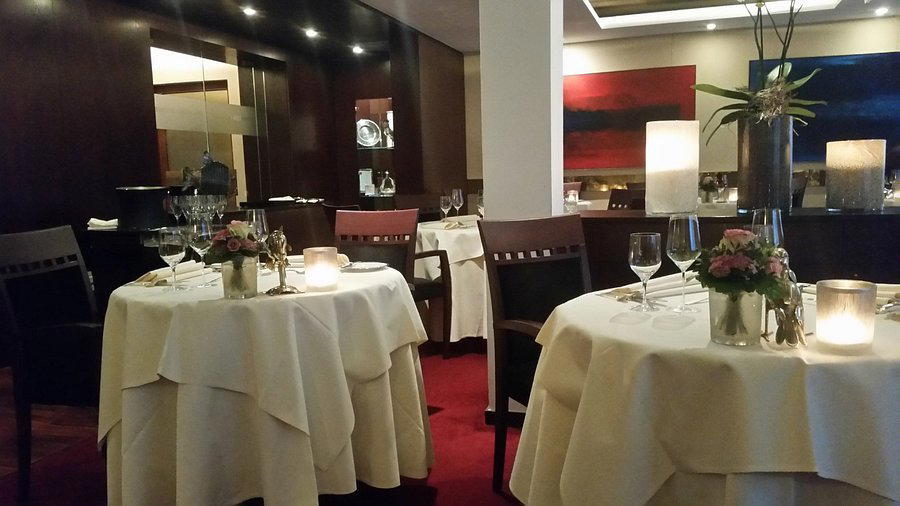
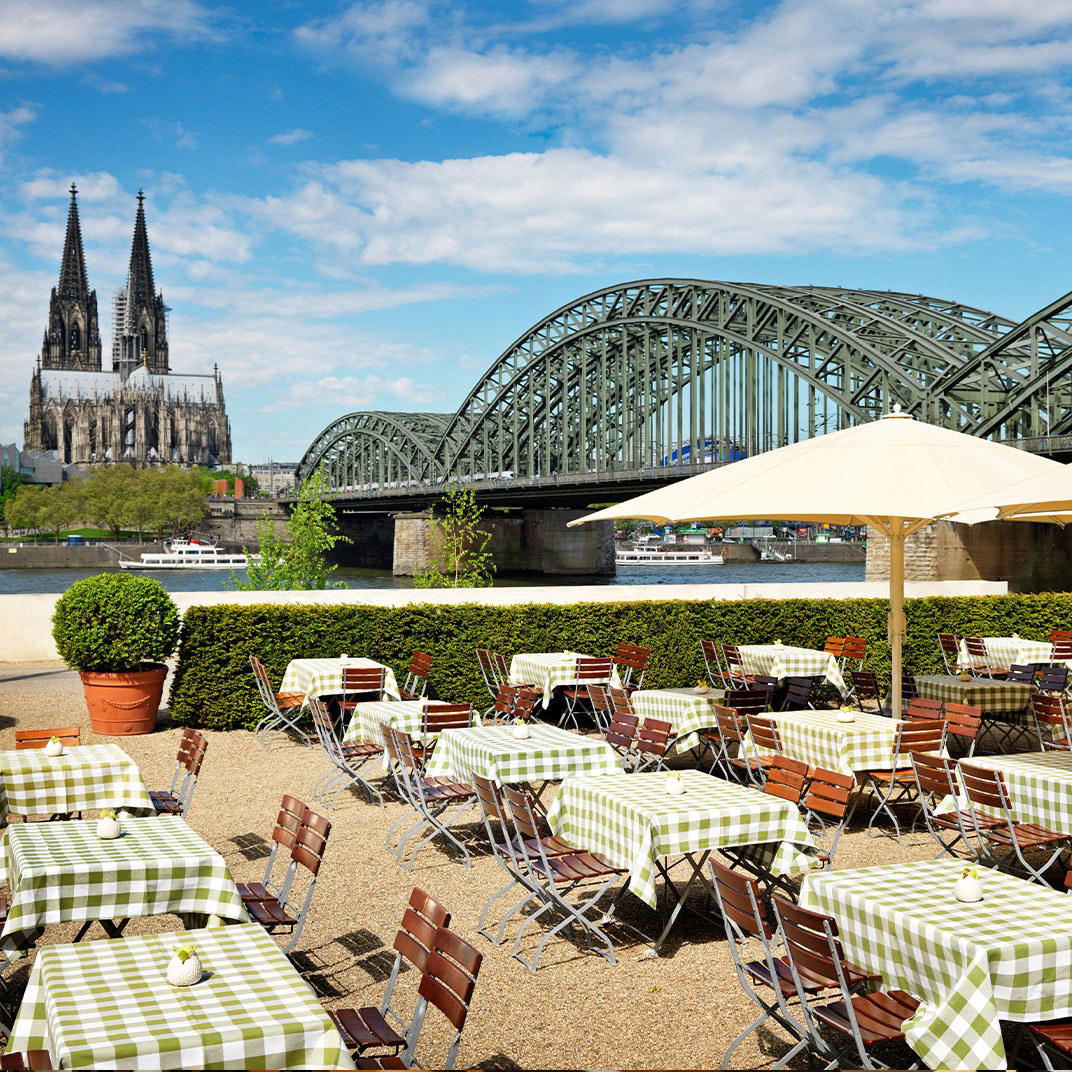
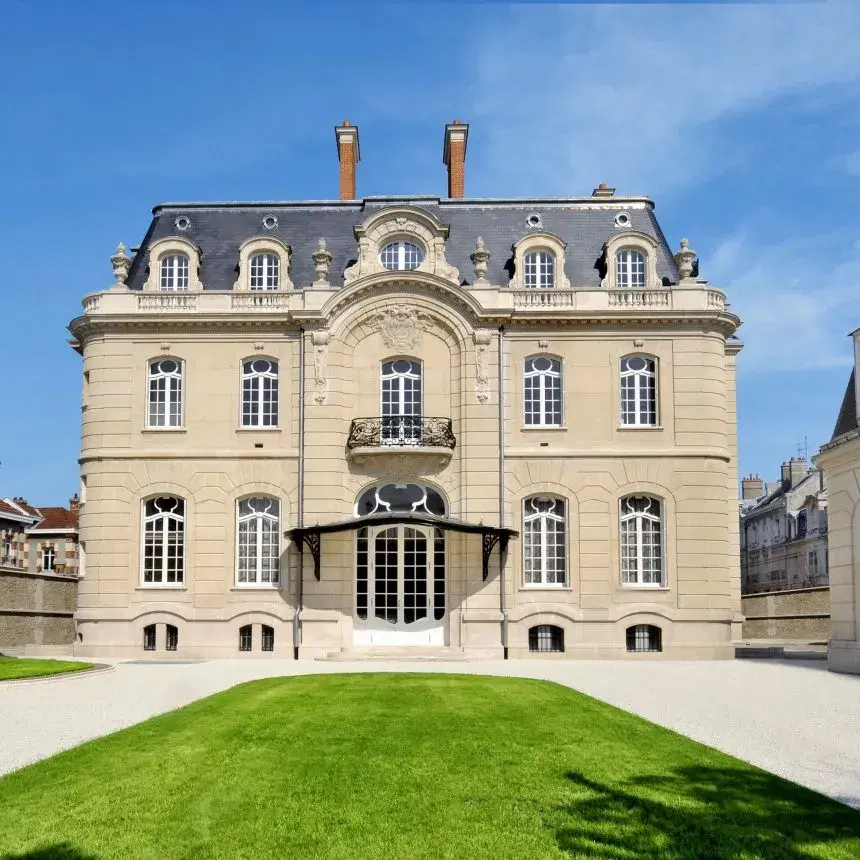
There is a particular geometry to dining rooms that earn their keep through a view. At Oliveto, on the ground floor of the Ameron Bonn Hotel Königshof, Adenauerallee 9, Bonn, the window tables face the Rhine directly, and on warmer days the terrace extends that relationship further. The setting does real work here: the river is wide at this point in Bonn, the light changes through a long lunch service, and the room's contemporary styling keeps the focus outward rather than inward. It is a dining room that understands its own asset and deploys it sensibly.
Italian restaurant cooking in German cities has long occupied a complicated middle ground. At the leading end, a handful of operations have pushed into fine-dining territory, sometimes with notable results, 8½ Otto e Mezzo Bombana in Hong Kong and cenci in Kyoto illustrate how Italian technique travels and transforms when it lands in a non-European context. At the other end, the trattoria model competes with neighbourhood pricing. Oliveto occupies the mid-range bracket, priced at €€ and positioned as a reliable daily-use Italian rather than a destination tasting menu. Within Bonn's restaurant scene, that places it in a different tier from the €€€€ operations at halbedel's Gasthaus and Yunico, and below the €€€ contemporary cooking at Konrad's and Redüttchen.
Pasta as the Measure of an Italian Kitchen
In any Italian restaurant operating outside Italy, pasta is one honest indicator of kitchen standards. It is the discipline that requires the least expensive ingredients but the accumulated technique. The ratio of egg to flour, the duration of the rest, the decision between fresh and dried for a given sauce, these are choices that separate a kitchen that understands Italian cooking from one that approximates it.
Regional Italian pasta traditions are not uniform. Northern kitchens lean toward egg-rich dough, butter-dressed stuffed pastas, and shapes that carry a sauce in their folds, tortellini, tagliatelle, pappardelle. Southern kitchens favour semolina and water, extruded or hand-rolled shapes, and olive oil-based sauces with capers, anchovies, or tomato that have more acidity and less fat. Mediterranean cooking, the broader category Oliveto works within, draws from both coasts: Ligurian pesto traditions, Sicilian sweet-and-sour influences, and the herb-forward simplicity of the Campanian table all appear in what the kitchen describes as fresh, flavoursome Italian and Mediterranean cuisine.
The practical marker for how seriously a kitchen takes this discipline is whether pasta appears as a standalone course or is folded into a single all-purpose menu section. Italian restaurants that have absorbed the logic of the Italian meal structure tend to separate antipasti, primi, and secondi, because doing so shapes how a guest eats and signals that the kitchen has thought about progression. At Oliveto, the orientation toward the Italian and Mediterranean register suggests the former structure is more likely, though the hotel-restaurant context sometimes nudges kitchens toward a simplified format that suits the business lunch crowd the room attracts.
The Business Lunch City and What It Asks of a Restaurant
Bonn's identity as a former West German capital and current hub for UN agencies and development organisations shapes what its mid-range restaurants are asked to do. The lunch service carries a specific obligation: tables must turn at a pace that respects a one-hour meeting window, the menu must be readable across dietary preferences that reflect an internationally mobile clientele, and the room must be conducive to conversation without forcing intimacy. Oliveto's position inside a hotel on Adenauerallee, a formal civic boulevard, places it directly in this ecosystem. The reported popularity with the business lunch crowd at midday reflects the restaurant doing that job consistently.
Across a sample of 359 reviews it represents a durable baseline of guest satisfaction.
The Wine List in Context
Italian restaurants in Germany face a particular question about the wine list: how far to lean into Italian regional wines versus accommodating guests who arrive with German or French preferences. The described selection at Oliveto is characterised as decent, which in editorial terms means functional and well-matched to the food rather than a programme with depth or ambition. For the mid-range business lunch context, a capable list anchored in Italian regions, the Veneto, Tuscany, Sicily, and a Campanian white for the seafood-leaning Mediterranean dishes, serves the room better than an ambitious cellar that requires a dedicated sommelier to navigate. The pairing logic for Italian pasta and Mediterranean secondi is not complicated: acidity, weight, and region of origin do most of the work.
Germany's own wine culture adds a layer of interest for guests who arrive with that knowledge. The Ahr Valley, Bonn's nearest wine region, produces Spätburgunder that has a structural affinity with lighter Italian reds. For a fuller picture of what Bonn's wine and drinking culture looks like beyond the restaurant, our full Bonn wineries guide and our full Bonn bars guide cover the broader scene.
Planning a Visit
Oliveto is at Adenauerallee 9, 53113 Bonn, on the ground floor of the Ameron Bonn Hotel Königshof. The €€ pricing places it accessibly inside Bonn's mid-range, and the Rhine terrace makes it a more weather-dependent proposition in the warmer months, window seats are worth requesting when the terrace is not in use. The lunchtime business trade means the midday service runs at pace; an evening visit will likely offer more space and a slower rhythm. Full accommodation options across the city are covered in our full Bonn hotels guide.
Bonn's broader restaurant picture, from the high-end French cooking at halbedel's Gasthaus to the Mediterranean mid-range at Strandhaus, is mapped in our full Bonn restaurants guide. For those whose interest in Italian fine dining extends to what German kitchens are doing at the summit end of the register more broadly, the work being done at Aqua in Wolfsburg, Schwarzwaldstube in Baiersbronn, ES:SENZ in Grassau, and CODA Dessert Dining in Berlin illustrates the range of ambition across the country's kitchen culture. Our full Bonn experiences guide covers what else the city offers beyond the table.
Cuisine Context
Comparable venues nearby, for context on price, style, and recognition.
| Venue | Cuisine | Price | Awards | Notes |
|---|---|---|---|---|
| OlivetoThis venue — the venue you are viewing | Modern Italian Fine Dining | $$$ | Michelin Plate | Not listed |
| El Tarascon | Argentinian Steakhouse | $$$ | Not listed | Poppelsdorf |
| Forissimo Ristorante Italiano | Authentic Italian Ristorante | $$$ | Not listed | Zentrum |
| Konrad's | Modern Mediterranean Fine Dining | $$$ | Michelin Plate | Platz der Vereinten Nationen |
| Il Punto | Modern Italian | $$$ | Not listed | Südstadt |
| Strandhaus | Contemporary Mediterranean Seafood | $$$ | Michelin Plate | Nordstadt |
Recognition history
Dated appearances from independent guides and award organizations, with the underlying list record or original source where available.
Michelin Plate
Michelin
James Beard Award Best Chefs
James Beard Award
Continue exploring
More in Bonn
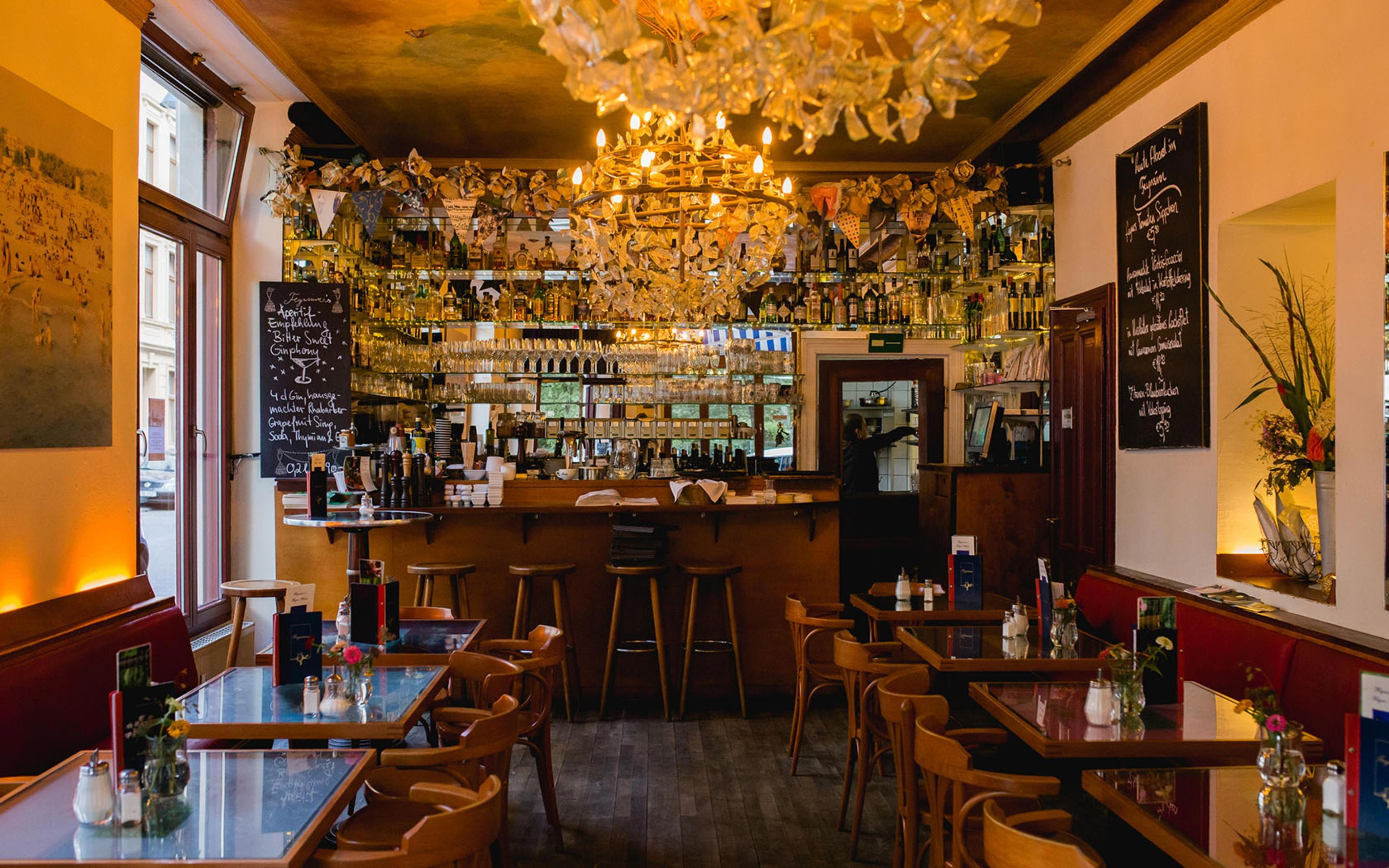
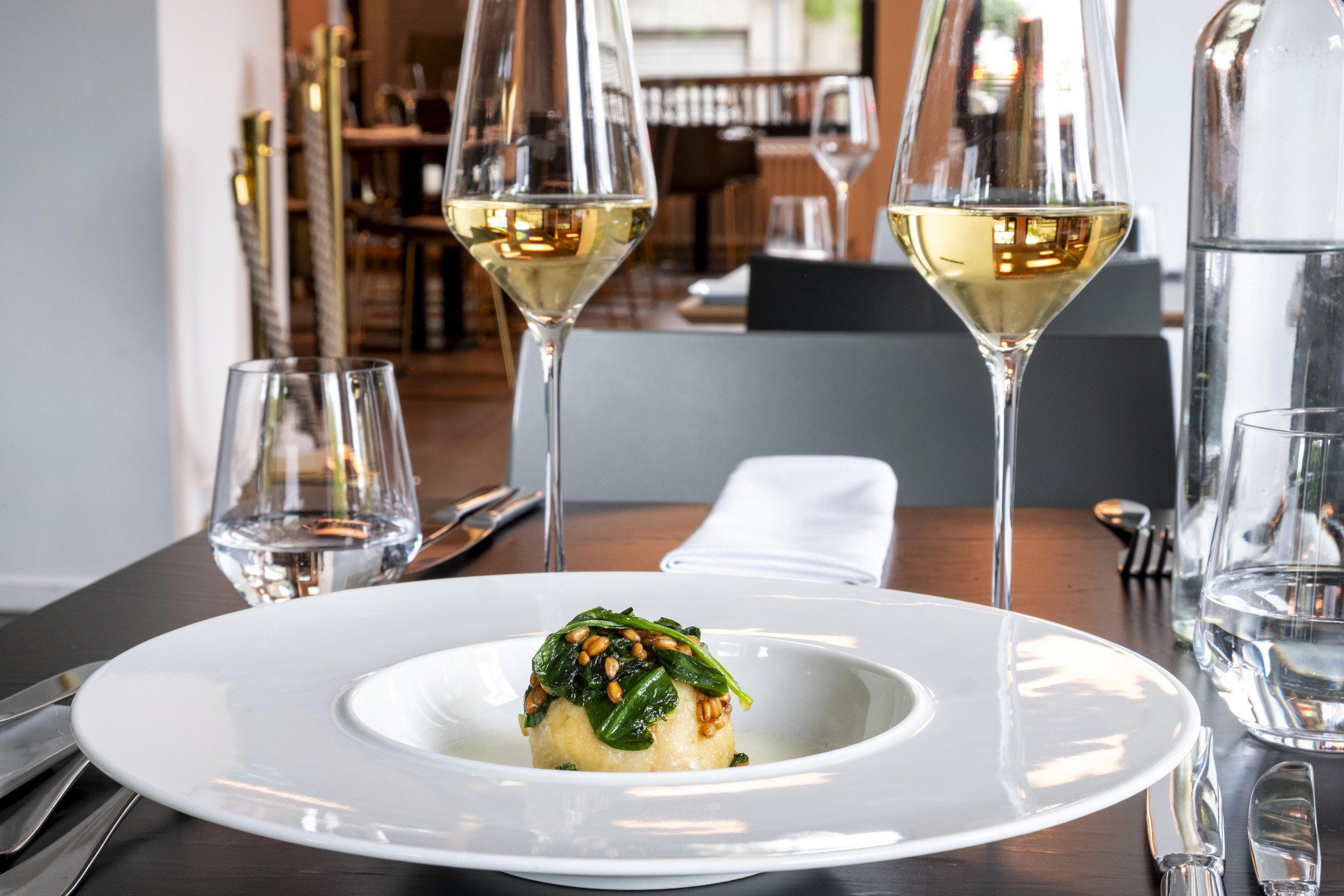
Restaurants in Bonn
Browse all →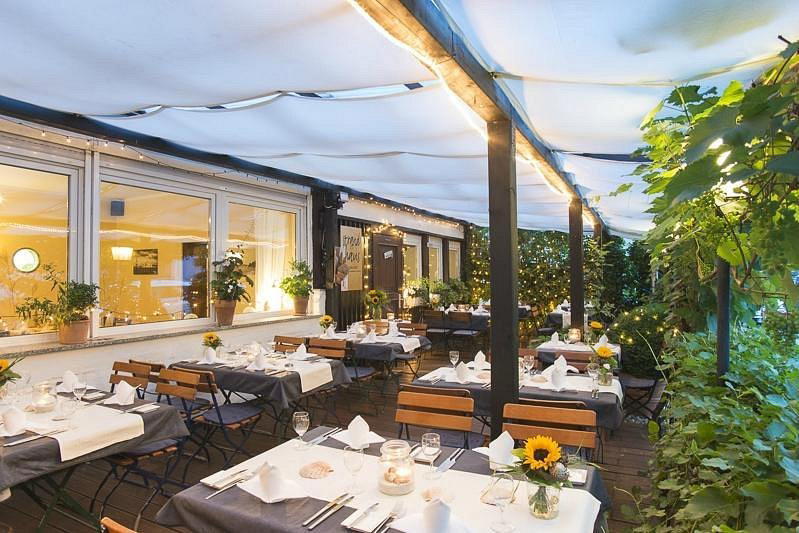
Bars in Bonn
Browse all →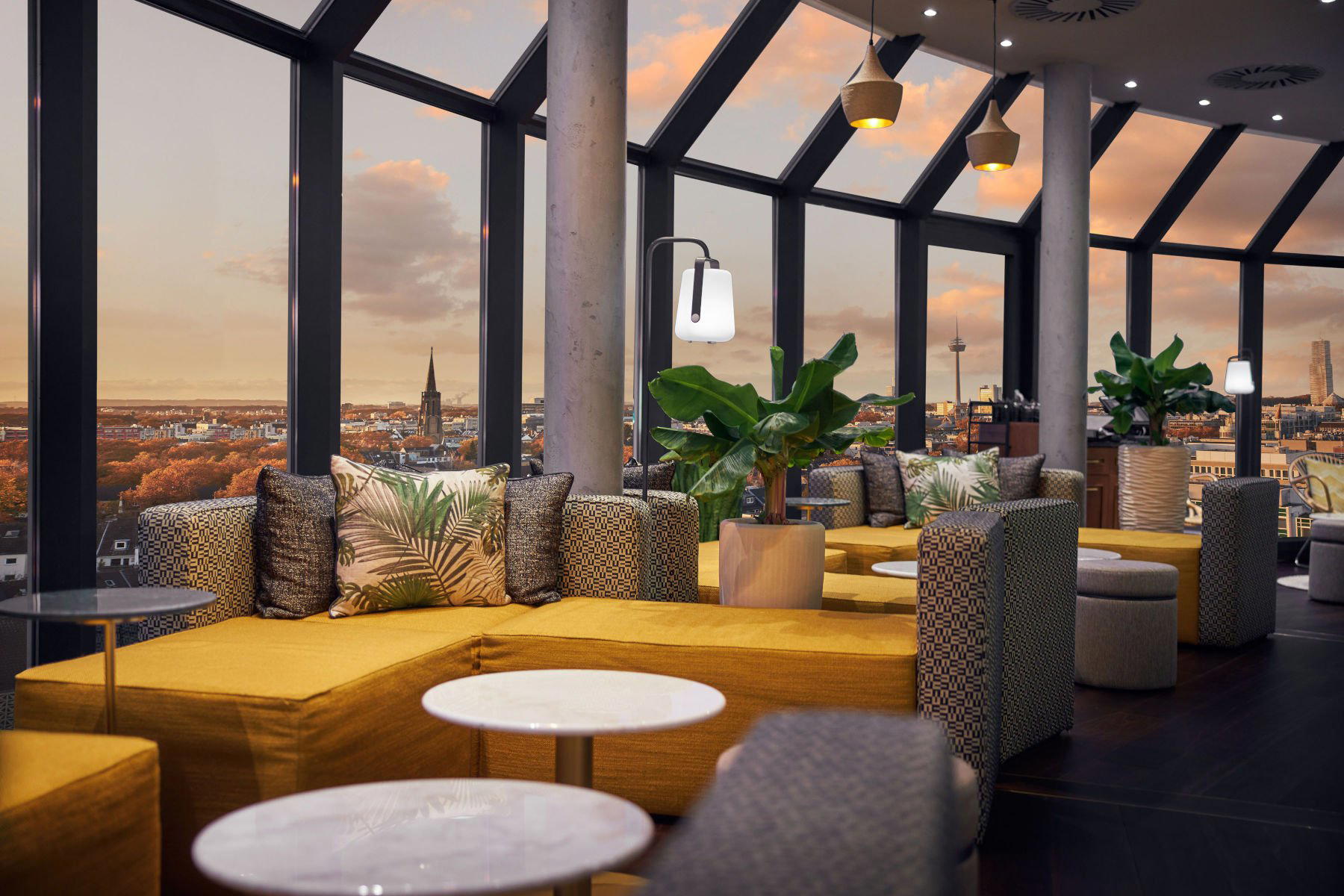

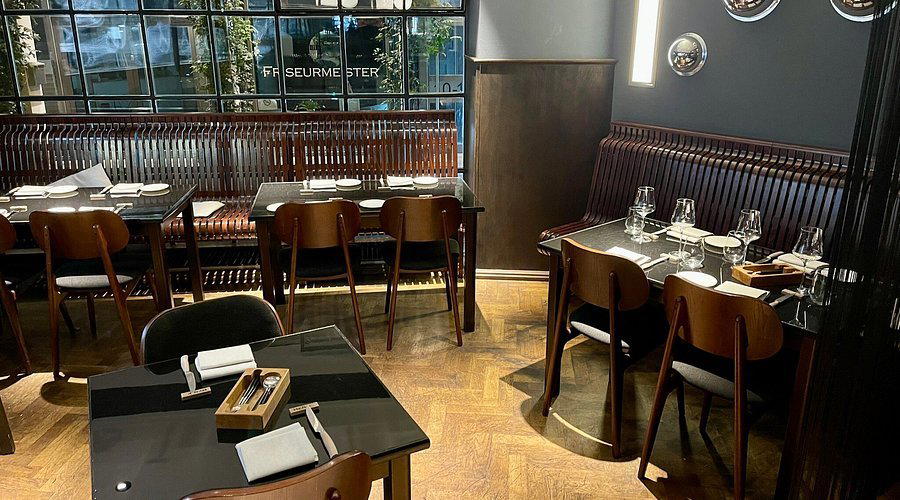
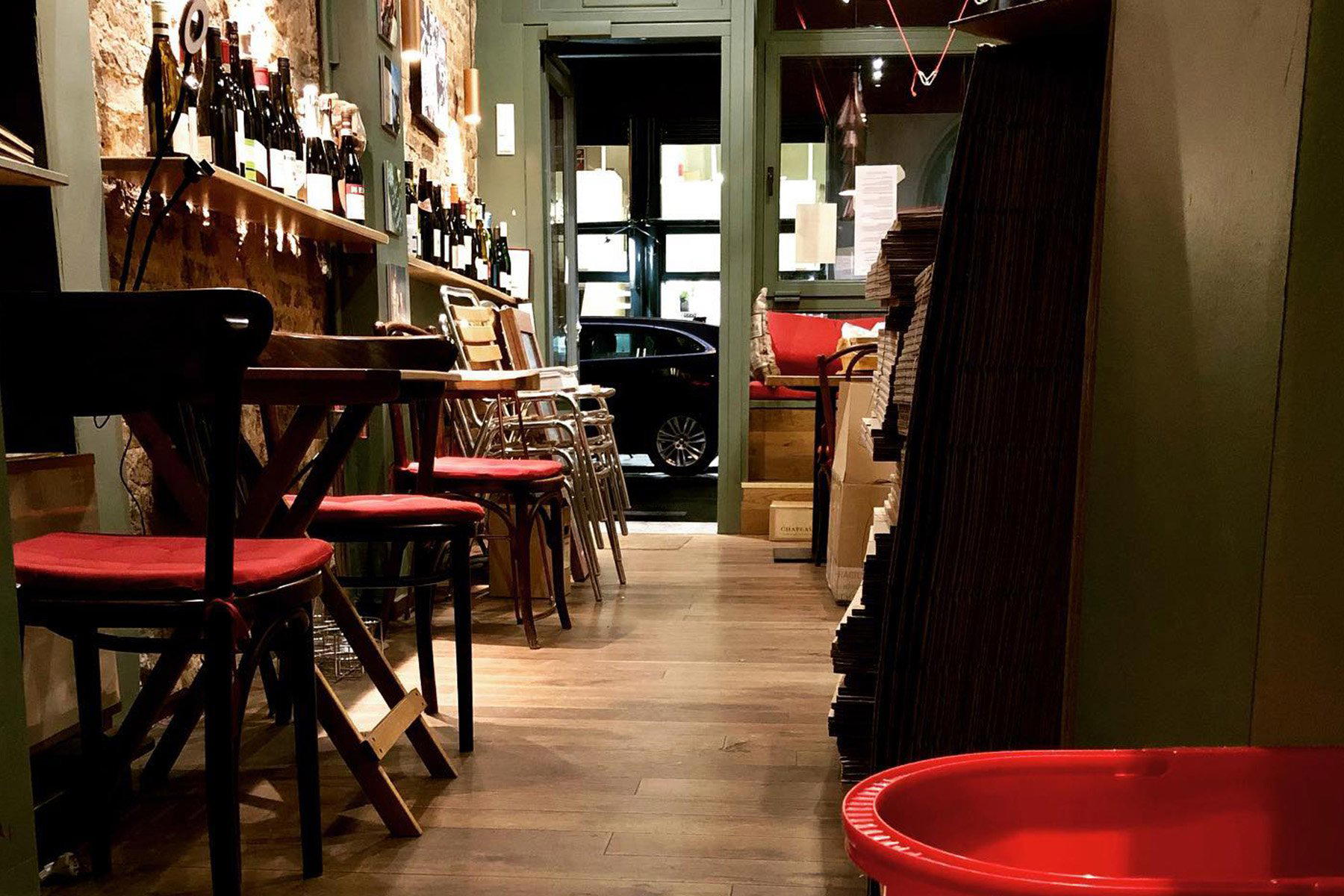
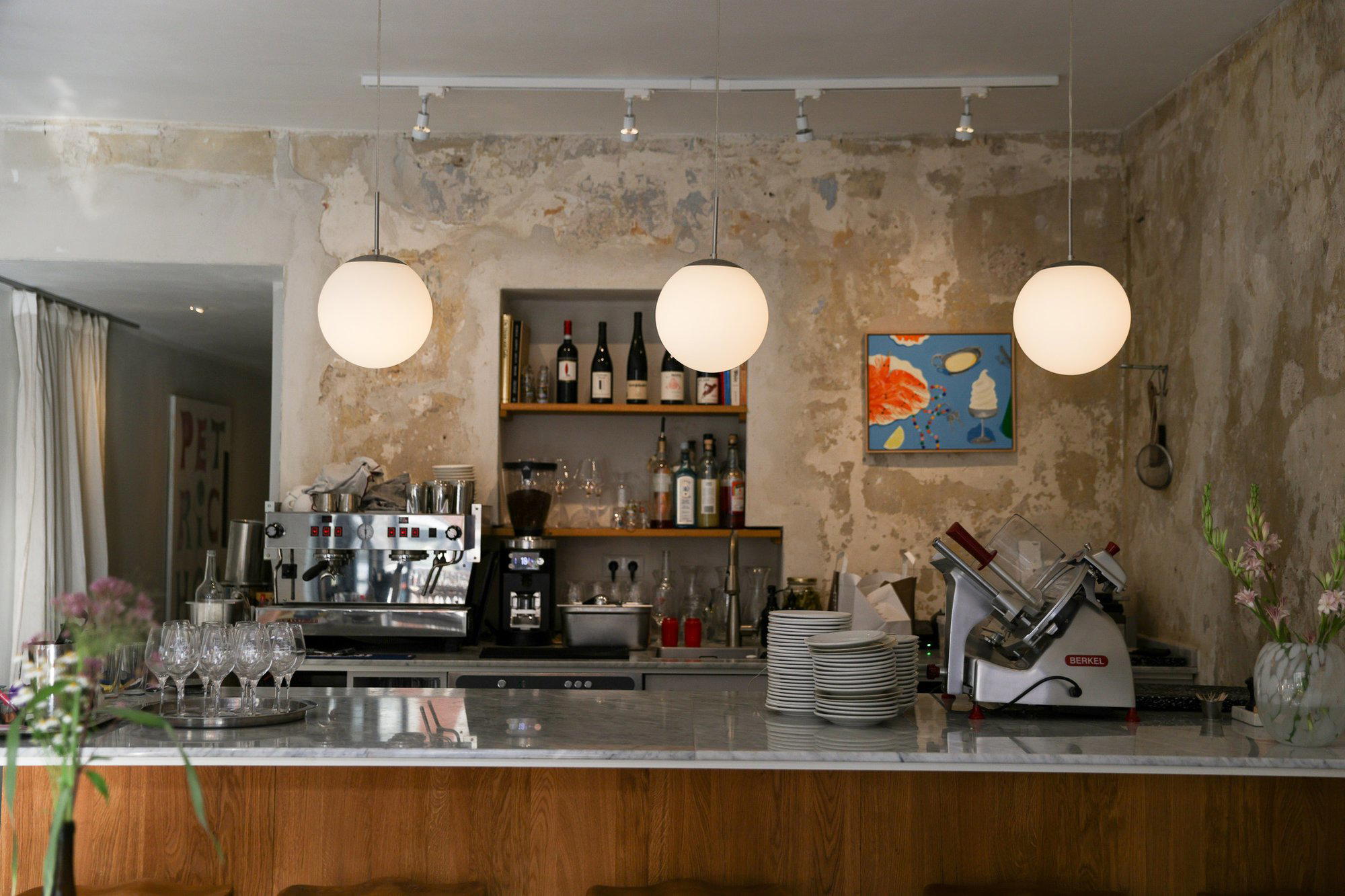
Hotels in Bonn
Browse all →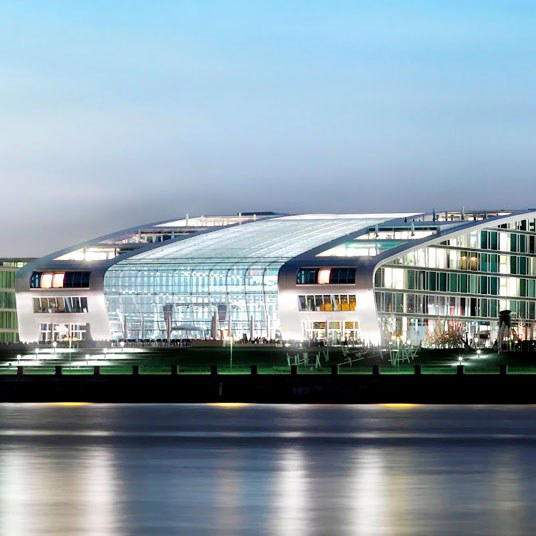

At a Glance
- Elegant
- Scenic
- Sophisticated
- Date Night
- Business Dinner
- Special Occasion
- Terrace
- Waterfront
- Hotel Restaurant
- Extensive Wine List
- Waterfront
- Street Scene
Current opening hours
- Monday
- Closed
- Tuesday
- 12–2 PM, 6–9:30 PM
- Wednesday
- 12–2 PM, 6–9:30 PM
- Thursday
- 6:30 AM–2 PM, 6–9:30 PM
- Friday
- 12–2 PM, 6–9:30 PM
- Saturday
- 12–2 PM, 6–9:30 PM
- Sunday
- 12–2 PM, 6–9:30 PM
Hours can change for holidays and private events. Last verified .
Charming atmosphere with Rhine views from indoor seating and terrace, blending classic and modern elements.