On a quiet street in central Veszprém, Oliva Étterem represents the kind of ingredient-led cooking that has quietly taken root in Hungary's provincial cities. The restaurant sits within Veszprém's compact old town, positioning itself as a serious dining option in a city better known for Baroque architecture than fine food. For travellers visiting the Bakony region or the northern shore of Lake Balaton, it warrants a place on the itinerary.
Pearl is the En Primeur Club membership app — saves, bookings, and concierge access live there. Same editors, same standards.
- Address
- Veszprém, Buhim u. 14-16, 8200 Hungary
- Phone
- +3688561900
- Website
- oliva.hu
- Directions
- Get directions
 Saves & bookings on Pearl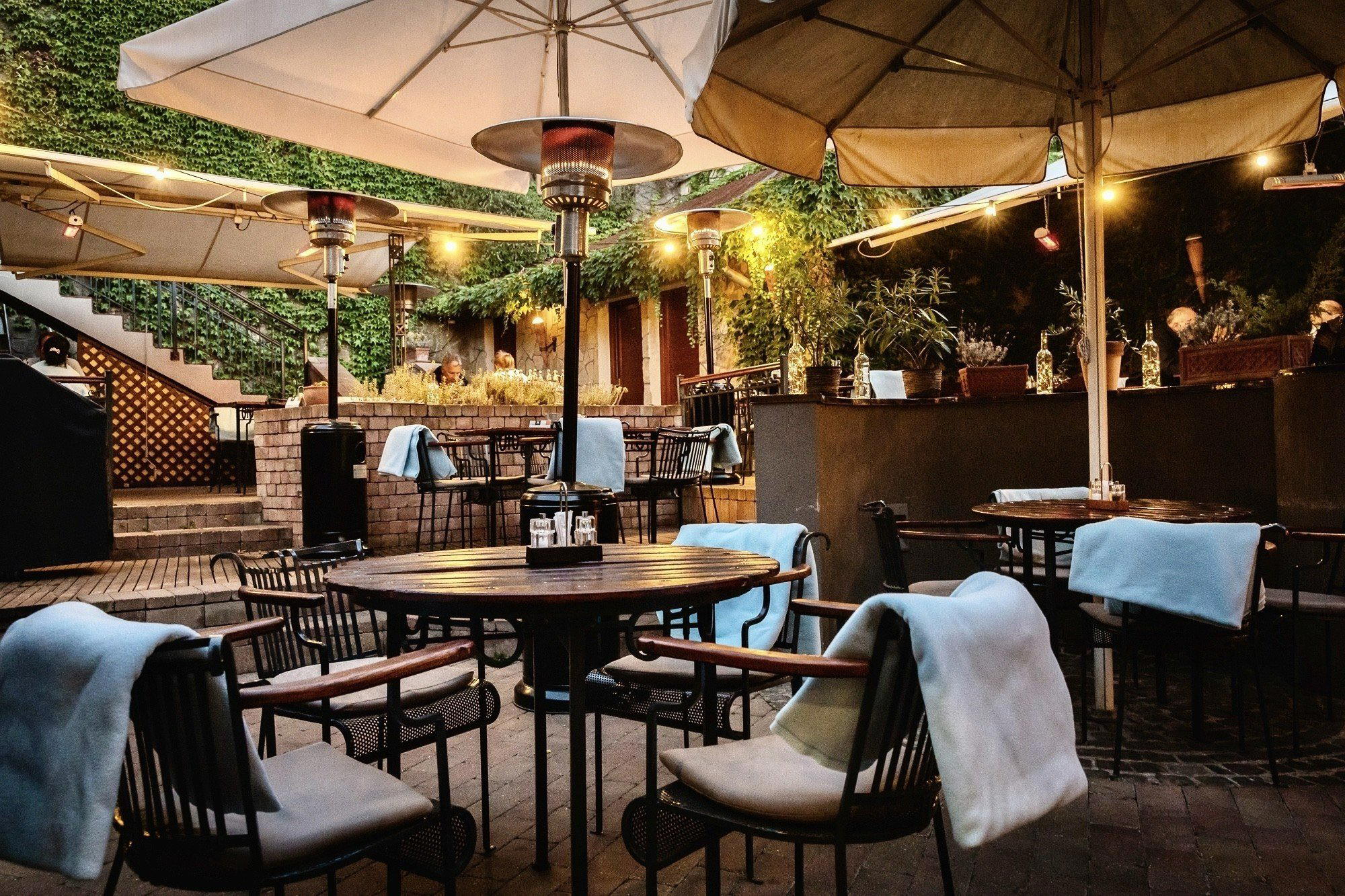
Veszprém's Dining Moment and Where Oliva Fits
Hungary's provincial restaurant scene has undergone a quiet but measurable shift over the past decade. Budapest remains the reference point, with addresses like Stand and Borkonyha anchoring the capital's modern Hungarian conversation, but the pressure to eat well outside Budapest has steadily pushed serious kitchens into smaller cities. Veszprém, perched on the edge of the Bakony hills and within easy reach of Lake Balaton's northern shore, has benefited from this dispersal. The city draws a specific kind of traveller: culturally literate, often en route between Budapest and the Balaton wine country, and not content with the tourist-adjacent menus that dominate many Hungarian provincial towns.
Oliva Étterem, on Buhim utca in the city centre, sits within this emerging context. The address places it close enough to Veszprém's historic core to catch visitors moving through the old town, but the restaurant's positioning reads as local-first rather than tourist-oriented. For a broader picture of where Oliva sits within Veszprém's options, our full Veszprém restaurants guide maps the city's dining character in detail.
The Ingredient Question in Hungarian Provincial Cooking
The editorial angle that defines serious Hungarian cooking outside Budapest is almost always sourcing. The country's agricultural geography is genuinely strong: the Great Plain produces grain and pork of real quality, the Bakony region supports game and foraged produce, and the Balaton basin has developed a wine and food culture that increasingly values provenance. The restaurants in the provincial tier that have carved out reputations tend to be those that treat local supply chains as a structural commitment rather than a marketing line.
This is the context in which ingredient-led restaurants in the Transdanubia region operate. Addresses like Kővirág in Köveskál and Apicius Étterem in nearby Herend have built their identities around proximity to producers, with Herend's kitchen benefiting from its position in the same Bakony foothills that define Veszprém's agricultural hinterland. Further afield in western Hungary, Pajta in Őriszentpéter has made farm-to-table sourcing central to its identity in a way that has earned it serious editorial attention. These are the reference points against which an ingredient-conscious kitchen in Veszprém would measure itself.
The name Oliva, referencing the olive, signals a Mediterranean inflection that is common in Central European restaurants aiming for a contemporary rather than strictly traditional register. Whether that translates into a sourcing philosophy rooted in local Bakony produce or a more pan-European approach to ingredients is the key question for a first-time visitor. Oliva Étterem serves Modern Hungarian & International cuisine.
Approaching the Space on Buhim Utca
Buhim utca is a compact street in Veszprém's centre, the kind of address that rewards pedestrian exploration rather than arrival by car. The city's old town sits on a ridge above the Séd stream, and the streets that radiate from the cathedral square tend to have the layered architectural character typical of Baroque Hungarian towns, stone and render, narrow frontages, and buildings that have absorbed several centuries of use. A restaurant occupying a ground-floor space on a street like this inherits a physical context that tends toward intimacy rather than scale.
That physical setting shapes expectations before a guest even reads the menu. Restaurants in similar streetside positions across provincial Hungary, from Aranysárkány Vendéglő in Szentendre to Forst-Ház in Eger, tend to operate at a human scale that suits leisurely lunches and unhurried dinners rather than high-volume table-turning. The physical environment in these settings does much of the atmospheric work that larger urban restaurants have to manufacture artificially.
Placing Oliva in the Regional Dining Conversation
For a traveller building an itinerary across western Hungary, the relevant comparison set for Oliva extends beyond Veszprém itself. The Balaton wine region has produced a cluster of kitchens that take regional produce seriously, and the northern shore in particular has seen investment in restaurants that pair local wines with food that reflects the landscape. Platán Gourmet in Tata offers a useful reference point for what a province-based kitchen with genuine ambition looks like in the Transdanubian context.
Further afield, the wine-and-food culture of Villány, represented by addresses like Halasi Pince Panzió, shows how deeply the ingredient-sourcing conversation has penetrated Hungarian provincial dining. Even in smaller towns like Gyöngyös, BoriMami has demonstrated that a kitchen's relationship with local wine and produce can define its identity as clearly as any formal culinary classification. Oliva operates in a regional ecosystem where these conversations are live and where guests increasingly arrive with a point of reference.
The gap between Hungarian provincial dining and the international tier, represented by something like Le Bernardin in New York or Atomix, is not purely one of technique or ambition. It often comes down to supply chain depth and the ability to sustain consistent sourcing across seasons. The Bakony region's combination of forest, farmland, and proximity to the Balaton basin gives Veszprém kitchens a genuine raw material advantage over many Central European cities of comparable size.
Planning a Visit
Veszprém is reachable from Budapest by train in approximately two hours, and from the Balaton northern shore towns by road in under thirty minutes, making it a practical stop on a longer western Hungarian circuit. Oliva's address on Buhim utca 14-16 places it within walking distance of the castle district and the main pedestrian areas. Oliva is recommended for reservations and is open Monday through Saturday from 11:30 AM to 10 PM; it is closed on Sundays. It has.
At-a-Glance Comparison
Comparable venues nearby, for context on price, style, and recognition.
| Venue | Cuisine | Price | Notes |
|---|---|---|---|
| Oliva ÉtteremThis venue — the venue you are viewing | Modern Hungarian & International | $$ | Not listed |
| bEAT | Modern Hungarian Fusion | $$ | city center |
| Rudas Bistro | Modern Hungarian Bistro | $$ | Gellerthegy |
| KIOSK Budapest | Modern Hungarian | $$ | Belvaros |
| Söptei Pincészet és Étterem | Hungarian Winery Restaurant | $$ | Csopak |
| Café Vian Liszt Ferenc tér | Traditional Hungarian Bistro | $$ | Terézváros |
At a Glance
- Modern
- Cozy
- Elegant
- Family
- Date Night
- Garden
- Historic Building
- Hotel Restaurant
- Extensive Wine List
- Garden
Current opening hours
- Monday
- 11:30 AM–10 PM
- Tuesday
- 11:30 AM–10 PM
- Wednesday
- 11:30 AM–10 PM
- Thursday
- 11:30 AM–10 PM
- Friday
- 11:30 AM–10 PM
- Saturday
- 11:30 AM–10 PM
- Sunday
- Closed
Hours can change for holidays and private events. Last verified .
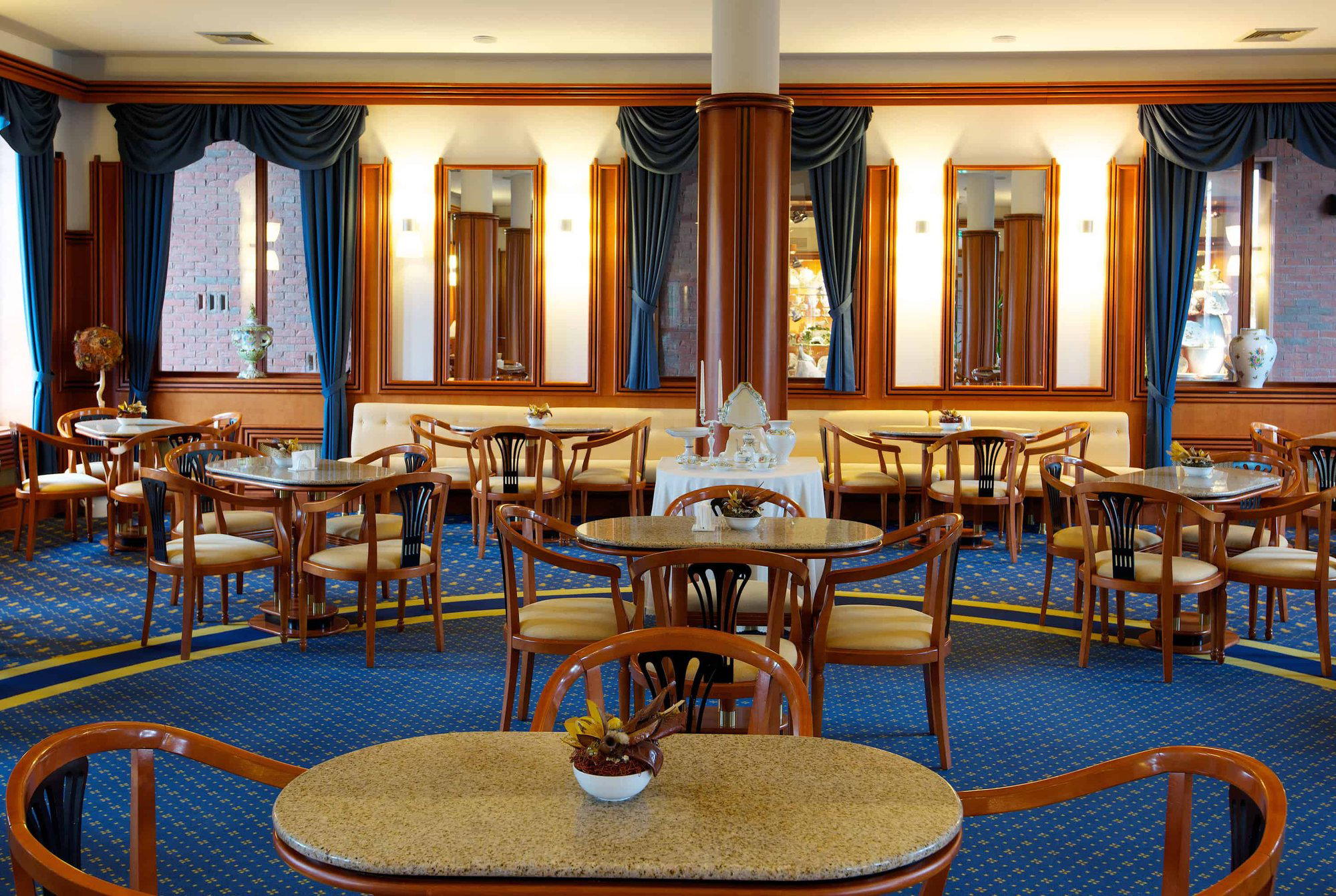
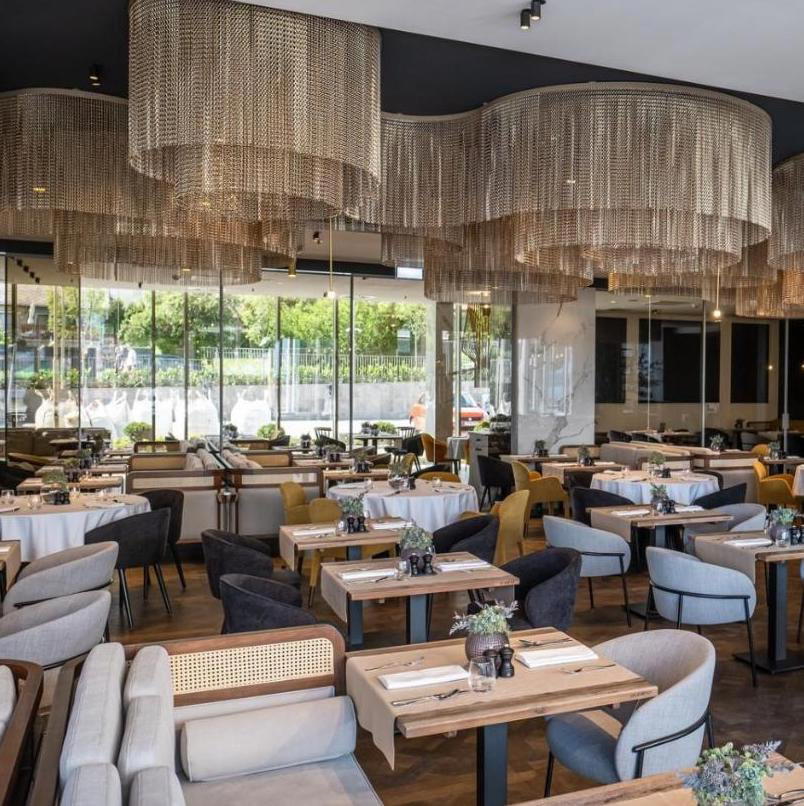
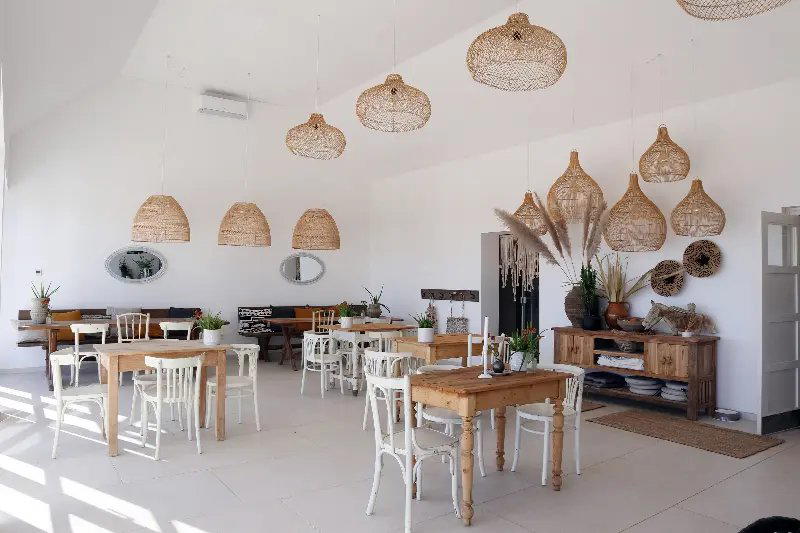
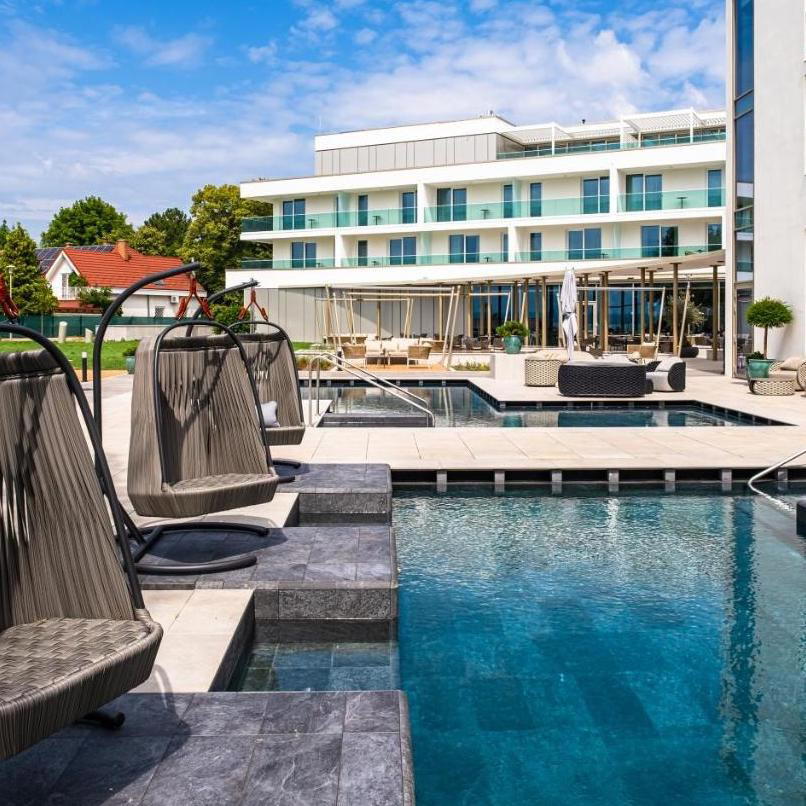
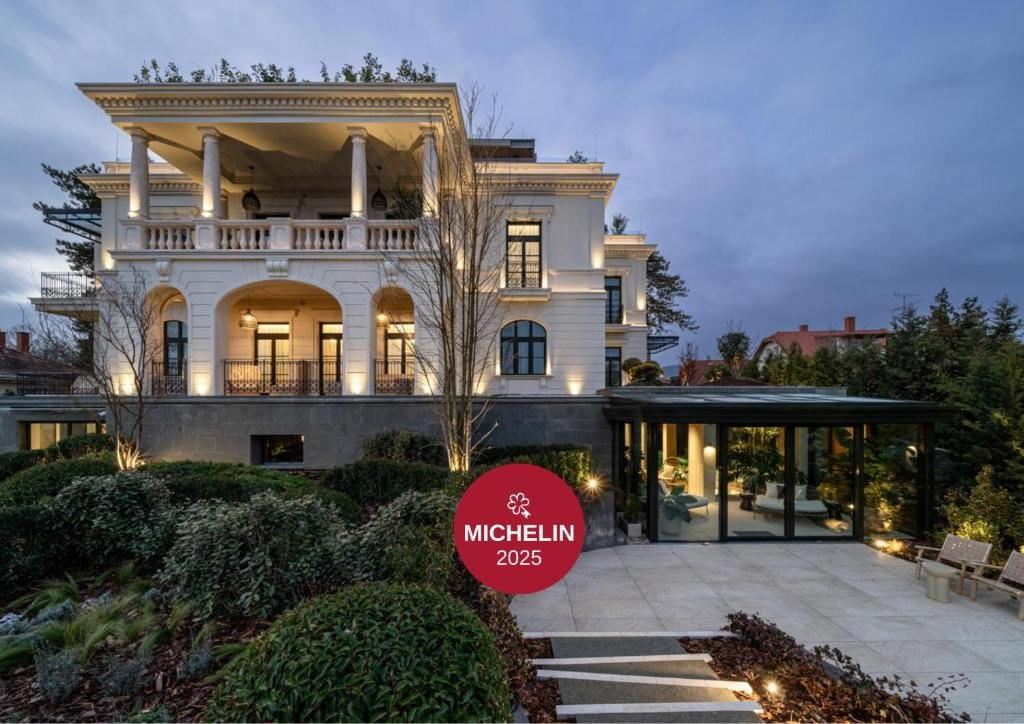
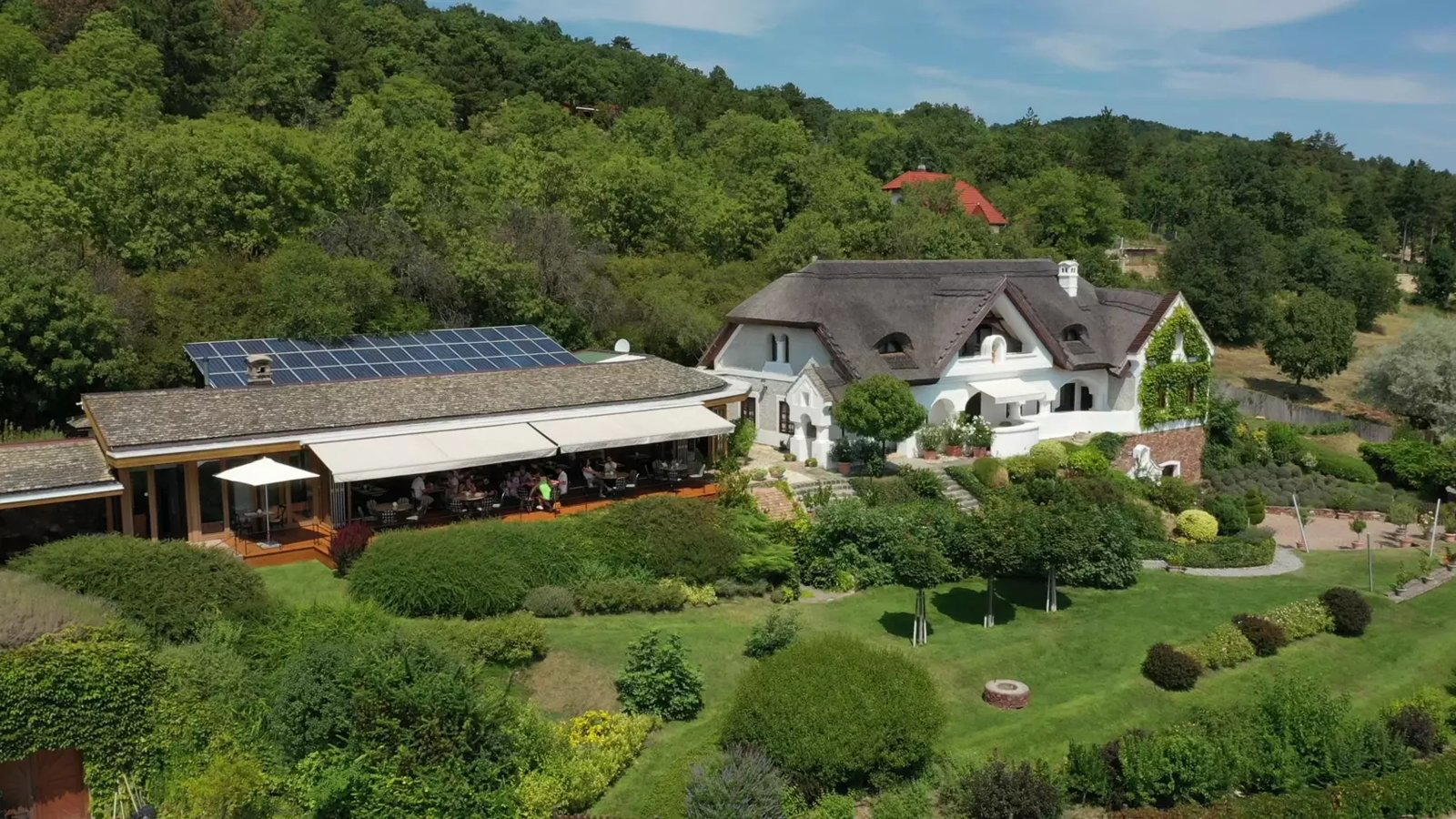
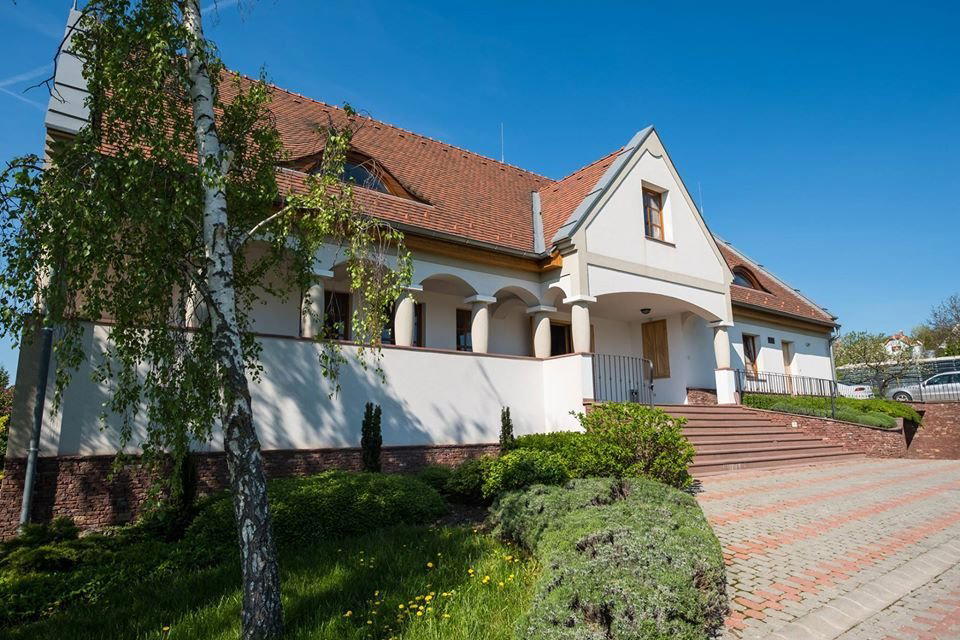
Pleasant, clean, modern ambiance with cosy garden terrace and soft lighting.