Mr. Ahn's Craft Makgeolli

Michelin Plate
Our verdict
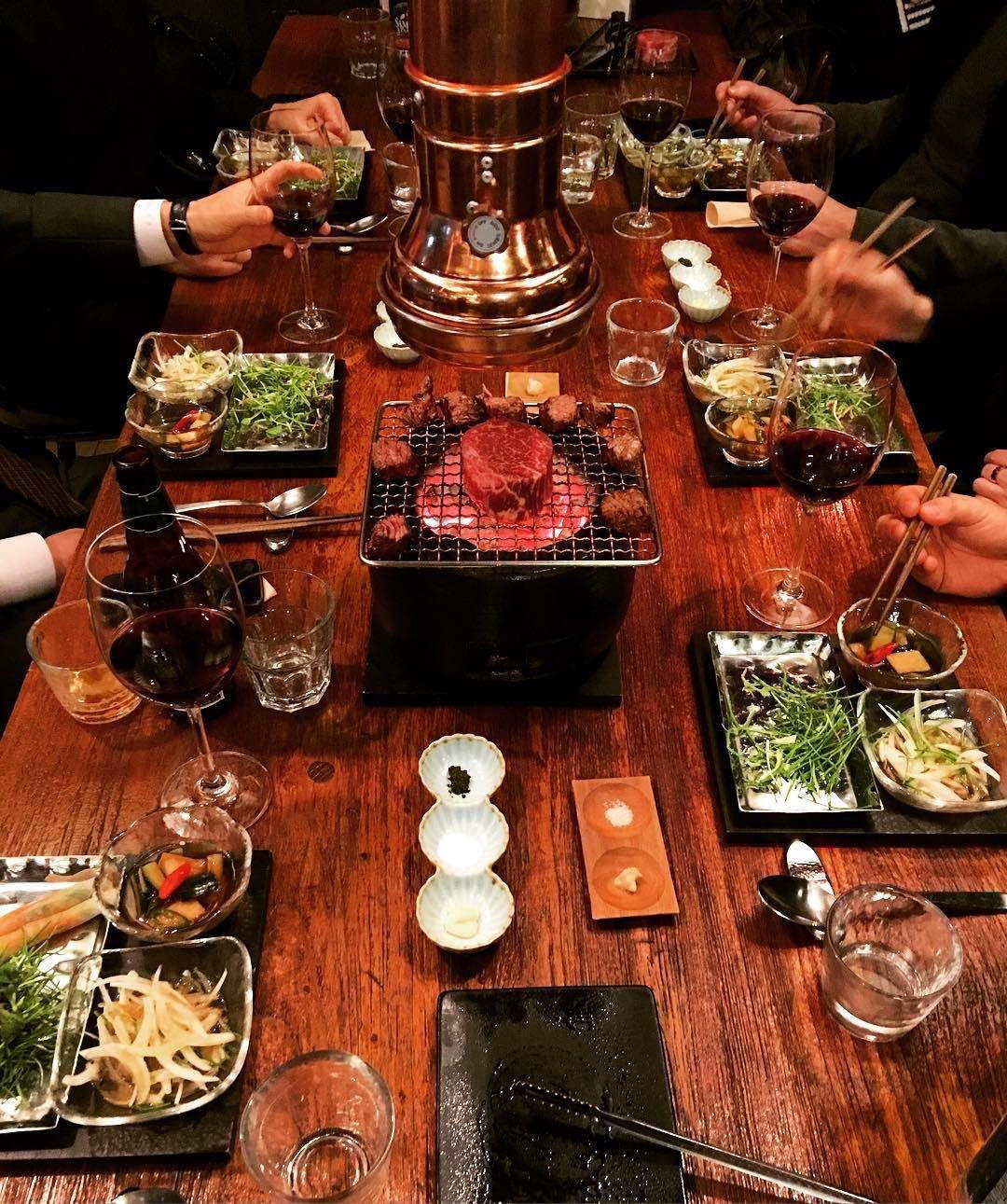
A Michelin Plate-recognised makgeolli house in Yongsan, Mr. Ahn's Craft Makgeolli pairs traditional Korean rice wine with food built for slow drinking. Holding consecutive Michelin Plate recognition in 2024 and 2025, the address sits at an accessible price point in a city where fermented-drink culture is undergoing serious reassessment.

Pearl is the En Primeur Club membership app, where members save venues, book tables and use the concierge.
The menu
What to order
- Smoked mushroom wrap
- Fried chicken
- Beef tartare
Where Seoul's Fermented Drink Culture Comes Into Focus
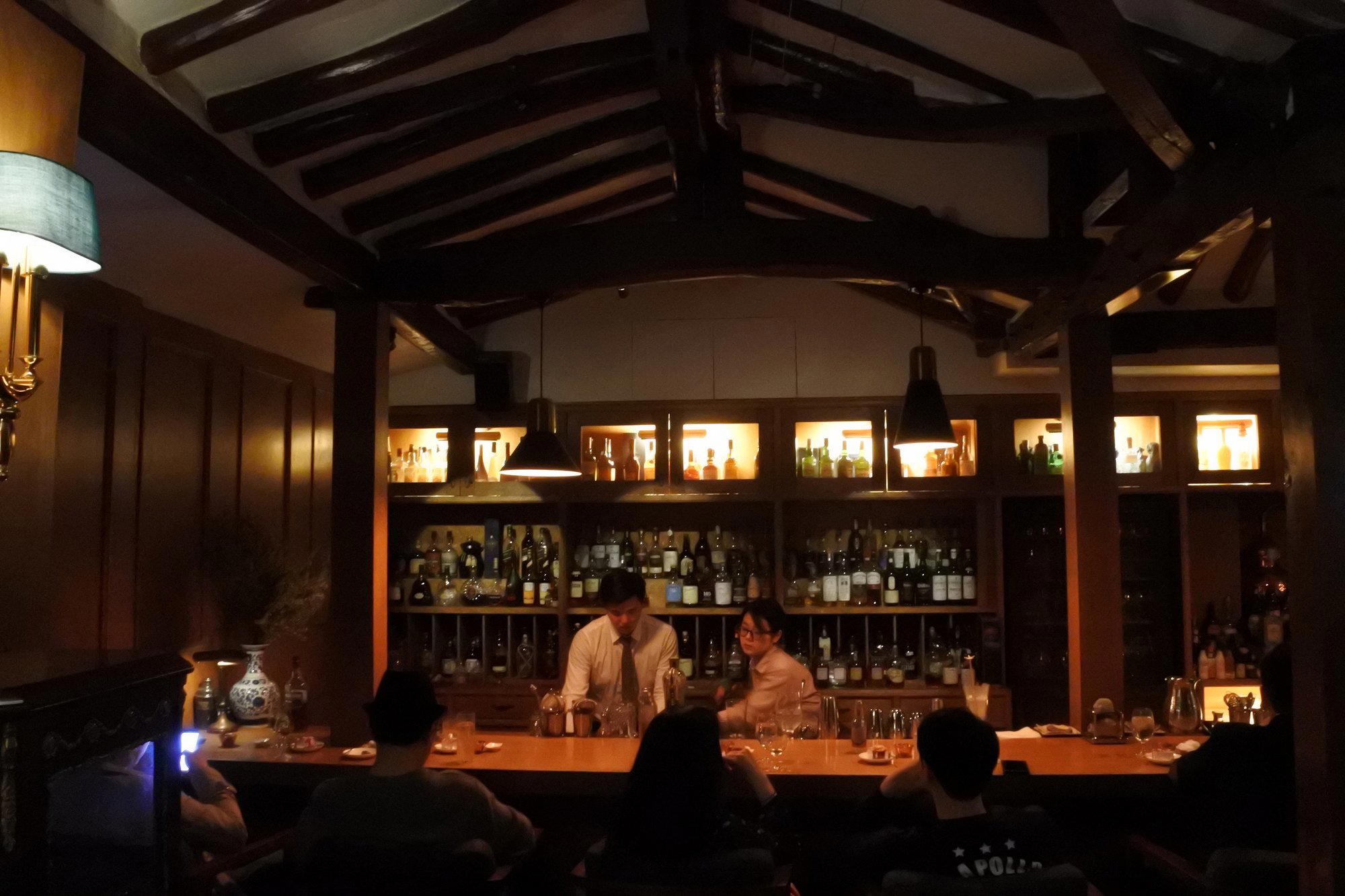
Yongsan District carries a particular character in Seoul's hospitality map. It sits between the design-forward corridors of Itaewon and the older residential fabric of Hannam-dong, and it has become a reliable address for the kind of specialist food and drink operation that prizes depth over spectacle. Walking into that neighbourhood with fermented rice wine on your mind, the sensory register shifts: the smell of nuruk starter cultures, the low ceramic clink of wide-mouthed bowls, the unhurried tempo of a room built for drinking slowly. Mr. Ahn's Craft Makgeolli, at 3 Hoenamu-ro, operates in precisely that register.
Makgeolli itself has spent the last decade shedding its cheap-and-cheerful reputation. Once sold almost exclusively in vinyl-draped pojangmacha stalls alongside pajeon pancakes, it has attracted a new generation of producers and drinking houses interested in fermentation control, regional grain sourcing, and food pairings that reflect the drink's actual complexity. Mr.
The Slow-Cooked Logic Behind Makgeolli Pairing
Korean drinking culture has always organised itself around anju, the food eaten alongside alcohol. But the anju tradition attached to makgeolli is more specific than the general category suggests. The rice wine's slight effervescence, residual sweetness, and low alcohol content (typically between 6% and 8%) make it a natural match for food with fermented funk, rendered fat, or long-cooked depth. This is where the editorial angle on Seoul's stew and soup tradition becomes relevant to a makgeolli house.
Jjigae and related slow-cooked preparations work with makgeolli in the same structural way that certain natural wines work with aged cheese: the lactic notes in each recognise each other. A sundubu-jjigae, with its soft tofu set in a spiced broth that has reduced and concentrated over heat, creates a counterpoint to the wine's carbonation and sweetness. Gamjatang, the pork-bone and potato stew that requires hours of simmering to release its collagen and depth, provides the kind of weight that makgeolli's protein content can support without overpowering. These pairings are not accidental, they are the accumulated logic of centuries of Korean table culture, and a serious makgeolli house is essentially curating that logic for a contemporary drinker.
At Mr. Ahn's price point (₩₩, placing it in the accessible mid-range of Seoul dining), the proposition is neither a grand tasting format nor a casual pojangmacha. It occupies a middle tier that has become increasingly interesting in Seoul: specialist in focus, moderate in cost, and specific enough in its offer to attract regulars who return for the product rather than the occasion.
How It Sits in Seoul's Broader Korean Dining Scene
Seoul's Korean fine dining has split into recognisable tiers. At the upper end, restaurants like Mingles, Kwonsooksoo, Onjium, La Yeon, and Bicena operate within a formal, multi-course framework where fermented drinks may appear as a pairing element but are not the primary subject. Mr. Ahn's occupies a different position entirely: it is centred on the drink, and the food exists to support and extend the drinking experience. That inversion matters.
The comparison has practical implications for how a visitor should approach the experience. You are not arriving to be fed through a sequence of courses. You are arriving to drink something made with care, to eat alongside it, and to understand what that combination reveals about Korean fermentation culture. The Michelin Plate awarded in both 2024 and 2025 signals that inspectors have noted quality at this address, though Plate recognition points to a kitchen worth noting rather than placing the venue in the starred tier occupied by Gaon or the contemporary Korean houses operating at ₩₩₩₩ price points.
For Korean dining beyond Seoul, comparable fermented and slow-cooked traditions surface at Baegyangsa Temple in Jangseong-gun, where temple food and fermentation intersect in a very different register, and at Mori in Busan. Outside Korea, addresses like bōm in New York City, DOSA in London, and Jeju Noodle Bar in New York City represent Korean culinary ideas translated for non-Korean cities, though the fermented-drink pairing format found at Mr. Ahn's remains primarily a Seoul phenomenon. For those building a broader Seoul trip, see our full Seoul restaurants guide, our full Seoul hotels guide, our full Seoul bars guide, our full Seoul wineries guide, and our full Seoul experiences guide.
Seasonal Timing and Why Autumn and Winter Work Leading
The slow-cooked food that pairs most naturally with makgeolli is also the food that Koreans turn to when temperatures drop. Autumn and winter are the seasons when gamjatang, doenjang jjigae, and haemul sundubu come into their own, when the warmth of a long-simmered broth and the mild heat of makgeolli become a coherent sensory argument rather than simply a cultural habit. A visit to Mr. Ahn's lands differently in November than it does in July, and that seasonality is worth factoring into trip planning. The Yongsan neighbourhood is also more comfortable to walk in cooler months, when the humidity of the Korean summer has receded and the streets between Hannam-dong and Itaewon invite longer, slower movement between addresses. Also worth noting: Kwon Sook Soo in Gangnam-gu and The Flying Hog in Seogwipo represent different corners of Korean eating worth adding to any extended itinerary.
Know Before You Go
- Address: 3 Hoenamu-ro, Yongsan District, Seoul, South Korea
- Price range: ₩₩ (accessible mid-range)
- Awards: Michelin Plate 2024; Michelin Plate 2025
- Booking:, check directly or walk in
- Hours:, verify before visiting
- Leading season: Autumn and winter for peak slow-cooked anju pairings
Frequently asked questions
What's the address for Mr. Ahn's Craft Makgeolli?
Mr. Ahn's Craft Makgeolli is located at 3 Hoenamu-ro, Yongsan District, Seoul, South Korea, Seoul.
What's the price range at Mr. Ahn's Craft Makgeolli?
Pricing at Mr. Ahn's Craft Makgeolli is listed as ₩₩.
Is Mr. Ahn's Craft Makgeolli Michelin-listed?
Mr. Ahn's Craft Makgeolli has received recognition including: Michelin Plate (2025); Michelin Plate (2024).
What should I eat at Mr. Ahn's Craft Makgeolli?
The food at a makgeolli-focused house is built around anju, dishes designed to extend and complement the drink rather than stand alone as a meal. Korean anju in the makgeolli tradition runs toward savoury, fermented, and slow-cooked preparations, pajeon, kimchi variations, and braised proteins are the categories that recur across houses like this. Mr. Ahn's consecutive Michelin Plate recognition (2024 and 2025) indicates a kitchen operating with enough consistency and intent to be taken seriously on the food side, not just the drink.
Is Mr. Ahn's Craft Makgeolli focused on a specific cuisine style?
Mr.
How hard is it to get a table at Mr. Ahn's Craft Makgeolli?
At ₩₩ pricing with back-to-back Michelin Plate recognition in 2024 and 2025, Mr. Ahn's sits in a tier where demand is real but below the pressure-cooker booking windows of Seoul's tasting-menu restaurants like Mingles or Onjium. Walk-ins may be possible outside peak evening hours, but calling ahead is sensible given the Yongsan location draws both neighbourhood regulars and visitors. The venue's phone number is not publicly listed, so arriving early or checking for online reservation options is the practical approach.
Peers Worth Knowing
| Venue | Cuisine | Price | Awards | Notes |
|---|---|---|---|---|
| Mr. Ahn's Craft MakgeolliThis venue (the venue you are viewing) | Modern Korean Makgeolli House | $50–100 | Michelin Plate | Not listed |
| 7th Door | Modern Korean Fermentation Fine Dining | $100–150 | 1 Michelin Star · World's 50 Best #49 | Korean, Contemporary |
| Solbam | Contemporary Neo-Classical Korean | $200–300 | 1 Michelin Star · World's 50 Best #55 | Contemporary |
| Onjium | Modern Korean Royal Court Cuisine | Not listed | 1 Michelin Star · World's 50 Best #14 | Korean |
| L'Amitié | Classic French Fine Dining | $100–150 | 1 Michelin Star · La Liste Top Restaurants | French |
| Zero Complex | Modern French Neo-Bistro | $100–150 | 1 Michelin Star · La Liste Top Restaurants | Korean-French, Innovative |
Recognition history
Dated appearances from independent guides and award organizations, with the underlying list record or original source where available.
Michelin Plate
Michelin
Full recognition history (3 entries)
Michelin Plate
Michelin
Michelin Plate
Michelin