

Conde Nast Hot List Restaurants
Our verdict
Old Tower brings Beijing’s fine-dining conversation into a sharper pescatarian register, using Chinese and Thai ingredients through a European-Chinese lens. In Taikoo Li Sanlitun, chef Talib Hudda’s new room has already earned a 2026 Opinionated About Dining Asia Recommended listing, with a menu that treats seafood, rural Chinese traditions, and French technique as working materials rather than decoration.

Pearl is the En Primeur Club membership app, where members save venues, book tables and use the concierge.
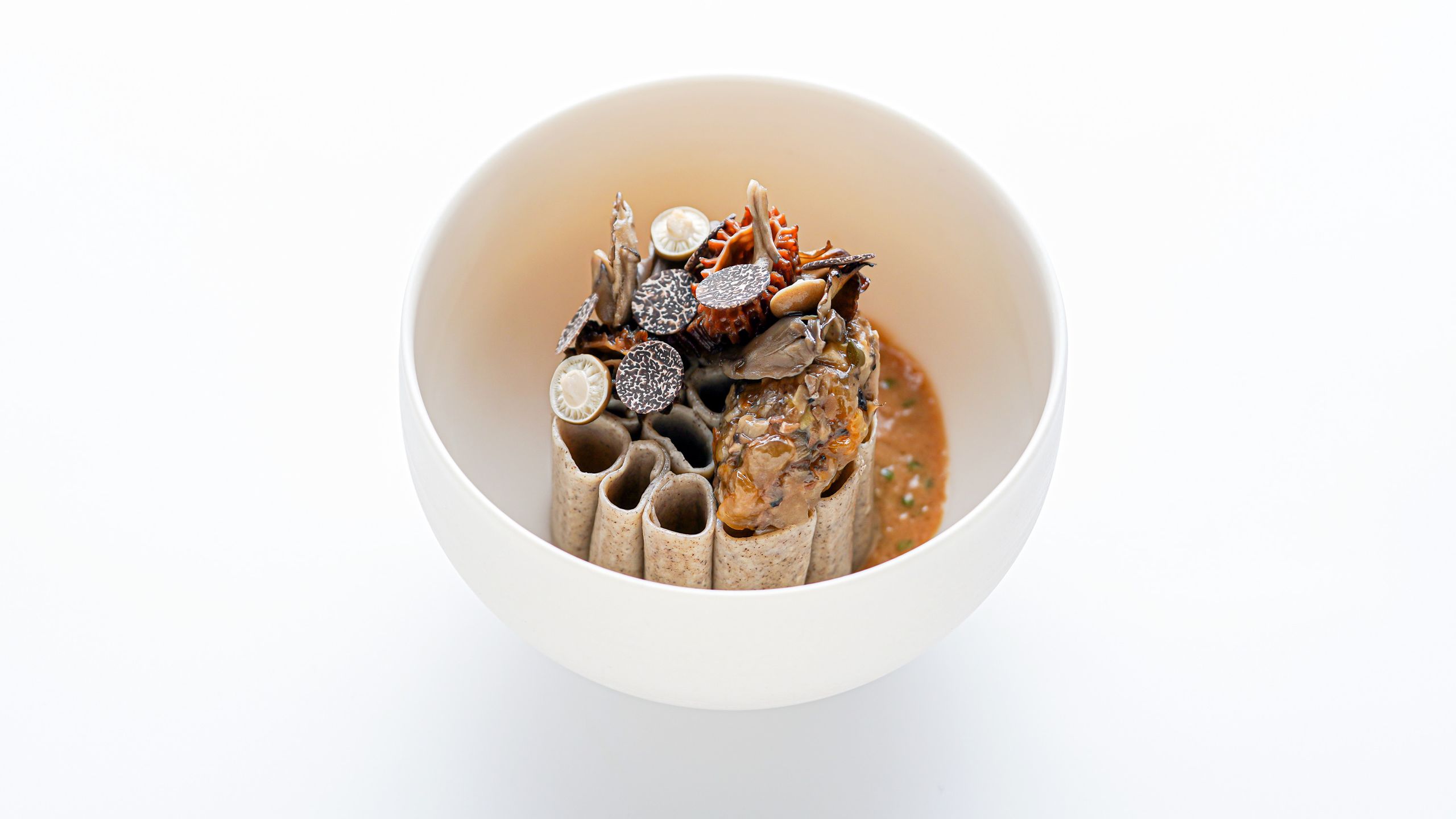
The menu
What to order
- Blue lobster with watercress, salt pickles, rice cakes and Indian curry
- Seafood dessert course (innovative seafood-based dessert)
Beijing is often read through polished consumption: glass, fashion, late dining, and an international crowd moving between retail, terraces, and hotel bars. Within that wider setting, Old Tower reads as a quieter proposition. The restaurant’s appeal should be understood without adding unsupported claims about a chef, cuisine, address, or format. Its presence on the 2026 Condé Nast Traveler Hot List places it within the current conversation about notable restaurants, while leaving the strongest case to the experience itself.
Old Tower’s recognition on the 2026 Hot List is a useful signal for a city where international attention can cluster around established dining formats, hotel restaurants, and high-capital dining rooms. Here, the argument is narrower and more interesting. Rather than relying on a fixed imported template or a single familiar category, the restaurant is best understood as part of Beijing’s evolving premium dining language: composed, current, and attentive to how a meal can feel contemporary without being reduced to a checklist.
Old Tower belongs in Beijing’s current dining conversation
Beijing’s most compelling dining rooms often work by negotiating between history, modern appetite, and the expectations of travellers who arrive with a checklist of canonical dishes. Old Tower sits in that conversation without needing to be reduced to one cuisine label. The safer reading is that the restaurant’s relevance comes from its place in the city’s present dining landscape, supported by the external signal of Hot List recognition.
The more persuasive way to approach a restaurant like this is to avoid treating it as a collection of unsupported specifics. Old Tower’s appeal can be framed through its role in Beijing’s premium restaurant scene rather than through claims about a named chef, a fixed culinary category, or a precise menu identity. In Beijing, where grand dining can easily become declarative, that more measured reading is part of the point.
Service and presentation also matter in how diners understand a premium restaurant, but those details should not be overstated without firm sourcing. At Old Tower, the stronger expectation is that the experience is best judged on the meal itself and on the restaurant’s position in the city’s current dining conversation. Its interest lies in how it registers within Beijing rather than in any unsupported comparison to a specific outside model.
Old Tower's Beijing fluency matters, but the story is the city's changing fine-dining language
Old Tower belongs to a moment in which Beijing’s contemporary dining tier is broadening beyond the most familiar heritage formats. The restaurant does not need a heavily biographical narrative or a long list of technical claims to make sense. Its relevance comes from the way it joins a local dining conversation that now has room for restraint, contemporary ambition, and a less literal reading of what a Beijing meal can be.
That position places Old Tower apart from other Beijing dining rooms whose appeal may rest on more traditional, hotel-led, or nostalgia-driven formats. Those formats remain essential to the city, but Old Tower is aimed at a different decision: diners choosing a contemporary restaurant with international recognition and a quieter sense of ambition. For visitors building a trip around the capital’s dining scene, it offers a way to see where the conversation is moving rather than only where it has been.
The restaurant should be read in the same register. Rather than asking to be understood through unsupported design or location details, Old Tower is better approached as a Beijing dining room whose significance comes from recognition, context, and the experience at the table. That restraint is useful. It keeps attention on the meal, the rhythm of the evening, and the accumulation of small details that define a premium dinner more than any single decorative flourish.
Where it fits in a Beijing itinerary
Old Tower is a Beijing address for travellers who want the city’s current restaurant conversation rather than only its established culinary canon. It works well for an evening planned around a serious restaurant, especially for visitors comparing Beijing’s newer dining rooms with its more traditional experiences. The dining decision is clear: choose it for a contemporary meal and the added signal of 2026 Hot List recognition.
For broader planning, use Our full Beijing restaurants guide alongside Our full Beijing hotels guide, Our full Beijing bars guide, Our full Beijing wineries guide, and Our full Beijing experiences guide. Travellers comparing China’s regional dining circuits can also look beyond the capital to other dining in major Chinese cities. For drinking and casual-format context outside China, compare it only at a broad category level with other international dining and bar scenes rather than as a direct peer.
Frequently asked questions
Is Old Tower good for families?
It is better suited to diners looking for a more considered restaurant experience than a casual family meal. Families should judge fit based on the pace and expectations of their own group.
What is the atmosphere like at Old Tower?
Expect a contemporary Beijing restaurant experience. The venue is best understood as part of the city’s current premium dining scene.
Where is Old Tower in Beijing?
Beijing.
How far ahead should I plan for Old Tower?
Plan ahead for dinner if you want an easier booking process. Its 2026 Hot List recognition places it among Beijing restaurants likely to interest serious local and visiting diners.
What is Old Tower known for?
Old Tower is known as a Beijing restaurant recognized on the 2026 Condé Nast Traveler Hot List. It is part of the city’s current dining conversation.
Comparable venues nearby, for context on price, style, and recognition.
| Venue | Cuisine | Price | Awards | Notes |
|---|---|---|---|---|
| Old TowerThis venue (the venue you are viewing) | Modern pescatarian Chinese-inspired tasting menu | $150–200 | Conde Nast Hot List Restaurants | Not listed |
| Chaoshangchao Zhengda Store | Chaoshan / Chaozhou Fine Dining | Not listed | Black Pearl 1 Diamond | Chaoyang District |
| SUSHI ZEN | Modern Japanese Omakase | Not listed | Black Pearl 1 Diamond | Qianmendajie |
| The Even | Modern French Fine Dining | Not listed | Star Wine List | Chaoyang District |
| Ling Long | Modern Chinese Fine Dining | $150–200 | Black Pearl 1 Diamond | Tuanjiehu |
| Chao Shang Chao | Modern Chaoshan (Teochew) Fine Dining | $300–500 | Not listed | Chaoyang |
Recognition history
Dated appearances from independent guides and award organizations, with the underlying list record or original source where available.
Conde Nast Hot List Restaurants
Conde Nast
Opinionated About Dining Top Restaurants in Asia Recommended
Opinionated About Dining
Continue exploring
More in Beijing
Restaurants in Beijing
All restaurants in Beijing →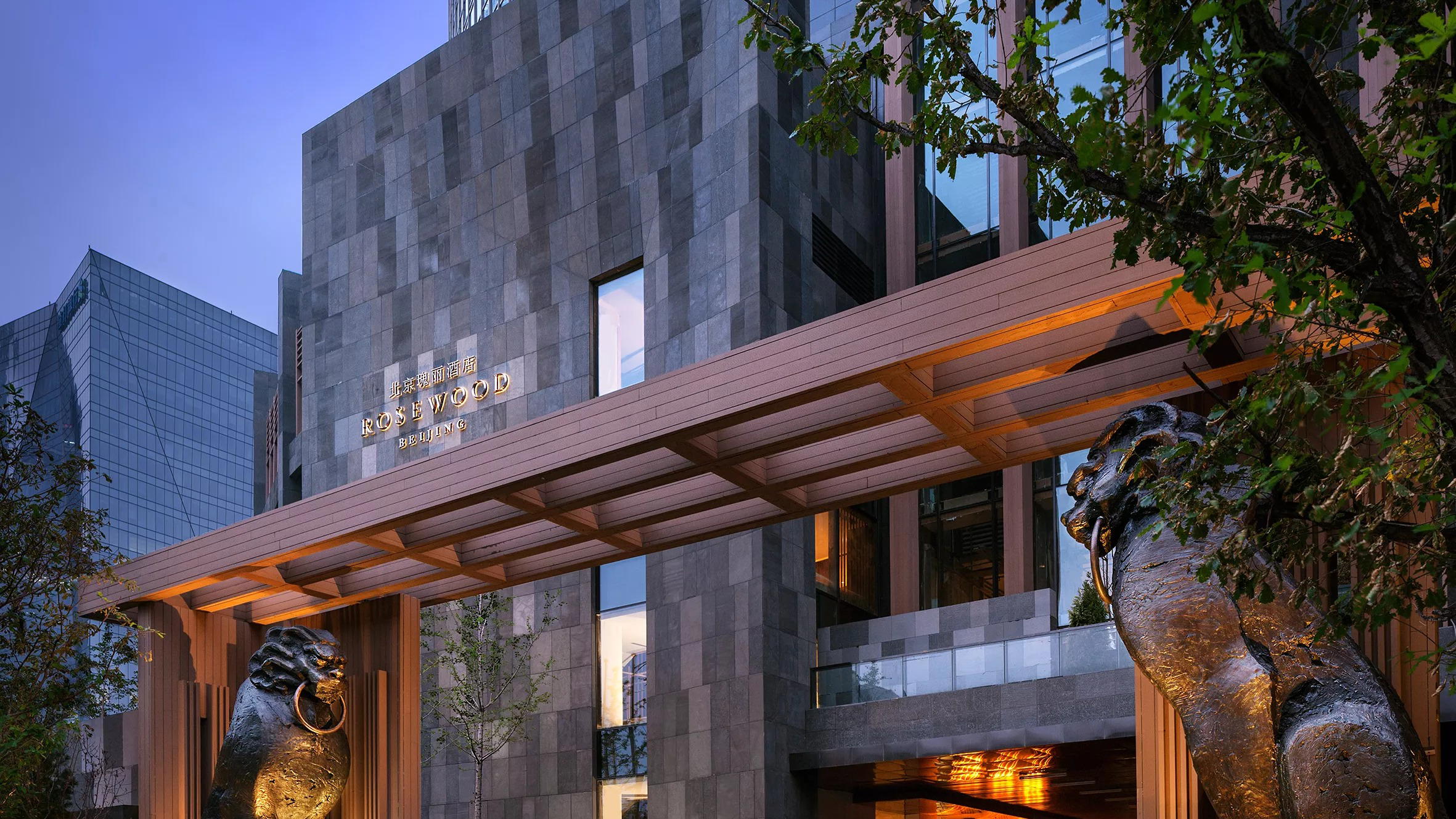
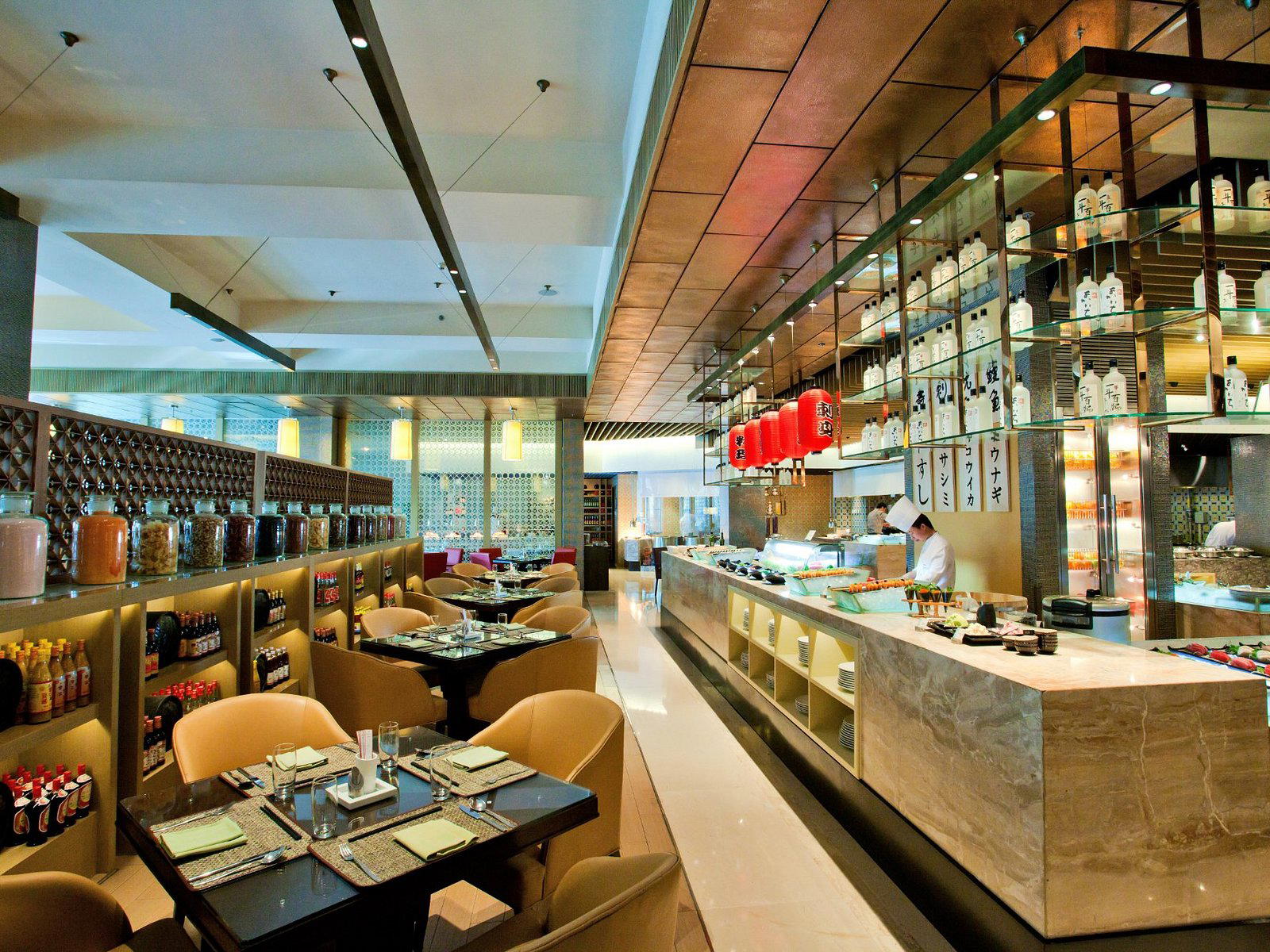
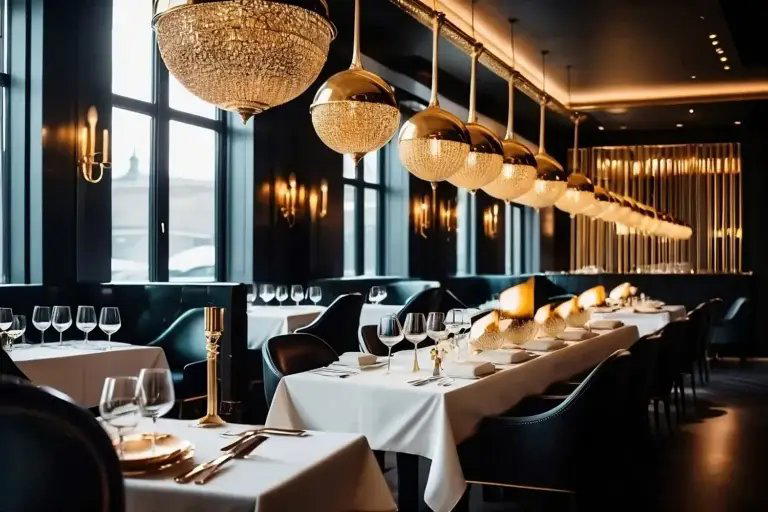
Bars in Beijing
All bars in Beijing →


Details
- Modern
- Elegant
- Sophisticated
- Intimate
- Date Night
- Special Occasion
- Business Dinner
- Group Dining
- Design Destination
- Standalone
- Craft Cocktails
- Extensive Wine List
- Zero Waste
- Local Sourcing
- Tasting Menu
- Wine
- Craft Cocktails
- Pescatarian Friendly
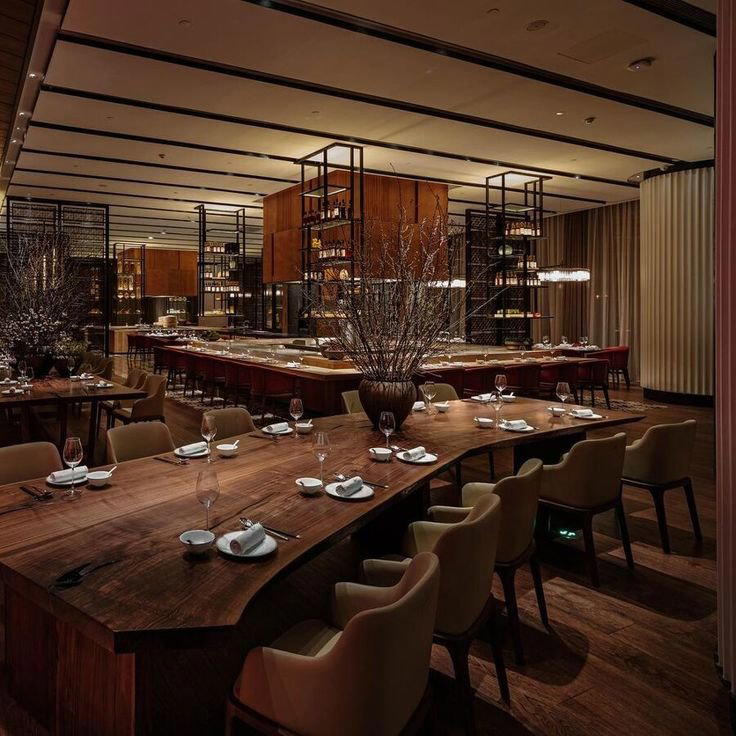
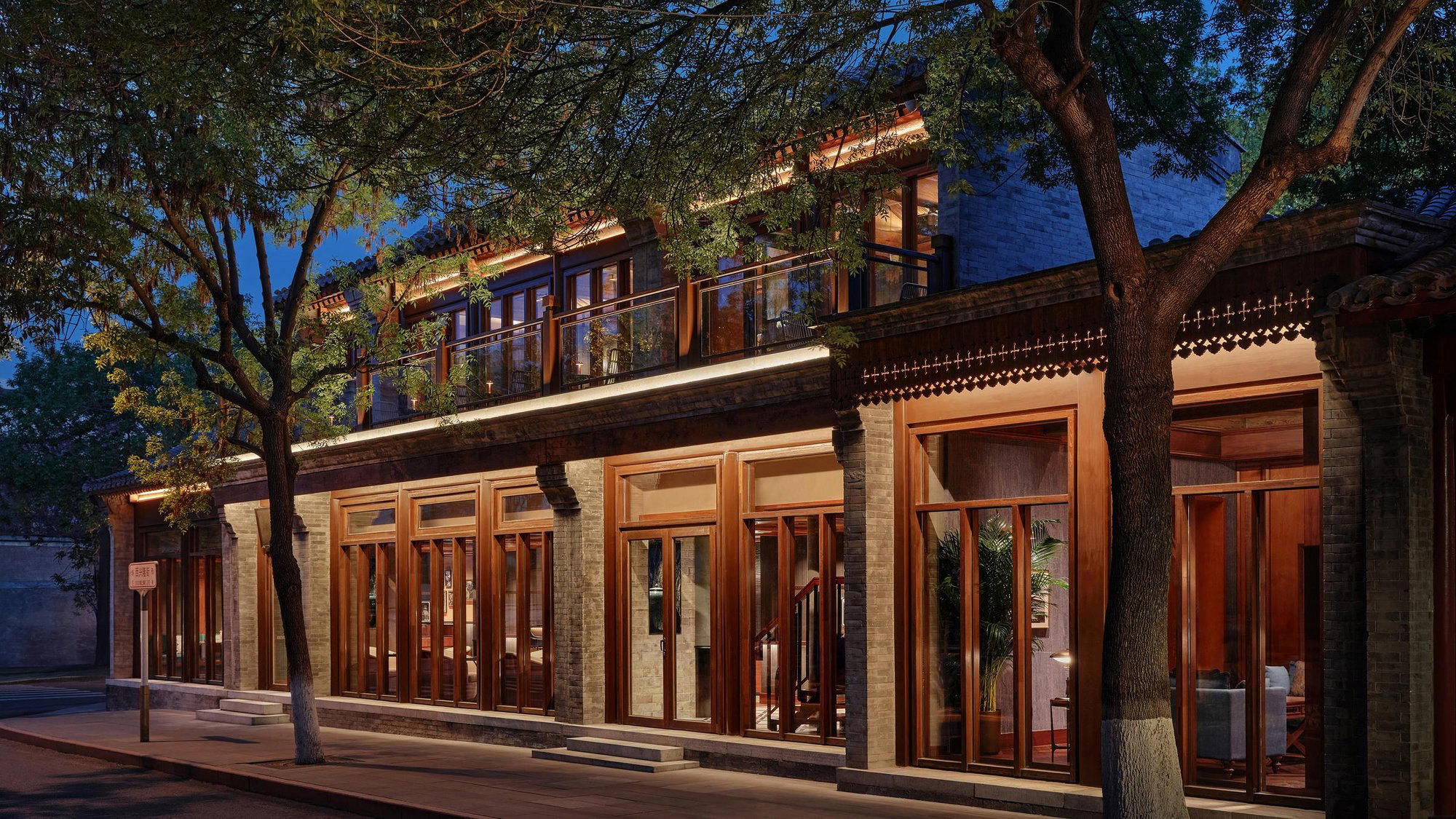
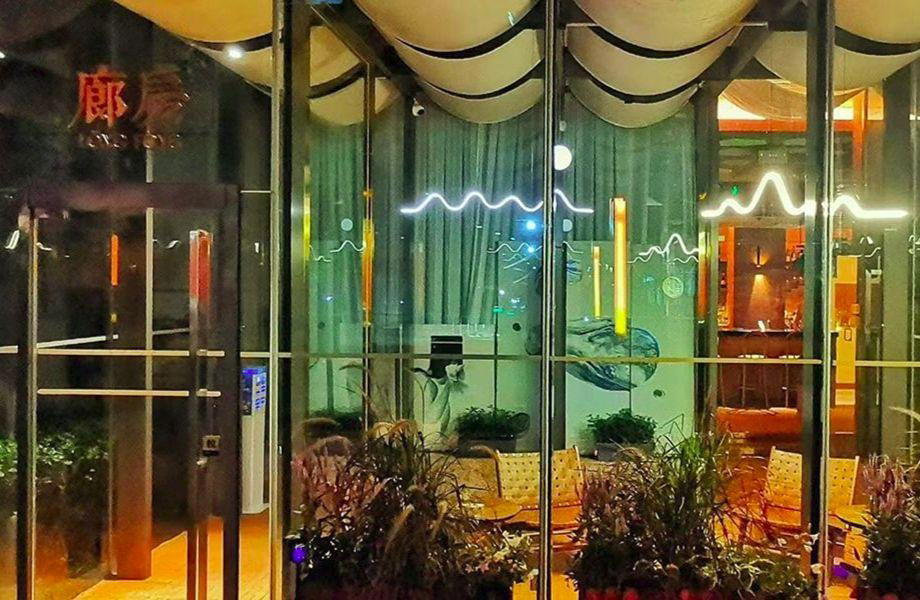
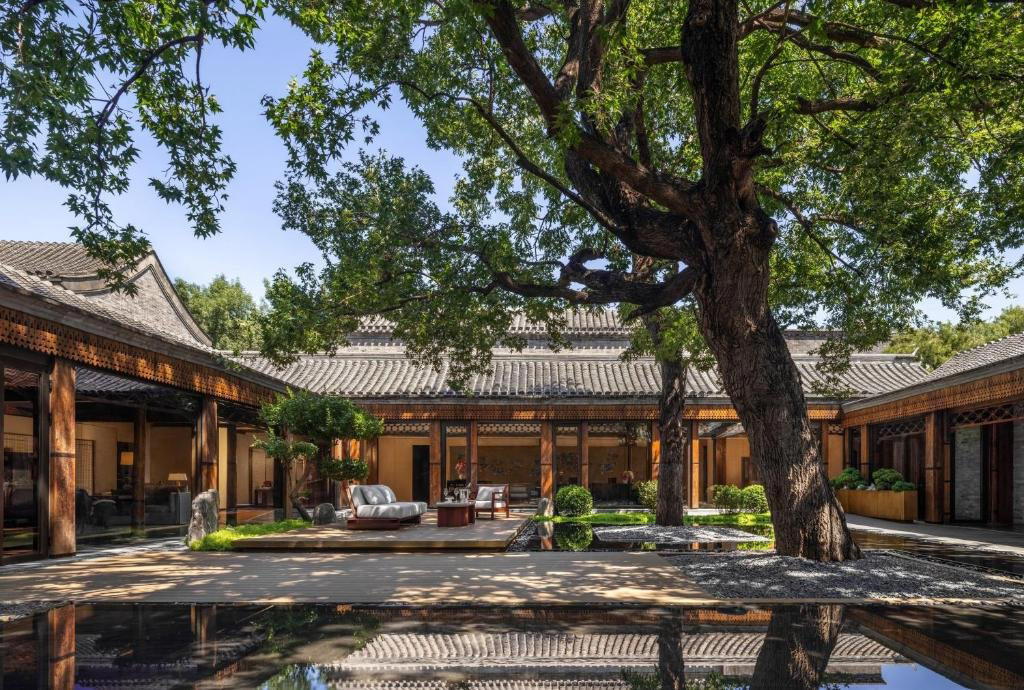
An intimate, contemporary fine-dining room with refined minimalist design and soft, focused lighting, creating a calm, sophisticated atmosphere where the pacing and plating of the multi-course menu are the center of attention.