O-Ku
O-Ku sits on King Street at the point where Charleston's appetite for Japanese-influenced cuisine meets the city's broader shift toward international dining. The restaurant brings a sushi-forward format to one of the American South's most food-forward cities, positioning itself in a mid-to-upper tier alongside the neighborhood's growing roster of globally minded tables.
Pearl is the En Primeur Club membership app — saves, bookings, and concierge access live there. Same editors, same standards.
- Address
- 463 King St, Charleston, SC 29403
- Phone
- +18437370112
- Website
- o-kusushi.com
- Directions
- Get directions
 Saves & bookings on Pearl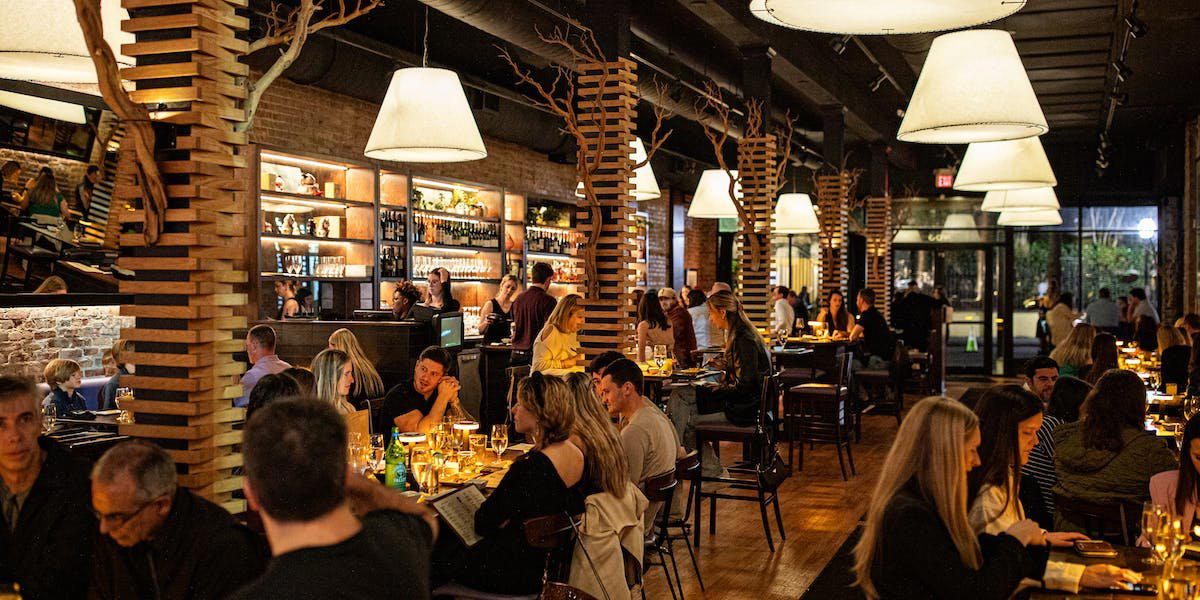
Japanese-Influenced Dining on Charleston's King Street Corridor
King Street has spent the better part of a decade redefining what a Southern dining strip looks like. The stretch running through Charleston's upper peninsula now carries Spanish tapas at Malagón Mercado y Taperia, ambitious New American at Vern's, and a growing current of internationally oriented kitchens that sit alongside, rather than in opposition to, the Lowcountry traditions that built the city's reputation. O-Ku at 463 King St occupies a specific position within that evolution: a Japanese-influenced sushi concept that arrived when Charleston was still sorting out whether the city had the appetite and the infrastructure for this kind of dining. What the years since have shown is that it does.
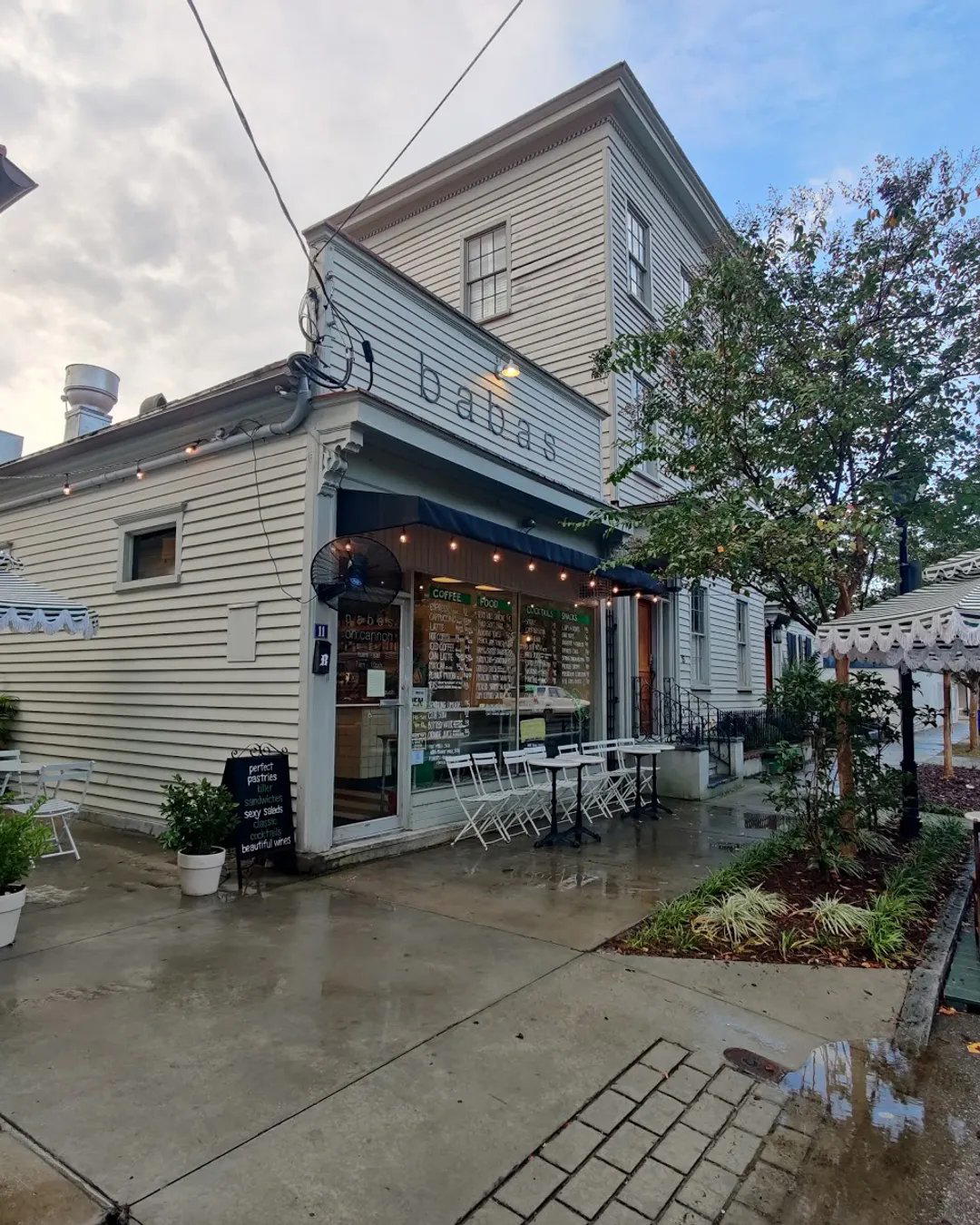
The physical approach to the space signals the category before you reach the door. King Street's restaurant density has increased sharply since the early 2010s, and O-Ku sits in a corridor where the competition is no longer simply other sushi restaurants but the full range of polished, well-resourced dining that a maturing food city produces. Across the street and around the block, places like Lowland represent the kind of chef-driven, ingredient-focused New American that Charleston has become known for nationally. O-Ku's Japanese format represents a different bet: that the city's dining public was ready for a counter-oriented, fish-forward experience that doesn't lean on shrimp and grits as its anchor.
How the Format Has Shifted
The evolution of Japanese dining in mid-sized American cities follows a recognizable arc. First comes the broad-format sushi bar, serving rolls alongside teriyaki and tempura to a general audience. Then, as the dining public becomes more fluent, the category splinters. A smaller tier of focused, higher-commitment formats emerges, omakase counters, minimalist izakayas, restaurants that treat the fish program as a central editorial decision rather than a protein option. Charleston's Japanese dining scene has moved along that arc, and O-Ku's trajectory reflects it.
When the concept opened, Japanese restaurants in cities of Charleston's size typically operated in the broader, more accommodating format. The market for a focused sushi-forward dining experience in the American South was narrower than in coastal metros. Over time, that calculus has changed. Charleston's hotel development, its growth as a destination for educated food travelers, and the rising sophistication of its local dining public have all created conditions that support a more ambitious Japanese dining format. O-Ku has been part of that shift rather than simply a beneficiary of it, the restaurant's persistence on King Street across multiple cycles of opening and closing activity in the neighborhood is itself a signal about where it sits in the local hierarchy.
For comparison: the debate in cities like New York and Los Angeles about what constitutes serious Japanese dining has long since moved past the sushi-roll question. Restaurants like Atomix in New York City have pushed the conversation toward Korean-Japanese fusion at the fine dining register, while the broader American fine dining infrastructure, from Le Bernardin in New York City to Providence in Los Angeles, has normalized precision seafood cookery at the highest price tier. Charleston operates below that register, but O-Ku's longevity suggests it has found a durable position within the city's own hierarchy.
Situating O-Ku in Charleston's Competitive Set
Charleston's dining scene is often described through its Southern anchors: the whole-hog smoke at Rodney Scott's BBQ, the Lowcountry-rooted cooking that defines places like Lowland, the oyster-forward formats that reference the region's tidal geography. O-Ku operates outside that tradition deliberately. The Japanese format here is not Southern-inflected in the way that some Charleston kitchens have tried to merge the two traditions. It is a city-restaurant concept that happens to be in Charleston, which is, in itself, a position that the city's market has increasingly room for.
The practical comparable set for O-Ku is not the Lowcountry restaurants but the other mid-to-upper tier destinations on or near King Street that attract visitors and residents who are eating out with intention. 1010 Bridge and Vern's both draw from a similar pool of guests: people for whom dining is the primary reason for a reservation rather than a backdrop to socializing. Within that set, O-Ku offers the category differentiation of a Japanese program, which remains less crowded in Charleston than in comparable cities.
For readers who want to understand how Charleston's overall dining character fits into the national picture, our full Charleston restaurants guide maps the city's major dining zones and the restaurants that define each tier. Nationally, the range of what serious American dining looks like now runs from the tasting menu formalism of Alinea in Chicago and The French Laundry in Napa to the farm-anchored formats of Blue Hill at Stone Barns in Tarrytown and Single Thread Farm in Healdsburg. Charleston sits in a different register, but restaurants like O-Ku represent the city's ongoing claim to a place in that national conversation.
Planning Your Visit
O-Ku is located at 463 King Street, accessible by foot from most of Charleston's central hotel district and from the French Quarter neighborhood. King Street's density of restaurants and bars makes it a logical base for an evening that might start or end elsewhere, Malagón two blocks south for small plates before, or a post-dinner drift toward the lower end of the strip, are both natural extensions. The restaurant's format is suited to table dining rather than a quick counter stop, so allocating a full evening is the appropriate frame.
Where the Accolades Land
Comparable venues nearby, for context on price, style, and recognition.
| Venue | Cuisine | Price | Notes |
|---|---|---|---|
| O-KuThis venue — the venue you are viewing | Modern Japanese Sushi | $$$ | Not listed |
| Bellerose Hotel Bar | Intimate Modern Steakhouse & Hotel Bar | $$$ | Not listed |
| Delaney Oyster House | Lowcountry Seafood & Raw Bar | $$$ | Ansonborough |
| Melfi's | Classic Italian with Fresh Pasta & Pizza | $$$ | Upper King |
| The Grocery | New Southern Farm-to-Table | $$$ | Cannonborough - Elliottborough |
| Sorghum & Salt | Vegetable-Forward Farm-to-Table Small Plates | $$$ | Not listed |
Continue exploring
More in Charleston
Restaurants in Charleston
Browse all →
Bars in Charleston
Browse all →

At a Glance
- Modern
- Elegant
- Trendy
- Sophisticated
- Date Night
- Business Dinner
- Special Occasion
- Open Kitchen
- Craft Cocktails
- Sake Program
- Local Sourcing
- Sustainable Seafood
- Street Scene
Current opening hours
- Monday
- 5–10 PM
- Tuesday
- 5–10 PM
- Wednesday
- 5–10 PM
- Thursday
- 5–10 PM
- Friday
- 5–11 PM
- Saturday
- 5–11 PM
- Sunday
- 5–10 PM
Hours can change for holidays and private events. Last verified .
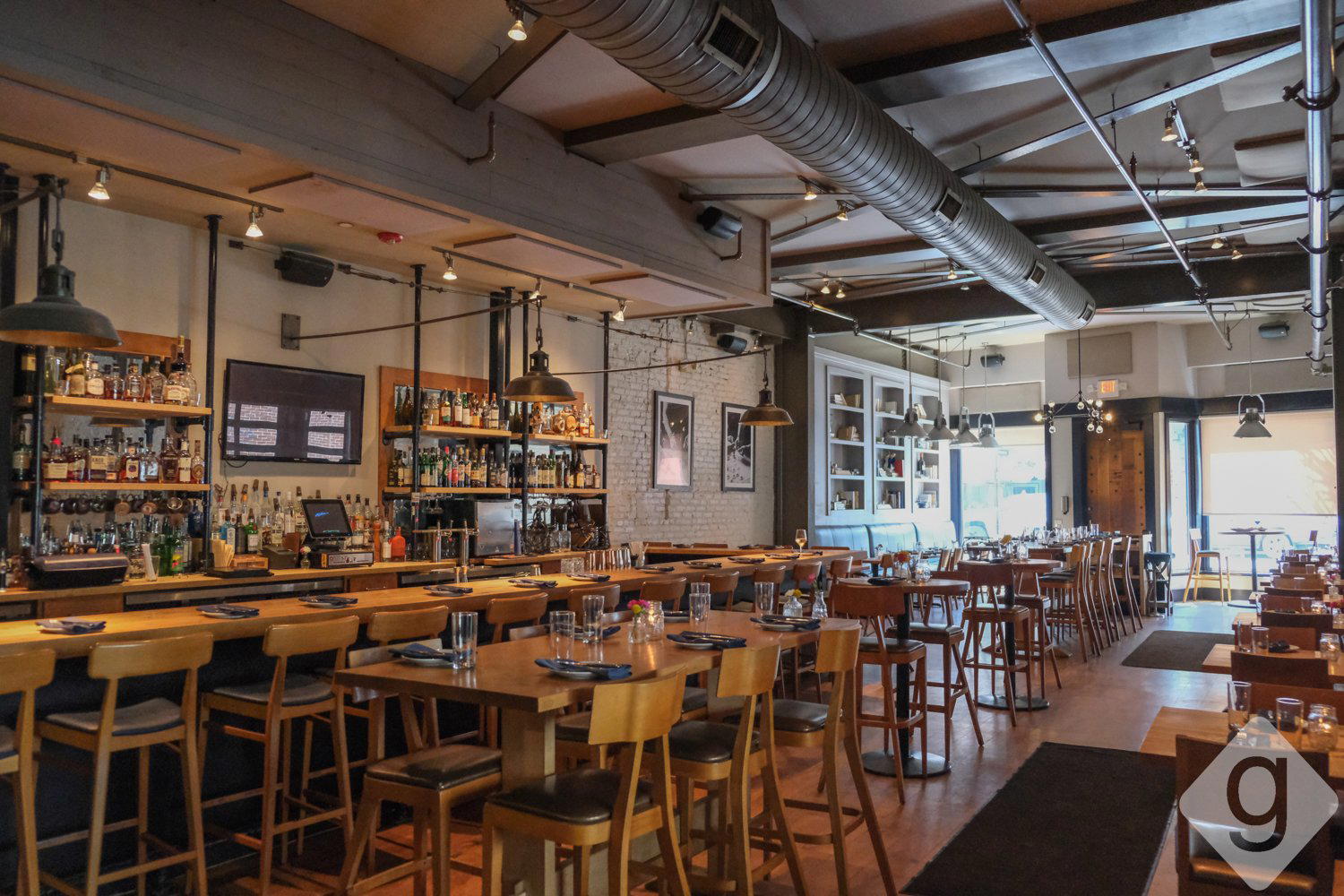
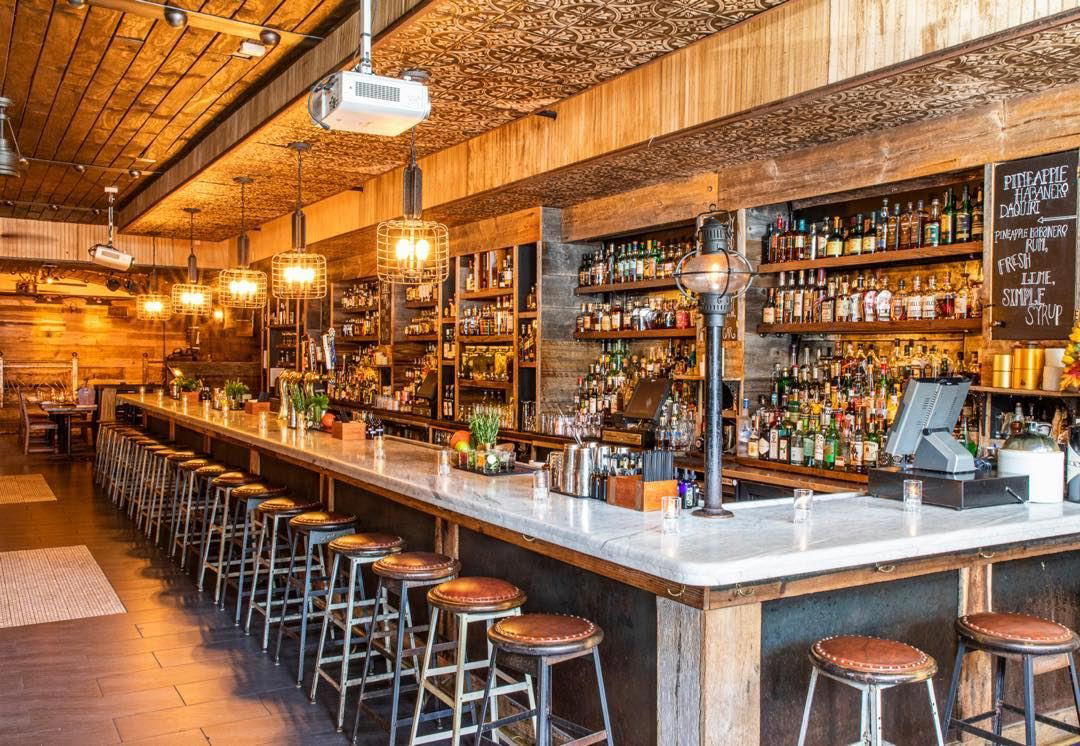
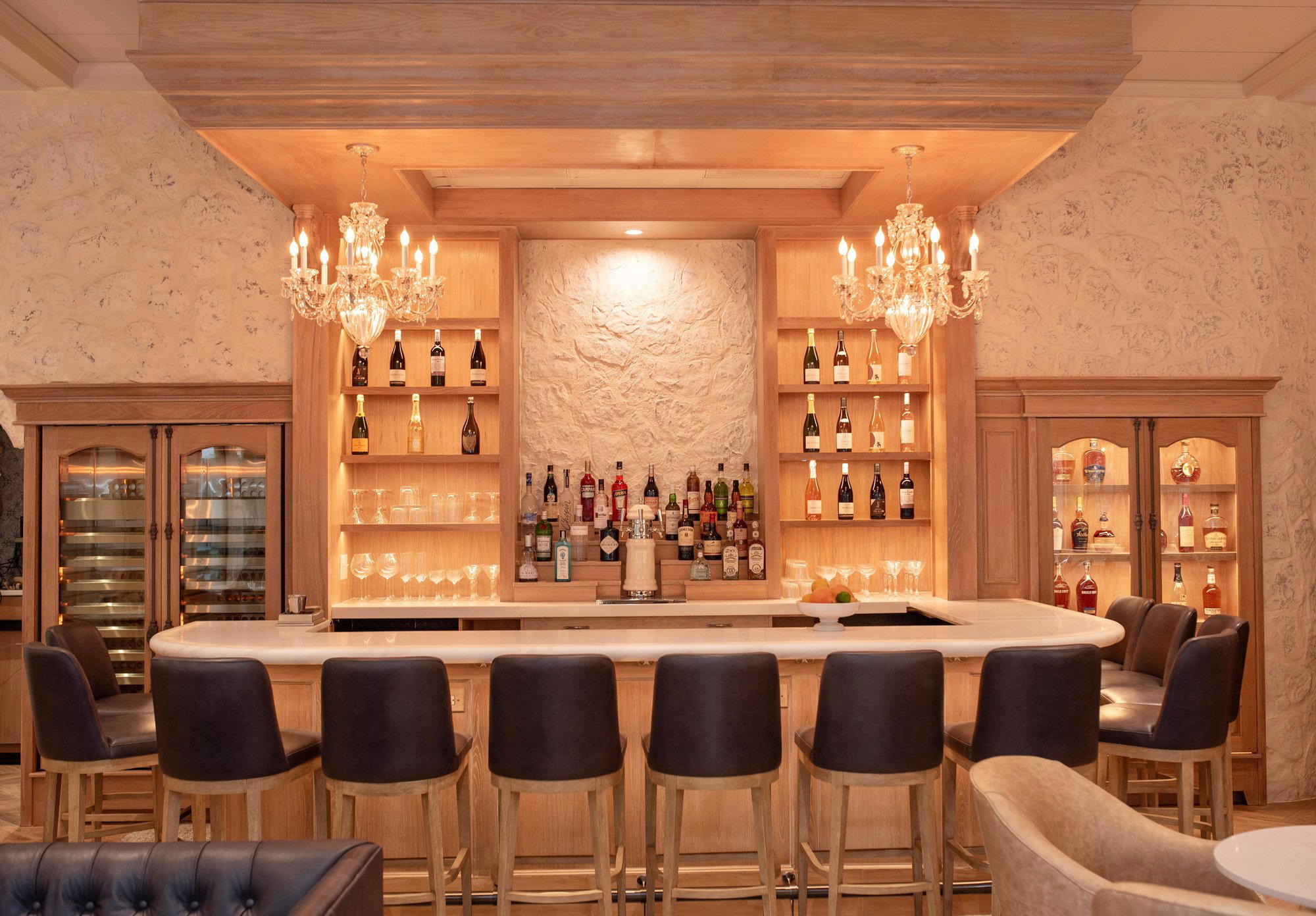
Sleek modern interior with exposed brick, high ceilings, large windows overlooking bustling King Street, and a high-decibel energetic atmosphere.