The Grocery
The Grocery occupies a quiet corner of Charleston's Cannonborough-Elliotborough neighbourhood, where it has built a reputation as one of the city's more thoughtful farm-to-table addresses. Positioned alongside peers like FIG and Edmunds Oast in Charleston's New American tier, it draws on the region's coastal and agricultural supply chain without leaning on Southern cliché. Reservations are recommended, particularly on weekends.
 Discover on Pearl
Pearl is the En Primeur Club membership app — saves, bookings, and concierge access live there. Same editors, same standards.
- Address
- 4 Cannon St, Charleston, SC 29403
- Phone
- +18433028825
- Website
- thegrocerycharleston.com
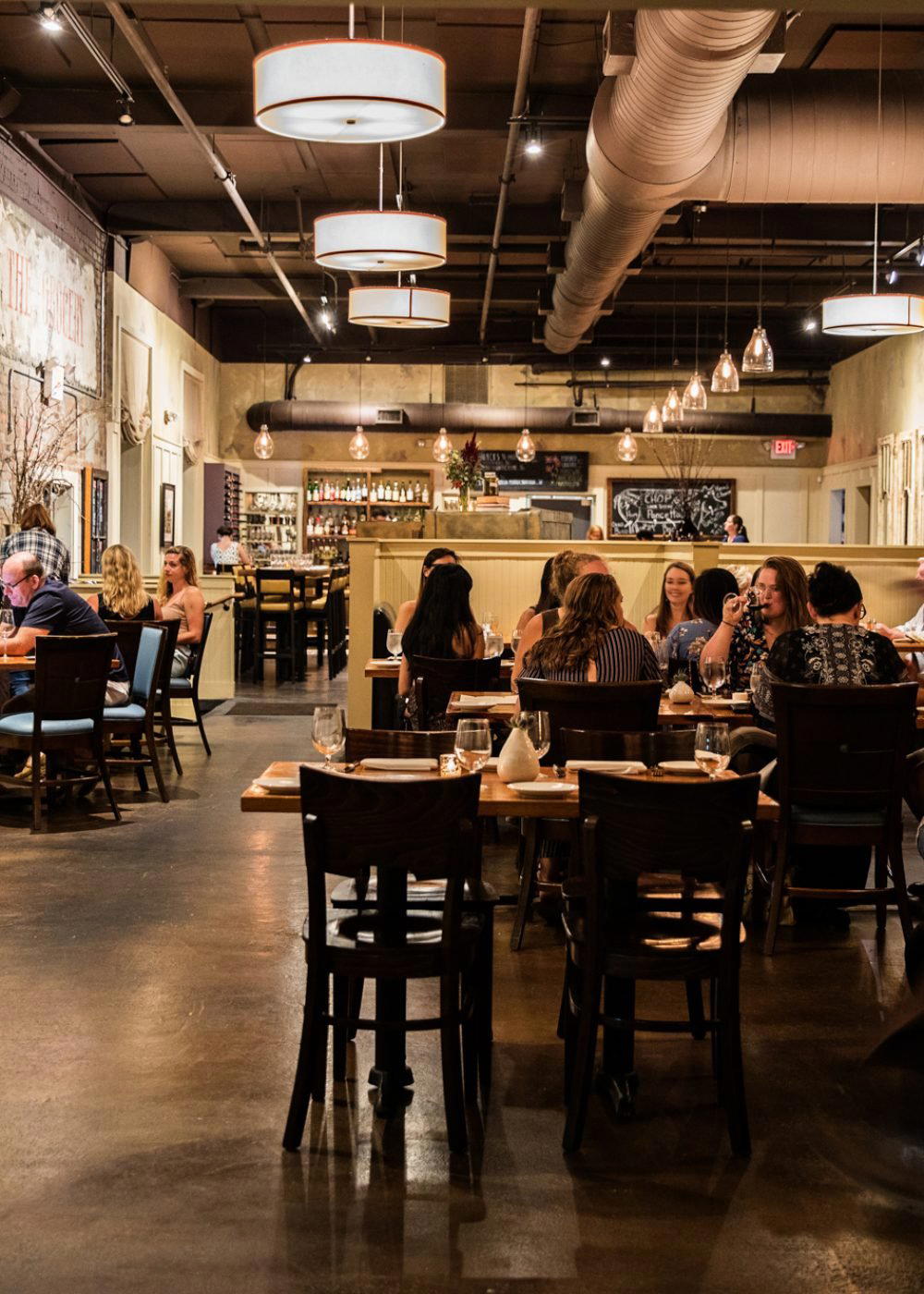
A Quieter Corner of Charleston's Dining Scene
Charleston's restaurant identity has long been shaped by two competing forces: the pull of deep Southern tradition and the push of a younger, produce-led New American movement. The city's most talked-about addresses, from the whole-hog pits of Rodney Scott's BBQ to the tightly edited seasonal menu at Vern's, sit at different points along that spectrum. The Grocery, at 4 Cannon St in Charleston, is a New Southern Farm-to-Table restaurant in the residential grid of Cannonborough-Elliotborough, a neighbourhood-scaled room that takes its sourcing seriously without performing it.
Approaching the address from Cannon Street, the scale is immediately readable. This is not a grand dining room designed to announce itself. The building fits its block, which in Charleston means low, close to the pavement, and caught between the hum of a residential street and the low-level commerce of the surrounding neighbourhood. That physical modesty is part of the editorial point the restaurant makes about itself, and has made, in evolving form, since it opened.
How the Format Has Shifted
The evolution of farm-to-table dining across American cities follows a recognisable arc. Early iterations tended to treat sourcing as spectacle: chalkboard lists of farm names, hyper-seasonal menus that changed so frequently they became difficult to execute consistently. The more durable version of that movement, the one that has sustained restaurants through a decade of rising food costs, staffing pressures, and post-pandemic recalibration, is quieter and more operationally grounded. It treats local supply chains as a baseline rather than a headline.
The Grocery sits inside that more mature phase. Like Lowland, which applies similar discipline to a coastal-inflected menu, The Grocery has moved away from the more declarative posture that defined the first wave of Charleston's farm-to-table moment. The result is a room that reads less like a manifesto and more like a working restaurant that happens to buy well. That shift, from ideological to operational, is where the more interesting cooking tends to live.
Across American cities, the restaurants that have navigated that transition most effectively share a few characteristics: menus that change in response to actual supply rather than calendar seasons, kitchens that have stabilised after the industry-wide staffing disruptions of 2020 to 2022, and a willingness to let ingredient quality carry the plate rather than compensating with technique. The Grocery's position in Charleston's New American tier places it in conversation with peers like FIG and Edmunds Oast, both of which have made similar adjustments over the same period.
Where It Sits in the Charleston Pecking Order
Charleston's dining scene has matured significantly since the early 2010s, when a handful of chef-driven rooms first established the city as a serious American food destination. The tier that The Grocery occupies, neighbourhood-scaled, ingredient-focused, mid-to-upper price point, has grown more competitive as the city's population and visitor numbers have increased. For a sense of scale: Charleston now appears on most major travel editorial shortlists for American food cities, alongside New Orleans, San Francisco, and New York, though it operates at a fraction of the volume and with a much tighter local supply network.
That supply network is one of the genuine structural advantages of cooking in the Lowcountry. Access to coastal seafood, rice-growing heritage, and a growing number of small farms within a short radius gives Charleston kitchens raw material that restaurants in denser urban markets have to work significantly harder to source. The Grocery draws on that geography without turning it into a tourism pitch, which puts it closer in temperament to Blue Hill at Stone Barns in its operational philosophy than to the more theatrically farm-forward addresses you find in cities where local sourcing is harder and therefore more remarkable.
At the national level, the comparison set for what The Grocery is attempting is instructive. Restaurants like Single Thread Farm in Healdsburg and Lazy Bear in San Francisco operate the farm-to-table premise at a higher price point and with more formal structures. The Grocery's version is more accessible in format, which reflects both the city's dining culture and the neighbourhood it physically occupies. Charleston diners tend to resist the kind of ceremony that cities like Chicago, home to Alinea, have built around fine dining. The room at Cannon Street reads that preference correctly.
Planning a Visit
The Grocery sits in Cannonborough-Elliotborough, one of Charleston's more genuinely residential neighbourhoods, west of the historic district's densest tourist corridor. That location means the walk from most downtown hotels takes around fifteen to twenty minutes on foot, or a short ride. The surrounding streets have their own character, Malagón Mercado y Taperia is nearby for those building a broader evening, and the area rewards arriving early to take in the block before sitting down.
For reservations, booking several days in advance is a reasonable baseline on weekdays; weekend sittings, particularly Friday and Saturday evenings, tend to fill further out. 1010 Bridge and Lowland
Spring and autumn are the most comfortable seasons in Charleston for dining out, the heat and humidity of July and August compress the outdoor experience considerably, and many locals consider October the city's most agreeable month for food travel. Those planning around the national restaurant calendar will note that Charleston is less event-saturated than cities like New Orleans (see Emeril's for a sense of that city's different register) or New York (where the distance from neighbourhood-scaled rooms to destination dining is wider, Le Bernardin and Atomix both operate in a completely different competitive frame). That lower noise level is part of what makes Charleston worth visiting on a food-focused itinerary.
A Lean Comparison
Comparable venues nearby, for context on price, style, and recognition.
| Venue | Cuisine | Price | Notes |
|---|---|---|---|
| The GroceryThis venue — the venue you are viewing | $$$ | ||
| The Peacock | $$$ | French Quarter, American with International Influences | |
| Prohibition | $$ | Cannonborough - Elliottborough, Modern American Gastropub | |
| Ted's Butcherblock | Downtown, American Butcher Deli | $$ | |
| Bessinger's | West Ashley, South Carolina Mustard BBQ | $$ | |
| Bellerose Hotel Bar | Intimate Modern Steakhouse & Hotel Bar | $$$ |
Continue exploring
More in Charleston
Restaurants in Charleston
Browse all →

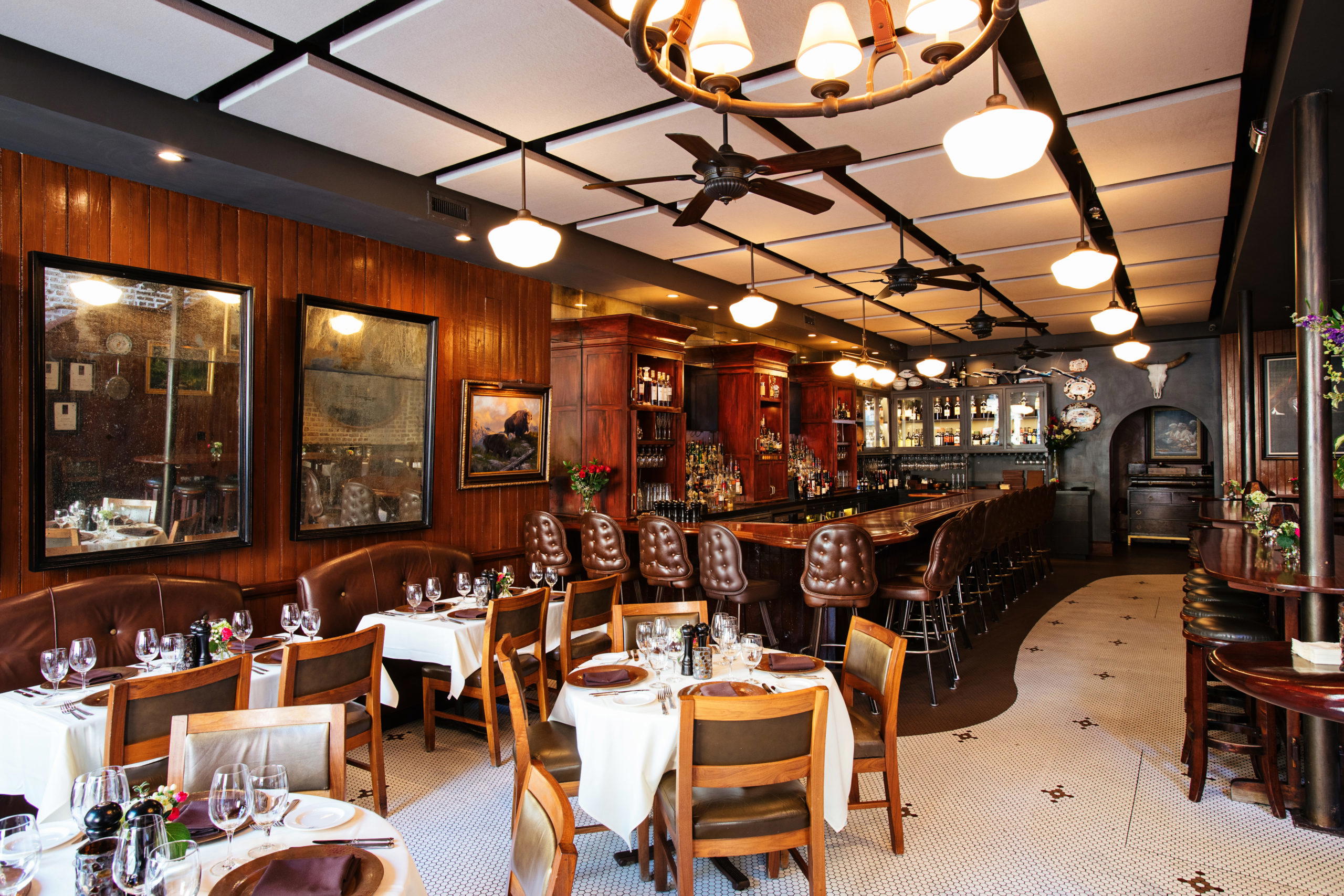
Bars in Charleston
Browse all →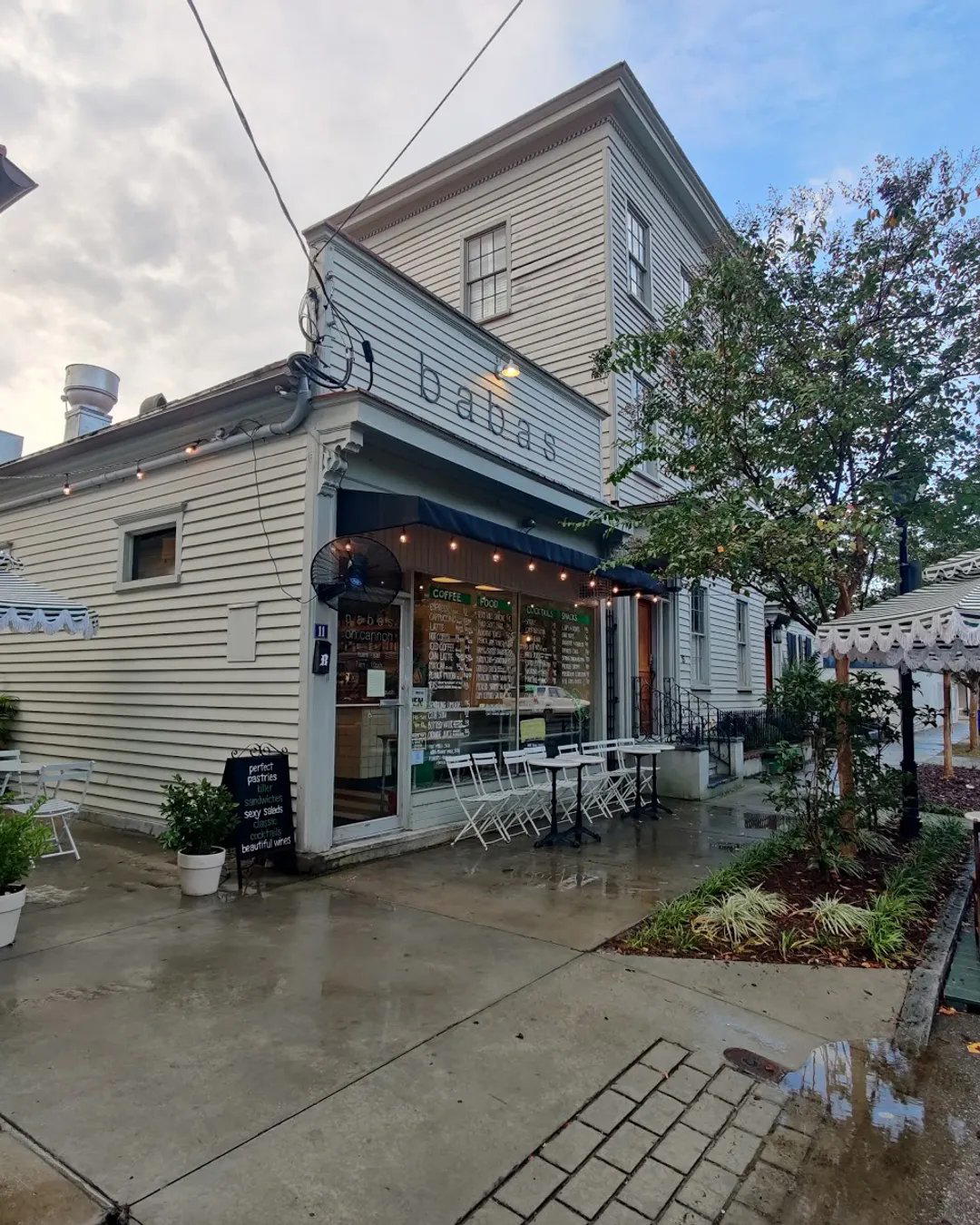

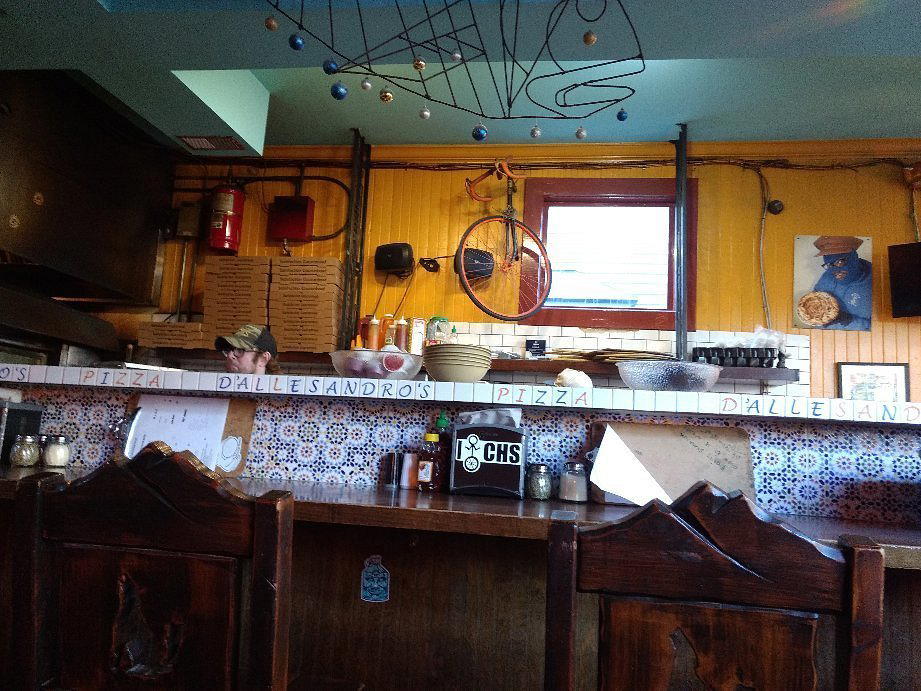
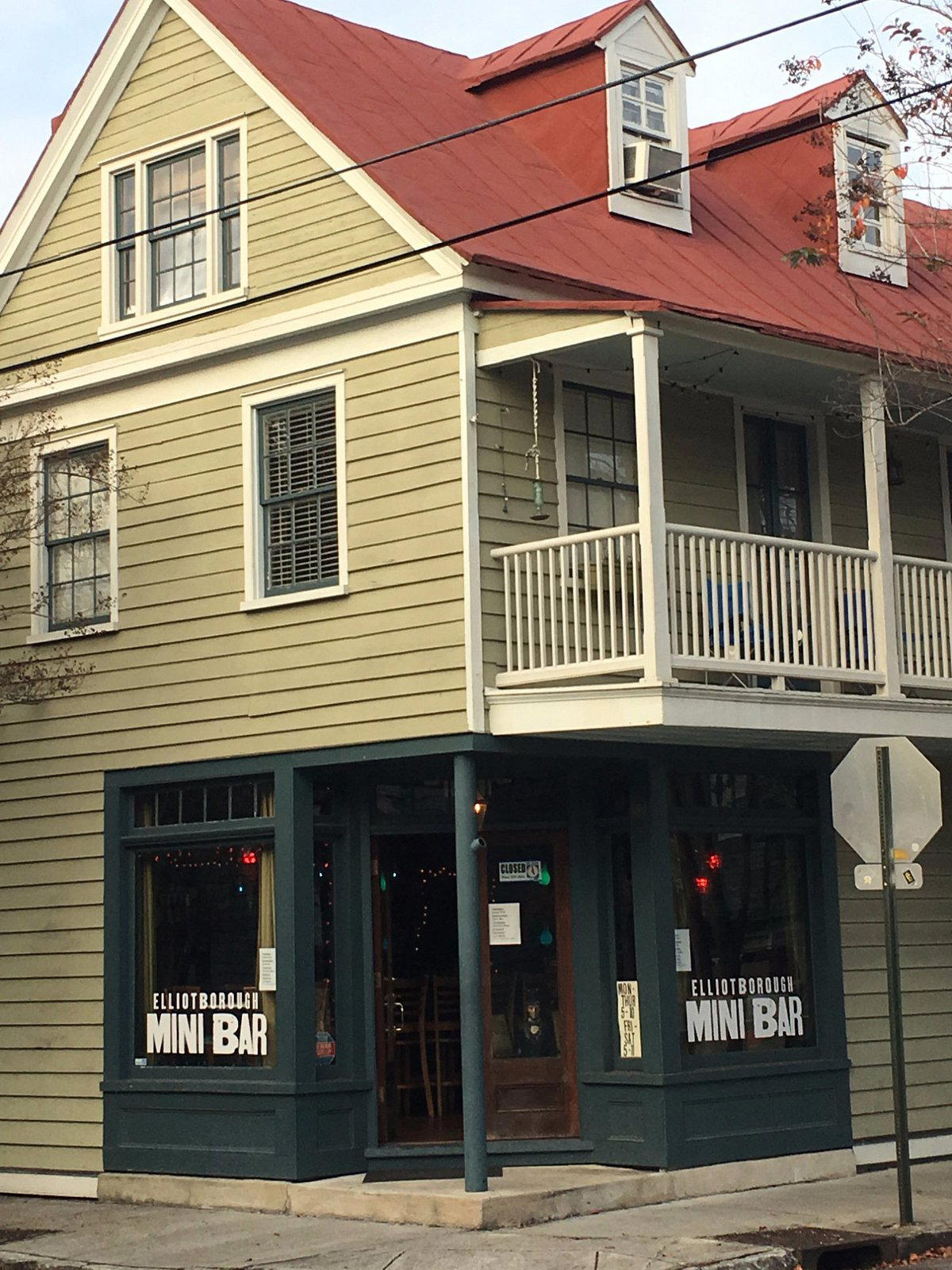






At a Glance
- Cozy
- Modern
- Rustic
- Date Night
- Special Occasion
- Group Dining
- Open Kitchen
- Extensive Wine List
- Craft Cocktails
- Farm To Table
- Local Sourcing
- Street Scene
Cozy and inviting with lofty spaces, abundant light, warm tones, and a wood-burning oven creating a cordial atmosphere in a modernized former furniture warehouse.