Sorghum & Salt
On St Philip Street in the lower peninsula, Sorghum & Salt applies technically precise cooking to the indigenous grains, grasses, and fermented traditions of the American South. The kitchen works at the intersection where Charleston's lowcountry larder meets a broadly trained culinary sensibility, producing food that reads as distinctly regional without being nostalgic or folkloric.
Pearl is the En Primeur Club membership app — saves, bookings, and concierge access live there. Same editors, same standards.
- Address
- 186 St Philip St, Charleston, SC 29403
- Phone
- +18438726393
- Website
- sorghumandsalt.com
- Directions
- Get directions
 Saves & bookings on Pearl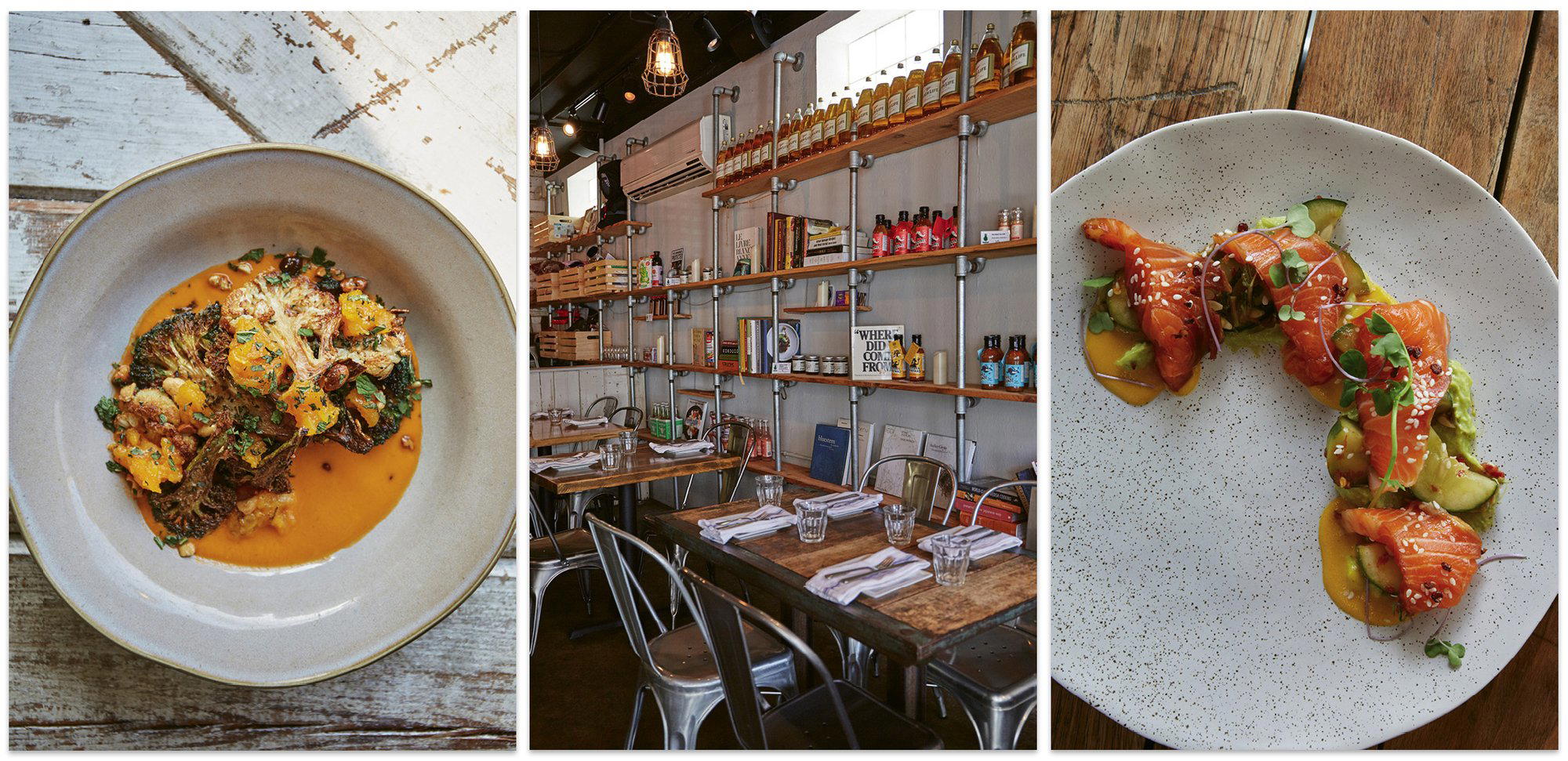
Where the Lowcountry Larder Meets Imported Technique
St Philip Street runs through the lower peninsula of Charleston at a gentle remove from particularly trafficked corridors of King Street. The address at 186 places Sorghum & Salt in a part of the city where the residential grain of the neighbourhood still asserts itself against the commercial creep, and that positioning matters. Charleston has developed, over the past fifteen years, a dining culture that draws significant outside attention while remaining structurally rooted in local supply chains, coastal proximity, and a canon of Southern preserving and fermentation traditions that predate any current trend. Restaurants that work here tend to understand both sides of that equation. Sorghum & Salt takes its name from two of the South's most elemental pantry staples, a signal about where the kitchen's priorities sit before a plate arrives.
The Technique-Terroir Intersection
The broader pattern in serious American regional cooking over the past decade has been the application of precision techniques, sourced from French classical training, Nordic fermentation culture, or Japanese product obsession, onto the raw material of a specific geography. At its weakest, that produces restaurants that feel like culinary tourism: the ingredient is Southern, but the framing is imported and unconvincing. At its strongest, the technique becomes invisible and the place itself is what you taste. Charleston sits at an interesting point on that spectrum. The city's larder is genuinely distinctive: Sea Island red peas, Carolina Gold rice, sorghum, locally harvested salt, blue crabs from the surrounding waters, and a fermentation tradition that predates the current kombucha moment by several centuries.
Sorghum & Salt operates within that framework. The name references two products that carry real historical weight in the region. Sorghum, a grain-grass that arrived via West Africa and became a significant sweetener and grain source across the antebellum South, carries flavour complexity that cane sugar cannot replicate. Salt from the Carolina coast has been a commodity and a necessity here since the colonial period. A kitchen that names itself after these two things is making an argument about material before it makes one about cooking style. That argument aligns Sorghum & Salt with a cohort of Charleston restaurants that have moved beyond the biscuit-and-bourbon shorthand into more considered territory, without abandoning the regional specificity that gives the city's dining scene its character.
Comparable inflection points in American regional cooking appear across the country. Blue Hill at Stone Barns in Tarrytown built its identity around farm-to-table rigor in a way that influenced how serious American kitchens think about ingredient sourcing. Single Thread Farm in Healdsburg applies Japanese kaiseki structure to Northern California produce with considerable precision. Lazy Bear in San Francisco frames Northern California ingredients inside a communal dining format that owes more to modernist technique than to any regional tradition. What makes Charleston different is the density of history embedded in the ingredients themselves. The rice, the legumes, the preserved and fermented goods here carry a specific, documented past that gives the food a different kind of weight.
Charleston's Current Restaurant Tier
The city's restaurant scene now operates across several clearly defined tiers. At the casual and legacy end, places like Rodney Scott's BBQ practice a form of cooking that is both historically grounded and technically demanding in its own terms. Scott's whole-hog method, refined over decades in Hemingway before arriving in Charleston, represents a tradition-deep approach to regional cooking that no amount of imported technique can replicate. That work anchors one end of the spectrum. At the more formally structured contemporary end, Vern's has attracted attention for cooking that is precise without being stiff, drawing on New American idioms while staying grounded in what the Lowcountry actually produces. Lowland operates in the coastal Southern register with a dining room sensibility that leans into the regional identity without sentimentalising it. 1010 Bridge and Malagón Mercado y Taperia represent the city's appetite for non-Southern formats done with local attentiveness. Sorghum & Salt fits within the more technique-forward, ingredient-led tier of that broader scene.
For context on how this approach plays out at the highest level nationally, kitchens like Alinea in Chicago and Le Bernardin in New York City have demonstrated that technical discipline and sensory specificity are not mutually exclusive with a strong point of view. Addison in San Diego and Providence in Los Angeles apply similar rigour to California and Pacific coastal ingredients. Atomix in New York City uses Korean fermentation traditions as both pantry and conceptual backbone. Across these examples, the strongest regional cooking uses technique to clarify and intensify what is already present in the ingredient rather than to transform or obscure it. That is the challenge Sorghum & Salt sets itself with its name.
The St Philip Street Address: Getting There and Timing Your Visit
Charleston's lower peninsula is compact enough to cover on foot from most central accommodation, and St Philip Street is accessible from the main visitor parking infrastructure on the western side of the peninsula.
Where the Accolades Land
Comparable venues nearby, for context on price, style, and recognition.
| Venue | Cuisine | Price | Notes |
|---|---|---|---|
| Sorghum & SaltThis venue — the venue you are viewing | Vegetable-Forward Farm-to-Table Small Plates | $$$ | Not listed |
| Church and Union Charleston | Modern-American with Southern Flair | $$$ | Ansonborough |
| Well Hung Vineyard | American with Southern Twists | $$$ | French Quarter |
| Bessinger's | South Carolina Mustard BBQ | $$ | West Ashley |
| Rudy Royale | Upscale Southern Chicken + Cocktails | $$$ | downtown |
| Basic Kitchen | Modern American Farm-to-Table Fusion | $$ | Harleston Village |
Continue exploring
More in Charleston
Restaurants in Charleston
Browse all →
Bars in Charleston
Browse all →

At a Glance
- Trendy
- Industrial
- Elegant
- Modern
- Date Night
- Special Occasion
- Group Dining
- Open Kitchen
- Standalone
- Craft Cocktails
- Farm To Table
- Local Sourcing
Current opening hours
- Monday
- Closed
- Tuesday
- 5–10 PM
- Wednesday
- 5–10 PM
- Thursday
- 5–10 PM
- Friday
- 5–10 PM
- Saturday
- 5–10 PM
- Sunday
- 5–10 PM
Hours can change for holidays and private events. Last verified .
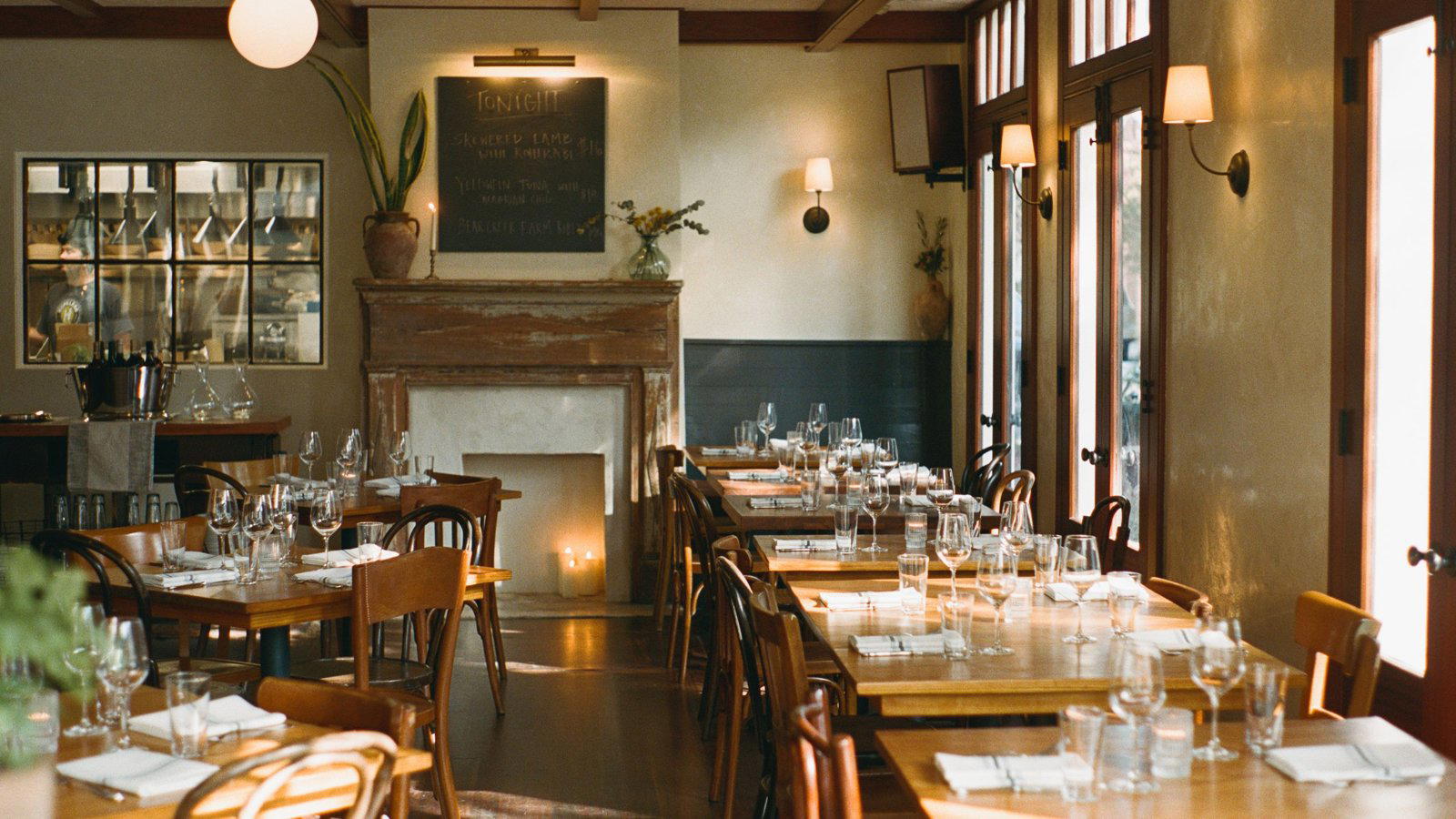
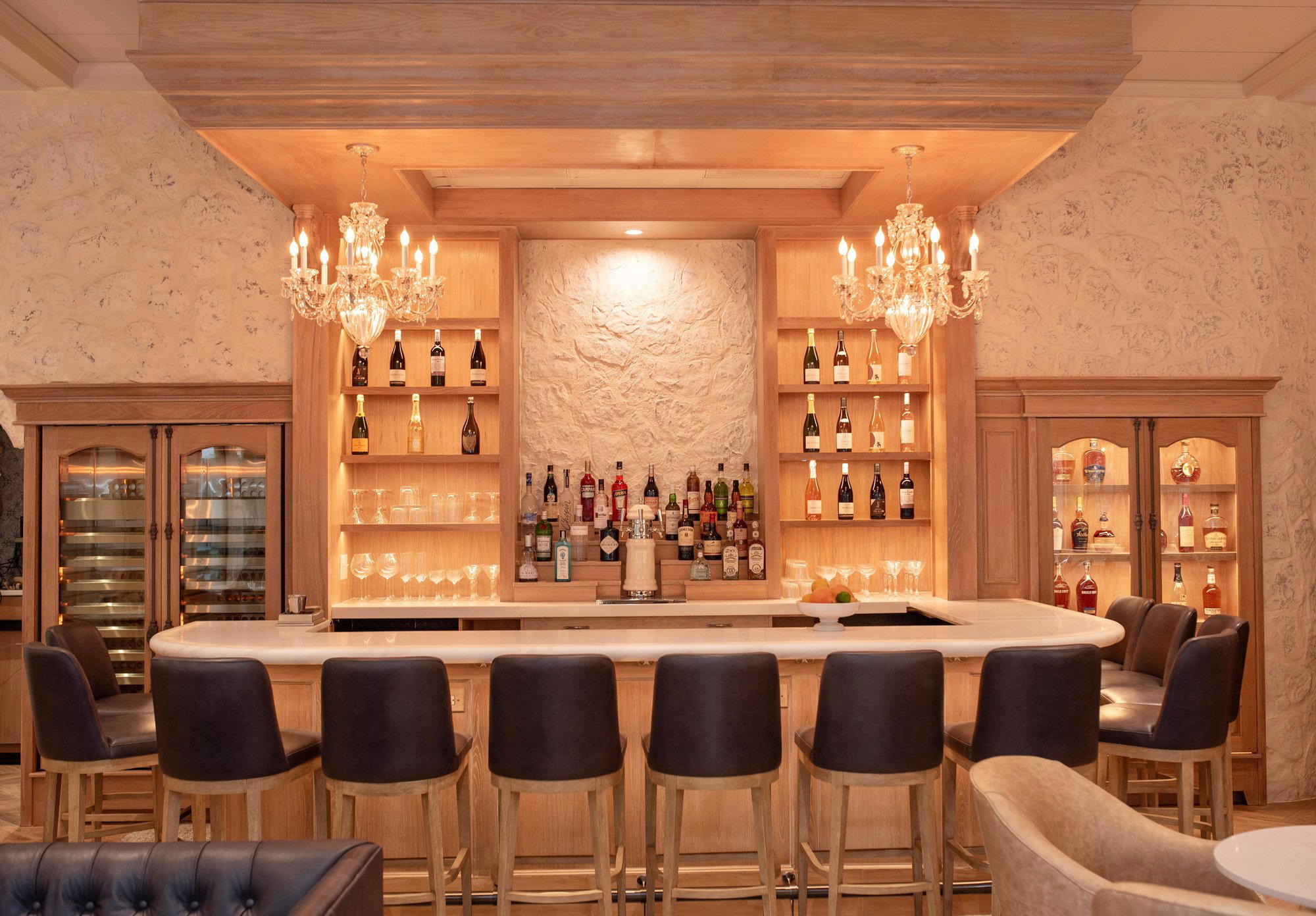
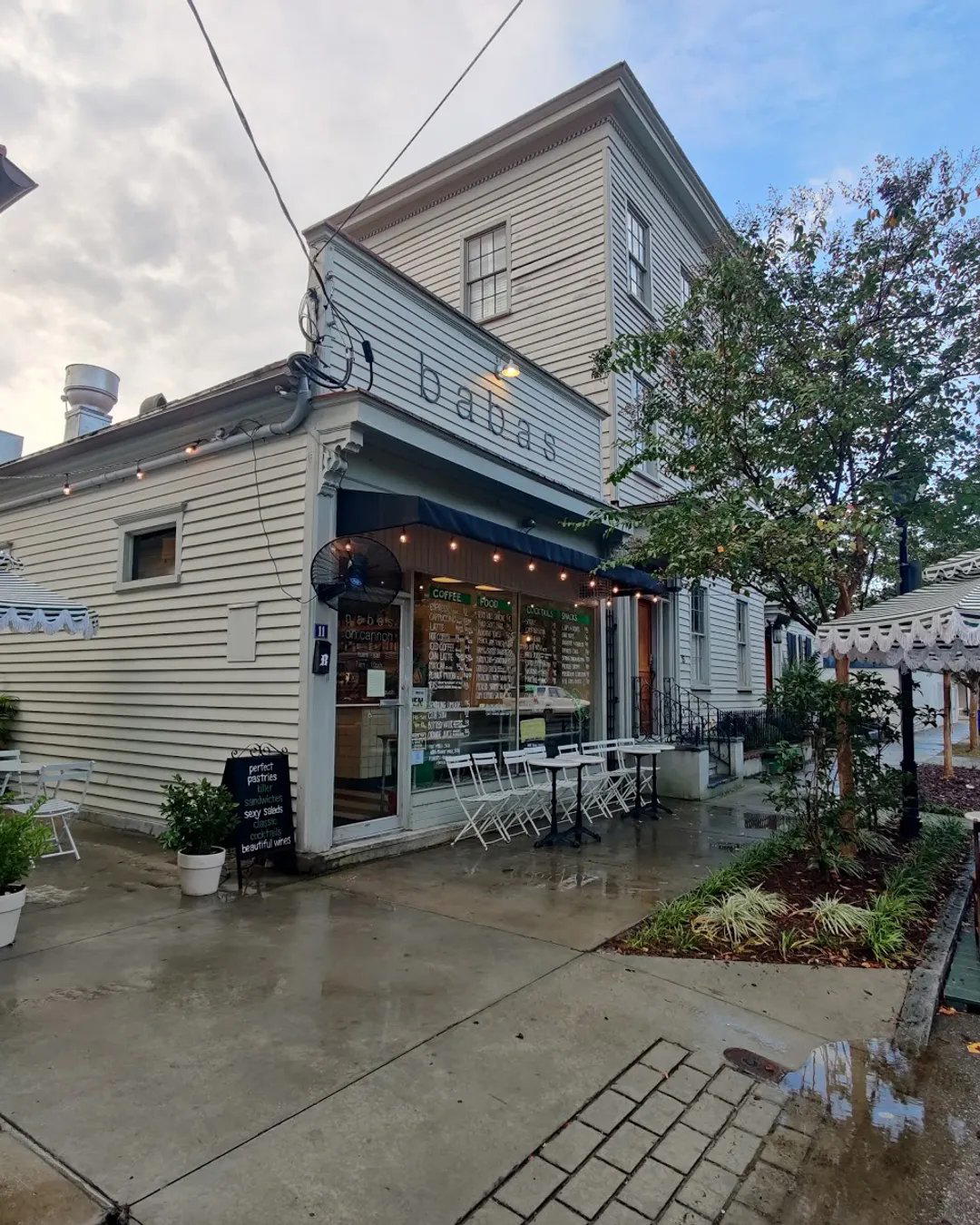
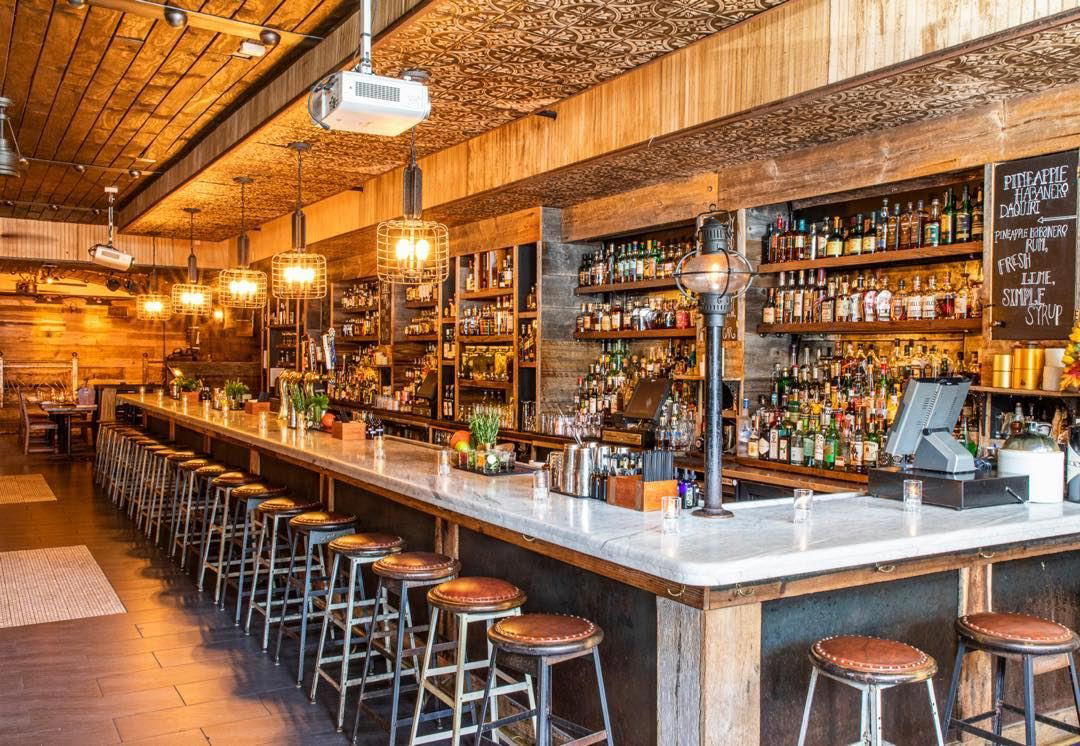
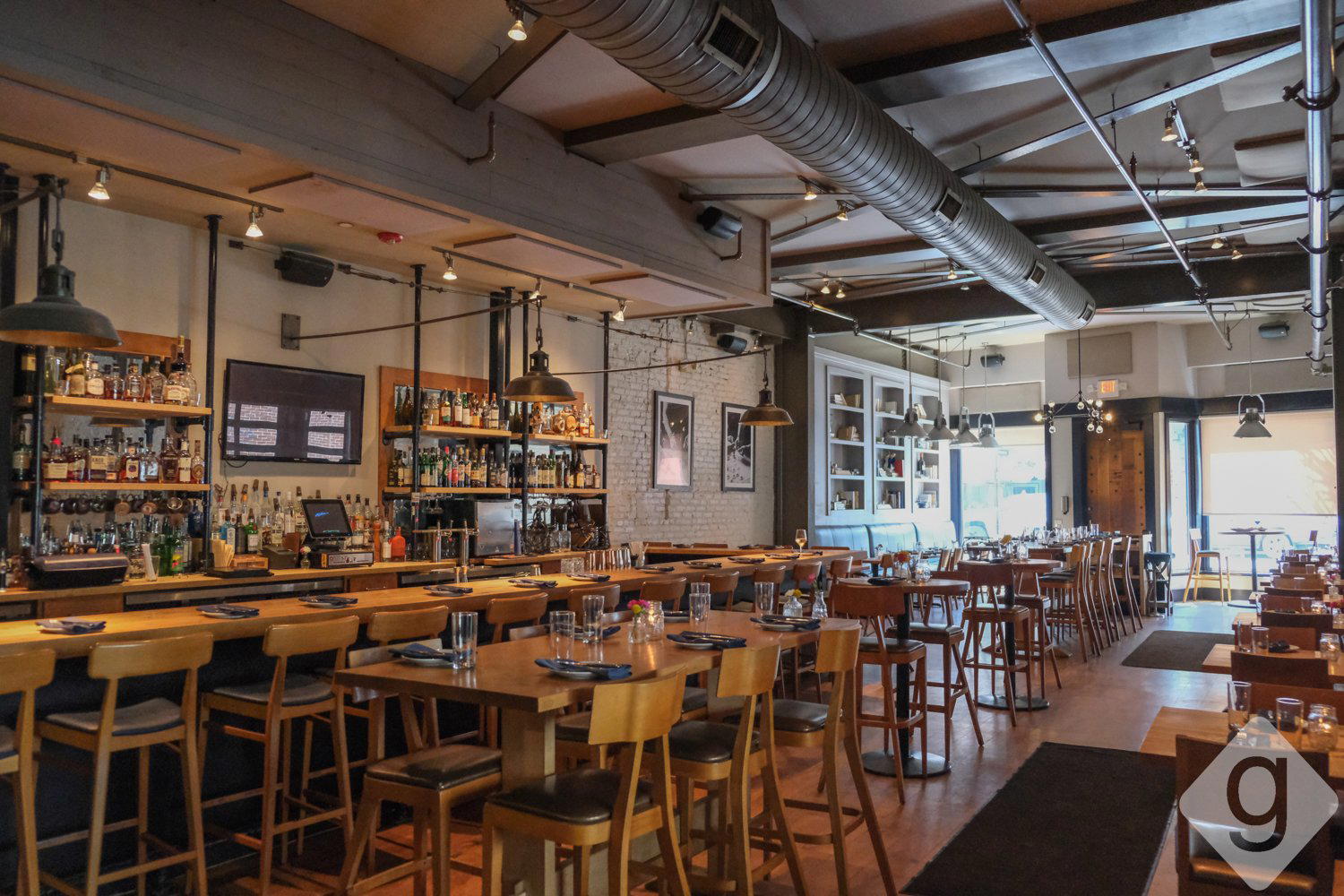
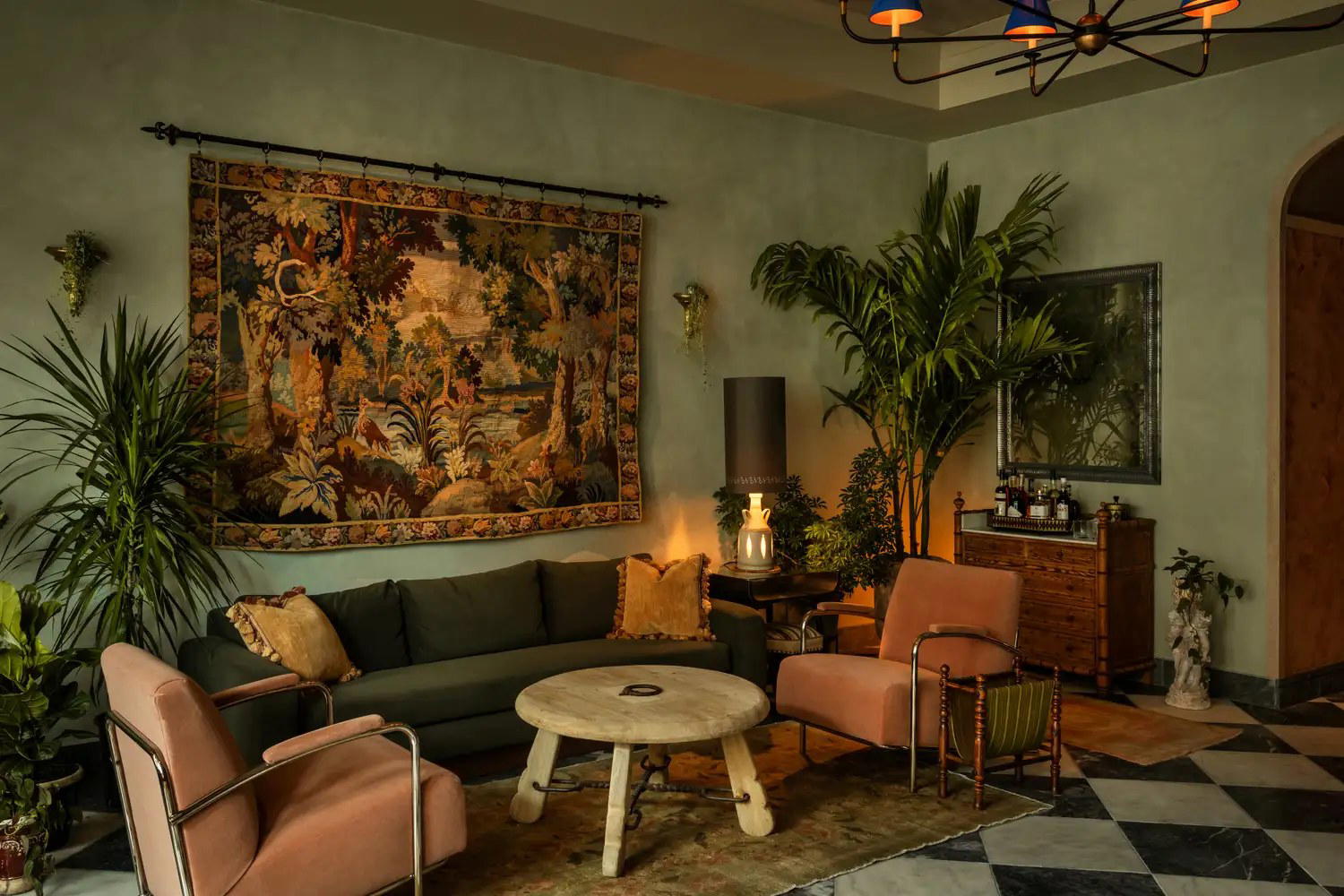
Earthy, humble, and refreshing industrial setting with upscale yet laid-back atmosphere.