O'Kims

O'Kims occupies a low-key stretch of Nuuanu Avenue in Honolulu's Chinatown-adjacent corridor, drawing a loyal crowd that returns on instinct rather than occasion. The room operates on the kind of informal authority that only comes from years of repeat business. For visitors, it offers a window into the Korean-inflected local dining culture that sits well outside the Waikiki circuit.
Pearl is the En Primeur Club membership app — saves, bookings, and concierge access live there. Same editors, same standards.
- Address
- 1028 Nuuanu Ave, Honolulu, HI 96817
- Phone
- +18085373787
- Website
- okimshawaii.com
- Directions
- Get directions
 Saves & bookings on Pearl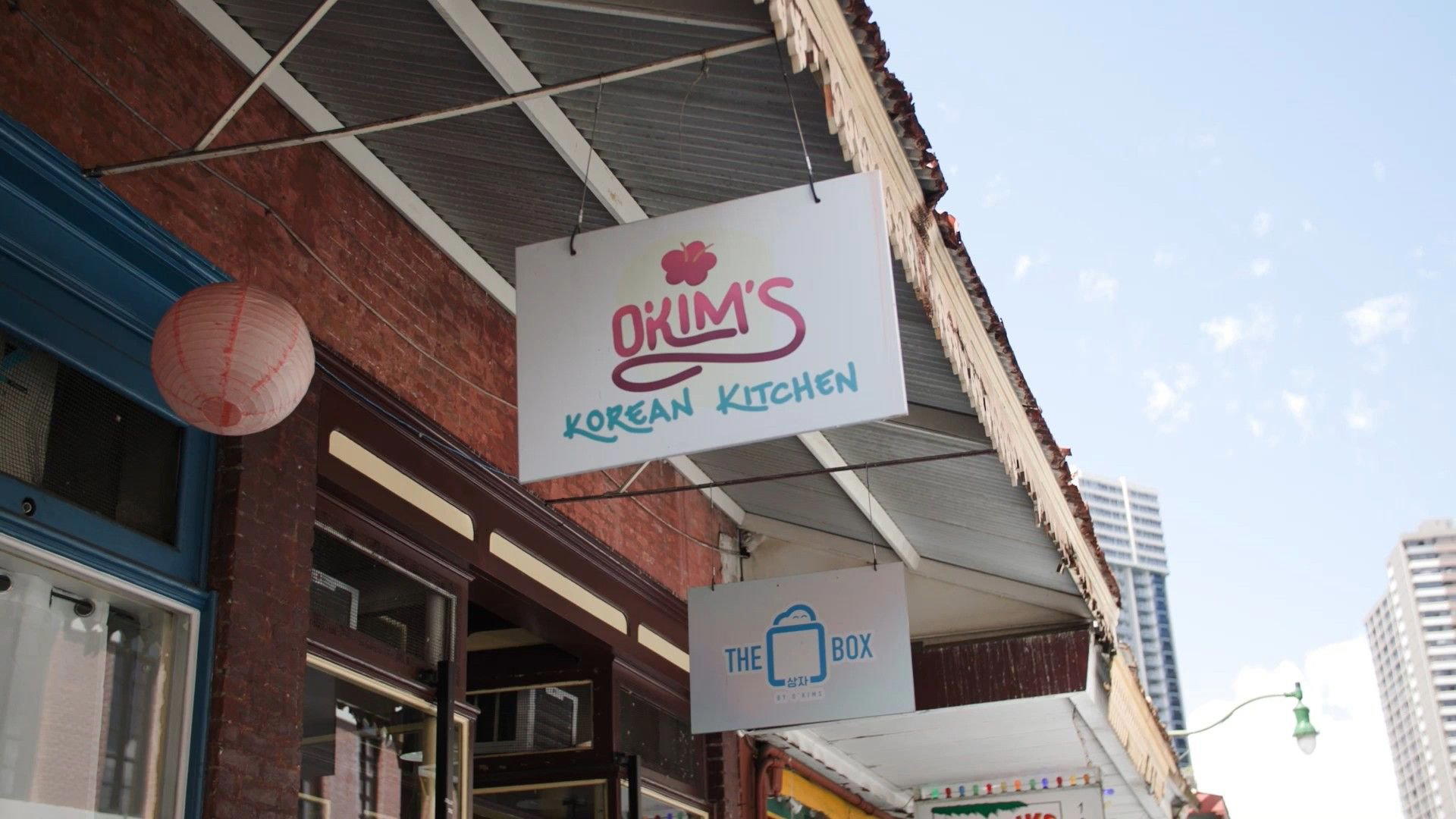
Nuuanu Avenue and the Dining Culture That Stays Local
Honolulu's restaurant conversation defaults quickly to Waikiki hotel dining rooms, beachfront Pacific Rim menus, and the handful of fine-dining addresses that court national press. Nuuanu Avenue runs a different current. The street cuts through the older, denser part of the city, between Chinatown proper and the residential neighborhoods climbing toward Punchbowl, and the dining spots along it tend to serve people who live here year-round rather than people passing through on a ten-day itinerary. O'Kims, at 1028 Nuuanu Ave, sits in that current. It is a neighborhood fixture in the most literal sense: a place with regulars who arrive knowing what they want, whose presence sets the room's tone more than any design decision does.
That dynamic, where loyal repeat customers effectively curate the atmosphere, is common to a certain tier of Korean and Korean-American dining in Honolulu. The city's Korean food culture is older and more embedded than visitors typically expect. It predates the recent mainland Korean-dining boom by decades, shaped by the significant Korean-American population that has been part of the islands' demographic fabric since the early twentieth century. O'Kims operates within that tradition rather than against it: no performative modernization, no fusion framing designed to ease entry for the uninitiated.
The Room and What It Signals
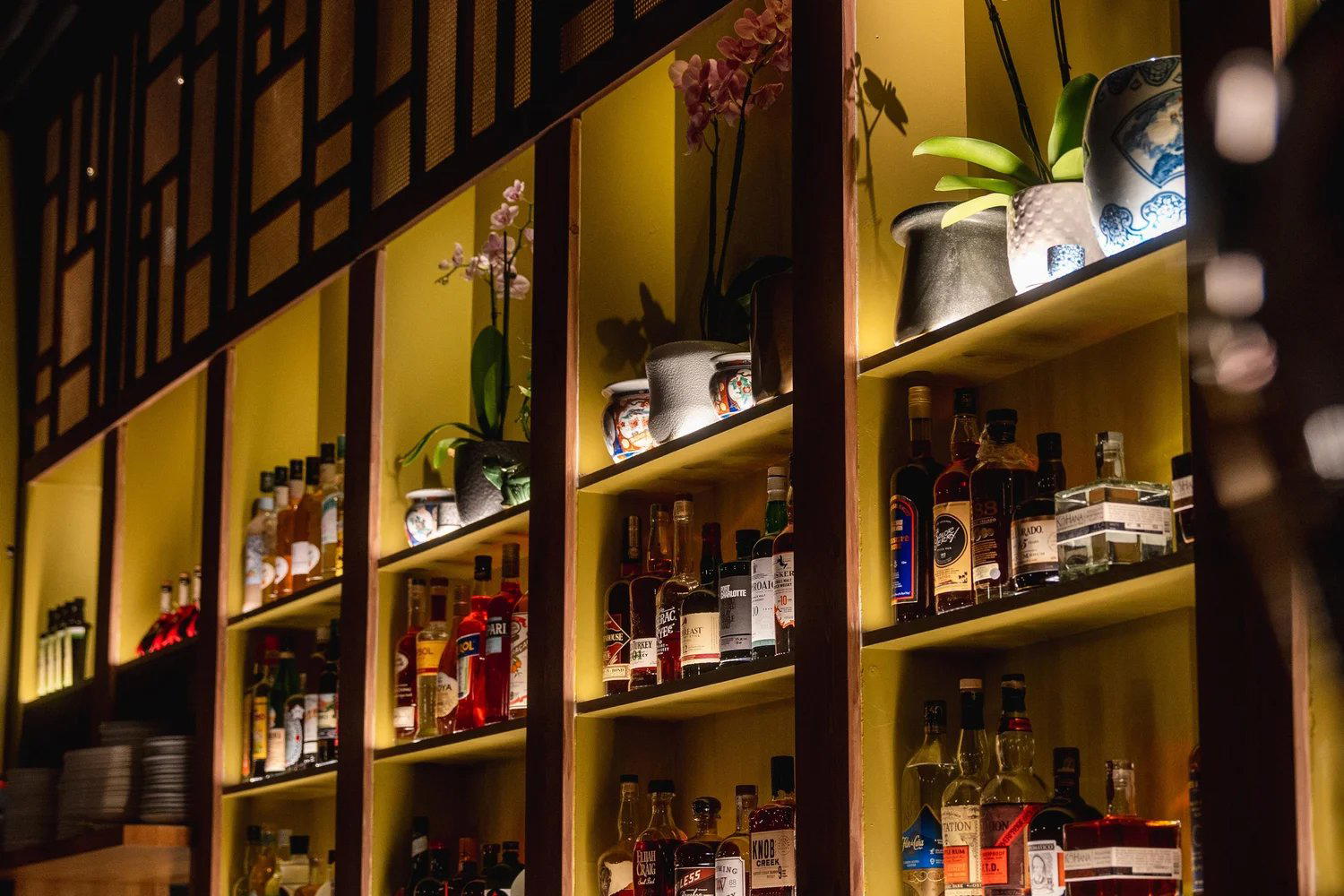
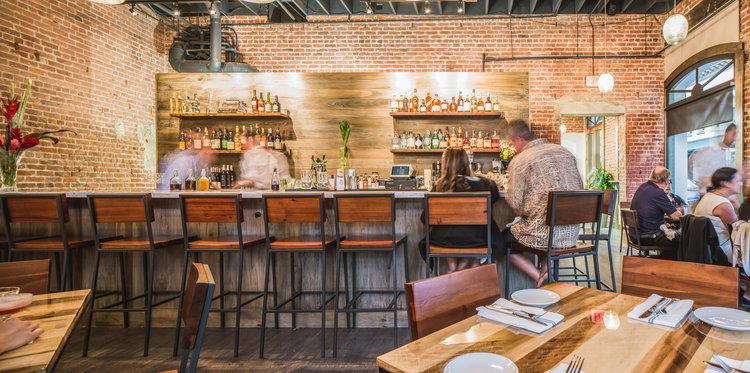
Approaching a place like this, what you register first is scale and posture. The exterior on Nuuanu is not trying to announce itself to passersby unfamiliar with it. That is intentional information. Restaurants that depend on walk-in tourist traffic invest in visibility. O'Kims has the address recognition of a place that doesn't need to recruit. Inside, the room functions as a working dining space rather than a branded environment, which is consistent with Korean dining traditions that place the emphasis on the food arriving at the table rather than on the container it arrives in.
For comparison points, Honolulu does have Korean-adjacent dining that skews more designed and destination-conscious. The gap between those approaches and a neighborhood place like O'Kims mirrors gaps visible in other cities: think of how Atomix in New York City occupies a completely different register from the Koreatown lunch counters that have been feeding Manhattan for forty years. Both are legitimate; neither cancels the other. The relevant question is which register you're in the mood for.
What Keeps Regulars Coming Back
The regulars' perspective is always the most instructive frame for a place like this. Loyalty in neighborhood dining doesn't sustain on novelty. People return because something is consistent, priced fairly relative to what's on the plate, and doesn't require effort to access. The Korean dining format, with its emphasis on communal table sharing, banchan (the small side dishes that arrive automatically), and proteins cooked or simmered low and long, rewards familiarity. Knowing a kitchen's version of a dish is different from encountering it for the first time; regulars carry that knowledge.
This is the unwritten menu that only time grants access to. Which broth runs deeper on a cold evening. Which preparation holds better if you're arriving later in the service. Which combination of banchan alongside a main dish the kitchen has quietly dialed in over years. None of that information lives on a printed card. It lives in the pattern of return visits, in the shorthand that develops between a regular and a room they've spent real time in. Honolulu's neighborhood dining culture, particularly in the older corridors away from the resort strip, carries that dynamic in concentrated form.
For context on what high-investment formal dining looks like in Honolulu, 53 By The Sea and 3660 On the Rise represent the city's more occasion-oriented, reservation-forward end. Fête lands somewhere in the middle, with a New American program that draws both residents and visitors. O'Kims is calibrated differently from all three: it is a daily-use restaurant in the truest sense, where frequency of visit is normal rather than exceptional.
Korean Dining in Honolulu's Broader Map
Korea's culinary traditions translate particularly well to the Hawaiian context. The emphasis on fermentation, on dishes that build over time (kimchi being the most obvious example, but gochujang-based braises and doenjang preparations following the same logic), resonates with a food culture that has always understood slow transformation. Hawaii's local plate lunch tradition, itself a hybrid product of plantation-era multicultural labor history, shares structural DNA with the Korean idea of a balanced tray: protein, starch, pickled or fermented accompaniment. The two traditions have coexisted and cross-pollinated for long enough that the seams have softened considerably.
That context matters when thinking about where O'Kims sits in the city's dining map. It isn't translating Korean food for an outside audience; it is operating within a local context where Korean flavors are part of the everyday vocabulary. The difference is audible in how regulars order, in how the staff reads the room, in what assumptions the kitchen makes about what needs explaining and what doesn't.
For visitors whose reference points run toward the nationally recognized end of American fine dining, The French Laundry in Napa, Le Bernardin in New York City, or Providence in Los Angeles represent a different and distant register. So do ambitious tasting-menu formats like Alinea in Chicago, Lazy Bear in San Francisco, Single Thread Farm in Healdsburg, Addison in San Diego, Blue Hill at Stone Barns in Tarrytown, The Inn at Little Washington, and Emeril's in New Orleans. Places like O'Kims exist in the same dining universe but serve an entirely different function: not punctuation, but the continuous sentence of eating well in a city you actually live in.
Honolulu also has Ahaaina Luau and 855-ALOHA for visitors seeking specifically Hawaiian cultural dining formats. And for a broader map of the city's options across cuisine types and price points, the full Honolulu restaurants guide provides the most complete picture. The point is that O'Kims is one node in a complex and layered city, not an isolated discovery.
Planning a Visit
O'Kims is at 1028 Nuuanu Ave, which puts it in a walkable part of the city between Chinatown and the lower Nu'uanu residential areas, accessible by car or from downtown Honolulu without significant effort. Given the neighborhood character and the regulars-first dynamic, arriving during off-peak hours is a reasonable approach for first-time visitors who want to read the room without the pressure of a packed service. Phone and website details are not publicly confirmed at time of writing; the most current information is available directly through the address or local search. The restaurant's positioning as a daily-use neighborhood spot suggests walk-in access is the norm rather than the exception, though this is worth verifying before a special trip.
How O'Kims Honolulu compares with similar nearby venues.
| Venue | Cuisine | Awards |
|---|---|---|
| O'Kims | Not listed | James Beard Award Semi Finalist (2025) |
| Yakitori Hachibei | Yakitori | Not listed |
Recognition history
Dated appearances from independent guides and award organizations, with the underlying list record or original source where available.
James Beard Award Semi Finalist
James Beard Award
At a Glance
- Modern
- Trendy
- Casual Hangout
- Date Night
- Standalone
- Local Sourcing
Current opening hours
- Monday
- 11 AM–3 PM, 5–9 PM
- Tuesday
- 11 AM–3 PM, 5–9 PM
- Wednesday
- 11 AM–3 PM, 5–9 PM
- Thursday
- 11 AM–3 PM, 5–9 PM
- Friday
- 11 AM–3 PM, 5–9 PM
- Saturday
- 11 AM–3 PM, 5–9 PM
- Sunday
- Closed
Hours can change for holidays and private events. Last verified .
Charming with moderate noise levels.
Know Before You Go
- Getting there
- 1028 Nuuanu Ave, Honolulu, HI 96817