Million Restaurant
Million Restaurant occupies a quiet stretch of Sheridan Street in Honolulu, away from the resort corridor that defines most of the city's dining conversation. The address alone signals something worth investigating: a neighborhood-anchored room operating on its own terms, at a remove from Waikiki's volume-driven hospitality. Details on format, price, and kitchen direction remain sparse, which only deepens the case for a direct visit.
Pearl is the En Primeur Club membership app — saves, bookings, and concierge access live there. Same editors, same standards.
- Address
- 626 Sheridan St, Honolulu, HI 96814
- Phone
- +18085960799
- Directions
- Get directions
 Saves & bookings on Pearl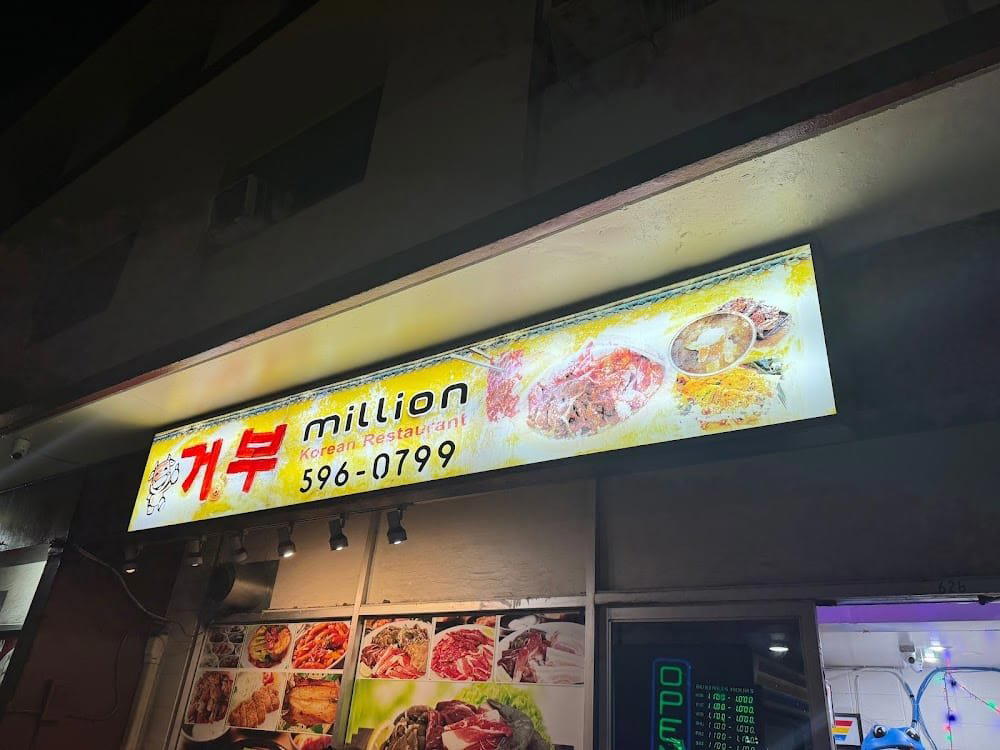
Sheridan Street and the Case for Honolulu's Residential Dining Scene
Most of Honolulu's dining attention pools around the same few blocks: the hotel dining rooms of Waikiki, the upscale waterfront addresses along Ala Moana, and the chef-driven rooms that have accumulated recognition over the past decade. Million Restaurant, at 626 Sheridan Street, sits at a deliberate remove from all of that. Sheridan Street runs through a residential-commercial neighborhood that doesn't appear in most visitor itineraries, and that geographic fact is itself an editorial statement about the kind of room this appears to be.
In cities where dining culture has matured past the tourist corridor, it's precisely these off-grid addresses that carry the most weight with local diners. The parallel in San Francisco is clear: Lazy Bear built its reputation in a Mission District address before recognition followed. In New York, Atomix operates in a Midtown side street, insulated from the noise of more visible neighbors. The geography of serious dining rarely aligns with the geography of tourism, and Honolulu is no exception.
The Physical Container: What a Sheridan Street Address Implies
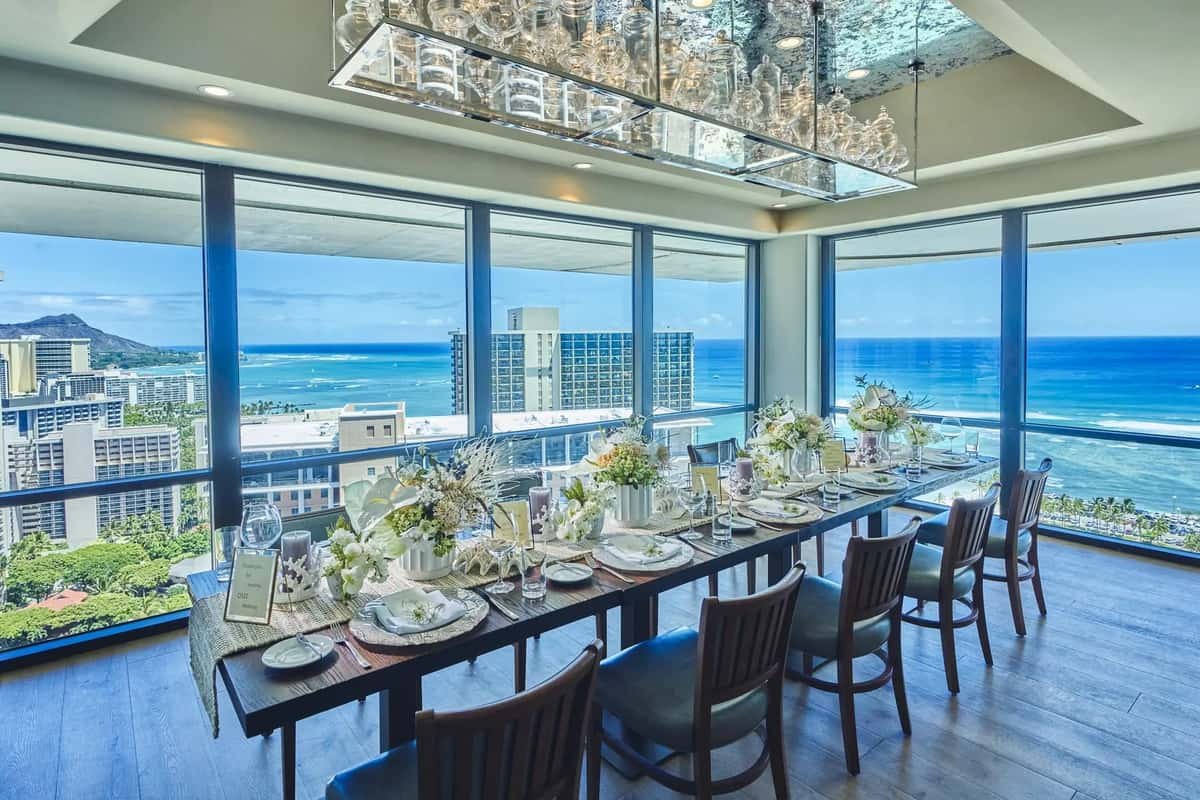
The editorial angle here isn't nostalgia for neighborhood spots. It's about what the built environment tells you before you sit down. Addresses on Sheridan Street in this part of Honolulu tend toward converted storefronts and low-rise commercial buildings with modest frontage, the kind of spaces that reward interior investment rather than relying on architecture to do the selling. That context matters because it shapes the design decisions a restaurant has to make: there's no panoramic view to anchor the room, no heritage building to draw on. Whatever the interior delivers, it delivers through deliberate choices about material, light, and spatial arrangement.
This is where rooms in this category either succeed or don't. When a restaurant in an unremarkable exterior shell creates a coherent dining environment, it's because the space has been thought through: the relationship between table spacing and sound, the weight given to lighting over ambient temperature, the way a counter or open kitchen can make a modest room feel architectural. Honolulu has a handful of rooms that navigate this well. 53 By The Sea uses its waterfront site as the primary spatial element; Fête operates in a downtown building where the room's proportions and material choices carry the atmosphere. A Sheridan Street address demands a different answer.
Where Million Sits in Honolulu's Dining Tiers
Honolulu's restaurant market divides roughly into three operating tiers. The first is the resort-hotel dining room, where room rates and captive audiences support high price points and broad menus. The second is the chef-driven independent, a category that includes 3660 On the Rise, which has held a place in Honolulu's serious dining conversation for years, and newer entries pushing Pacific Rim and New American formats. The third tier is the neighborhood-anchored room: smaller, often quieter, dependent on repeat local clientele and word-of-mouth rather than tourism or press cycles.
Million Restaurant's address places it in that third category by default, though the name carries enough distinctiveness to suggest something with a specific point of view. That's an unusual position for a restaurant to occupy in EP Club's database, and it reflects either a deliberate low-profile operation or a room in transition. Both are worth noting honestly rather than papering over with speculation.
For context on what the Hawaiian dining scene supports at its serious end: Ahaaina Luau represents the cultural-experience tier, while 855-ALOHA occupies a different register entirely. The national benchmark for independently operated fine dining in the United States runs from rooms like The French Laundry in Napa and Providence in Los Angeles down through regional operators with strong local identities. Honolulu's position in that national conversation has strengthened over the past decade, and neighborhood restaurants that develop consistent quality tend to feed upward into wider recognition.
The Design Logic of Rooms That Don't Announce Themselves
There's a specific kind of design intelligence in restaurants that don't rely on location or legacy to signal quality. Alinea in Chicago operates in a Lincoln Park building with almost no exterior presence; Addison in San Diego wraps its formal dining experience in a setting that prioritizes material warmth over grandeur. What these rooms share is a decision to make the interior work harder than the address. Blue Hill at Stone Barns in Tarrytown and The Inn at Little Washington in Virginia each use architectural specificity as a form of argument about what the meal is and why it costs what it costs.
The same logic applies at the neighborhood level. A room on Sheridan Street that takes its physical container seriously, that makes specific decisions about how much space surrounds each table, how natural light enters and changes through a service, what materials define the floor and ceiling, communicates something before the first plate arrives. These are the details that separate a restaurant with a point of view from one that simply occupies a space. Without verified data on Million's interior, it would be editorial overreach to describe it. But the category logic is worth stating plainly: for a restaurant at this address to hold a dining audience, the room has to be doing something deliberate.
See our full Honolulu restaurants guide for the broader context of where Million sits in relation to the city's current dining conversation, including how rooms in this price tier and neighborhood position compare across cuisine types and formats.
Know Before You Go
Address: 626 Sheridan St, Honolulu, HI 96814
Neighbourhood: Residential-commercial corridor, away from Waikiki and Ala Moana resort dining
Price Range: Not verified; contact the venue for current pricing
Hours: Not verified; confirm directly
Reservations: Walk-in policy and booking method unconfirmed; see FAQ below
Phone / Website: Not currently listed; cross-reference Google Maps or local directories for current contact details

At a Glance
- Cozy
- Family
- Casual Hangout
- Group Dining
- Open Kitchen
Current opening hours
- Monday
- 11 AM–10 PM
- Tuesday
- 11 AM–10 PM
- Wednesday
- 11 AM–10 PM
- Thursday
- 11 AM–10 PM
- Friday
- 11 AM–10:30 PM
- Saturday
- 11 AM–10:30 PM
- Sunday
- 11 AM–10 PM
Hours can change for holidays and private events. Last verified .
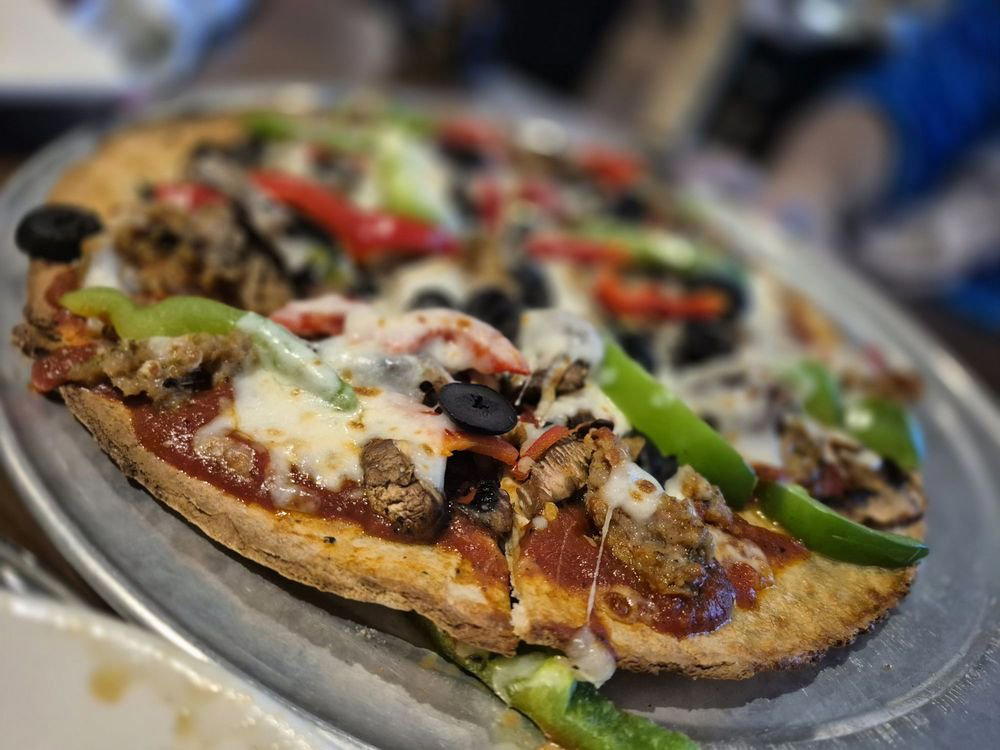
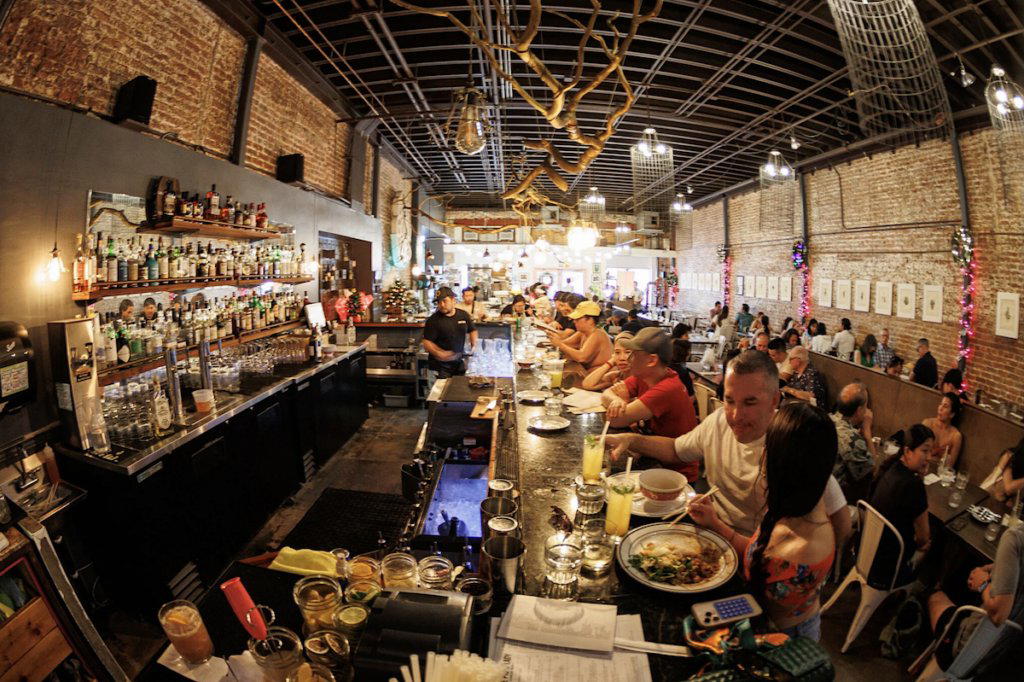
Cozy and inviting with simple decor, salmon-pink dinettes for families, and smoke-extraction tubes over tables for grill dining.
Know Before You Go
- Getting there
- 626 Sheridan St, Honolulu, HI 96814