
Near Suidobashi, Sabameshi no Sabashou belongs to Tokyo’s compact shokudo culture: small rooms, seafood-led meals, counter seats, and a rhythm shaped by office workers, students, and station traffic. Its Tabelog 100 Diner selections in 2024 and 2026 place a modest cafeteria format inside a more closely watched tier of everyday dining.
Pearl is the En Primeur Club membership app — saves, bookings, and concierge access live there. Same editors, same standards.
- Address
- 東京都千代田区神田三崎町2-21-11 ゑびすビル 1F
- Phone
- +81332218860
- Website
- tabelog.com
 Saves & bookings on Pearl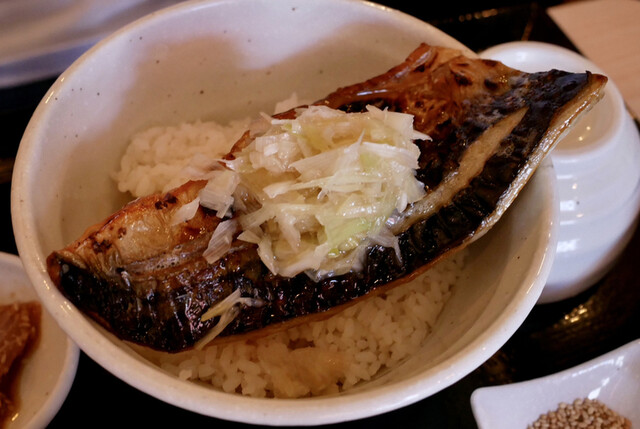
Suidobashi is not the Tokyo of hotel-lobby omakase or Ginza theatre. Around the station, the city works at a faster, plainer register: office towers, students cutting through Kanda Misakicho, baseball crowds on event days, and narrow ground-floor restaurants built for meals that happen between obligations. Sabameshi no Sabashou fits that geography with unusual precision. The room is small, the format is cafeteria and seafood rather than ceremonial dining, and the appeal sits in the old Tokyo logic that a serious meal need not arrive with ceremony attached.
Tokyo’s dining reputation often travels abroad through sushi counters, kaiseki rooms, and cocktail bars, but the city’s daily eating culture depends just as much on shokudo: practical restaurants where rice, fish, miso, pickles, and side dishes form a complete meal without performance. In that context, a seafood cafeteria near a transit-heavy station is not a minor category. It is one of the forms through which Tokyo feeds itself. The distinction here is recognition: Sabameshi no Sabashou was selected for Tabelog’s Diner 100 in 2024 and again in 2026, an award signal that places an everyday format under the same scrutiny usually reserved for more expensive rooms.
Suidobashi gives the shokudo format its pace
The neighbourhood matters. Suidobashi sits between academic Tokyo, business Tokyo, and event-day Tokyo, which means restaurants here have to absorb uneven traffic without turning into destination theatre. That pressure tends to reward compact menus, quick service rhythms, and formats that make sense for solo diners as much as small groups. Sabameshi no Sabashou’s 15-seat setup, including counter seating and two tables, belongs to that world. It is a room scaled for turnover and regular use, not long, multi-course occupation.
This part of Chiyoda also sits close to Jimbocho’s bookshop-and-curry culture and the broader Kanda tradition of unfussy specialist restaurants. The useful comparison is not with luxury seafood counters but with Tokyo’s smaller genre specialists: places where one category carries the identity of the room. In the same broader city map, 3 Chome no Curry Ya San represents a different everyday Tokyo grammar, while 124. KAGURAZAKA (Yakitori) shows how a single cooking tradition can become the organizing principle of a night out. The restaurant sits closer to the lunch-and-dinner shokudo tradition: direct, seafood-led, and built around repeat utility.
That distinction is useful for travelers. Tokyo rewards diners who understand its middle register, the layer between convenience meals and formal reservations. A place like this is not trying to compete with sushi counters such as 12/10 Shinjuku ten or with the beef-and-sukiyaki register seen at -Grilled beef Sukiyaki- KAMAKURA TANUKIAN 鎌倉 たぬき庵 in Kamakura. It occupies a narrower lane: seafood as a daily meal, priced and formatted for repetition rather than ceremony.
Recognition for a category Tokyo often underrates from abroad
Tabelog’s Diner 100 list is valuable because it captures a side of Japanese restaurant culture that international awards often flatten. The shokudo category is not about luxury markers. It tends to reward consistency, neighborhood loyalty, and the ability to make a simple meal feel complete. The restaurant’s repeat selection in 2024 and 2026 gives the restaurant a trust signal without changing the essential nature of the format.
The pricing also explains its place in the city. Tokyo has become expensive at the upper end, especially at sushi counters, tempura rooms, and French-influenced tasting menus. At the same time, the city still protects a strong low-cost dining tier where specialization matters more than spend. In that tier, value is not a vague compliment; it is structural. A seafood cafeteria recognized in a city as competitive as Tokyo tells a different story from a luxury room with a high tariff. It shows how much attention Japanese diners give to daily formats.
For context, nearby and adjacent categories cover a wide spread. Stand Hero sits in a higher casual drinking-and-dining band than the lowest shokudo tier, while DIXANS Suidobashi operates around a café register. Jimbocho Gokita moves into yakitori, and Sushi Yoshino represents sushi at a different price grammar. Those comparisons are useful not because they compete directly, but because they clarify the decision. Choose the restaurant when the point is a concise seafood meal in the Suidobashi flow, not a long evening structured around drinks, coffee, skewers, or sushi.
Tokyo’s range becomes clearer when these everyday rooms are placed beside the city’s other editorial tracks. The broader restaurant map includes casual specialists such as . 鮪と炭火焼き うお炭 秋葉原店, graphic café culture at 2D Cafe, and genre-led rooms across the city. For planning beyond one neighbourhood, use Our full Tokyo restaurants guide, with adjacent coverage in Our full Tokyo hotels guide, Our full Tokyo bars guide, Our full Tokyo wineries guide, and Our full Tokyo experiences guide.
How to read it within a wider Japan itinerary
The lesson travels beyond Suidobashi. Japan’s strongest casual dining often comes from formats that look narrow from the outside: curry counters, onigiri shops, seafood cafeterias, yakitori rooms, sake bars, and cafés with a clearly defined use case. That same logic appears outside Tokyo in places such as.cafe in Osaka.know in Kumamoto, (Shoku) Vietnam in Kawasaki, [Curry Senmon Ten] Maruyama Kyoju. in Sapporo, and [ki:] in Kyoto. Even abroad, Japanese casual formats have found serious audiences, from Jōdo Saké Bar in Los Angeles to Onigiri Time in Pasadena.
The restaurant is most persuasive when read through that lens. It is not a substitute for Tokyo’s grand dining rooms; it is evidence that the city’s everyday food culture has its own hierarchy, its own awards logic, and its own standards. In a neighbourhood built on movement, the small seafood shokudo remains one of Tokyo’s sharpest dining formats: compact, useful, and judged by repeatability rather than spectacle.
Credentials Lens
Comparable venues in the metro at similar price points.
| Venue | Cuisine | Price | Notes |
|---|---|---|---|
| Sabameshi no Sabashou | Japanese saba-focused cafeteria | $ | Chiyoda |
| Kitchen Nankai (キッチン南海) | Classic Yoshoku Katsu Curry | $ | Jimbocho |
| Soup Curry Ya Oodori Chiyoda kandasurugadai ten | Soup curry & Japanese curry house | $ | Chiyoda |
| Zehn Coffee | Japanese Kissaten / Coffee Shop | $ | Taitō |
| Kissa Ko | Traditional Japanese Sweets & Coffee Cafe | $ | Taitō |
| Asada Ya | Traditional Japanese wagashi & daifuku shop | $ | Minato |
Recognition history
Dated appearances from independent guides and award organizations, with the underlying list record or original source where available.
Tabelog 100 #15 · No. 15
Tabelog · Tabelog 100 - Diner - 2026






At a Glance
- Lively
- Cozy
- Solo
- After Work
- Casual Hangout
- Family
- Standalone
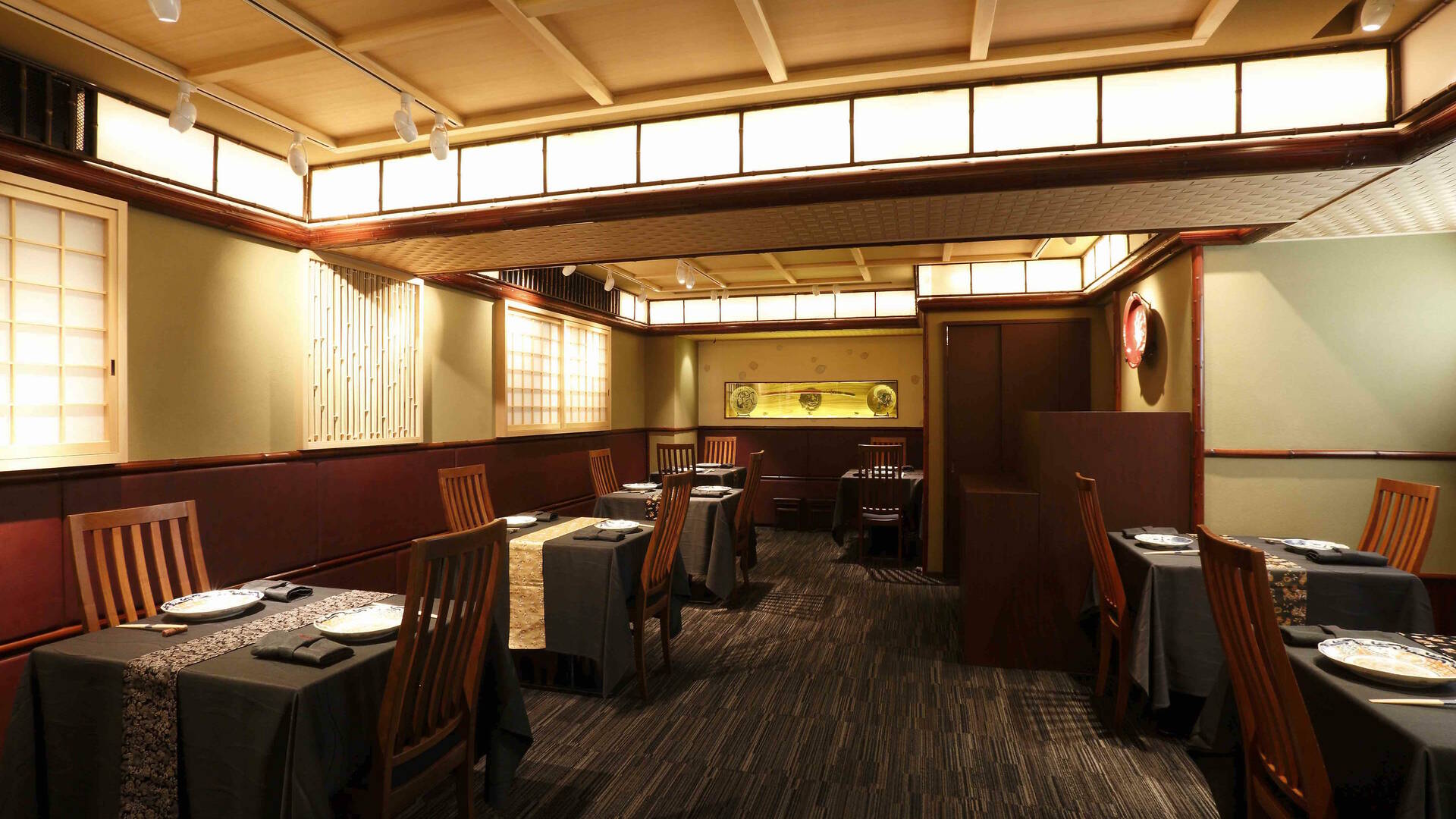
Compact, no-frills cafeteria-style spot with counter seating and a couple of small tables, bright and efficient rather than decorative, busy at lunch and dinner with solo diners and nearby workers grabbing quick saba rice sets.