Oishi Yume brings a Japanese-inflected dining sensibility to Seraing, a post-industrial city in the Liège province of Belgium that rarely appears on restaurant itineraries. With sparse public information available, the address on R.J. Wettinck places it firmly in a neighbourhood context far removed from Belgium's Michelin-mapped restaurant belt, making it one of the more intriguing independent tables in the region.
Pearl is the En Primeur Club membership app — saves, bookings, and concierge access live there. Same editors, same standards.
- Address
- R.J. Wettinck 57, 4101 Seraing, Belgium
- Phone
- +3242345888
- Website
- mijn.restomanager.net
- Directions
- Get directions
 Saves & bookings on Pearl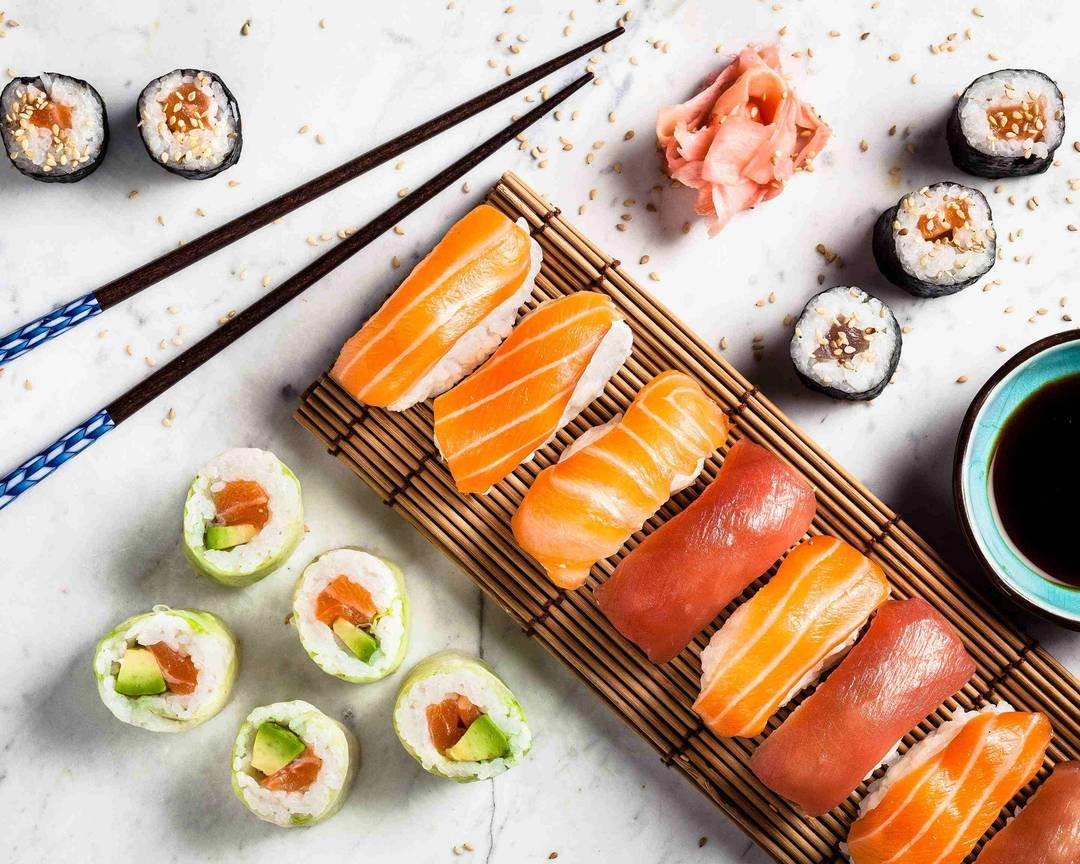
Asian Dining in an Unlikely Belgian Address
Seraing is not a city that typically enters Belgium's dining conversation. The Liège-adjacent municipality built its identity on heavy industry, particularly steel production at the former Cockerill works, and its restaurant scene reflects a working city's priorities rather than the destination-dining circuits that draw attention to Ghent, Brussels, or the Flemish coast. That makes the presence of a Japanese-named address like Oishi Yume — which translates loosely from Japanese as "delicious dream" — worth pausing over. In a country where the premium end of Asian-influenced cooking tends to cluster around L'air du temps in Liernu or urban addresses in Antwerp and Brussels, a neighbourhood restaurant in Seraing occupying that register signals something specific about how culinary ideas now travel into unexpected postcodes.
Belgium's broader dining culture has long operated on a model where ingredient provenance matters as much as technique. Kitchens at the level of Hof van Cleve in Kruishoutem or Boury in Roeselare have spent years building supplier relationships that function as part of the restaurant's editorial identity. The question for any Japanese or Japanese-adjacent table operating outside the major Belgian cities is how it sources the ingredients that define the cuisine: the rice, the fish, the fermented condiments, the specific cuts that make the difference between approximation and authenticity. Seraing's location in the Liège province gives access to some strong regional produce, but Japanese sourcing logistics at this distance from the major Belgian import hubs require deliberate infrastructure.
What Japanese Culinary Tradition Demands of Its Ingredients
Japanese cuisine, at any price point, is unusually dependent on sourcing precision. The distance between a competent bowl of ramen and a memorable one often comes down to the quality of the tare, the fat content of the pork, the mineral character of the dashi stock. For a restaurant operating under a Japanese name in a post-industrial Belgian city, the sourcing choices reveal more about the kitchen's ambitions than almost any other signal. Belgian operators in this space have two broad routes: lean into local adaptation, using Belgian produce interpreted through Japanese technique, or invest in specialist import networks that supply Japanese-market ingredients to European kitchens.
The former approach has found notable expression at places like Castor in Beveren, where European ingredients are treated with a precision that nods to Asian culinary logic without claiming direct authenticity. The latter model is more demanding and more expensive, and it shows up most clearly in price points. What Oishi Yume's kitchen does with this question remains outside the public record at the level of detail needed to say definitively, but the name itself signals an aspiration toward Japanese identity rather than a generic pan-Asian format.
Seraing's Neighbourhood Context and What It Tells You
The address on R.J. Wettinck 57 places Oishi Yume in a residential-commercial zone that is characteristic of post-industrial Liège province: unpretentious, locally oriented, and a long way from the kind of destination-dining infrastructure that surrounds Zilte in Antwerp or Bozar Restaurant in Brussels. Restaurants in this kind of setting typically operate at a neighbourhood scale: regular clientele, accessible pricing, a format built around community appetite rather than visiting critics.
That neighbourhood model has its own logic and its own integrity. Some of the more interesting food in any country happens in exactly this register: away from the award circuits that have mapped Willem Hiele in Oudenburg or Bartholomeus in Heist, and closer to the question of what a community actually eats on a Tuesday evening. Seraing's dining scene is represented in our coverage alongside nearby addresses like D. Majin and Della Madonna, both of which suggest a local appetite for varied, non-Belgian formats. See our full Seraing restaurants guide for broader coverage of the city's dining options.
For comparison, the kind of sourcing ambition that defines Belgium's reference kitchens shows up in very different commercial contexts. De Jonkman in Sint-Kruis, La Table de Maxime in Our, d'Eugénie à Emilie in Baudour, La Durée in Izegem, and Le Chalet de la Forêt in Uccle all operate at price points and with supplier networks that would be difficult to replicate in a neighbourhood setting. The comparison is not a criticism of Oishi Yume but a calibration of what the Seraing context makes realistic. Internationally, kitchens like Atomix in New York City and Le Bernardin in New York City demonstrate what Asian and seafood-forward cuisines look like at the outer edge of ingredient investment and technical ambition, a useful reference frame even if the price tier is entirely different.
Planning a Visit
Current public data for Oishi Yume is limited: no confirmed hours, price range, or booking method appear in available records. The practical recommendation is to contact the restaurant directly at its Seraing address before visiting, particularly if travelling from outside the Liège area. The address at R.J. Wettinck 57, 4101 Seraing is accessible by car from the Liège ring, and Seraing itself is a short drive or tram connection from Liège-Guillemins station, which has direct rail links to Brussels, Antwerp, and the broader Belgian network. Given the neighbourhood scale of the venue, walk-in visits during quieter mid-week periods are more likely to be accommodated than weekend evenings, though this cannot be confirmed without current operational data.
Continue exploring
More in Seraing
Restaurants in Seraing
Browse all →
Bars in Seraing
Browse all →
Hotels in Seraing
Browse all →

At a Glance
- Cozy
- Lively
- Family
- Group Dining
- Casual Hangout
Current opening hours
- Monday
- 12–2:30 PM, 6–10:30 PM
- Tuesday
- Closed
- Wednesday
- 12–2:30 PM, 6–10:30 PM
- Thursday
- 12–2:30 PM, 6–10:30 PM
- Friday
- 12–2:30 PM, 6–10:30 PM
- Saturday
- 12–2:30 PM, 6–10:30 PM
- Sunday
- 6–10:30 PM
Hours can change for holidays and private events. Last verified .
Warm and relaxed atmosphere, spacious and convivial.
Know Before You Go
- Getting there
- R.J. Wettinck 57, 4101 Seraing, Belgium