Della Madonna sits in Seraing, the post-industrial Liège suburb that has quietly built a more interesting restaurant scene than its reputation suggests. With the name evoking Italian-Walloon cultural crosscurrents common in this part of Belgium, the address on Rue Sualem places it in a neighbourhood where working-class tradition and immigrant heritage have shaped the local table for generations.
Pearl is the En Primeur Club membership app — saves, bookings, and concierge access live there. Same editors, same standards.
- Address
- Rue Sualem R. 40/6, 4101 Seraing, Belgium
- Phone
- +3242262383
- Website
- dellamadonna.be
- Directions
- Get directions
 Saves & bookings on Pearl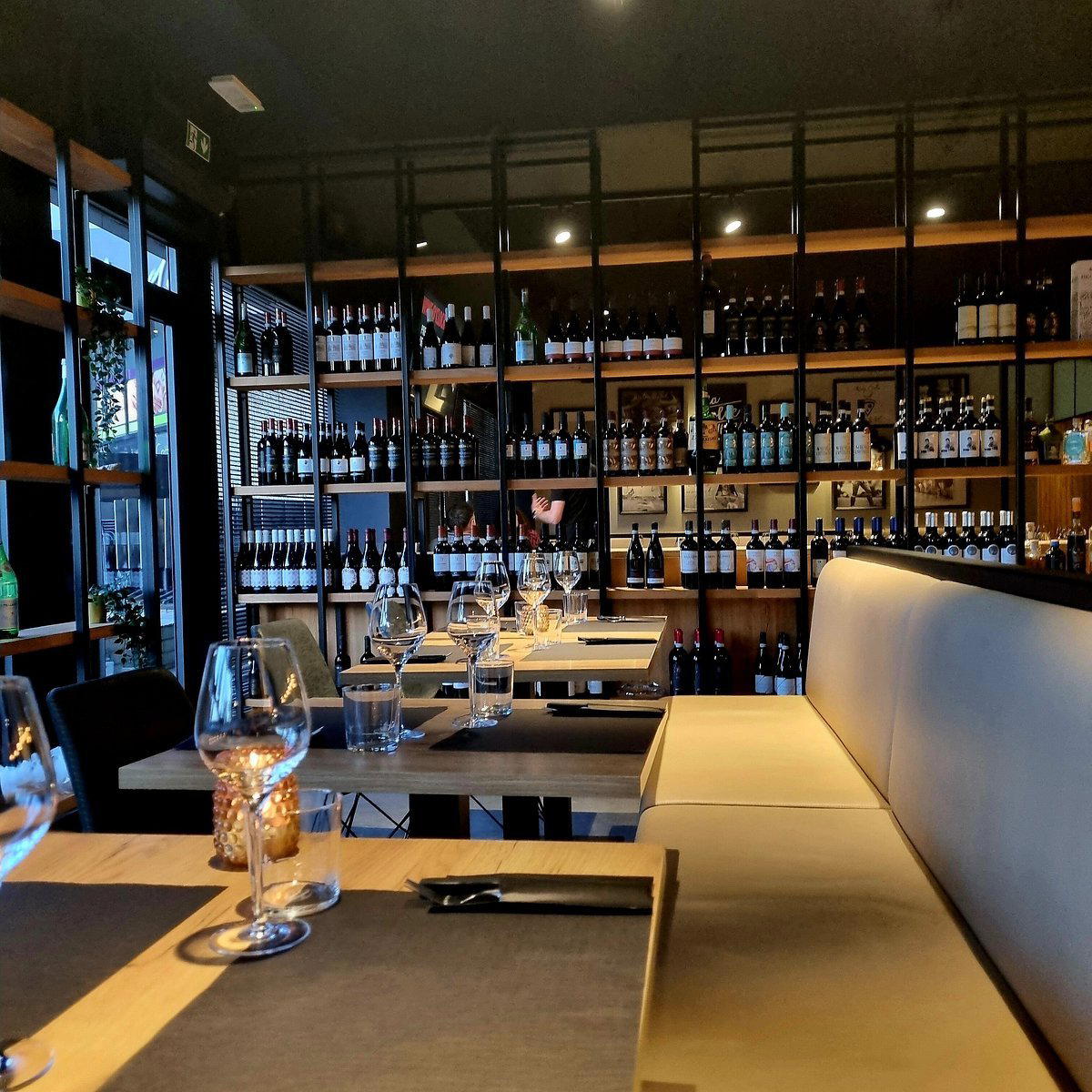
Seraing and the Walloon Table: What the City Brings to the Plate
The Meuse valley towns south of Liège occupy a specific position in Belgian dining that the country's more celebrated restaurant circuit rarely acknowledges. While Flemish kitchens from Boury in Roeselare to Zilte in Antwerp draw international attention, and Brussels institutions like Bozar Restaurant occupy a self-consciously cosmopolitan lane, the Walloon industrial corridor runs on a different register entirely. Seraing, built around the former Cockerill steel works and the economic rhythms of the Meuse, developed a food culture rooted in labour, migration, and the kind of practical generosity that defines the region's character more honestly than any tasting menu could.
That Italian name, Madonna, is not incidental in this context. The Liège province received significant waves of Italian immigration through the twentieth century, particularly from southern Italy, as workers moved north to staff the steel and coal industries. That demographic history left a permanent mark on the local table. Pasta houses, Italian-Walloon hybrid kitchens, and the particular sensibility of cucina povera filtered through Belgian ingredient reality became woven into the everyday food culture of towns like Seraing in a way that has no real equivalent further north. A name like Della Madonna signals that lineage directly.
Where Della Madonna Sits on Rue Sualem
The address at Rue Sualem 40/6 in the 4101 postal district places Della Madonna in a residential section of Seraing proper, away from the main commercial axis and closer to the neighbourhood-scale streets where the city's day-to-day life actually happens. This is not a destination dining strip. There are no clusters of wine bars or chef-driven concepts nearby competing for attention. The location is, in that sense, a document of intent: a restaurant here serves its immediate community first, and visitors who find it are finding something the locals already know.
That dynamic is not unusual for the better tables in Wallonia's smaller cities. D. Majin and Oishi Yume represent the range of what Seraing's dining scene holds beyond the obvious, and Della Madonna sits in that broader picture of a city whose restaurant culture operates below the radar of the Belgian critical establishment while functioning with its own internal logic. For readers who have followed our full Seraing restaurants guide, this is a familiar pattern.
The Cultural Weight of the Italian-Walloon Kitchen
To understand what a venue like Della Madonna likely means to its neighbourhood, it helps to understand what the Italian-Walloon kitchen has historically represented in this part of Belgium. It is not the refined northern-Italian register of a Milan-trained chef. It is something closer to the food that immigrant families cooked when they were trying to recreate home using Belgian ingredients: hearty, unashamed, built around pasta, slow-cooked sauces, and the kind of comfort that makes no apologies for its directness.
That tradition sits in a different tier from the €€€€ creative French-Belgian idiom that dominates Belgian fine dining, from Hof van Cleve - Floris Van Der Veken in Kruishoutem to Willem Hiele in Oudenburg and De Jonkman in Sint-Kruis. Those kitchens reference seasonal Belgian produce through a contemporary creative lens. The Italian-Walloon tradition does something different: it anchors the meal in a sense of cultural continuity, where the dish on the table connects to a specific immigrant history rather than a chef's creative thesis. Both approaches have value; they simply answer different questions about what a meal is for.
Wallonia's more ambitious addresses, like d'Eugénie à Emilie in Baudour and La Table de Maxime in Our, occupy a middle register: French-inflected, technically serious, but rooted in the region's own larder. Della Madonna, by contrast, draws on a different source material altogether, and that specificity is what makes it worth noting in any account of what Seraing actually eats.
Belgian Fine Dining as Context, Not Competition
Belgium's broader restaurant scene rewards readers who know how to map its internal divisions. The Flemish creative kitchen, represented in venues like Vrijmoed in Gent and La Durée in Izegem, operates under different cultural assumptions than the Walloon table. Flemish fine dining has been more thoroughly absorbed into the international critical conversation, partly because of language access and partly because its culinary references align more closely with what international critics expect from a contemporary European kitchen.
Wallonia's food identity is harder to export but no less coherent. The French-language culinary tradition here runs through Belgian bourgeois cooking, regional terroir, and, in the Liège province specifically, the Italian immigrant contribution that has been part of the local diet for three or four generations. That is a longer and more complicated story than a Michelin citation can tell, which is precisely why venues in this corridor rarely appear in the same conversations as Le Chalet de la Forêt in Uccle or Ralf Berendsen in Neerharen, even when the cooking is serious.
For context beyond Belgium entirely, the neighbourhood-scale Italian-inflected restaurant in a post-industrial working city has parallels in France, northern England, and parts of the American Midwest. The kitchens at Le Bernardin in New York City or Lazy Bear in San Francisco represent a different extreme of the same spectrum: restaurants that have become institutions through sustained critical recognition and a specific, highly constructed dining format. Della Madonna operates at the other end of that spectrum, where institution-status comes from neighbourhood loyalty rather than international press.
Planning a Visit
Della Madonna is located at Rue Sualem 40/6, 4101 Seraing, which sits within easy reach of Liège by car or public transit; Seraing is approximately six kilometres southwest of Liège-Guillemins station, the main rail hub connecting to Brussels, Paris, and Amsterdam. Visitors travelling from Liège for the evening should factor in that Seraing's residential streets are easier to reach by car, and parking in the neighbourhood around Rue Sualem is generally accessible without significant difficulty. Because no booking information, hours, or website details are confirmed in EP Club's current data, readers should verify current hours and availability through local directories or direct contact before making the trip. The same applies to pricing and format: the Italian-Walloon neighbourhood restaurant tier in this part of Belgium tends toward accessible price points, but that should be confirmed directly rather than assumed. If Seraing is new to you, the Cuchara in Lommel comparison offers a useful reference point for understanding how Belgium's regional cities support serious cooking outside the Flemish and Brussels circuits.
Continue exploring
More in Seraing
Restaurants in Seraing
Browse all →
Bars in Seraing
Browse all →
Hotels in Seraing
Browse all →
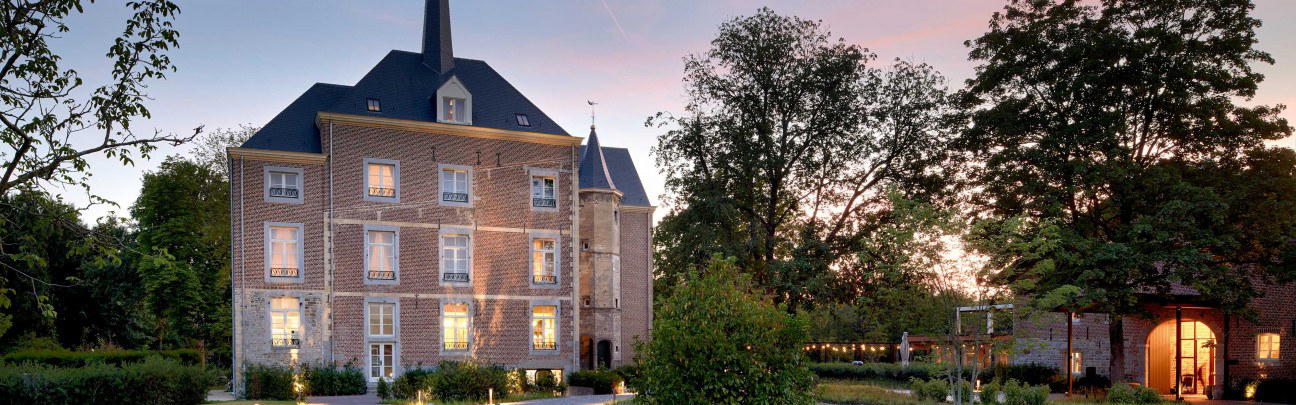
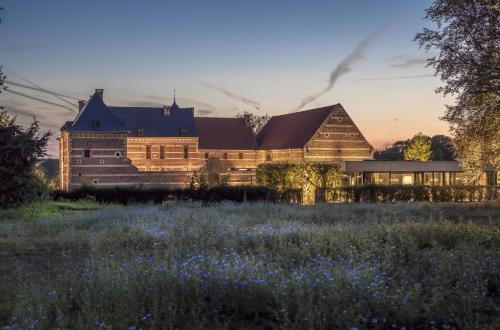
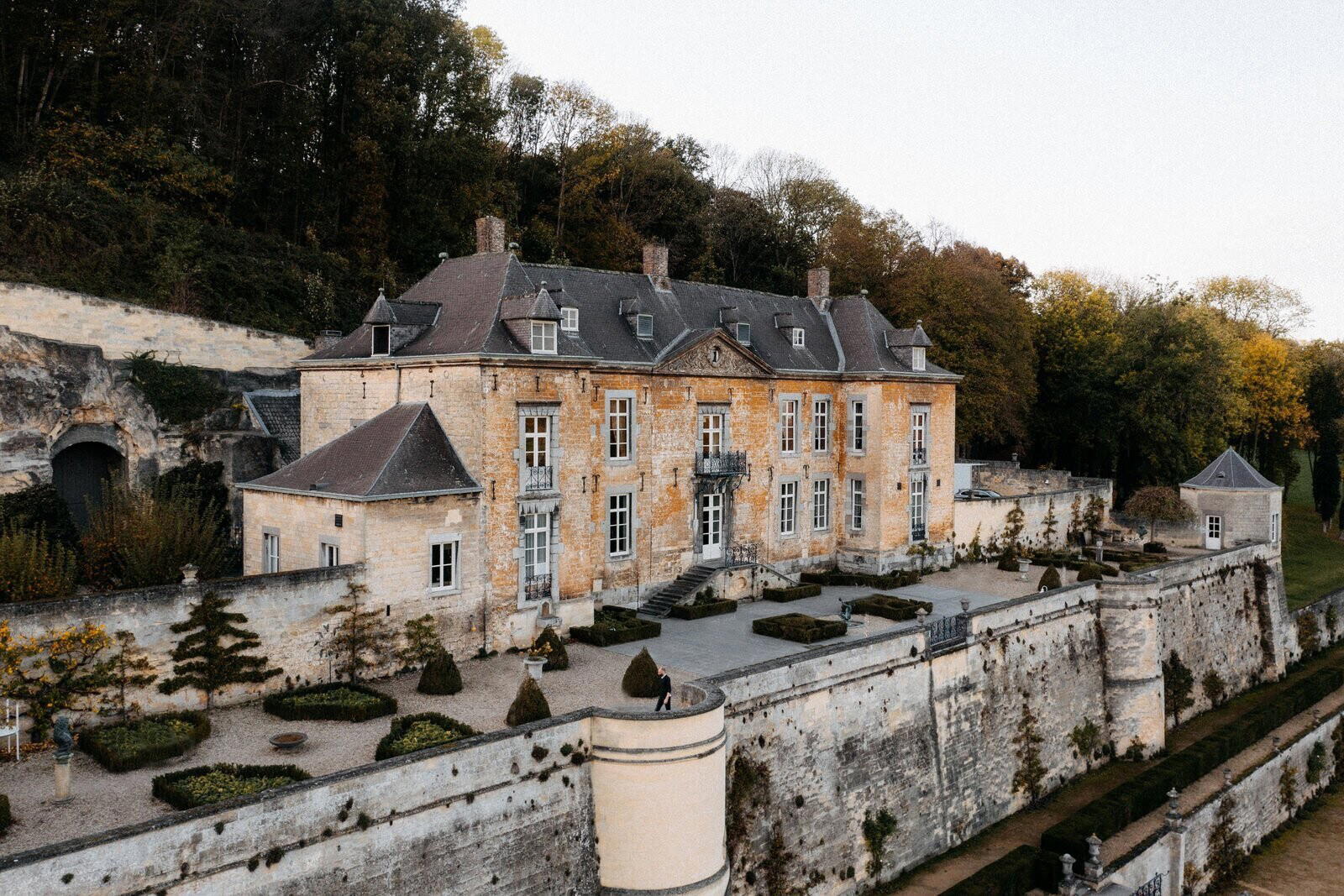
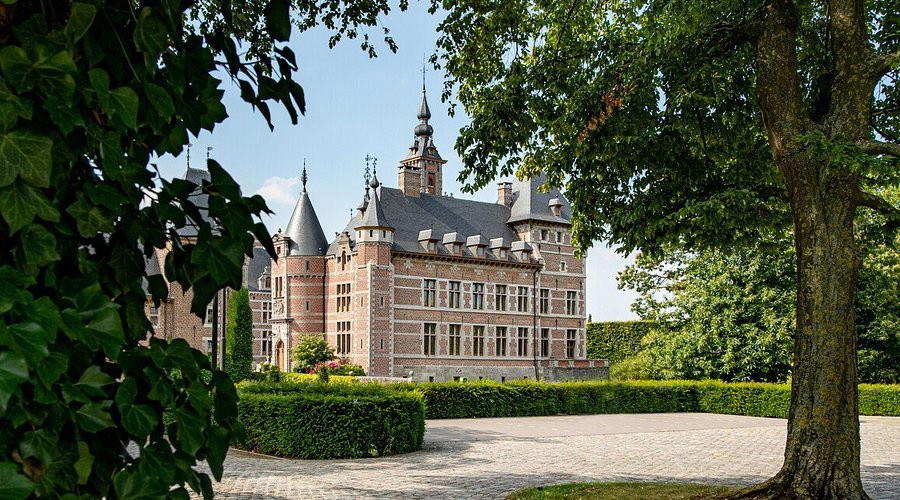

At a Glance
- Cozy
- Classic
- Romantic
- Date Night
- Family
- Group Dining
- Casual Hangout
- Terrace
- Open Kitchen
- Beer Program
- Local Sourcing
Current opening hours
- Monday
- 12–1:45 PM, 6–9 PM
- Tuesday
- Closed
- Wednesday
- 12–2 PM, 5:45–9:30 PM
- Thursday
- 12–2 PM, 5:45–9:30 PM
- Friday
- 12–2 PM, 5:45–10 PM
- Saturday
- 5:45–10 PM
- Sunday
- 5:45–9:30 PM
Hours can change for holidays and private events. Last verified .
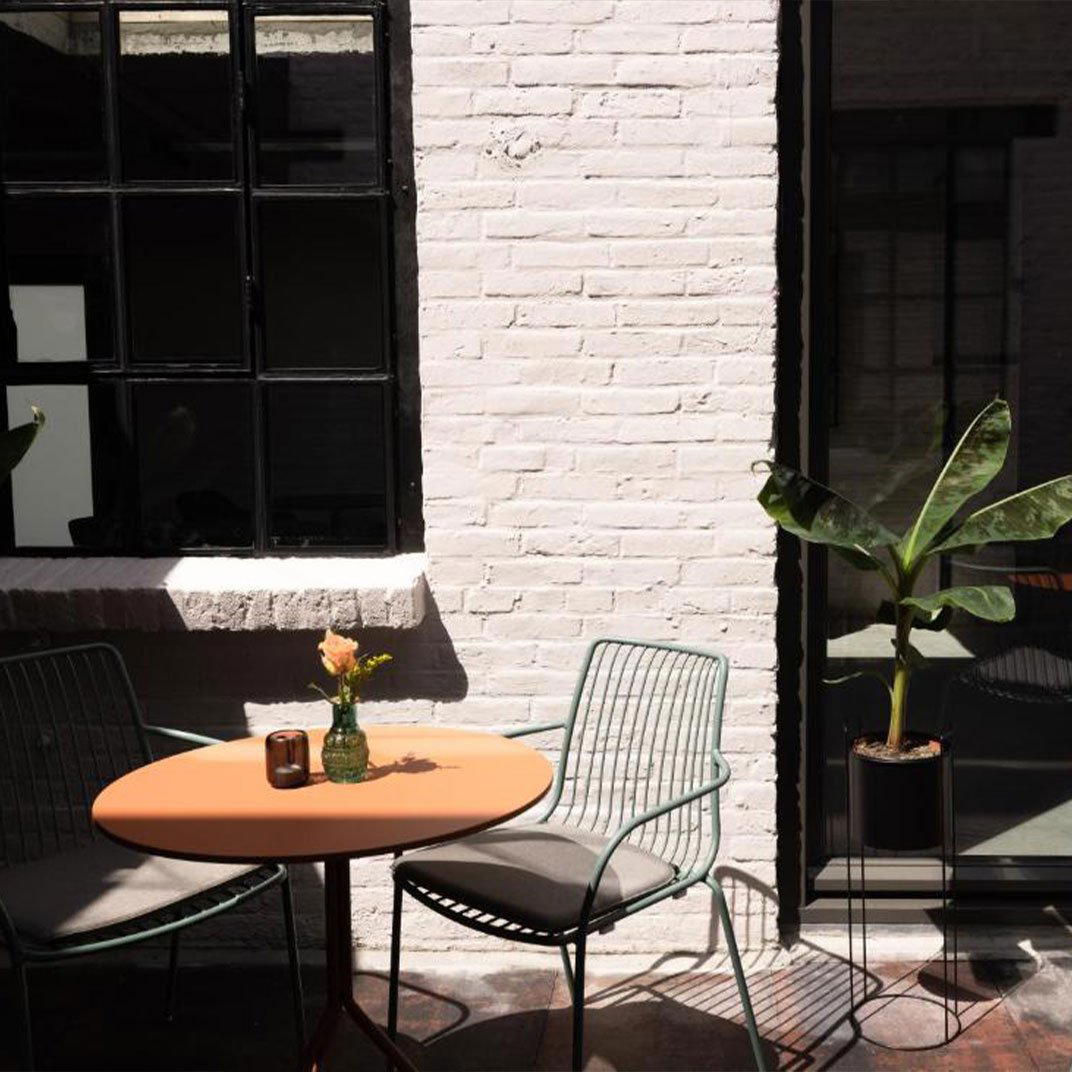
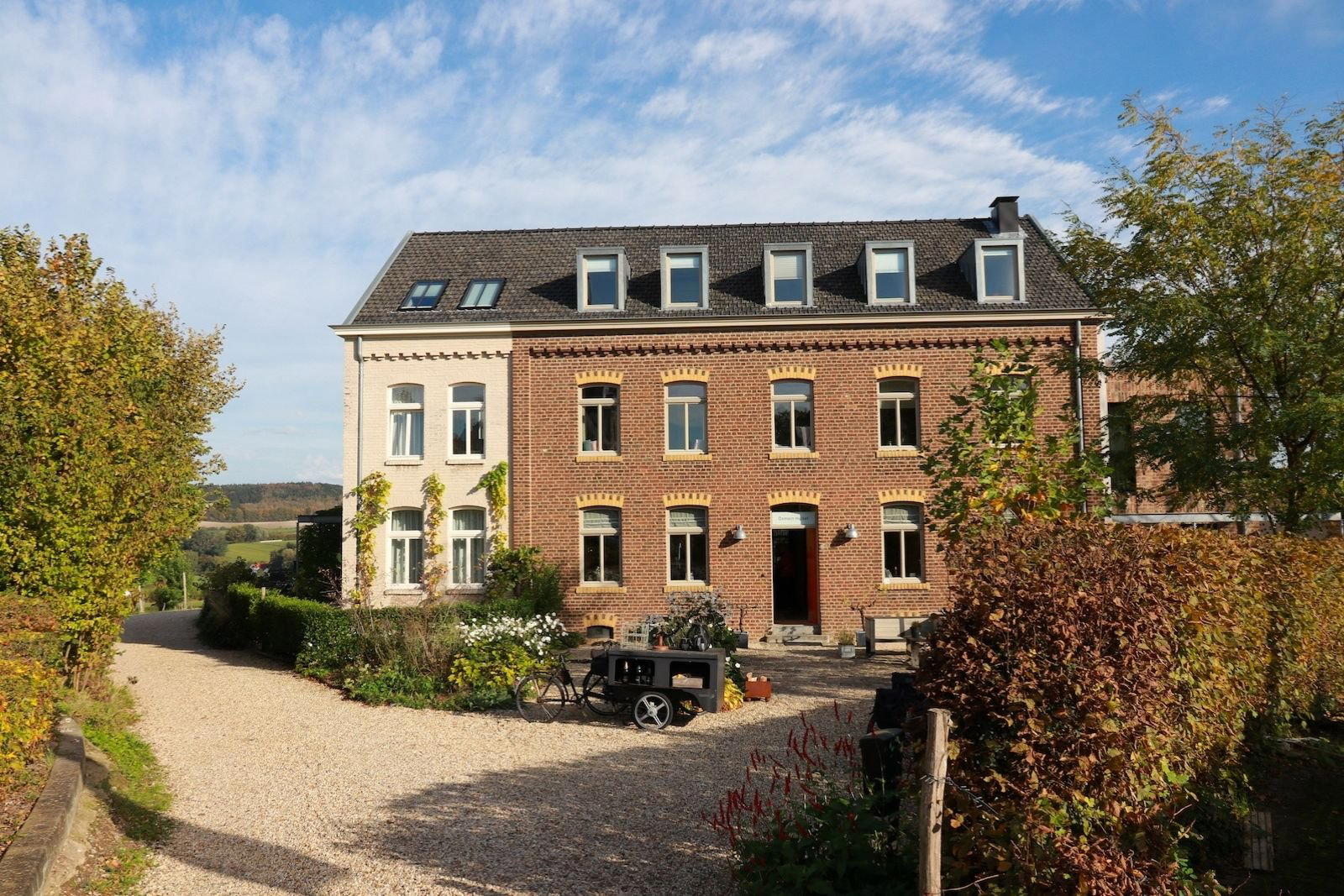
Warm and welcoming with a cozy, neat interior; pleasant terrace seating available for outdoor dining.
Know Before You Go
- Getting there
- Rue Sualem R. 40/6, 4101 Seraing, Belgium