D. Majin operates out of Seraing, the post-industrial city on the Meuse just south of Liège, placing it within a Belgian dining scene that increasingly rewards off-centre addresses.
Pearl is the En Primeur Club membership app — saves, bookings, and concierge access live there. Same editors, same standards.
- Address
- Rue des Nations-Unies 8, 4100 Seraing, Belgium
- Website
- bookings.zenchef.com
- Directions
- Get directions
 Saves & bookings on Pearl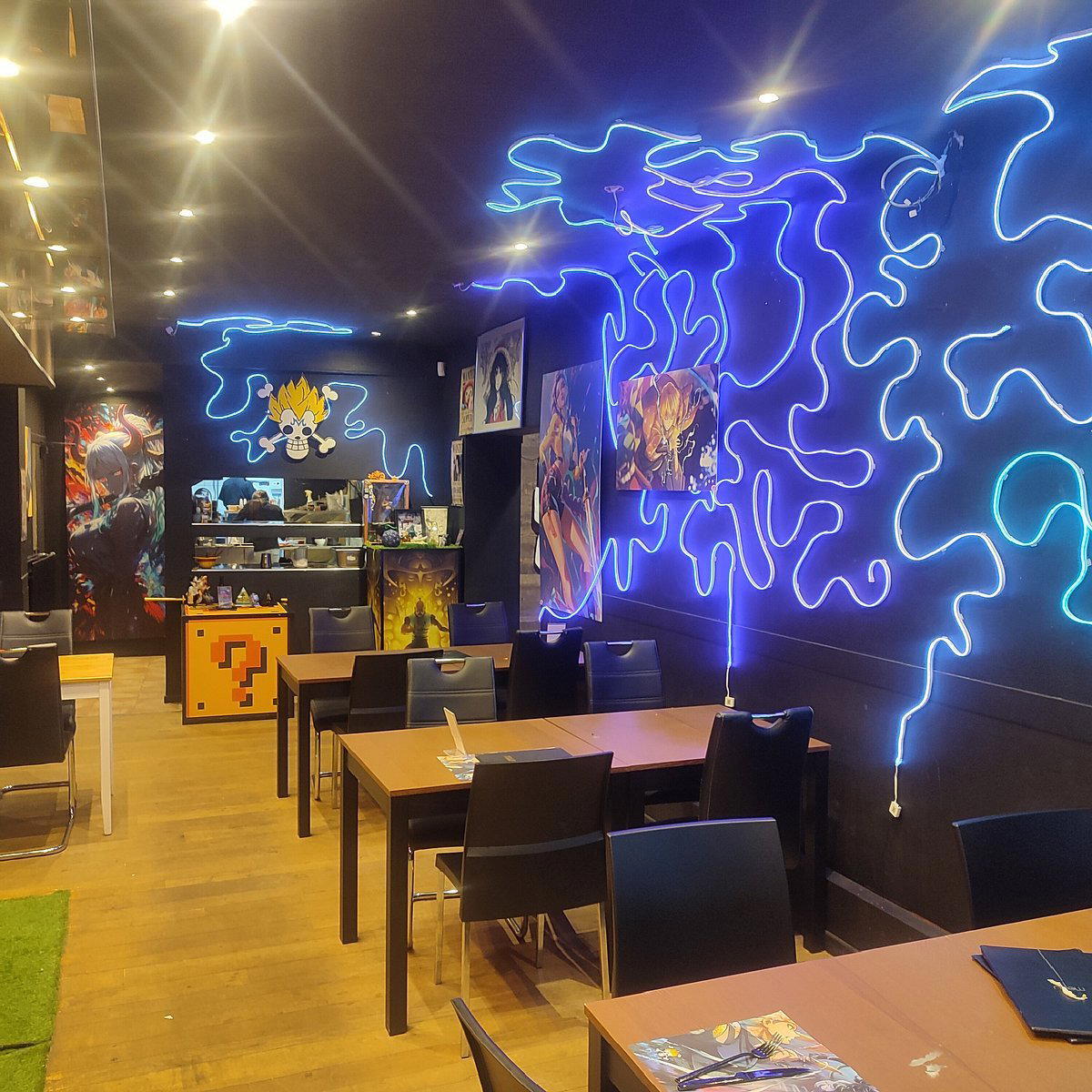
Seraing and the Geography of Belgian Ambition
Belgium's most talked-about restaurants rarely cluster where you expect them. The country's decorated dining rooms turn up in converted farmhouses outside Kruishoutem, in Flemish market towns like Roeselare, and along the Antwerp waterfront — addresses that reward the traveller willing to look past the capital. Seraing fits that pattern. The city sits on the left bank of the Meuse, roughly ten kilometres south of Liège's centre, and its identity has long been shaped by the steel industry that once made it one of Europe's significant industrial centres. That industrial past has largely receded, leaving a city in the process of redefining what it offers — a transition that tends to create the conditions in which serious independent restaurants take root.
D. Majin, addressed at Rue des Nations-Unies 8, occupies this particular moment in Seraing's civic life. The address itself is telling: Nations-Unies is a working street, not a tourist corridor, and a restaurant choosing it is making a statement about its audience. Kitchens that plant themselves in neighbourhoods like this one are generally serving a local community first and building outward from there, which tends to produce a different kind of seriousness than venues designed from the start to capture passing visitors.
Where Ingredients Come From, and Why That Question Matters
Across Belgium's serious independent restaurant tier, sourcing has become the axis around which kitchen identity is built. The country's geography makes this logic unusually coherent: within a short radius of most Belgian cities, you find intensive market gardening in the Hesbaye plateau, North Sea fish landed at Nieuwpoort and Ostend, Ardennes game and forest produce, and artisan cheesemakers operating across both linguistic communities. A kitchen in the Liège province, as Seraing is, sits at a natural crossroads of these supply lines. The Ardennes begin roughly twenty-five kilometres to the east; the river Meuse itself has historically shaped regional food culture, and the market traditions of Liège remain some of the most distinctive in Wallonia.
Restaurants that root themselves in this regional supply web tend to cook with a specificity that broader, import-heavy menus cannot replicate. The logic is not simply ethical or fashionable, it is practical. Seasonal Ardennes mushrooms, local river fish, produce from Hesbaye farms: these ingredients carry a character that reflects their particular soil and climate, and kitchens that know their suppliers can track quality in ways that centralised wholesale supply chains do not allow. Whether D. Majin operates explicitly within this sourcing framework is not confirmed in available records, but its positioning in the Liège province places it within a region where these supply relationships are available to any kitchen willing to build them.
The Belgian Off-Centre Kitchen: A Wider Pattern
Understanding D. Majin requires some understanding of the broader Belgian restaurant culture it inhabits. Belgium's gastronomic reputation is built as much on its provincial kitchens as on its capital. Hof van Cleve in Kruishoutem, Boury in Roeselare, and Willem Hiele in Oudenburg each operate at serious levels from addresses that would read as improbable on a map drawn around metropolitan dining logic. The same is true of Vrijmoed in Gent and La Durée in Izegem, both of which hold strong positions in Belgium's creative kitchen tier from cities that are not primary tourist destinations.
On the Walloon side, the pattern holds. d'Eugénie à Emilie in Baudour and La Table de Maxime in Our demonstrate that French-language Belgium generates its own cohort of destination kitchens operating well outside the Brussels circuit. D. Majin's Seraing address places it in this Walloon independent tradition: kitchens defined by their relationship to a specific place rather than by proximity to a recognisable dining district.
Within Seraing itself, the restaurant shares its city with Della Madonna and Oishi Yume, which together suggest a local dining scene with genuine range. For visitors approaching from Brussels, reference points like Bozar Restaurant and Le Chalet de la Forêt in Uccle represent the capital end of the spectrum, while destinations like Zilte in Antwerp illustrate how Belgium's second city has developed its own distinct fine dining character. Seraing is neither Brussels nor Antwerp, and D. Majin benefits from that distinction rather than despite it.
Planning a Visit
Seraing is accessible by train from Liège-Guillemins, with the city's rail connections making it a practical addition to any Liège itinerary. The address on Rue des Nations-Unies is central enough within Seraing to reach without difficulty. Given that no booking method, hours, or contact details are currently listed in public records for D. Majin, the most reliable approach is to seek current information through local sources, the our full Seraing restaurants guide, or direct enquiry once on the ground in the city. Restaurants at this level of independent operation sometimes maintain limited online presence by design, and arrival with some flexibility in timing tends to be the practical solution.
Visitors to this part of Belgium who are building a wider dining itinerary through the country's serious independent kitchen tier will find useful comparison points in Ralf Berendsen in Neerharen, Cuchara in Lommel, and De Jonkman in Sint-Kruis, each operating from addresses that share D. Majin's logic of serious cooking in non-obvious locations. For international reference points that illuminate how ingredient sourcing and off-centre ambition operate at the highest levels, Le Bernardin in New York City and Lazy Bear in San Francisco represent the global tier against which such commitments are sometimes measured.
Quick Comparison
| Venue | Cuisine | Price | Awards |
|---|---|---|---|
| D. MajinThis venue — the venue you are viewing | This venue | Not listed | Not listed |
| Boury | Modern Frlemish, Creative French | €€€€ | Michelin 3 Star |
| Comme chez Soi | French - Belgian, Classic Cuisine | €€€€ | Michelin 1 Star |
| Vrijmoed | Modern Flemish, Creative | €€€€ | Michelin 2 Star |
| La Durée | French-Belgian, Creative | €€€€ | Michelin 2 Star |
| Cuchara | Modern European, Creative | €€€€ | Michelin 2 Star |
Continue exploring
More in Seraing
Restaurants in Seraing
Browse all →
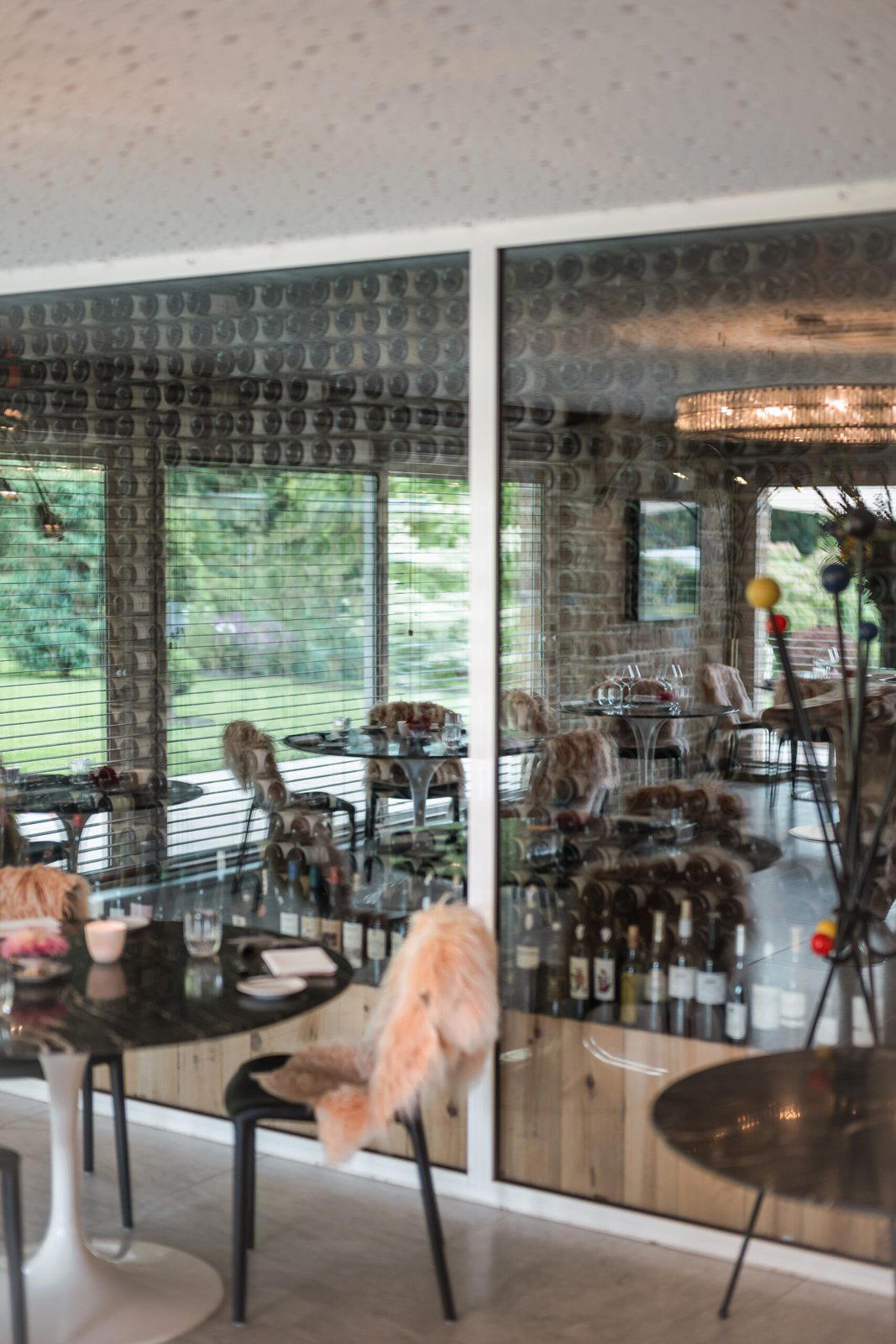
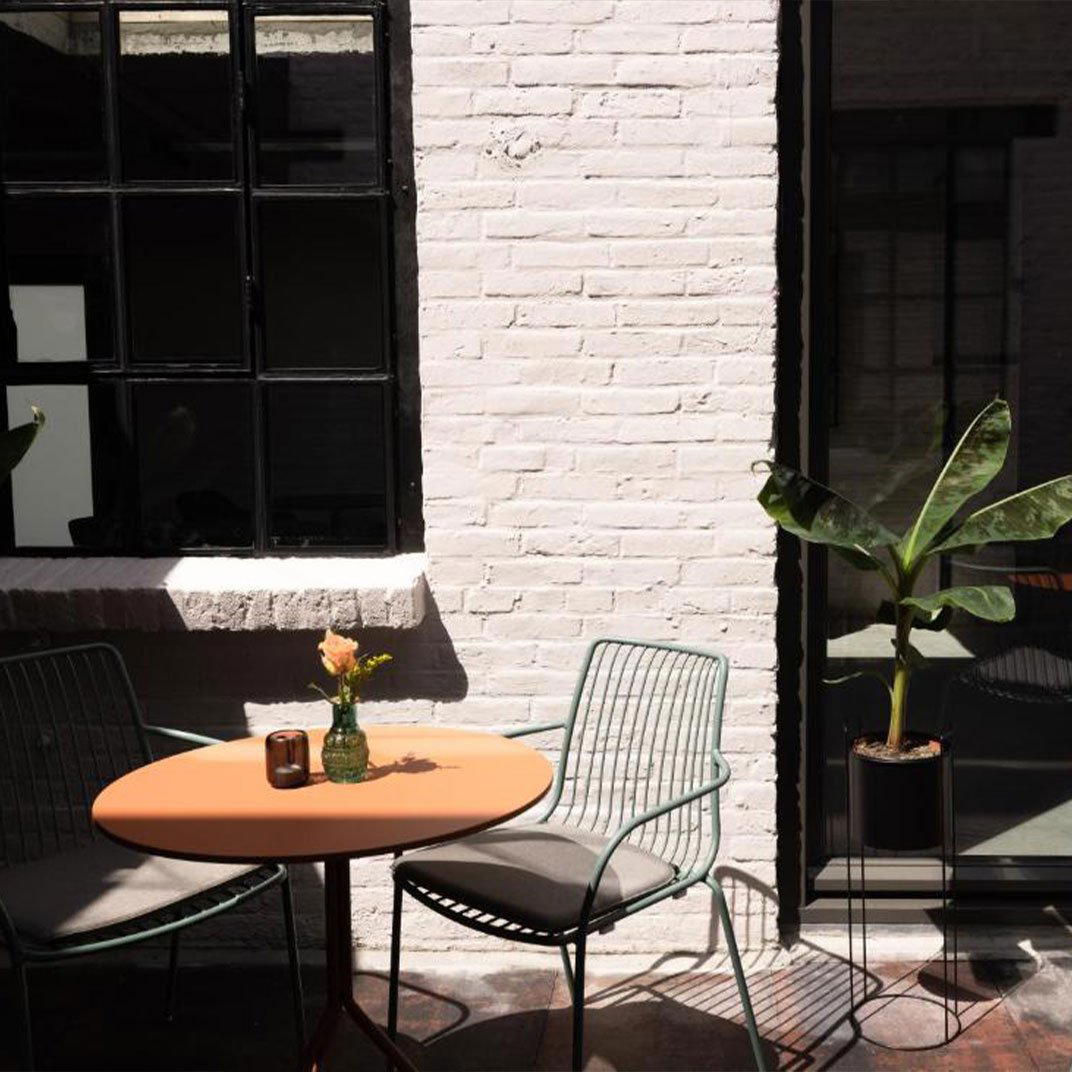
Bars in Seraing
Browse all →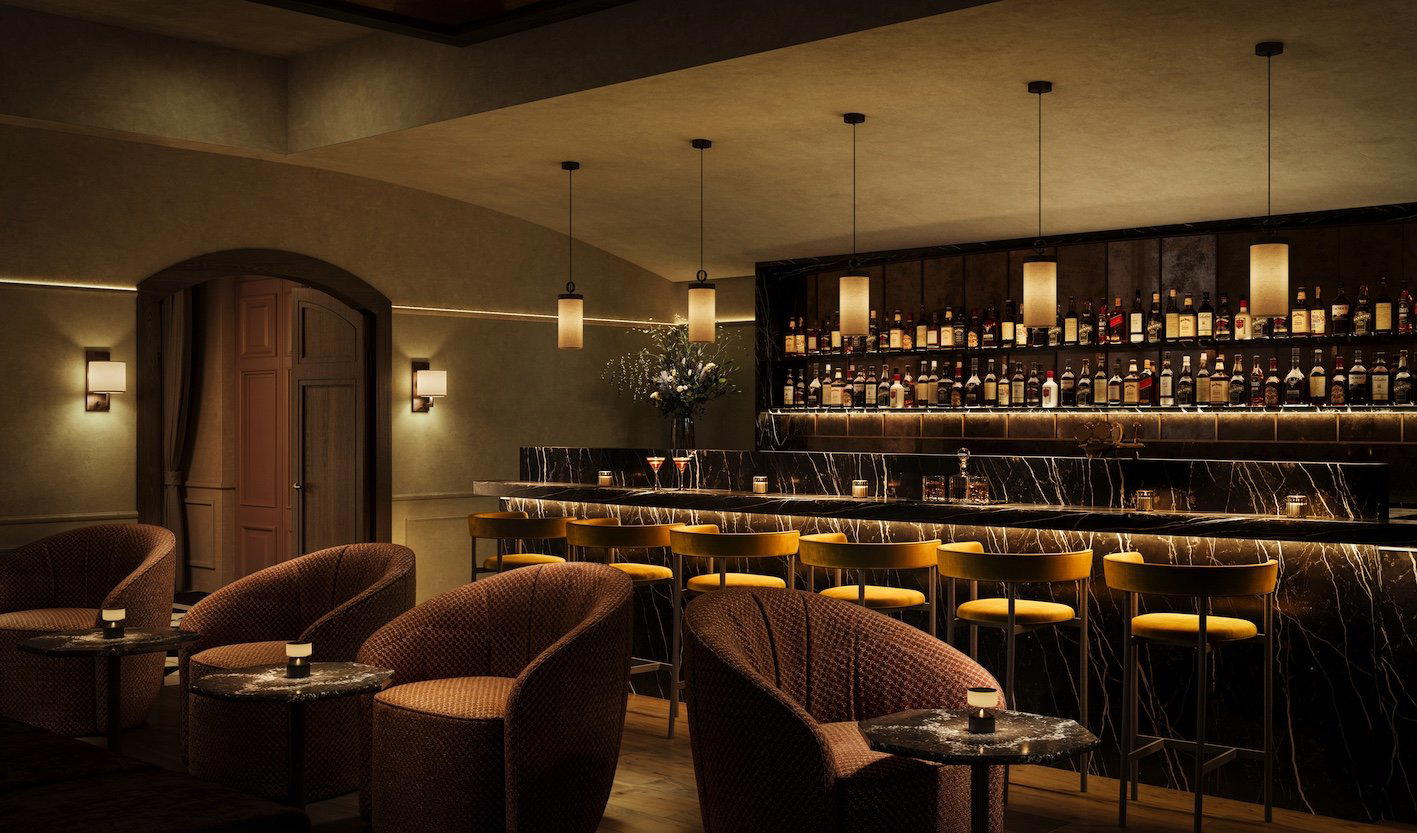
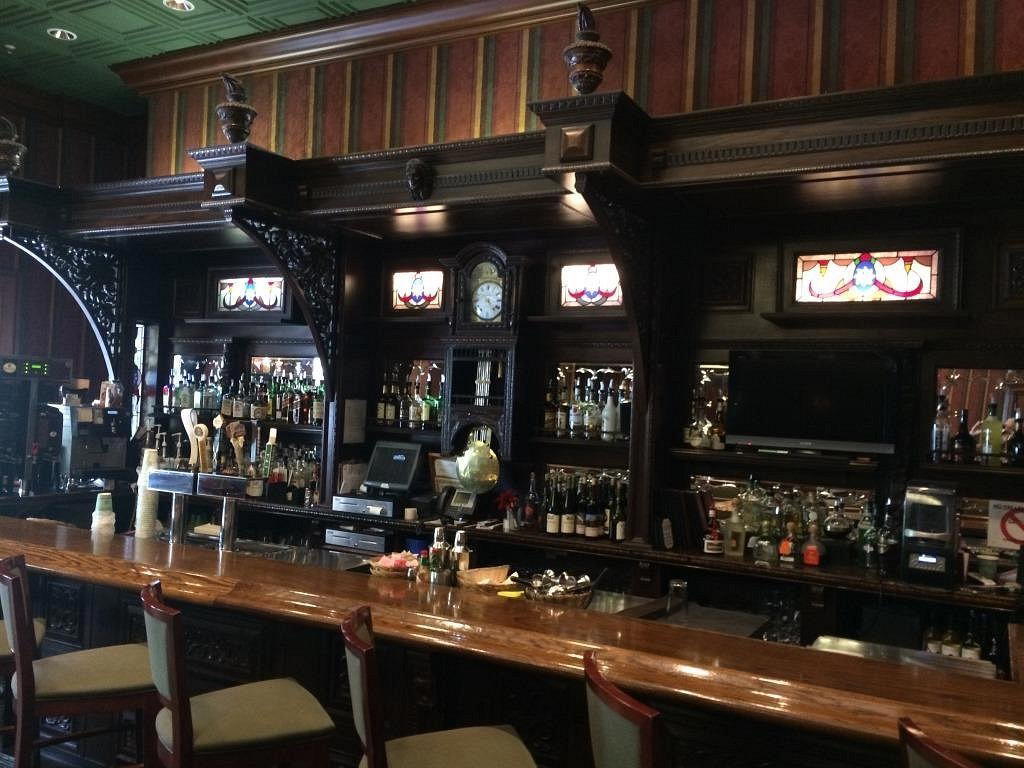
Hotels in Seraing
Browse all →

At a Glance
- Trendy
- Lively
- Modern
- Cozy
- Casual Hangout
- Group Dining
- Late Night
- Open Kitchen
Current opening hours
- Monday
- Closed
- Tuesday
- Closed
- Wednesday
- Closed
- Thursday
- 7 PM–12 AM
- Friday
- 6 PM–12 AM
- Saturday
- 6 PM–12 AM
- Sunday
- 6 PM–12 AM
Hours can change for holidays and private events. Last verified .
Homely and immersive manga-inspired atmosphere with creative decor, kawaii elements, and a festive, relaxed vibe well-suited for pop culture fans.
Know Before You Go
- Getting there
- Rue des Nations-Unies 8, 4100 Seraing, Belgium