
Tokidoki on Chaussée d'Alsemberg brings a fixed-menu approach to Japanese home cooking, shaped by years of recipe-gathering across Japan from both young cooks and older generations. The kitchen makes vegetables a structural element rather than a garnish, and a vegetarian version of the menu is available. It sits apart from Brussels's French-Belgian fine dining mainstream, offering lighter, produce-led cooking in the Saint-Gilles corridor.
Pearl is the En Primeur Club membership app — saves, bookings, and concierge access live there. Same editors, same standards.
- Address
- Chau. d'Alsemberg 128, 1060 Bruxelles, Belgium
- Phone
- +32 486 55 68 31
- Website
- tokidokirestaurant.com
- Directions
- Get directions
 Saves & bookings on Pearl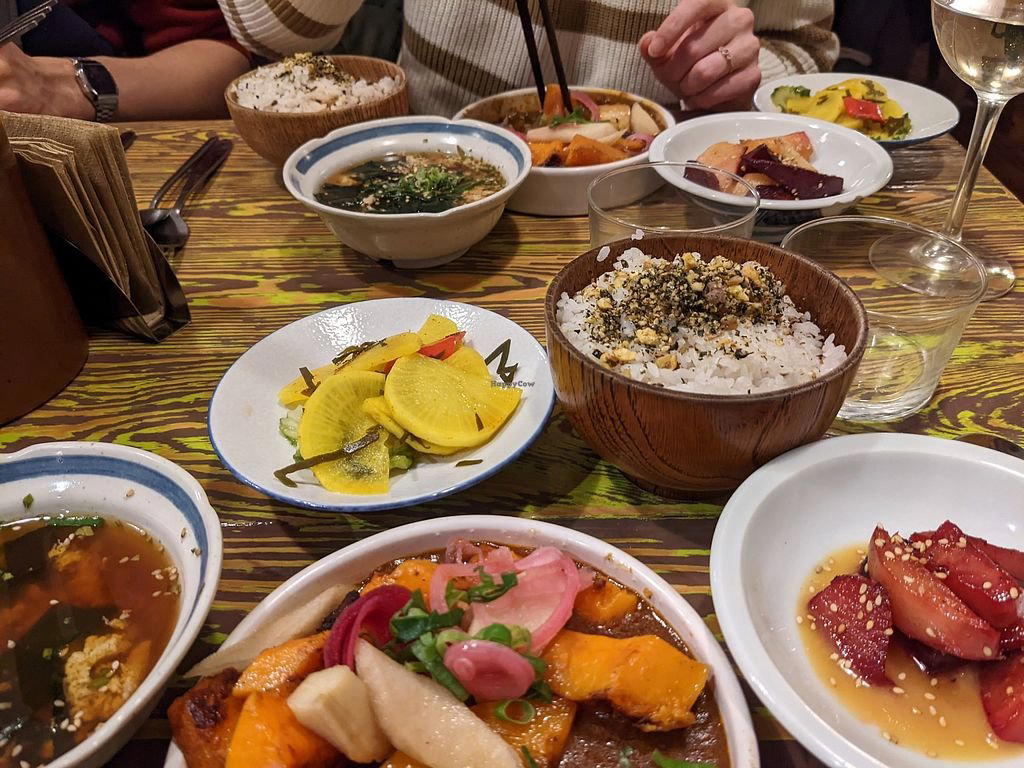
Where Saint-Gilles Meets a Different Kind of Japanese Cooking
The Chaussée d'Alsemberg runs south from the Porte de Hal through Saint-Gilles, a neighbourhood that has spent the last decade accumulating the kind of independent restaurants that tend to appear when rents are still manageable and the local population is cosmopolitan enough to support them. The strip is not a Japanese dining destination in any conventional sense, which is precisely what makes Tokidoki's position there legible. At number 128, the restaurant operates outside the cluster of sushi bars and ramen counters that define Japanese food in most European capitals, drawing instead on a register of Japanese cooking that rarely travels: the domestic, the vegetable-forward, the dish that was never designed for export.
Brussels's wider restaurant scene trends heavily toward French-Belgian formality. Houses like Comme chez Soi and La Villa Lorraine by Yves Mattagne anchor the upper end, while Bozar Restaurant represents the city's appetite for contemporary European fine dining. Tokidoki makes no attempt to compete in that register. Its fixed menu format and its explicit emphasis on lightness position it closer to the produce-led end of the city's newer wave, a cohort that also includes places like Barge and Eliane, where the sourcing logic and restraint of the kitchen matter more than classical technique or prestige ingredients.
The Recipe-Gathering Years and What They Produced
The background that shaped Tokidoki's menu is worth placing in context. Five years of residence in Japan, gathering recipes from home cooks across generations, is a different research methodology from the apprenticeship model that defines most high-end restaurant lineages. The European fine dining circuit, from Hof van Cleve in Kruishoutem to Boury in Roeselare and internationally at places like Le Bernardin in New York, tends to construct authority through formal training hierarchies. Tokidoki's source material is explicitly informal: young friends and older women who cooked the way they had always cooked, without reference to restaurant trends or the expectations of foreign audiences.
That methodological difference shows in the food. Japanese home cooking treats vegetables not as a concession to dietary preference but as a primary source of flavour and texture. Fermented preparations, seasonal pickles, and careful use of dashi-based liquids mean that a plate with no meat is not a reduced version of something else; it is the point. The vegetarian menu available at Tokidoki is not a modification of the standard offering but a parallel logic, which reflects how the source material was structured in the first place.
Fixed Menu as a Format Choice, Not a Constraint
The fixed menu format has become common enough across European cities that it can read as either a serious editorial statement or a logistical convenience. At the higher end of the Belgian market, the format is standard. What distinguishes Tokidoki's use of it is the register: a fixed menu built around Japanese home cooking signals that the kitchen is trying to present a coherent picture of a cuisine rather than a sequence of technical showpieces. The emphasis on diversity within the meal, with dishes that shift in weight, temperature, and preparation method, mirrors how Japanese home meals are actually structured, with several small preparations served alongside rather than a single dominant protein.
This approach puts Tokidoki in a small category of European restaurants attempting to represent non-European domestic cooking traditions with the same seriousness that French or Belgian cuisine receives at addresses like Zilte in Antwerp or Willem Hiele in Oudenburg. The comparison is not about price tier or prestige; it is about the ambition to present a cuisine whole rather than to translate it for an assumed foreign palate.
How the Offer Has Developed
The evolution of Tokidoki follows a pattern recognisable in small independent restaurants that open with a clear concept and gradually build depth within it. The initial pitch, Japanese home cooking presented through a fixed menu, has not shifted into something more commercially legible or trend-adjacent. That consistency over time is itself a signal. Restaurants in Saint-Gilles operate in a competitive neighbourhood where the dining public is attentive and repeat customers matter. A concept that drifts tends to lose both. Tokidoki's continued emphasis on vegetables as a structural element, and its maintenance of a genuine vegetarian parallel, suggests the kitchen has not felt pressure to add a premium meat-forward option as a concession to broader tastes.
For context on how Belgian restaurants outside Brussels have approached similar questions of identity and consistency, the trajectories of Bartholomeus in Heist and Castor in Beveren are instructive. Both have maintained strong identities without chasing format trends. Tokidoki operates at a different scale and price point, but the underlying logic of resisting drift is shared.
Planning a Visit
Tokidoki sits at Chaussée d'Alsemberg 128 in the 1060 postal district, accessible from central Brussels by tram along the Alsemberg axis or a short journey from Gare du Midi. Saint-Gilles dining generally runs from early evening, and smaller independent restaurants on this stretch tend to fill quickly on Thursday through Saturday without much buffer for walk-ins. Visiting earlier in the week, or confirming availability in advance, is the practical approach for a restaurant at this scale. For a fuller picture of where Tokidoki sits within Brussels's broader dining options, our full Brussels restaurants guide covers the range from neighbourhood independents to formal fine dining. Readers planning a longer stay can also reference our Brussels hotels guide, Brussels bars guide, Brussels wineries guide, and Brussels experiences guide for a complete itinerary. Those travelling further through Belgium will find additional points of reference at Emeril's in New Orleans as an example of how chef-led fixed programming translates across very different culinary traditions.
How Tokidoki Brussels compares with similar nearby venues.
| Venue | Cuisine | Price | Awards |
|---|---|---|---|
| Tokidoki | Not listed | Not listed | We're Smart World 2025, 2 Radishes |
| La Buvette | Modern Cuisine | €€€ | Not listed |
Recognition history
Dated appearances from independent guides and award organizations, with the underlying list record or original source where available.
We're Smart World 2 Radishes
We're Smart World
Continue exploring
More in Brussels
Restaurants in Brussels
Browse all →
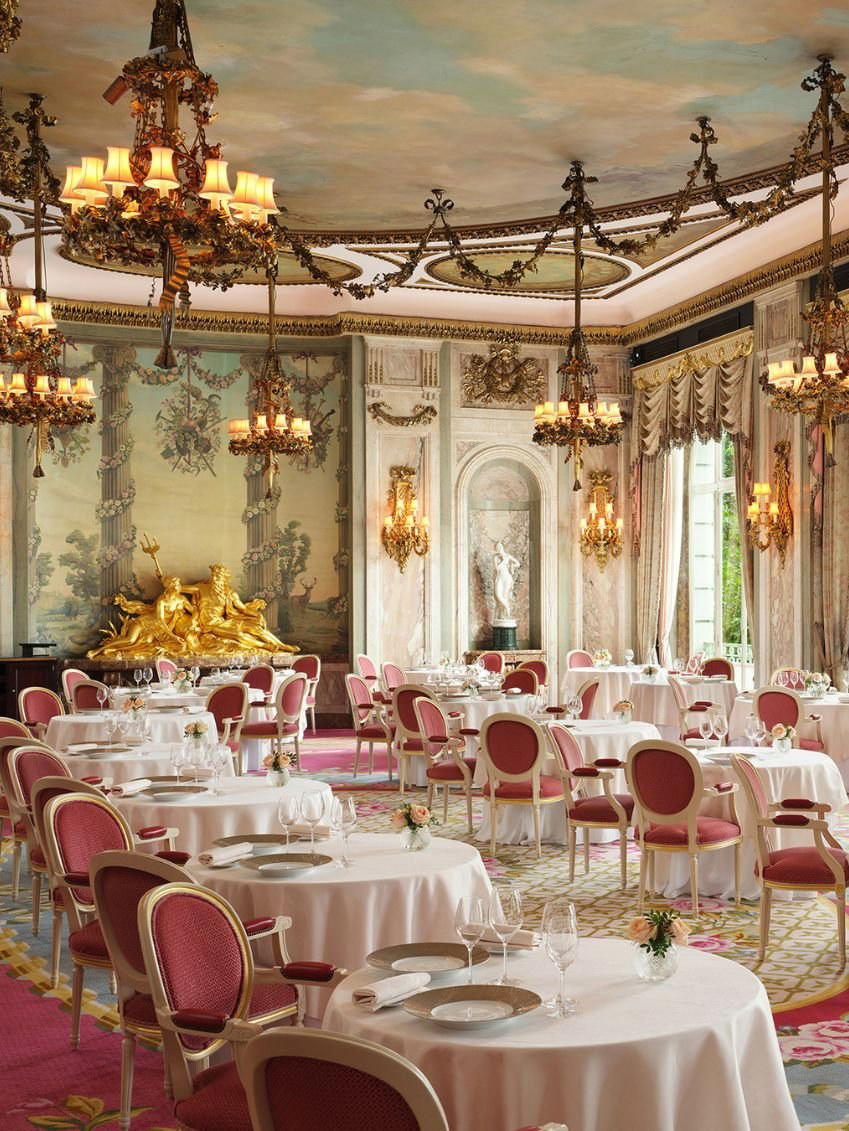
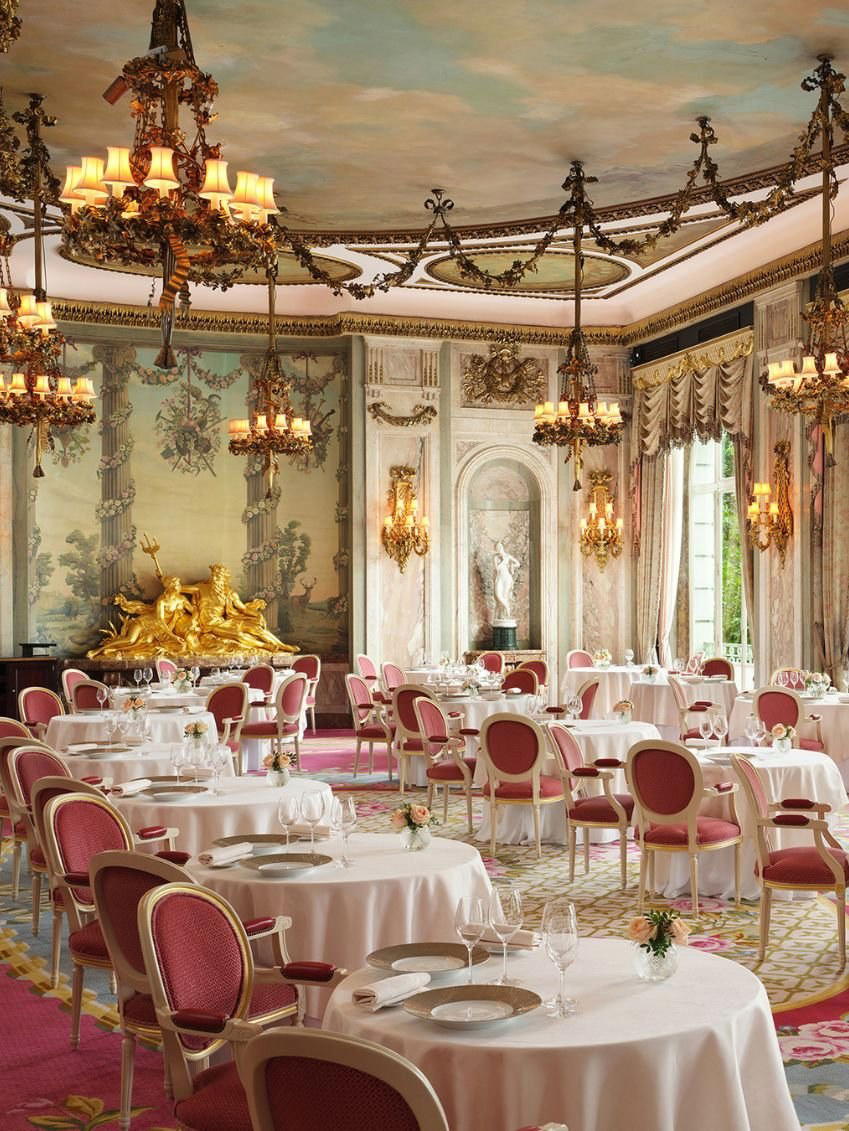
Bars in Brussels
Browse all →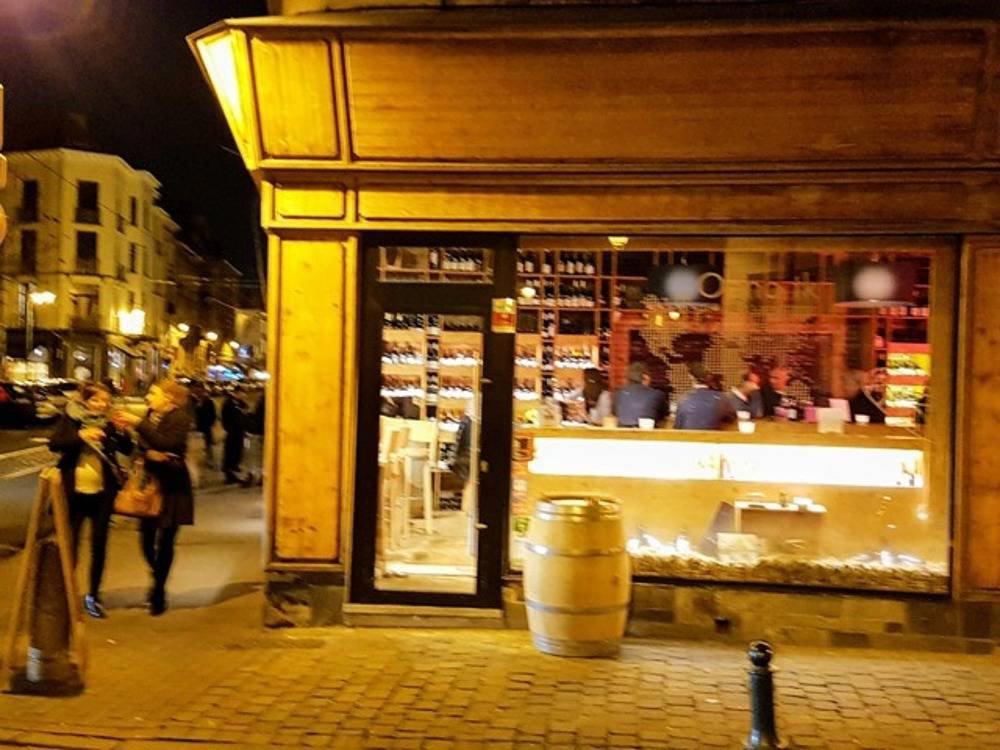
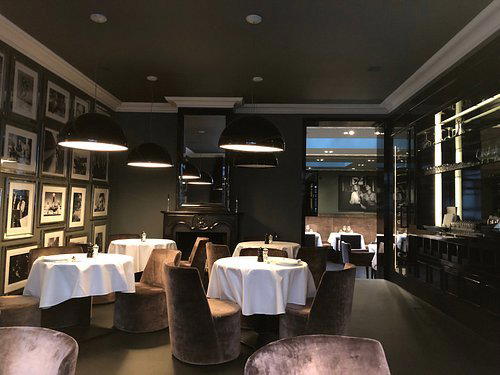
Hotels in Brussels
Browse all →
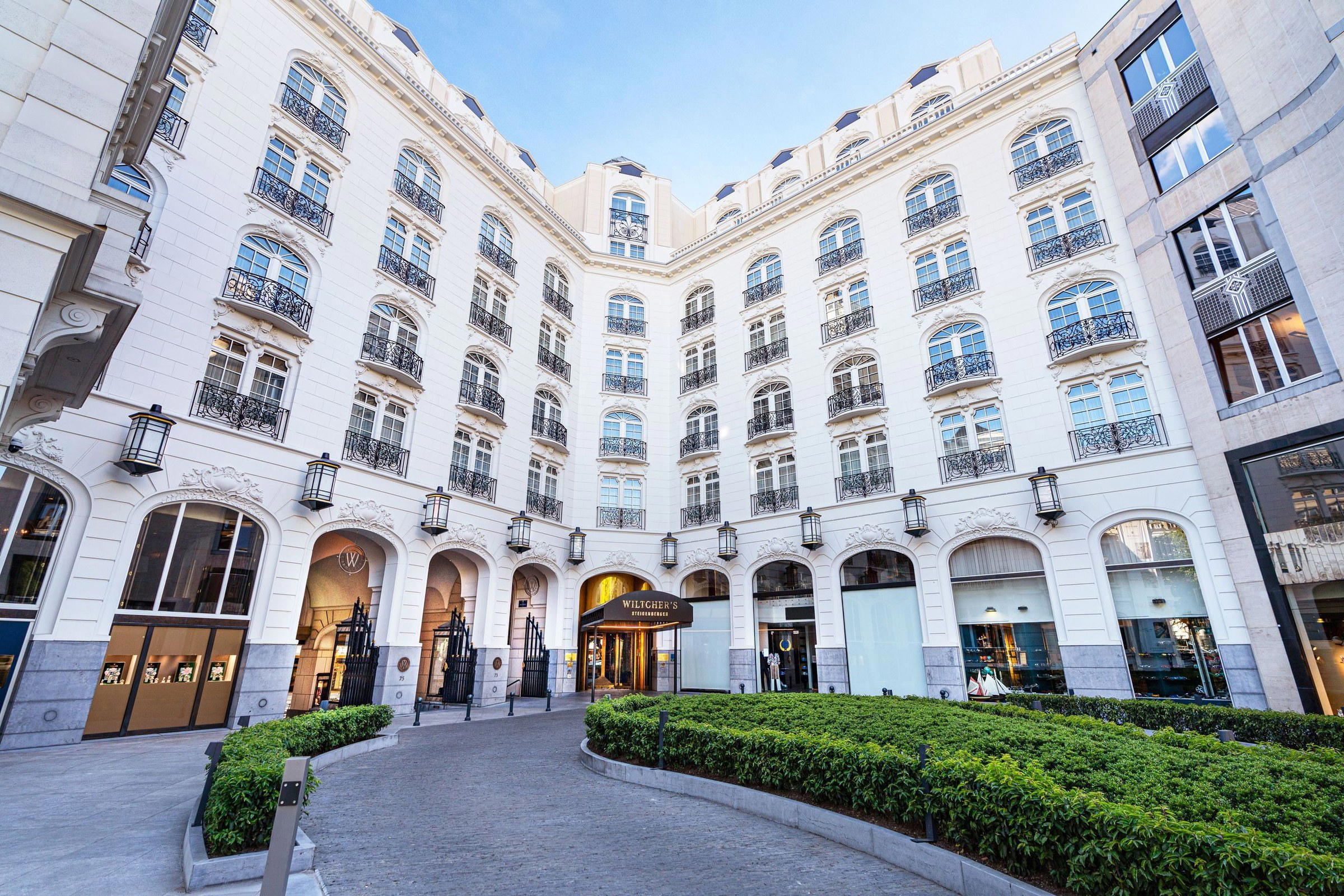
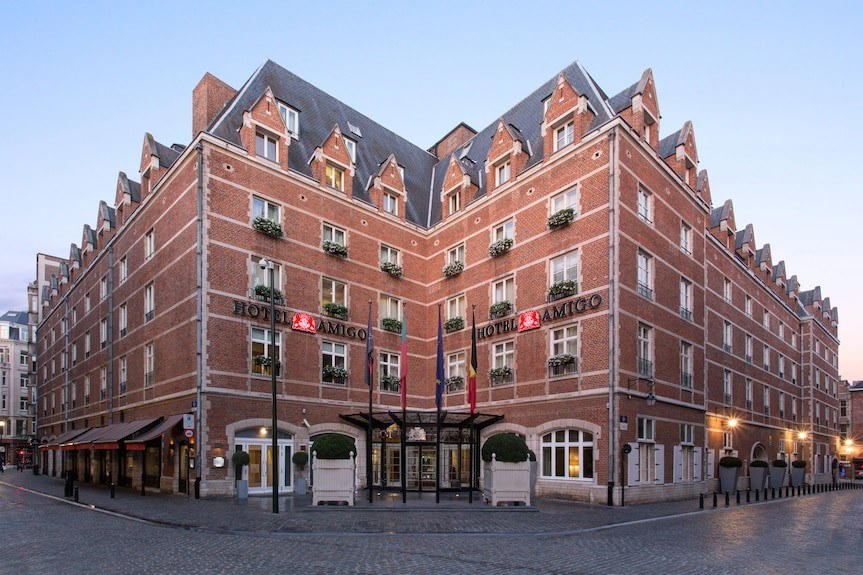
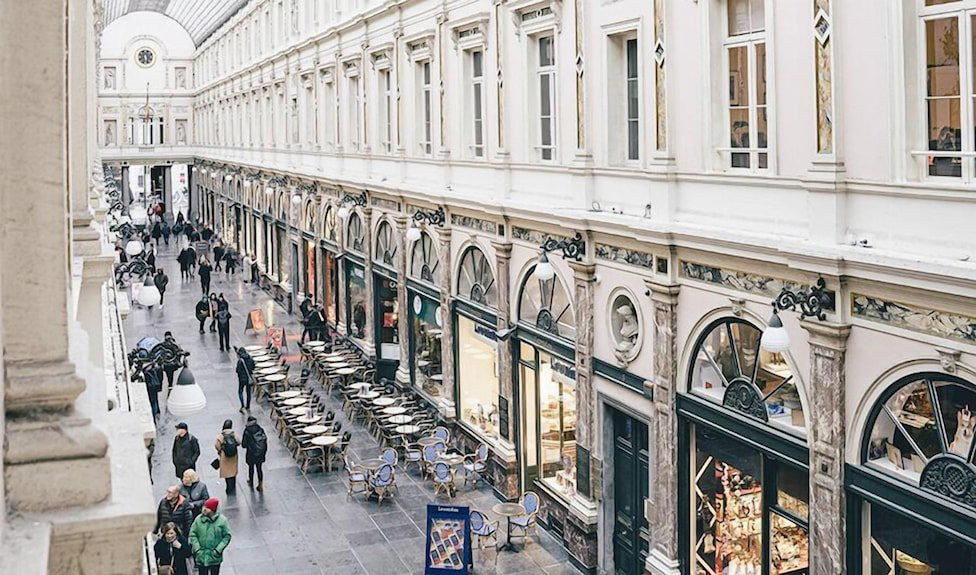
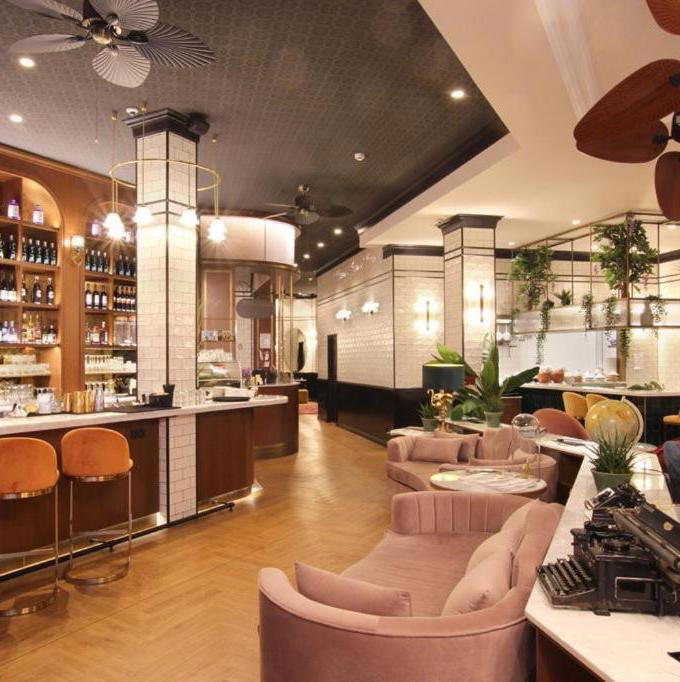
Wineries in Brussels
Browse all →
At a Glance
- Cozy
- Intimate
- Modern
- Casual Hangout
- Date Night
- Open Kitchen
- Sake Program
- Local Sourcing
Current opening hours
- Monday
- Closed
- Tuesday
- Closed
- Wednesday
- 12–2 PM, 6:30–10:30 PM
- Thursday
- 12–2 PM, 6:30–10:30 PM
- Friday
- 12–2 PM, 6:30–10:30 PM
- Saturday
- 12–2 PM, 6:30–10:30 PM
- Sunday
- Closed
Hours can change for holidays and private events. Last verified .
Cozy small space with open kitchen allowing diners to watch the cooks, warm and welcoming atmosphere.
Know Before You Go
- Getting there
- Chau. d'Alsemberg 128, 1060 Bruxelles, Belgium