
Tabelog Bronze #334
Our verdict
Ohtani belongs to Nagoya’s serious Japanese cuisine tier: small-format, ingredient-led, and validated by Tabelog Bronze recognition in 2025 and 2026. Its reputation rests on seasonal cooking, fish-focused sourcing, sake, and a room that balances counter intimacy with horigotatsu seating rather than hotel-dining polish.

Pearl is the En Primeur Club membership app, where members save venues, book tables and use the concierge.
The menu
What to order
- Clay Pot Rice with Sea Bream and Seasonal Vegetables
Approach Japanese cuisine in Nagoya and the city rarely behaves like Tokyo’s theatre of scarcity. The stronger rooms tend to be quieter, more local in rhythm, and less interested in explaining themselves to visitors. Ohtani fits that pattern: a house-style restaurant in Nakamura-ku, built around Japanese cuisine, seasonal produce, and a fish-forward kitchen rather than spectacle. The format matters because Nagoya’s dining culture often rewards regularity and trust. A small counter, private-room flexibility, and sake on the table create a different signal from the capital’s export-ready fine dining rooms.
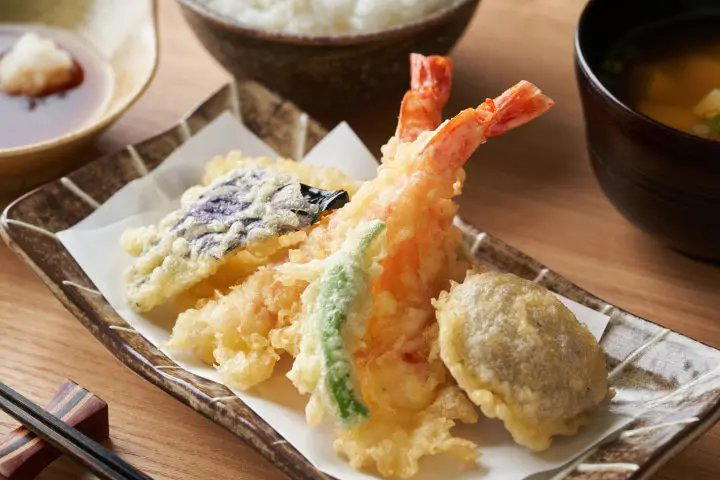
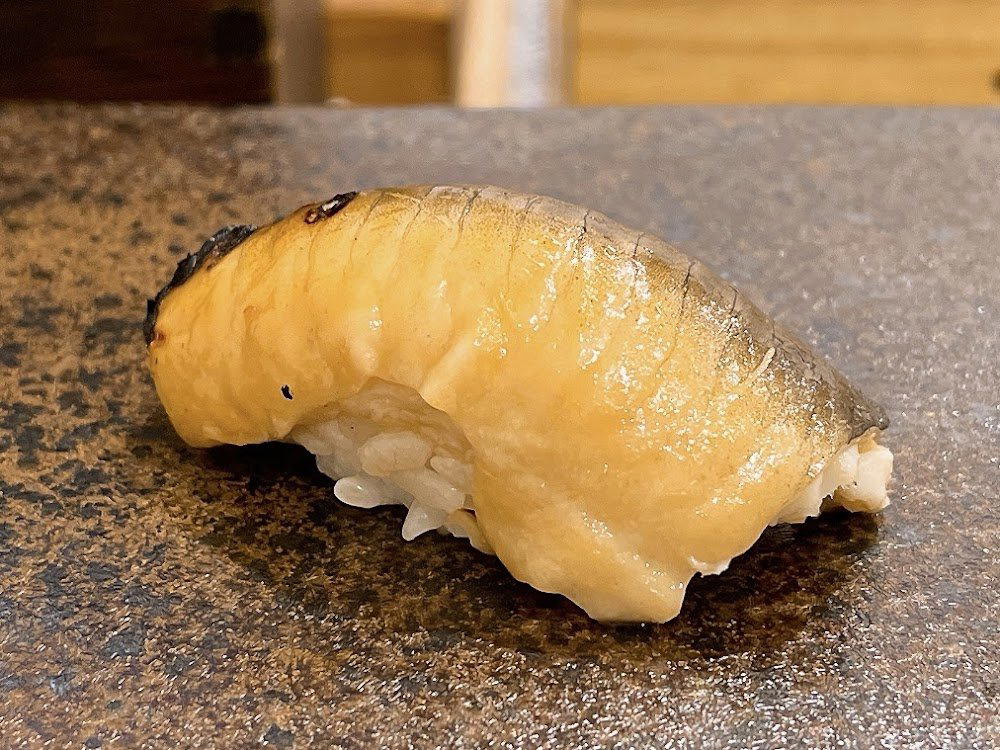
The critical point is sourcing, not decoration. In Japanese cuisine, the word shun carries weight: ingredients are judged by timing, not simply by luxury. Fish, vegetables, and sake pairings change meaning according to season, temperature, and preparation. Ohtani’s public identity leans into that seasonal grammar, with Japanese cuisine as the category and fish singled out as a kitchen focus. That places it in the kaiseki-adjacent end of Nagoya dining, where the meal is read through ingredient selection and pacing rather than a fixed list of famous dishes.
Seasonality is the argument, not the ornament
Nagoya’s Japanese restaurants sit in an interesting middle ground. The city has the spending power of a major industrial capital, but its high-end dining scene is less performative than Ginza or Kyoto’s temple-adjacent kaiseki circuit. Serious local restaurants can therefore feel more direct: fewer international cues, more emphasis on whether the ingredient is at the right point in the year. Ohtani’s Tabelog Bronze recognition in 2025 and 2026, plus selection for Tabelog Japanese Cuisine EAST 100 in 2021, 2023, and 2025, marks it as part of that serious local conversation rather than a casual neighbourhood meal.
That recognition also says something about the competitive set. Within Nagoya, the gap between everyday dining and award-listed Japanese cuisine is not only about cost or formality; it is about trust in the kitchen’s procurement. A counter restaurant with a fish emphasis and sake program asks diners to accept a sequence shaped by season. The payoff is not novelty. It is the discipline of serving ingredients when they have a reason to appear. In that sense, Ohtani belongs closer to the city’s ingredient-led Japanese rooms than to cheaper curry, ramen, or shokudo formats that define another side of Nagoya eating.
For readers mapping the city, compare the decision with nearby Japanese cuisine peers such as Yasui, where similar dinner spending brackets indicate a comparable audience, rather than with everyday Nagoya names like Curry Senmon Ten cafe New Delhi, tokyo miso style IKEDA, or Taiyo Shokudo. Those places may be useful for a different meal, but they do not answer the same question. This is the kind of booking to make when the evening is about seasonal Japanese cooking and the confidence of a small room, not speed or breadth.
A small room changes how the meal is read
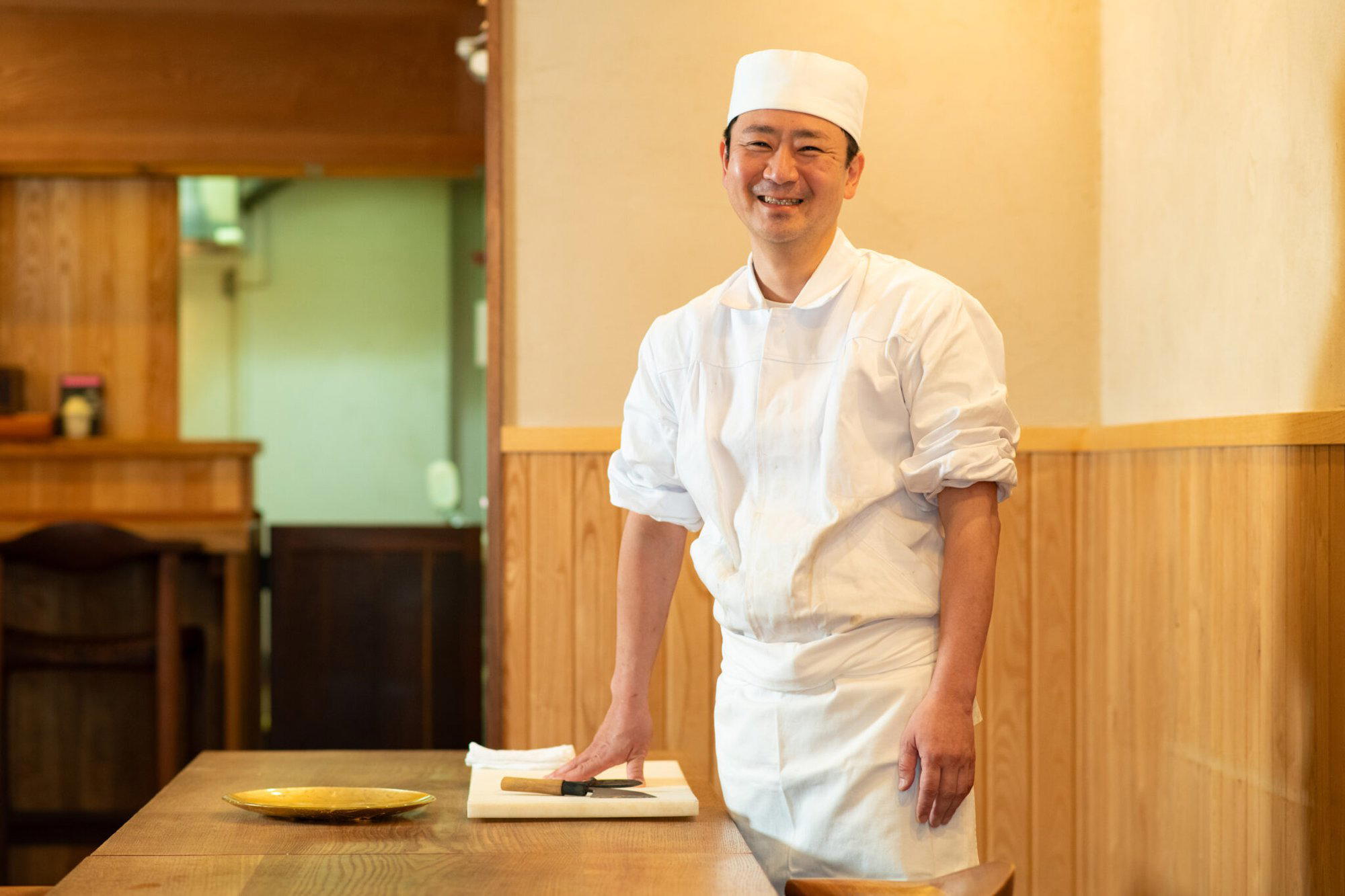
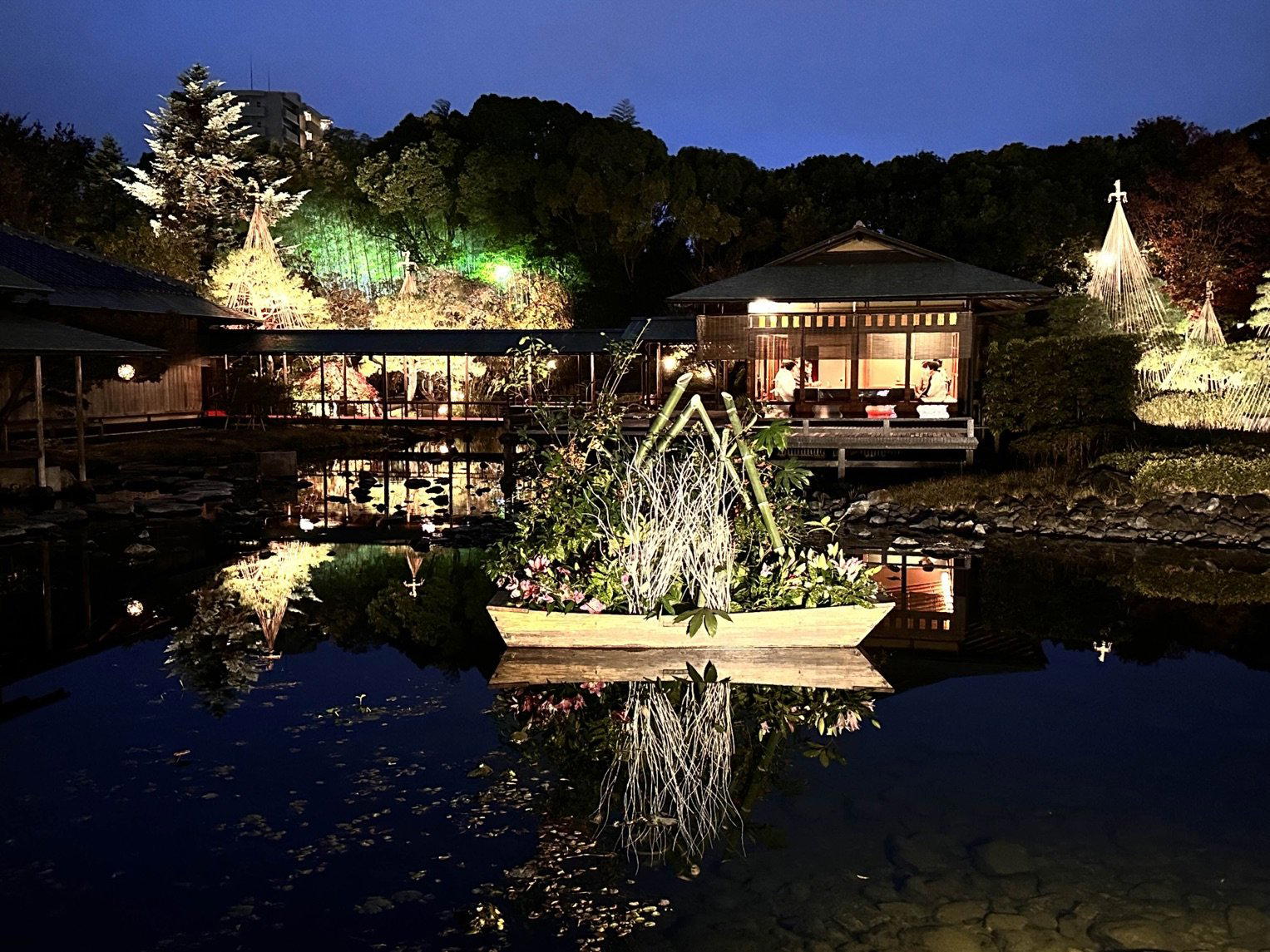
The room is part of the editorial case. With 16 seats, including counter seating and a horigotatsu tatami room, the restaurant sits in the small-format category where service proximity affects the meal. Counter seats tend to suit diners who want the rhythm of the kitchen in view; horigotatsu seating gives groups a more private register without turning the meal into banquet dining. That split is useful in Nagoya, where family meals, regular-client dinners, and serious food-focused visits often overlap more naturally than they do in destination restaurants built for overseas traffic.
There is also a practical cultural point here: Japanese cuisine at this level is rarely helped by over-ordering or treating the meal as a greatest-hits exercise. The better reading is seasonal. Sake and wine are listed, with sake given particular emphasis, which is consistent with a kitchen oriented toward fish and traditional Japanese pacing. The drinks program should be understood as part of that structure, not as a separate bar-style attraction.
The restaurant’s opening in 2013 gives the room more than a decade of operating history, and that matters in a city where repeat custom is a stronger signal than social-media heat. Awards can identify a restaurant, but longevity tests whether the format works beyond announcement cycles. Tabelog’s score above 4.0 and repeated Japanese cuisine selections add weight, yet the more persuasive detail is how narrow the proposition remains: Japanese cuisine, seasonal ingredients, fish, sake, compact seating. Nothing about that reads as a venue chasing every possible diner.
Where Ohtani fits in a Nagoya itinerary
For a Nagoya trip, this is not the first meal to schedule if the aim is to survey the city’s famous casual foods. It makes more sense after those reference points, when the question shifts from what Nagoya is known for broadly to how Aichi’s serious Japanese dining rooms express season and sourcing. The location outside the city’s hotel-heavy dining corridors reinforces that distinction. This is not a lobby-adjacent convenience meal; it asks the diner to choose a quieter part of the city’s restaurant culture.
Within the restaurant index, other Nagoya references include 1022, 451, Aaron, Alan., and All Day Dining Montmartre.
For broader Japan and Japanese-food context beyond Nagoya, useful contrasts include -Grilled beef Sukiyaki- KAMAKURA TANUKIAN 鎌倉 たぬき庵 in Kamakura. 鮪と炭火焼き うお炭 秋葉原店 in Tokyo.cafe in Osaka.know in Kumamoto, (Shoku) Vietnam in Kawasaki, [Curry Senmon Ten] Maruyama Kyoju. in Sapporo, Jōdo Saké Bar in Los Angeles, and Onigiri Time in Pasadena. The comparison clarifies Ohtani’s role: a compact Nagoya address for diners interested in ingredient timing, fish, and the disciplined language of Japanese cuisine.
Frequently asked questions
Is Ohtani okay with children?
Yes. The venue lists children as welcome, and the setup includes 16 seats with both counter seating and a horigotatsu tatami room. That makes it more flexible than a pure counter-only room in Nagoya.
What should I expect atmosphere-wise at Ohtani?
Expect a small house restaurant rather than a formal dining room, with 16 seats, a non-smoking setting, and private rooms for four or six people. The format is reservation only, and the room is designed around counter seating and a sunken tatami area.
What days is Ohtani closed?
Hours at Ohtani: Mon, Tue, Wed, Fri 18:00 - 22:00.
What's the address for Ohtani?
Ohtani is located in Nagoya.
What has Ohtani built its reputation on?
Ohtani has been selected for Tabelog Japanese cuisine EAST "Tabelog 100" in 2021, 2023, and 2025, and it won the Tabelog Award Bronze in 2025 and 2026. Its profile is built on Japanese cuisine, a focus on fish, and a seasonal approach tied to carefully selected ingredients.
Comparable Spots, Quickly
Comparable venues by cuisine and price in the same metro.
| Venue | Cuisine | Price | Awards | Notes |
|---|---|---|---|---|
| OhtaniThis venue (the venue you are viewing) | Seasonal Japanese Omakase | $50–100 | Tabelog Bronze #334 | Not listed |
| Kitchen Ribbon | Premium Wagyu Steakhouse | $50–100 | Tabelog Bronze #182 | Shōwa |
| kitchen Toshiki | Japanese-Style Western Cuisine (Yoshoku) | $50–100 | Tabelog Bronze #183 | Naka |
| Ningyocho Imahan Nagoya middorandosukuea ten | Traditional Japanese Sukiyaki & Shabu-Shabu | Not listed | Tabelog 100 #89 | Nakamura |
| Manpuku | Yakiniku (Japanese BBQ) | $50–100 | Tabelog 100 #75 | Nakagawa |
| Gensui | Traditional Soba & Sake | $50–100 | Tabelog 100 #20 | Naka |
Recognition history
Dated appearances from independent guides and award organizations, with the underlying list record or original source where available.
Tabelog Bronze #334
Tabelog
Full recognition history (3 entries)
Tabelog 100 #53 · No. 53
Tabelog · Tabelog 100 - Japanese cuisine - EAST - 2025
Tabelog Bronze
Tabelog
Continue exploring
More in Nagoya
Restaurants in Nagoya
All restaurants in Nagoya →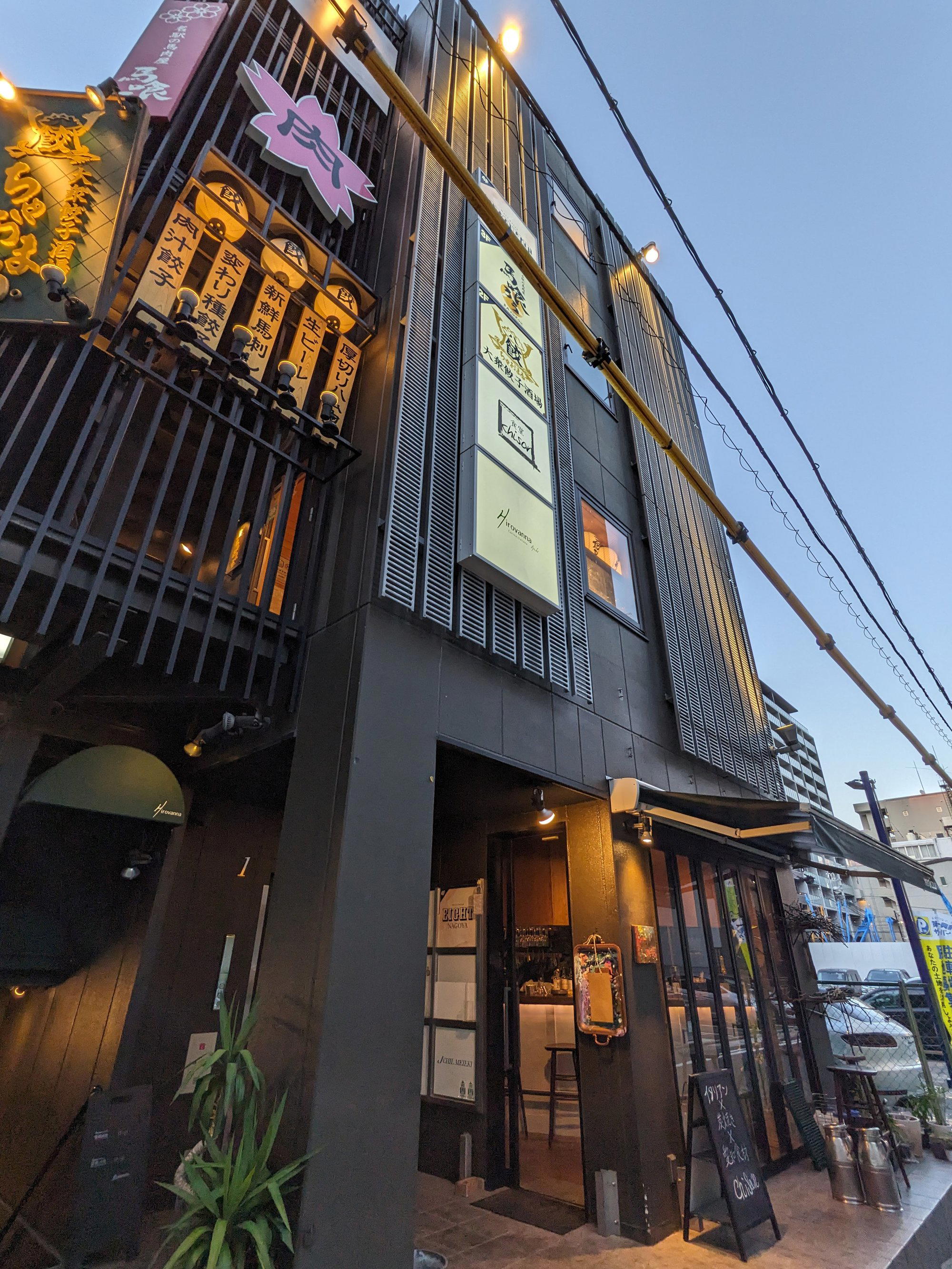
Details
- Cozy
- Relaxed
- Elegant
- Special Occasion
- Date Night
- Sake Program
- Omakase
Current opening hours
- Monday
- 12–2 PM, 6–9 PM
- Tuesday
- 12–2 PM, 6–9 PM
- Wednesday
- 12–2 PM, 6–9 PM
- Thursday
- 12–2 PM, 6–9 PM
- Friday
- 12–2 PM, 6–9 PM
- Saturday
- 12–2 PM, 6–9 PM
- Sunday
- Closed
Hours can change for holidays and private events. Hours as of .
Wrapped in the scent and warmth of wood, offering a relaxing space with stylish, spacious counter and sunken seating in a serene atmosphere.