
High-floor sukiyaki and shabu shabu in Meieki, with Kuroge Wagyu, private rooms, and a Tabelog 100 - Hot Pot - 2024 selection anchoring its credibility. The appeal is less novelty than polished ritual: sweet soy hotpot, beef service, sake or wine, and Nagoya Station convenience folded into a formal city-centre meal.
Pearl is the En Primeur Club membership app — saves, bookings, and concierge access live there. Same editors, same standards.
- Address
- Japan, 〒450-0002 Aichi, Nagoya, Nakamura Ward, Meieki, 4 Chome−7−1 ミッドランドスクエア 41階
- Phone
- +81 52-527-8887
- Website
- restaurant.imahan.com
 Saves & bookings on Pearl
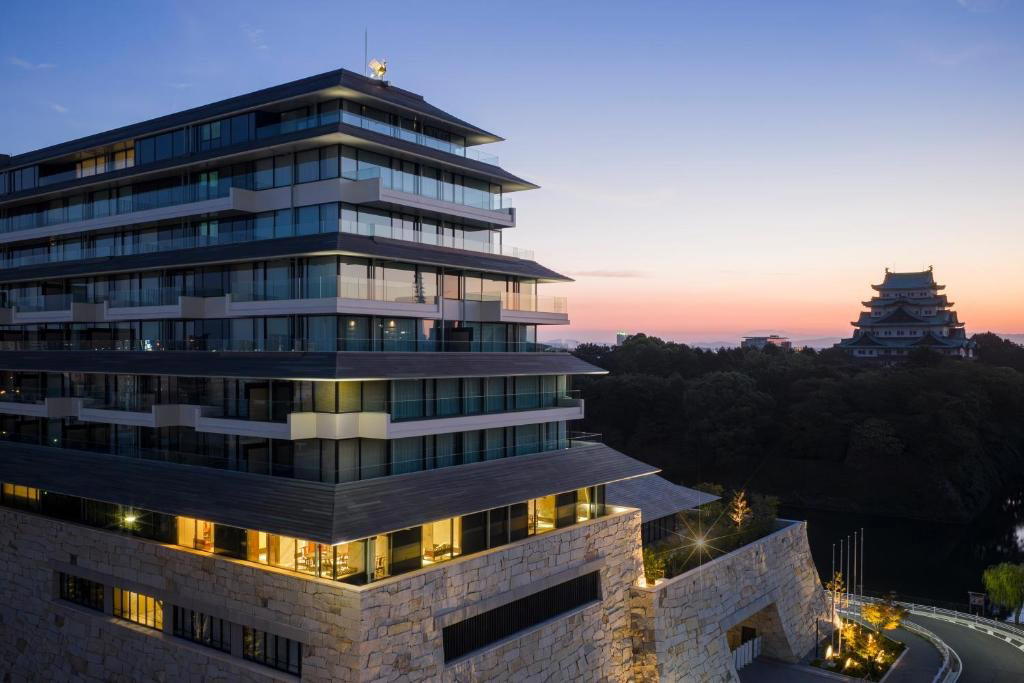
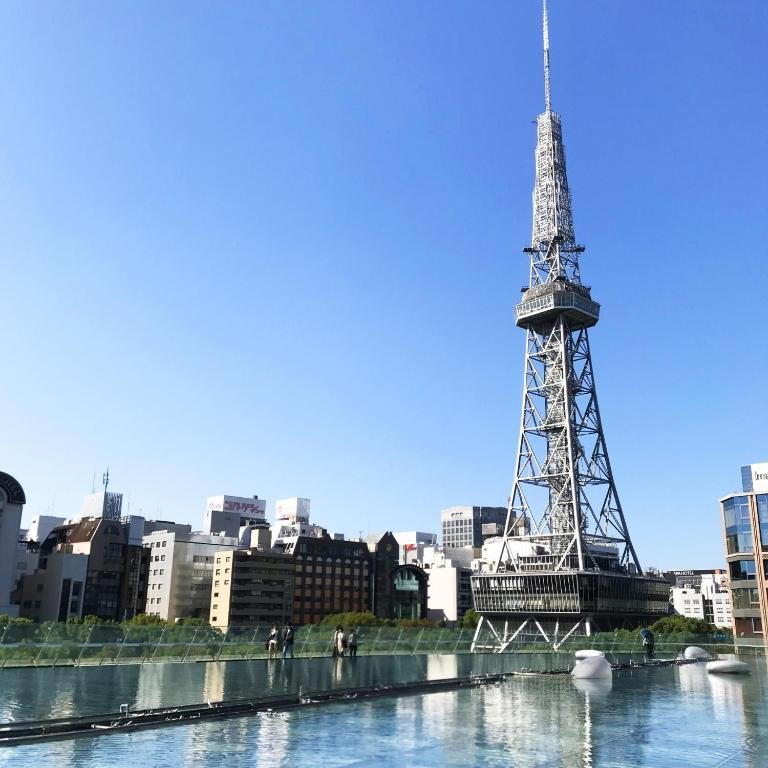
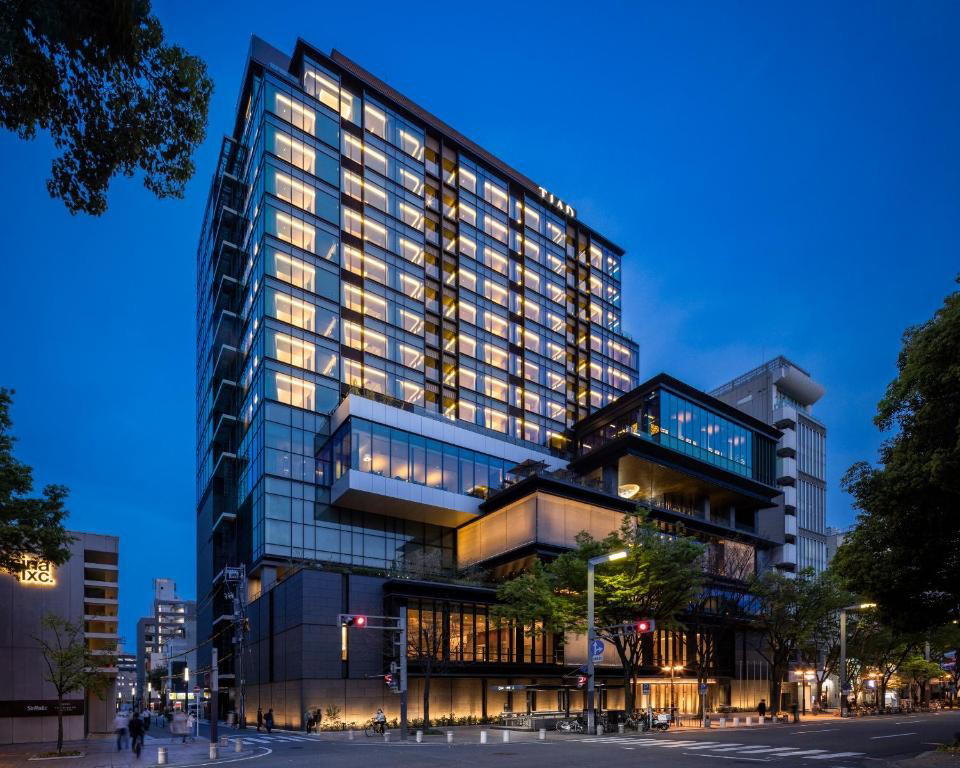
Midland Square changes the register of a Nagoya meal before the first course arrives. The ascent to the 41st floor pulls the city below, and that vertical remove suits sukiyaki and shabu shabu: two dining forms built around control, heat, pacing, and the quiet theatre of beef meeting broth or sweet soy. In Meieki, where station dining often means speed, department-store polish, and business convenience, Ningyocho Imahan Nagoya middorandosukuea ten belongs to the slower end of the spectrum.
Nagoya’s dining map is often read through miso katsu, hitsumabushi, kishimen, and other local signatures, but its premium restaurant culture also depends on the station district’s vertical dining rooms. Towers around Nagoya Station collect formal Japanese rooms, French dining, Chinese banquet rooms, and dessert salons into a compact business-and-travel zone. That makes comparison useful: Chinese Hanten Reiho and Auberge de L'Ill Nagoya sit in a higher dinner band, Kyoto Kiccho Nagoya ten prices lunch and dinner in a rarified Japanese bracket, while PIERRE MARCOLINI Nagoya operates in a different, lighter spending category. Against that field, this room occupies a clear hot-pot niche, with dinner listed at JPY 15,000 to JPY 19,999 and lunch at JPY 6,000 to JPY 7,999.
Sukiyaki and shabu shabu as measured theatre
Sukiyaki and shabu shabu ask for different kinds of attention. Sukiyaki is richer and more assertive, tied to a sweet soy base and the managed concentration of beef fat, sugar, and heat. Shabu shabu is cleaner in outline, a sequence of brief cooking, dipping, and recalibration. Both formats place the table at the centre of the meal rather than hiding technique in the kitchen, which is why room, pacing, and service discipline matter as much as sourcing.
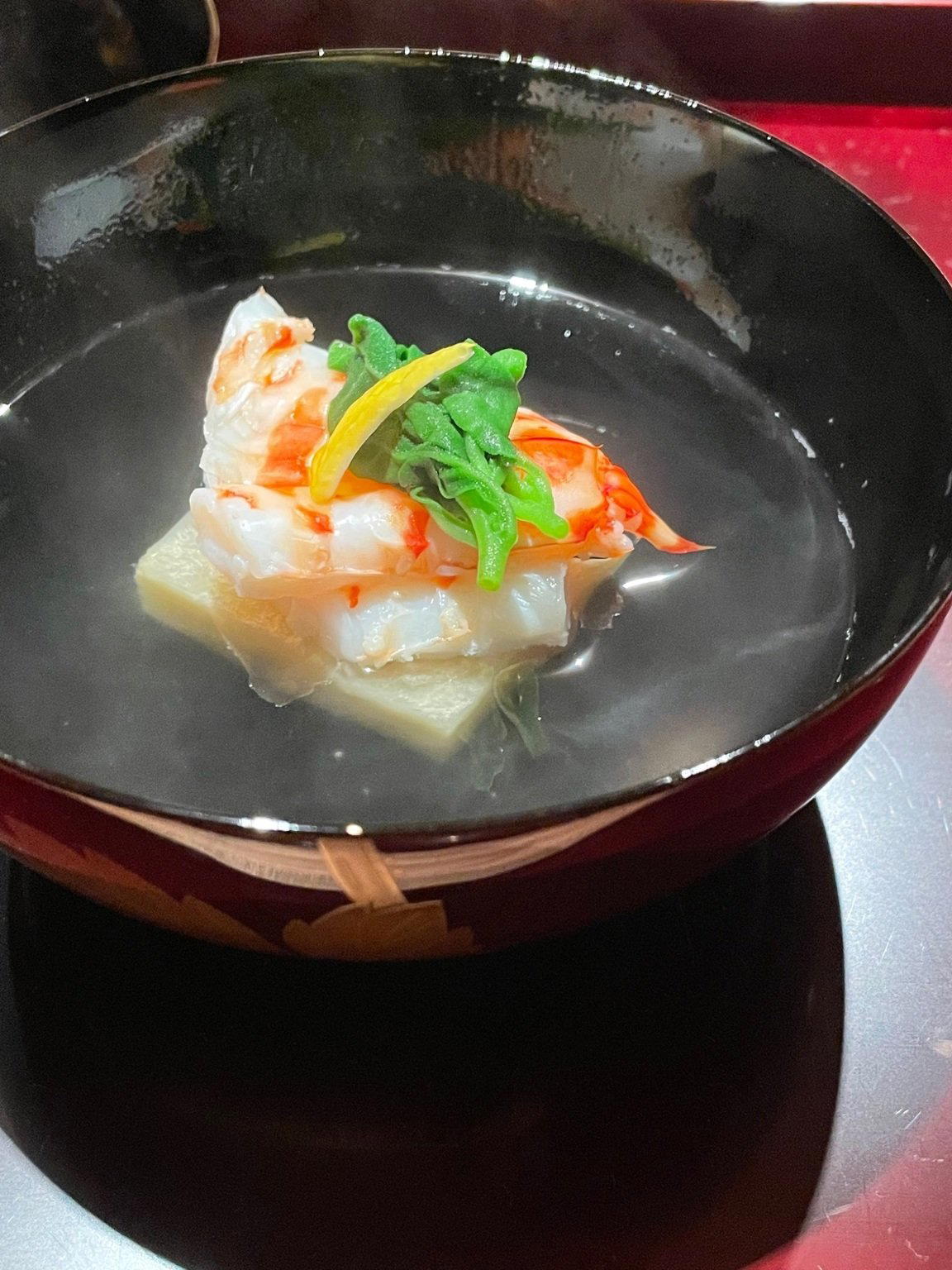
The restaurant’s category spread is precise: sukiyaki, shabu shabu, and steak. That matters in Nagoya because premium beef dining can easily drift into broad luxury signalling; here, the grammar remains recognisably Japanese and hot-pot led. Kuroge Wagyu is the anchor, but the better way to read the meal is as a formal handling of beef rather than a parade of named dishes. Tabelog selected the restaurant for Tabelog 100 - Hot Pot - 2024, a useful signal in a category where technique is often quiet and repetition separates serious rooms from casual imitators.
The drinks list follows the same middle path. Sake, shochu, and wine are all listed, which gives the meal three valid directions: rice-driven comfort with sukiyaki, a cleaner spirit-led line with shabu shabu, or a more international pairing approach for beef. The format does not need novelty to work. Its value lies in whether the room gives diners enough time and structure to notice heat, texture, and seasoning as they shift across the meal.
The high-floor room changes the meal's tempo
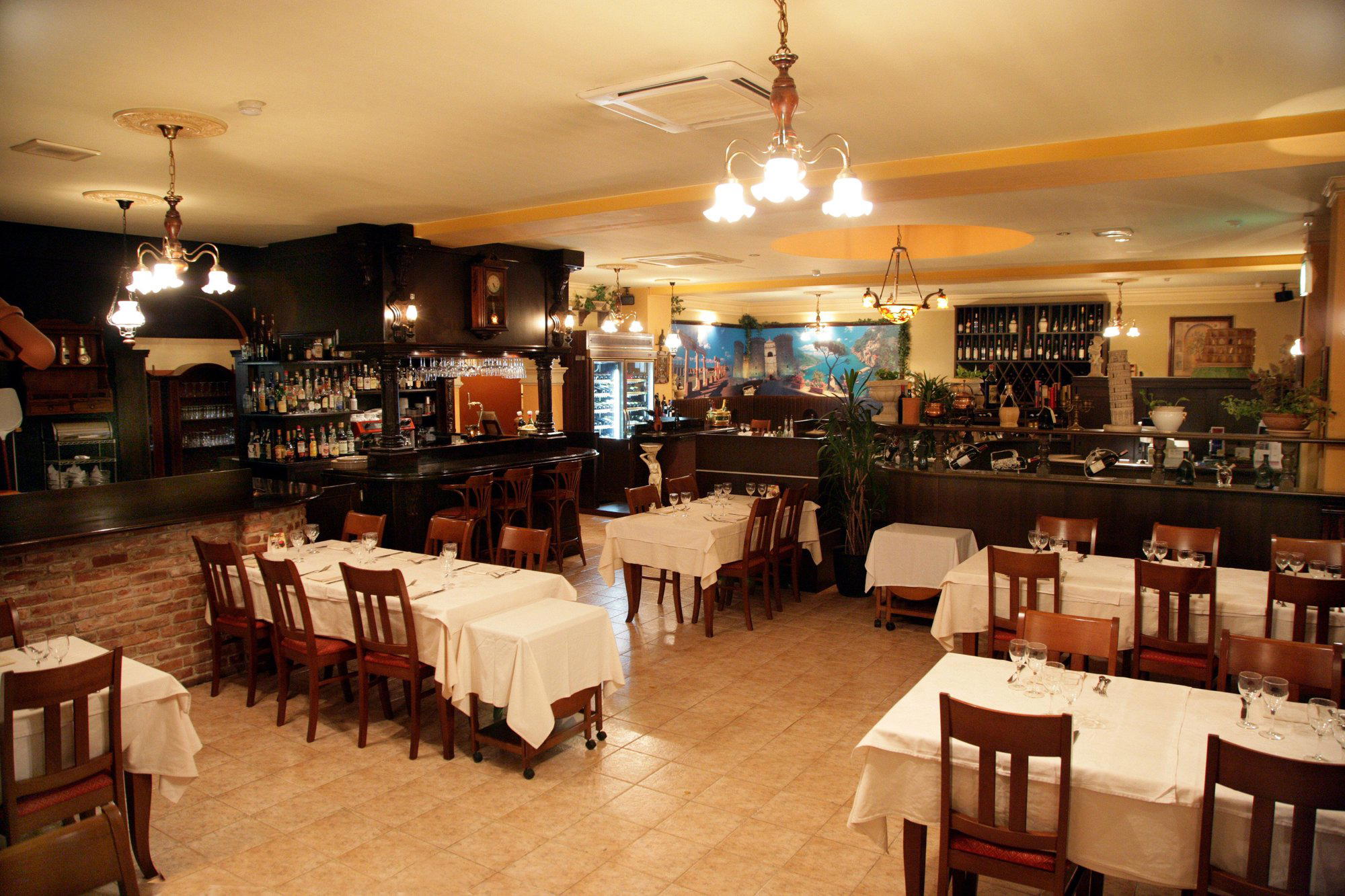
Setting is not incidental. A 54-seat restaurant on the 41st floor reads differently from a street-level hot-pot shop; the meal becomes less about bustle and more about contained occasion. Private rooms are available for pairs, small groups, and larger parties, with capacity noted up to 18 guests in private rooms and private use available for up to 20. That range places the restaurant in a practical Nagoya category: business dinners, family gatherings, celebrations, and visitor-hosting meals where privacy and predictability count.
Non-smoking rooms, tatami-room facilities, and children being welcomed with a kids menu broaden the audience without turning the experience casual. That balance is common in serious Japanese restaurants attached to transport hubs: the room must handle local families, corporate hosts, and travellers who want a controlled meal near rail connections. The shared parking in Midland Square also tells the story of the building. This is not backstreet discovery dining; it is urban infrastructure dining at a high level, built for people who need timing, access, and ceremony to coexist.
The service charge of 10% is part of that formal frame. So is the availability of credit cards, transport IC cards, and QR payments including Alipay and WeChat Pay. Those details may sound administrative, but in Japan they separate a smooth high-end meal from one that requires tactical cash planning. For international travellers using Nagoya as a rail base, that ease has editorial weight.
Where it fits in a Nagoya itinerary
This is a stronger choice for a composed beef meal than for a roaming, snack-led night in the city. Diners chasing Nagoya’s local vernacular should build another meal around the city’s everyday specialities; diners wanting hot pot with views, privacy, and a recognised Tabelog 100 signal will find the proposition much clearer. The location near Meitetsu Nagoya also makes it useful before or after a hotel check-in, a client dinner, or a rail-linked stop through Aichi.
For broader planning, Our full Nagoya restaurants guide gives the wider dining frame, while Our full Nagoya hotels guide, Our full Nagoya bars guide, Our full Nagoya wineries guide, and Our full Nagoya experiences guide help place the meal inside a fuller trip. Within Japan’s beef-dining spectrum, readers can also compare the category logic with -Grilled beef Sukiyaki- KAMAKURA TANUKIAN 鎌倉 たぬき庵 in Kamakura, then contrast it with different Japanese formats such as . 鮪と炭火焼き うお炭 秋葉原店 in Tokyo, .cafe in Osaka, .know in Kumamoto, (Shoku) Vietnam in Kawasaki, and [Curry Senmon Ten] Maruyama Kyoju. in Sapporo.
Nagoya’s restaurant scene rewards category clarity. 1022, 451, Aaron, Alan. and All Day Dining Montmartre point to other ways the city handles dining occasion, but the appeal here is tightly defined: beef, heat, view, and private-room formality. For a transpacific contrast in Japanese drinking and casual formats, Jōdo Saké Bar in Los Angeles and Onigiri Time in Pasadena show how far the vocabulary travels once it leaves the station-tower dining room.
Quick Comparison
Nearby venues at a similar price tier for orientation.
| Venue | Cuisine | Price | Notes |
|---|---|---|---|
| Ningyocho Imahan Nagoya middorandosukuea ten | Traditional Japanese Sukiyaki & Shabu-Shabu | $$$ | Nakamura |
| Teppan Izumi ~Sankai~ | Teppanyaki Steakhouse | $$$ | Higashi |
| Atsuta Houraiken Jingu ten | Traditional Nagoya eel (hitsumabushi) & kaiseki | $$$ | Atsuta |
| Wagyu Yakiniku Jirouya Kai wagyu&sake Nagoya ekimae honten | Japanese Yakiniku / Wagyu BBQ | $$$ | Nakamura |
| Gensui | Traditional Soba & Sake | $$$ | Naka |
| Atsuta Houraiken Matsuzakaya ten | Traditional Nagoya eel (hitsumabushi) restaurant | $$$ | Naka |
Recognition history
Dated appearances from independent guides and award organizations, with the underlying list record or original source where available.
Tabelog 100 #89 · No. 89
Tabelog · Tabelog 100 - Hot Pot - 2024
Continue exploring
More in Nagoya
Restaurants in Nagoya
Browse all →
At a Glance
- Scenic
- Quiet
- Elegant
- Sophisticated
- Classic
- Business Dinner
- Celebration
- Special Occasion
- Group Dining
- Panoramic View
- Private Dining
- Standalone
- Sake Program
- Local Sourcing
- Skyline
Current opening hours
- Monday
- 11 AM–3 PM, 5–10 PM
- Tuesday
- 11 AM–3 PM, 5–10 PM
- Wednesday
- Closed
- Thursday
- 11 AM–3 PM, 5–10 PM
- Friday
- 11 AM–3 PM, 5–10 PM
- Saturday
- 11 AM–3 PM, 5–10 PM
- Sunday
- 11 AM–3 PM, 5–10 PM
Hours can change for holidays and private events. Last verified .
Quiet, tranquil, and refined, with a scenic 41st-floor dining room overlooking the city.