
We're Smart World 3 Radishes
Our verdict
Lento on Zuivelmarkt 34 is Hasselt's dedicated all-vegan address, winner of the Belgian Vegan Award for Best Restaurant 2018, and the city's clearest argument that plant-based cooking belongs in the same conversation as the region's Burgundian table traditions. The format runs from a weekday blunch through a Sunday brunch, anchored by dishes like focaccia with hummus and penne no-chicken with curry sauce and mushrooms.

Pearl is the En Primeur Club membership app, where members save venues, book tables and use the concierge.
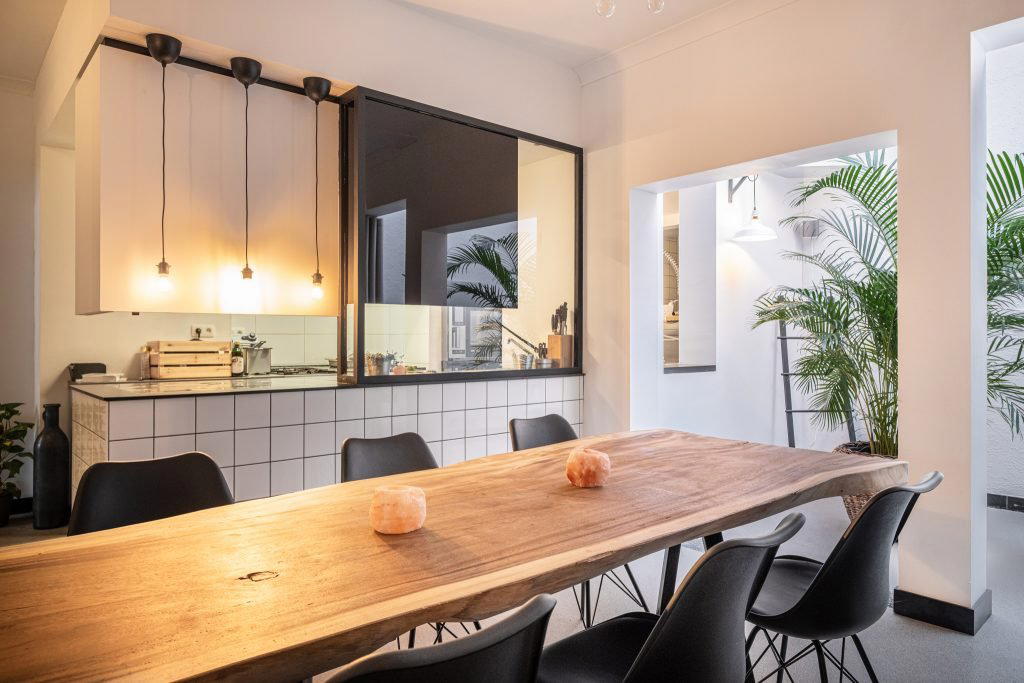
The Vegan Table in a Burgundian City
Hasselt has a reputation built on generous eating. The city sits at the centre of Belgium's Limburg province, a region that has always understood food as a social event: long tables, unhurried pacing, a second helping treated as a given. The local dining tradition leans heavily on meat, dairy, and the kind of cooking that takes its cues from the Franco-Flemish kitchen. Into this setting, Lento at Zuivelmarkt 34 has positioned itself as a direct counter-argument: a 100% vegan address making the case that plant-based cooking can occupy the same register of satisfaction as the city's more conventional tables.
In a mid-sized Limburg city, it carries more weight. The Belgian Vegan Award for Leading Restaurant in 2018 provided external validation that the cooking here is not a consolation option for the non-meat-eating visitor, but a destination in its own right. That recognition matters most as a signal about quality threshold, not as a marketing credential. For a plant-based restaurant to win that category in a country with Belgium's culinary culture, the cooking has to do more than avoid animal products: it has to satisfy on the terms the local table sets. For comparison, Belgium's broader restaurant scene includes firmly meat-forward institutions like Brasserie Rongese and technique-driven addresses like JER and Ogst, all operating at the €€€ tier in Hasselt. Lento operates from a different premise entirely, though its ambition to satisfy sits in the same conversation.
How the Meal Works: Format and Ritual
The format at Lento is built around the blunch, a hybrid of late breakfast and early lunch that has become a recognisable format in Belgian urban dining over the past decade. Where the traditional Belgian midday meal tends toward the formal and the seated, the blunch format allows for a looser, more conversational rhythm. You arrive when the morning has already warmed up, you eat at a pace that belongs to neither breakfast nor dinner, and you leave without the pressure of an evening service clearing you out. On Sundays, the kitchen shifts to a brunch format, which extends the same logic into a longer, more leisurely frame.
This approach to timing is meaningful. Plant-based restaurants in Belgium have often struggled to claim dinner as their natural territory, partly because the evening meal in Flemish culture carries associations with protein-heavy cooking and a certain formality. By anchoring the experience in the blunch and brunch hours, Lento positions the meal in a time of day when the diner's expectations are already softer and more open to experimentation. The ritual here is not about replicating a fine-dining arc: it is about proving that a mid-morning table can carry the same sense of occasion as an evening one, on entirely different terms.
What Arrives at the Table
The menu at Lento is built around dishes that function as honest cooking rather than as demonstrations of technical novelty. Focaccia with hummus places familiar Mediterranean pantry ingredients in a format that requires no explanation and delivers on texture contrast. Balls in tomato sauce draws on the comfort logic of the Italian-Belgian kitchen, a tradition that has deep roots in Hasselt's food culture, reinterpreted without meat. Penne no-chicken with curry sauce and mushrooms addresses the specific craving for something warm, starchy, and savoury in a way that does not require a substituted or processed protein to carry the dish.
What these choices share is an understanding that the appetite for Burgundian cooking is not primarily about meat: it is about richness, warmth, and the feeling of having eaten something substantial. The dishes here are engineered to satisfy that appetite on its own terms. For diners already familiar with the broader trajectory of Belgian vegan cooking, as documented at addresses like Bozar Restaurant in Brussels, the approach at Lento will read as consistent with a national shift toward plant-based cooking that does not sacrifice depth of flavour for ideological purity.
Lento in the Hasselt Dining Picture
Hasselt's restaurant scene is weighted toward French-influenced technique and traditional Flemish generosity. Creative French at De Kwizien and the broader European fine-dining tradition represented by Belgium's landmark kitchens, from Hof van Cleve in Kruishoutem to Boury in Roeselare, define the aspirational register. Lento does not compete in that register and does not try to. It occupies a different slot: the neighbourhood address where the cooking has a clear conviction, the format has a social logic, and the reason to go is not to be impressed but to eat well and at ease.
That is a specific and valuable function in a mid-sized city. Hasselt is not short of options for the visitor who wants classical technique and a wine list built around Burgundy. What it has fewer of are addresses that take a principled approach to ingredients and hold that approach with enough confidence to win external recognition for it. De Levensboom represents another point on the city's more plant-forward spectrum, but Lento's 2018 award places it as the benchmark for that category in the city. For visitors building a multi-day Hasselt itinerary, the full picture is available in our full Hasselt restaurants guide, alongside our full Hasselt hotels guide, our full Hasselt bars guide, our full Hasselt wineries guide, and our full Hasselt experiences guide.
Belgian plant-based cooking has had to earn its credibility against a culinary culture that treats animal fat as a birthright. The fact that restaurants at the level of Zilte in Antwerp, Willem Hiele in Oudenburg, and Bartholomeus in Heist have each pushed vegetable cookery further up their menus in recent years reflects a broader shift in how Belgian diners understand satisfaction. Lento arrived at that position earlier and more completely than most. On the global scale, the conversation about serious vegetable cooking, at addresses from Le Bernardin in New York City to Emeril's in New Orleans, has been reshaping the terms of what a restaurant is expected to do. Lento, from a quieter address on Zuivelmarkt, has been making the same argument at a neighbourhood scale.
Planning Your Visit
Lento is located at Zuivelmarkt 34 in central Hasselt, within easy reach of the city's main pedestrian area. The kitchen operates a blunch format on weekdays and a brunch service on Sundays. The format suits a late-morning or midday slot rather than an evening plan, so build your Hasselt day accordingly.
Frequently asked questions
Has Lento won any awards?
Lento has received recognition including: Lento is a 100% vegetable restaurant with an important mission: to show that vegetable food can also be very Burgundian and above all tasty. The fact that they became the winner of The Belgian Vegan Award for Best Restaurant 2018 proves tha….
Where is Lento located?
Lento is located at Zuivelmarkt 34, 3500 Hasselt, Belgium, Hasselt.
What dish is Lento famous for?
Lento has built its identity around approachable, satisfying plant-based cooking rather than a single signature plate. Recurring menu anchors include focaccia with hummus, balls in tomato sauce, and penne no-chicken with curry sauce and mushrooms, dishes that won Lento the Belgian Vegan Award for Best Restaurant 2018.
How far ahead should I plan for Lento?
No booking data is published for Lento. Given its position as Hasselt's most-recognised vegan venue and winner of the Belgian Vegan Award 2018, arriving early for the blunch slot or Sunday brunch is advisable, particularly on weekends.
What's Lento best at?
Lento's core argument is that vegan food can be generous and satisfying in the Burgundian tradition Hasselt is known for. The blunch format, a late breakfast crossing into early lunch, is the defining experience, and the 2018 Belgian Vegan Award for Best Restaurant confirms that argument landed with a broad audience.
Can Lento handle vegetarian requests?
Every dish at Lento is 100% vegan, which means the entire menu is by definition vegetarian. Guests with dairy or egg requirements are covered across the full offering without adaptation or substitution.
Cuisine-First Comparison
Comparable venues nearby, for context on price, style, and recognition.
| Venue | Cuisine | Price | Awards | Notes |
|---|---|---|---|---|
| LentoThis venue (the venue you are viewing) | Modern Plant-Based Fine Dining | $30–50 | We're Smart World 3 Radishes | Not listed |
| Hosted by Studio Simons | Modern Belgian Fine Dining | Not listed | Not listed | city center |
| Taratata | Modern Belgian Bistro | $50–100 | Not listed | Quartier Bleu |
| La Fontanella | Italian Contemporary | Not listed | Michelin Plate | city center |
| 't Genoegen | Classic Belgian with French influences | $50–100 | Not listed | city center |
| De Kwizien | Modern Belgian Seafood | $100–150 | Michelin Plate | Jeneverplein |
Recognition history
Dated appearances from independent guides and award organizations, with the underlying list record or original source where available.
We're Smart World 3 Radishes
We're Smart World
Continue exploring
More in Hasselt
Restaurants in Hasselt
All restaurants in Hasselt →
Bars in Hasselt
All bars in Hasselt →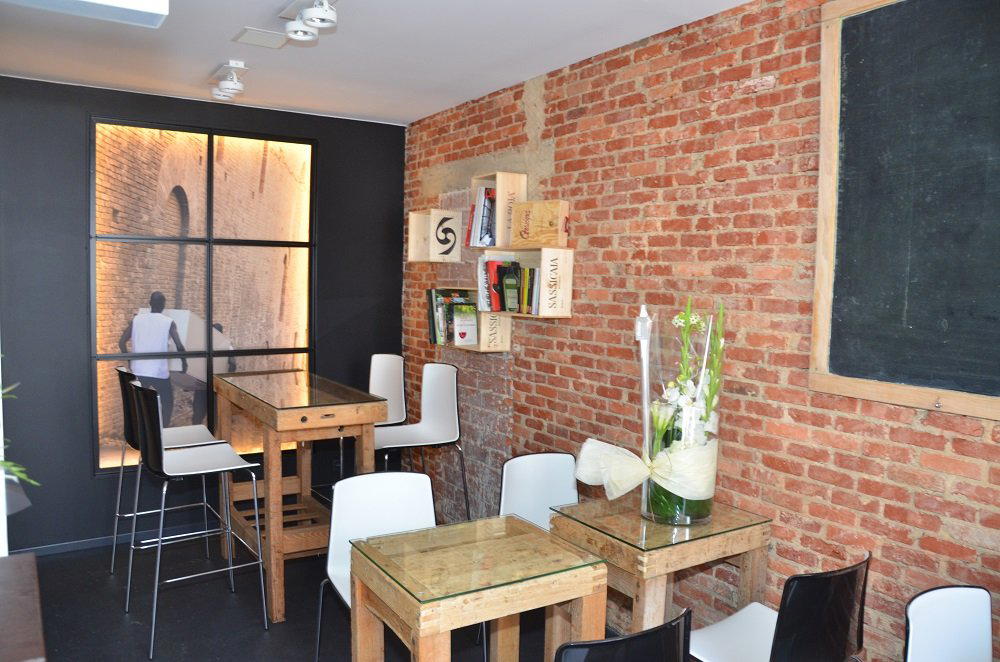


Details
- Cozy
- Elegant
- Intimate
- Modern
- Date Night
- Special Occasion
- Open Kitchen
- Extensive Wine List
- Craft Cocktails
- Local Sourcing
- Tasting Menu
- Set Menu
- Vegetarian Friendly
- Vegan Options
Current opening hours
- Monday
- Closed
- Tuesday
- 5:30–9 PM
- Wednesday
- 5:30–9 PM
- Thursday
- Closed
- Friday
- 5–10 PM
- Saturday
- 11:30 AM–2 PM, 5–10 PM
- Sunday
- Closed
Hours can change for holidays and private events. Hours as of .
Cozy and warm atmosphere with a calm, house-like feel in a small, intimate space divided into smaller rooms.