
An eight-seat counter in Amagasaki's Tsukaguchi district, Ogitani earned Tabelog Award Bronze 2026 and a place on the Tabelog Japanese Cuisine WEST 100 list for 2025, with a Tabelog score of 3.97. Dinner runs JPY 15,000–19,999 by listed price, though review-based averages place actual spend considerably higher. Evenings begin at 18:30 and reservations are essential.
Pearl is the En Primeur Club membership app — saves, bookings, and concierge access live there. Same editors, same standards.
- Address
- 1-chome-2-14 Tsukaguchihonmachi, Amagasaki, Hyogo 661-0001, Japan
- Phone
- +81 6-4950-7797
- Website
- tabelog.com
- Directions
- Get directions
 Saves & bookings on Pearl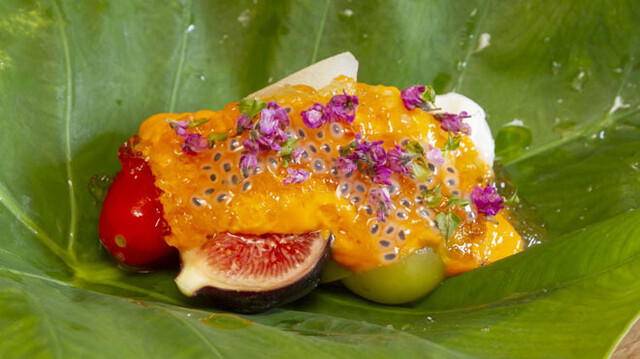
A Counter in the Quiet Side of Hyogo
The Kansai region's premium dining conversation tends to fix on Osaka's Michelin corridor and Kyoto's ryotei tradition, leaving the industrial city of Amagasaki to operate at a lower register in most travel itineraries. That positioning is, by now, a studied distortion. The Tsukaguchi neighbourhood, reachable in two minutes on foot from Hankyu Tsukaguchi Station, has been accumulating serious counter restaurants at a rate that rewards closer attention. Ogitani opened in September 2022 and within three years had secured both a Tabelog Award 2026 Bronze and selection for the Tabelog Japanese Cuisine WEST \"Tabelog 100\" list for 2025 — a peer group that, across western Japan, includes some of the most consistently reviewed kaiseki and Japanese cuisine counters in the country.
The physical format matters here as much as the credentials. Eight seats, all at the counter, in a space described by reviewers as stylish and unhurried. House restaurant format means the building carries a different register than a ground-floor slot in a commercial block: the scale is residential, the pace deliberate. At that seat count, there is no abstraction between kitchen and guest; every course arrives in direct sight of its preparation. This is the format in which kaiseki's disciplinary logic — the sequencing, the temperature control, the material hierarchy, becomes legible in real time rather than arriving as a finished fact.
Where Ogitani Sits in the Kaiseki Frame
Japanese cuisine at this tier is organised around a set of aesthetic commitments that predate any individual counter. The kaiseki structure, which traces to the tea ceremony's light meal before matcha, operates through restraint and sequence: a progression of small courses that subordinates individual dishes to a cumulative effect, where seasonal ingredients are treated with the minimum intervention required to make their character clear. The test of a counter in this tradition is not spectacle but coherence, whether the arc of an evening holds, whether the fish course and the simmered dish and the final rice speak the same seasonal language.
Ogitani's Tabelog listing notes a specific focus on fish, and the drinks program lists sake, shochu, and wine, with particular attention given to sake and shochu selection. This pairing logic is consequential. The alignment of nihonshu with fish-forward kaiseki is one of the oldest and most reliable pairings in Japanese table culture: the umami resonance between aged sake and marine proteins is something that wine, for all the attention given to Japanese wine lists at Osaka addresses like HAJIME in Osaka, rarely replicates at the same frequency. A counter that has a stated commitment to both sake and shochu selection is making an argument about how the evening should be experienced.
For comparison across the regional tier: Gion Sasaki in Kyoto operates at a larger scale within the Higashiyama tradition; Harutaka in Tokyo represents the Tokyo sushi counter at its most focused; and Goh in Fukuoka shows how the kaiseki framework has been reinterpreted through a Kyushu lens. Ogitani's positioning, a small, fish-particular counter in a secondary Hyogo city, recognised on the WEST 100 list, places it alongside counters that trade on precision and produce sourcing rather than on address or brand history. The Tabelog score of 3.97 is a high threshold on that platform; scores above 3.8 represent a narrow band of consistently reviewed restaurants at a national level.
The Practical Shape of an Evening
Evenings at Ogitani begin at 18:30. The format is counter-only, all eight seats face the kitchen, and the counter can be reserved for private use when booking the full room, a practical detail for groups who want the space without adjacent seatings. The dinner price range is listed at JPY 15,000–19,999 per person; review-based spending averages, which account for drinks and the 6% service charge applied to the course meal, run closer to JPY 30,000–39,999. That gap between listed menu price and actual spend is characteristic of serious sake programs, where selections can add substantially to the base cost. Visitors should budget to the higher figure.
Cancellation policy is strict: a 100% fee applies for same-day or day-before cancellations, and changes or cancellations must be made at least four days in advance. Credit cards are accepted; electronic money and QR code payments are not. There is no on-site parking, though coin parking is available nearby. The restaurant does not admit children below middle school age. None of this is unusual for an eight-seat counter at this price point, but the policy signals, particularly the cancellation terms, indicate a kitchen that operates with zero tolerance for empty seats, which is the only economically rational position when you seat eight people once an evening.
The Tsukaguchi address is worth navigating correctly. The Hankyu Kobe Line stop at Tsukaguchi is the practical entry point, placing the restaurant two minutes on foot from the exit. JR Fukuchiyama Line also serves a Tsukaguchi Station, but the walking time from that platform runs considerably longer at around fourteen minutes. For visitors arriving from central Osaka, the Hankyu network is the direct route.
Amagasaki in the Wider Kansai Context
The pattern Ogitani represents, a high-credential counter establishing itself outside the established dining districts, is not unique to Amagasaki. Across Japan, Tabelog's 100-list selections increasingly include addresses in secondary cities and residential neighbourhoods that would not have appeared in print guides a decade ago. The platform's review infrastructure makes geography less determinative of recognition: a counter in Tsukaguchi with sufficient consistency will accumulate the score and volume of reviews that lands it alongside counters in Kyoto's Nakagyo Ward. What has not changed is the effort required to reach these addresses. There is no foot traffic pulling a diner past Ogitani's door. The reservation is the commitment, and the evening begins from it.
For those building a broader Kansai itinerary that includes serious Japanese cuisine, the regional comparison set is substantial. akordu in Nara operates in an adjacent register of Japanese produce treated through a different culinary vocabulary. Abon in Ashiya sits close by in the same Hyogo Prefecture corridor. In Amagasaki itself, Taniguchi represents another point of reference in the local scene. Beyond Kansai, the Tabelog 100 framework extends to counters such as 1000 in Yokohama, 6 in Okinawa, Aji Arai in Oita, affetto akita in Akita, and Japanese cuisine Takamitsu in Nagoya, a map of how premium Japanese cuisine has distributed itself well beyond the traditional capital cities. For those whose interest extends to the western boundary of the tradition, Le Bernardin in New York City offers a useful point of contrast in how fish-focused precision translates across culinary traditions entirely.
For full planning across the city, see our full Amagasaki restaurants guide, our full Amagasaki hotels guide, our full Amagasaki bars guide, our full Amagasaki wineries guide, and our full Amagasaki experiences guide.
How Ogitani Amagasaki compares with similar nearby venues.
| Venue | Cuisine | Price | Awards |
|---|---|---|---|
| Ogitani | Japanese Cuisine, Seafood | JPY 15,000 - JPY 19,999 | Tabelog Bronze #332 (2026), Tabelog 100 #9 (2025) |
| Udon Kobo Yuuyu | Not listed | JPY 999 - JPY 999 | Not listed |
| Angle | Not listed | JPY 1,000 - JPY 1,999 JPY 1,000 - JPY 1,999 | Not listed |
| Dairen | Not listed | JPY 2,000 - JPY 2,999 JPY 1,000 - JPY 1,999 View spending breakdown | Not listed |
| majide hamal | Not listed | JPY 2,000 - JPY 2,999 JPY 1,000 - JPY 1,999 | Not listed |
| Japanese cuisine Takamitsu | Japanese Cuisine, Seafood | JPY 20,000 - JPY 29,999 JPY 20,000 - JPY 29,999 | Not listed |
Recognition history
Dated appearances from independent guides and award organizations, with the underlying list record or original source where available.
Tabelog Bronze #332
Tabelog
Tabelog 100 #9 · No. 9
Tabelog · Tabelog 100 - Japanese cuisine - WEST - 2025
Continue exploring
More in Amagasaki
Restaurants in Amagasaki
Browse all →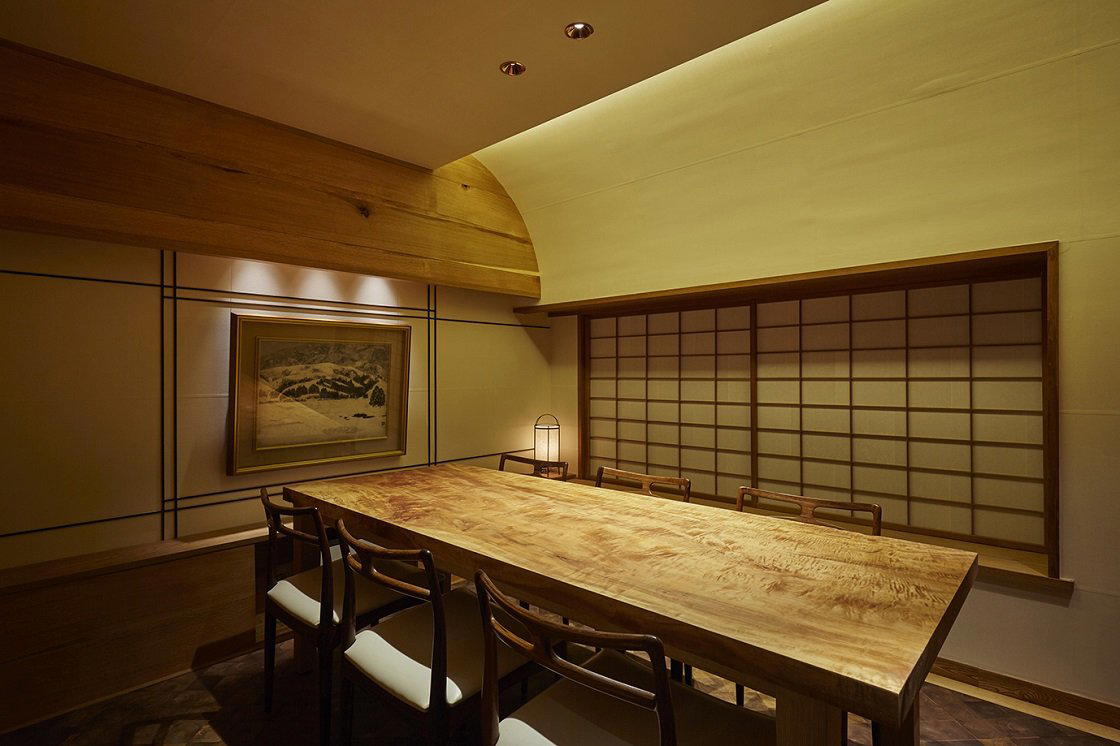




Bars in Amagasaki
Browse all →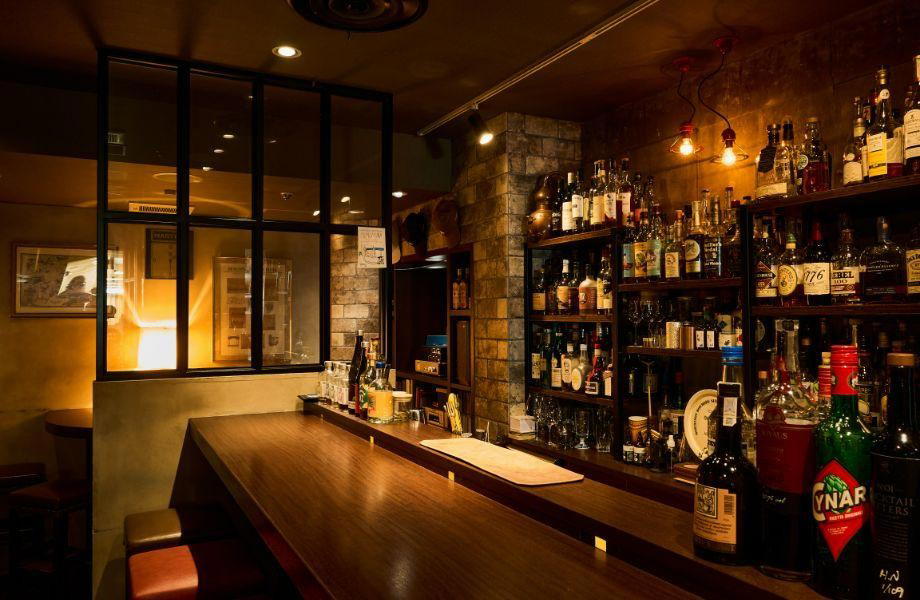




Hotels in Amagasaki
Browse all →




Wineries in Amagasaki
Browse all →
At a Glance
- Elegant
- Intimate
- Sophisticated
- Cozy
- Quiet
- Date Night
- Special Occasion
- Chefs Counter
- Sake Program
Current opening hours
- Monday
- 6:30–10 PM
- Tuesday
- 6:30–10 PM
- Wednesday
- 6:30–10 PM
- Thursday
- 6:30–10 PM
- Friday
- 6:30–10 PM
- Saturday
- 6:30–10 PM
- Sunday
- 6:30–10 PM
Hours can change for holidays and private events. Last verified .
Understated elegance like a traditional Japanese tea room, with a relaxing, sophisticated atmosphere well-suited for intimate dinners.
Know Before You Go
- Getting there
- 1-chome-2-14 Tsukaguchihonmachi, Amagasaki, Hyogo 661-0001, Japan