On Döberitzer Strasse in Moabit, Oggi's Gemüsekebab sits within Berlin's long tradition of street-level vegetable kebab culture, where produce sourcing and preparation discipline matter more than restaurant formality. The format belongs to a city that has always treated the döner and its variants as a genuine culinary category, not a compromise. For visitors tracking ingredient-led eating across Berlin's price spectrum, this address merits attention alongside the neighbourhood's wider food scene.
Pearl is the En Primeur Club membership app — saves, bookings, and concierge access live there. Same editors, same standards.
- Address
- Döberitzer Str. 1, 10557 Berlin, Germany
- Phone
- +491792039400
- Website
- oggisgemnsekebab.shop
- Directions
- Get directions
 Saves & bookings on Pearl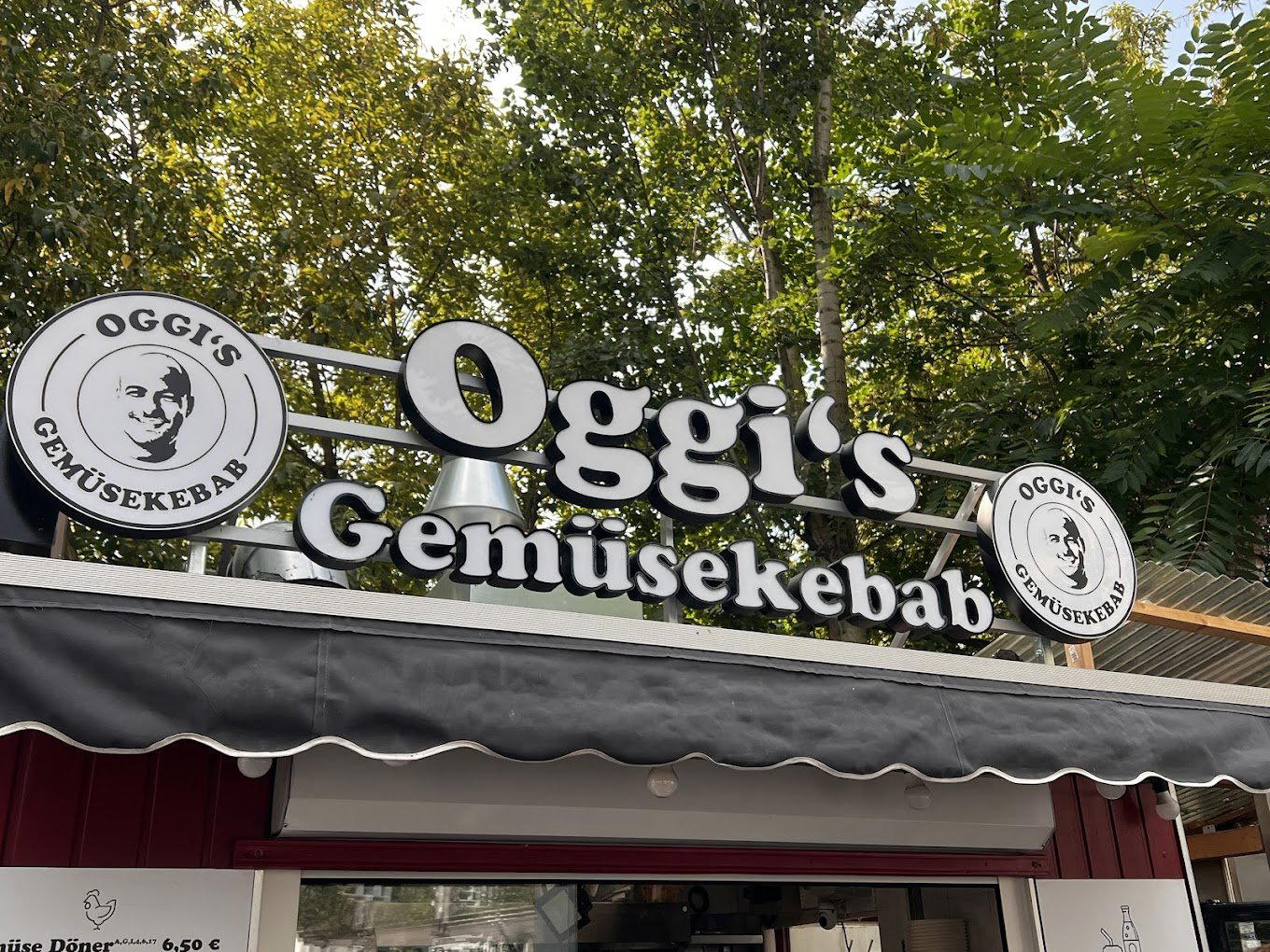
Moabit and the Vegetable Kebab Tradition
Oggi's Gemüsekebab is a Turkish Gemüsekebab counter in Berlin's Moabit district, at Döberitzer Str. 1, 10557 Berlin. Berlin has always maintained a parallel food culture running beneath its Michelin-weighted dining tier. While properties like Rutz and Nobelhart & Schmutzig anchor the city's fine-dining conversation, a different kind of precision operates at street level, one measured in sourcing decisions, spice ratios, and the daily freshness of whatever fills the bread. The Gemüsekebab, or vegetable kebab, represents a specific evolution within that tradition: a format that moved away from meat-centred döner culture toward produce-led preparation, driven by the city's large vegetarian and vegan population and a broader regional shift in how Berliners expect their fast food to taste.
Döberitzer Strasse 1 in Moabit is the address for Oggi's Gemüsekebab, a venue that operates within this tradition. Moabit itself is a working district northwest of Mitte, historically industrial, gradually more mixed in character, and home to a food culture that runs on neighbourhood regulars rather than tourist traffic. Eating along these streets tends to reflect what locals actually want on a daily basis, which makes ingredient sourcing a competitive differentiator in a way it rarely is in more performance-oriented dining districts.
Why Produce Sourcing Defines This Format
The vegetable kebab as a category lives or dies on the quality and preparation of its components. Unlike meat-based döner, where protein and marinade carry significant flavour weight, a Gemüsekebab places full responsibility on the freshness of its vegetables, the quality of its sauces, and the structural integrity of its bread. This is not a format where average sourcing is masked by cooking technique. The raw materials announce themselves directly.
Across Berlin's better vegetable kebab counters, the sourcing conversation tends to cluster around a few consistent points: seasonal rotation of roasted or griddled vegetables, house-made or regionally sourced sauces rather than industrial alternatives, and bread either baked on-site or delivered same-day from nearby bakeries. These decisions shape the category far more reliably than kitchen theatrics or interior design. The same logic applies to Germany's higher-price-point restaurants: Schwarzwaldstube in Baiersbronn and Waldhotel Sonnora in Dreis both built reputations substantially on regional produce discipline, a principle that scales down through every price tier in the German food culture.
For a venue like Oggi's Gemüsekebab, operating at street level in Moabit, these sourcing questions are not abstract.
Berlin's Broader Street-Food Stratification
Berlin's street-food tier has stratified over the past decade. The city now operates a recognisable spectrum from commodity döner shops with industrial sauces and frozen bread, through mid-tier independents that source more carefully, up to a small group of counters that treat the format with near-restaurant-level ingredient seriousness. This stratification mirrors what happened in Berlin's sit-down dining, where venues like FACIL and CODA Dessert Dining occupy a rarefied tier defined by sourcing discipline and technique depth, while the broader restaurant population operates across a wide quality range below them.
The vegetable kebab specifically has attracted a more ingredient-conscious customer base than traditional döner, partly because the customer choosing a Gemüsekebab is already making a values-adjacent decision. That creates pressure on operators to actually deliver on ingredient quality, or lose their core audience quickly. Moabit's density of neighbourhood regulars amplifies this pressure: a venue on Döberitzer Strasse is not relying on tourist volume to absorb mediocre sourcing.
For comparison across Germany's food culture, the principle of produce-first cooking has driven some of the country's most discussed openings outside Berlin too. JAN in Munich, ES:SENZ in Grassau, and Schanz in Piesport each built critical reputations on regional sourcing as a foundational choice rather than a marketing position. The same intellectual framework, applied at a radically different price point and format, is what the better Gemüsekebab counters are working with.
Where Oggi's Sits in the Moabit Food Scene
Moabit's food character resists easy categorisation. The district has avoided the intensive gentrification that reshaped Prenzlauer Berg and parts of Mitte, which means its food businesses remain oriented toward residents rather than weekend visitors. This is not the neighbourhood where Berlin's Michelin addresses cluster: for that tier, the Restaurant Tim Raue end of the market operates further south and east. Moabit's food culture is built on density of independent operators, proximity to the market, and a customer base that returns regularly and holds quality expectations accordingly.
Within that context, the restaurant on Döberitzer Str. 1 represents the format at a neighbourhood scale. The address places it within reach of Berlin Hauptbahnhof while remaining embedded in residential Moabit. That positioning reflects something genuine about the venue's likely customer composition.
For visitors building a broader picture of German dining, the contrast between street-level vegetable kebab culture in Moabit and the formal end of German gastronomy at venues like Aqua in Wolfsburg, Vendôme in Bergisch Gladbach, or Victor's Fine Dining by Christian Bau in Perl is instructive. German food culture has always maintained this dual register: highly technical fine dining coexisting with deeply serious casual formats. The kebab counter and the three-star kitchen are not as categorically distant as they appear. Both, at their respective levels, are making consequential decisions about where their ingredients come from.
Internationally, ingredient-led cooking at the premium end shares the same foundational logic: Le Bernardin in New York City and Atomix both rest their reputations on sourcing decisions as much as technique. The format changes; the principle does not. Equally, Restaurant Haerlin in Hamburg and Bagatelle in Trier show how the sourcing-first approach operates across different German cities and price points.
Planning Your Visit
The restaurant is located at Döberitzer Str. 1, 10557 Berlin.
A Minimal comparable set
Comparable venues nearby, for context on price, style, and recognition.
| Venue | Cuisine | Price | Notes |
|---|---|---|---|
| Oggi's GemüsekebabThis venue — the venue you are viewing | Moabit, Turkish Gemüsekebab | $ | Not listed |
| Sofra | Not listed | $ | Gesundbrunnen, Traditional Turkish Breakfast & Grill |
| Imren Grill | Not listed | $ | Kreuzberg, Traditional Turkish Döner Kebab |
| Aspendos | Schöneberg, Turkish Döner & Grill | $ | Not listed |
| Mustafa's Gemüse Kebap | Kreuzberg, Turkish Gemüse Kebap | $ | Not listed |
| Salamat | Mitte, Northern Iraqi | $ | Not listed |



At a Glance
- Trendy
- Casual Hangout
- Local Sourcing
Current opening hours
- Monday
- 11 AM–12 AM
- Tuesday
- 11 AM–12 AM
- Wednesday
- 11 AM–12 AM
- Thursday
- 11 AM–12 AM
- Friday
- 11 AM–12 AM
- Saturday
- 12 PM–12 AM
- Sunday
- 12 PM–12 AM
Hours can change for holidays and private events. Last verified .
Casual fast food spot with focus on fresh ingredients and quick service.