Off Alley
Off Alley serves Seasonal Pacific Northwest Nose-to-Tail in Seattle, with natural wine and corkage allowed for a leisurely dinner.
Pearl is the En Primeur Club membership app — saves, bookings, and concierge access live there. Same editors, same standards.
- Address
- 1/2, 4903, Rainier Ave S, Seattle, WA 98118
- Phone
- +12064886170
- Website
- offalleyseattle.com
- Directions
- Get directions
 Saves & bookings on Pearl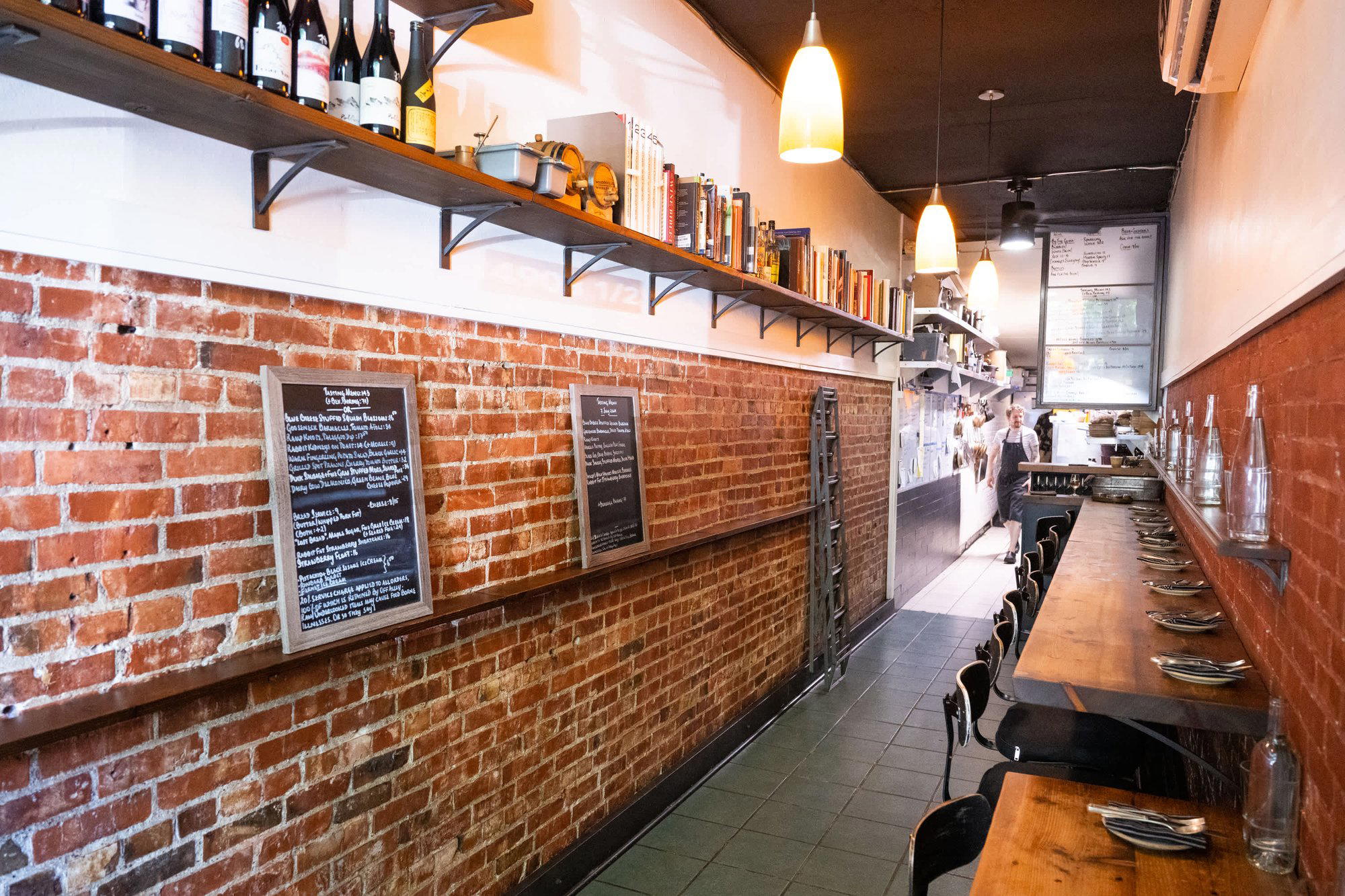
Rainier Avenue's Quiet Argument for Ethical Eating
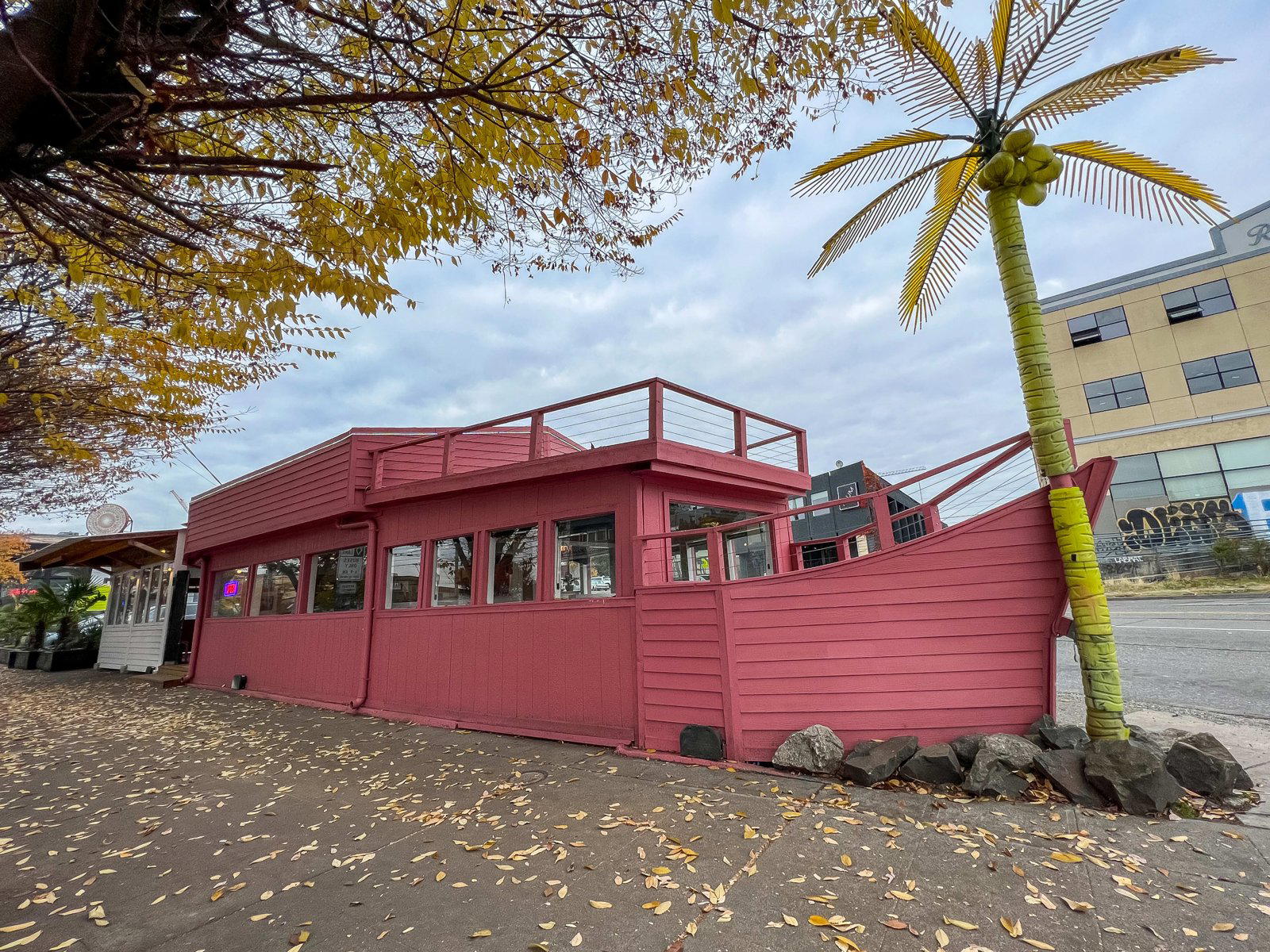
Rainier Ave S runs through one of Seattle's most demographically layered corridors, a stretch where Vietnamese grocery stores sit beside Ethiopian restaurants and second-generation Filipino bakeries. The address at 4903 1/2 places Off Alley at the edge of Rainier Ave S, a practical detail that keeps the room close to Columbia City's foot traffic without sitting squarely on the main strip. That location shapes how the restaurant fits into the city's dining landscape: present and engaged, but operating a little apart from the main drag.
Seattle's restaurant culture has, over the past decade, split along a familiar axis. The upper tier, represented by rooms like Canlis (New American) and Joule (New Asian), competes on refinement, pedigree, and a kind of aspirational polish. A parallel tier, quieter and less decorated, has built its credibility on sourcing transparency, waste-reduction discipline, and the kind of ethical commitments that don't always translate into Michelin visits. Off Alley belongs to that second tier, and it has cultivated a following among Seattle diners who treat those values not as a marketing position but as a minimum standard.
The Logic of the Address
Columbia City, the neighborhood anchoring this stretch of Rainier Ave S, has historically been one of Seattle's most integrated communities. That context matters when thinking about what a sustainability-oriented restaurant does in a neighborhood that isn't Capitol Hill or South Lake Union. Ethical sourcing, composting programs, and nose-to-tail cooking philosophy have tended to cluster in wealthier, whiter Seattle ZIP codes. A restaurant operating those principles in a genuinely mixed-income corridor is making a different kind of argument than one doing the same in a tourist-adjacent dining district.
The kitchen's approach prioritizes ingredients over performance. That sensibility connects Off Alley to a broader shift in Pacific Northwest dining that predates the current sustainability rhetoric by a generation. Restaurants like Single Thread Farm in Healdsburg and Blue Hill at Stone Barns in Tarrytown have drawn national attention for farm-integrated menus, but the ethic those kitchens formalized at scale has long existed in smaller, less-celebrated rooms across the West Coast. The restaurant is part of that less-celebrated cohort.
Sustainability as Operating Principle, Not Aesthetic
In contemporary American fine dining, sustainability has acquired some of the same hollow weight as other overused signals. A restaurant can claim ethical sourcing while operating a kitchen that wastes forty percent of its food. The distinction between sustainability as communication strategy and sustainability as actual operating practice is real, and the dining public has grown better at reading it.
Kitchens that take waste reduction seriously tend to show it in the structure of their menus: smaller, more seasonal, with sections that shift not on a quarterly schedule but in response to what the supply chain actually produces. They tend to have fewer covers, shorter service windows, and a reluctance to over-promise on reservations. These aren't romantically austere choices; they're the operational consequences of a genuine commitment to buying whole animals, working with farms whose yields vary, and not padding shortfalls with commodity product. Nationally, kitchens that have built this into their core identity include Lazy Bear in San Francisco and Providence in Los Angeles, which has built its seafood program around Seafood Watch standards. The restaurant operates at a different scale and with considerably less national attention, but the underlying seriousness about supply chain ethics places it in dialogue with those rooms.
The Pacific Northwest Supply Chain Advantage
Seattle kitchens working with ethical sourcing commitments operate in one of the more favorable environments in the country for doing so. The region's fishing culture, small-farm density in the Willamette and Snohomish valleys, and the maturity of its local food networks give a committed kitchen more genuine options than most American cities. That infrastructure doesn't guarantee quality, but it makes the gap between stated sourcing values and actual sourcing practice much narrower than it would be in, say, a Midwestern city where the local supply chain is thinner.
That context shapes what a restaurant at this address can plausibly offer. Proximity to Pike Place Market and the broader Seattle wholesale infrastructure, combined with the established relationships that Columbia City's food community has built over decades, gives a small kitchen on Rainier Ave access to product that would be inaccessible or prohibitively expensive elsewhere. This is the geographic argument for why sustainability-driven kitchens tend to cluster in cities like Seattle, Portland, and the Bay Area rather than spreading evenly across the country.
Where This Fits in a Wider Field
National conversations about ethical restaurant practice often center particularly decorated rooms: Alinea in Chicago, The French Laundry in Napa, Le Bernardin in New York City. But the actual work of normalizing sustainable practice in American dining happens at the mid-level, in rooms without national press coverage, operating in neighborhoods where the margin for error is tight and the customer base is not uniformly wealthy. Addison in San Diego, The Inn at Little Washington, and Atomix in New York City demonstrate what stronger examples from that ethical-sourcing argument looks like when it meets high investment and national visibility. The restaurant represents the same argument at a different investment level and a different kind of visibility, which is a more demanding test of the commitment. Emeril's in New Orleans and 8 1/2 Otto e Mezzo Bombana in Hong Kong offer further international reference points for how different cities think about the relationship between prestige dining and ingredient sourcing.
- rabbit kidneys on toast
- blood sausage with apple salad
- fisherman's rice
- drop dumplings
- pain perdu
- smoked eel cream
Comparison Snapshot
Comparable venues nearby, for context on price, style, and recognition.
| Venue | Cuisine | Price | Notes |
|---|---|---|---|
| Off AlleyThis venue — the venue you are viewing | Seasonal Pacific Northwest Nose-to-Tail | $$$ | Not listed |
| The Shambles | Contemporary American Steakhouse | $$$ | Roosevelt |
| Conversation | New American with Pacific Northwest Focus | $$$ | Belltown |
| House of Eve | Modern American | $$$ | Denny Triangle |
| COMMUNION | Seattle Soul - Modern Soul Food | $$$ | Mann |
| Margaux | Northwest American Seafood | $$$ | Denny Triangle |
Continue exploring
More in Seattle
Restaurants in Seattle
Browse all →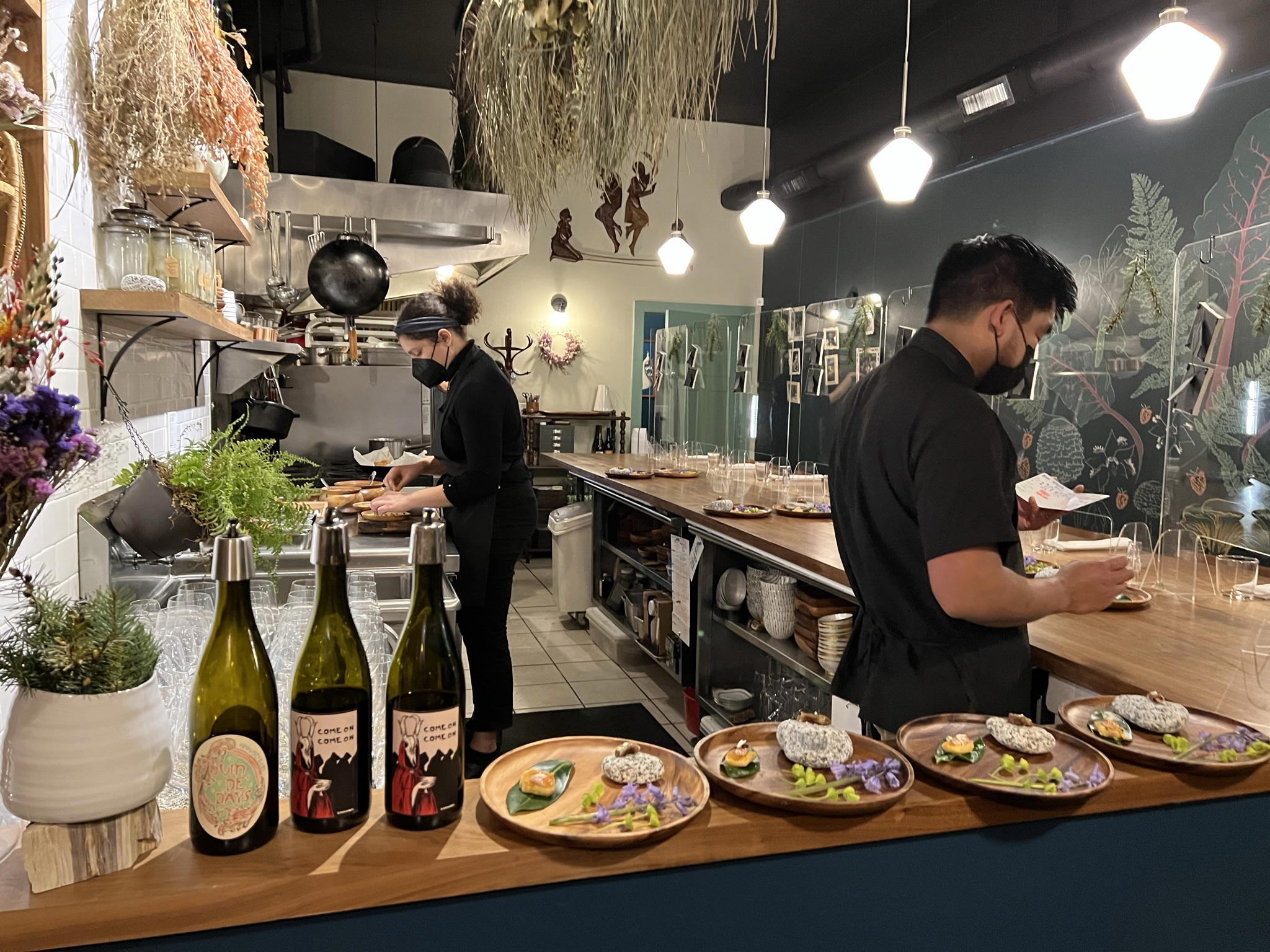
Bars in Seattle
Browse all →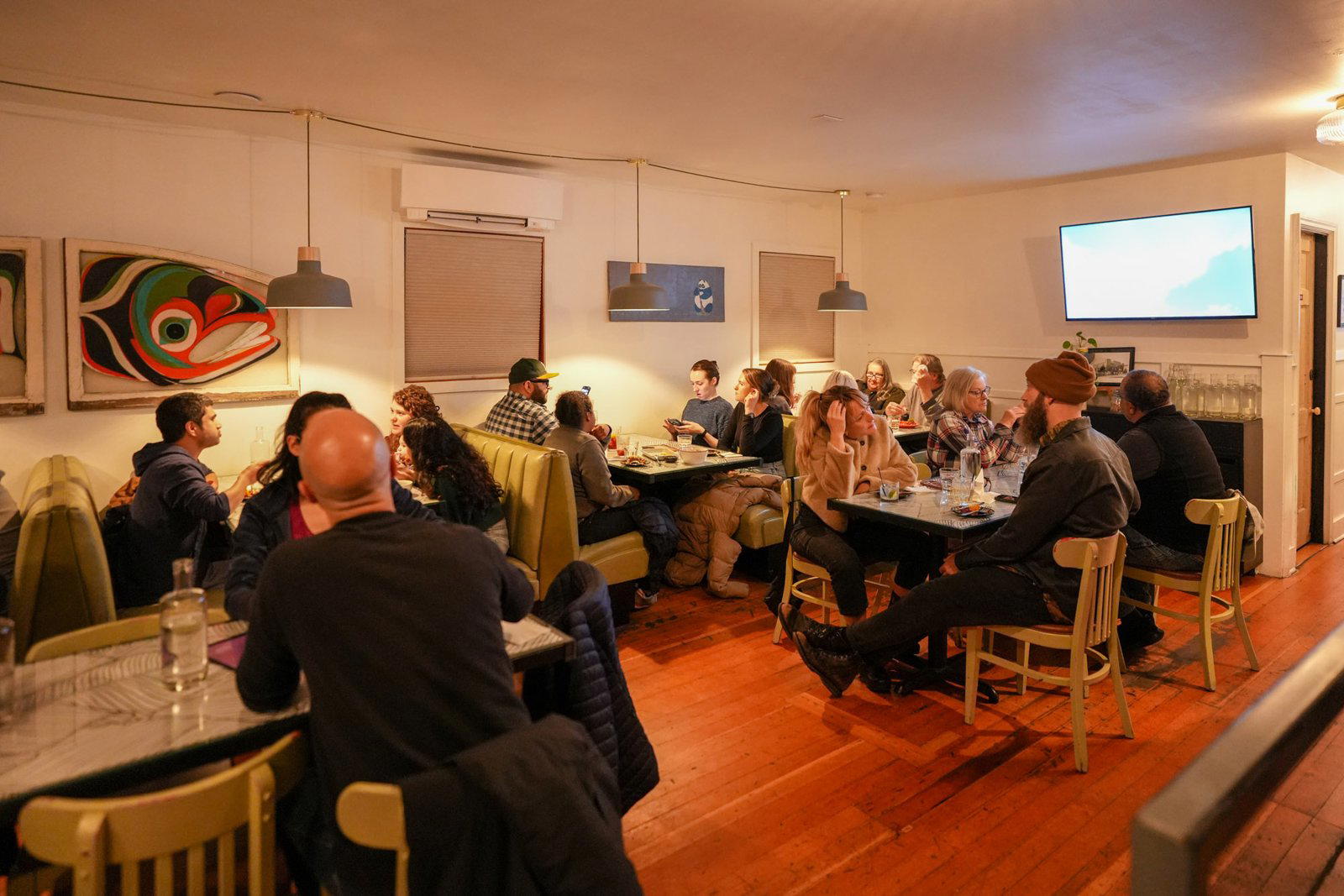
Hotels in Seattle
Browse all →


At a Glance
- Lively
- Intimate
- Energetic
- Bohemian
- Date Night
- Casual Hangout
- Special Occasion
- Open Kitchen
- Standalone
- Natural Wine
- Corkage Allowed
- Farm To Table
- Local Sourcing
- Natural Wine
Current opening hours
- Monday
- Closed
- Tuesday
- Closed
- Wednesday
- Closed
- Thursday
- 5–9 PM
- Friday
- 5–10 PM
- Saturday
- 5–10 PM
- Sunday
- 5–8:45 PM
Hours can change for holidays and private events. Last verified .
Lively, informal, and intimate with Basque punk music, overlapping conversations in close quarters, and a deliberately unpretentious atmosphere that balances culinary ambition with casual punk rock energy.