Archipelago

Archipelago brings Filipino-Pacific Northwest cooking to Seattle's Columbia City neighborhood, with chef Aaron Verzosa framing the region's indigenous and immigrant food traditions through locally sourced ingredients.
Pearl is the En Primeur Club membership app — saves, bookings, and concierge access live there. Same editors, same standards.
- Address
- 5607 Rainier Ave S, Seattle, WA 98118
- Website
- archipelagoseattle.com
- Directions
- Get directions
 Saves & bookings on Pearl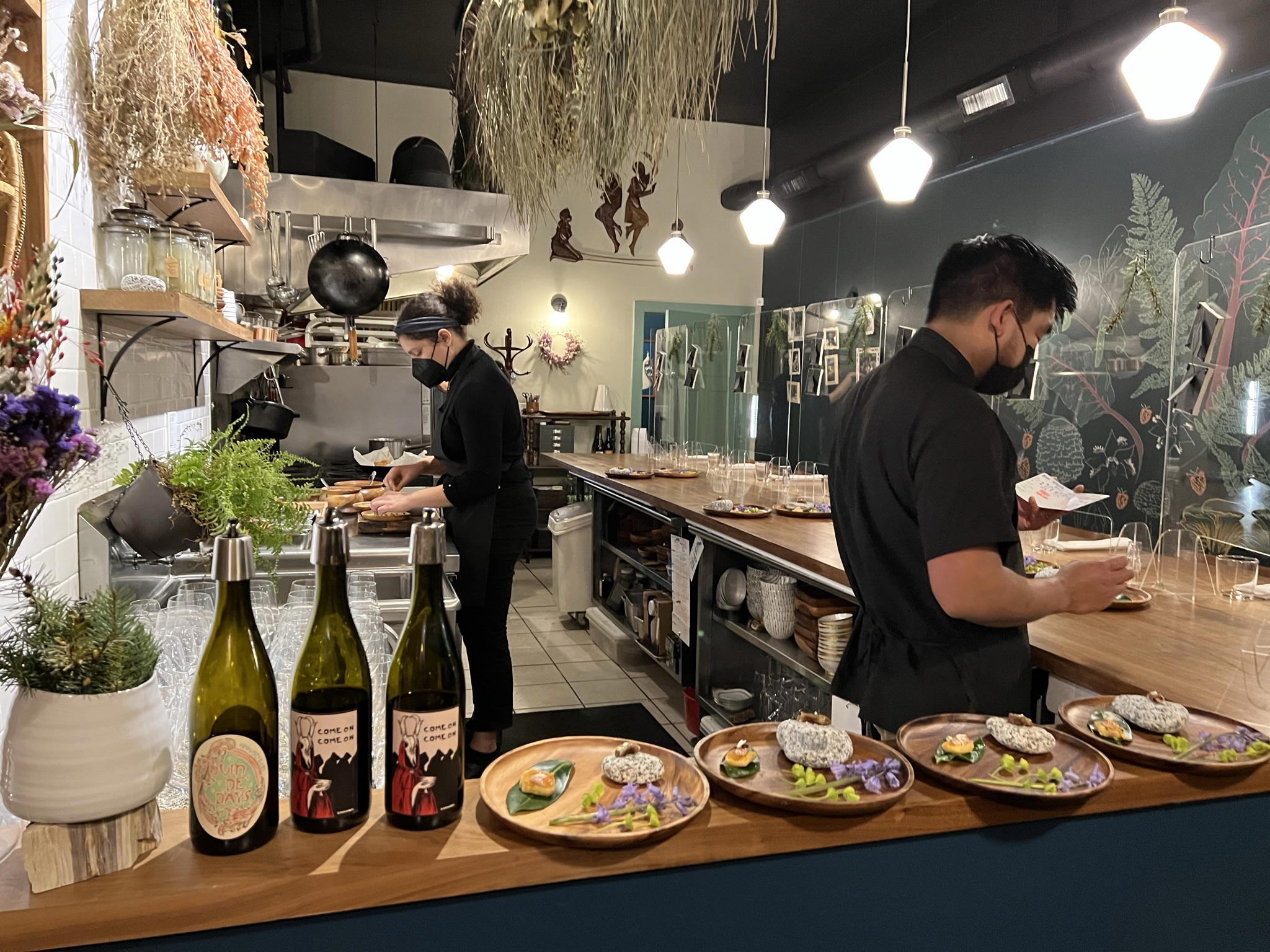
Where Columbia City's Food Culture and the Pacific Northwest Table Converge
Seattle's most interesting ingredient-driven cooking has never been exclusively downtown. While restaurants like Canlis and Altura anchor the city's premium dining conversation from refined perches above the water or within dense urban blocks, a different strain of Pacific Northwest cuisine has been developing further south, in neighborhoods where immigrant communities have shaped food culture as directly as any chef's training. Archipelago is a Filipino-American Pacific Northwest restaurant at 5607 Rainier Ave S in Columbia City, Seattle.
Columbia City sits in the Rainier Valley corridor, among the more ethnically diverse ZIP codes in Washington State, and the address is not incidental to what the restaurant does. The Filipino-Pacific Northwest framework that chef Aaron Verzosa has built at Archipelago treats the region's sourcing possibilities, its seafood, its farms, its foraged ingredients, as raw material for a cuisine that also carries the memory of Filipino food traditions. That's a specific editorial position in a city where Pacific Northwest cooking can easily default to a narrower definition.
The Sourcing Framework Behind the Cooking
Pacific Northwest cuisine draws its credibility from access: Puget Sound shellfish, Cascade foothills farms, Columbia River fisheries, and the seasonal rhythms that connect a kitchen to its geography. Restaurants that work this framework seriously, Atoma and Matt's in the Market both do this in different registers, treat ingredient provenance as a structural decision, not a marketing qualifier. Archipelago operates inside that same logic, but the lens through which those ingredients get interpreted is Filipino culinary tradition: fermentation techniques, vinegar-forward acidity, and flavor profiles that arrived in the Pacific Northwest through the Filipino community that has called the Rainier Valley home for generations.
This matters because it reframes what Pacific Northwest ingredient sourcing can mean. At restaurants like Single Thread Farm in Healdsburg or The French Laundry in Napa, the sourcing narrative connects to European fine-dining traditions. At Archipelago, the same commitment to where things come from connects to a different ancestry entirely, one that is geographically specific to the Western Pacific but culinarily rooted in the same coastal, seasonal, fermented sensibility that the Pacific Northwest has always rewarded. The result is a cooking style that fits the region without borrowing its standard European grammar.
Across the wider American fine-dining conversation, a handful of chefs have used indigenous and immigrant food traditions as a primary lens rather than an accent note, Lazy Bear in San Francisco does something structurally adjacent with California forage culture, and Joule in Seattle has long argued for Korean-American cooking as a full fine-dining dialect. Archipelago sits in that company: restaurants where the hyphen in the cuisine description carries real weight.
Recognition and Where It Sits in the Seattle Dining Tier
Pearl's 2025 Recommended designation places Archipelago among Seattle's serious dining addresses. At this address, in this neighborhood, that consistency points to a restaurant that has built a genuine local following alongside whatever critical attention it receives from further afield.
The broader Seattle Pacific Northwest category has seen several strong practitioners emerge in the past decade. Atoma operates in the produce-driven, austere register of the genre. Altura brings Italian-Pacific Northwest crossover to the format. Joule argues for Korean-American as the city's most underappreciated fine-dining tradition.
For readers coming from outside Seattle's Pacific Northwest dining scene, a useful comparison axis runs through Portland as well. clarklewis and Jory at the Allison Inn represent different registers of the same regional sourcing tradition, one urban and market-driven, the other anchored in wine country agriculture. Archipelago sits closer to the urban, ingredient-specific end of that axis, with a cultural overlay those Portland comparisons don't share.
Getting There and What to Expect When You Arrive
The Rainier Ave S address places Archipelago roughly three to four miles southeast of downtown Seattle, accessible by car or by the Link Light Rail to the Columbia City station, a short walk from the restaurant. The neighborhood's character, a mix of long-established Filipino and East African businesses alongside newer food-focused openings, is worth arriving to early if you haven't spent time in this part of the city. The stretch of Rainier Ave around Archipelago reads less like a restaurant destination strip and more like a functioning commercial neighborhood, which is part of what makes the restaurant's position there feel grounded rather than calculated.
Current hours: Mon and Tue closed; Wed 5:30-7:30 PM; Thu and Fri 5:30-7:30 PM and 8:30-10:30 PM; Sat 5-7 PM and 8-10 PM; Sun closed. Reservations are essential.
Cost and Credentials
Comparable venues nearby, for context on price, style, and recognition.
| Venue | Cuisine | Price | Notes |
|---|---|---|---|
| ArchipelagoThis venue — the venue you are viewing | Pacific Northwest | $$$$ | Not listed |
| Violet | Broadway, American Omakase | $$$$ | Not listed |
| Girin SteakHouse | Pioneer Square, Korean Steakhouse | $$$$ | Not listed |
| Afternoon Tea at Fairmont Olympic | Not listed | $$$$ | Central Business District, Traditional British Afternoon Tea |
| Place Pigalle | Not listed | $$$$ | Seattle Waterfront, French Bistro with Northwest Seafood |
| Ohana | Not listed | $$ | Belltown, Hawaiian-Japanese Fusion Sushi & Poke |
Recognition history
Dated appearances from independent guides and award organizations, with the underlying list record or original source where available.
James Beard Award Semi Finalist
James Beard Award
Continue exploring
More in Seattle
Restaurants in Seattle
Browse all →
Bars in Seattle
Browse all →
Hotels in Seattle
Browse all →
At a Glance
- Intimate
- Modern
- Cozy
- Sophisticated
- Date Night
- Special Occasion
- Celebration
- Open Kitchen
- Craft Cocktails
- Local Sourcing
Current opening hours
- Monday
- Closed
- Tuesday
- Closed
- Wednesday
- 5:30–7:30 PM
- Thursday
- 5:30–7:30 PM, 8:30–10:30 PM
- Friday
- 5:30–7:30 PM, 8:30–10:30 PM
- Saturday
- 5–7 PM, 8–10 PM
- Sunday
- Closed
Hours can change for holidays and private events. Last verified .
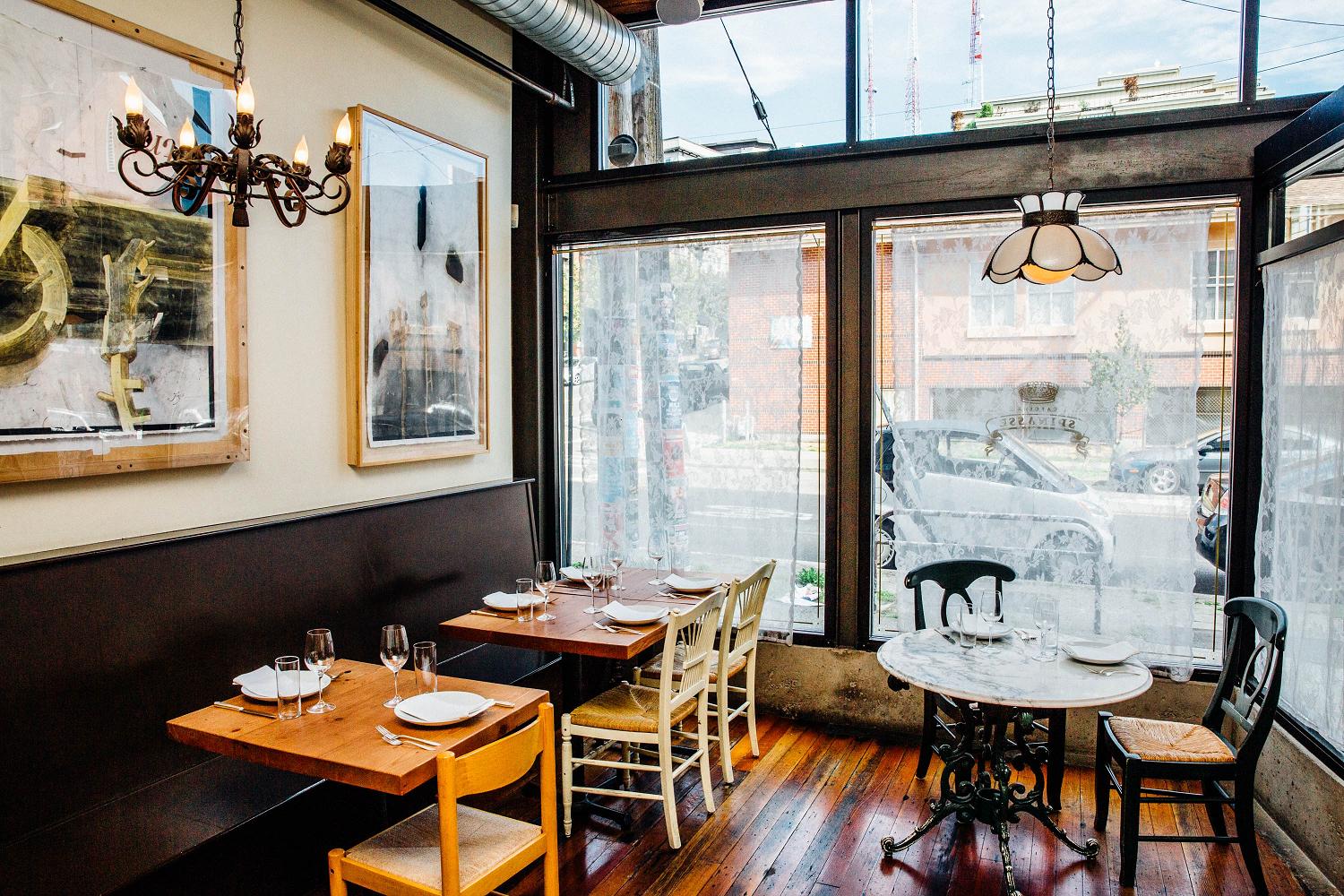
Intimate 12-seat space with warm, relaxed atmosphere, modern design, and background music like 90s hip hop.