COMMUNION
Our verdict
On East Union Street in Seattle's Central District, COMMUNION is one of the neighborhood restaurants that has drawn the city's attention toward a stretch of Seattle long underserved by fine dining coverage. The address at 2350 E Union St places it squarely in a historically Black neighborhood, and the kitchen's approach to Southern and soul-influenced cooking reflects that context with more specificity than most restaurants in the city manage.

Pearl is the En Primeur Club membership app, where members save venues, book tables and use the concierge.

The menu
What to order
- Pork Neck Stew
- Cornmeal-Crusted Catfish
- Hood Sushi
- Black Eyed Pea Hummus
- Catfish & Grits
East Union Street and the Central District's Dining Shift
Seattle's Central District has spent the better part of two decades watching its neighborhood restaurants open and close at the pace of a city undergoing rapid demographic change. East Union Street, in particular, has become a focal point for that transition: a corridor where the physical memory of a historically Black neighborhood sits alongside newer arrivals, and where the few restaurants that manage to feel genuinely rooted rather than opportunistic carry a different kind of weight. COMMUNION, at 2350 E Union St, is one of those restaurants.
The broader pattern in American cities is familiar: neighborhoods with strong cultural identity attract restaurant concepts that either engage that identity seriously or treat it as atmosphere. Seattle has not been immune to that dynamic. What distinguishes the restaurants that last in the Central District is specificity, not surface-level reference. The Southern and soul food tradition that anchors COMMUNION's kitchen connects to a food culture with precise regional logic, one that rewards close attention to technique and sourcing rather than broad strokes. In that sense, COMMUNION occupies a different competitive tier than the New American rooms that define Seattle's fine dining conversation, including Canlis and Joule. It is not competing in that space. It is doing something more specific.
The Sensory Register of the Room
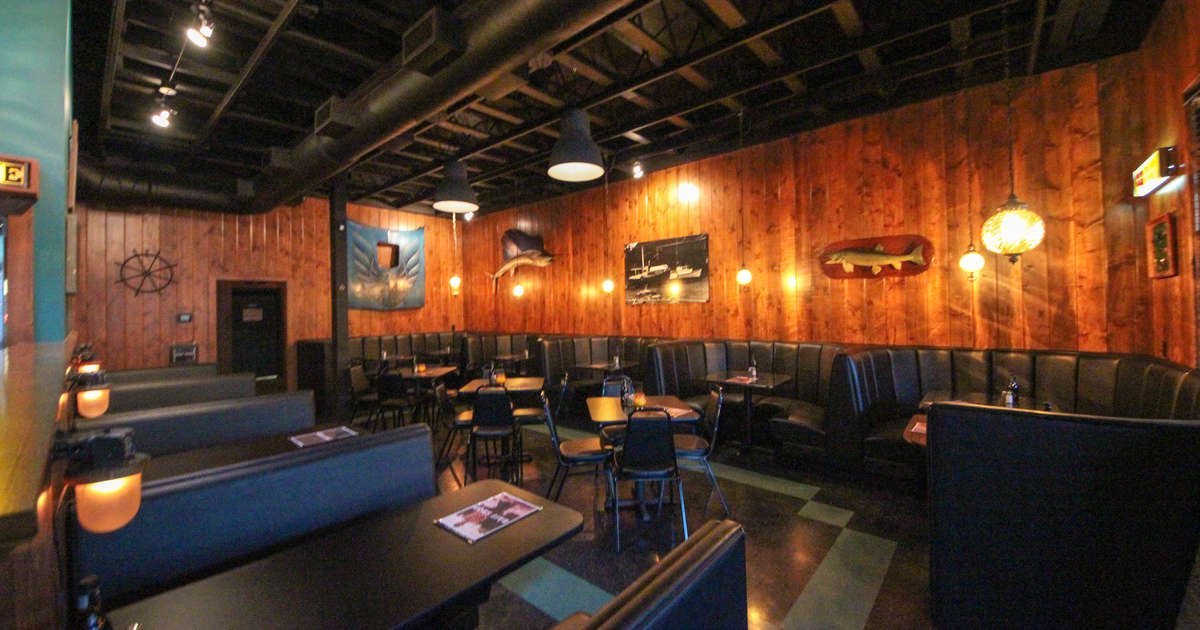
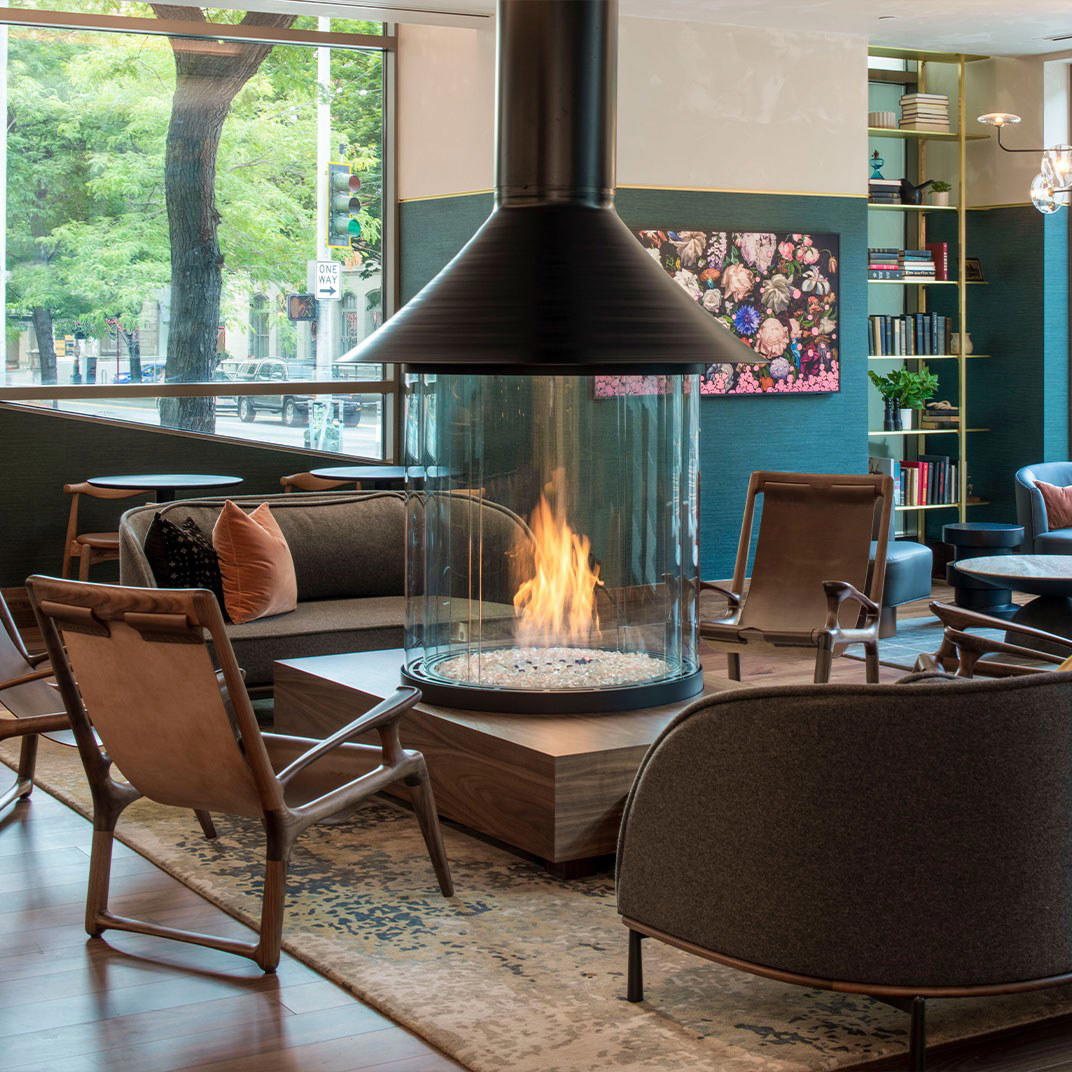
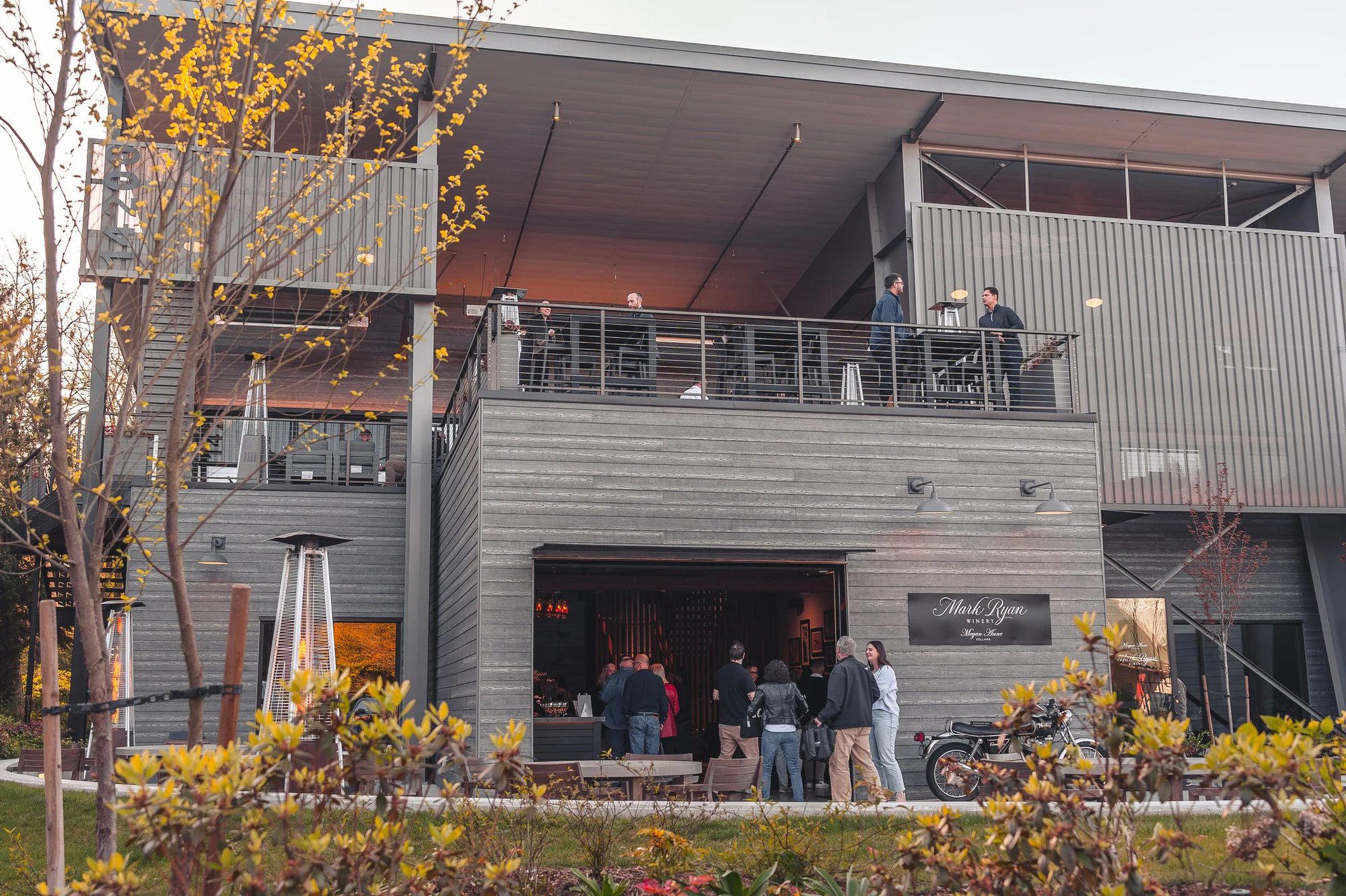
Approaching COMMUNION on East Union Street, the building reads as a neighborhood place rather than a destination constructed for visitors. That is not an accident of budget or ambition; it is a deliberate signal about whose comfort the space prioritizes. Inside, the atmosphere is warm in the literal sense: the kind of room where heat comes from cooking rather than from designed lighting schemes. The smell of the kitchen reaches the dining area without obstruction, which in restaurants operating from a Southern tradition is as much an editorial statement as a menu description. Fat rendering, spice blooming in oil, bread in various stages of baking: these are the sensory cues that frame the meal before a dish arrives.
Soul food and its regional American cousins operate on a different sensory register than, say, the precision-driven tasting menus at Smyth in Chicago or the farm-to-table formalism of Blue Hill at Stone Barns in Tarrytown. The flavor architecture is built on long cooking times, layered seasoning, and techniques developed over generations of necessity and creativity. A kitchen working seriously in this tradition does not simplify it for outside audiences; it assumes fluency. The sound profile of COMMUNION reflects that: conversation at a volume that suggests people are comfortable, not performing a restaurant experience.
What the Neighborhood Context Tells You About the Menu
The Central District's food culture has always extended beyond the restaurant format. Church suppers, community gatherings, and home cooking have been as central to how the neighborhood eats as any brick-and-mortar address. A restaurant that draws from that tradition is making a curatorial choice about which parts of a living food culture to bring into a commercial context, and which parts to leave where they belong. COMMUNION's position on East Union Street places it in ongoing conversation with that history rather than above it.
Southern cooking at a serious level is one of American food's most technically demanding categories. Biscuit lamination, low-and-slow protein cookery, the fermentation and preservation techniques that underpin much of the pantry: these require as much precision as the French technique that underpins rooms like Le Bernardin in New York City or The French Laundry in Napa. The difference is that Southern cooking has historically received less critical infrastructure, less awards recognition, and less travel editorial attention. Restaurants like COMMUNION operate in a space where the food is doing serious work without the scaffolding of industry recognition that validates similar effort in other traditions.
For context on how Seattle's restaurant scene maps across neighborhoods and price points, see our full Seattle restaurants guide.
Placing COMMUNION in a Broader American Conversation
The American restaurant cities most associated with refined soul and Southern cooking, New Orleans and Charleston most visibly, have built critical and hospitality infrastructure around those traditions over decades. Emeril's in New Orleans represents one end of that spectrum: a restaurant where Southern roots were amplified through fine dining production values. COMMUNION operates at the other end, where authenticity to a neighborhood and food culture is the organizing principle rather than crossover appeal to fine dining audiences.
That positioning is less common in Pacific Northwest cities, where the dominant fine dining vocabulary is Pacific Rim, New American, and Japanese-influenced, represented by addresses like 1415 1st Ave, 1744 NW Market St, and 2963 4th Ave S. COMMUNION occupies a different axis in the city's restaurant map, one defined by cultural specificity rather than technique category. That is not a lesser position; it is a different one, and one that Seattle's dining scene benefits from having.
How It Compares: Central District vs. Seattle's Broader Restaurant Tiers
| Venue | Cuisine Focus | Neighborhood | Format |
|---|---|---|---|
| COMMUNION | Southern / Soul | Central District | Neighborhood restaurant |
| Canlis | New American | Queen Anne | Fine dining |
| Joule | New Asian | Wallingford | Casual fine dining |
Planning Your Visit
COMMUNION is at 2350 E Union St, Seattle, WA 98122. The address is walkable from several Capitol Hill access points and reachable by bus from downtown Seattle. For readers accustomed to reservation-dependent fine dining rooms, the logistics here may operate differently: neighborhood restaurants in the Central District have historically operated on a more walk-in-friendly model, though demand has shifted that in recent years.
Frequently asked questions
Where exactly is COMMUNION?
COMMUNION is located at 2350 E Union St, Seattle, WA 98122, Seattle.
How does COMMUNION fit into the broader American conversation about soul and Southern cooking?
COMMUNION's significance is partly geographic: it holds a position in a city where this cooking style has historically lacked the restaurant density to build a scene. That context shapes both what the kitchen is doing and why it has drawn attention beyond the neighborhood.
What's the must-try dish at COMMUNION?
COMMUNION works within the Southern and soul food tradition, where the most telling dishes are built on long technique: braises, fried proteins, and slow-cooked sides that reflect the Central District's community cooking heritage rather than trend-driven menus. Because the kitchen's output evolves with the season and sourcing, the strongest approach is to ask what has been on the menu consistently rather than chasing a single plate. That pattern of restraint and repetition is usually where a Southern kitchen reveals its depth.
Can I walk in to COMMUNION?
East Union Street restaurants in Seattle's Central District have generally been more walk-in friendly than the reservation-heavy tiers in Capitol Hill or South Lake Union, and COMMUNION reads as a neighborhood place rather than a destination built around advance booking. That said, demand on weekend evenings at addresses like 2350 E Union St can close the walk-in window quickly. Arriving early or targeting weekday service gives the best chance of a seat without a reservation.
Comparable Venues
Comparable venues nearby, for context on price, style, and recognition.
| Venue | Cuisine | Price | Awards | Notes |
|---|---|---|---|---|
| COMMUNIONThis venue (the venue you are viewing) | Seattle Soul - Modern Soul Food | $50–100 | Not listed | Not listed |
| The George | Pacific Northwest Brasserie | $50–100 | Not listed | Central Business District |
| Off Alley | Seasonal Pacific Northwest Nose-to-Tail | $50–100 | Not listed | Columbia City |
| Goldfinch Tavern | Modern Pacific Northwest Seafood | $30–50 | Wine Spectator Award of Excellence | Pike Place Market |
| Portage Bay Cafe - South Lake Union | Organic Farm-to-Table American Brunch | $20–30 | Not listed | South Lake Union |
| The Wandering Goose | Southern-Inspired American Cafe | Not listed | Not listed | Broadway |
Continue exploring
More in Seattle
Restaurants in Seattle
All restaurants in Seattle →
Bars in Seattle
All bars in Seattle →


Details
- Lively
- Energetic
- Elegant
- Well Known
- Group Dining
- Casual Hangout
- Special Occasion
- Celebration
- Live Music
- Historic Building
- Open Kitchen
- Craft Cocktails
- Local Sourcing
- A La Carte
- Craft Cocktails
- Vegetarian Friendly
Current opening hours
- Monday
- Closed
- Tuesday
- Closed
- Wednesday
- 4–9 PM
- Thursday
- 4–9 PM
- Friday
- 4–10:30 PM
- Saturday
- 4–10:30 PM
- Sunday
- 10 AM–3 PM, 4–9 PM
Hours can change for holidays and private events. Hours as of .
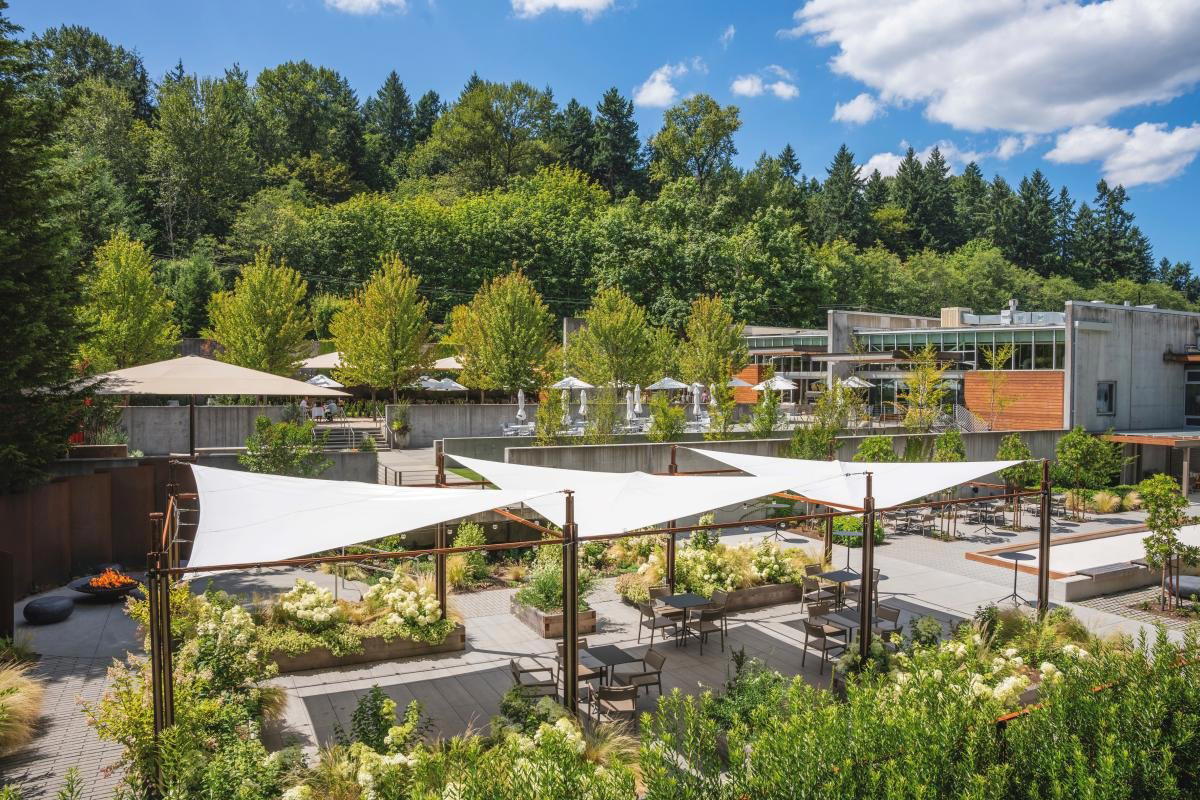
Upscale-casual dining with lively music and energetic atmosphere; covered, heated patio provides year-round comfort with warm, welcoming ambiance.