House of Eve
House of Eve occupies a Belltown address on Blanchard Street, positioning it within Seattle's densest corridor of ambitious dining. The venue sits at the intersection of Pacific Northwest ingredient culture and technique-driven cooking, a pairing that defines the sharper edge of the city's current restaurant moment. For visitors already tracking the Seattle scene, it warrants attention alongside the neighborhood's more established names.
Pearl is the En Primeur Club membership app — saves, bookings, and concierge access live there. Same editors, same standards.
- Address
- 730 Blanchard St, Seattle, WA 98121
- Phone
- +12066008827
- Website
- houseofeveseattle.com
- Directions
- Get directions
 Saves & bookings on Pearl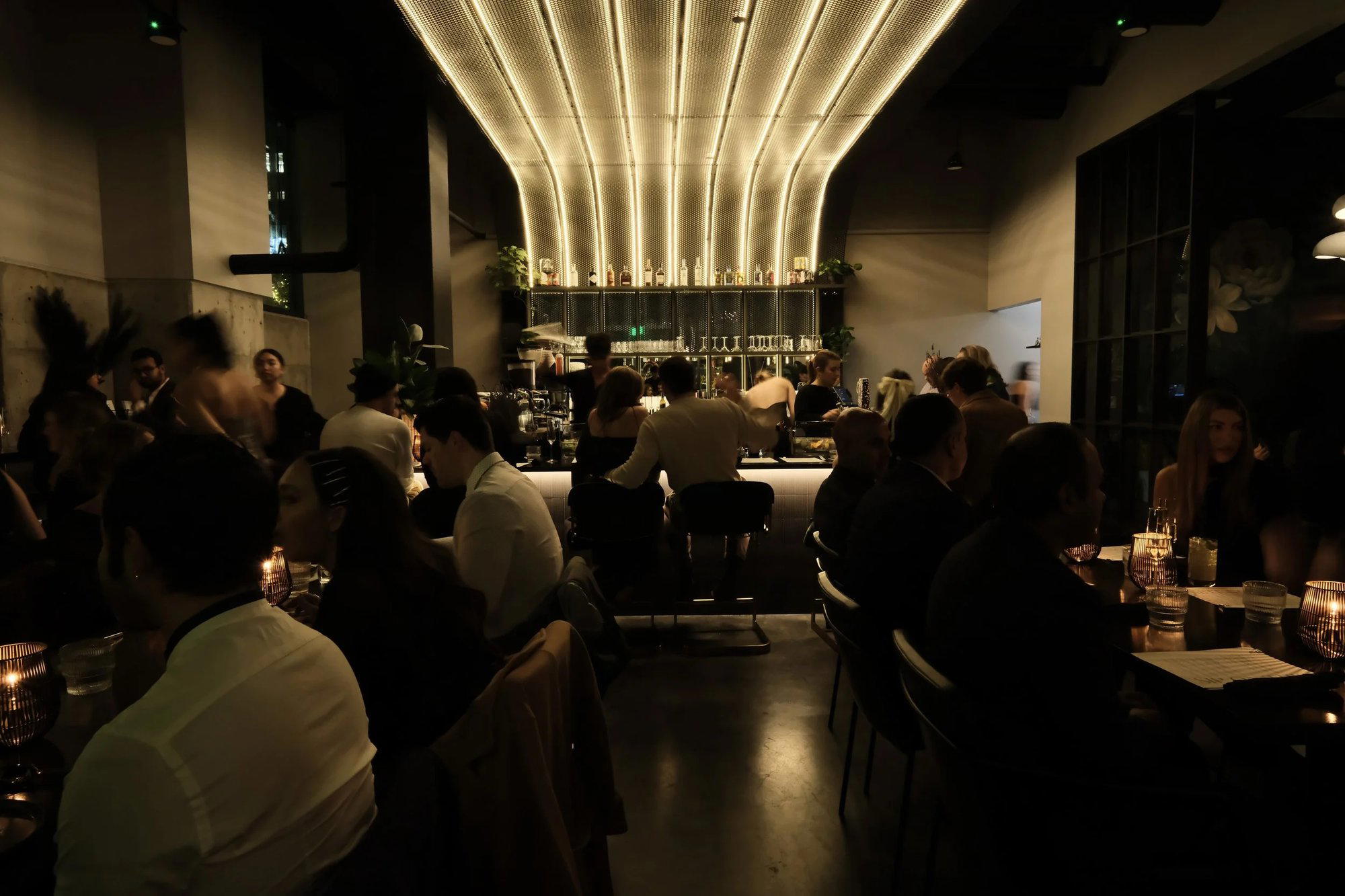
Belltown's Approach to Ingredient-Driven Cooking
Blanchard Street cuts through Belltown at the point where the neighborhood stops being a bar district and starts functioning as a serious dining corridor. The block around 730 Blanchard sits within walking distance of several of Seattle's more consequential restaurants, and the density matters: this is the part of the city where kitchen ambition and ingredient sourcing are treated as the same conversation. House of Eve is a Modern American restaurant on Blanchard Street in Seattle's Belltown neighborhood.
Seattle's dining identity has long been structured around a tension between what the Pacific Northwest produces and what technique can do with it. The region's larder is genuinely notable: Dungeness crab pulled from cold Puget Sound waters, wild salmon running from the Olympic Peninsula to British Columbia, mushrooms foraged from the Cascades' damp western slopes, and a growing network of small farms producing vegetables that reflect the short, intense growing season of the maritime northwest. The question for any serious kitchen here is how much external technique to bring to bear on them. Kitchens that answer that question with confidence tend to build the strongest local followings.
That tension between imported method and indigenous product is not distinctive to Seattle. You see it at Single Thread Farm in Healdsburg, where Japanese kaiseki discipline meets Northern California produce, and at Blue Hill at Stone Barns in Tarrytown, where the farm sets the agenda and classical French training provides the grammar. In both cases, interesting work happens in the gap between the two traditions. House of Eve occupies a version of that gap within the Seattle frame.
Where House of Eve Sits in the Seattle Market
Seattle's premium dining tier has consolidated around a recognizable set of formats over the past decade. At one end sits Canlis, which has operated since 1950 as the city's clearest statement of occasion dining, its Lake Union view and long-running Michelin recognition placing it in a comparable set that extends nationally. At a more contemporary register, Joule has staked out New Asian territory in Wallingford, demonstrating that Seattle's appetite for cross-cultural technique extends well beyond European frameworks.
The restaurant on Blanchard fits into a middle tier that Belltown has increasingly claimed: restaurants serious enough to compete on ingredient quality and kitchen execution but without the legacy footprint of a Canlis or the years of press that have built Joule's reputation. This is a harder position to hold, because the evidence of quality must come from the plate rather than from accumulated institutional weight. Across American dining, the kitchens that succeed in this position typically do so by committing to a specific ingredient philosophy and executing it consistently. The comparison points are instructive: Lazy Bear in San Francisco built its standing through format discipline, while Addison in San Diego earned its Michelin recognition by pairing Southern California produce with rigorous French structure.
For Seattle, the local ingredient story is strong enough to carry significant culinary weight without embellishment. The restaurants that have used it most effectively, from established names to newer addresses like those at 1415 1st Ave and 1744 NW Market St, tend to let the sourcing do visible work rather than submerging it under preparation. That transparency with ingredients has become a kind of trust signal in the Seattle market, the dining equivalent of showing your sourcing on the menu.
The Technique Question in Pacific Northwest Cooking
When imported culinary techniques meet Pacific Northwest ingredients, the results tend to fall into one of two categories. The first treats technique as a neutral delivery mechanism, using classical French or Japanese methods to present ingredients with precision while leaving their character largely intact. The second uses technique as a transformative agent, building flavor through fermentation, extended aging, or high-heat methods that change what the ingredient communicates. The leading kitchens in the region have learned to move between these modes, matching technique to ingredient rather than applying a single method across the board.
Nationally, the restaurants that have done this most coherently tend to share a few structural features: small menus, strong supplier relationships, and kitchen teams that have trained across multiple culinary traditions. Le Bernardin in New York City built its reputation by treating French technique as a framework precise enough to honor the integrity of seafood. Atomix in New York City applies Korean fine-dining methodology to ingredients sourced with similar rigor. Both demonstrate that particularly durable kitchens are those where the technique and the ingredient are in genuine dialogue rather than one simply serving the other.
Seattle's access to seafood in particular gives local kitchens a genuine advantage in this conversation. The cold, clean waters of the Salish Sea produce shellfish and fin fish that need less intervention than most American coastal equivalents, which means the technique choice becomes more audible. A kitchen that gets this right creates dishes where the method is apparent but the ingredient is primary. That discipline is what separates the stronger addresses in Belltown from the more generic, and it is the standard against which the restaurant will be measured by the Seattle dining public.
Additional comparison points at the national level include Alinea in Chicago, Providence in Los Angeles, The French Laundry in Napa, Emeril's in New Orleans, The Inn at Little Washington, 8 1/2 Otto e Mezzo Bombana in Hong Kong, and 2963 4th Ave S for a sense of how Seattle's scene compares to its domestic and international peers.
Know Before You Go
- Address: 730 Blanchard St, Seattle, WA 98121
- Neighborhood: Belltown, walkable from South Lake Union and the Pike Place Market corridor
- Phone: check the venue's current website for reservations
- Hours: Mon: 11 AM-8 PM; Tue: 11 AM-9 PM; Wed: 11 AM-9 PM; Thu: 11 AM-9 PM; Fri: 11 AM-10 PM; Sat: 11 AM-10 PM; Sun: 11 AM-8 PM
- Pricing: $$$
- Booking: Reservations are recommended.
Comparable Spots, Quickly
Comparable venues nearby, for context on price, style, and recognition.
| Venue | Cuisine | Price | Notes |
|---|---|---|---|
| House of EveThis venue — the venue you are viewing | Modern American | $$$ | Not listed |
| Goldfinch Tavern | Modern Pacific Northwest Seafood | $$$ | Pike Place Market |
| Toulouse Petit | Cajun-Creole with French Influences | $$$ | Lower Queen Anne |
| Founders Club | Modern American Bar Snacks | $$$ | Central Business District |
| Salt Harvest | Pacific Northwest Hearth-Inspired Grill | $$$ | Pioneer Square |
| Carlile Room | Modern American Bar & Grill | $$$ | Central Business District |
Continue exploring
More in Seattle
Restaurants in Seattle
Browse all →
Bars in Seattle
Browse all →
Hotels in Seattle
Browse all →

At a Glance
- Cozy
- Elegant
- Modern
- Sophisticated
- Date Night
- Brunch
- Casual Hangout
- Open Kitchen
- Craft Cocktails
Current opening hours
- Monday
- 11 AM–8 PM
- Tuesday
- 11 AM–9 PM
- Wednesday
- 11 AM–9 PM
- Thursday
- 11 AM–9 PM
- Friday
- 11 AM–10 PM
- Saturday
- 11 AM–10 PM
- Sunday
- 11 AM–8 PM
Hours can change for holidays and private events. Last verified .
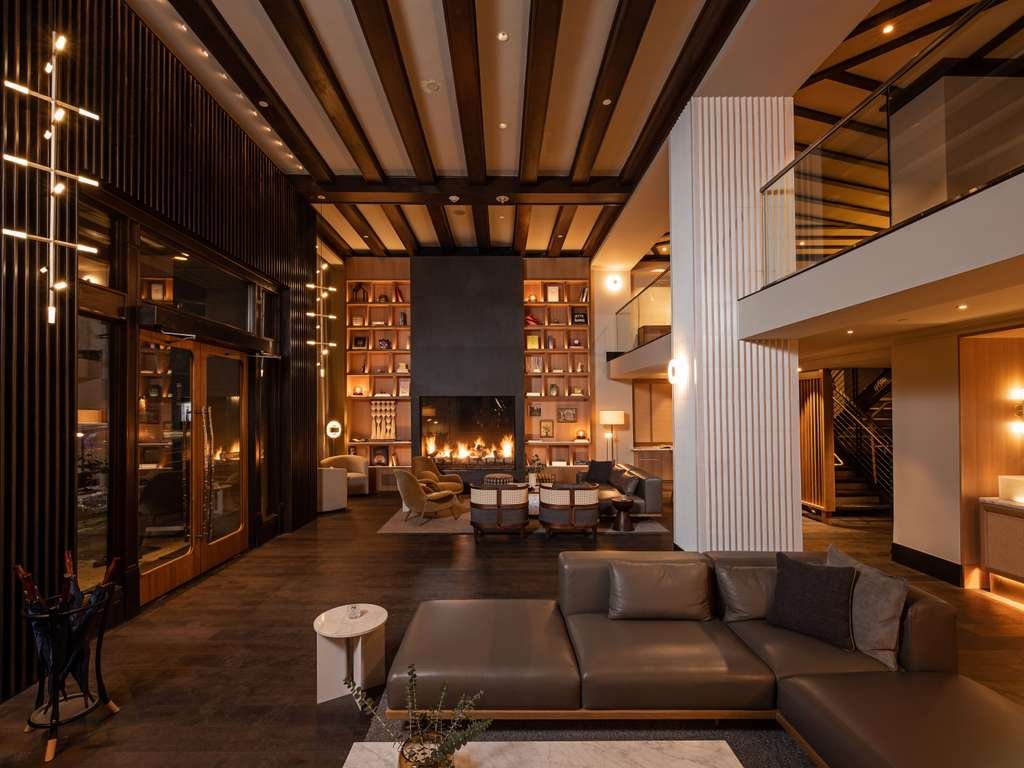
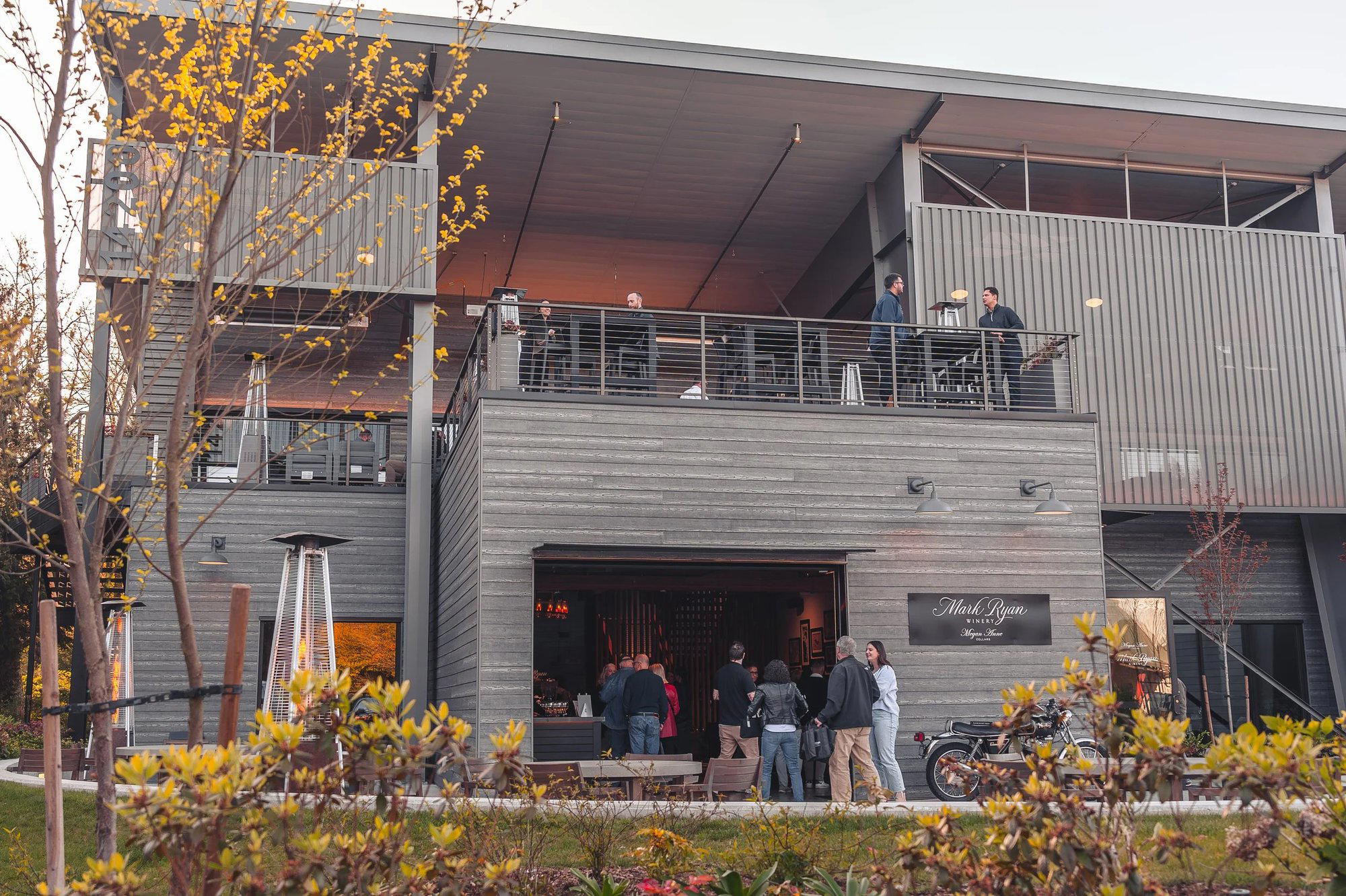
Soft inviting glow from chic interiors featuring black quartz countertops, perforated aluminum canopy, and plush velvet furnishings creating a sophisticated yet comfortable atmosphere.