Ocean Pacific's Esmeralda sits on Avenida Padre Hurtado Norte in Vitacura, positioning itself within a neighbourhood where seafood-forward dining competes at a serious level. The name signals a coastal identity in a landlocked commune, and the menu architecture, built around Pacific ingredients, reflects how Santiago's premium dining tier has absorbed Chile's extraordinary marine geography into its restaurant culture.
Pearl is the En Primeur Club membership app — saves, bookings, and concierge access live there. Same editors, same standards.
- Address
- Av. Padre Hurtado Nte 1480, 7650191 Vitacura, Región Metropolitana, Chile
- Phone
- +56961324837
- Website
- oceanpacifics.cl
- Directions
- Get directions
 Saves & bookings on Pearl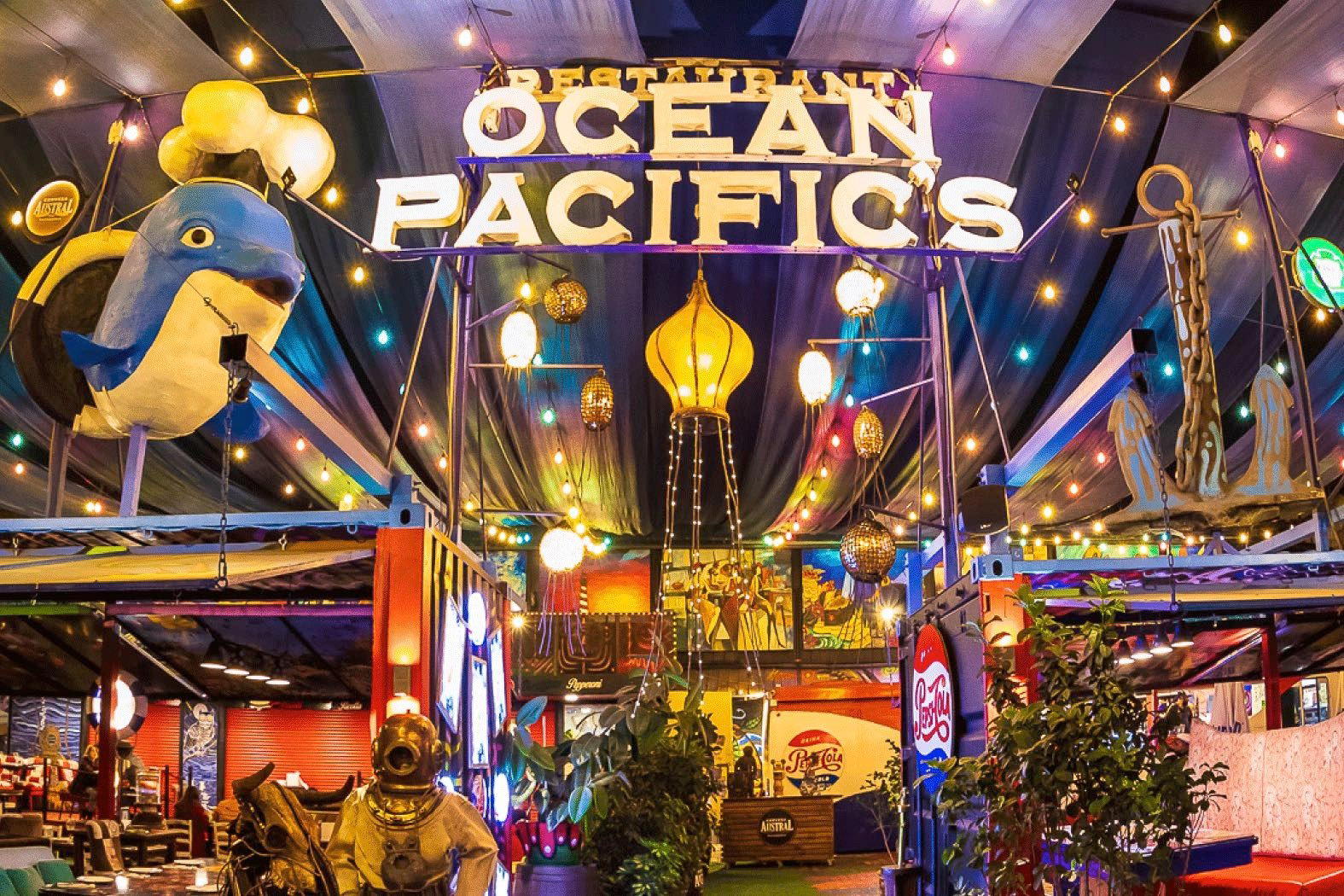
Where Coastal Chile Meets Vitacura's Dining Circuit
Vitacura's restaurant corridor along Avenida Padre Hurtado Norte runs through one of Santiago's highest-spending residential zones, where the dining room clientele expects precision and the competition between concepts is tight. Seafood restaurants occupy a particular niche in this environment: they must bridge Chile's Pacific coastline, among the more biologically productive in the Southern Hemisphere, with the expectations of a continental urban diner who may be comparing the plate in front of them to what they ate last week in Providencia or last month in New York. Ocean Pacific's Esmeralda operates inside that tension, at Av. Padre Hurtado Nte 1480, in a commune where Boragó, Carnal Prime Steakhouse, and Aquí está Coco Restaurante define the upper tier of the city's dining conversation.
The name itself carries a geographic declaration. "Ocean Pacific's" anchors the kitchen in a specific sourcing identity, Chile's western coastline, running more than 4,000 kilometres from the Atacama to Patagonia, produces corvina, congrio, reineta, locos, and sea urchin that have no equivalent in the Atlantic pantry. "Esmeralda" adds a second layer: the word means emerald, which in Chilean coastal culture carries associations with the cold, deep-green waters of the Humboldt Current, the upwelling system that drives the country's extraordinary marine biodiversity. That naming architecture is a menu promise before the first dish arrives.
How the Menu Speaks
Chilean seafood restaurants in the premium tier tend to resolve a structural tension in one of two directions: they either lean into raw and cured preparations that showcase ingredient quality with minimal intervention, or they build around cooked centrepieces, grilled, baked, or stewed, that emphasise tradition and technique. Particularly considered operations do both, using the menu's architecture to move the diner through the cold and the hot, the restrained and the generous.
A menu built around Pacific identity in this city has a specific vocabulary to draw from. Ceviche is the entry point most diners expect, but in Chile the preparation differs from its Peruvian cousin: the acid is less aggressive, the leche de tigre lighter, and the fish, often corvina or reineta, is chosen for its firmer texture under citrus. Beyond the raw section, congrio colorado (red conger eel) is the native benchmark, a fish so embedded in Chilean culinary identity that Pablo Neruda wrote an ode to its stew. Restaurants that handle congrio with care signal that they are cooking from the inside of the tradition, not performing it for tourists. Further along the menu, shellfish from the Chilean coast, razor clams, sea urchin from the Atacama coast, and centolla (king crab) from Patagonia, represent ingredients that have genuine scarcity and price logic behind them, placing them at the summit of any serious seafood menu's hierarchy.
For broader context on how Chilean seafood integrates into regional fine dining traditions across South America, the approach at Le Bernardin in New York City, where the menu is explicitly structured from raw to barely touched to fully cooked, offers a useful reference point for how menu architecture can itself be an editorial statement about ingredients. Closer to Vitacura, Boragó in Santiago has made native Chilean ingredients the centrepiece of its tasting format, demonstrating that local sourcing can anchor a globally recognised dining programme.
Vitacura's Seafood Position in Santiago's Dining Tier
Santiago's seafood dining is geographically distributed in a way that reflects class and commute patterns. The Mercado Central and Barrio Italia carry the city's traditional and mid-market seafood identity. Vitacura and adjacent Las Condes absorb the premium end, where diners are paying for sourcing specificity, room quality, and service discipline alongside the fish itself. Within Vitacura, Brunapoli and Casa las Cujas occupy adjacent positions in the neighbourhood's dining fabric, each with a distinct identity that the local clientele navigates with some fluency. A seafood-forward concept on Padre Hurtado Norte is therefore not arriving into a vacuum, it is positioning itself within an already-articulate local dining culture.
For context on how Chile's dining scene plays out beyond Santiago, restaurants like La Concepción in Valparaiso and Aquí Jaime in Concon demonstrate how coastal cities outside the capital develop their own seafood vocabularies, often with more direct access to daily catch. Casino Dreams in Punta Arenas sits at the southern extreme of Chile's dining circuit, where centolla and merluza austral dominate menus in ways they never quite do in Santiago. The capital's premium seafood restaurants are always, in a sense, translating coastal produce into a continental context, and that translation is where their editorial identity lives.
Elsewhere in Chile's dining geography, Ambrosia Bistro in Providencia and Amares Bistro in Antofagasta each reflect regional takes on the country's ingredient wealth, while Café Francés in Los Angeles and Casa del Barrio in Chillan show how the south-central interior develops its own distinct culinary logic. Further afield, Izakaya Kotaro on Easter Island operates at the outer edge of Chile's Pacific identity, where Polynesian and Japanese techniques layer over local fish in a way that has no equivalent on the mainland. For wine context, Viña Concha y Toro in Pirque anchors the Maipo Valley's contribution to Santiago-area dining, a pairing consideration for any seafood restaurant building a serious Chilean wine list. For Korean-inflected fine dining comparison, Atomix in New York City illustrates how menu architecture can function as its own form of cultural argument.
Planning Your Visit
Ocean Pacific's Esmeralda is located at Av. Padre Hurtado Nte 1480 in Vitacura, within easy reach of the commune's main commercial and residential streets. Arriving with a reservation is the lower-risk approach, particularly for dinner on weekday evenings when Vitacura's business dining crowd is most active.
Reputation Context
Comparable venues nearby, for context on price, style, and recognition.
| Venue | Cuisine | Price | Notes |
|---|---|---|---|
| Ocean Pacific's Esmeralda - VitacuraThis venue — the venue you are viewing | Chilean Seafood | $$$ | Not listed |
| Casa las Cujas | Chilean Coastal Seafood | $$$ | Vitacura |
| Japon Nueva Costanera | Authentic Japanese Sushi | $$$ | Vitacura |
| Aquí está Coco Restaurante | Traditional Chilean Seafood | $$$$ | Vitacura |
| Restaurant Bidasoa | Mediterranean Seafood | $$$ | Vitacura |
| Piegari Chile | Authentic Italian Trattoria | $$$ | Vitacura |
Continue exploring
More in Vitacura
Restaurants in Vitacura
Browse all →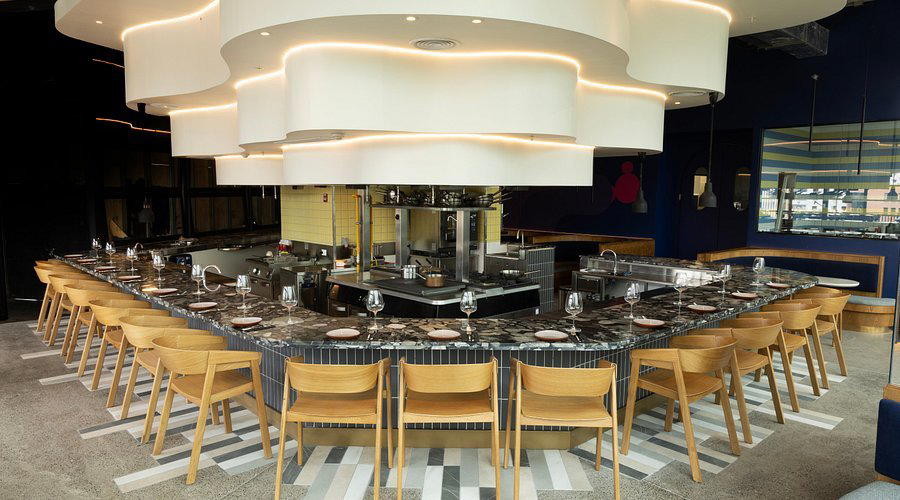
Bars in Vitacura
Browse all →

Hotels in Vitacura
Browse all →

At a Glance
- Scenic
- Cozy
- Family
- Celebration
- Group Dining
- Private Dining
- Extensive Wine List
Current opening hours
- Monday
- 12–11 PM
- Tuesday
- 12–11 PM
- Wednesday
- 12–11 PM
- Thursday
- 12–11 PM
- Friday
- 12–11 PM
- Saturday
- 12–11 PM
- Sunday
- 12–10 PM
Hours can change for holidays and private events. Last verified .
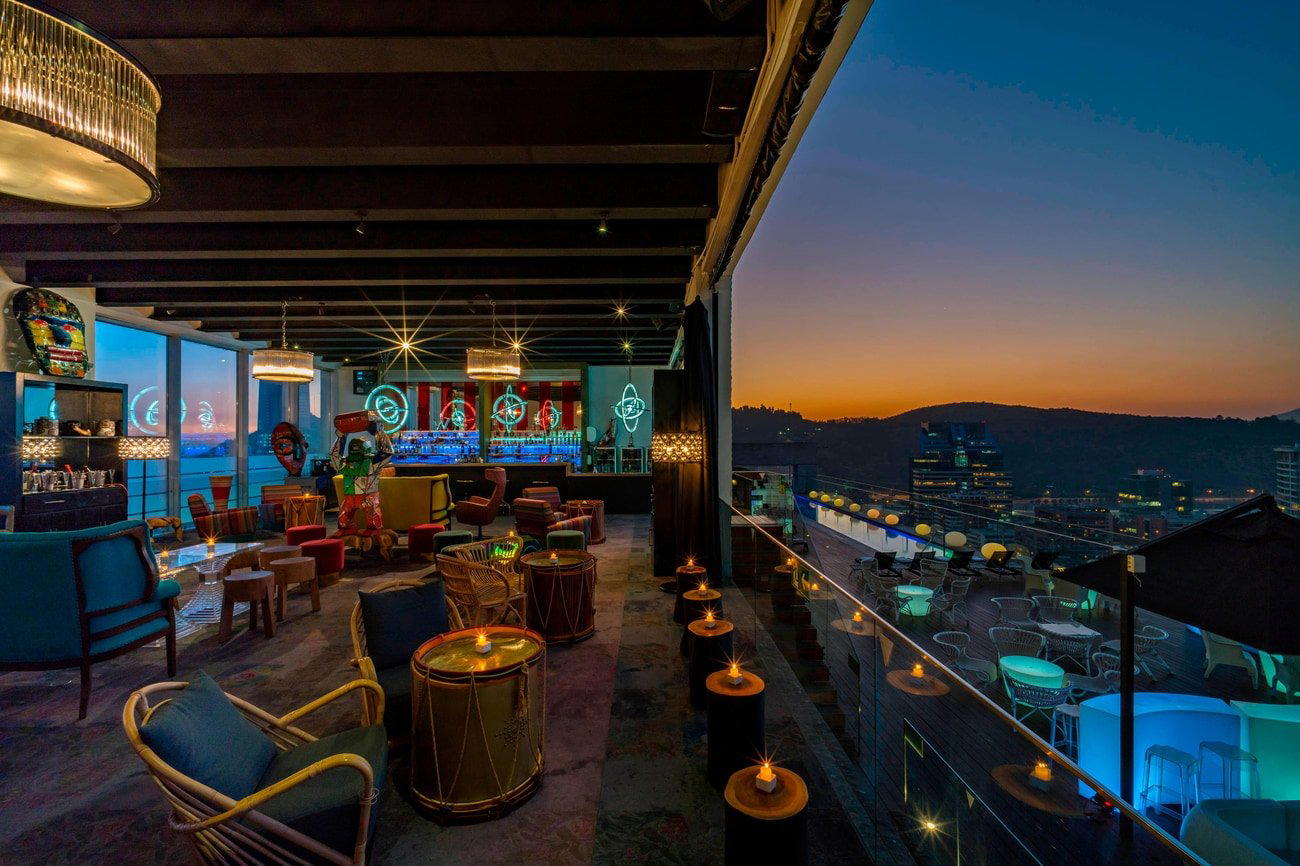
Entertaining marine-themed decor with boat elements, captain motifs, and a lively ocean atmosphere praised for its uniqueness.