Japon Nueva Costanera occupies a specific position in Vitacura's dining scene: a Japanese-inflected address on one of Santiago's most affluent restaurant corridors, where the competition runs from contemporary Chilean fine dining to international steakhouses. The address on Avenida Nueva Costanera places it inside a comparable set where price point and format discipline matter as much as the food itself.
- Address
- Av. Nueva Costanera 3835, 7630346 Santiago, Vitacura, Región Metropolitana, Chile
- Phone
- +56229063887
- Website
- restaurantjapon.cl
- Directions
- Get directions
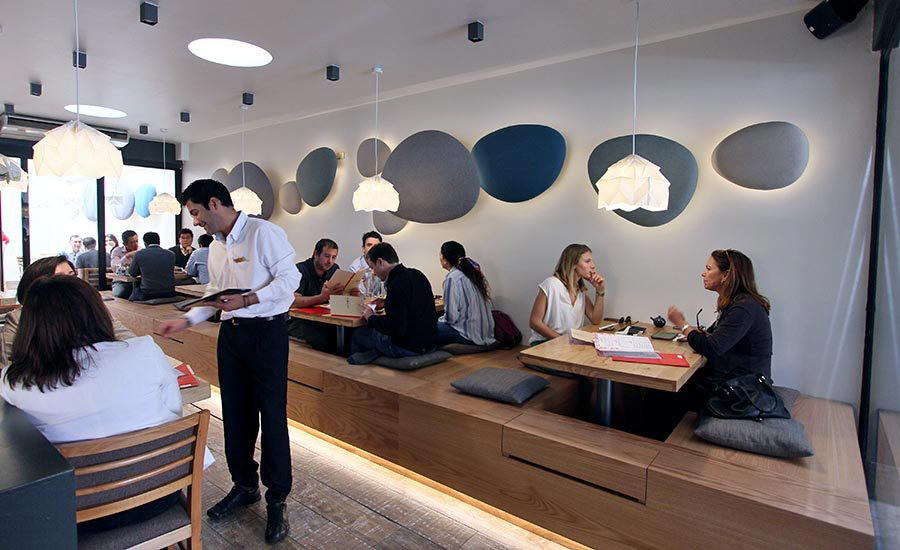
Japanese Dining on Santiago's Most Competitive Restaurant Strip
Avenida Nueva Costanera is the kind of street that forces a restaurant to justify its existence every service. Vitacura's dining corridor draws Santiago's most consistently demanding clientele, and the addresses along it compete not just on food but on format precision, room atmosphere, and the sense that a booking here was worth the effort. In this context, a Japanese-leaning restaurant occupies a specific cultural position: it answers a question that Chilean fine dining, however accomplished, cannot.
Japanese cuisine arrived in Chile through distinct waves of migration, with a significant Japanese-Peruvian community contributing to the Nikkei tradition that shaped South American interpretations of the food long before omakase counters became a global shorthand for fine dining ambition. Santiago's version of Japanese food has consequently developed along a dual track: one line runs toward Nikkei fusion, rooted in the Pacific coast's abundance of seafood and citrus; the other runs toward more restrained, Japan-referencing formats where product quality and technical discipline carry the argument. Restaurants on Avenida Nueva Costanera tend to occupy the more considered end of that spectrum, where the clientele expects the same level of ingredient sourcing they would find at the city's leading Chilean tables.
The Vitacura Context: Where This Address Sits
To understand what Japon Nueva Costanera is doing, it helps to map the broader Vitacura dining field. Boragó, with its foraging-led Chilean tasting menu, has set a reference point for what serious cuisine looks like in this postcode. Carnal Prime Steakhouse anchors the carnivore end of the market with a format built around imported beef programs. Aquí está Coco Restaurante holds a long-standing reputation for Chilean seafood. Casa las Cujas and Brunapoli each occupy distinct European-inflected positions. Against this field, a Japanese restaurant is not filling a gap so much as staking a claim in a cuisine category that reads as internationally sophisticated to the Vitacura diner, while remaining distinct from the European and Chilean formats that dominate the corridor.
That positioning is commercially astute. Santiago's sushi and Japanese dining market has moved upmarket over the past decade, tracking a global pattern where quality-signalling in Japanese food shifted from all-you-can-eat formats toward smaller, more precise expressions. The address on Avenida Nueva Costanera, one of Santiago's recognisably affluent dining precincts, signals that Japon Nueva Costanera pitches itself at the upper end of that local hierarchy.
What Japanese Cuisine Means in This Latitude
Chile's Pacific coastline is one of the arguments that Japanese-inflected cooking makes most convincingly in South America. The Humboldt Current pushes cold, nutrient-rich water northward along the Chilean coast, producing seafood, sea urchin, congrio, merluza, razor clams, that shares structural qualities with the cold-water fish that define Japan's own coastal cuisines. This geographic coincidence has meant that Japanese culinary technique, particularly in its treatment of raw fish, has found unusually compatible source material in Chilean waters. The leading Japanese restaurants in Santiago are, in a sense, amplifiers of what the Chilean coast already does well.
Nikkei cuisine formalised this relationship. Born from Japanese immigration to Peru in the late nineteenth century, and spreading through Chilean urban dining in subsequent decades, Nikkei uses Japanese knife technique and presentation logic while substituting local Pacific ingredients and incorporating Andean and South American flavour registers, including citrus, aji peppers, and South American soy-adjacent condiments. Whether any given Santiago Japanese restaurant leans Nikkei or pursues a more Japan-direct idiom tells you a great deal about its audience assumptions and its kitchen's training lineage. Elsewhere in Chile, Japanese-inflected dining has found interesting expression: Izakaya Kotaro in Easter Island demonstrates how the format adapts to radically different local ingredient contexts.
The Atmosphere Argument on Nueva Costanera
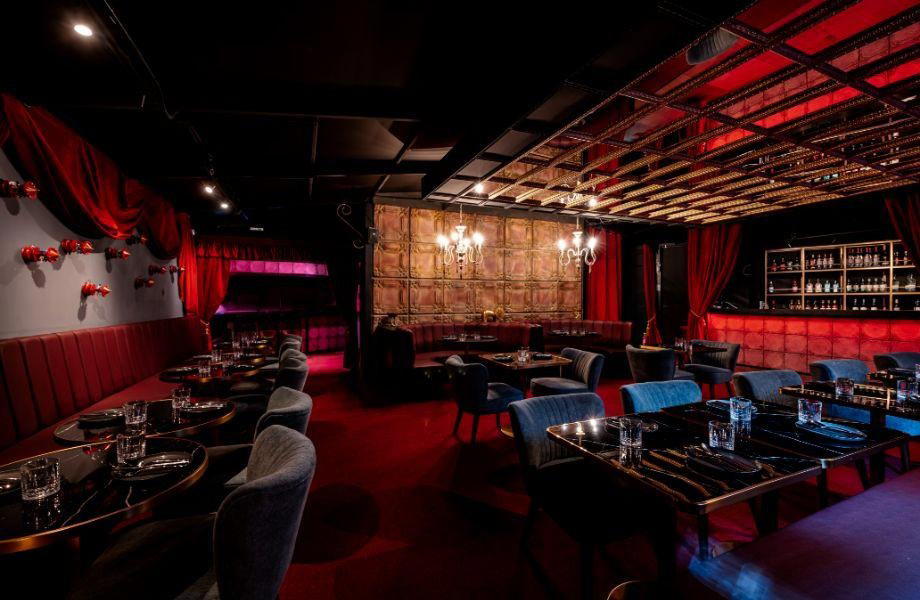
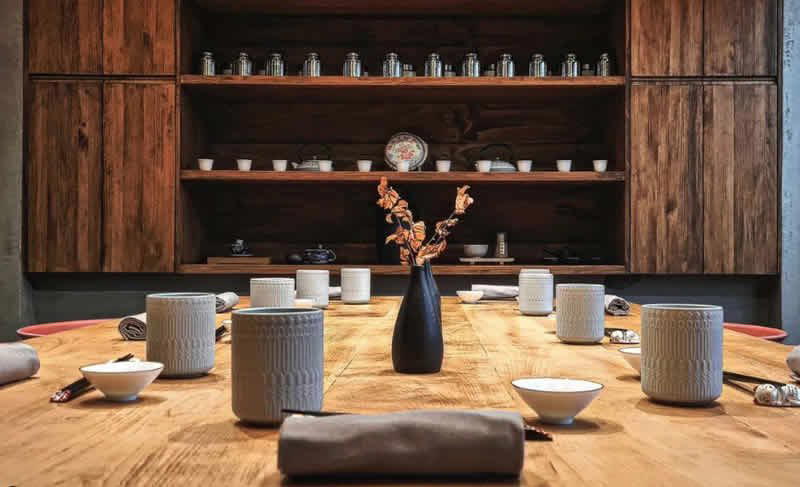
The physical environment of a Japanese restaurant in a high-income Santiago district carries its own set of expectations. The global shorthand for premium Japanese dining involves restraint: low light, natural materials, counter formats that foreground the kitchen's work, and a pace that resists compression. Whether a given Santiago address delivers on those atmospheric codes or diverges from them tells you something about whether it is speaking to a local clientele comfortable with that slower, more austere rhythm, or whether it is calibrating for the broader Nueva Costanera crowd, which trends toward social dining with more animated room energy.
How It Compares Beyond Santiago
Santiago's fine dining scene is increasingly legible in continental terms. Boragó in Santiago sits in the Latin American fine dining conversation at a regional level. Further afield, the benchmark for Japanese cuisine in a fine dining register remains counters like Atomix in New York City and the seafood precision of Le Bernardin in New York City, where the argument for cuisine as a serious cultural proposition is made. The gap between those reference points and a Vitacura Japanese address is not simply one of awards or recognition; it reflects the specific character of Santiago's dining market, which has its own logic, its own seasonal rhythms driven by Chilean agriculture and Pacific fishing seasons, and its own hierarchy of what constitutes serious ambition.
Across Chile more broadly, the contrast in dining registers is instructive: Ambrosia Bistro in Providencia and Amares Bistro in Antofagasta each illustrate how Chilean cities outside the capital have developed distinct dining personalities. And for one direct read on Chilean ingredient culture, Viña Concha y Toro in Pirque and La Concepción in Valparaiso offer frames of reference that clarify what Chilean hospitality looks like when it leans into its own traditions rather than imported ones.
Budget and Context
Comparable venues nearby, for context on price, style, and recognition.
| Venue | Cuisine | Price |
|---|---|---|
| Japon Nueva CostaneraThis venue — the venue you are viewing | Vitacura, Authentic Japanese Sushi | $$$ |
| Naoki | Vitacura, Japanese with Chilean Fusion | $$$$ |
| Mestizo | Vitacura, Modern Chilean Seafood | $$$$ |
| Brunapoli | Vitacura, Authentic Neapolitan Pizza | $$$ |
| La Casa Vieja Vitacura | Vitacura, Traditional Chilean | $$$ |
| Shi-Nuá | Vitacura, Peruvian-Chinese Fusion | $$$$ |
Continue exploring
More in Vitacura
Restaurants in Vitacura
Browse all →
Bars in Vitacura
Browse all →


Hotels in Vitacura
Browse all →



At a Glance
- Elegant
- Sophisticated
- Date Night
- Special Occasion
- Private Dining
- Sake Program
Stylish and welcoming atmosphere with elegant tatami room option for intimate dining.